

Image of 1980 Buick Skyhawk, Note: These illustrations use artistic license and may differ from actual historical models.
Performance Metrics
Fundamental Metrics
Emotional Appeal
MMP Rating
| Engine Specifications | |
|---|---|
| Engine: | 2.5L Tech IV I4, 3.8L Buick V6 |
| Displacement: | 2.5L - 3.8L |
| Horsepower: | 90-110 hp (estimated) |
| Torque: | 135-205 lb-ft (estimated) |
| Compression Ratio: | 8.0:1 - 8.5:1 (estimated) |
| Ignition System: | Electronic Ignition |
| Cooling System: | Liquid-cooled |
| Performance Specifications | |
| 0-60 Time: | 11-13 seconds (estimated) |
| 1/4 Mile Time: | 18-20 seconds (estimated) |
| Top Speed: | 100-110 mph (estimated) |
| Transmission and Drive | |
| Drive Type: | RWD (Rear Wheel Drive) |
| Transmission Type: | 3-speed automatic, 4-speed manual |
| Fuel and Efficiency | |
| Fuel System Type: | Carburetor |
| MPG: | 20-25 mpg (estimated) |
| Dimensions and Brakes | |
| Brakes: | Front Disc / Rear Drum |
| Wheelbase: | 97.0 in |
| Weight: | 2400-2600 lbs (estimated) |
Note: Specifications for classic cars are given to the best of our ability, considering the limited and variant data available.
1980 Buick Skyhawk: The Last of the Rear-Drive Buick Hawks
The 1980 Buick Skyhawk was a small Buick with a decidedly old-school layout: a compact body, a front engine, and rear-wheel drive. It belonged to the original H-body generation, a family of General Motors subcompacts that also included the Chevrolet Monza and Oldsmobile Starfire. Buick gave the formula a more upscale character, pairing sporty proportions with trim and details intended to set it apart from its Chevrolet cousin.
Its timing makes the 1980 model especially interesting. It was the final year of the original rear-wheel-drive Skyhawk. The name then disappeared for a brief spell before returning on a different, front-wheel-drive platform for 1982. That means a 1980 Skyhawk is not simply an early version of the later J-body car. It is the closing chapter of a distinct design, and one of the last small Buicks to send power to the rear wheels.
There is a second bit of Skyhawk trivia worth knowing: despite its compact size and sporty image, the model could be ordered as a practical Kammback wagon as well as a hatchback coupe. The wagon is the less familiar sight today, while the coupe is the body style most people associate with the name.
H-Body Styling and Cabin Details
The Skyhawk’s shape combined a long-looking hood, a short rear deck, and a sloping hatch that gave the coupe a fastback profile. Its compact dimensions and tapered nose made it look more European-inspired than the larger Buicks of the period. Buick-specific grille and badging supplied the family identity, while bright trim and model-dependent exterior details added a more dressed-up finish than a basic economy car typically offered.
The Kammback wagon traded some of the coupe’s sporty silhouette for a squared-off rear section and extra cargo room. Its upright tail made the car more useful for errands and weekend gear, while its two-door layout kept it visually compact. The coupe’s hatch offered a useful compromise of its own: a sporty roofline with a cargo opening more convenient than a conventional trunk.
Inside, the Skyhawk was built for everyday driving rather than luxury-car extravagance. Buyers could find cloth or vinyl upholstery, depending on trim and equipment, along with a straightforward dashboard and clear, easy-to-reach controls. The cabin used more hard-wearing materials than lavish ones, but Buick’s trim choices and details gave it a slightly more polished feel than the most basic versions of its Chevrolet relatives. Today, condition matters greatly: cracked dash surfaces, worn seat upholstery, and missing trim can be harder to address than routine mechanical work.
Exterior colors varied by ordering and availability, with the era’s familiar range of whites, reds, blues, silvers, browns, and other muted metallic shades. A light color could emphasize the car’s crisp body lines, while darker blues and reds gave the coupe a stronger sporting look. Interior color and material combinations also depended on trim, so buyers should verify a car’s original specification through its documentation where possible.
Engines, Equipment, and Body Styles
For 1980, the Skyhawk’s engine choices centered on a 2.5-liter four-cylinder and an available 3.8-liter Buick V6. The four-cylinder was the economy-minded choice, while the V6 delivered more low-speed torque and made the car feel livelier in ordinary traffic. Exact output figures can vary with emissions equipment and configuration, so an original window sticker or factory literature is the best reference for an individual car.
Buyers could pair the engines with manual or automatic transmissions, depending on equipment and configuration. The available equipment was conventional for the time rather than cutting-edge: power-assisted front disc brakes, rear drum brakes, and familiar analog instruments. The Skyhawk’s appeal came less from high-tech gadgets than from offering a compact Buick with a choice of practical and sporty body styles.
The two-door hatchback coupe was the signature Skyhawk. It had the clearest sporty character and remains the most recognizable version. The Kammback wagon is the more unusual alternative and may appeal to buyers who value rarity and utility over the coupe’s sleeker profile. Availability of specific engines, trim packages, and options can differ, so careful inspection of factory records is useful when originality is important.
Why the 1980 Skyhawk Matters
The Skyhawk’s significance lies in its place within GM’s changing compact-car strategy. The original H-body gave Buick a small, rear-drive car at a time when automakers were responding to fuel-economy concerns and expanding demand for smaller vehicles. It shared basic architecture with other GM models, which helped the company offer distinct brands without developing a completely separate car for each one.
That shared-platform approach was common in the industry, but the Skyhawk shows how differently GM could present the same broad engineering idea. Buick emphasized a more upscale identity, while Chevrolet’s Monza served a wider, more overtly mainstream audience. The Skyhawk was not a technical revolution, but it offered an appealing combination of compact size, rear-wheel-drive layout, and available V6 power.
Its final-year status also gives the 1980 model a useful place in Buick history. The later Skyhawk adopted a front-wheel-drive platform, reflecting the industry’s broader move toward space-efficient layouts. The 1980 car preserves the earlier formula: a small Buick with a longitudinal engine and driven rear wheels. That distinction is central to its appeal among enthusiasts who enjoy the feel and mechanical simplicity of older rear-drive cars.
Performance and Road Manners
Performance depends heavily on which engine and transmission a particular Skyhawk has. As a broad period-correct estimate, a four-cylinder car is likely to take roughly 13 to 16 seconds to reach 60 mph, while a V6 version may manage the sprint in about 10 to 12 seconds. Estimated top speed falls around 90 to 105 mph, depending on engine, gearing, condition, and equipment. These are approximate figures, not guaranteed test results for every car.
On the road, the Skyhawk feels light and compact compared with a full-size Buick. The V6 is the more relaxed choice for merging and climbing hills, with its torque making everyday acceleration less demanding. The four-cylinder emphasizes economy and straightforward operation, though modern traffic can make it feel modestly powered. Neither engine turns the Skyhawk into a muscle car, but the rear-drive layout gives the car a character that later small front-drive versions do not share.
Its suspension is tuned for ordinary roads rather than aggressive cornering. A sound example should feel manageable on winding roads, with a compact footprint that makes it easy to place in a lane. Rough pavement can expose the limits of an older, lightweight chassis, and worn shocks, bushings, or tires can make the ride feel unsettled. In crosswinds, the short wheelbase and light body demand more attention than a heavier sedan would.
From behind the wheel, the experience is mechanical and uncomplicated. The engine note is more noticeable than in a modern car, especially under acceleration, and the cabin lets in more road and wind noise. The steering, pedals, and transmission provide a direct connection to the car, although age and maintenance strongly influence how precise that connection feels. A well-sorted Skyhawk is best enjoyed at a relaxed pace, where its compact size and rear-drive balance are more important than outright speed.
Living With a Skyhawk
A 1980 Skyhawk can serve as a weekend classic, a local show car, or an occasional-use driver. The coupe suits someone who wants a compact vintage Buick with a sporty profile. The wagon offers a more practical and distinctive take, though finding a clean one may take patience. The car is not commonly chosen for serious competition today, but its rear-wheel-drive layout makes it an approachable platform for period-style modifications.
Many routine mechanical jobs are within the reach of an experienced home mechanic. The engines and transmissions are conventional, and the car shares a broad GM parts heritage with other H-body models. That shared lineage can help with some mechanical components, but it does not mean every part is interchangeable. Skyhawk-specific trim, body panels, interior pieces, and wagon parts can be difficult to locate, making a complete, unmodified example especially desirable.
Before buying, check for rust in the floors, rocker panels, wheel arches, and structural areas, as well as signs of previous accident repair. Inspect the suspension, brakes, cooling system, and transmission carefully. A car that has sat for years may need fuel-system work, fresh rubber components, and electrical repairs even if its engine turns over. As with most cars of this age, good maintenance history and sound bodywork are worth more than a long list of cosmetic upgrades.
Skyhawk Trivia and Common Criticisms
The most notable fact about the 1980 Skyhawk is also its simplest: it was the last rear-wheel-drive Skyhawk before the name returned on a new platform. Its H-body relationship to the Monza and Starfire gives it a place in a wider GM family of compact cars, and its unusual wagon version adds a practical twist to what is often remembered as a sporty coupe.
There is no widely recognized Skyhawk speed or endurance record, nor is the 1980 model known for a major celebrity ownership story or a defining appearance at a historic event. Its story is quieter: it represents a period when automakers were experimenting with smaller cars while still offering traditional rear-wheel-drive engineering.
Common criticisms include modest performance from the four-cylinder, a cabin that feels basic by modern standards, and the challenge of finding model-specific trim and body parts. The Skyhawk also lacks the broad collector following enjoyed by better-known muscle cars and sports cars. Those drawbacks help keep it accessible, but they mean buyers should not expect every example to be easy or inexpensive to restore.
Collector Values and Availability
The 1980 Skyhawk is an uncommon sight, but precise production figures for this model year are not consistently reported in readily available public sources. A reasonable working estimate is roughly 15,000 to 25,000 cars, with the understanding that this is an informed estimate rather than a verified factory total. Surviving examples are fewer still, especially cars with sound bodies, original trim, and complete documentation.
As a general market estimate, a project car may sell for around $1,000 to $3,000. A running, usable example in fair to good condition might bring approximately $3,000 to $7,000, while a particularly clean, original, or well-restored car could reach roughly $8,000 to $12,000. Exceptional examples or especially appealing wagons may exceed that range, but prices depend on condition, location, equipment, and buyer interest.
Values have generally remained modest compared with more famous 1980s performance cars. The Skyhawk is best viewed as an affordable niche classic rather than a guaranteed investment. Interest in unusual GM models may support gradual appreciation for clean, original cars, but restoration costs can quickly exceed market value. Buyers should choose one because they enjoy the car, not because they expect a rapid rise in prices.
A Small Buick With a Clear Identity
The 1980 Buick Skyhawk brought together compact dimensions, rear-wheel drive, a choice of four-cylinder or V6 power, and two distinctly useful body styles. It was not a technology leader or a high-performance icon, but it captured an important transition in American car design and marked the end of Buick’s original H-body Skyhawk.
For enthusiasts, its charm is in that combination of everyday practicality and old-school mechanical character. Find a solid example, preserve its hard-to-replace details, and the last rear-drive Skyhawk becomes more than an overlooked compact. It becomes a small, memorable piece of Buick history.
1980 Buick Skyhawk Catalog of Parts
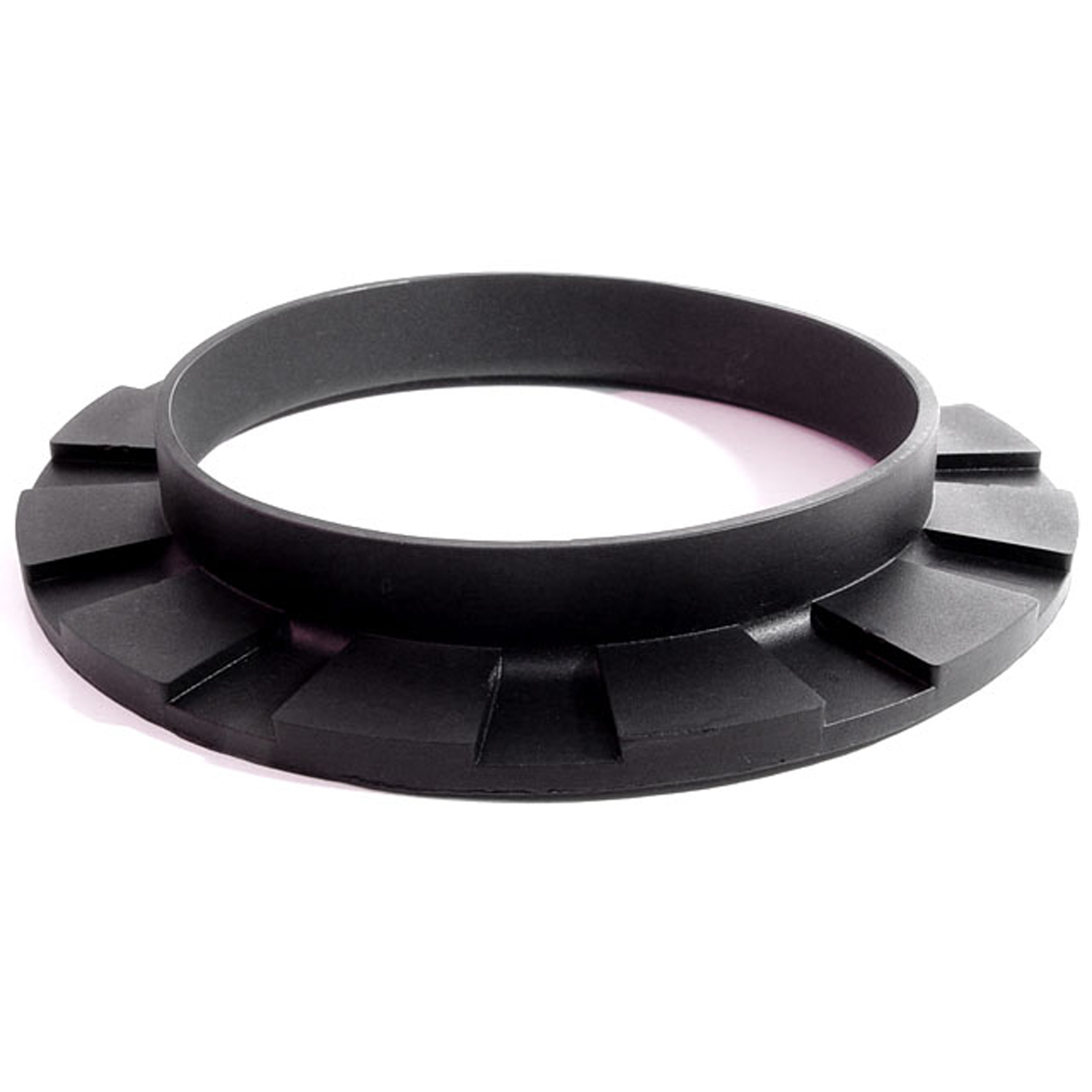 1980 Buick Skyhawk Front coil-spring insulator-BN 110Front coil-spring insulator. Fits '41-'60 Oldsmobile and '50-'83 GM passenger models. 5-3/8 in. OD x 3-3/4 in. ID x 3/4 in. high with 13/16 in. wide bottom flange 1/4" thick, 12 flutes. Each.
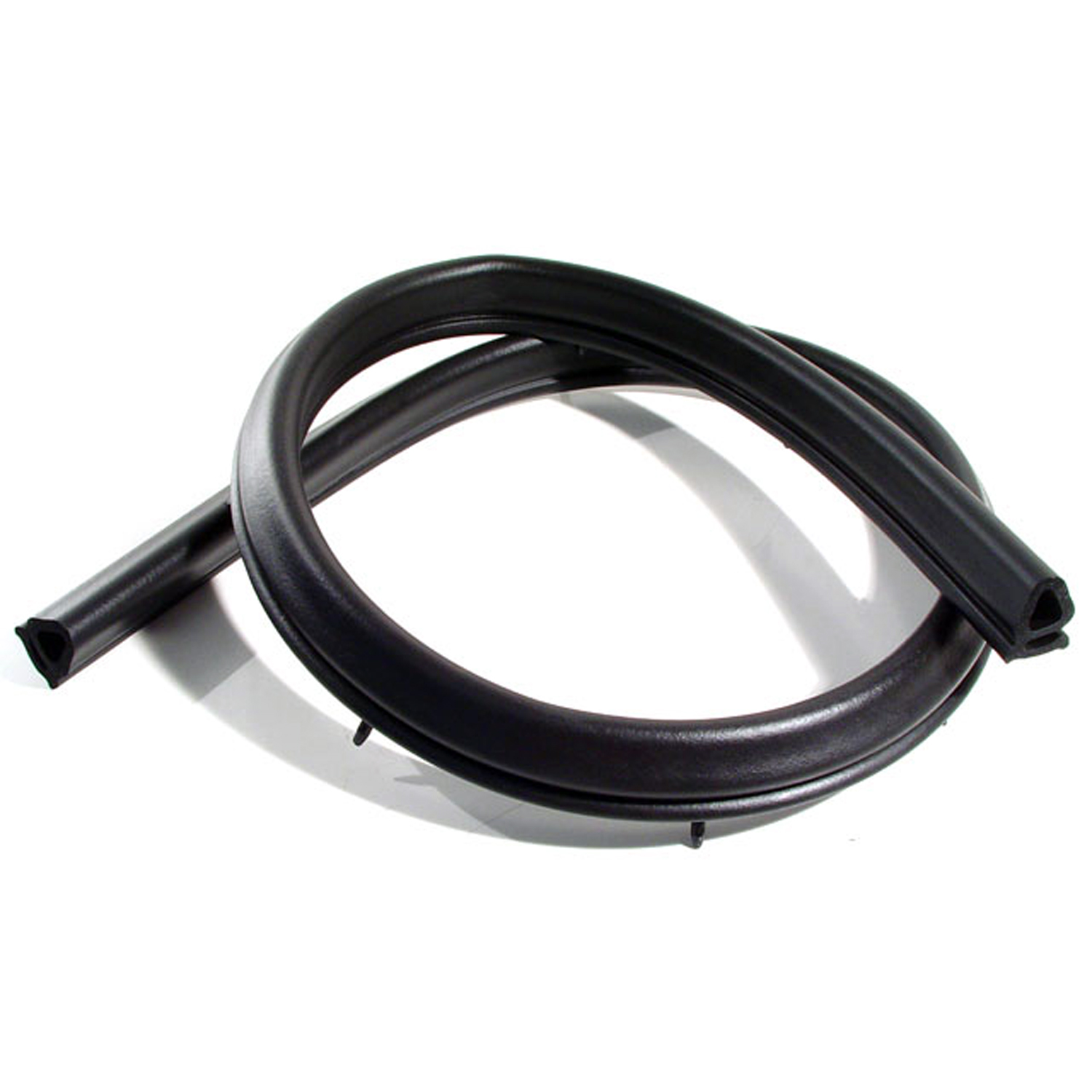 1980 Buick Skyhawk Hood to Cowl Seal, 71-80 GM H Body, Each-CS 13-HHood to Cowl Seal, 71-80 GM H Body, Each. Replaces OEM # 9829415. 50" Long. Comes with five mounting clips.
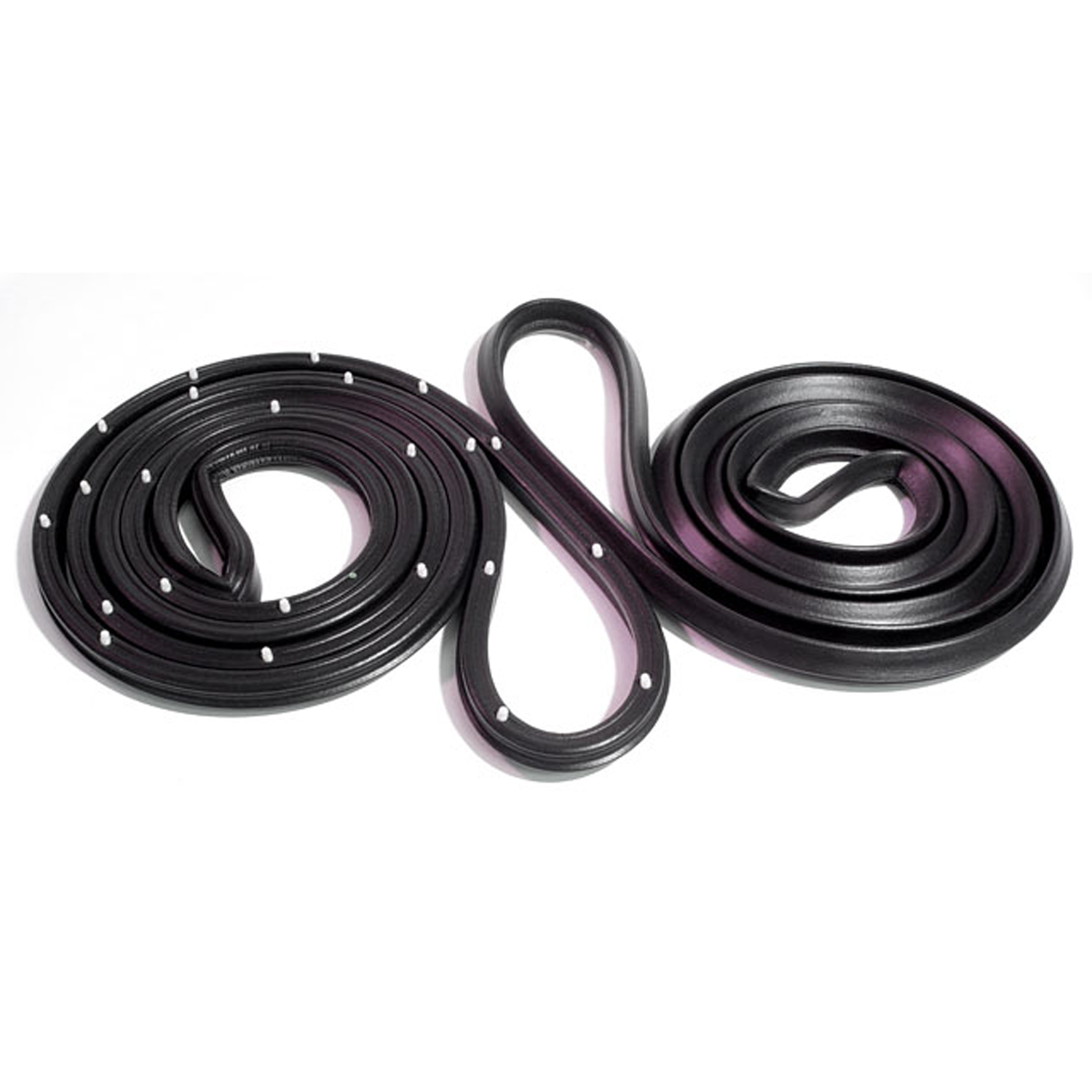 1980 Buick Skyhawk Molded Door Seals for Hatchbacks. 151-1/2" long each-LM 13-MMolded Door Seals for Hatchbacks. 151-1/2" long each. Pair R&L
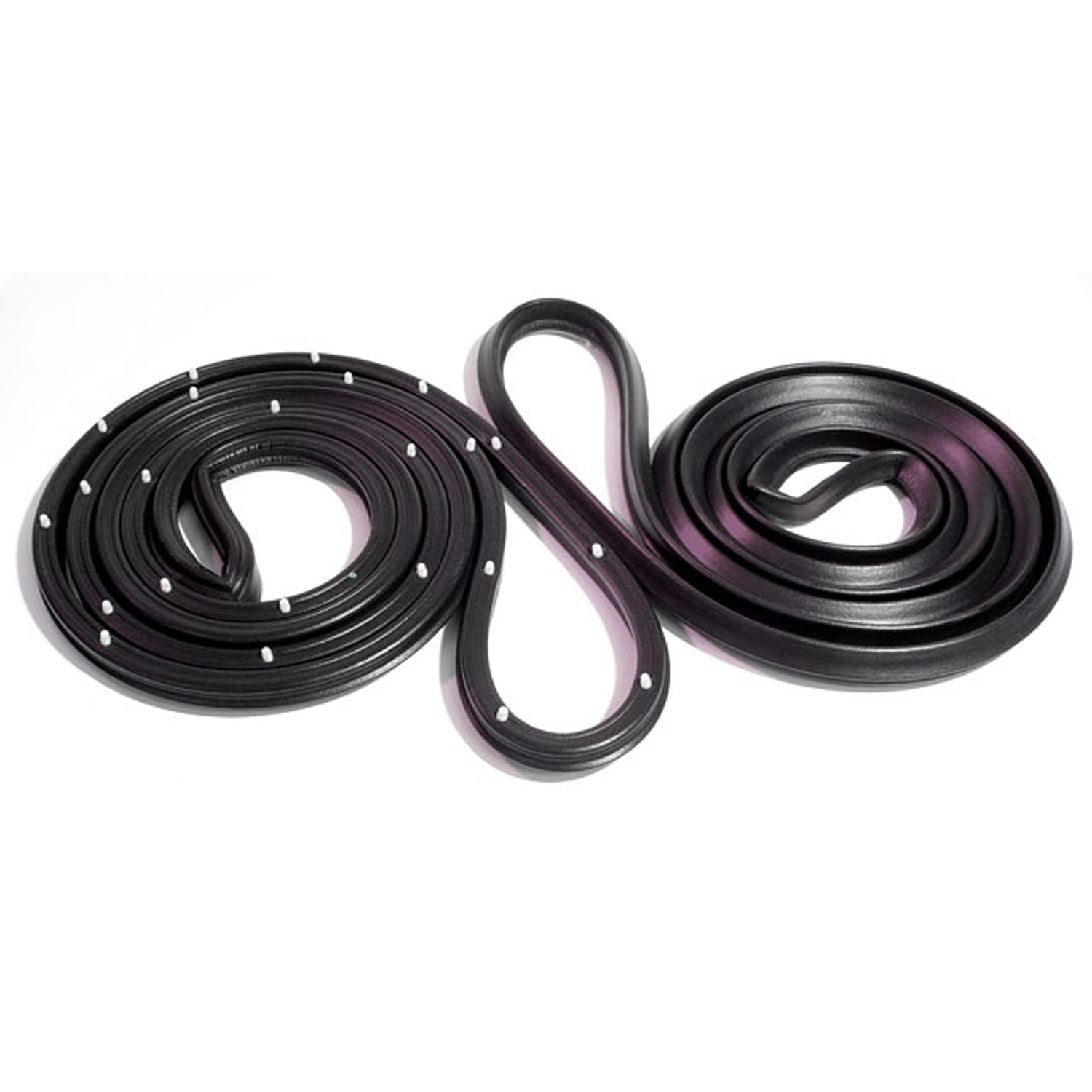 1980 Buick Skyhawk Molded Door Seals for Coupes. 151" Long. Pair R&L-LM 13-NMolded Door Seals for Coupes. 151" Long. Pair R&L
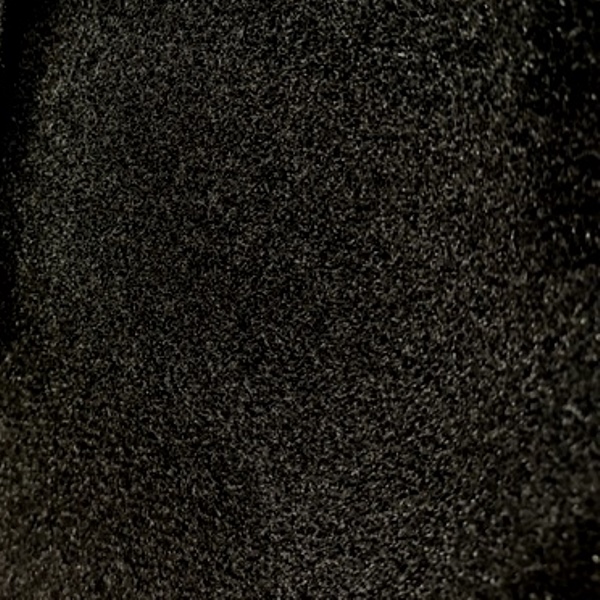 1980 Buick Skyhawk Trunk Liner. Loose weave, jet black. 50" wide-M 30Trunk Liner. Loose weave, jet black. 50" wide. Sold by the foot
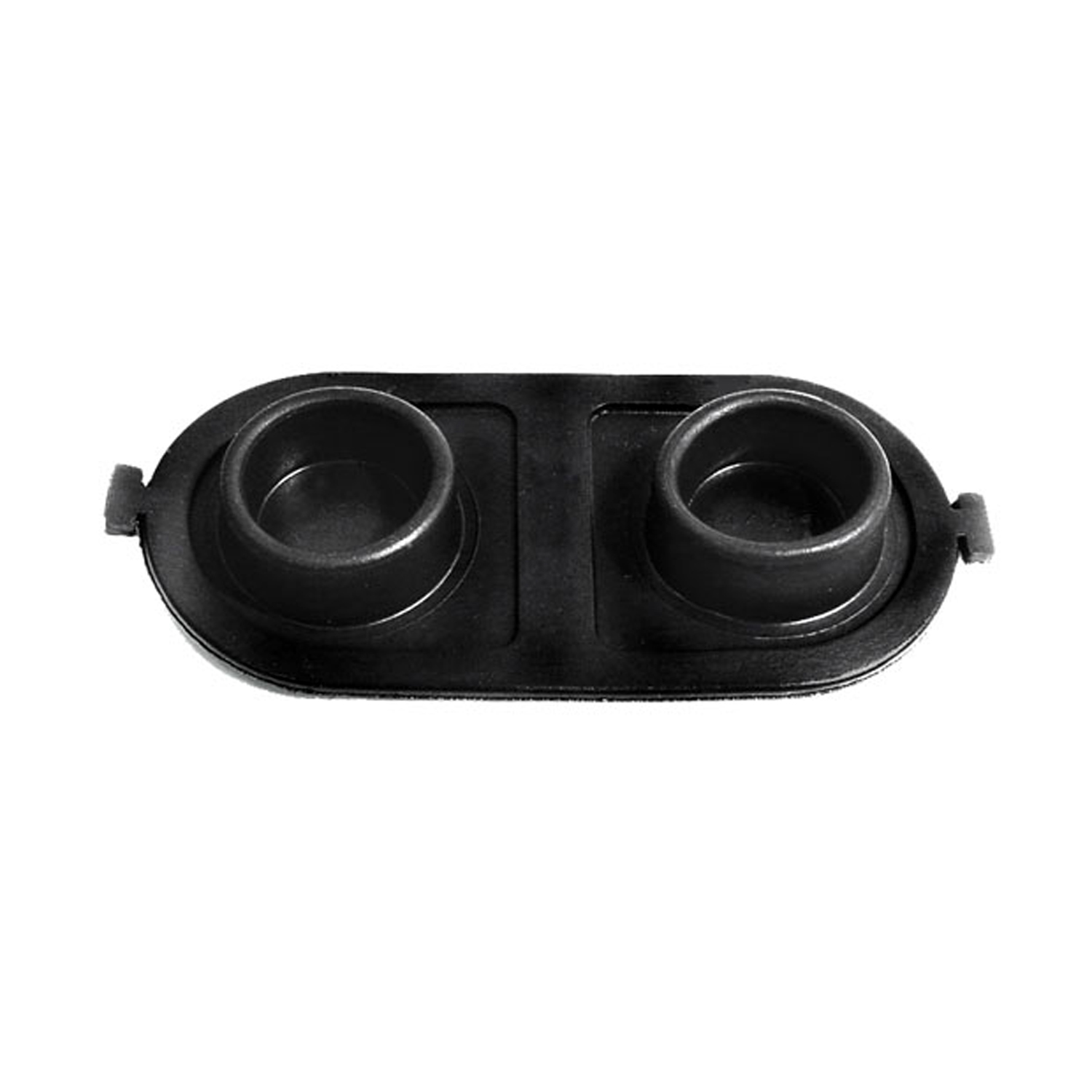 1980 Buick Skyhawk Brake Master Cylinder Cover Seal. Replaces OEM #5470861-RP 2-EBrake Master Cylinder Cover Seal. Replaces OEM #5470861. 5" X 2-1/2". Each
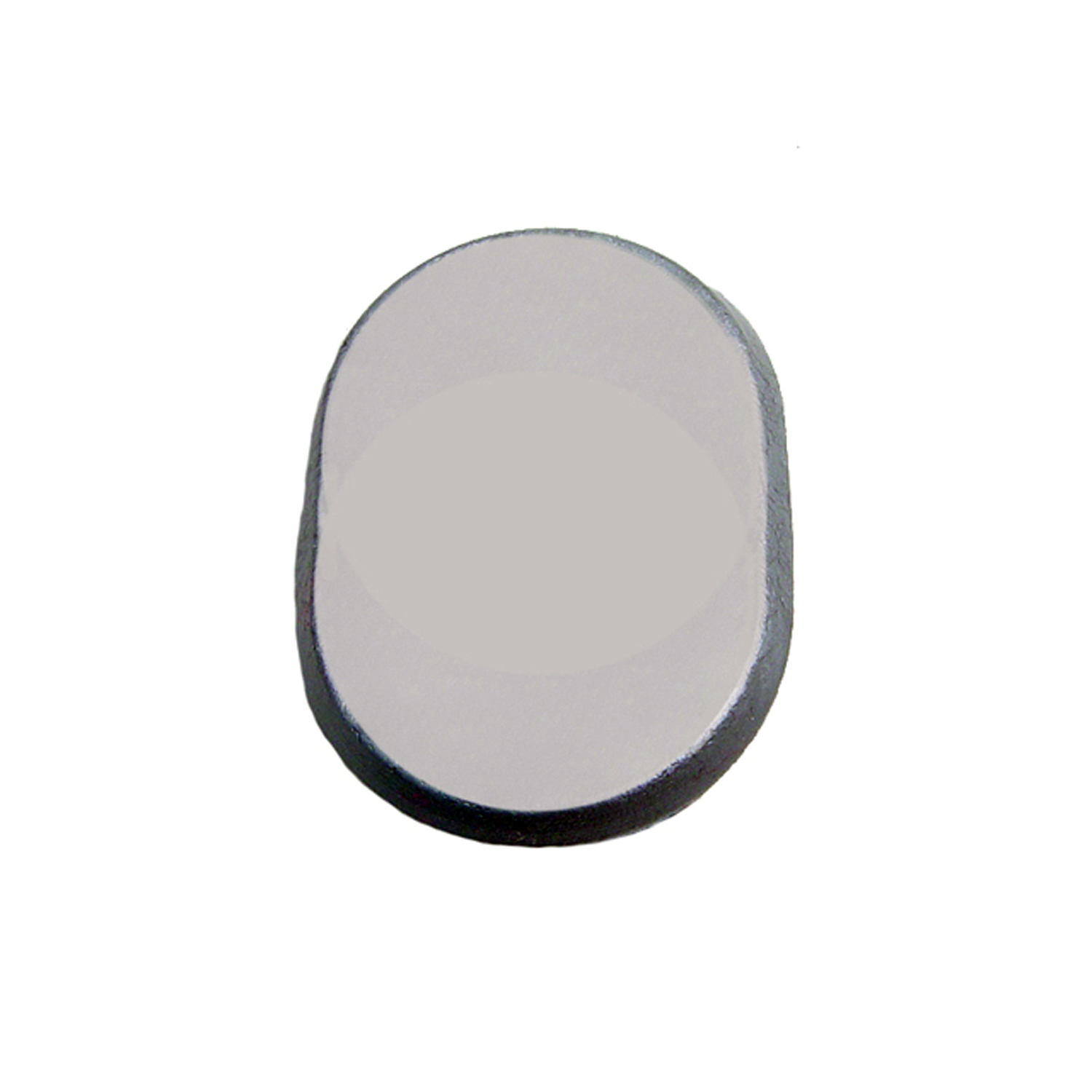 1980 Buick Skyhawk Hole Plug for Front Door Inner Panel Access Hole-SM 81Hole Plug for Front Door Inner Panel Access Hole. 1-1/2" X 1". Each
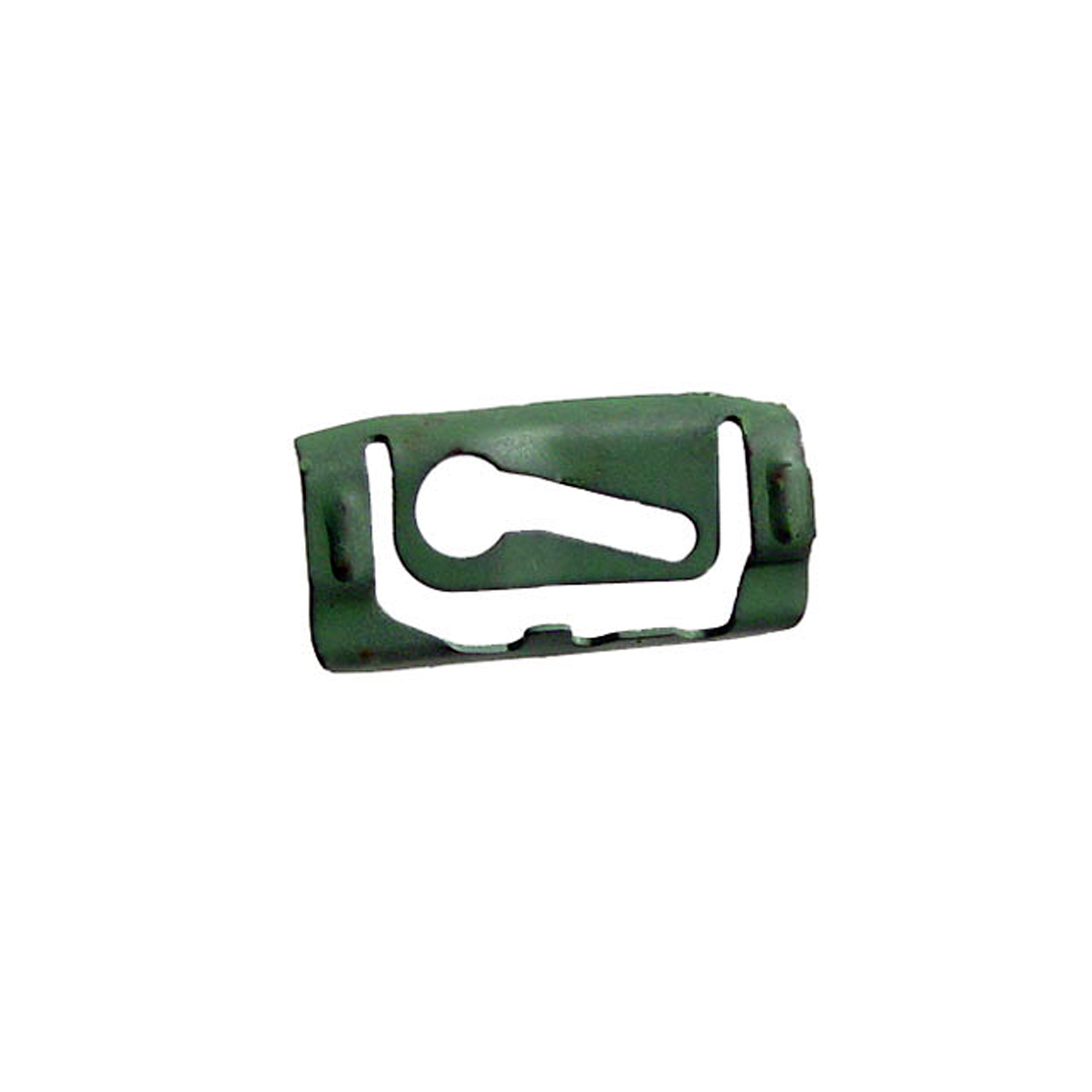 1980 Buick Skyhawk Quarter Window Reveal Molding Clip. Made of Steel-WF 205Quarter Window Reveal Molding Clip. Made of Steel. 1-3/8" X 11/16". Each
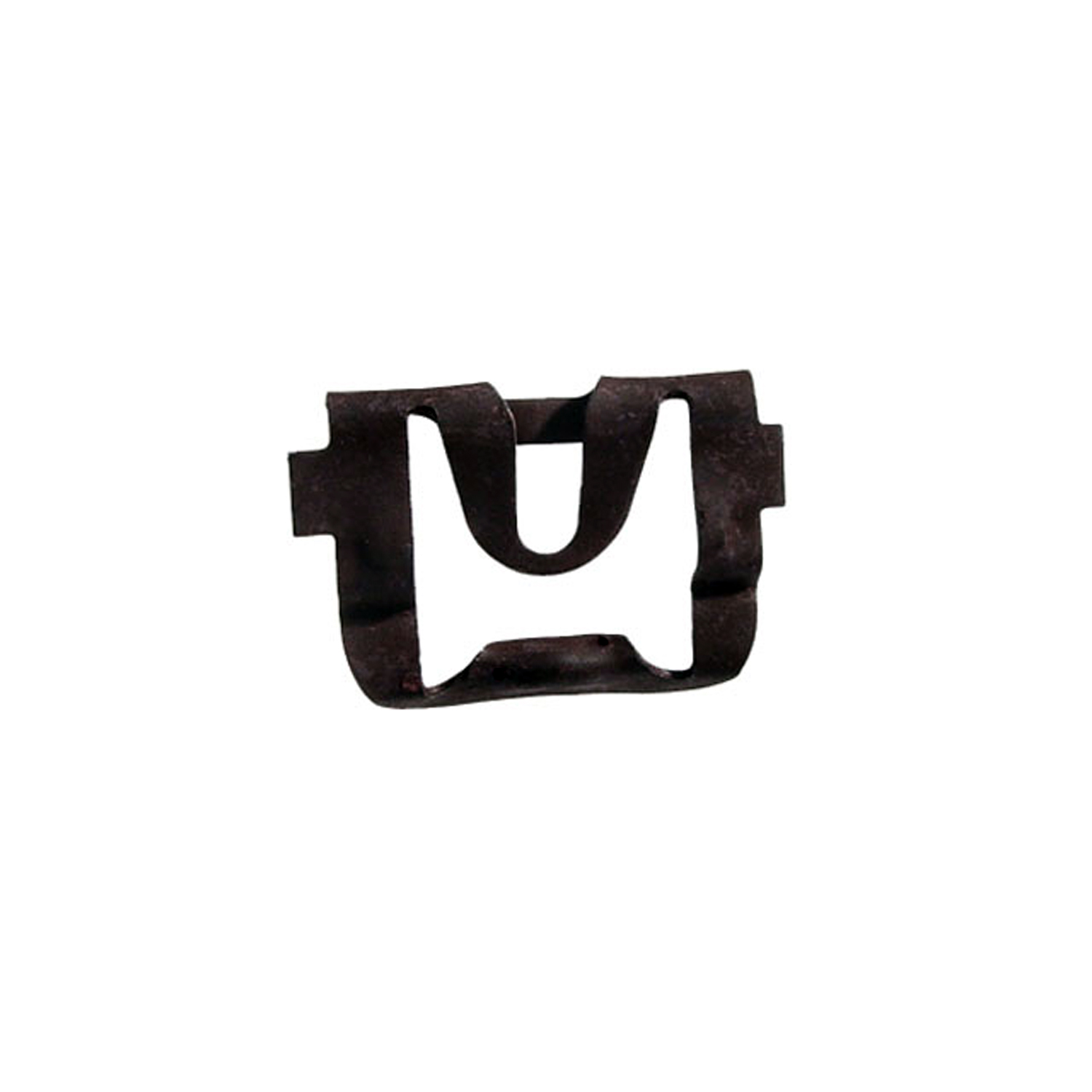 1980 Buick Skyhawk Rear Windshield Reveal Molding Clip. Made of steel-WF 211Rear Windshield Reveal Molding Clip. Made of steel. 15/16" X 3/4". Each
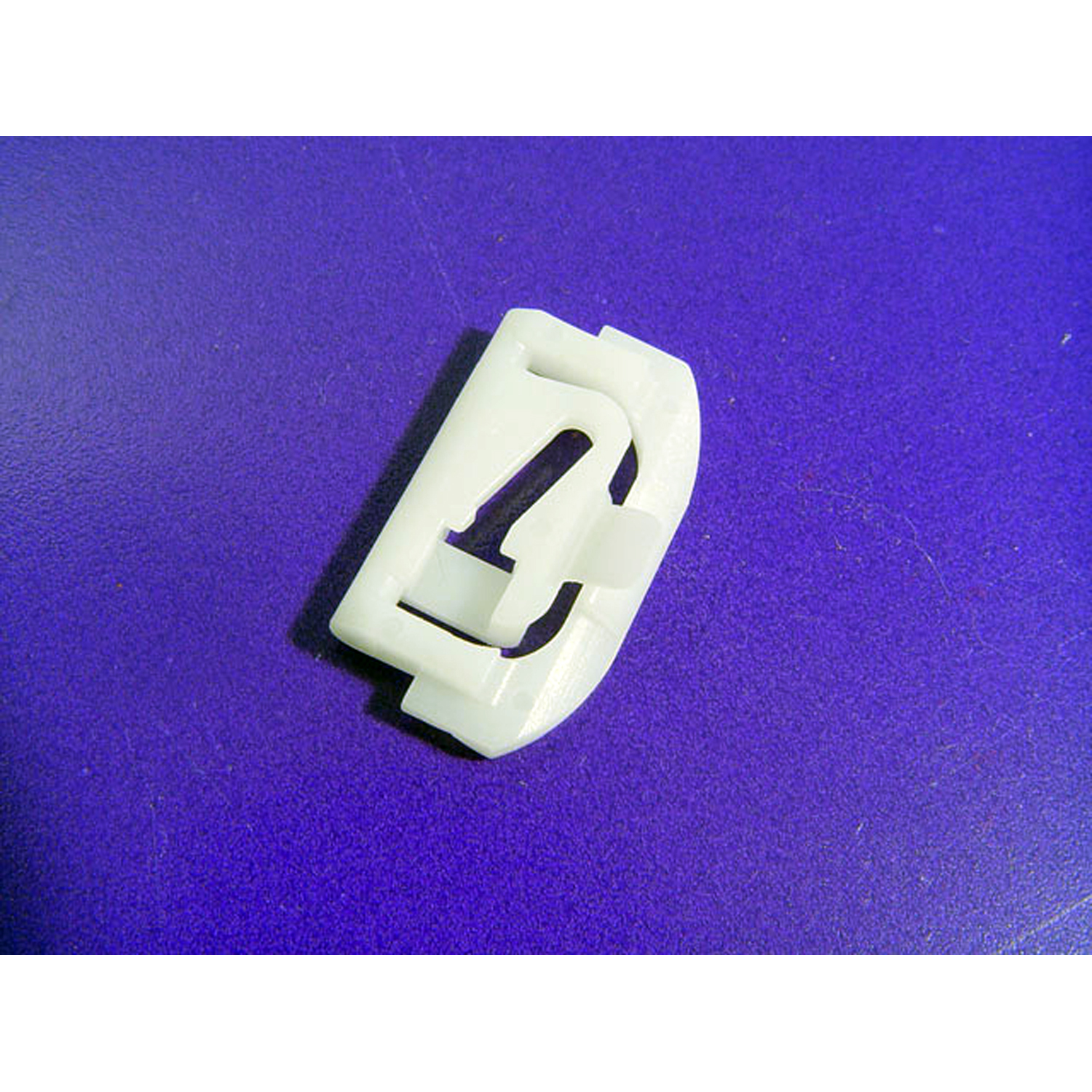 1980 Buick Skyhawk Lower Side Window Reveal Molding Clip. Made of nylon-WF 214Lower Side Window Reveal Molding Clip. Made of nylon. 1-1/4" x 3/4". Each
Why Choose Metro?
For over 100 years, Metro Moulded Parts has been the pinnacle of quality in classic car restoration parts. Our commitment to precision and authenticity in every component ensures a perfect fit and an OEM-level appearance.
- Expert Craftsmanship & Quality: Each part is a testament to our dedication to reliability and perfection, crafted from original designs and thoroughly tested.
- Advanced Technology: We use cutting-edge techniques to create flawless, long-lasting parts that surpass others in performance.
- SuperSoft Sponge – The Ultimate Door Seal: Not only are our door seals 30% softer than competitors', but they're also guaranteed to never leak. They effectively reduce wind and road noise, enhancing your classic car's comfort and driving experience.
- Proudly American: Our parts are a product of American craftsmanship, made in the USA with a spirit of excellence and heritage.
- Unrivaled Warranty: We back our products with a 30-year industry-leading warranty, a testament to our confidence in their quality.
Join us in preserving the legacy of classic cars with parts that are crafted for perfection, not just made.