

Image of 1980 Buick Skylark, Note: These illustrations use artistic license and may differ from actual historical models.
Performance Metrics
Fundamental Metrics
Emotional Appeal
MMP Rating
| Engine Specifications | |
|---|---|
| Engine Options: | 2.5L Tech IV I4, 3.8L Buick V6 |
| Displacement Range: | 151-231 cu in (2.5-3.8L) |
| Horsepower Range: | 90-110 hp |
| Torque: | 125-185 lb-ft |
| Compression Ratio: | 8.0:1 - 8.9:1 |
| Ignition System: | Electronic Ignition |
| Cooling System: | Liquid-cooled |
| Performance Specifications | |
| 0-60 Time: | Estimated 12-15 seconds |
| 1/4 Mile Time: | Estimated 18-20 seconds |
| Top Speed: | 100 mph |
| Transmission and Drive | |
| Drive Type: | Front-wheel drive |
| Transmission Type: | 3-speed automatic, 4-speed manual |
| Fuel and Efficiency | |
| Fuel System Type: | Carburetor |
| MPG: | Estimated 20-25 mpg |
| Dimensions and Brakes | |
| Brakes: | Front disc, rear drum |
| Wheelbase: | 105.5 inches |
| Weight: | 2,600-2,800 lbs |
Note: Specifications for classic cars are given to the best of our ability, considering the limited and variant data available.
The 1980 Buick Skylark traded tailfins and rear-wheel-drive tradition for a transverse engine, front-wheel drive, and a much more compact footprint. It was a big change for Buick, and a revealing snapshot of Detroit adapting to fuel-conscious buyers at the start of a new decade.
1980 Buick Skylark: A New Kind of Buick
Built by Buick, a division of General Motors, the 1980 Skylark was part of a fully redesigned generation based on GM’s X-body platform. It shared its basic engineering with the Chevrolet Citation, Pontiac Phoenix, and Oldsmobile Omega, while Buick gave the car its own grille, trim, and more upscale presentation.
The Skylark name had a much longer history. Buick first used it on a limited-production convertible in 1953, and the name later appeared on several generations of larger, rear-wheel-drive cars. The 1980 model marked a sharp departure from that heritage: it was smaller, lighter, and front-wheel drive. Its arrival reflected the pressure on American automakers to improve fuel economy after the energy crises of the 1970s.
One intriguing twist is that the Skylark’s new layout was not simply a fuel-economy experiment. By placing the engine and transmission across the front of the car and driving the front wheels, GM could package a roomy cabin into a shorter body. That space-saving design would become commonplace, but it still felt like a major change in a Buick showroom in 1980.
Compact Shape, Buick Details
The 1980 Skylark wore the angular, upright styling popular at the dawn of the 1980s. Its nose was short, its glass area generous, and its body sides relatively clean. Rectangular headlamps, a formal Buick grille, slim bumpers, and crisp character lines gave it a more traditional face than some of its X-body relatives. The overall shape was practical rather than flashy, with the cabin pushed forward to make useful space inside.
Buyers could choose coupe and four-door sedan body styles. The sedan was the sensible family choice, while the two-door coupe offered a sportier profile and became the more visually distinctive version. Exact configurations and trim availability varied, so buyers shopping today should check the car’s original sales literature or build records rather than assume every body style came with every option.
Inside, the Skylark aimed to feel a step above a basic economy car. Depending on trim and equipment, buyers could find cloth or vinyl seating, patterned upholstery, carpeting, and more decorative door and instrument-panel trim. The materials were conventional for the period: durable and functional, but not comparable to the leather-rich cabins of larger Buick models. Higher trim levels and optional equipment could add comfort and convenience features.
Factory paint choices changed with trim and market, but the era’s palette included familiar shades such as white, silver, beige, blue, red, brown, and green. Neutral colors suited the Skylark’s restrained character, while brighter reds and blues gave the compact body a little more personality. Original paint codes matter to restorers because a car’s precise shade could depend on its production date and trim.
Front-Wheel Drive Comes to Skylark
The headline engineering change was the transverse powertrain. Instead of a long engine mounted front-to-back and driving the rear wheels, the Skylark used a front-mounted engine driving the front wheels. That arrangement reduced the need for a transmission tunnel and helped free up passenger and luggage space. It also gave the car useful traction on wet or snowy roads, particularly with appropriate tires.
Engine choices included a 2.5-liter inline four-cylinder and an available 2.8-liter V6. Output depended on engine and equipment, but period specifications place the four-cylinder around 90 horsepower and the V6 around 115 horsepower. Manual and automatic transmissions were offered, with availability depending on configuration.
By today’s standards, the technology was straightforward. The Skylark had conventional analog instruments and familiar cabin controls, not the electronic displays or driver-assistance systems expected in a modern car. Its innovation was primarily beneath the body: front-wheel drive, compact packaging, and an efficient use of interior space.
Why the 1980 Skylark Matters
The Skylark is significant as part of Buick’s transition into the front-wheel-drive era. It showed that the division could build a smaller car without abandoning its emphasis on comfort and a more polished appearance. Its platform also formed part of GM’s broader move toward compact front-drive cars, a layout that would dominate ordinary passenger-car design for decades.
What set the Skylark apart from many contemporaries was its combination of compact dimensions and Buick identity. It was not a muscle car, and it did not pretend to be one. Instead, it offered buyers a practical domestic alternative to imported compact cars, with an available V6 and a somewhat more refined presentation than the most basic economy models.
The X-body cars also became associated with engineering and quality concerns, and their early front-wheel-drive hardware could be unfamiliar to owners and mechanics accustomed to rear-wheel-drive cars. That reputation is part of the platform’s history, though it should not be treated as proof that every surviving Skylark is troublesome. A well-maintained example can still be perfectly usable, while neglected cars may demand attention to brakes, suspension, wiring, and age-related rubber components.
Performance and Road Manners
The four-cylinder Skylark was built for everyday transportation, not quick launches. A reasonable period-style estimate puts 0-to-60-mph acceleration in the mid-teens, depending on transmission, condition, and test method. The V6 was livelier, with estimates generally in the low-to-mid teens. Top speed varied as well, but roughly 95 to 105 mph is a sensible range for a healthy, stock car. These are broad estimates rather than guaranteed figures for every 1980 Skylark.
On the road, the Skylark feels light and easy to place. Front-wheel drive gives it predictable traction in ordinary rain and snow, while its compact size makes parking and city driving straightforward. The suspension is tuned more for comfort than cornering precision. It can take everyday bumps without the harshness of a stiffly sprung sporty car, though worn shocks, bushings, or tires can make an old example feel loose or unsettled.
On a winding road, expect modest grip and some front-end push if you enter a corner too quickly. The steering and brakes are period-appropriate rather than modern-sharp, and the car rewards smooth inputs. With the four-cylinder, the engine tends to sound busy when pushed. The V6 provides a fuller note and more relaxed response, but neither engine turns the Skylark into a performance coupe. The best driving experience is unhurried: light controls, a comfortable pace, and a cabin designed for ordinary trips.
Living With a Skylark Today
Most 1980 Skylarks are best suited to occasional driving, local errands, or vintage-car gatherings. A sound, well-sorted car can serve as a basic summer driver, but many examples are now old enough that condition matters far more than the original specification. These are not commonly used for serious competition, and they are rarely built as high-powered show cars.
Routine service is approachable for an owner with basic mechanical skills. Oil changes, tune-ups, belts, hoses, and many suspension jobs follow familiar principles. However, the transverse engine bay can be tighter than that of an older rear-wheel-drive Buick, and some components may be harder to reach. Parts availability is mixed: maintenance items and some shared GM components can be found, while model-specific trim, interior pieces, and good body panels may take patience to locate.
Before buying, inspect the body carefully for rust, especially around lower body panels, wheel openings, floors, and areas where water can collect. Check that the transmission shifts properly, the cooling system stays stable, and the brakes operate evenly. A test drive should include low-speed turns, firm braking, and a look for vibration or unusual drivetrain noises. Documentation and evidence of recent repairs are valuable on any 46-year-old car.
Skylark Trivia and Common Criticisms
The 1980 redesign was a major turning point for the Skylark: it exchanged the nameplate’s larger rear-drive roots for a compact front-drive format. That makes it an interesting car for comparing two very different eras of Buick design. It was part of a platform family that included several GM models, so some mechanical knowledge and components cross over among X-body cars.
There is no widely recognized speed, endurance, or sales record attached specifically to the 1980 Skylark, and it is not especially known for celebrity ownership or a major cultural event appearance. Its claim to interest is more historical than glamorous: it represents GM’s early, large-scale move into front-wheel-drive compact cars.
Common criticisms include modest performance, a plain cabin by luxury-car standards, and the mixed reputation of early X-body engineering. Today, scarcity of good trim and body parts can be a bigger frustration than the basic mechanical design. The upside is that the car remains relatively uncomplicated compared with modern vehicles, and it offers a distinctive slice of early-1980s American motoring.
Collector Value and Availability
The 1980 Skylark is an affordable, low-profile collectible rather than a high-demand investment car. As a rough current-market guide, a project or non-running example might sell for about $500 to $2,000. A usable driver in fair-to-good condition could bring roughly $2,000 to $6,000, while a clean, well-preserved car may reach $6,000 to $10,000. An exceptional original example could exceed that range, but buyer interest and local supply have a strong effect on the final price.
These figures are estimates, not a formal appraisal. A car’s condition, rust, engine, trim, originality, and maintenance history can move its value substantially. The 1980 model is not commonly treated as a rare production collectible, but finding one in genuinely good, original condition is increasingly difficult. A reasonable best-guess estimate for total 1980 Skylark production is approximately 80,000 to 100,000 cars across the available configurations; exact totals can vary by source and by how production figures are grouped.
Values have generally remained modest rather than climbing sharply. Clean survivors may attract more attention as early front-wheel-drive cars become a stronger part of enthusiast history, but there is little evidence that ordinary Skylarks are appreciating quickly. Buy one because you enjoy its character and history, not because you expect a guaranteed return.
A Buick at a Turning Point
The 1980 Buick Skylark is not remembered for blazing speed or extravagant styling. Its importance lies in the change it represents: a familiar Buick name adapting to smaller cars, tighter fuel expectations, and a new front-wheel-drive layout. It offered useful space, a choice of four-cylinder or V6 power, and a more refined take on the compact-car formula.
For today’s enthusiast, the Skylark is an approachable way to explore a pivotal chapter in American automotive history. Find a solid example, keep its mechanical basics in order, and it becomes more than an inexpensive old car: it becomes a rolling reminder of the moment Buick changed direction.
1980 Buick Skylark Catalog of Parts
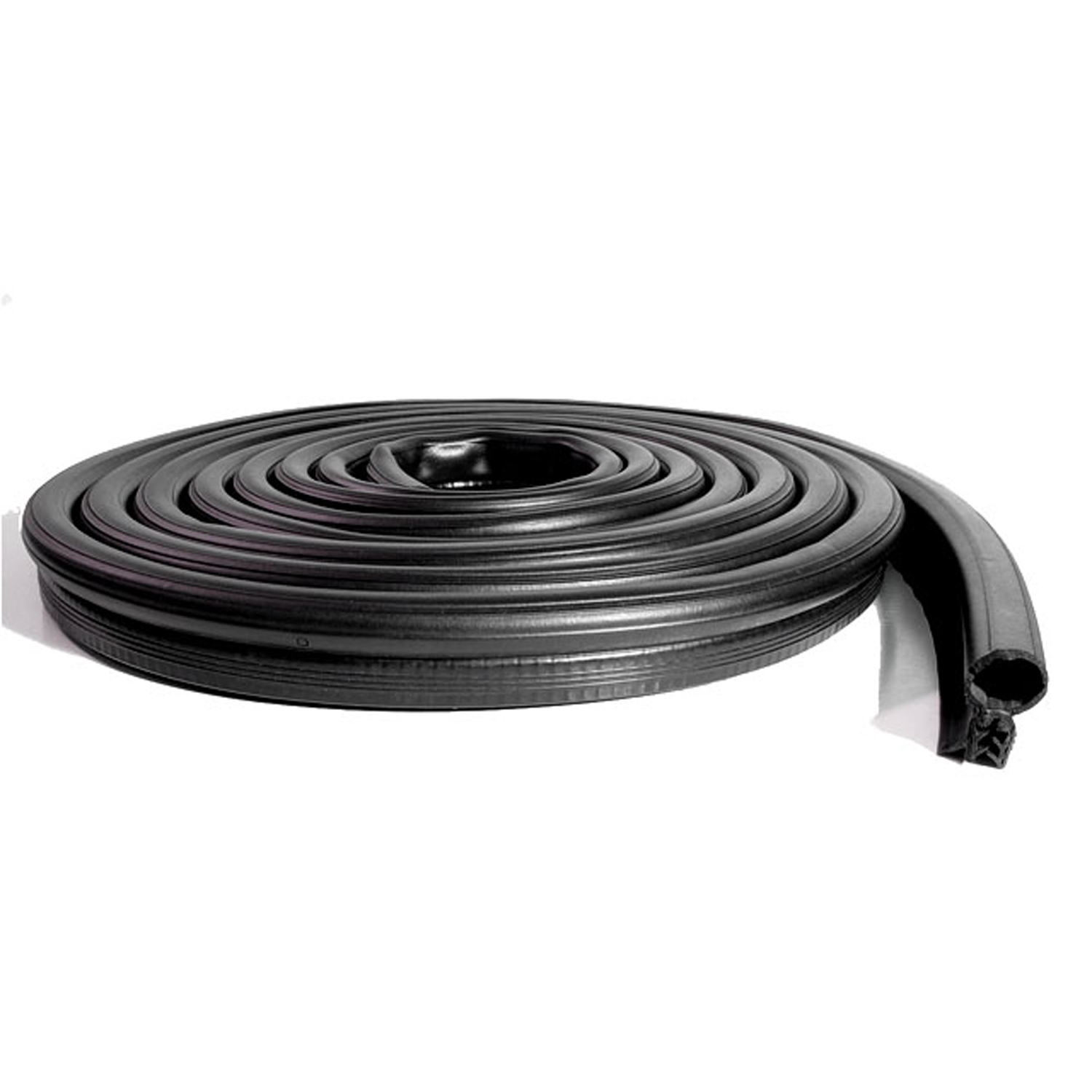 1980 Buick Skylark Trunk Seal (Imported). Made with steel cores-IS-MW00101Trunk Seal (Imported). Made with steel cores. 1-3/8" X 3/4" X 17'. Each
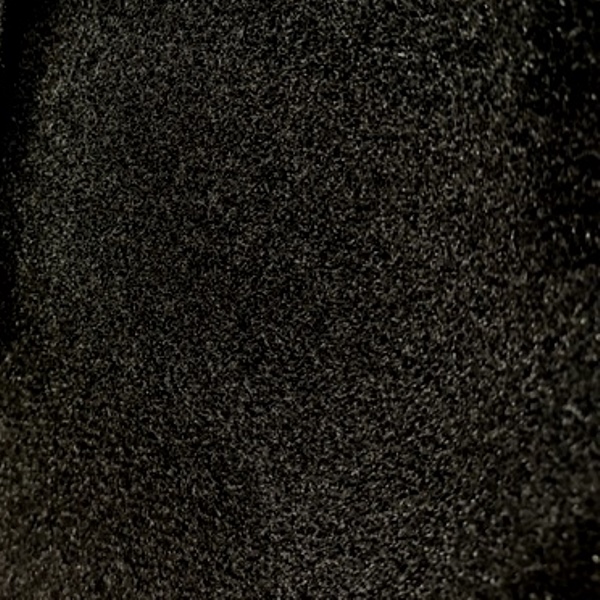 1980 Buick Skylark Trunk Liner. Loose weave, jet black. 50" wide-M 30Trunk Liner. Loose weave, jet black. 50" wide. Sold by the foot
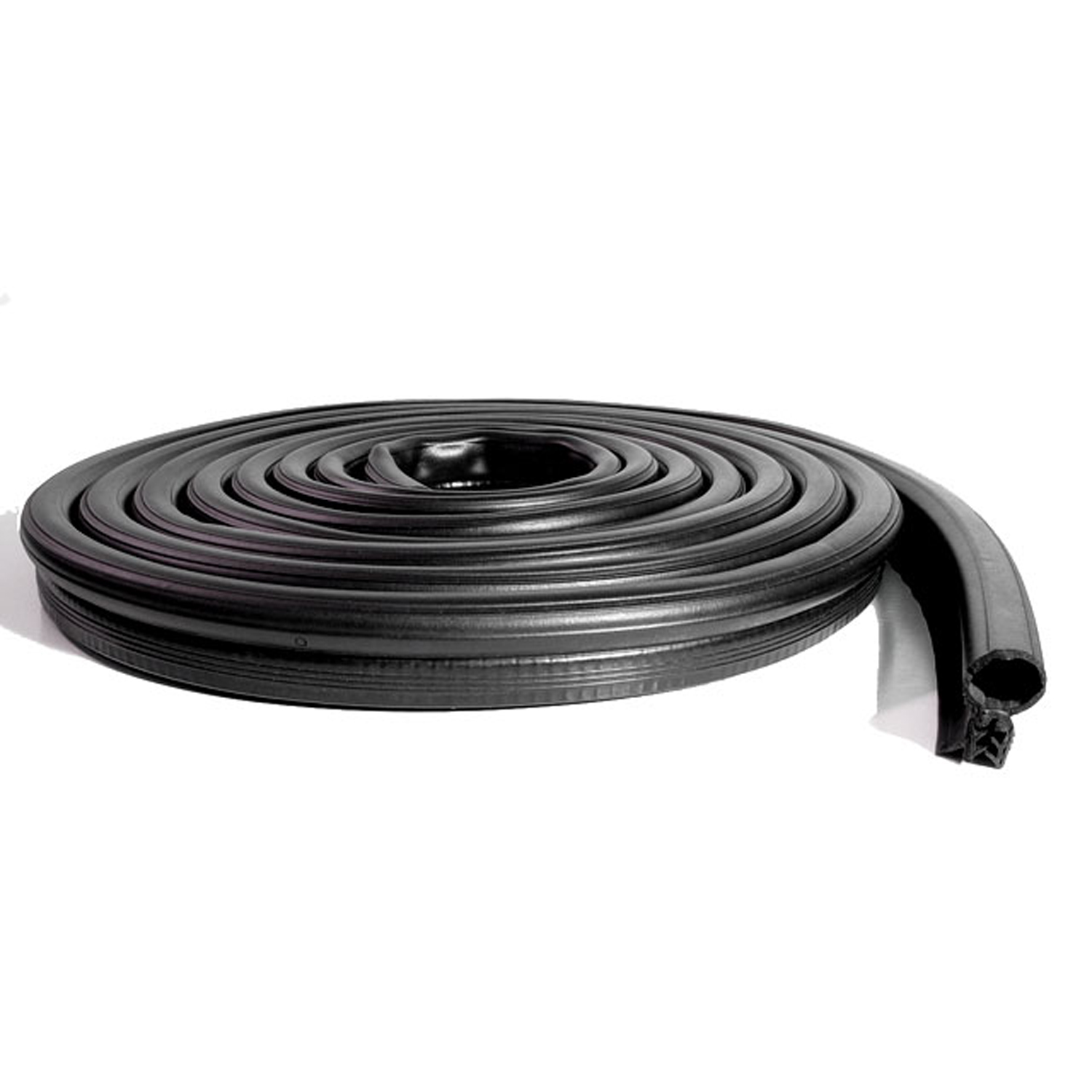 1980 Buick Skylark Trunk seal-MW00101Trunk seal. Also replaces '75-'79 Buick Skylark hatchback seal. Made with steel cores. 1-3/8 in. x 3/4 in. x 17 ft. L. Each.
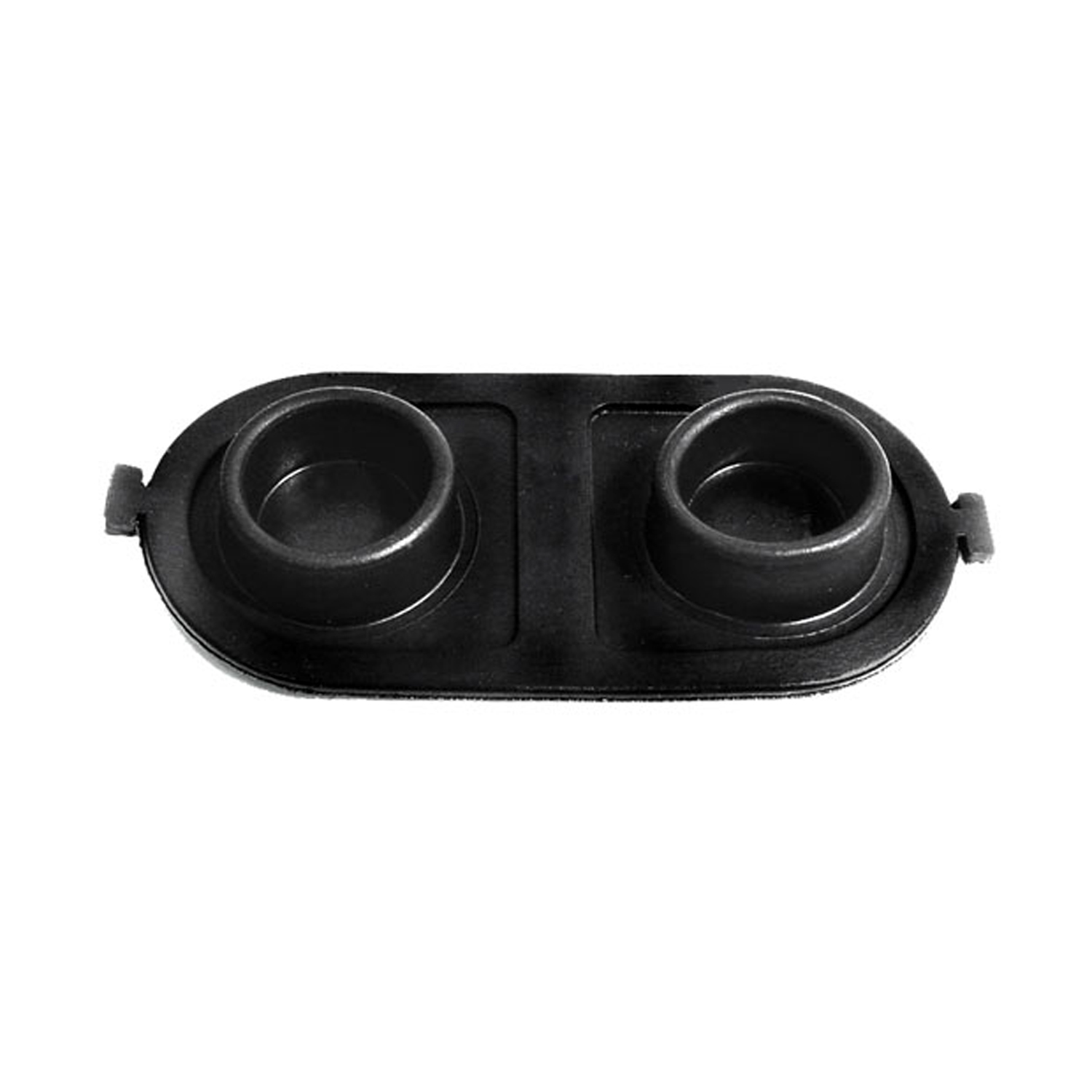 1980 Buick Skylark Brake Master Cylinder Cover Seal. Replaces OEM #5470861-RP 2-EBrake Master Cylinder Cover Seal. Replaces OEM #5470861. 5" X 2-1/2". Each
 1980 Buick Skylark Rear Quarter Window Molding Clip. Made of steel-WF 204Rear Quarter Window Molding Clip. Made of steel. 3/4" x 1-3/8". Each
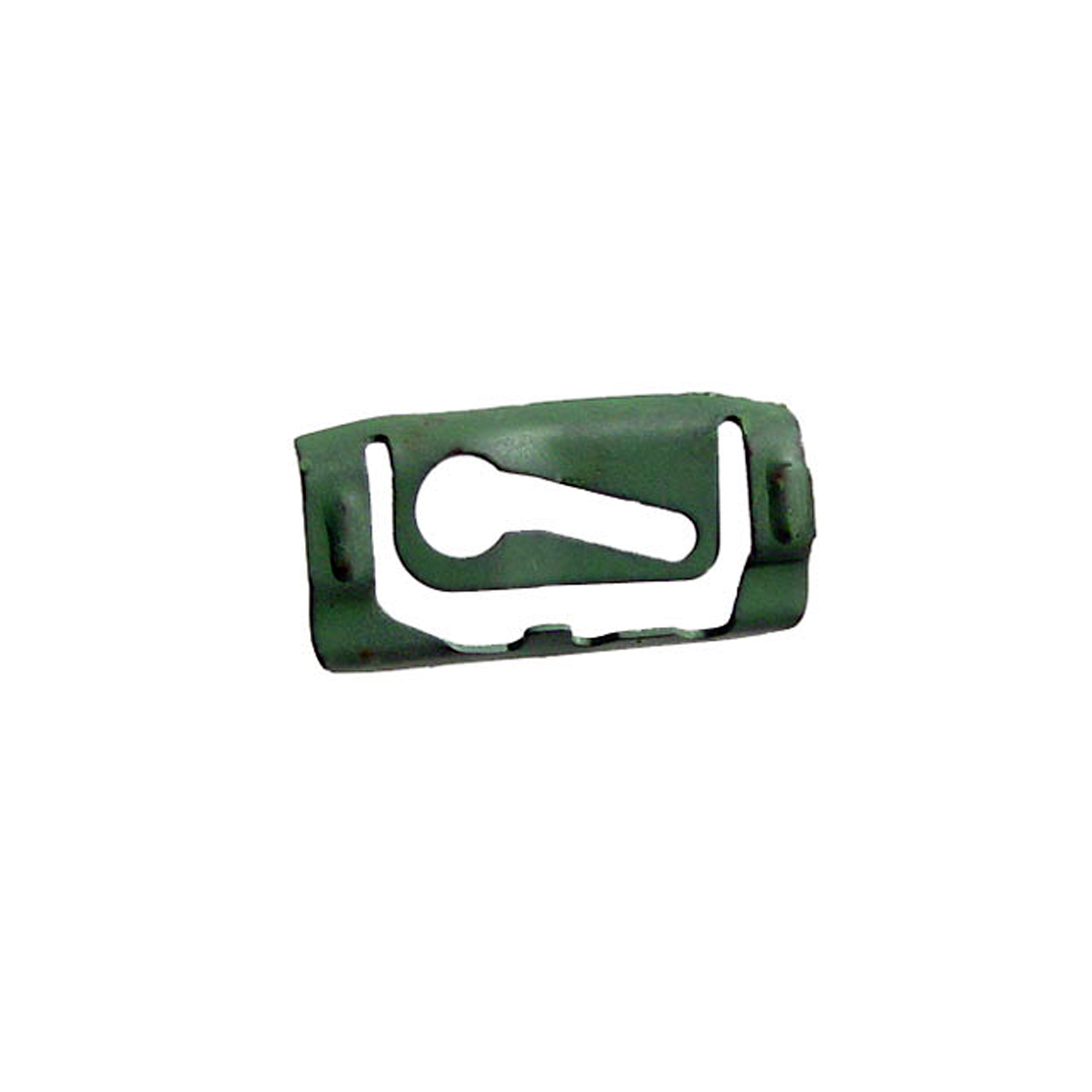 1980 Buick Skylark Quarter Window Reveal Molding Clip. Made of Steel-WF 205Quarter Window Reveal Molding Clip. Made of Steel. 1-3/8" X 11/16". Each
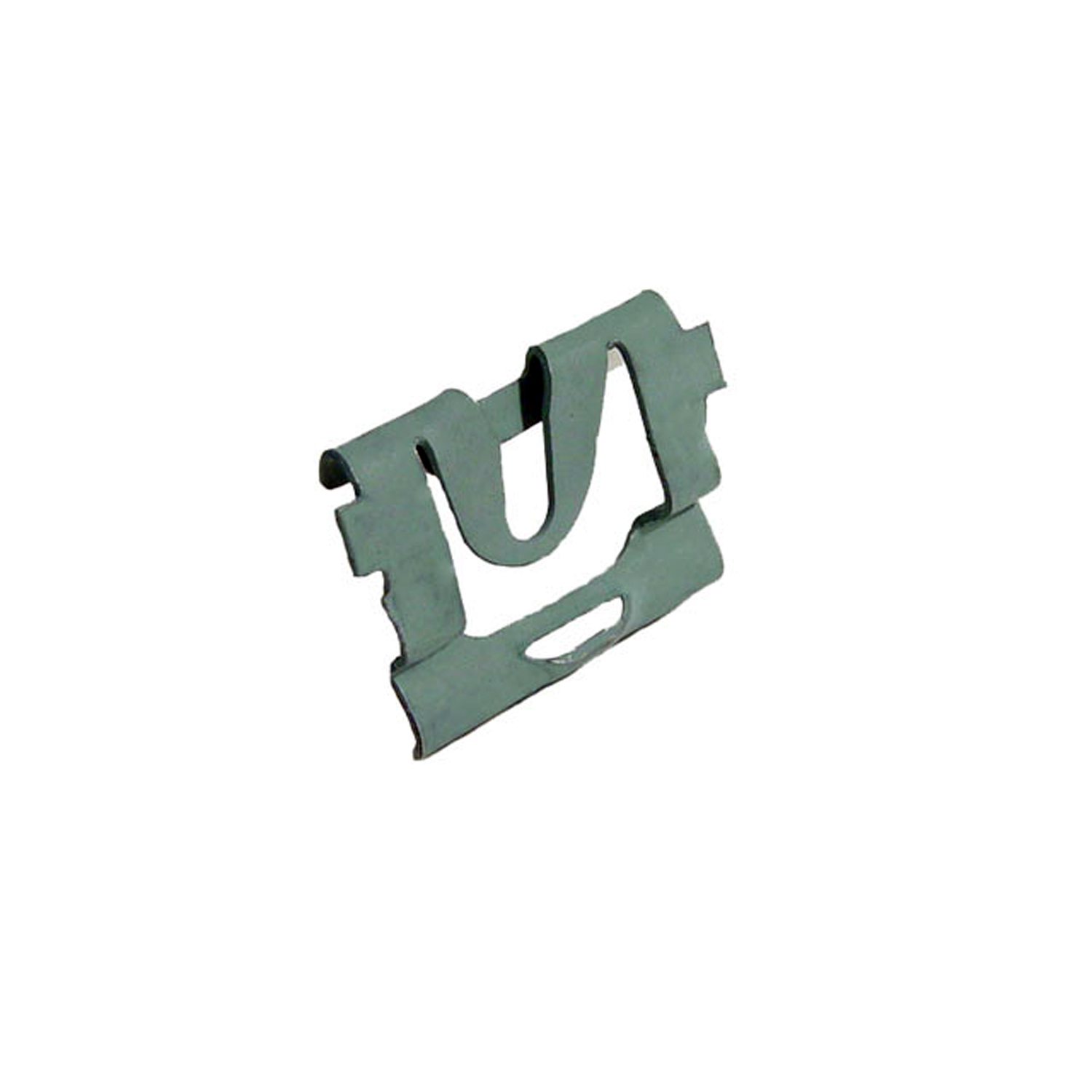 1980 Buick Skylark Windshield Reveal Molding Clip. For models with vinyl top-WF 210Windshield Reveal Molding Clip. For models with vinyl top. 3/4" x 1-1/16". Each
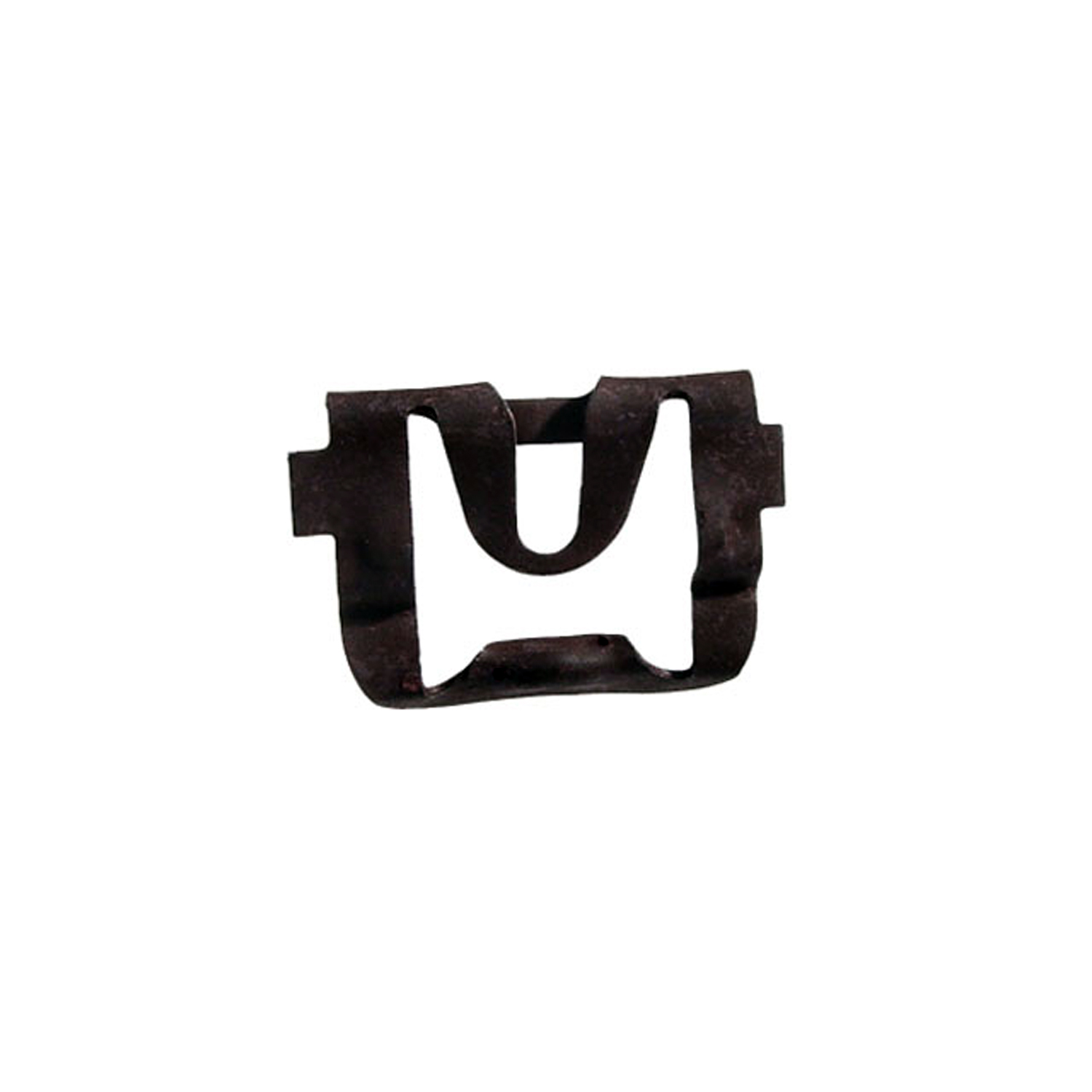 1980 Buick Skylark Rear Windshield Reveal Molding Clip. Made of steel-WF 211Rear Windshield Reveal Molding Clip. Made of steel. 15/16" X 3/4". Each
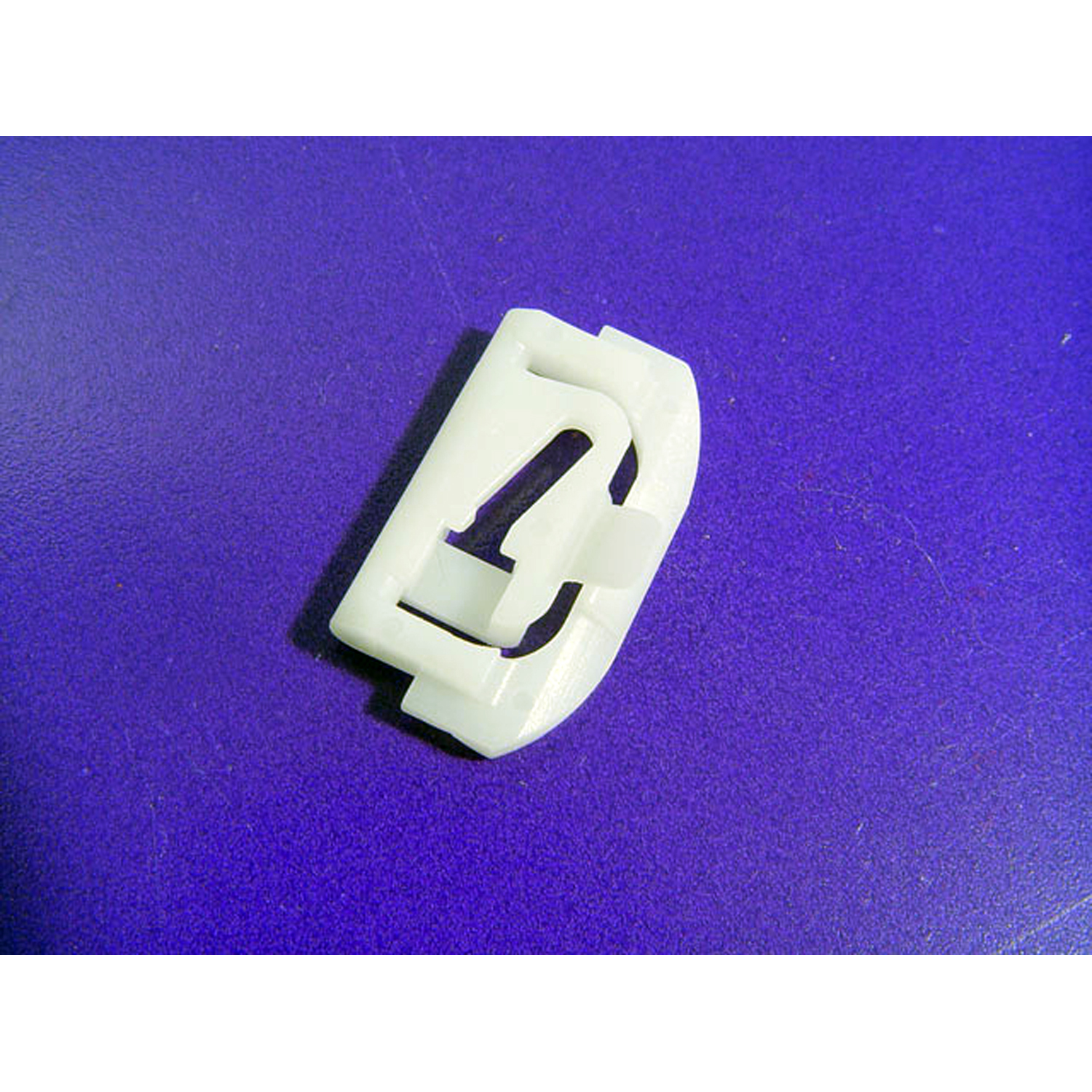 1980 Buick Skylark Lower Side Window Reveal Molding Clip. Made of nylon-WF 214Lower Side Window Reveal Molding Clip. Made of nylon. 1-1/4" x 3/4". Each
Why Choose Metro?
For over 100 years, Metro Moulded Parts has been the pinnacle of quality in classic car restoration parts. Our commitment to precision and authenticity in every component ensures a perfect fit and an OEM-level appearance.
- Expert Craftsmanship & Quality: Each part is a testament to our dedication to reliability and perfection, crafted from original designs and thoroughly tested.
- Advanced Technology: We use cutting-edge techniques to create flawless, long-lasting parts that surpass others in performance.
- SuperSoft Sponge – The Ultimate Door Seal: Not only are our door seals 30% softer than competitors', but they're also guaranteed to never leak. They effectively reduce wind and road noise, enhancing your classic car's comfort and driving experience.
- Proudly American: Our parts are a product of American craftsmanship, made in the USA with a spirit of excellence and heritage.
- Unrivaled Warranty: We back our products with a 30-year industry-leading warranty, a testament to our confidence in their quality.
Join us in preserving the legacy of classic cars with parts that are crafted for perfection, not just made.