

Image of 1981 Buick Regal, Note: These illustrations use artistic license and may differ from actual historical models.
Performance Metrics
Fundamental Metrics
Emotional Appeal
MMP Rating
| Engine Specifications | |
|---|---|
| Engine Options: | 3.8L V6, 4.4L V8 |
| Displacement Range: | 231-267 cu in |
| Horsepower Range: | 110-150 hp |
| Torque: | 190-240 lb-ft |
| Compression Ratio: | 8.0:1 (V6), 8.5:1 (V8) |
| Ignition System: | Electronic |
| Cooling System: | Liquid-cooled |
| Performance Specifications | |
| 0-60 Time: | 9-11 seconds |
| 1/4 Mile Time: | 17-19 seconds |
| Top Speed: | 105-110 mph |
| Transmission and Drive | |
| Drive Type: | RWD |
| Transmission Type: | 3-speed automatic, 4-speed manual |
| Fuel and Efficiency | |
| Fuel System Type: | Carburetor |
| MPG: | 15-20 mpg |
| Dimensions and Brakes | |
| Brakes: | Front disc, rear drum |
| Wheelbase: | 108.1 in |
| Weight: | 3,200-3,500 lbs |
Note: Specifications for classic cars are given to the best of our ability, considering the limited and variant data available.
1981 Buick Regal: The G-Body Coupe with a Racing Edge
The 1981 Buick Regal paired the comfort of a personal luxury coupe with the rear-wheel-drive layout and sturdy proportions that would make GM’s G-body cars favorites on both the street and the stock-car track.
Built by Buick, a division of General Motors, the Regal had entered the market in 1973 as a more upscale companion to the Century. By 1981, it was in the second generation, redesigned for 1978 on GM’s G-body platform. That platform also underpinned cars such as the Chevrolet Monte Carlo, Oldsmobile Cutlass, and Pontiac Grand Prix. The Regal’s particular claim to fame was its blend of Buick refinement and motorsport-ready proportions.
One detail that makes the 1981 model especially interesting is its place just before the Grand National arrived. The Regal name was already building a racing reputation, but the black Grand National that became a performance icon would not appear until 1982. In 1981, the Regal was also central to Buick’s successful NASCAR effort, helping put the production coupe’s sleek roofline in the spotlight.
G-Body Style and Cabin Comfort
The 1981 Regal was a two-door coupe with a long hood, a short rear deck, and a formal, gently sloping roofline. Its squared-off grille and rectangular headlamps gave it a confident face, while the broad rear quarters and pronounced wheel openings made the body look substantial without appearing oversized. Chrome trim, bright window surrounds, and Buick badges supplied the upscale finish expected of the marque.
The four-door Regal sedan had been part of the generation earlier on, but it was no longer offered for 1981. Buyers choosing a Regal that year got the coupe, with trim and equipment levels that ranged from relatively straightforward to well-appointed. The Limited emphasized comfort and appearance, while sport-oriented versions put more attention on performance and handling details.
Inside, the Regal was designed for relaxed cruising rather than stripped-down sportiness. Depending on trim and options, the cabin could include cloth or vinyl upholstery, carpeting, woodgrain-style accents, and padded surfaces. The seats were broad and supportive, and the dashboard kept the main controls within easy reach. Available amenities could include air conditioning, power windows and door locks, cruise control, tilt steering, and an upgraded radio. These were familiar technologies for the period, but they helped make the Regal feel a step above a basic family coupe.
Factory paint choices varied with trim and ordering details, but buyers could find the Regal in a mix of traditional Buick colors, including whites, blacks, silvers, reds, blues, and muted earth tones. Neutral metallic shades suited the car’s formal styling, while richer reds and blues gave the coupe a more noticeable presence. Original paint and trim combinations are worth checking against the car’s build documentation, especially when assessing a claimed rare example.
Engines and Period Technology
Engine availability depended on trim, market, and equipment. The 3.8-liter Buick V6 was the familiar choice, with a larger 4.1-liter V6 and a 5.0-liter V8 among the alternatives offered in the period lineup. Buick also offered a turbocharged 3.8-liter V6 in sport-oriented Regal configurations. Output figures varied by engine and emissions specification, but the turbo version was generally rated at about 170 horsepower, with strong low-speed torque for its day.
Most Regals used an automatic transmission, and the combination of a front-engine layout, rear-wheel drive, and a conventional full-frame chassis gave the car a traditional American feel. The turbo engine was the standout technology: turbocharging let Buick deliver more power from a V6 while giving the Regal a distinct performance identity. It was an important step toward the later turbo Regals, although the 1981 car should not be confused with the more famous Grand National or GNX models that followed.
Why the 1981 Regal Matters
The Regal’s importance lies partly in its timing. By the early 1980s, automakers were responding to fuel-economy pressures and changing emissions rules, yet buyers still wanted comfortable, stylish cars with strong road manners. The Regal showed how a personal luxury coupe could retain rear-wheel drive and traditional proportions while adopting more efficient six-cylinder power, including turbocharging.
It also helped establish the G-body as a versatile platform. The Regal shared its basic architecture with several competitors, but Buick gave it a more restrained, upscale character. On the track, the Regal’s sloped rear glass and overall shape proved useful in NASCAR competition. Buick’s success during the early 1980s, including manufacturers’ championships in 1981 and 1982, strengthened the connection between the Regal’s showroom image and stock-car racing.
That mix of comfort, performance potential, and racing visibility set the Regal apart from many ordinary coupes. Its influence is easy to see in the later reputation of the turbo Regals, which became celebrated for delivering serious straight-line speed in an understated package.
Performance and Road Manners
Performance depended heavily on the engine. A standard V6 Regal was built for smooth everyday driving, not quick launches. Period performance estimates for ordinary versions commonly put 0-to-60 mph in the low-to-mid teens, with top speed around 100 mph, depending on gearing, condition, and equipment. A turbocharged model could reach 60 mph in roughly nine seconds and approach the 115-mph range under favorable conditions. These are broad period-style estimates, not guaranteed figures for every surviving car.
The Regal feels substantial on the road. Its long wheelbase and soft suspension help it absorb broken pavement and freeway expansion joints, while the broad seats and quiet cabin make longer drives comfortable. In tight, winding corners, the car’s size and soft suspension are more apparent. It is not a modern sports coupe, and hard cornering can bring body roll. The rear-wheel-drive layout can also demand respect on wet or slippery pavement, especially with the torque of a turbo engine.
From the driver’s seat, the experience is relaxed and distinctly old-school. The steering is generally lighter and less communicative than that of a modern performance car. A naturally aspirated V6 produces a subdued, familiar Buick growl; the turbo model adds a more purposeful note under acceleration, with boost building as the engine works. The overall impression is less about razor-sharp handling and more about an easy ride, a confident stance, and effortless cruising.
Living with a 1981 Regal
Today, a Regal can serve as a weekend cruiser, a local-show car, or a hands-on restoration project. A sound, unmodified example can also handle occasional daily driving, but age matters more than the model’s original reputation. Rubber parts, electrical connections, cooling components, brake hardware, and suspension bushings may all need attention after decades of service.
Many mechanical repairs are approachable for an owner with basic tools and experience. The Buick V6 is familiar to classic GM specialists, and G-body parts support remains strong thanks to the platform’s popularity and shared components. Turbo cars require more careful diagnosis: the turbocharger, fuel system, carburetion, ignition, and associated plumbing should be inspected as a system rather than treated as isolated parts. Rust in the frame, floors, lower body panels, and trunk is also worth checking before purchase.
For a comfortable classic, the Regal has practical advantages: it has usable rear seating, a decent-size trunk, and a large community of G-body owners. Its age still brings trade-offs, including weaker fuel economy, older safety equipment, and handling that feels softer than a contemporary car’s.
Regal Trivia and Common Criticisms
The 1981 Regal’s NASCAR connection is one of its most memorable stories. Buick Regals helped the brand earn NASCAR manufacturers’ championships in 1981 and 1982, bringing track credibility to a car that was also marketed as a comfortable personal coupe. The later Grand National borrowed that racing aura, but it was a separate model introduced for 1982.
There is no single celebrity ownership story that defines the 1981 Regal. Its cultural appeal is more closely tied to the broader G-body era, turbo Buick performance, and stock-car racing. A common criticism is that standard-engine Regals can feel slow by modern standards. The soft suspension and dated brakes also limit spirited driving, while some owners find the original interior materials less durable than the car’s upscale image suggests.
Collector Value and Availability
Exact production totals can vary by source and by how trims are counted. A reasonable estimate is that roughly 120,000 to 130,000 Regals were built for the 1981 model year. That makes the standard car uncommon today, but not inherently rare in the way a low-production special edition would be. Clean, original cars are harder to find than the production figure might suggest, since many G-bodies have been modified, driven hard, or exposed to rust.
As a broad U.S. market guide, a driver-quality standard Regal might sell for about $4,000 to $9,000. A clean, well-preserved example could bring roughly $10,000 to $18,000, with exceptional originality, condition, and documentation pushing values higher. Turbocharged Sport Coupe versions can command a premium, particularly when complete and unmodified; depending on condition and provenance, they may sell from the low five figures into the $20,000 range or more. Actual prices vary significantly by market and should be checked against recent comparable sales.
Values have generally been stronger for turbo cars and pristine original examples than for ordinary driver-quality Regals. The model is not a guaranteed investment, but interest in 1980s performance cars and G-body collectibles has helped the best examples hold attention. A documented, factory-correct car is usually a safer collector choice than a heavily modified one, unless the modifications are high-quality and reversible.
The Regal’s Lasting Appeal
The 1981 Buick Regal occupies an appealing spot in Buick history: it was comfortable and polished, yet it had genuine performance potential and a meaningful link to NASCAR. Its G-body construction, available turbo V6, and distinctive coupe styling gave it more character than a routine personal car. For enthusiasts, it is also a bridge between the everyday Regal and the turbocharged legends that followed.
Buy one for its easygoing ride, its racing-era personality, or the prospect of building a classic Buick with real turbo heritage. The 1981 Regal may not be the loudest name in the muscle-car world, but its combination of style, substance, and speed potential makes it a memorable piece of American automotive history.
1981 Buick Regal Catalog of Parts
 1981 Buick Regal Rear Suspension Bushing. Each-BC 202Rear Suspension Bushing. Each
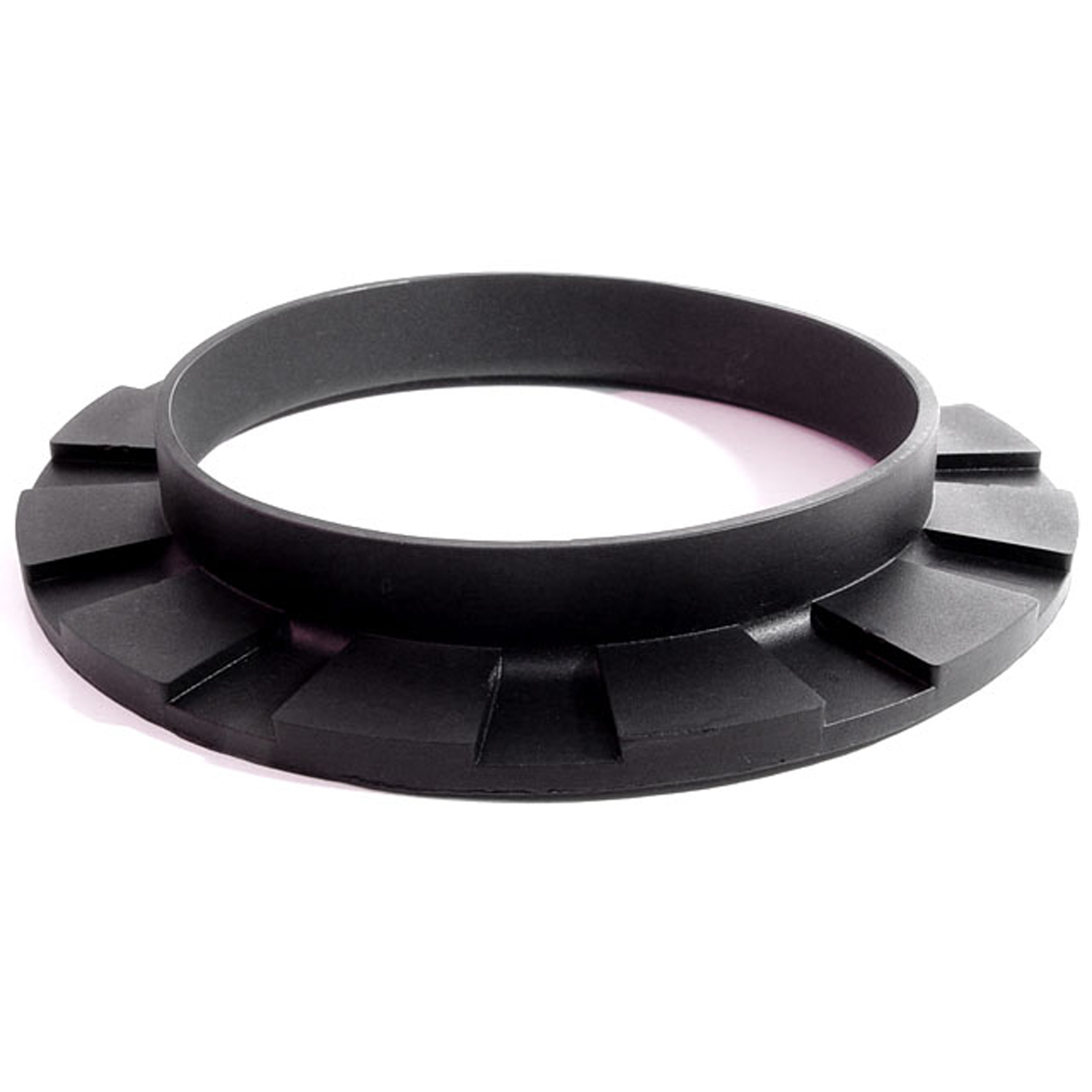 1981 Buick Regal Front coil-spring insulator-BN 110Front coil-spring insulator. Fits '41-'60 Oldsmobile and '50-'83 GM passenger models. 5-3/8 in. OD x 3-3/4 in. ID x 3/4 in. high with 13/16 in. wide bottom flange 1/4" thick, 12 flutes. Each.
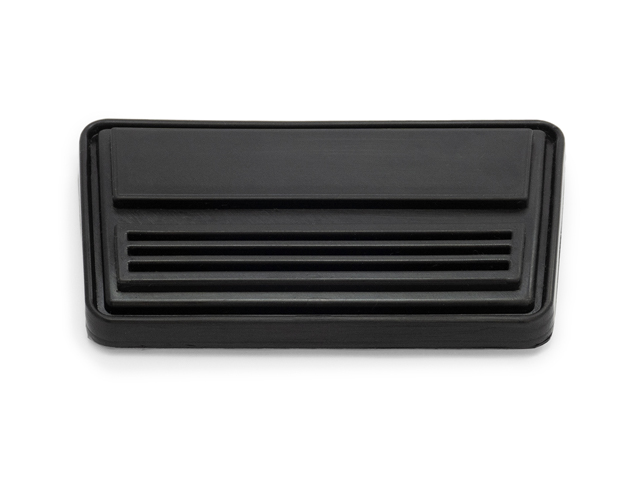 1981 Buick Regal Automatic brake pedal pad fits '78-88 GM A, Spec A, G Body-CB 101-DCB 101-D replaces the automatic brake pedal pad on many 1978-1988 General Motors A, Spec A and G body models. Also fits many 1982-1991 GM J, L, N and P body models. 4-1/2" wide X 2-1/2" long. Each
 1981 Buick Regal Hood and cowl seal-CS 13-GHood and cowl seal. Fits '78-'88 GM A-body, A-Special (A-SPEC) and G-body 2-door hardtop coupes with rear wheel drive (RWD). Dual-durometer extrusion with flexible metal core. Easy to install; fits over pinchweld. Replaces OEM# 20255857 and 25505704. Made in the USA. Each.
 1981 Buick Regal T-top Side Seals. Each piece 25" long. Pair-ELP 5020T-top Side Seals. Each piece 25" long. Pair
 1981 Buick Regal Auxiliary T-Top Sealing Strips-ELP 5020-BAuxiliary T-Top Sealing Strips. For models with factory t-top option. 51" in length per side, adhesive tape backing. Replaces OEM #20139617. Pair
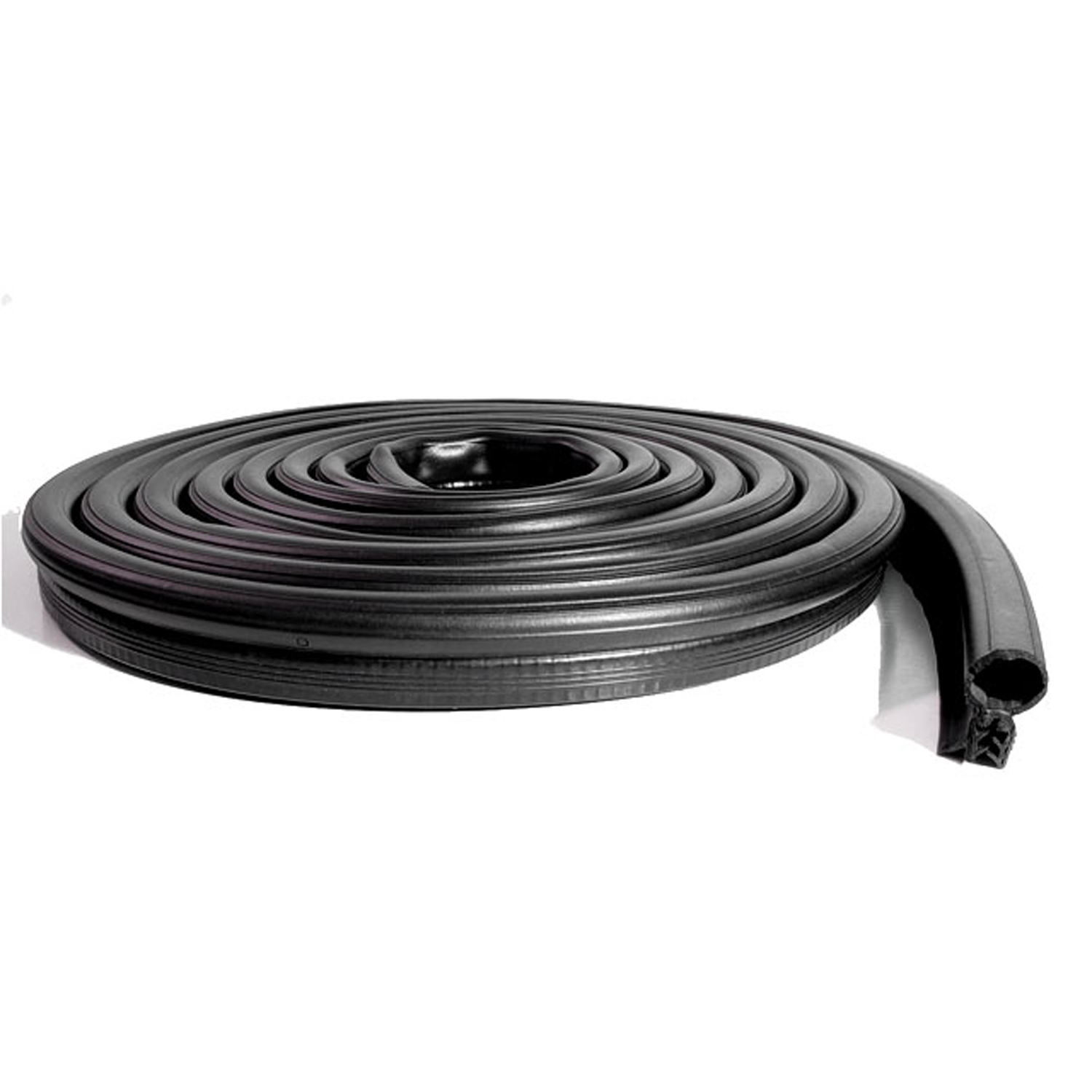 1981 Buick Regal Trunk Seal (Imported). Made with steel cores-IS-MW00101Trunk Seal (Imported). Made with steel cores. 1-3/8" X 3/4" X 17'. Each
 1981 Buick Regal Molded Door Seals. 2-door coupe-LM 16-JRMolded Door Seals. 2-door coupe. Replaces OEM part numbers 20201220/1. Pair. R&L.
 1981 Buick Regal Lower Door Sill Seal, 78-88 GM G Body 2 Doors, Pair-LM 16-JSLower Door Sill Seal, 78-88 GM G Body 2 Doors, Pair. Replaces OEM # 20376226. These seals fit in between the panel and the lower part of the doors.
 1981 Buick Regal Trunk Liner. Loose weave, jet black. 50" wide-M 30Trunk Liner. Loose weave, jet black. 50" wide. Sold by the foot
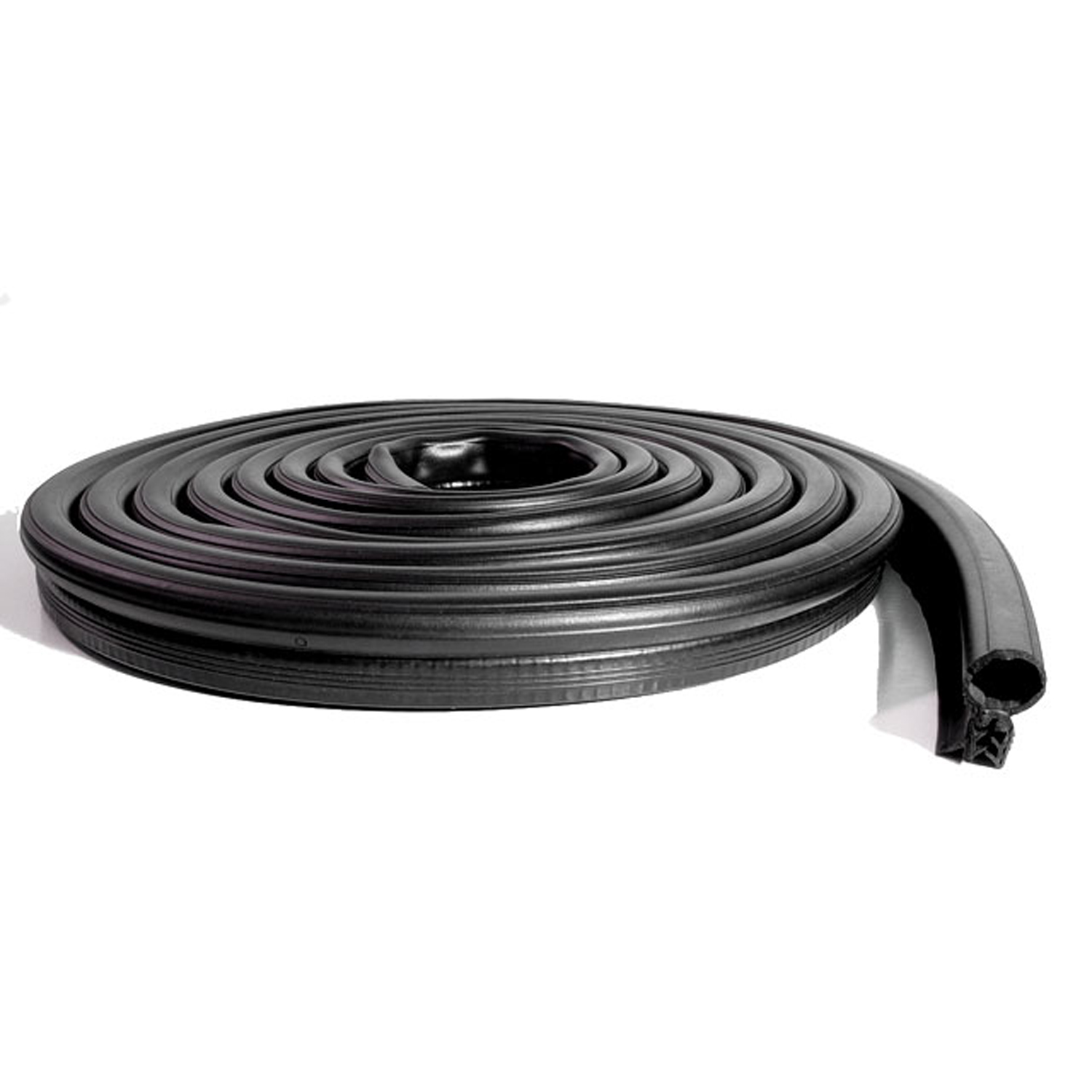 1981 Buick Regal Trunk seal-MW00101Trunk seal. Also replaces '75-'79 Buick Skylark hatchback seal. Made with steel cores. 1-3/8 in. x 3/4 in. x 17 ft. L. Each.
 1981 Buick Regal Basic kit. ’71-’87 Buick Regal 2-door coupe-RKB 1900-101Basic kit. '71-'87 Buick Regal 2-door coupe. Door (LM 16-JR), roof-rail (RR 5020-M) and trunk (MW00101) seals. 5-piece set.
 1981 Buick Regal Basic kit-RKB 1900-117Basic kit. '81-'87 Buick Regal, '81-'88 Oldsmobile Cutlass Supreme 2-door coupes with T-top roof option. Door (LM 16-JR), T-top main body (TP 5020), T-top side panels (ELP 5020) and trunk (MW00101) seals. 7-piece set.
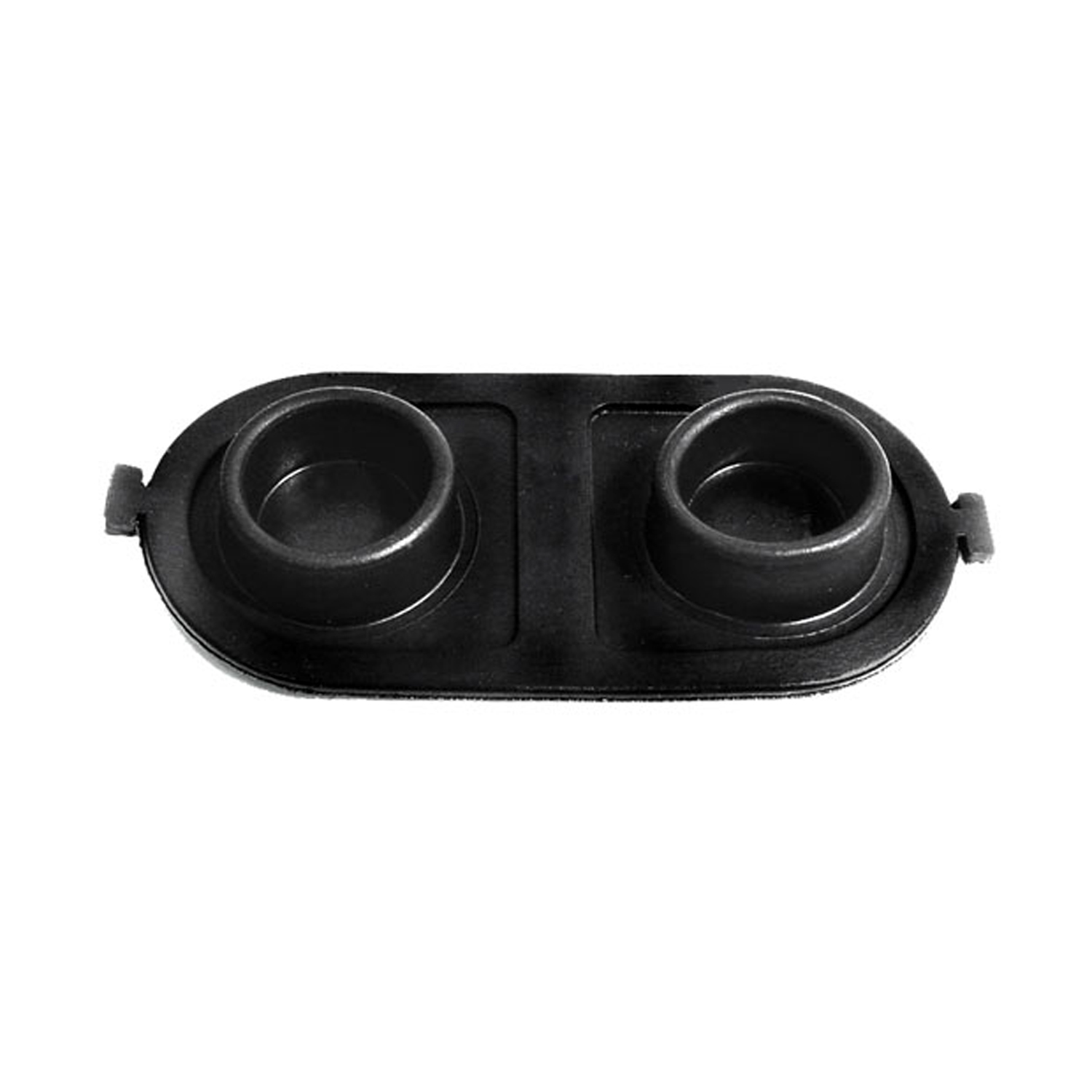 1981 Buick Regal Brake Master Cylinder Cover Seal. Replaces OEM #5470861-RP 2-EBrake Master Cylinder Cover Seal. Replaces OEM #5470861. 5" X 2-1/2". Each
 1981 Buick Regal Molded Roof Rail Seals, for 2-Door Hardtop. Pair R&L-RR 5020-MMolded Roof Rail Seals, for 2-Door Hardtop. Pair R&L
 1981 Buick Regal Glove Box Bumper. Each-SB 78-AGlove Box Bumper. Each
 1981 Buick Regal T-Top to Body Seals. Fits models with factory T-top option-TP 5020T-Top to Body Seals. Fits models with factory T-top option. Replaces OEM #20211820/20211821. For matching T-Top Side Rail Seals, see ELP 5020. Pair
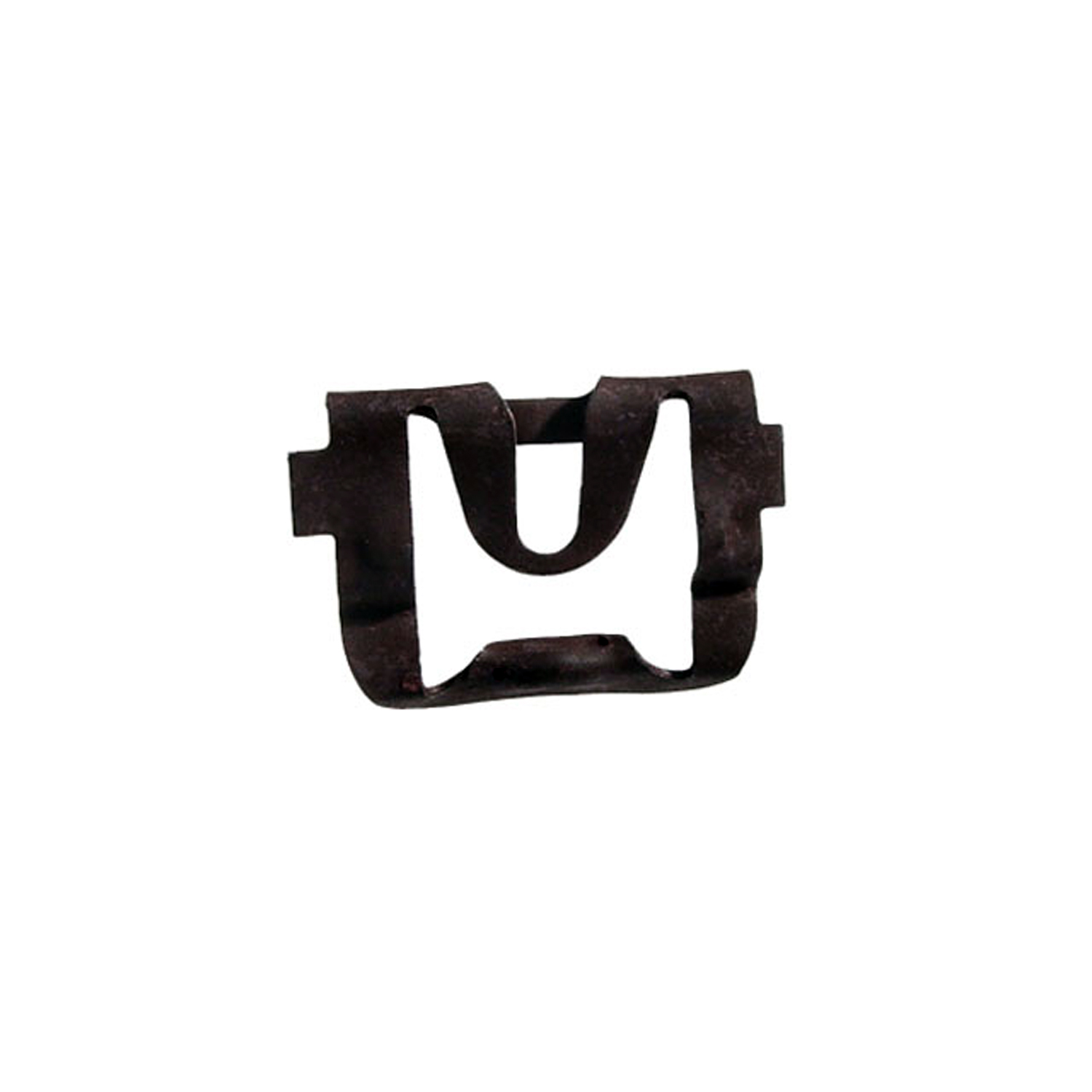 1981 Buick Regal Rear Windshield Reveal Molding Clip. Made of steel-WF 211Rear Windshield Reveal Molding Clip. Made of steel. 15/16" X 3/4". Each
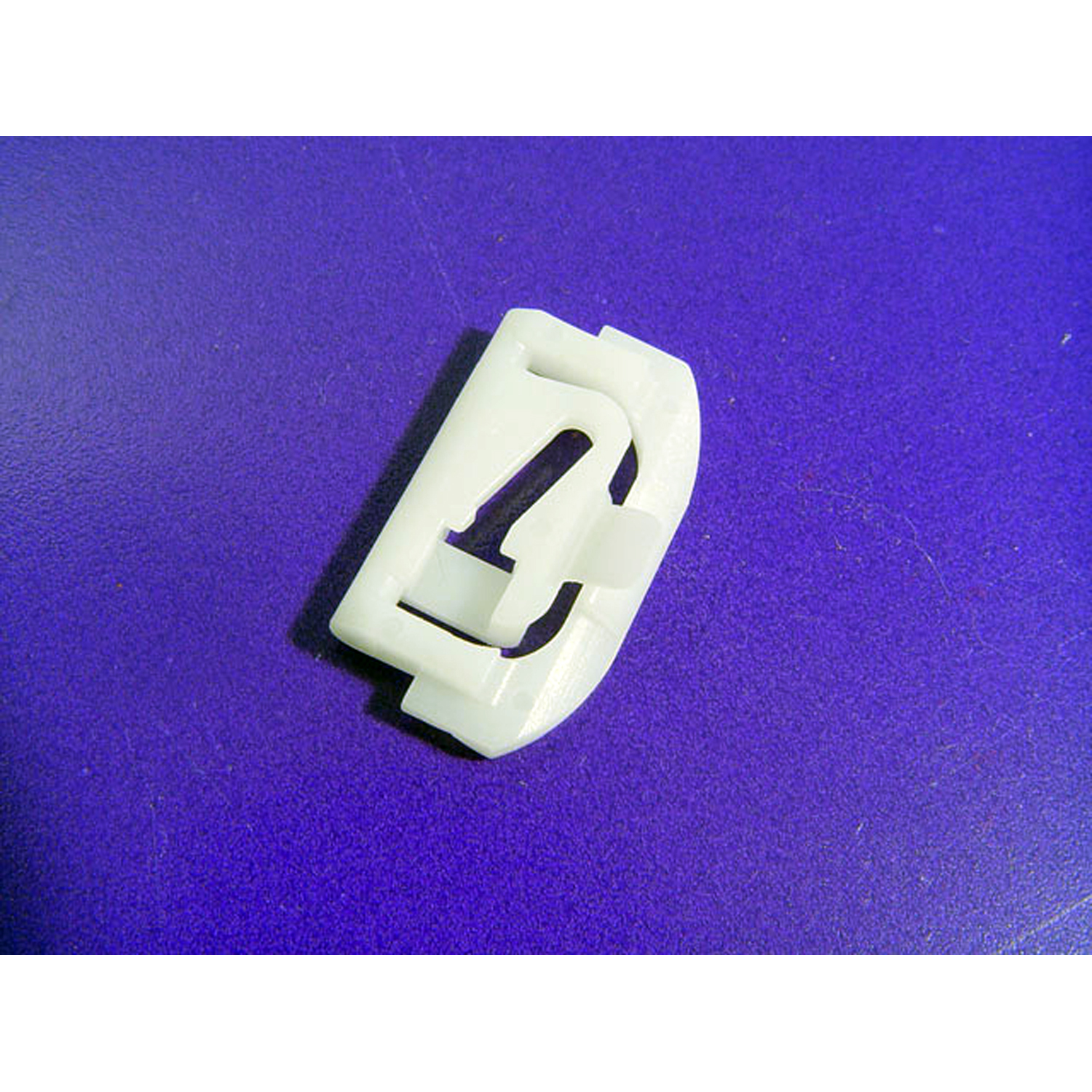 1981 Buick Regal Lower Side Window Reveal Molding Clip. Made of nylon-WF 214Lower Side Window Reveal Molding Clip. Made of nylon. 1-1/4" x 3/4". Each
Why Choose Metro?
For over 100 years, Metro Moulded Parts has been the pinnacle of quality in classic car restoration parts. Our commitment to precision and authenticity in every component ensures a perfect fit and an OEM-level appearance.
- Expert Craftsmanship & Quality: Each part is a testament to our dedication to reliability and perfection, crafted from original designs and thoroughly tested.
- Advanced Technology: We use cutting-edge techniques to create flawless, long-lasting parts that surpass others in performance.
- SuperSoft Sponge – The Ultimate Door Seal: Not only are our door seals 30% softer than competitors', but they're also guaranteed to never leak. They effectively reduce wind and road noise, enhancing your classic car's comfort and driving experience.
- Proudly American: Our parts are a product of American craftsmanship, made in the USA with a spirit of excellence and heritage.
- Unrivaled Warranty: We back our products with a 30-year industry-leading warranty, a testament to our confidence in their quality.
Join us in preserving the legacy of classic cars with parts that are crafted for perfection, not just made.