

Image of 1982 Buick Century, Note: These illustrations use artistic license and may differ from actual historical models.
Performance Metrics
Fundamental Metrics
Emotional Appeal
MMP Rating
| Engine Specifications | |
|---|---|
| Engine: | 2.5L 4-cylinder, 3.0L V6, 4.3L V6 Diesel |
| Displacement: | 2.5L - 4.3L |
| Horsepower: | 84-110 HP (estimated) |
| Torque: | 125-145 lb-ft (estimated) |
| Compression Ratio: | 8.5:1 - 9.0:1 |
| Ignition System: | Electronic Ignition |
| Cooling System: | Liquid Cooled |
| Performance Specifications | |
| 0-60 Time: | 15-20 seconds |
| 1/4 Mile Time: | 18-22 seconds |
| Top Speed: | 100-110 mph |
| Transmission and Drive | |
| Drive Type: | Front-Wheel Drive |
| Transmission Type: | 3-speed automatic, 4-speed automatic |
| Fuel and Efficiency | |
| Fuel System Type: | Carburetor |
| MPG: | 20-25 MPG |
| Dimensions and Brakes | |
| Brakes: | Power-assisted disc brakes (front), drum brakes (rear) |
| Wheelbase: | 104.8 inches |
| Weight: | 2,600-2,800 lbs |
Note: Specifications for classic cars are given to the best of our ability, considering the limited and variant data available.
1982 Buick Century: Buick’s Front-Wheel-Drive Turning Point
The 1982 Buick Century marked a major change for one of Buick’s longest-running nameplates: it traded the traditional rear-wheel-drive layout of earlier Centurys for a modern front-wheel-drive platform. The result was a midsize car designed for a decade shaped by fuel-economy concerns, tighter emissions rules, and growing competition from imports.
Built by Buick, a division of General Motors, the new Century shared its basic front-wheel-drive architecture with GM siblings including the Chevrolet Celebrity, Oldsmobile Cutlass Ciera, and Pontiac 6000. It aimed to deliver familiar American comfort in a more compact, fuel-conscious package. One intriguing wrinkle is that the Century name appeared on two different mechanical generations in 1982: the redesigned sedans and coupes were front-wheel drive, while the carryover wagon retained the older rear-wheel-drive layout.
The name itself had a long history. Buick introduced the Century in 1936, using the name to suggest a car capable of reaching 100 mph. By 1982, the Century had become a practical family car rather than a speed showcase, but the name still connected it to Buick’s prewar past.
Clean Lines, Plush Buick Comfort
The 1982 sedan and coupe wore the crisp, squared-off styling popular in the early 1980s. A relatively low hood, broad grille, rectangular headlamps, and straight body sides gave the car a formal, tidy appearance. Slim bumpers and restrained brightwork kept it from looking as bulky as many full-size American cars, while the familiar Buick grille preserved a touch of brand identity.
Inside, the Century leaned into comfort rather than sportiness. The cabin offered a wide bench seat in many versions, with cloth and vinyl upholstery among the common choices. Better-equipped models added plush velour, upgraded trim, and more convenience features. Depending on trim and equipment, buyers could order amenities such as air conditioning, power windows and locks, cruise control, a tilt steering wheel, an AM/FM stereo, cassette player, and rear-window defogger. These were useful upgrades, not exotic technology, but they made the Century an appealing long-distance family car.
Color availability varied by trim and production run. Period choices included whites, silvers, grays, blues, reds, and earth tones such as tan and brown. Neutral colors were especially common on family-oriented sedans, while darker blue and red examples give the car a more distinctive look today. Original paint and trim combinations can be harder to find than the colors themselves, so matching the factory specification matters to restorers.
The redesigned Century was offered as a two-door coupe and four-door sedan, with multiple trim levels and equipment packages. A sport-oriented T-Type version gave the coupe a more assertive character, with appearance and chassis details intended to set it apart from the comfort-focused models. The Estate Wagon is also part of the 1982 story, but it was a carryover body on the older rear-wheel-drive platform. For most buyers, the four-door front-wheel-drive sedan was the most practical and representative version.
Why the 1982 Model Mattered
The Century’s biggest innovation was not a single gadget. It was the shift to a transverse-mounted engine driving the front wheels. That arrangement reduced the need for a long transmission tunnel, helped create a flatter passenger floor, and made more efficient use of the car’s overall length. It also reflected a wider industry transition as American manufacturers adapted to fuel costs and changing buyer expectations.
Front-wheel drive gave the Century useful traction in rain and snow because the engine’s weight sat over the driven wheels. The layout also helped GM build a family of related cars across several divisions, sharing engineering while giving each brand its own styling and cabin details. That platform strategy became a defining part of the 1980s American car industry.
The Century was not the first front-wheel-drive American car, nor did it introduce a technology that Buick alone would own. Its significance lies in bringing the format to a mainstream Buick midsize line. It represented a clear break from the traditional rear-drive American sedan, while still prioritizing quietness, space, and an easygoing ride. The enduring A-body formula influenced a large number of GM family cars throughout the decade.
Engines, Speed, and Road Manners
Engine availability depended on body style, trim, and market. The front-wheel-drive Century could be found with a 2.5-liter four-cylinder or Buick V6 options, including a 3.0-liter V6 and the familiar 3.8-liter V6 in applicable configurations. The carryover wagon had a different range of powertrain choices from the redesigned sedan and coupe. Automatic transmissions were common, while manual availability depended on the particular engine and configuration.
Performance figures varied considerably, so there is no single meaningful 0-to-60-mph or top-speed number for every 1982 Century. As a broad period estimate, four-cylinder cars generally needed roughly 14 to 17 seconds to reach 60 mph, while V6 versions were often in the 11-to-14-second range. A well-equipped V6 car could approach a top speed around 100 mph, though gearing, condition, and tires made a real difference. These were family-car figures, not sports-sedan numbers.
On the road, the Century favored predictable behavior and a soft, comfortable ride. Its suspension took the sting out of ordinary pavement seams and neighborhood bumps, and front-wheel drive provided reassuring traction in poor weather. The car was less entertaining on a winding road: body roll, modest steering feedback, and comfort-oriented tires encouraged a steady pace rather than aggressive cornering. Crosswinds and rough pavement could make the car feel less planted than a modern vehicle, especially when its suspension or tires were worn.
The V6 delivered a muted, low-pitched note under acceleration, while the four-cylinder sounded busier when pushed. From behind the wheel, the Century’s strengths were its light, approachable controls and relaxed cruising character. It was designed to make an ordinary commute or highway trip easy, not to keep its driver busy.
Living With a Century Today
Most 1982 Centurys spent their lives as daily transportation, family cars, or dependable second vehicles. They were not built as dedicated race cars, though the T-Type offered a sportier appearance and feel. The station wagon made a practical load carrier, with the unusual distinction of keeping a rear-drive layout while the new sedans and coupes moved to front-wheel drive.
Routine service is familiar to a competent home mechanic. Oil changes, brakes, belts, hoses, ignition work, and many suspension repairs are straightforward by classic-car standards. The front-wheel-drive layout can make access to some components tighter than on an older rear-drive car, and major transmission or engine work may be more involved. As with any four-decade-old vehicle, condition matters more than reputation: inspect for rust, neglected cooling systems, worn suspension parts, electrical faults, and leaks before buying.
Parts availability is mixed. Common service items and some mechanical components remain obtainable, but original interior pieces, trim, and body-specific parts may take more searching. A complete, unmodified car is usually easier and more rewarding to maintain than a neglected project missing distinctive trim or upholstery.
Century Trivia and Common Complaints
The most memorable fact about a 1982 Century is the split-generation lineup. A buyer could choose a new front-wheel-drive sedan or coupe, or a wagon that continued with the older rear-wheel-drive architecture. That overlap makes model-year identification important, especially when shopping for parts or researching specifications.
The Century’s name also carries a speed-related origin, even though the 1982 model was firmly focused on comfort and economy. It is easy to confuse the Century with Buick’s Regal, which had a much stronger association with NASCAR competition and performance versions. The 1982 Century was not a record-setting race car, and it is not known for a major speed or endurance record.
Common criticisms are much the same ones aimed at many early-1980s family cars: modest acceleration in four-cylinder form, uninspiring handling, and interior materials that can feel ordinary by modern standards. Age adds the usual issues, including faded upholstery, brittle plastic, worn weather seals, and corrosion. The positive side is that the Century is generally straightforward and comfortable, with a character that is honest rather than flashy.
Collector Value and Market Outlook
The 1982 Buick Century remains an affordable classic, and prices depend heavily on condition, originality, body style, and location. As a general U.S. market estimate, a running driver-quality example may sell for about $1,500 to $4,000. A clean, well-maintained car can bring roughly $4,000 to $7,500, while an unusually preserved or restored example may reach $8,000 to $10,000 or more. Exceptional wagons or well-equipped T-Type coupes can attract extra interest, but the market is small and prices are not guaranteed to follow a standard collector-car pattern.
Exact production totals are difficult to pin down across the different body styles and platform generations. A reasonable broad estimate is approximately 130,000 to 150,000 Centurys for the 1982 model year, including the redesigned cars and carryover wagons. That makes the model far from a mass-production rarity. However, surviving examples in excellent original condition are much less common than the original production figure suggests.
Values have generally stayed modest compared with muscle cars and premium classics. Ordinary examples continue to depreciate as used cars, but well-preserved cars may be finding a floor as buyers take an interest in overlooked 1980s vehicles. The best prospects are original, rust-free examples with documented history, distinctive trim, and working factory equipment. For now, the Century is more of an affordable nostalgia buy than a high-return investment.
A Practical Buick From a Changing Era
The 1982 Buick Century brought a major engineering change to a familiar name. Its front-wheel-drive sedans and coupes reflected the industry’s move toward more efficient packaging, while the carryover wagon preserved a link to the older rear-drive era. Comfortable, easy to drive, and generally simple to service, it was built for everyday life rather than headlines.
That modest role is exactly what makes the Century worth remembering. It captures the moment when American family cars changed direction, one Buick sedan, coupe, and wonderfully unexpected wagon at a time.
1982 Buick Century Catalog of Parts
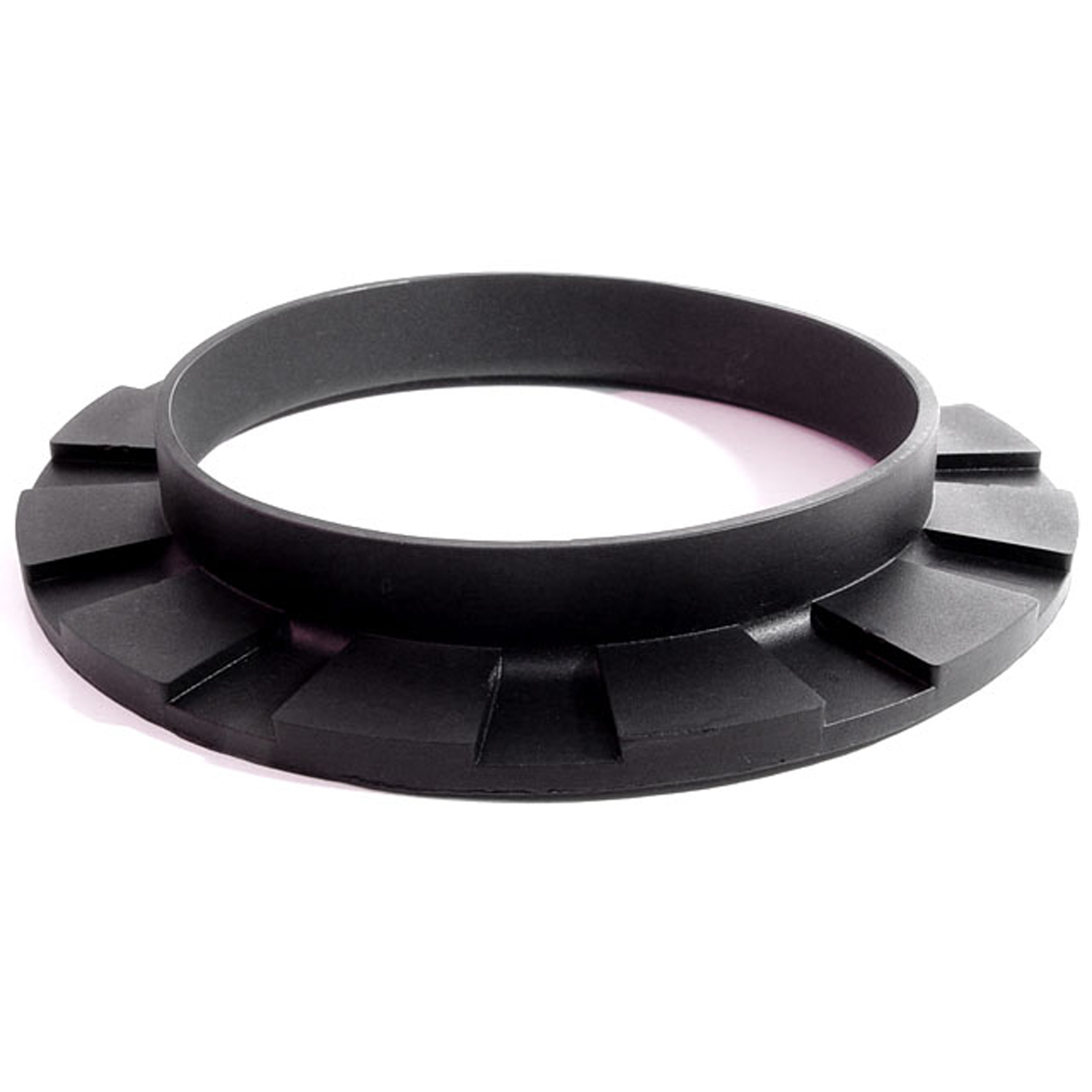 1982 Buick Century Front coil-spring insulator-BN 110Front coil-spring insulator. Fits '41-'60 Oldsmobile and '50-'83 GM passenger models. 5-3/8 in. OD x 3-3/4 in. ID x 3/4 in. high with 13/16 in. wide bottom flange 1/4" thick, 12 flutes. Each.
 1982 Buick Century Hood and cowl seal-CS 13-GHood and cowl seal. Fits '78-'88 GM A-body, A-Special (A-SPEC) and G-body 2-door hardtop coupes with rear wheel drive (RWD). Dual-durometer extrusion with flexible metal core. Easy to install; fits over pinchweld. Replaces OEM# 20255857 and 25505704. Made in the USA. Each.
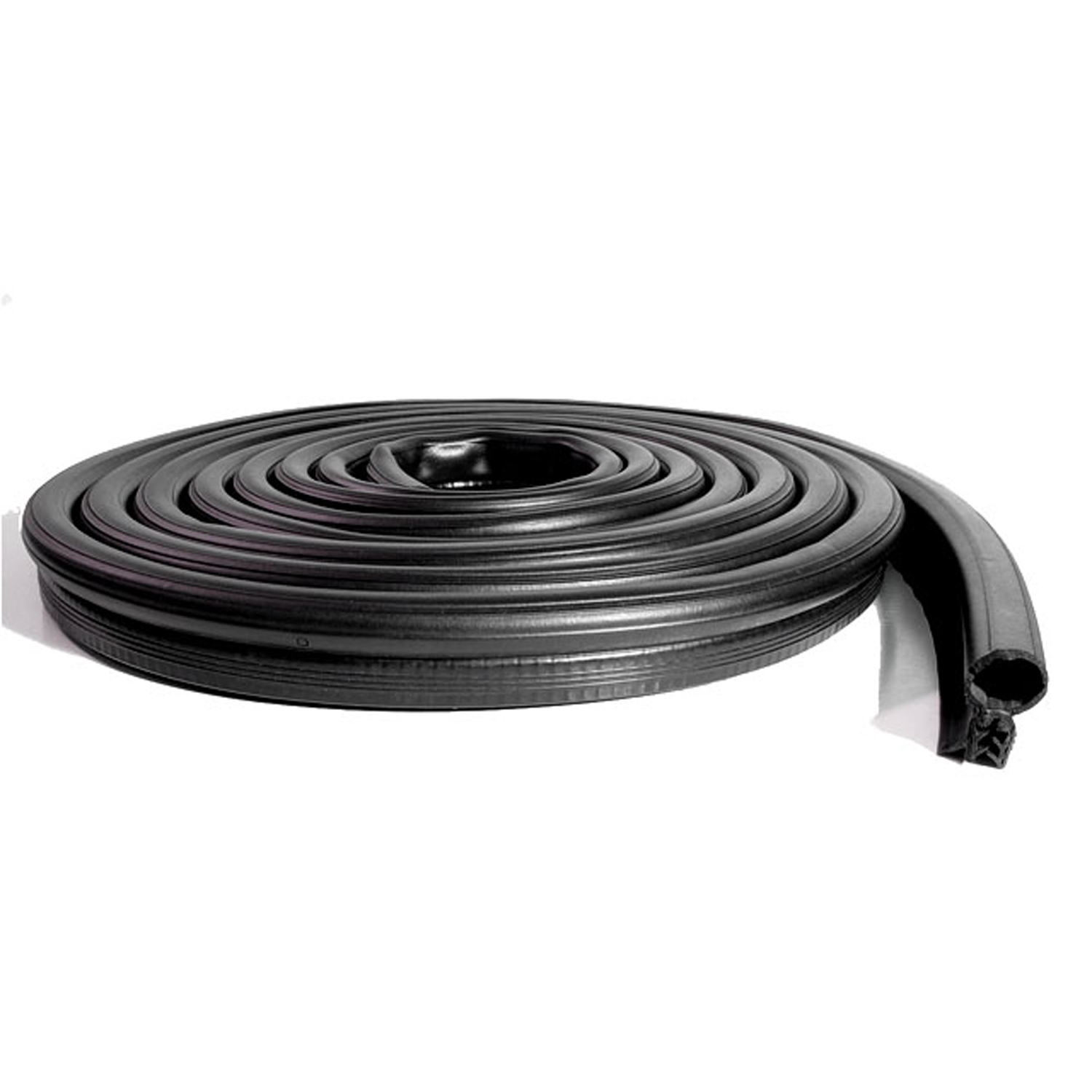 1982 Buick Century Trunk Seal (Imported). Made with steel cores-IS-MW00101Trunk Seal (Imported). Made with steel cores. 1-3/8" X 3/4" X 17'. Each
 1982 Buick Century Trunk Liner. Loose weave, jet black. 50" wide-M 30Trunk Liner. Loose weave, jet black. 50" wide. Sold by the foot
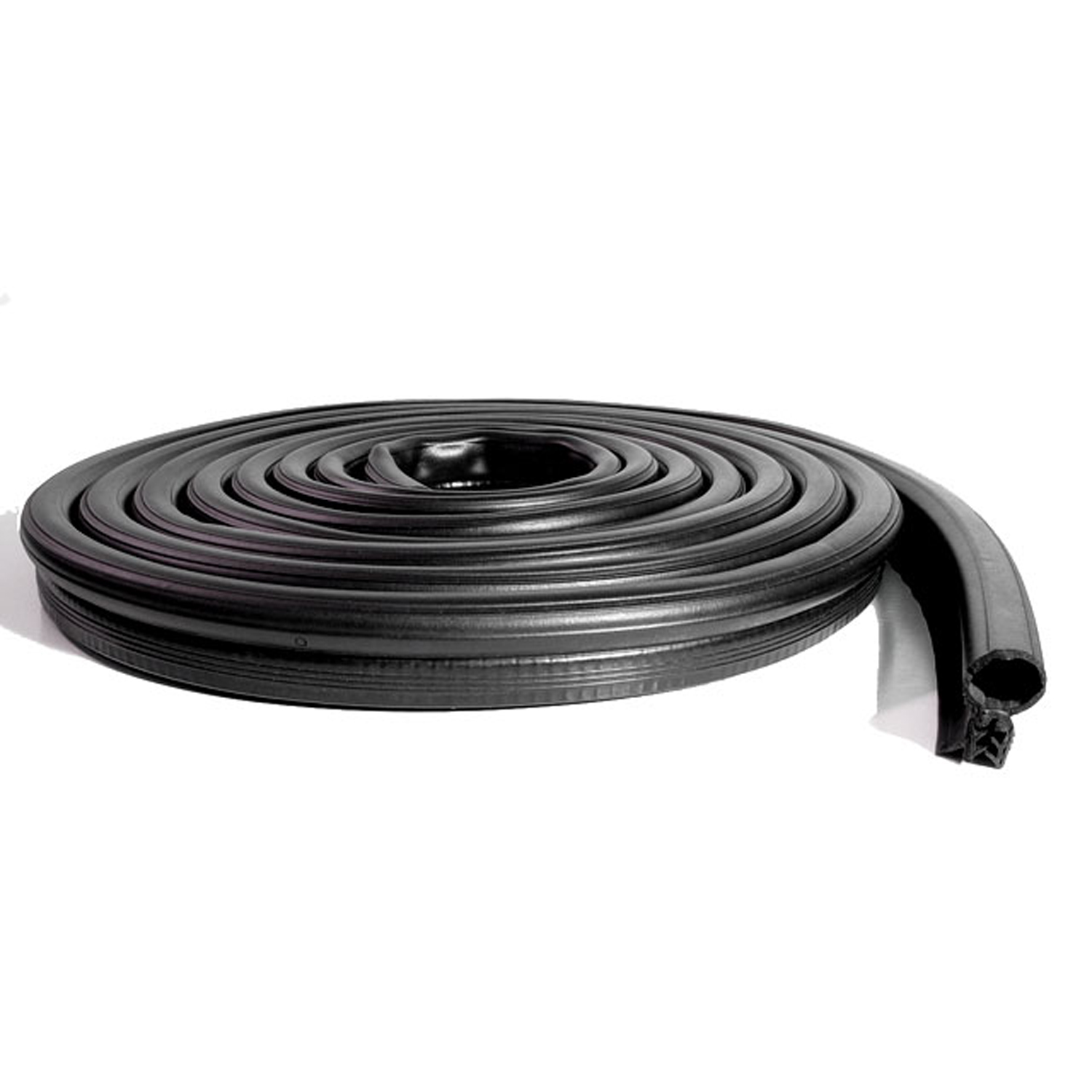 1982 Buick Century Trunk seal-MW00101Trunk seal. Also replaces '75-'79 Buick Skylark hatchback seal. Made with steel cores. 1-3/8 in. x 3/4 in. x 17 ft. L. Each.
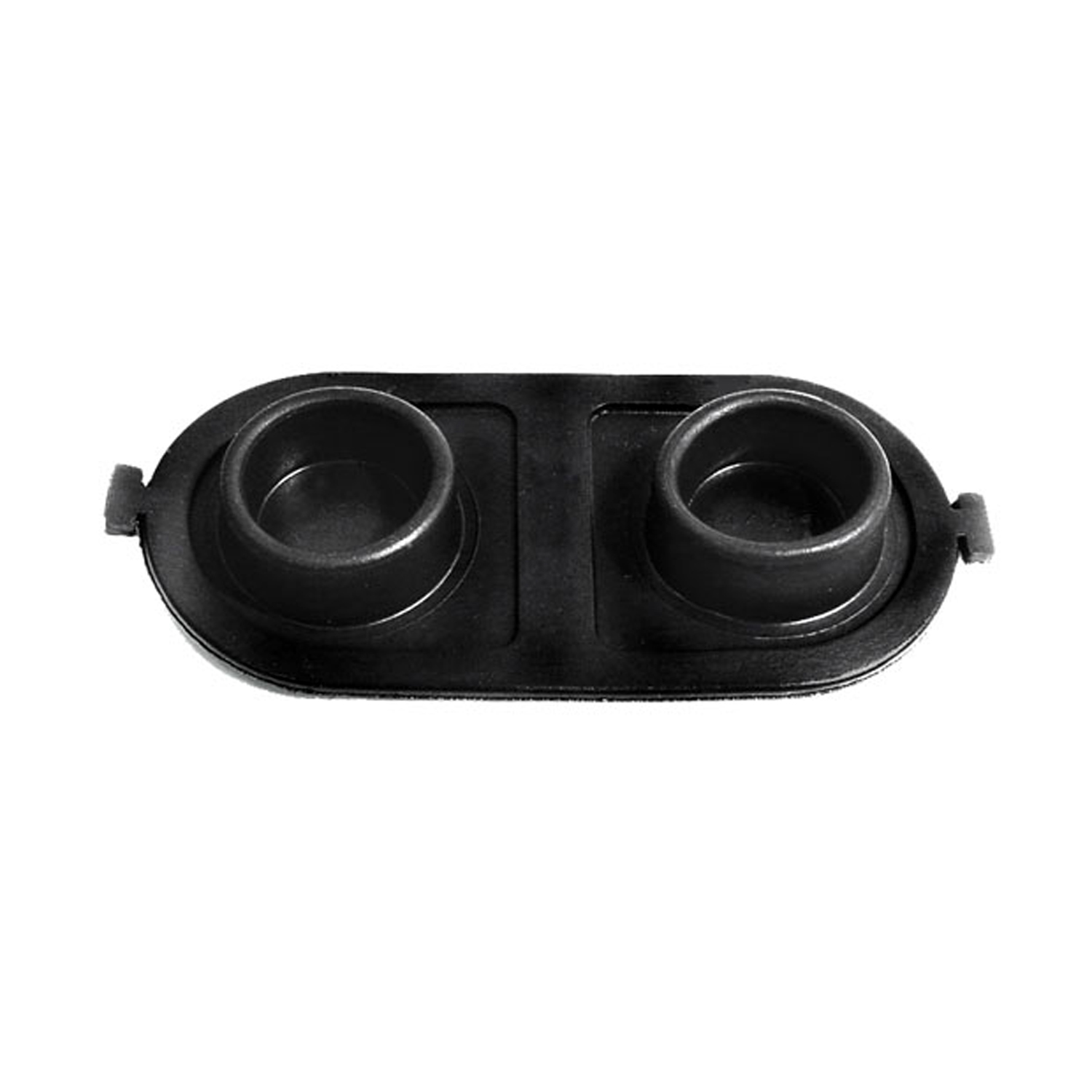 1982 Buick Century Brake Master Cylinder Cover Seal. Replaces OEM #5470861-RP 2-EBrake Master Cylinder Cover Seal. Replaces OEM #5470861. 5" X 2-1/2". Each
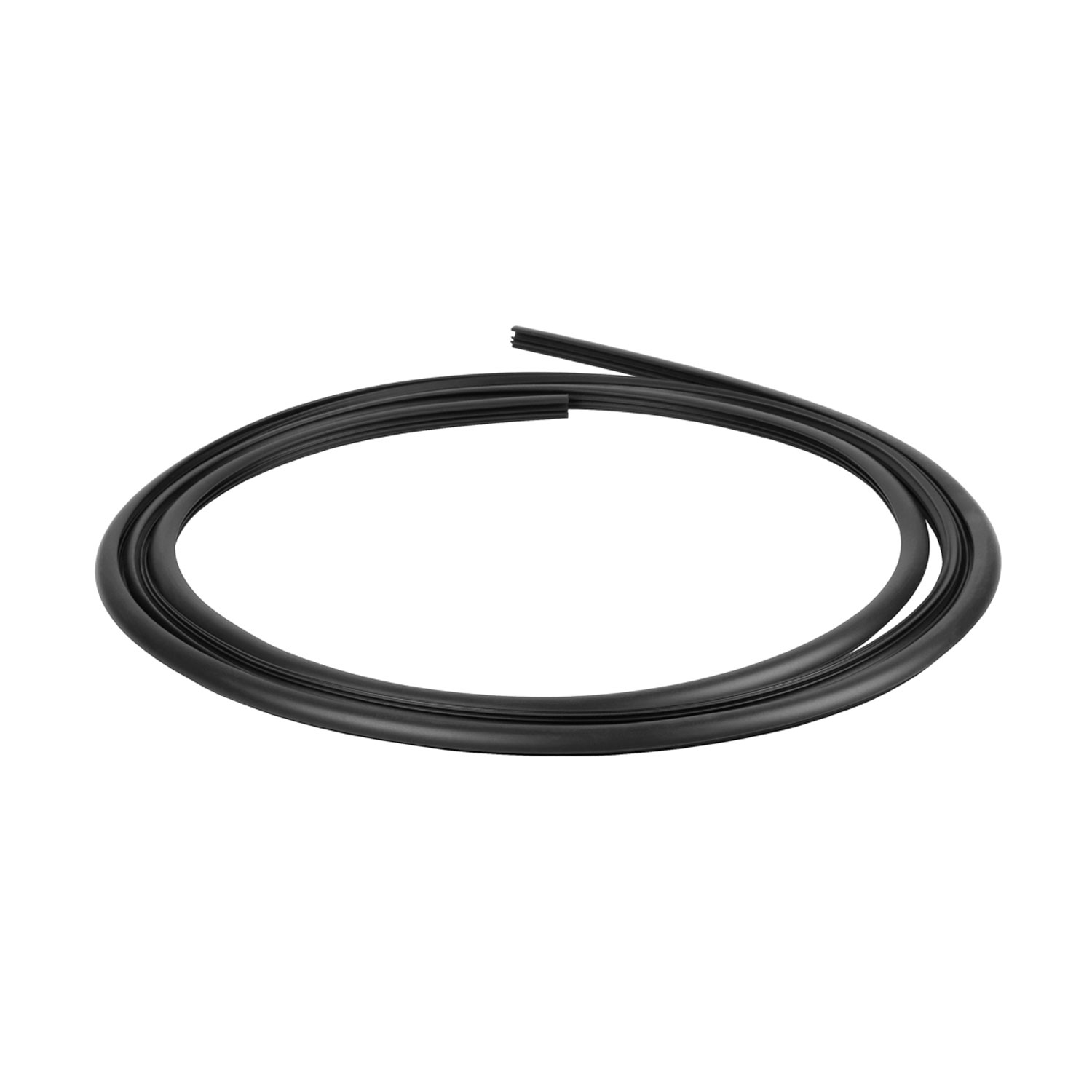 1982 Buick Century Windshield Reveal Molding, 82-92 GM F, 82-88 GM A, 82-89 GM J, 85-91 GM N Bodies-VWS 1967-LWindshield Reveal Molding, 82-92 GM F, 82-88 GM A, 82-89 GM J, 85-91 GM N Bodies, Each.
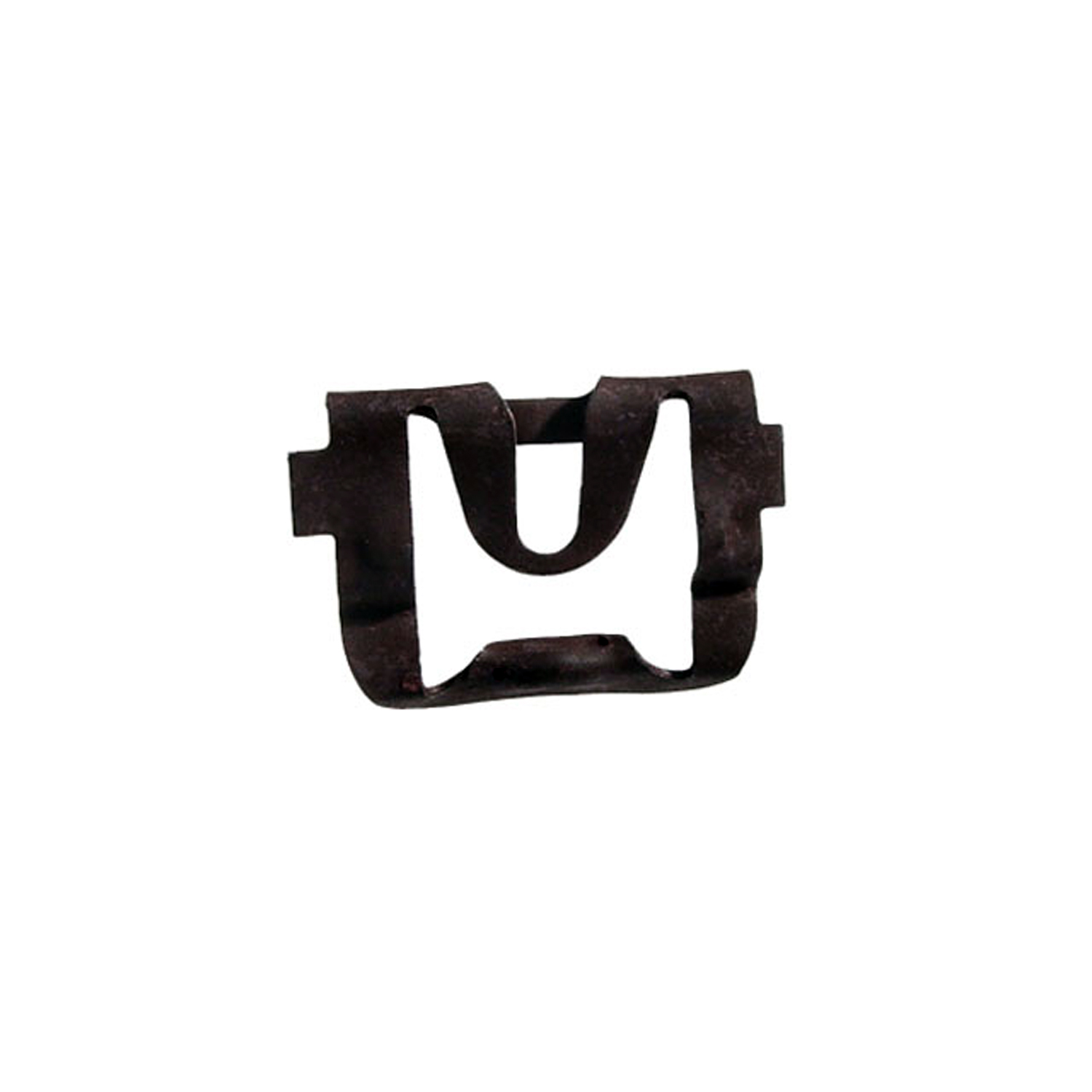 1982 Buick Century Rear Windshield Reveal Molding Clip. Made of steel-WF 211Rear Windshield Reveal Molding Clip. Made of steel. 15/16" X 3/4". Each
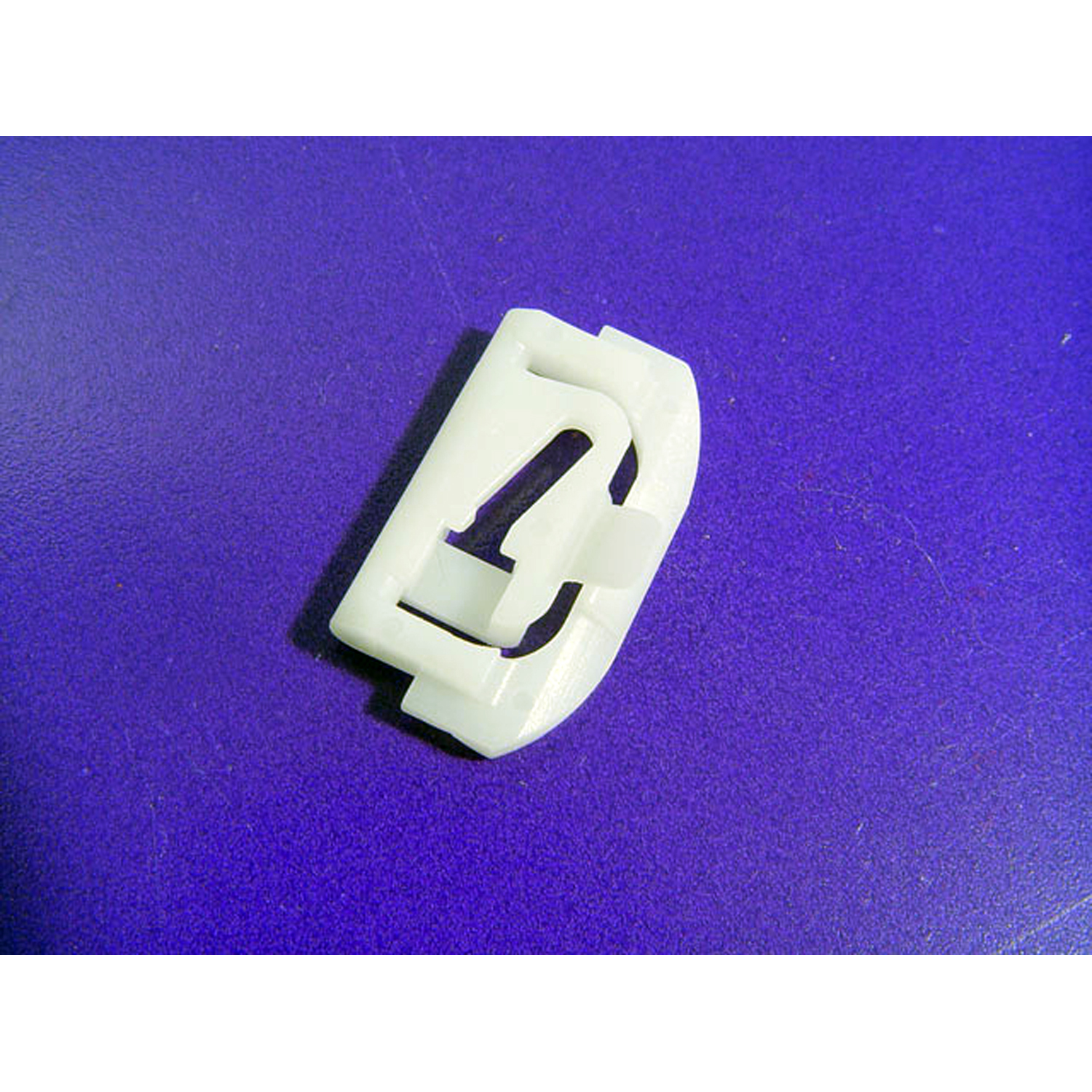 1982 Buick Century Lower Side Window Reveal Molding Clip. Made of nylon-WF 214Lower Side Window Reveal Molding Clip. Made of nylon. 1-1/4" x 3/4". Each
Why Choose Metro?
For over 100 years, Metro Moulded Parts has been the pinnacle of quality in classic car restoration parts. Our commitment to precision and authenticity in every component ensures a perfect fit and an OEM-level appearance.
- Expert Craftsmanship & Quality: Each part is a testament to our dedication to reliability and perfection, crafted from original designs and thoroughly tested.
- Advanced Technology: We use cutting-edge techniques to create flawless, long-lasting parts that surpass others in performance.
- SuperSoft Sponge – The Ultimate Door Seal: Not only are our door seals 30% softer than competitors', but they're also guaranteed to never leak. They effectively reduce wind and road noise, enhancing your classic car's comfort and driving experience.
- Proudly American: Our parts are a product of American craftsmanship, made in the USA with a spirit of excellence and heritage.
- Unrivaled Warranty: We back our products with a 30-year industry-leading warranty, a testament to our confidence in their quality.
Join us in preserving the legacy of classic cars with parts that are crafted for perfection, not just made.