

Image of 1982 Buick Electra, Note: These illustrations use artistic license and may differ from actual historical models.
Performance Metrics
Fundamental Metrics
Emotional Appeal
MMP Rating
| Engine Specifications | |
|---|---|
| Engine Options: | 3.8L V6, 5.0L V8 |
| Displacement Range: | 231-307 cu in |
| Horsepower Range: | 110-140 hp |
| Torque: | 190-240 lb-ft |
| Compression Ratio: | 8.0:1 (V6), 8.4:1 (V8) |
| Ignition System: | Electronic |
| Cooling System: | Liquid-cooled |
| Performance Specifications | |
| 0-60 Time: | 11-13 seconds |
| 1/4 Mile Time: | 18-20 seconds |
| Top Speed: | 105-110 mph |
| Transmission and Drive | |
| Drive Type: | RWD |
| Transmission Type: | 3-speed automatic, 4-speed automatic |
| Fuel and Efficiency | |
| Fuel System Type: | Carburetor |
| MPG: | 15-20 mpg |
| Dimensions and Brakes | |
| Brakes: | Front disc, rear drum |
| Wheelbase: | 115.9 in |
| Weight: | 3,500-3,800 lbs |
Note: Specifications for classic cars are given to the best of our ability, considering the limited and variant data available.
1982 Buick Electra: Full-Size Comfort in a Changing Era
The 1982 Buick Electra delivered a distinctly American kind of luxury: a long, quiet, rear-wheel-drive sedan or coupe built to make miles feel effortless. Made by Buick, a division of General Motors, it belonged to the final generation of traditional rear-drive Electras before the nameplate moved to a front-wheel-drive platform for 1985. That timing gives the 1982 model a special place in Buick history. It was a big, comfort-focused car shaped by a decade of rising fuel costs and tightening efficiency expectations, yet it still offered the space and smoothness buyers associated with a full-size Buick.
Here is an intriguing detail: the Electra was no longer the enormous, chrome-heavy car of the early 1970s. General Motors had downsized its full-size cars for 1977, and by 1982 the Electra was more compact and lighter than its predecessors while retaining a broad, substantial presence. The result was a car that looked and felt like a classic American luxury cruiser, but was better suited to the realities of the early 1980s.
Formal Buick Styling and Quiet Luxury
The 1982 Electra wore a clean, formal design rather than the flamboyant styling of earlier decades. Its long hood, upright grille, squared-off roofline, and carefully defined rear quarters gave it an unmistakably upscale profile. Rectangular headlamps, bright trim, and a broad grille framed the front end, while the sedan’s generous glass area and straight beltline kept the design dignified rather than flashy. Coupe versions had a more personal-luxury look, with a shorter roofline and a slightly sportier silhouette.
Inside, the Electra emphasized comfort and an impression of quality. Depending on trim and equipment, buyers could find plush cloth or leather seating, wood-tone accents, padded surfaces, carpeting, and a wide, easy-to-read instrument panel. The front bench seat was a familiar choice for buyers who valued room to stretch out, while bucket seats were available on certain configurations. Power windows, power door locks, cruise control, air conditioning, and upgraded audio equipment could add to the luxury experience. Upholstery and trim varied by model and option package, so a well-equipped Limited or Park Avenue feels notably more upscale than a basic example.
Color choices changed with trim and equipment, but the era’s palette included restrained metallics, dark blues, reds, greens, silvers, and traditional whites and creams. Two-tone paint and coordinating vinyl roofs were available on some combinations. Buyers often chose conservative colors that suited the Electra’s formal character, making silver, dark blue, burgundy, and white especially period-appropriate choices today.
Body Styles, Trims, and Equipment
The 1982 Electra was offered as a four-door sedan and a two-door coupe. The sedan is the most recognizable expression of the car’s role as a spacious family and executive cruiser, while the coupe gives the same basic formula a more personal-luxury character. Buick’s Estate Wagon was a related full-size offering, but it was marketed separately rather than as an Electra-badged wagon.
Trim and equipment packages could include upscale Limited and Park Avenue models, along with sportier T-Type treatment in the Electra lineup. Exact availability depended on body style and configuration. Park Avenue emphasized comfort and premium appointments; T-Type models added a more assertive appearance and a sportier flavor, but they were not high-performance machines in the modern sense. As with many Buicks of the period, the options list mattered: two cars with the same Electra name could differ substantially in seating, trim, convenience features, and powertrain.
Technology was practical rather than futuristic. Automatic climate control and power accessories were available, and the car used GM’s Computer Command Control emissions system to help manage engine operation and meet regulations. This early electronic engine control was a step toward the increasingly computer-managed cars that followed. It was not a modern diagnostic system, but it marked an important change from the purely mechanical systems of earlier decades.
Why the 1982 Electra Matters
The Electra’s significance lies in how it balanced tradition with change. By 1982, automakers were responding to fuel-economy rules, emissions requirements, and competition from smaller, more efficient imports. Buick still had to serve customers who wanted a quiet cabin, a smooth automatic transmission, and room for passengers, but the old formula of ever-larger engines and bodies was no longer viable. The downsized Electra represented GM’s attempt to preserve full-size comfort in a more efficient package.
It also marks the closing chapter of the rear-wheel-drive Electra. The name would continue, but the 1985 model shifted to front-wheel drive, a major architectural break from the traditional layout. In that sense, the 1982 Electra is a useful snapshot of a transition: it retains the familiar long-hood, rear-drive character of classic American luxury cars while incorporating the packaging and efficiency priorities that would define the next generation.
Engine Options and Road Manners
Engine availability varied by configuration and market. Common choices included Buick’s 4.1-liter V6, an Oldsmobile-built 5.0-liter V8, and an available 5.7-liter diesel V8. Published specifications can differ with emissions calibration and equipment, but representative output figures are approximately 125 horsepower for the 4.1-liter V6, 140 horsepower for the 5.0-liter V8, and about 105 horsepower for the diesel. Automatic transmissions were standard, with gearing and equipment depending on the engine and model.
Do not expect sports-sedan acceleration. Period performance tests and modern estimates put many gasoline-powered Electras in roughly the 11-to-13-second range for 0-to-60 mph, with the diesel generally slower. Top speed depends on engine, gearing, condition, and tire choice, but a sound gasoline example can reach highway speeds comfortably. These are best treated as approximate figures rather than a single definitive factory number, since results varied across configurations and testing methods.
The Electra’s strengths show up once it is moving. Its suspension is tuned to absorb broken pavement and highway expansion joints, and the long wheelbase helps the car settle into a relaxed cruise. On a winding road, the body leans more than a modern sport sedan, and the steering feels slower and less communicative. Strong crosswinds can remind you that this is a large, relatively tall car, although its substantial feel is part of the appeal. It is happiest on open roads, where the engine’s subdued note, soft ride, and spacious cabin make long journeys easy.
Behind the wheel, the experience is more about smoothness than speed. The driver sits high enough to see the broad hood and formal front corners, while the large cabin and bench-seat option create a relaxed, lounge-like atmosphere. A V8 adds a muted, low-pitched sound under acceleration; the V6 is less theatrical but can be perfectly suitable for steady cruising. A properly maintained Electra should feel composed, not harsh or hurried.
Living With a 1982 Buick Electra
Today, the Electra makes a comfortable weekend cruiser, a period-correct show car, or an occasional-use classic. Some owners do use these cars regularly, but fuel consumption, age-related wear, and the difficulty of finding certain trim pieces make daily commuting less convenient than it was when the car was new. It is not a natural racing platform, and its size and soft suspension are better suited to relaxed touring than aggressive driving.
Many routine repairs are manageable for an owner with basic mechanical experience. The traditional rear-wheel-drive layout leaves the engine bay and drivetrain familiar to many independent mechanics, and common service items such as ignition components, belts, hoses, brakes, and suspension parts are generally approachable. The main challenges are age and specification: worn vacuum lines, carburetor issues, deteriorated rubber, electrical faults, and neglected cooling systems can all affect drivability. Diesel models require specialized knowledge, and some interior trim, body parts, and model-specific pieces may take patience to locate.
Before buying, inspect the frame and body for corrosion, especially around lower body seams, wheel openings, and areas that trap moisture. Check the transmission for smooth shifts, confirm that the air conditioning and power accessories work, and look for signs of overheating or poor previous repairs. A car that has been stored for years may need more than a quick tune-up, even if it starts and runs.
Electra Trivia and Common Complaints
The 1982 Electra is part of the final rear-drive generation, which makes it appealing to enthusiasts who want the traditional Buick layout without stepping back to the enormous dimensions of a 1960s or early-1970s model. Its T-Type variants are another point of interest, though their appeal is primarily in their appearance and equipment rather than exceptional straight-line performance. The name “Electra” itself had been associated with Buick’s premium full-size cars since 1959, giving the model a long heritage by the time this version arrived.
There is no widely recognized speed, endurance, or production record attached specifically to the 1982 Electra. Its historical importance is quieter: it represents Buick’s effort to keep the full-size luxury formula relevant during a period of rapid change. Common criticisms include modest acceleration, substantial fuel consumption compared with smaller cars, soft handling, and the occasional complexity of emissions-era engine controls. Owners also need to accept that some trim and cosmetic parts are less readily available than parts for more common collector cars.
Collector Values and Availability
The 1982 Electra is an attainable classic rather than a high-dollar collectible. Clean, running examples often fall in the approximate range of $4,000 to $12,000, depending on condition, trim, body style, engine, documentation, and location. Exceptional, low-mileage, or unusually well-preserved cars can bring more, while cars needing significant mechanical or body work may sell for less. These are broad current-market estimates, not a formal appraisal, and local prices can vary considerably.
Production figures are not consistently presented by trim and body style in commonly consulted reference sources. A reasonable estimate for total 1982 Electra production is roughly 50,000 to 60,000 cars, though the exact figure should be treated as an estimate rather than a verified total. The model is uncommon enough that finding a particularly clean example can take time, but it is not generally considered rare in the collector-car sense. Sedans are more representative of the model, while a well-optioned coupe or distinctive T-Type can attract added interest.
Values have generally remained modest compared with more famous muscle cars and luxury models. The best cars may gradually become more desirable as surviving examples thin out, but there is no clear sign that ordinary Electras are rapidly appreciating. Condition, originality, and documentation are likely to matter more than speculation. For buyers, that means the appeal is usually the driving experience and the chance to own a comfortable piece of Buick history, not a guaranteed investment.
The Last Word on the 1982 Electra
The 1982 Buick Electra combines formal styling, a spacious interior, a soft highway ride, and the familiar character of a rear-wheel-drive American luxury car. It was built at a turning point for the industry, when Buick had to preserve traditional comfort while adapting to new demands for efficiency and cleaner operation. Its acceleration and handling are firmly period-correct, but its calm road manners remain easy to appreciate.
For anyone drawn to understated classics, the Electra offers a compelling blend of comfort, history, and everyday mechanical familiarity. It may not shout for attention, but it captures a moment when Buick was carefully reshaping the American luxury car without giving up its essential promise: make the journey feel as good as the destination.
1982 Buick Electra Catalog of Parts
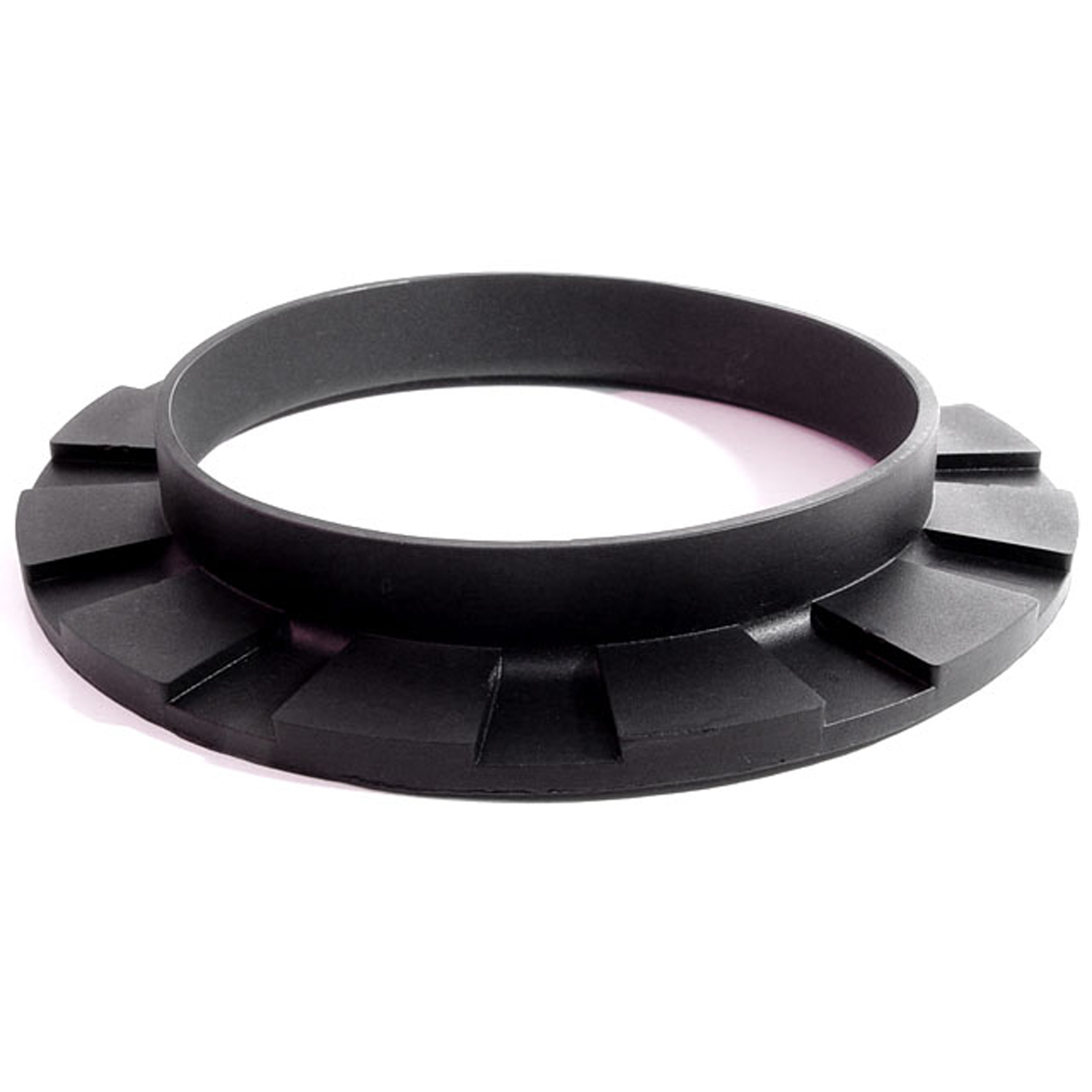 1982 Buick Electra Front coil-spring insulator-BN 110Front coil-spring insulator. Fits '41-'60 Oldsmobile and '50-'83 GM passenger models. 5-3/8 in. OD x 3-3/4 in. ID x 3/4 in. high with 13/16 in. wide bottom flange 1/4" thick, 12 flutes. Each.
 1982 Buick Electra Rear Molded Door Seals. For 4-door sedan-LM 18-L/SRear Molded Door Seals. For 4-door sedan. Each is 131-1/2" long. Pair R&L
 1982 Buick Electra Front Molded Door Seals with White Clips-LM 18-L/WCFront Molded Door Seals with White Clips. For 4-door sedan and wagon with RWD. Pair R&L
 1982 Buick Electra Molded Door Seals. For 2-door sedans with RWD. Pair R&L-LM 18-OMolded Door Seals. For 2-door sedans with RWD. Pair R&L
 1982 Buick Electra Trunk Liner. Loose weave, jet black. 50" wide-M 30Trunk Liner. Loose weave, jet black. 50" wide. Sold by the foot
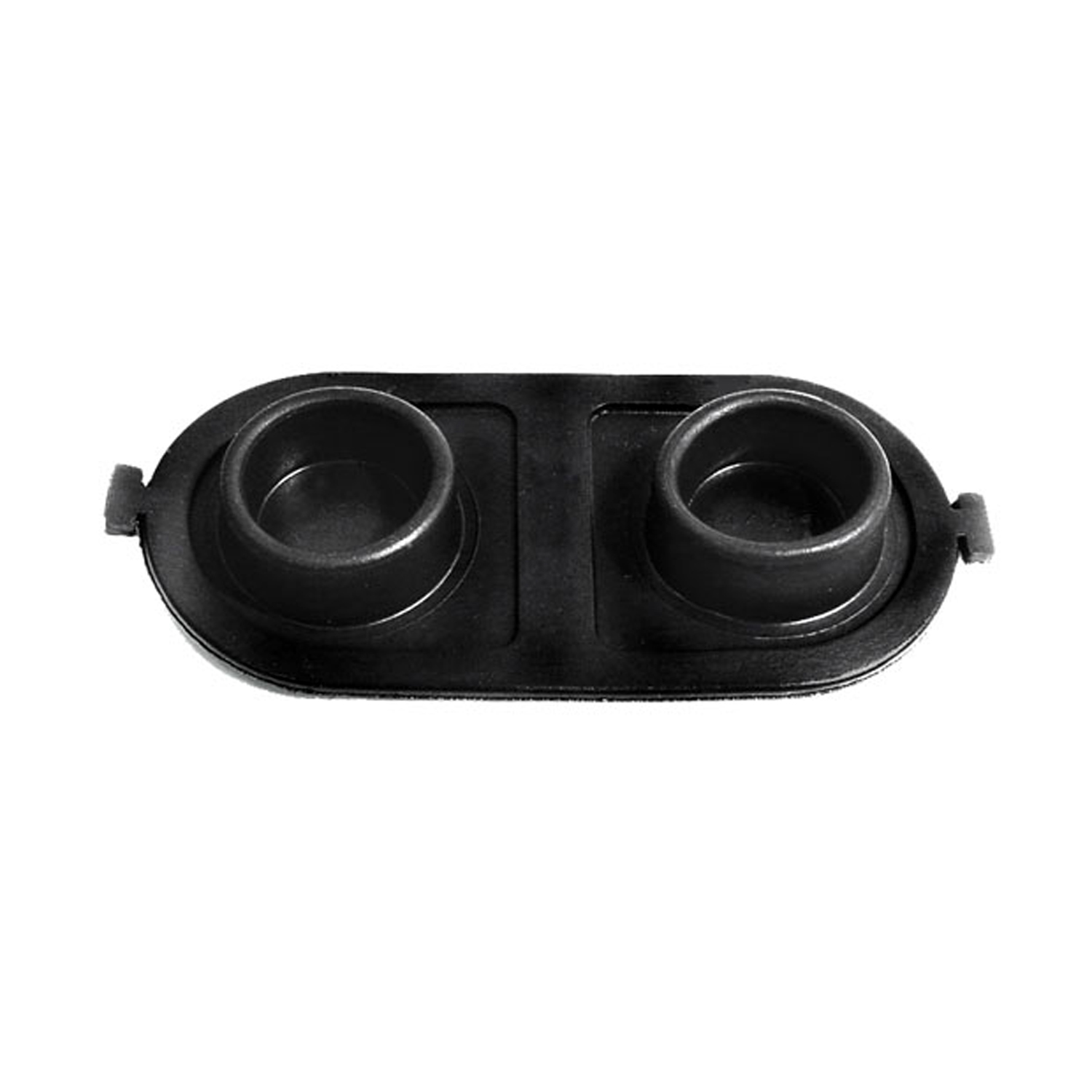 1982 Buick Electra Brake Master Cylinder Cover Seal. Replaces OEM #5470861-RP 2-EBrake Master Cylinder Cover Seal. Replaces OEM #5470861. 5" X 2-1/2". Each
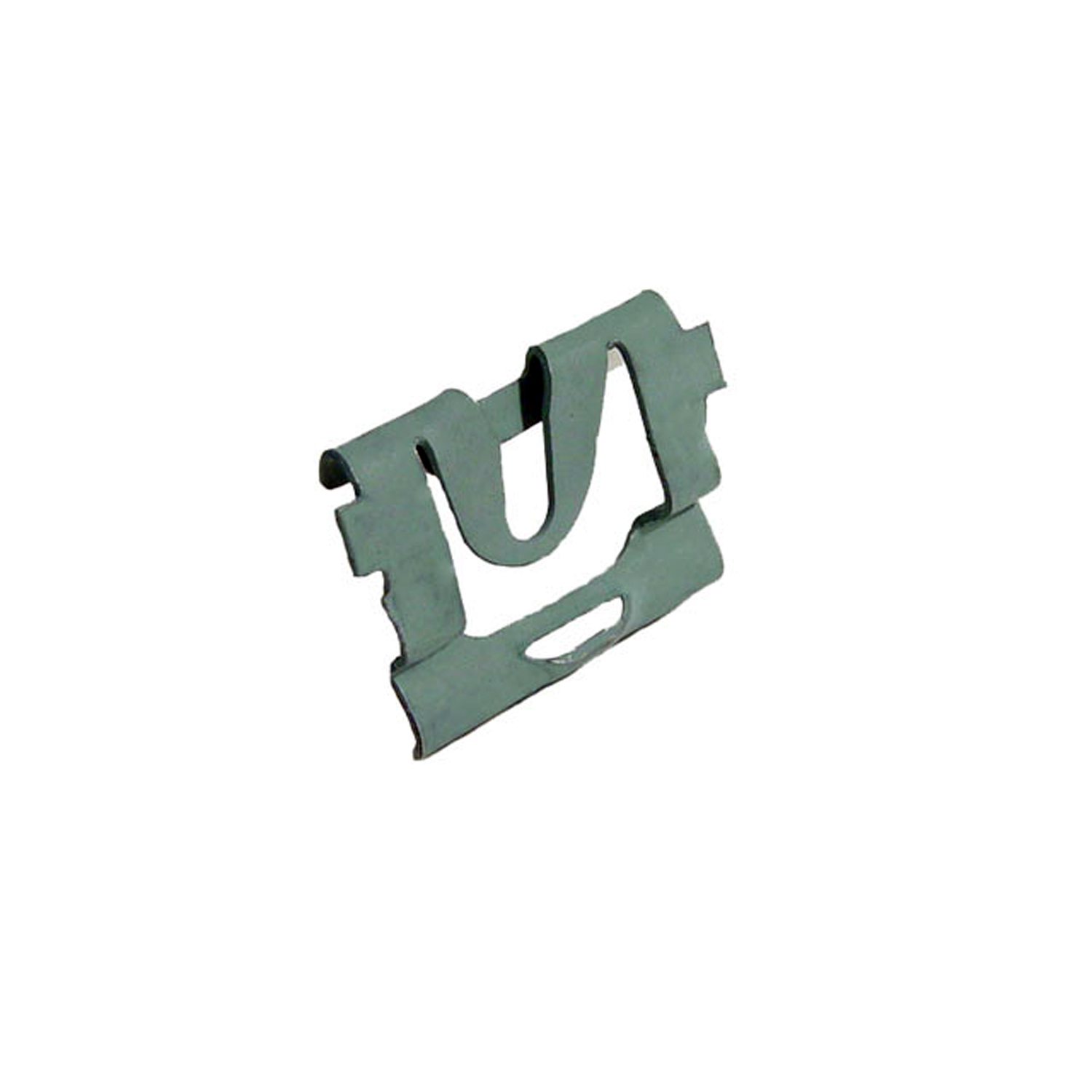 1982 Buick Electra Windshield Reveal Molding Clip. For models with vinyl top-WF 210Windshield Reveal Molding Clip. For models with vinyl top. 3/4" x 1-1/16". Each
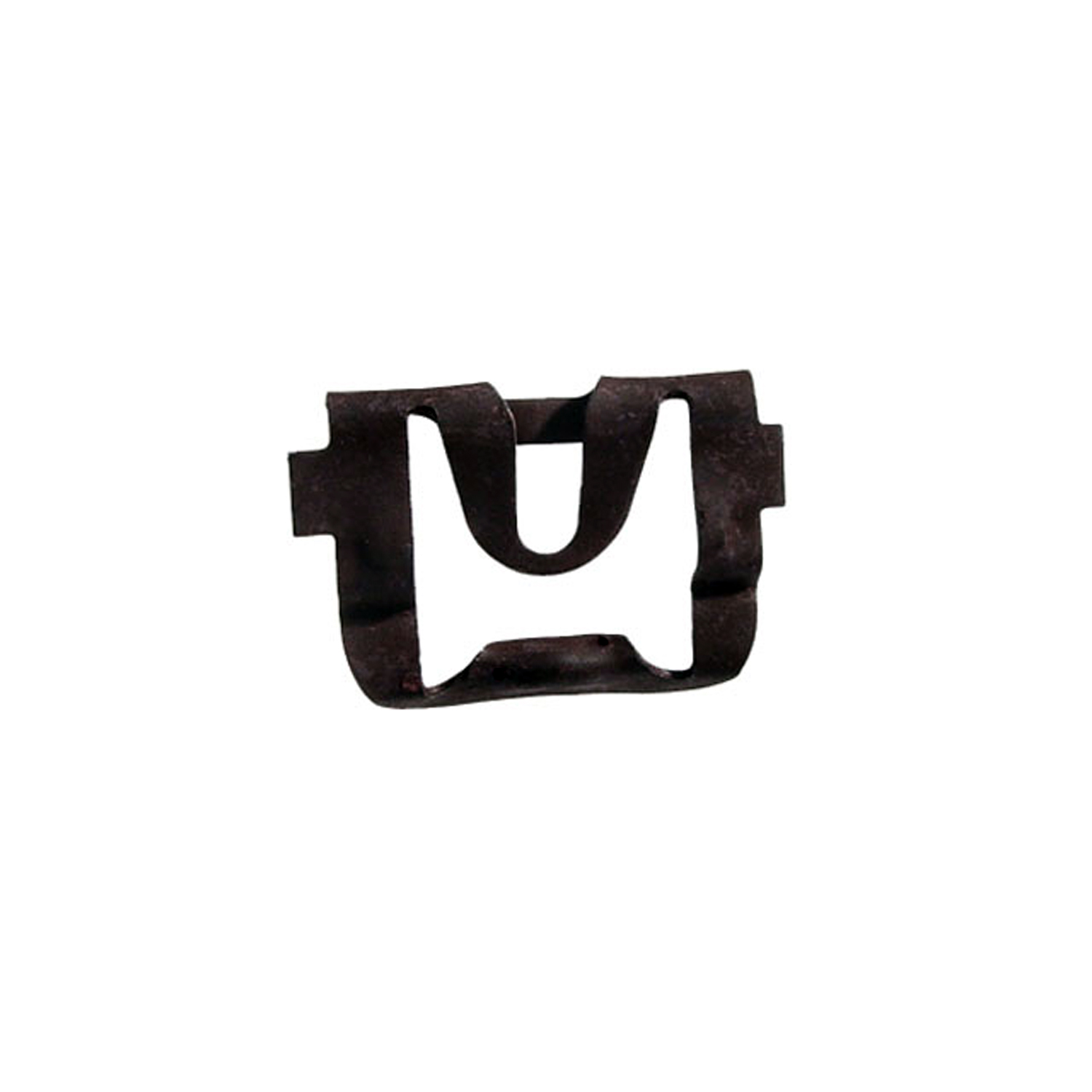 1982 Buick Electra Rear Windshield Reveal Molding Clip. Made of steel-WF 211Rear Windshield Reveal Molding Clip. Made of steel. 15/16" X 3/4". Each
 1982 Buick Electra Rear Windshield Reveal Molding Clip. Made of steel-WF 213Rear Windshield Reveal Molding Clip. Made of steel. 7/8" X 5/8". Each
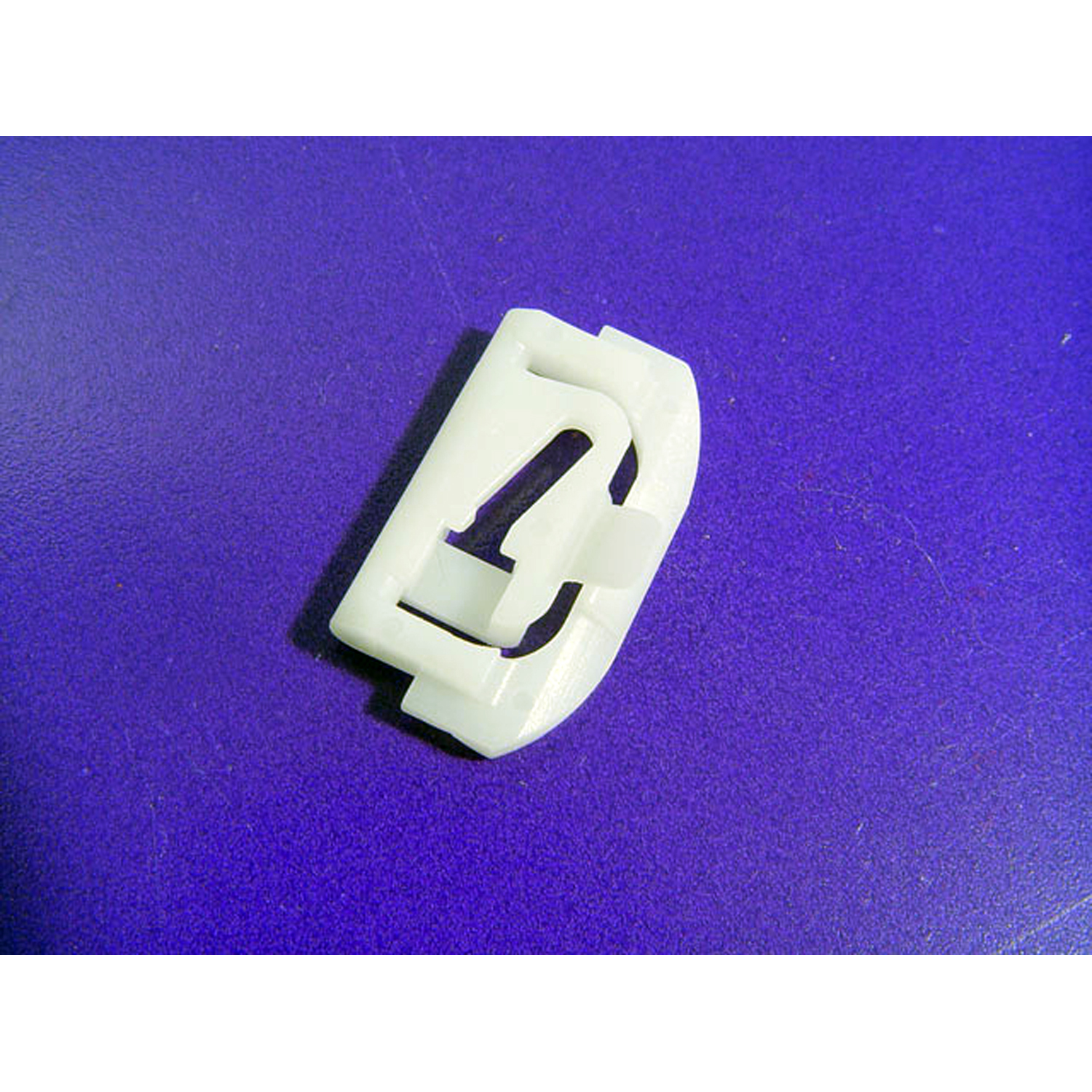 1982 Buick Electra Lower Side Window Reveal Molding Clip. Made of nylon-WF 214Lower Side Window Reveal Molding Clip. Made of nylon. 1-1/4" x 3/4". Each
Why Choose Metro?
For over 100 years, Metro Moulded Parts has been the pinnacle of quality in classic car restoration parts. Our commitment to precision and authenticity in every component ensures a perfect fit and an OEM-level appearance.
- Expert Craftsmanship & Quality: Each part is a testament to our dedication to reliability and perfection, crafted from original designs and thoroughly tested.
- Advanced Technology: We use cutting-edge techniques to create flawless, long-lasting parts that surpass others in performance.
- SuperSoft Sponge – The Ultimate Door Seal: Not only are our door seals 30% softer than competitors', but they're also guaranteed to never leak. They effectively reduce wind and road noise, enhancing your classic car's comfort and driving experience.
- Proudly American: Our parts are a product of American craftsmanship, made in the USA with a spirit of excellence and heritage.
- Unrivaled Warranty: We back our products with a 30-year industry-leading warranty, a testament to our confidence in their quality.
Join us in preserving the legacy of classic cars with parts that are crafted for perfection, not just made.