

Image of 1982 Buick Skylark, Note: These illustrations use artistic license and may differ from actual historical models.
Performance Metrics
Fundamental Metrics
Emotional Appeal
MMP Rating
| Engine Specifications | |
|---|---|
| Engine Options: | 2.5L 4-cylinder, 2.8L V6, 3.0L V6 |
| Displacement Range: | 151-181 cu in. |
| Horsepower Range: | 90-110 hp |
| Torque: | 125-145 lb-ft |
| Compression Ratio: | 8.0:1 - 9.0:1 |
| Ignition System: | Electronic |
| Cooling System: | Liquid-cooled |
| Performance Specifications | |
| 0-60 Time: | 11-13 seconds |
| 1/4 Mile Time: | 18-20 seconds |
| Top Speed: | 100-110 mph |
| Transmission and Drive | |
| Drive Type: | Front-wheel drive |
| Transmission Type: | 3-speed automatic, 4-speed manual |
| Fuel and Efficiency | |
| Fuel System Type: | Carburetor |
| MPG: | 20-25 mpg |
| Dimensions and Brakes | |
| Brakes: | Front disc, rear drum |
| Wheelbase: | 104.9 inches |
| Weight: | 2,500-2,800 lbs |
Note: Specifications for classic cars are given to the best of our ability, considering the limited and variant data available.
1982 Buick Skylark: A Compact Buick for a Changing America
The 1982 Buick Skylark brought a familiar American name into a new era of compact, front-wheel-drive cars. Built by Buick, a division of General Motors, it was designed for drivers who wanted a manageable, economical car without giving up the comfort and more upscale finish associated with the Buick badge.
The Skylark belonged to GM’s front-wheel-drive X-body family, alongside models such as the Chevrolet Citation, Pontiac Phoenix, and Oldsmobile Omega. Its transverse engine and front-wheel drive made better use of cabin space than many traditional rear-wheel-drive cars. One bit of nameplate history adds extra appeal: the first Skylark appeared in 1953 as a limited-production Buick created for the company’s 50th anniversary. The 1982 model was a very different car, but it carried forward a name with a long Buick history.
Skylark Styling and Interior
The 1982 Skylark had the squared-off, tidy proportions typical of early-1980s American cars. A relatively short hood, upright greenhouse, and clean body sides gave it a practical, compact look. At the front, a rectangular grille and rectangular headlamps emphasized the car’s width, while bright trim and Buick badges added a more formal touch than some of its platform-mates. Its styling was restrained rather than flashy, with the Limited trim bringing a more dressed-up appearance.
Buyers could choose a two-door coupe or a four-door sedan. The sedan suited families and everyday commuting, while the coupe offered a sportier profile. Earlier Skylarks in this generation had also been offered as hatchbacks, but the 1982 range centered on the coupe and sedan. Trim and equipment varied, with Limited models generally offering a more luxurious cabin and additional convenience features.
Inside, the Skylark was straightforward and comfortable by the standards of the time. Depending on trim, upholstery could include cloth, vinyl, or a combination of the two. Limited models typically had more plush seat coverings and extra decorative trim, while base versions kept things simpler and easier to clean. The dashboard was mostly practical, with clear analog gauges and familiar knobs and switches rather than a complicated electronic interface.
Factory paint choices varied by model and production run, but buyers could find period colors such as white, silver, red, blue, and several shades of tan or brown. Metallic finishes and neutral colors suited the Skylark’s conservative character. Color availability depended on the selected trim and interior combination, so a car’s original paint and upholstery codes are worth checking when evaluating an example.
Front-Wheel-Drive Innovation
The Skylark’s defining engineering feature was its front-wheel-drive layout. With the engine mounted transversely, power went to the front wheels, freeing space that a rear driveshaft and transmission tunnel would otherwise occupy. The result was a roomy cabin for a car of modest exterior dimensions and useful traction in rain or light snow. Front-wheel drive was becoming increasingly important as automakers responded to fuel-economy concerns and changing buyer preferences.
That layout also set the Skylark apart from many older American compacts, which were rear-wheel drive and often felt more traditional in their packaging. The X-body cars helped make front-wheel drive a mainstream choice across GM’s brands. Their early years were also shadowed by quality and safety concerns, including widely publicized rear-brake problems on some X-body cars. That history became part of the platform’s story and reminds buyers to assess an individual car’s maintenance and repair history rather than assume every example is alike.
Engines, Speed, and Road Manners
Engine availability depended on equipment and market, but the 1982 Skylark was commonly offered with a 2.5-liter four-cylinder or a 2.8-liter V6. The four-cylinder prioritized economy, while the V6 delivered smoother, more confident acceleration. Manual and automatic transmissions were available, with the exact combination depending on the engine and trim.
Period performance figures can vary with engine, transmission, vehicle condition, and testing method. As a practical guide, a four-cylinder Skylark may take roughly 14 to 16 seconds to reach 60 mph, while a V6 car is more likely to do it in about 11 to 13 seconds. Top speed is generally in the neighborhood of 95 to 105 mph, though these cars were built for everyday transportation, not high-speed driving. Treat those numbers as estimates rather than guaranteed factory figures.
On the road, the Skylark feels light and easy to place. Its front-wheel-drive layout provides reassuring traction in wet conditions, and its compact dimensions help in parking lots and city traffic. The suspension is tuned more for comfort than cornering precision. It can soften ordinary bumps reasonably well, though worn bushings, tired shocks, and aged tires can make an old example feel loose or harsh. On winding roads, expect safe, predictable handling rather than sports-sedan agility. Strong crosswinds can also make a light compact feel less settled than a larger Buick.
The four-cylinder engine is generally subdued at a relaxed pace but can sound busy when pushed. The V6 has a smoother, fuller note and makes the car feel less strained during merging and hills. Steering and controls are simple and familiar, giving the driver a direct, uncomplicated connection to the car. A well-maintained Skylark is best enjoyed at a calm cruising pace, where its comfort and usability are more apparent than its modest acceleration.
Living With a 1982 Skylark
Today, a Skylark is most likely to serve as a nostalgic weekend car, a modest local-show entry, or an occasional-use classic. Some owners also keep them on the road as inexpensive transportation, but that choice depends heavily on condition. A car that has spent decades outdoors may need substantial work even if its purchase price is low.
Routine service is familiar to a competent home mechanic: oil changes, belts, hoses, brakes, ignition parts, and suspension components are conventional jobs. The transverse engine bay is more crowded than that of a rear-wheel-drive car, and some repairs can take extra effort because access is limited. Parts availability is mixed. Common service items and many mechanical components can still be found through parts suppliers, while trim pieces, body panels, and model-specific interior details may take patience to source.
Before buying, inspect the cooling system, transmission operation, front suspension, brake condition, and electrical equipment. Look closely for rust around the lower body, wheel openings, floor, and structural mounting points. Because the X-body’s early brake history is well known, confirm that the braking system has been properly serviced and that the car stops straight without pulling or locking a wheel. A good inspection is especially important if the vehicle has been sitting for years.
Useful Skylark Facts
The 1982 Skylark was not a muscle car, and it did not set a major speed or endurance record. Its significance is more practical: it represents Buick’s effort to adapt a long-running nameplate to the compact, front-wheel-drive market of the early 1980s. The Skylark badge had once appeared on a glamorous anniversary special, but by 1982 it served a very different role as a family-oriented compact.
There is no widely documented celebrity-owned 1982 Skylark or special production edition that makes the model famous in the way a limited sports car might be. Its appeal is more personal than prestigious. Common criticisms include modest performance, ordinary styling, and the platform’s reputation for early quality problems. On the other hand, buyers who value an uncommon, usable period car may appreciate its approachable size and distinctly early-1980s character.
Collector Value and Availability
The 1982 Skylark is an attainable classic, not a high-dollar collectible. As a broad current-market estimate, a running driver-quality example may sell for about $1,500 to $4,000. A clean, well-kept car with a strong service history could bring roughly $4,000 to $7,000, while an exceptional, highly original example may exceed that range if the right buyer is looking for it. Project cars can be worth considerably less, especially when they need rust repair or hard-to-find trim.
Exact 1982 production figures by body style and trim are not consistently reported in collector references. A reasonable estimate for the Skylark line is roughly 70,000 to 90,000 cars for the model year, but that should be treated as an informed approximation, not a verified count. The model is not especially rare in the sense of a limited edition, yet surviving examples are far less common than mainstream modern cars because many were used up as everyday transportation.
Prices have generally remained modest, with condition and originality making the biggest difference. The Skylark is unlikely to appreciate rapidly, but clean examples may gradually become more desirable as interest grows in overlooked 1980s cars. A documented, rust-free car with original trim and a working drivetrain will usually be easier to sell than a heavily modified or incomplete one.
Why the 1982 Skylark Still Matters
The 1982 Buick Skylark combined a historic name with a thoroughly modern-for-its-time front-wheel-drive design. It offered compact dimensions, useful interior space, comfortable trim, and a choice of economical four-cylinder or smoother V6 power. It was not built to dominate a drag strip or turn heads at every intersection. Its purpose was to make everyday driving easier during a period when American buyers were increasingly choosing smaller, more efficient cars.
That blend of practicality and Buick character is what makes the Skylark worth remembering. For today’s enthusiast, it is an affordable way to experience a pivotal chapter in GM’s move toward front-wheel drive, and a reminder that automotive history is shaped not only by icons, but also by the everyday cars that carried people through ordinary miles.
1982 Buick Skylark Catalog of Parts
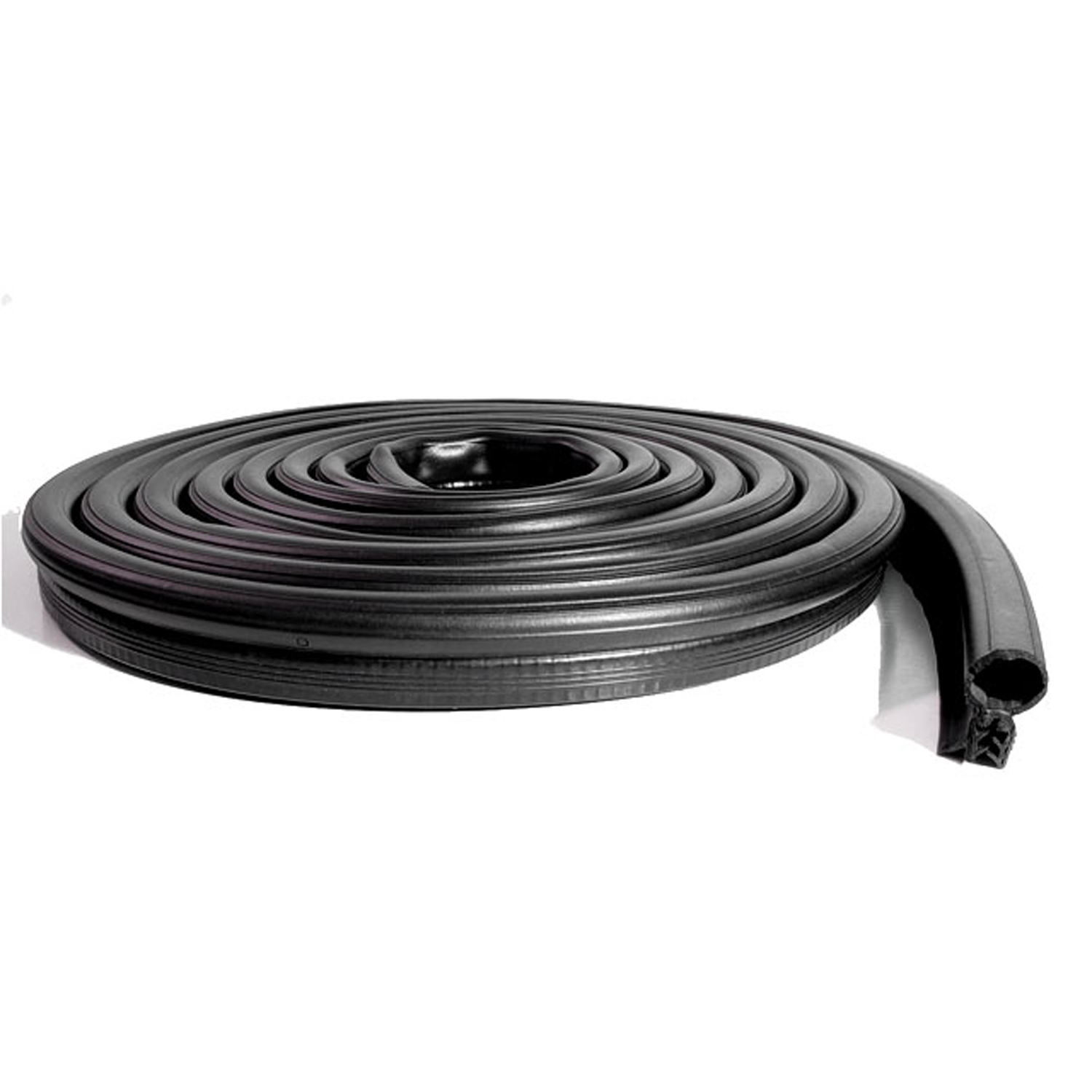 1982 Buick Skylark Trunk Seal (Imported). Made with steel cores-IS-MW00101Trunk Seal (Imported). Made with steel cores. 1-3/8" X 3/4" X 17'. Each
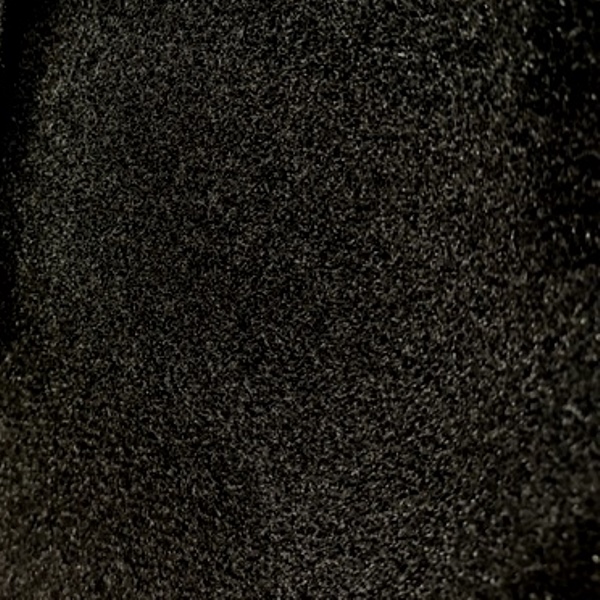 1982 Buick Skylark Trunk Liner. Loose weave, jet black. 50" wide-M 30Trunk Liner. Loose weave, jet black. 50" wide. Sold by the foot
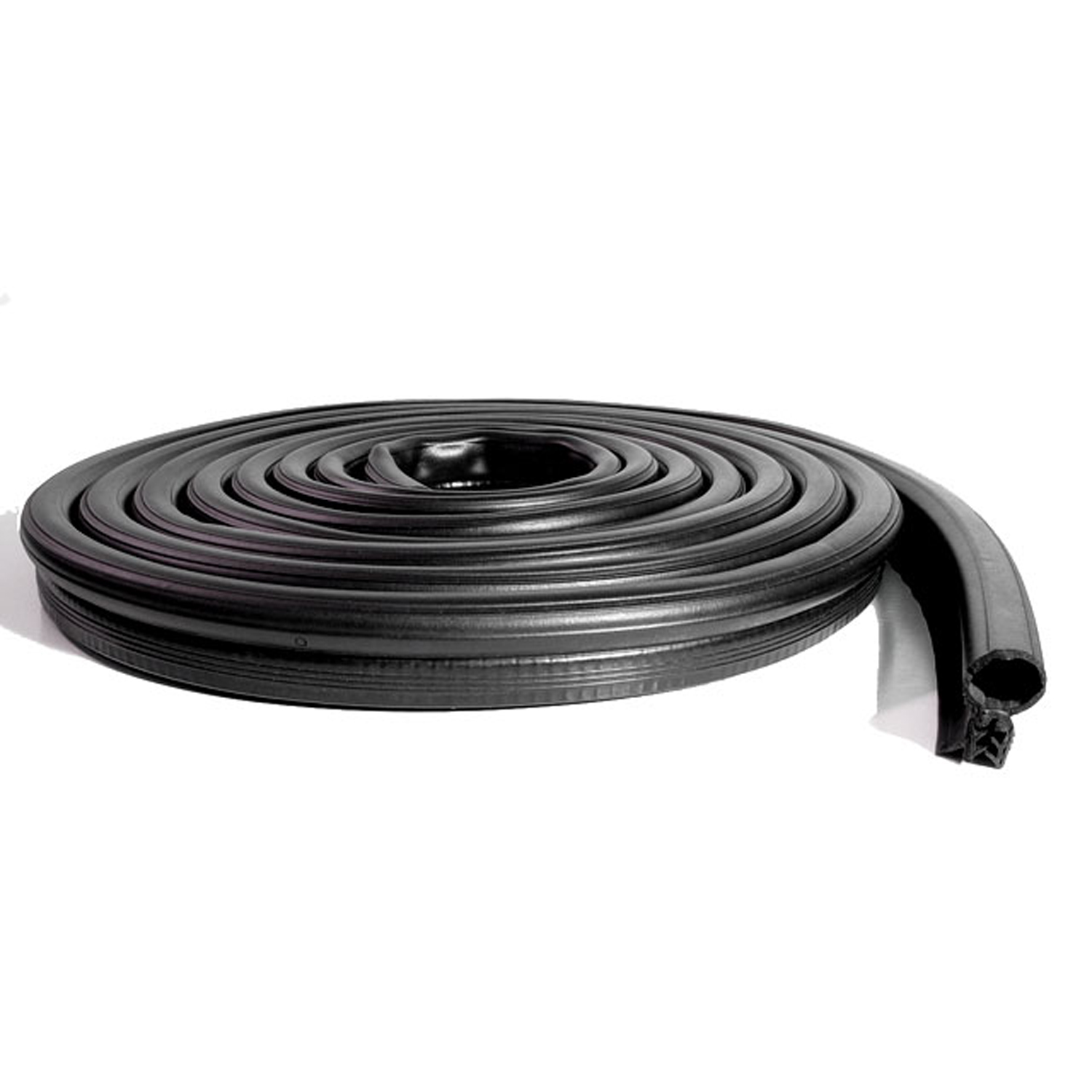 1982 Buick Skylark Trunk seal-MW00101Trunk seal. Also replaces '75-'79 Buick Skylark hatchback seal. Made with steel cores. 1-3/8 in. x 3/4 in. x 17 ft. L. Each.
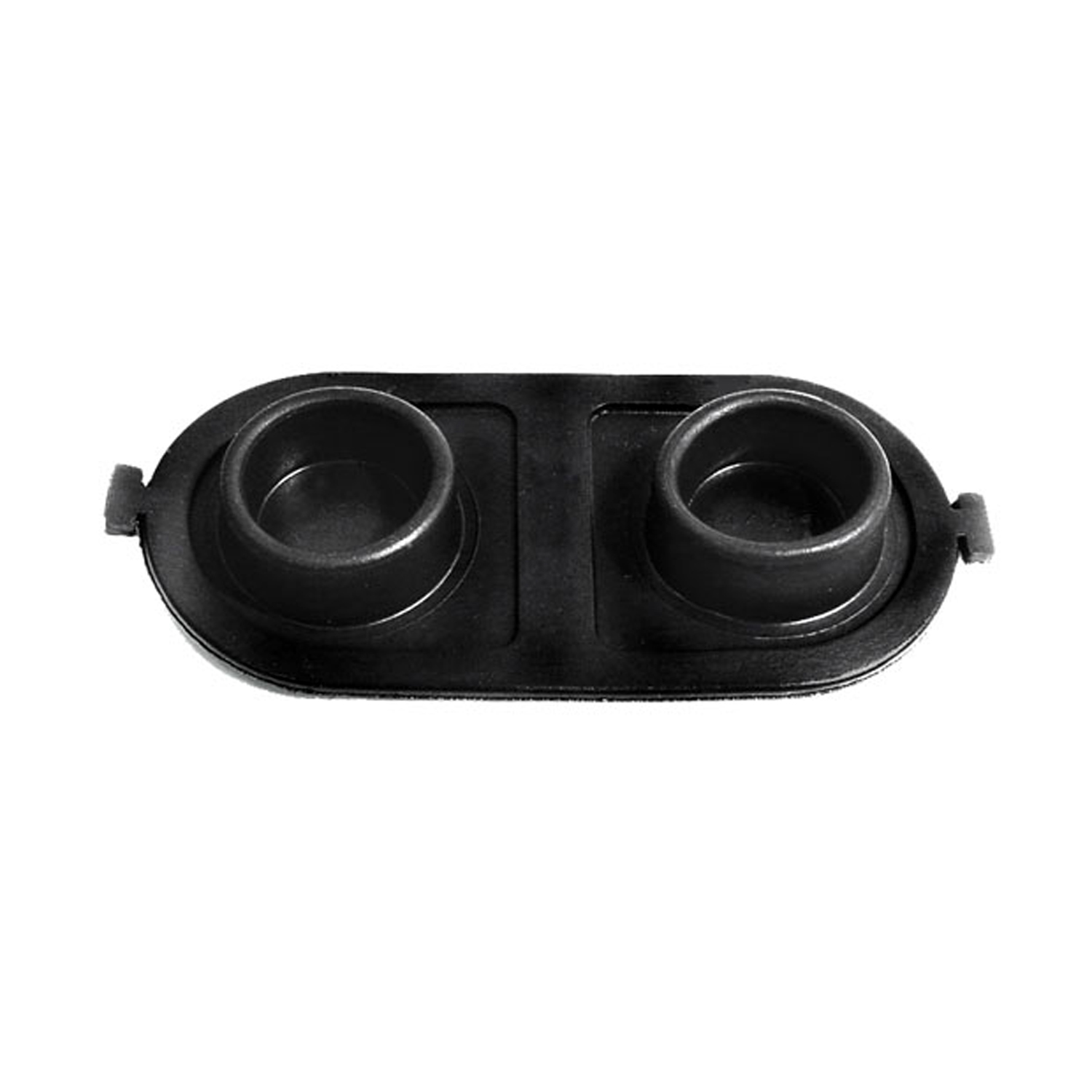 1982 Buick Skylark Brake Master Cylinder Cover Seal. Replaces OEM #5470861-RP 2-EBrake Master Cylinder Cover Seal. Replaces OEM #5470861. 5" X 2-1/2". Each
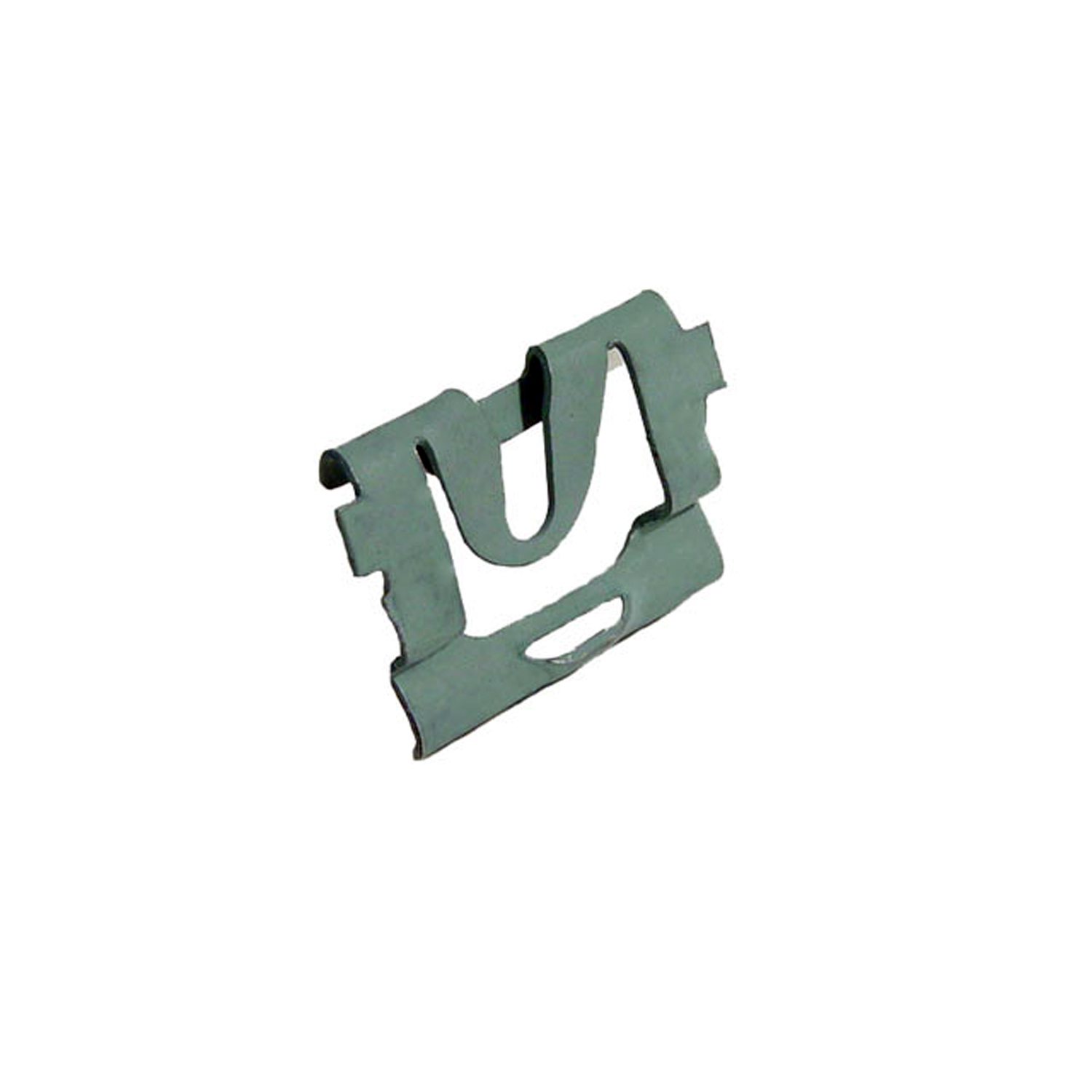 1982 Buick Skylark Windshield Reveal Molding Clip. For models with vinyl top-WF 210Windshield Reveal Molding Clip. For models with vinyl top. 3/4" x 1-1/16". Each
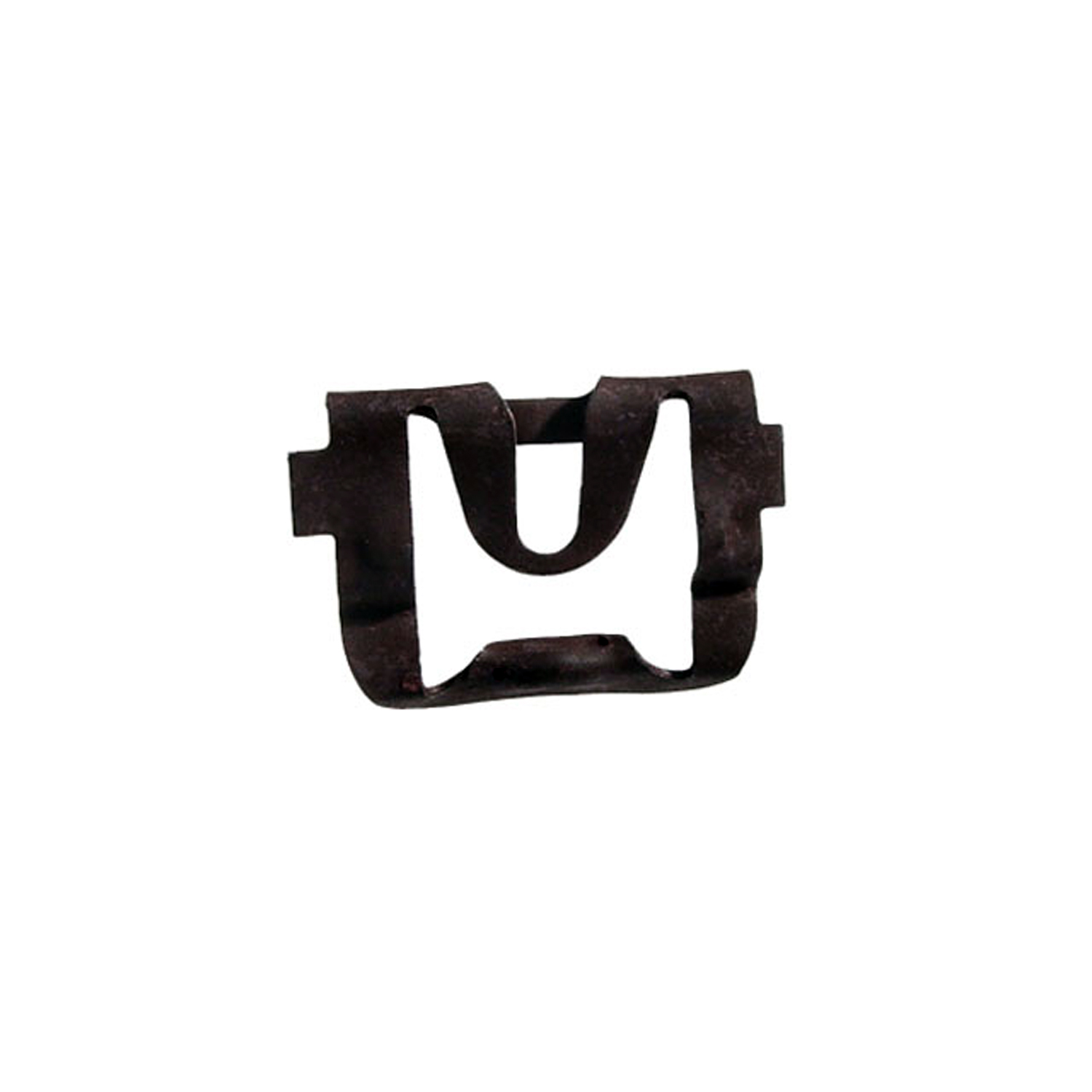 1982 Buick Skylark Rear Windshield Reveal Molding Clip. Made of steel-WF 211Rear Windshield Reveal Molding Clip. Made of steel. 15/16" X 3/4". Each
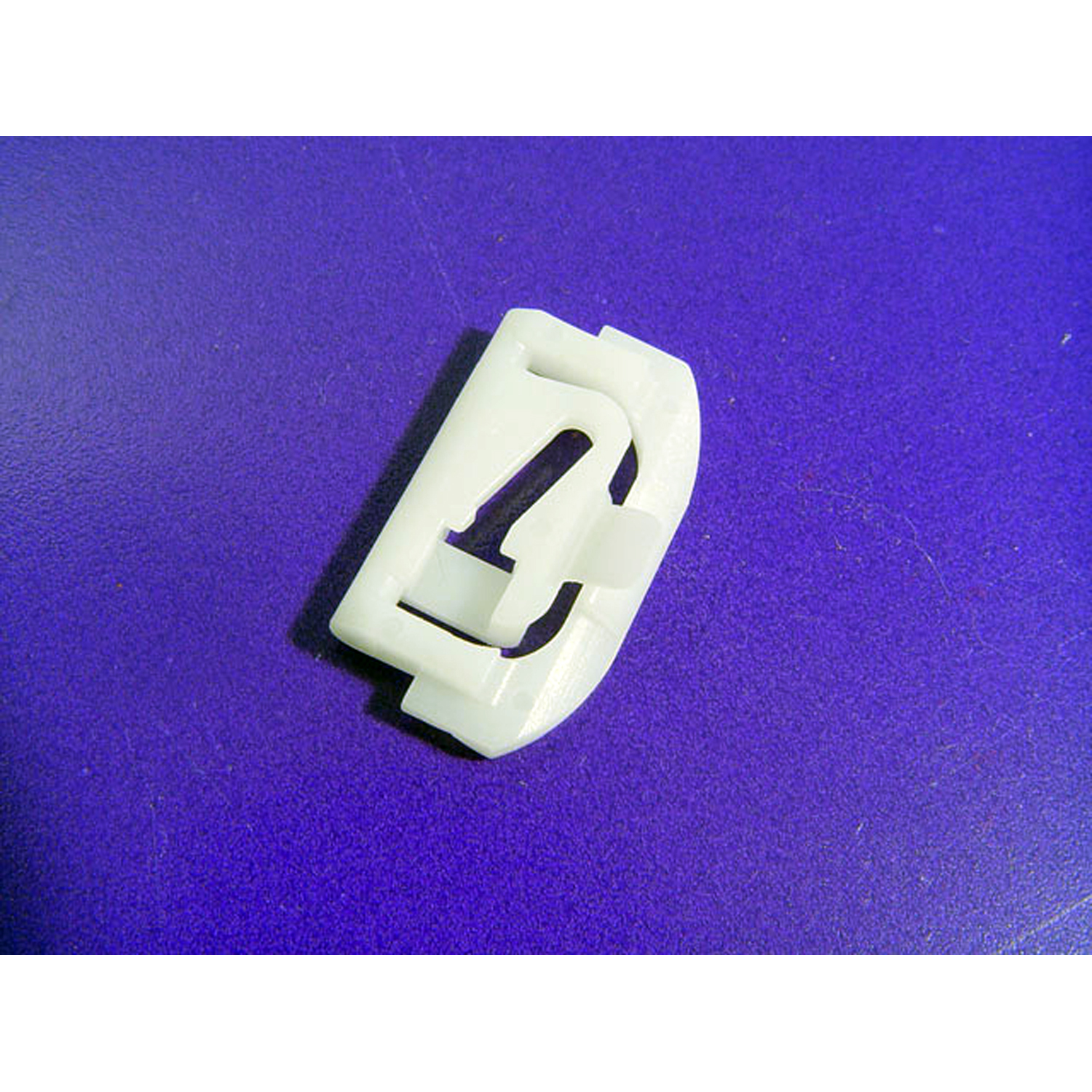 1982 Buick Skylark Lower Side Window Reveal Molding Clip. Made of nylon-WF 214Lower Side Window Reveal Molding Clip. Made of nylon. 1-1/4" x 3/4". Each
Why Choose Metro?
For over 100 years, Metro Moulded Parts has been the pinnacle of quality in classic car restoration parts. Our commitment to precision and authenticity in every component ensures a perfect fit and an OEM-level appearance.
- Expert Craftsmanship & Quality: Each part is a testament to our dedication to reliability and perfection, crafted from original designs and thoroughly tested.
- Advanced Technology: We use cutting-edge techniques to create flawless, long-lasting parts that surpass others in performance.
- SuperSoft Sponge – The Ultimate Door Seal: Not only are our door seals 30% softer than competitors', but they're also guaranteed to never leak. They effectively reduce wind and road noise, enhancing your classic car's comfort and driving experience.
- Proudly American: Our parts are a product of American craftsmanship, made in the USA with a spirit of excellence and heritage.
- Unrivaled Warranty: We back our products with a 30-year industry-leading warranty, a testament to our confidence in their quality.
Join us in preserving the legacy of classic cars with parts that are crafted for perfection, not just made.