

Image of 1983 Buick Skylark, Note: These illustrations use artistic license and may differ from actual historical models.
Performance Metrics
Fundamental Metrics
Emotional Appeal
MMP Rating
| Engine Specifications | |
|---|---|
| Engine: | 2.5L Tech IV I4, 2.8L LE2 V6, 3.0L Buick V6 |
| Displacement: | 2.5L - 3.0L |
| Horsepower: | 92-110 hp |
| Torque: | 135-145 lb-ft |
| Compression Ratio: | 8.5:1 - 9.0:1 |
| Ignition System: | Electronic Ignition |
| Cooling System: | Liquid Cooled |
| Performance Specifications | |
| 0-60 Time: | 11-13 seconds |
| 1/4 Mile Time: | 18-20 seconds |
| Top Speed: | 100-110 mph |
| Transmission and Drive | |
| Drive Type: | Front-Wheel Drive |
| Transmission Type: | 3-speed automatic, 4-speed manual |
| Fuel and Efficiency | |
| Fuel System Type: | Carburetor |
| MPG: | 20-25 mpg |
| Dimensions and Brakes | |
| Brakes: | Front Disc / Rear Drum |
| Wheelbase: | 104.9 inches |
| Weight: | 2,500-2,800 lbs |
Note: Specifications for classic cars are given to the best of our ability, considering the limited and variant data available.
1983 Buick Skylark: A Compact Buick Built for a Changing Era
The 1983 Buick Skylark brought traditional Buick comfort into the front-wheel-drive age, pairing a compact footprint with a quiet cabin and an available V6. Built by Buick, a division of General Motors, it belonged to a generation designed around the needs of drivers facing higher fuel costs, tighter parking spaces, and a fast-changing American car market.
The Skylark name had a long history before this model arrived. Buick first used it on a limited-production 1953 convertible created for the brand’s 50th anniversary. By 1983, the name had moved onto a very different kind of car: a practical, front-drive compact. That contrast is part of the Skylark’s appeal today. It connects Buick’s postwar prestige years with the era of downsized, more efficient cars.
Compact Styling, Buick Comfort
The 1983 Skylark had clean, squared-off lines typical of early-1980s American design. Its upright greenhouse, relatively short hood, and broad side panels gave it a tidy, purposeful profile. A modest grille, rectangular headlamps, and simple chrome or brightwork details kept the front end recognizably Buick without making the car look oversized. The design favored sensible proportions over dramatic styling, while the coupe’s sloping roofline added a little more visual flair than the sedan’s formal shape.
Buyers could choose a two-door coupe or a four-door sedan. The sedan was the more practical choice for families and commuters, while the coupe offered a sportier look and an easier fit for buyers who did not need frequent rear-seat access. Trim and equipment varied, with more comfort-oriented versions offering upgrades over the basic car. The exact combination of trim, upholstery, and equipment depended on the body style and order.
Inside, the Skylark aimed for a comfortable, familiar Buick feel. The cabin used period-appropriate vinyl and cloth upholstery, padded surfaces, and straightforward controls. It was not a luxury-car interior, but higher-trim examples could feel well appointed for a compact. The dashboard layout was conventional and easy to understand, with large analog gauges and practical switchgear rather than a complicated electronic interface.
Available paint colors followed the era’s broad palette of solid and metallic finishes. White, black, red, blue, silver, beige, and brown shades were typical choices across the period, though exact colors varied by trim and production run. Light neutrals and silver suited the Skylark’s restrained styling, while darker blues and reds gave the coupe a more distinctive look. Original paint codes are the best way to confirm a particular car’s factory color.
Front-Wheel Drive and Early-1980s Technology
The Skylark was part of GM’s X-body family, which also included the Chevrolet Citation, Oldsmobile Omega, and Pontiac Phoenix. Its front-wheel-drive layout was a major departure from the rear-drive compact cars that had long defined the American market. With the engine and transmission mounted transversely at the front, the design used space efficiently and helped provide a relatively roomy cabin for the car’s exterior size.
By 1983, front-wheel drive was no longer an experiment, but it was still an important shift in the domestic industry. It offered useful traction in rain and snow and allowed automakers to package a compact car without a long transmission tunnel running through the cabin. The Skylark’s engineering reflected GM’s larger effort to make its cars smaller and more fuel-conscious without abandoning comfort.
Equipment varied, but available conveniences could include automatic transmission, air conditioning, power steering, and upgraded interior appointments. The technology was straightforward by modern standards. The Skylark did not rely on complex screens or electronic driver aids; its appeal was practical packaging, familiar controls, and a choice of four-cylinder or V6 power.
Why the Skylark Mattered
The 1983 Skylark illustrates how quickly American cars changed after the fuel crises of the 1970s. Buick had built its reputation on smooth, substantial automobiles, yet the market increasingly demanded smaller vehicles with better fuel economy. The Skylark answered that demand while retaining a more comfort-minded character than many budget-oriented compacts.
Its front-drive layout also placed Buick within a broad industry movement toward transverse engines and space-efficient platforms. The Skylark was not a revolutionary performance car, but it helped normalize a new kind of American compact: one with a front-drive powertrain, a usable back seat, and an emphasis on everyday convenience. Its place in the X-body family also makes it part of an important chapter in GM’s transition to modern compact-car engineering.
The X-body cars did face criticism. Early versions of the platform were associated with concerns about rear-wheel lockup under certain braking conditions, leading to recalls and public scrutiny. Those problems are most closely associated with the platform’s early years, so they should not be treated as proof that every 1983 Skylark has the same defect. Still, the episode affected the reputation of the entire X-car family and is an important part of its history.
Engines, Speed, and the Road Feel
Power came from a 2.5-liter four-cylinder or an available 2.8-liter V6, with output varying by configuration and equipment. Period specifications generally put the four-cylinder at roughly 92 horsepower and the V6 at about 112 horsepower. A manual transmission was available, while the three-speed automatic was a common choice for drivers who prioritized easy commuting.
Performance depended on engine, transmission, body style, and vehicle condition. As a period compact rather than a modern sports sedan, the Skylark was not especially quick. A reasonable estimate for 0-to-60 mph is roughly 11 to 14 seconds, with the V6 generally quicker than the four-cylinder. Top speed is best treated as an estimate too: a healthy example might reach around 100 to 105 mph under suitable conditions, though speedometer readings and mechanical condition can affect the result.
On the road, the Skylark feels light and easy to place. Front-wheel drive gives it useful traction on wet or slippery pavement, and the compact dimensions make parking and urban driving simple. The suspension is tuned more for everyday comfort than sharp cornering. It can take ordinary bumps without the heavy, body-on-frame feel of a larger Buick, though worn bushings, tired shocks, or old tires can make a survivor feel unsettled.
On winding roads, expect modest grip and some front-end understeer if pushed hard. The steering is generally light rather than highly communicative, and the car rewards a smooth driving style. The four-cylinder has a practical, workmanlike sound; the V6 adds a fuller note and more relaxed passing power. Neither engine is likely to feel dramatic today, but both suit the Skylark’s role as a compact for daily travel.
Living With a 1983 Skylark
Most Skylarks were built for commuting, family errands, and regular road use, not racing. Today, owners are more likely to use one as an occasional driver, a nostalgic local-show car, or a period-correct project. Its modest size and uncomplicated layout can make it an approachable classic for someone who wants to learn basic maintenance without starting with a costly or highly complex collector car.
Routine service is familiar: fluids, belts, hoses, ignition components, brakes, suspension parts, and cooling-system upkeep. The four-cylinder is generally the simpler choice, while the V6 offers stronger performance with additional components to maintain. As with any car over four decades old, condition matters more than the odometer alone. Check for rust, neglected cooling systems, worn front suspension parts, transmission problems, and signs of poor-quality repairs.
Some mechanical parts may be shared with related GM vehicles, which can help with sourcing, but trim pieces, body panels, and interior-specific parts may take more searching. A buyer should confirm parts availability before committing to a restoration, especially if the car is missing unique exterior or cabin components.
Skylark Trivia and Common Criticisms
The Skylark name itself is a standout piece of Buick trivia. Its 1953 debut was a limited-run anniversary convertible, while the 1983 model was a mass-market compact sedan or coupe. Few Buick nameplates moved so clearly between a glamorous special edition and a practical everyday car.
The 1983 Skylark was not known for a major racing record or a famous celebrity connection. Its significance is quieter: it represents the shift toward front-wheel-drive American cars and the effort to keep domestic compacts comfortable and familiar. Common complaints include modest acceleration, restrained styling, and a driving feel that is more sensible than exciting. Early X-body braking concerns also remain part of the platform’s reputation, although an individual car’s maintenance history is crucial.
Collector Value and Availability
The 1983 Skylark is an uncommon sight today, but it is not generally considered a rare, high-dollar collector car. A rough or incomplete example may sell for around $1,000 to $2,500, while a usable driver in decent condition might bring approximately $2,500 to $6,000. A very clean, original car could reach roughly $7,000 to $10,000 or more, depending on equipment, location, documentation, and buyer interest. These are broad 2026-era estimates, not guaranteed sale prices.
Exact 1983 production totals can be difficult to pin down by body style and trim. As a working estimate, roughly 75,000 Skylarks may have been built for the model year, but that figure should be treated as an approximation rather than a verified factory total. Surviving cars are less common than the original production number suggests, particularly in unmodified, rust-free condition.
Values have generally remained modest compared with better-known muscle cars and premium Buicks. Interest may gradually grow as more enthusiasts look for overlooked 1980s cars, but condition and originality will remain the main value drivers. A clean, well-documented example is more compelling than a tired car with rare-looking add-ons and incomplete history.
A Buick Worth Remembering
The 1983 Buick Skylark was not built to set speed records or dominate the showroom with flashy styling. It was built to make Buick comfort fit a smaller, more fuel-conscious package. Its front-wheel-drive engineering, practical body styles, and available V6 capture a turning point in American automotive design.
For today’s enthusiast, the Skylark offers an approachable way to experience that transition firsthand. It may be an understated classic, but it tells a substantial story: Buick adapting to a new era without giving up on the everyday comfort that made the name familiar.
1983 Buick Skylark Catalog of Parts
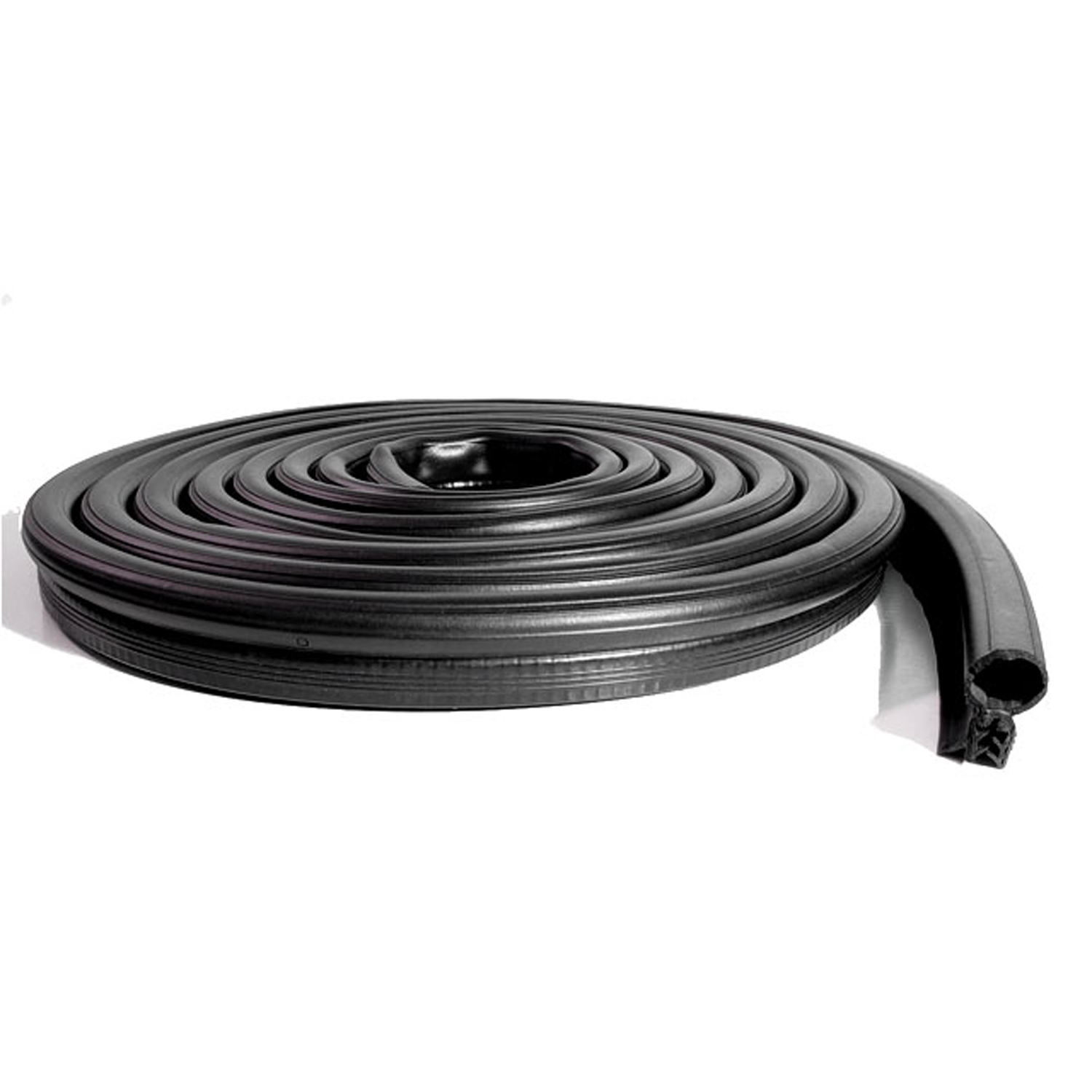 1983 Buick Skylark Trunk Seal (Imported). Made with steel cores-IS-MW00101Trunk Seal (Imported). Made with steel cores. 1-3/8" X 3/4" X 17'. Each
 1983 Buick Skylark Trunk Liner. Loose weave, jet black. 50" wide-M 30Trunk Liner. Loose weave, jet black. 50" wide. Sold by the foot
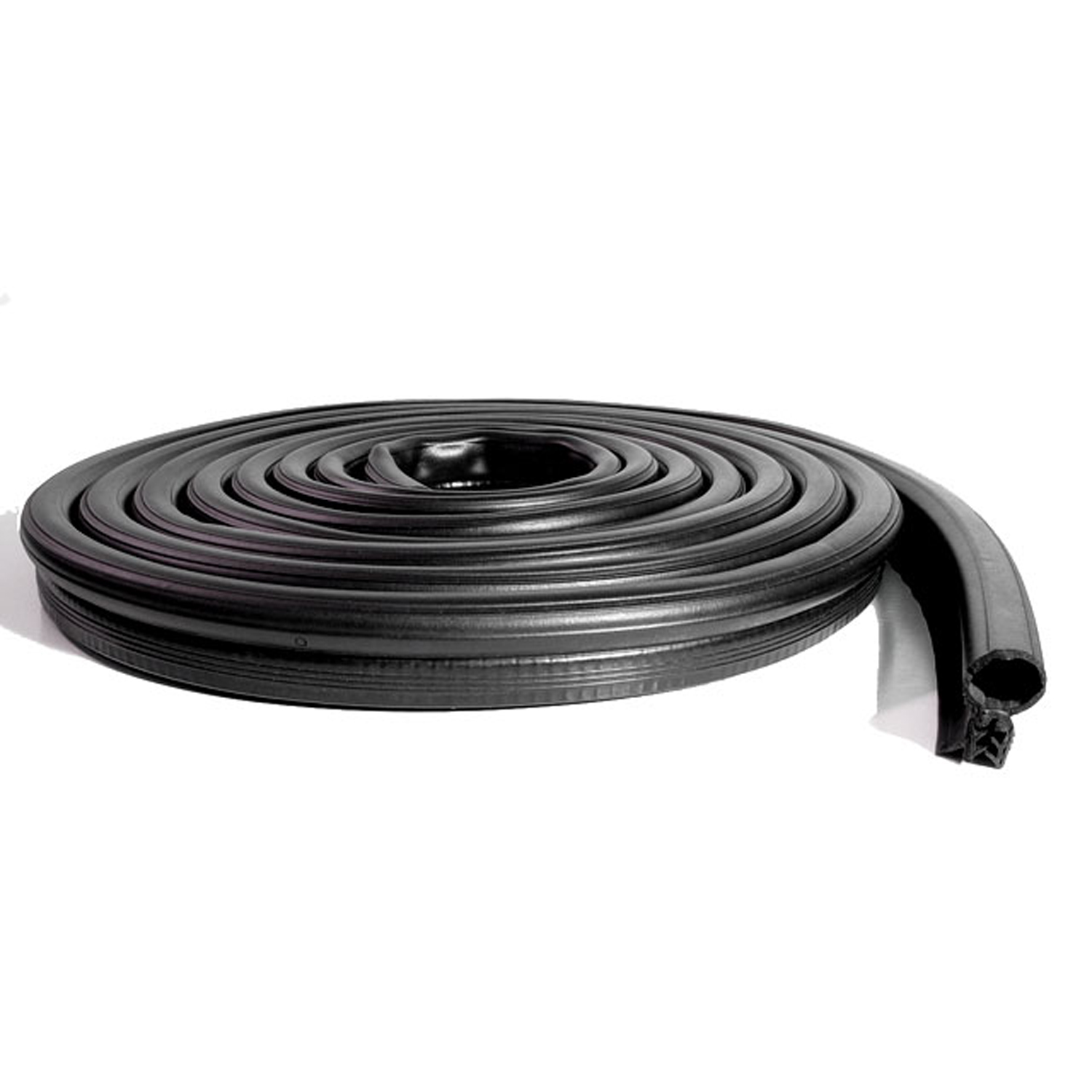 1983 Buick Skylark Trunk seal-MW00101Trunk seal. Also replaces '75-'79 Buick Skylark hatchback seal. Made with steel cores. 1-3/8 in. x 3/4 in. x 17 ft. L. Each.
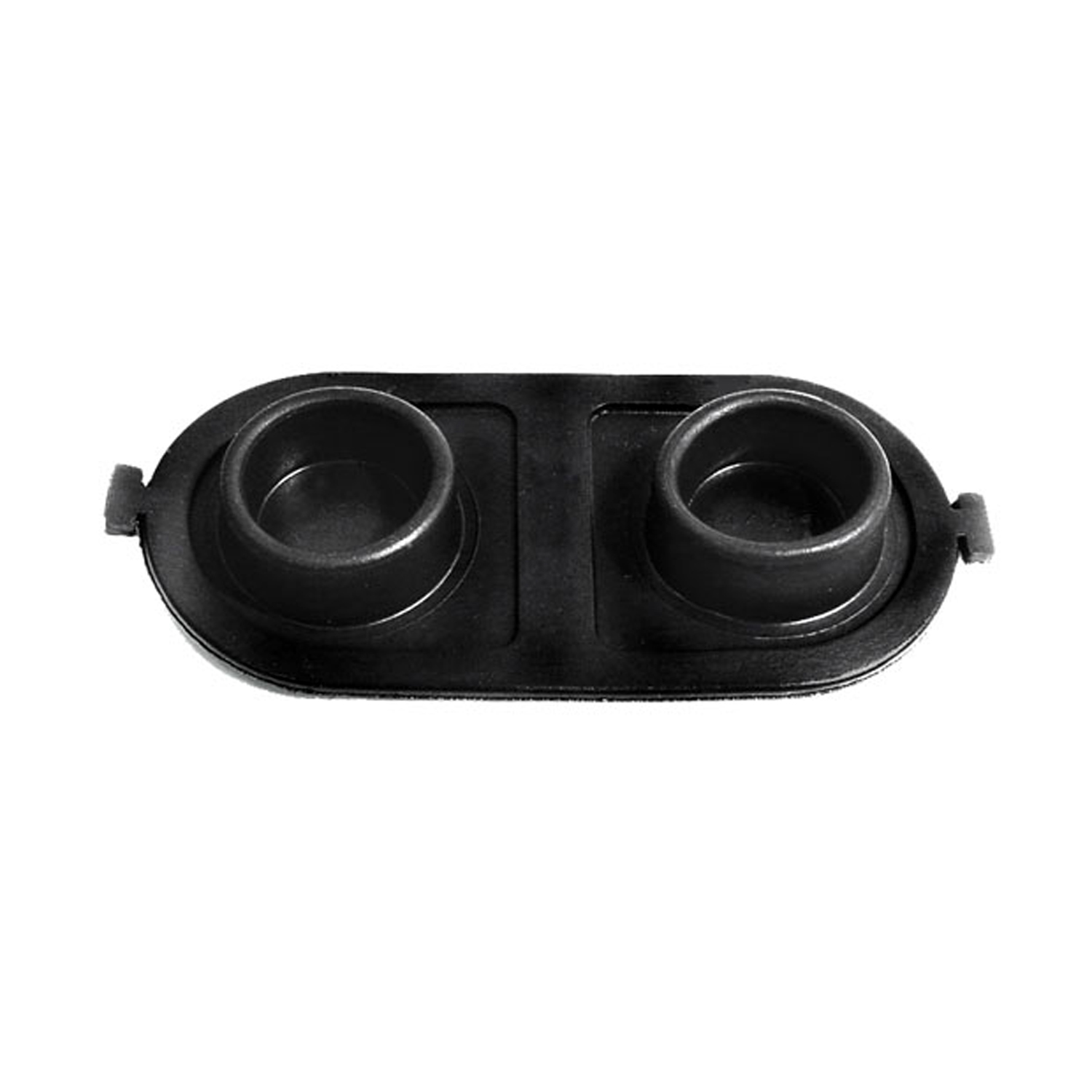 1983 Buick Skylark Brake Master Cylinder Cover Seal. Replaces OEM #5470861-RP 2-EBrake Master Cylinder Cover Seal. Replaces OEM #5470861. 5" X 2-1/2". Each
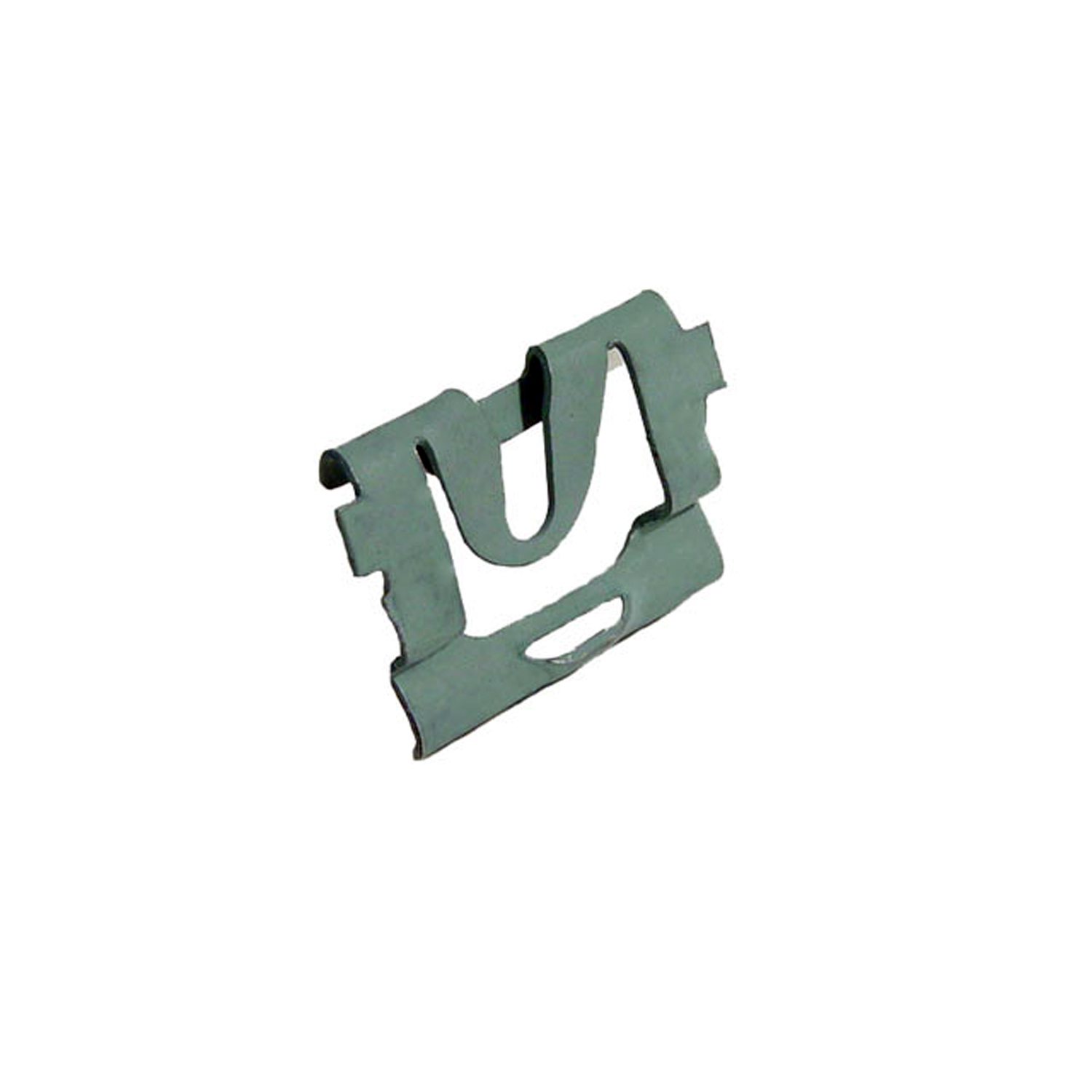 1983 Buick Skylark Windshield Reveal Molding Clip. For models with vinyl top-WF 210Windshield Reveal Molding Clip. For models with vinyl top. 3/4" x 1-1/16". Each
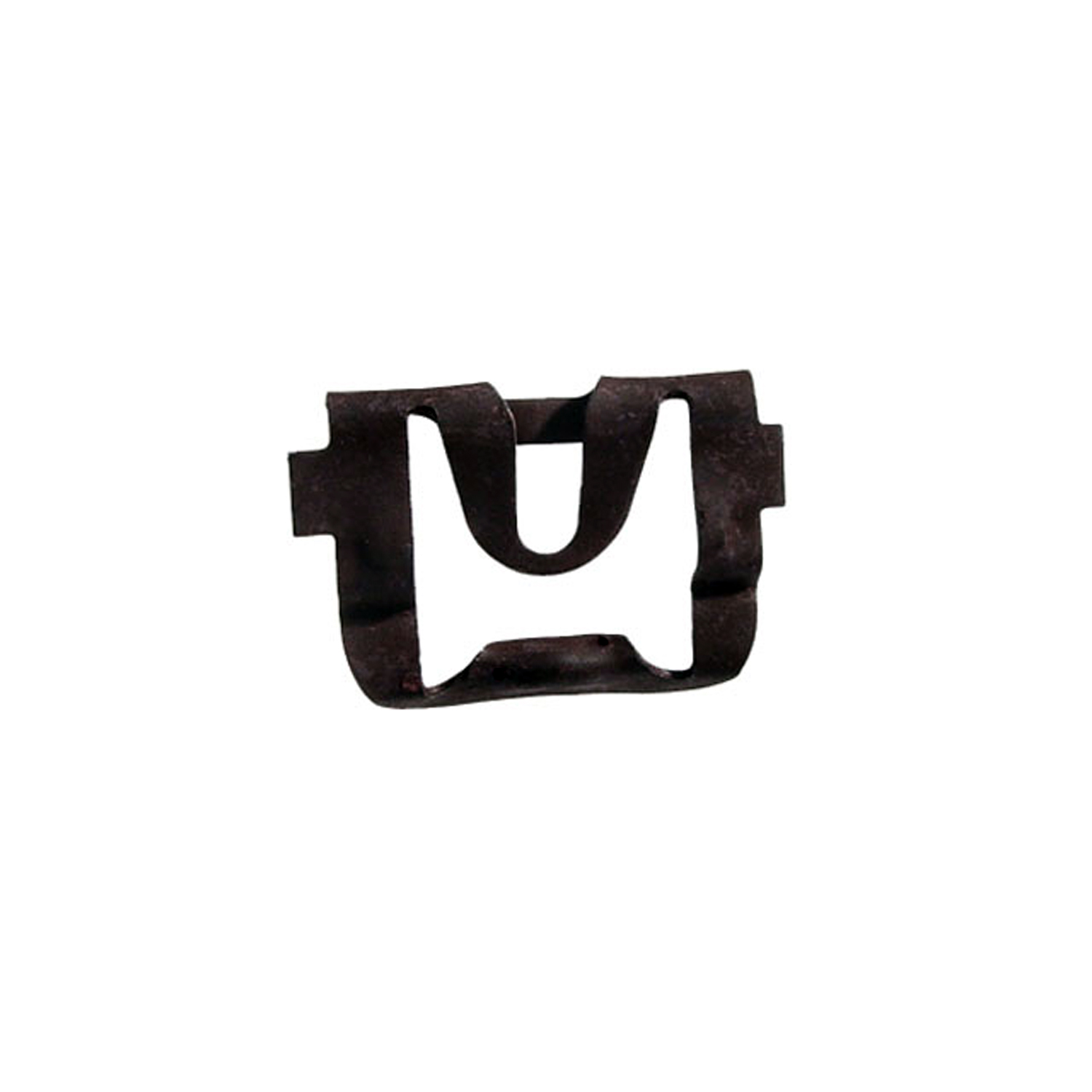 1983 Buick Skylark Rear Windshield Reveal Molding Clip. Made of steel-WF 211Rear Windshield Reveal Molding Clip. Made of steel. 15/16" X 3/4". Each
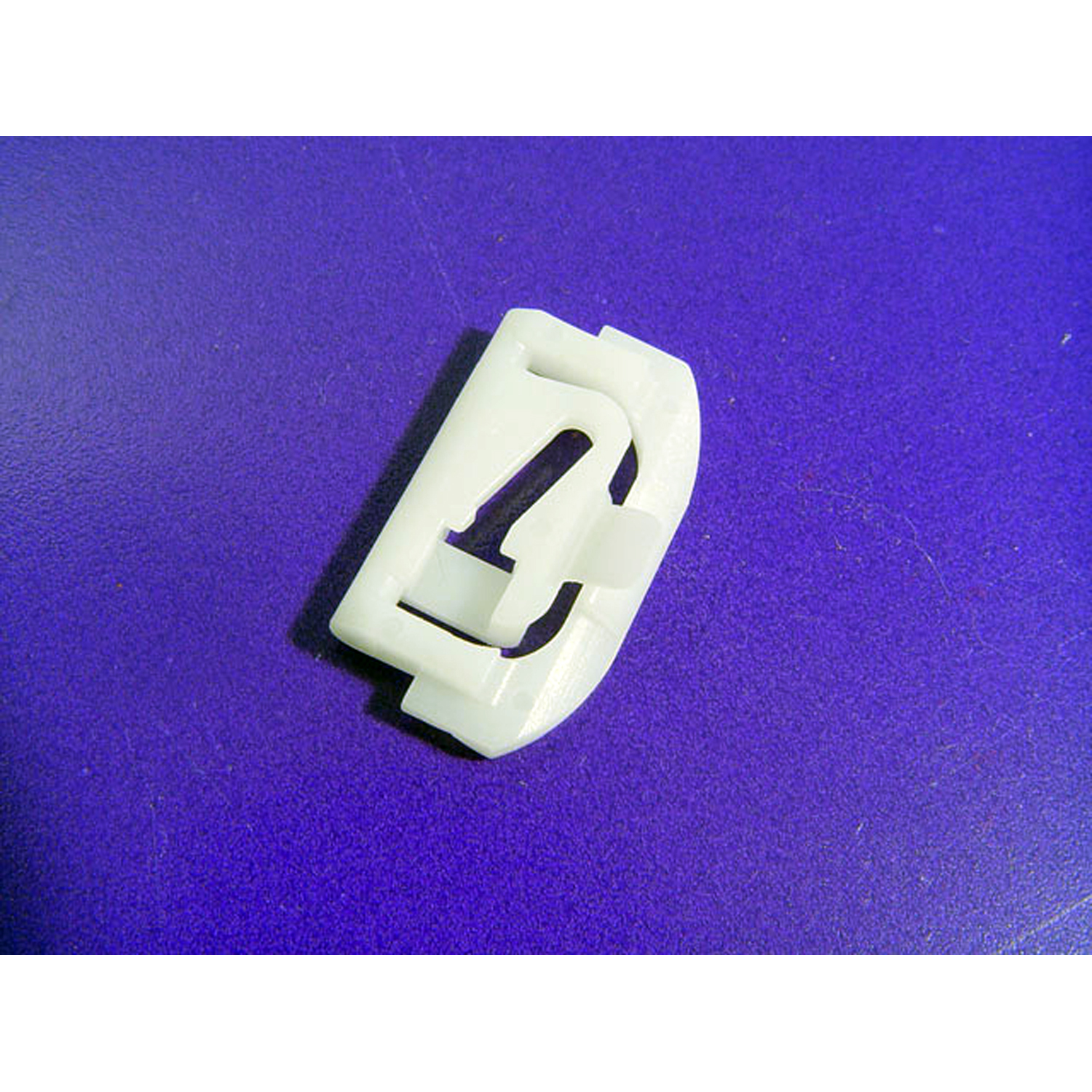 1983 Buick Skylark Lower Side Window Reveal Molding Clip. Made of nylon-WF 214Lower Side Window Reveal Molding Clip. Made of nylon. 1-1/4" x 3/4". Each
Why Choose Metro?
For over 100 years, Metro Moulded Parts has been the pinnacle of quality in classic car restoration parts. Our commitment to precision and authenticity in every component ensures a perfect fit and an OEM-level appearance.
- Expert Craftsmanship & Quality: Each part is a testament to our dedication to reliability and perfection, crafted from original designs and thoroughly tested.
- Advanced Technology: We use cutting-edge techniques to create flawless, long-lasting parts that surpass others in performance.
- SuperSoft Sponge – The Ultimate Door Seal: Not only are our door seals 30% softer than competitors', but they're also guaranteed to never leak. They effectively reduce wind and road noise, enhancing your classic car's comfort and driving experience.
- Proudly American: Our parts are a product of American craftsmanship, made in the USA with a spirit of excellence and heritage.
- Unrivaled Warranty: We back our products with a 30-year industry-leading warranty, a testament to our confidence in their quality.
Join us in preserving the legacy of classic cars with parts that are crafted for perfection, not just made.