
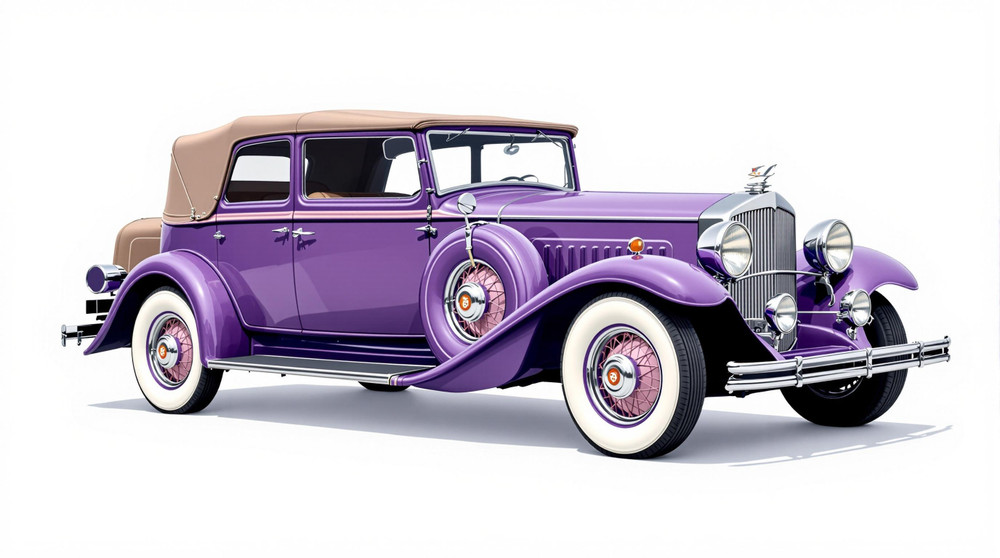
Image of 1931 Cadillac Fleetwood, Note: These illustrations use artistic license and may differ from actual historical models.
Performance Metrics
Fundamental Metrics
Emotional Appeal
MMP Rating
| Engine Specifications | |
|---|---|
| Engine: | V8, V12, V16 |
| Displacement: | 353 - 452 cubic inches |
| Horsepower: | 95 - 165 hp |
| Torque: | Not available |
| Compression Ratio: | 5.35:1 |
| Ignition System: | Battery and coil |
| Cooling System: | Water-cooled |
| Performance Specifications | |
| 0-60 Time: | Not available |
| 1/4 Mile Time: | Not available |
| Top Speed: | 85 mph |
| Transmission and Drive | |
| Drive Type: | Rear-wheel drive |
| Transmission Type: | 3-speed manual |
| Fuel and Efficiency | |
| Fuel System Type: | Carburetor |
| MPG: | Not available |
| Dimensions and Brakes | |
| Brakes: | Mechanical drum brakes |
| Wheelbase: | 140 - 152 inches |
| Weight: | 5,300 - 6,600 lbs |
Note: Specifications for classic cars are given to the best of our ability, considering the limited and variant data available.
1931 Cadillac Fleetwood: American Luxury at Its Boldest
In 1931, a Cadillac could arrive with sixteen cylinders beneath its long hood and hand-finished Fleetwood coachwork above it, turning an ordinary drive into a rolling statement of prestige. The phrase “1931 Cadillac Fleetwood” does not describe one single model: Fleetwood was the celebrated coachbuilder whose bodies appeared on several Cadillac chassis, from V8 and V12 cars to the magnificent V16.
Cadillac was founded in Detroit in 1902 and had become one of America’s leading luxury-car makers by the time the 1931 range arrived. Fleetwood Metal Body Company, founded in Pennsylvania, built high-quality coachwork and became part of General Motors in 1925. Cadillac’s use of Fleetwood bodies paired engineering with a level of finish that could be tailored to a buyer’s taste.
The year’s most sensational Cadillac was the V16, introduced in 1930 and offered into the 1931 model year. Its sixteen-cylinder engine was a landmark in production-car history, created when the luxury market was still willing to pay for extraordinary engineering despite the deepening Great Depression. It was not merely a bigger engine: its quiet, smooth delivery was the point.
Fleetwood Styling and Coachbuilt Detail
A 1931 Fleetwood Cadillac looks imposing without relying on ornament alone. Its long hood, upright radiator grille, sweeping fenders and tall, narrow glass give it the formal proportions of a classic prewar luxury car. Depending on the body, a rear-mounted spare, running boards, brightwork and a luggage trunk added to the stately profile. The V16’s particularly long chassis made the car’s proportions even more dramatic.
Fleetwood bodies ranged from closed sedans and limousines to open phaetons, roadsters, convertible coupes, town cars and other formal styles. The exact selection depended on the Cadillac series and the body catalogue. Among the most recognizable forms are the long-wheelbase limousine and the formal town car, while open phaetons and roadsters show off the chassis and coachwork more completely.
Inside, owners could expect substantial wood trim, quality upholstery, carefully fitted carpeting and metal hardware finished to a high standard. More formal cars might have a partition between the driver and rear compartment, along with conveniences such as folding seats or extra storage. Materials and appointments varied with the body and customer’s specification, so two Fleetwood Cadillacs need not have had identical interiors.
Factory paint choices and special orders varied, and some cars were finished in two-tone combinations. Dark blue, black, maroon and deep green suit the car’s formal character, while lighter colors could make an open model feel more sporting. Original paint documentation is useful when evaluating a particular car because body style, market and customer requests all affected the available finish.
V8, V12 and the Famous V16
Cadillac’s 1931 offerings covered several engine sizes. The Series 355 used a 353-cubic-inch L-head V8, generally rated at about 95 horsepower. The Series 370’s 368-cubic-inch V12 produced roughly 135 horsepower, while the flagship Series 452 V16 displaced 452 cubic inches and was rated at about 165 horsepower. Figures can vary slightly by source and specification, and a car’s body and equipment affected its performance.
The V16’s most memorable technical feature was its dual ignition arrangement. It used two distributors and two coils to fire sixteen spark plugs, helping the engine run smoothly and reliably. Cadillac also offered a three-speed manual transmission with synchromesh, which made gear changes easier than in many earlier cars. These were advanced refinements for a luxury automobile of the period, though the car still relied on period braking and suspension technology.
Why the 1931 Cadillac Mattered
The Cadillac V16 made a powerful engineering statement at a time when most passenger cars had four, six or eight cylinders. Its unusually smooth power delivery helped establish a new benchmark for multi-cylinder luxury cars, and it demonstrated that Cadillac could compete at the highest level of prestige motoring. The V12 and V16 also gave buyers a choice of character, not just size.
Fleetwood’s contribution was equally important. Rather than treating the body as a simple enclosure, the company offered carefully proportioned designs and a broad range of formal and sporting styles. That combination of a sophisticated chassis, substantial power and individualized coachwork helped define the American luxury car. The approach influenced later generations of prestige automobiles, even as mass production and changing tastes gradually made bespoke bodies less common.
Performance and the Driving Experience
There is no single performance figure for every 1931 Cadillac Fleetwood because engine, gearing, body style and vehicle condition all make a difference. As a practical guide, V8 examples could reach roughly 75 to 80 mph, while V12 and V16 cars in good order were capable of approximately 85 to 90 mph. Period cars were not commonly tested using today’s standardized 0-to-60-mph method. Modern estimates put many V8 models in the roughly 25-to-30-second range, with larger-engined cars potentially quicker, but these should be treated as estimates rather than factory guarantees.
Behind the wheel, the V16 is prized less for explosive acceleration than for its remarkably even, quiet pull. The engine’s low, refined note and smooth response suit relaxed touring. V8 and V12 cars have their own distinctive character, with more mechanical sound and less reserve power than the flagship. In every version, the driver manages a large vehicle with a long hood, a substantial turning circle and controls that feel very different from those of a modern car.
The chassis favors comfort on decent roads, but its solid-axle suspension and leaf springs can transmit sharp bumps. On winding roads, the car’s size, weight and period tires call for measured speeds and deliberate steering. It can tour confidently when properly maintained, but it is not designed to change direction or stop like a modern sedan. Allow extra room, look well ahead and drive smoothly.
Owning and Maintaining a 1931 Fleetwood
Today, these Cadillacs are most often used for concours events, vintage-car tours, private collections and carefully planned pleasure drives. Their size and historical importance make them less suited to routine commuting, and many owners prefer to preserve original finishes and components rather than expose the car to daily traffic.
Maintenance requires more than basic enthusiasm. The engine, cooling system, brakes, electrical components and chassis need regular inspection, and the V12 and V16 demand specialist knowledge. Parts can be sourced through marque clubs, specialist suppliers and the restoration community, but some components are expensive or require custom work. A competent mechanic familiar with prewar Cadillacs is a major asset. For the average owner, routine upkeep may be manageable with research and the right tools, while major engine or coachwork repairs are best left to experienced specialists.
Cadillac Fleetwood Facts and Myths
The 1930 introduction of Cadillac’s V16 was one of the great automotive spectacles of its era. It placed Cadillac among a very small group of manufacturers offering a production sixteen-cylinder passenger car. The dual-ignition system is a notable piece of engineering trivia, and the V16’s restrained sound is often remembered as much as its cylinder count.
There is no meaningful single production total for “1931 Fleetwood Cadillacs” as a whole. Fleetwood bodies were fitted across different Cadillac series, and production records are organized by chassis, series and body type rather than by one unified Fleetwood model. The V16 itself was rare compared with mainstream cars, and individual body styles or special coachbuilt examples can be rarer still. Any precise total for all 1931 Fleetwood-bodied cars should therefore be treated cautiously.
One common criticism is practical rather than historical: these cars are large, thirsty and demanding to maintain. Their mechanical brakes, period tires and heavy controls also require a different driving style from a modern vehicle. The Depression-era timing is another part of their story. Cadillac created extraordinary cars just as economic hardship was shrinking the market for expensive luxury goods, making the V16 a remarkable technical achievement and a difficult commercial proposition.
1931 Cadillac Fleetwood Values and Rarity
Values depend heavily on the Cadillac series, body style, originality, restoration quality and provenance. As broad U.S. estimates, a sound, presentable Fleetwood-bodied V8 might fall around $40,000 to $100,000. V12 examples can range roughly from $75,000 to $175,000, while V16 cars commonly command about $150,000 to $500,000 or more. Exceptionally rare coachwork, outstanding originality or a high-quality restoration can push a car beyond those ranges, sometimes substantially. These are guide figures, not appraisals, and auction results can vary sharply.
Fleetwood Cadillacs appear only occasionally on the open market, especially in desirable V12 and V16 configurations. The V16 is the rarest and most sought-after of the three engine families, though an unusual body style or documented history can matter as much as cylinder count. Over the long term, top-quality, well-documented examples have generally held strong collector appeal. Less original or poorly restored cars face a narrower market because bringing a complex prewar Cadillac back to standard can be costly.
A Lasting American Luxury Icon
The 1931 Cadillac Fleetwood represents a distinctive moment in American motoring: bold engineering, formal coachbuilt design and an unapologetic belief that a luxury car could be both technically ambitious and beautifully finished. The V8, V12 and V16 versions each offer a different experience, but all share the scale and craftsmanship that made Cadillac a benchmark of its era.
More than ninety years later, a Fleetwood-bodied Cadillac still commands attention before its engine is even started. It is a reminder that automotive greatness is not measured only in speed or sales, but also in the ambition to build something extraordinary.
1931 Cadillac Fleetwood Catalog of Parts
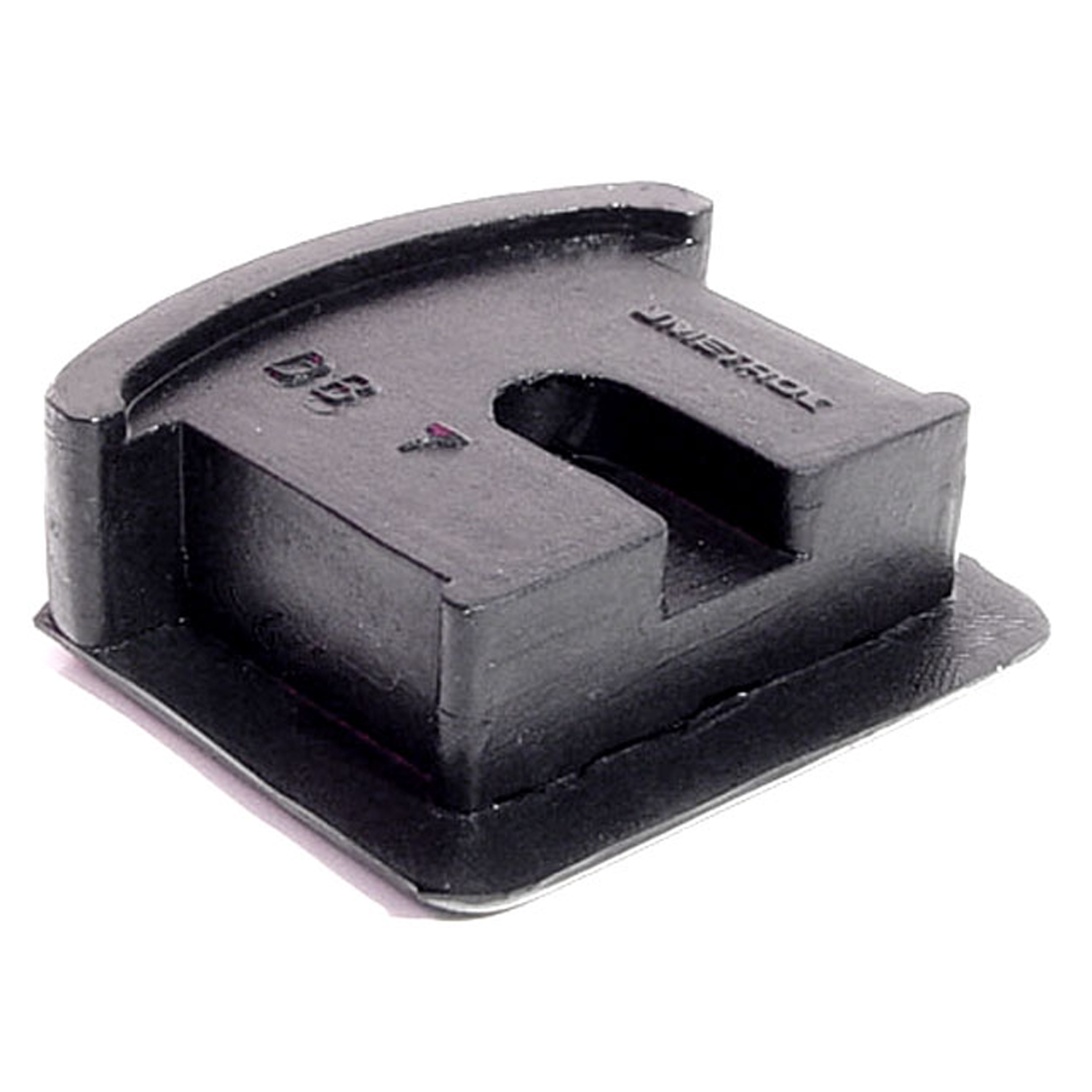 1931 Cadillac Fleetwood Door Bumper. 1-7/16" high X 1-9/16" wide X 9/16" thick-DB 7Door Bumper. 1-7/16" high X 1-9/16" wide X 9/16" thick. Each
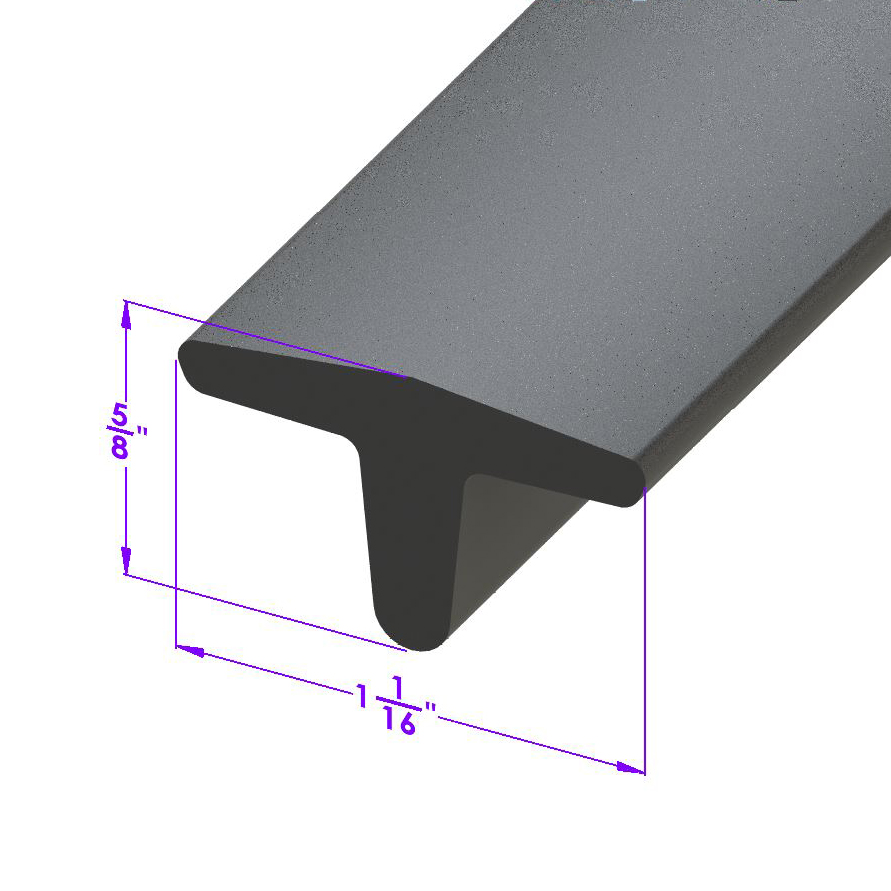 1931 Cadillac Fleetwood Side window seal. Dense rubber. No metal core. 1 in-LP 95-ASide window seal. Dense rubber. No metal core. 1 in. W x 5/8 in. H. Per foot.
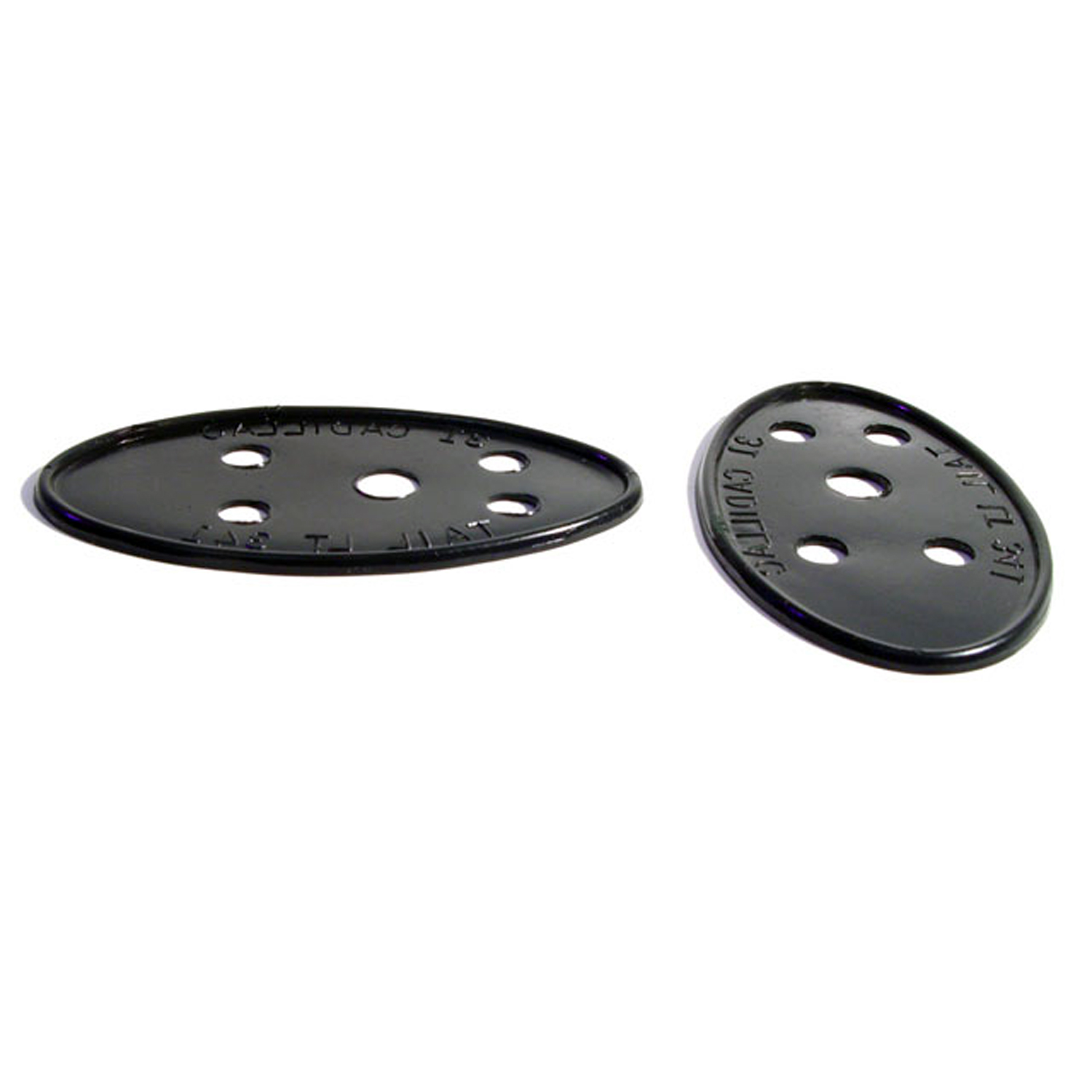 1931 Cadillac Fleetwood Tail-Light Pads. 2-3/8" wide X 4-1/8" long. Pair-MP 341Tail-Light Pads. 2-3/8" wide X 4-1/8" long. Pair
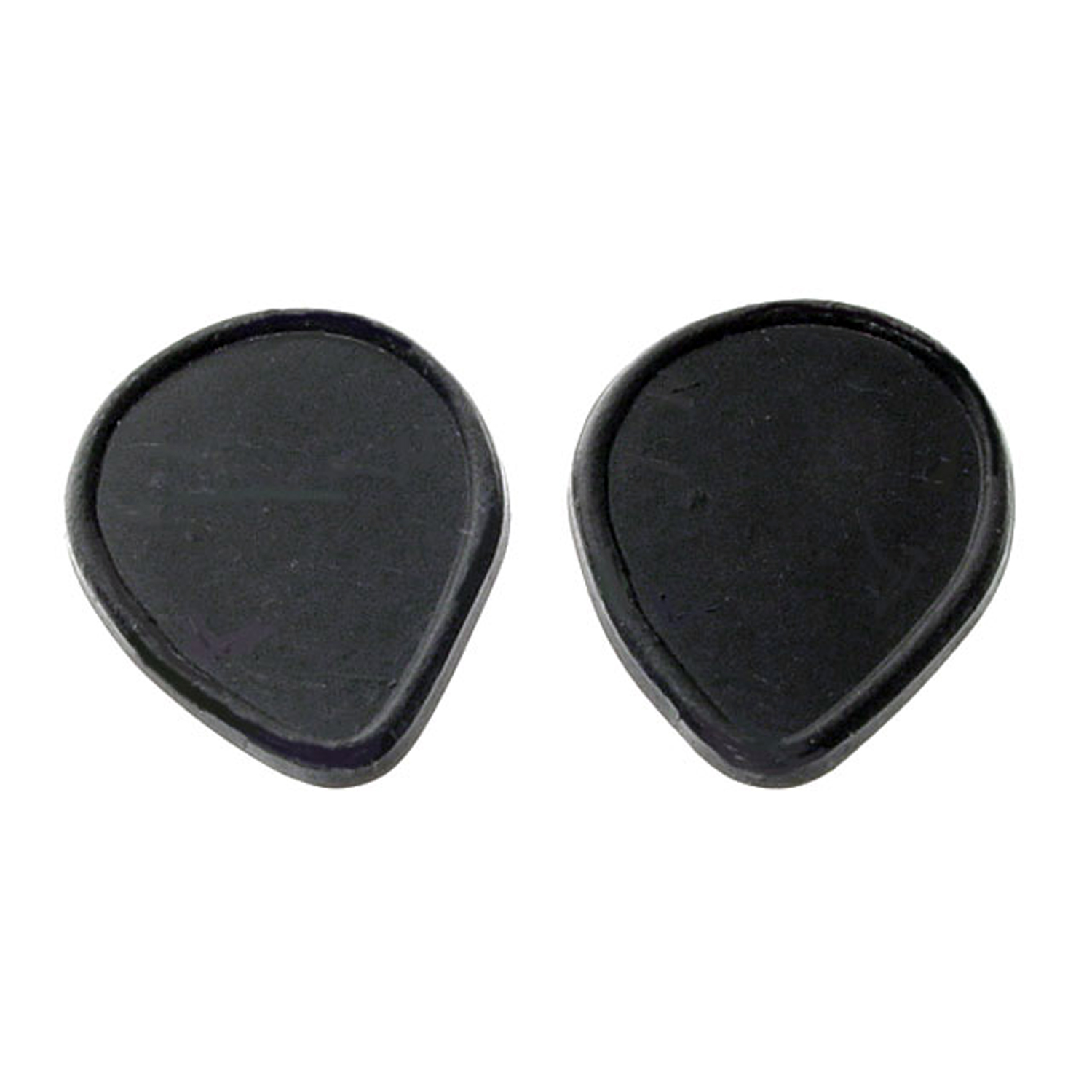 1931 Cadillac Fleetwood Park Light Pads. 1-3/4" wide X 2-3/8" long. Pair-MP 345-BPark Light Pads. 1-3/4" wide X 2-3/8" long. Pair
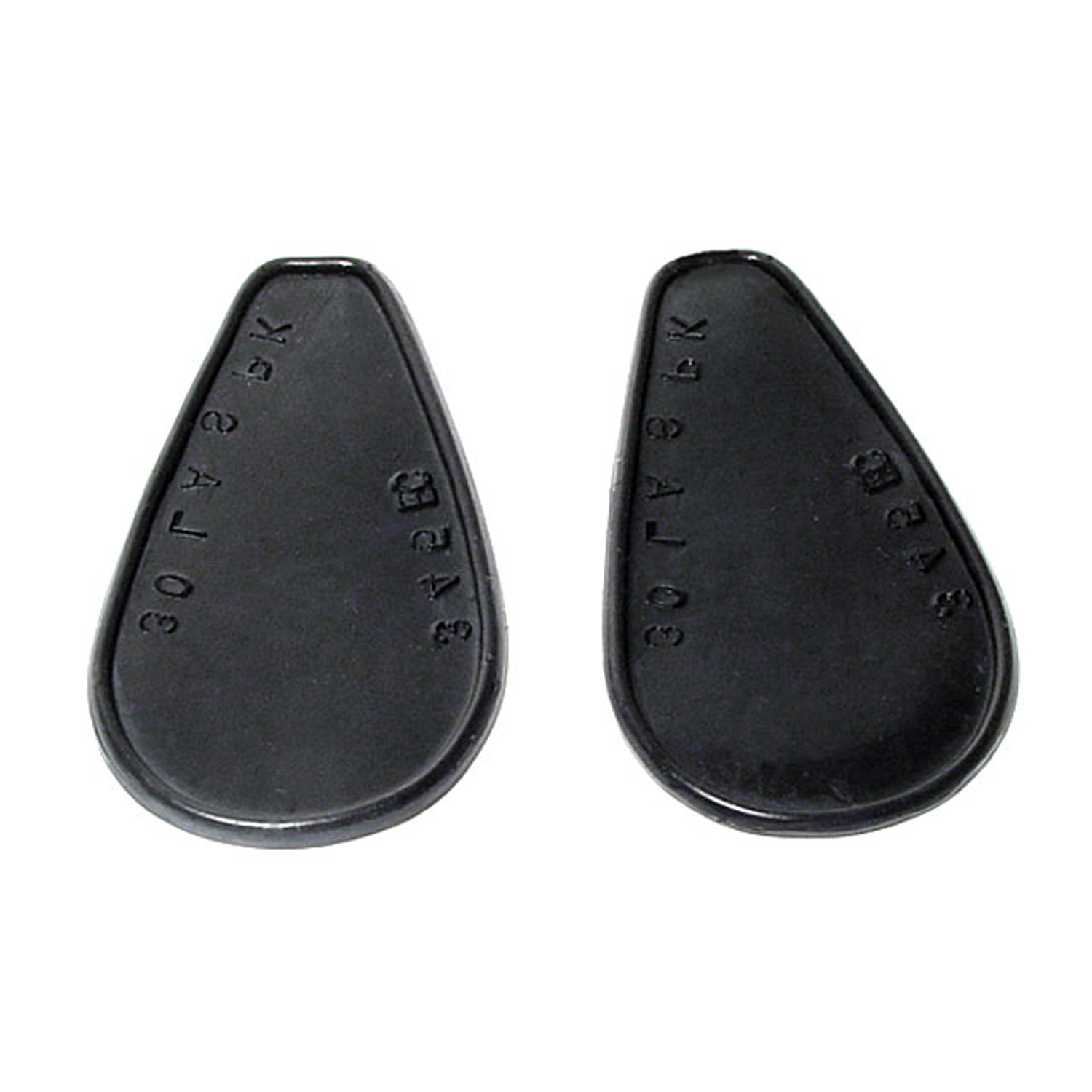 1931 Cadillac Fleetwood Park Light Pads. 2-3/8" wide X 4-1/4" long. Pair -MP 345-CPark Light Pads. 2-3/8" wide X 4-1/4" long. Pair
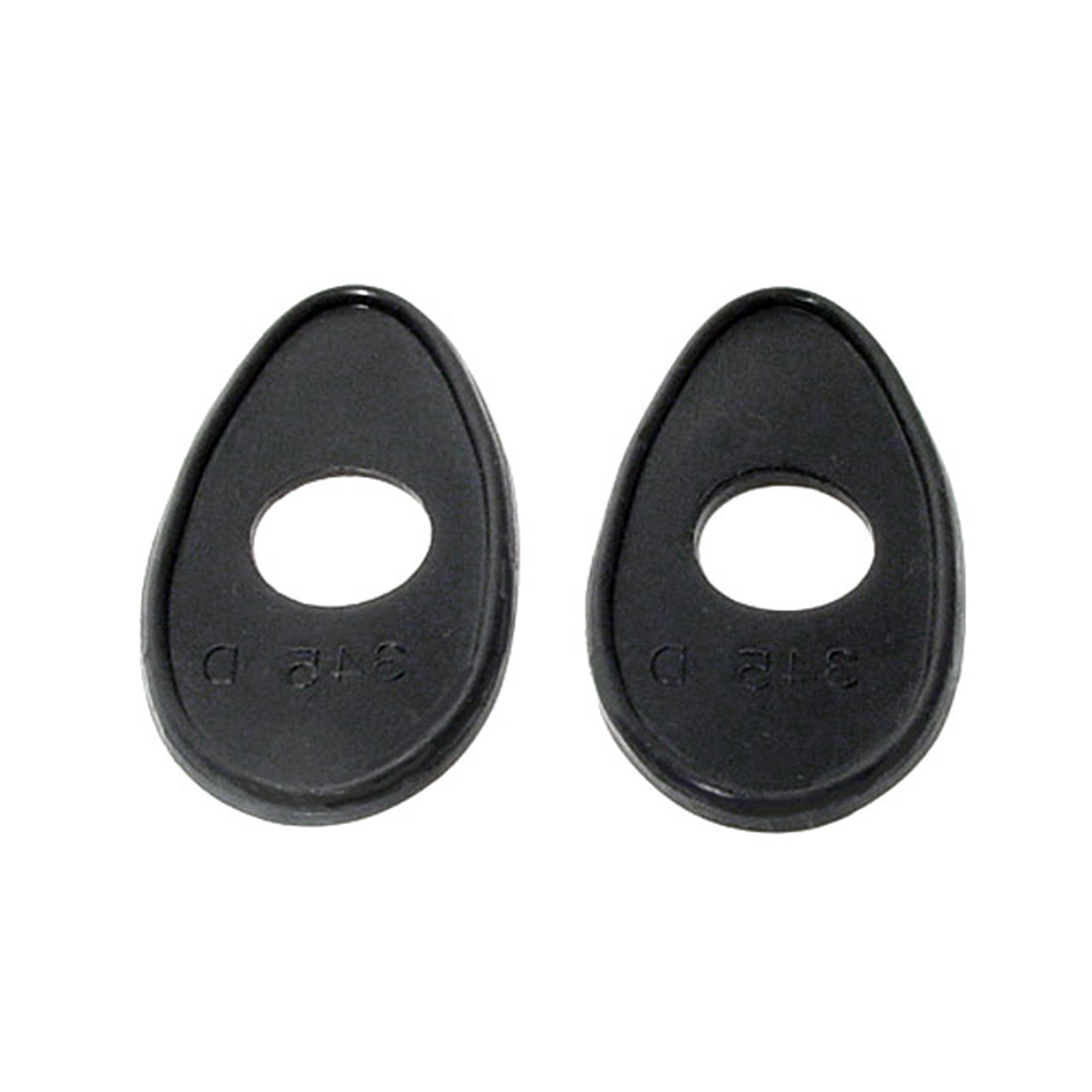 1931 Cadillac Fleetwood Park Light Pads. 1-5/8" wide X 3" long. Pair-MP 345-DPark Light Pads. 1-5/8" wide X 3" long. Pair
 1931 Cadillac Fleetwood Door Handle Pads. 1-1/2" wide X 2-5/8" long. Pair -MP 377Door Handle Pads. 1-1/2" wide X 2-5/8" long. Pair
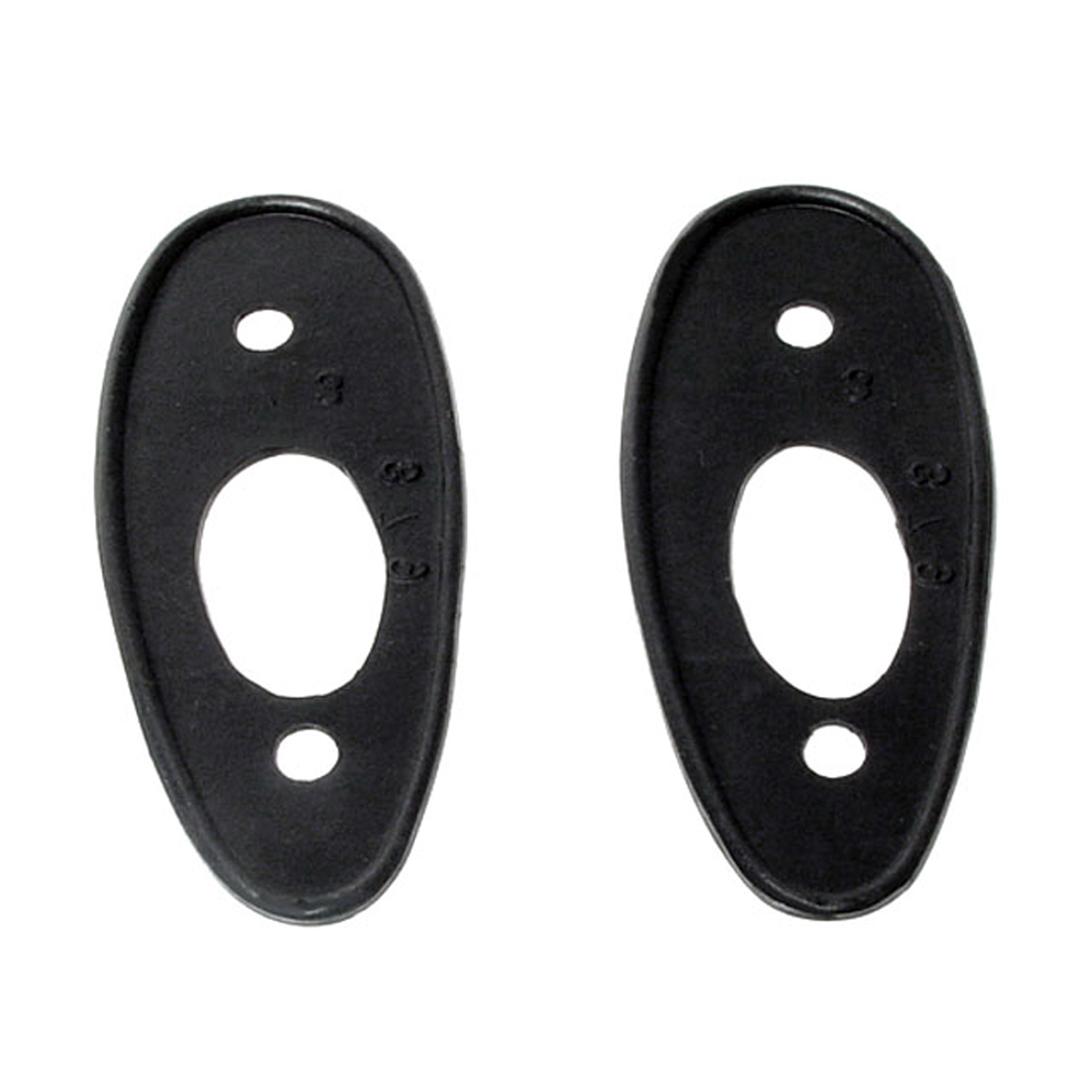 1931 Cadillac Fleetwood Tail-Light Pads. 2" wide X 4-3/4" long. Pair-MP 379Tail-Light Pads. 2" wide X 4-3/4" long. Pair
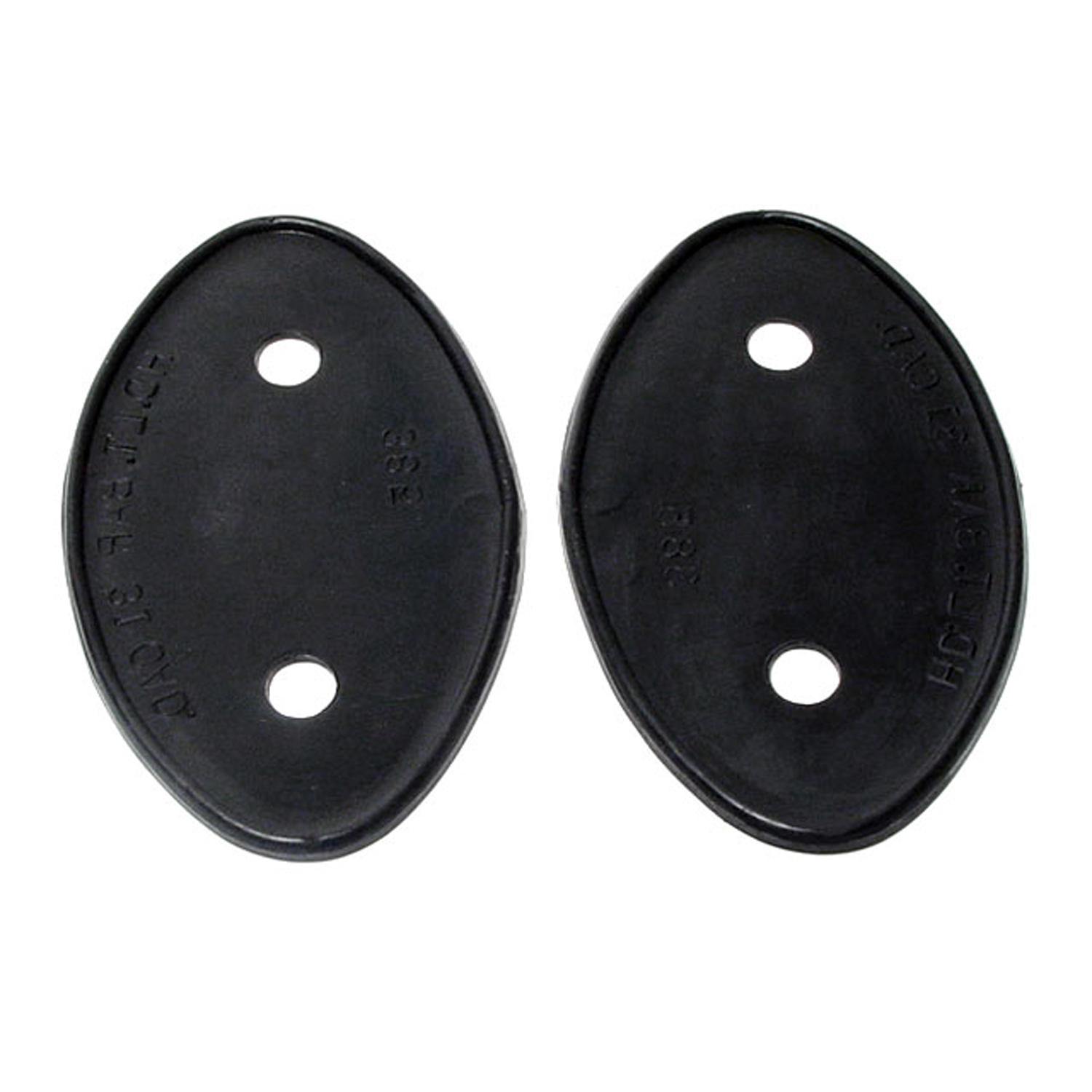 1931 Cadillac Fleetwood Headlight Bar Pads. 2-7/8" wide X 4-3/4" long. Pair-MP 385Headlight Bar Pads. 2-7/8" wide X 4-3/4" long. Pair
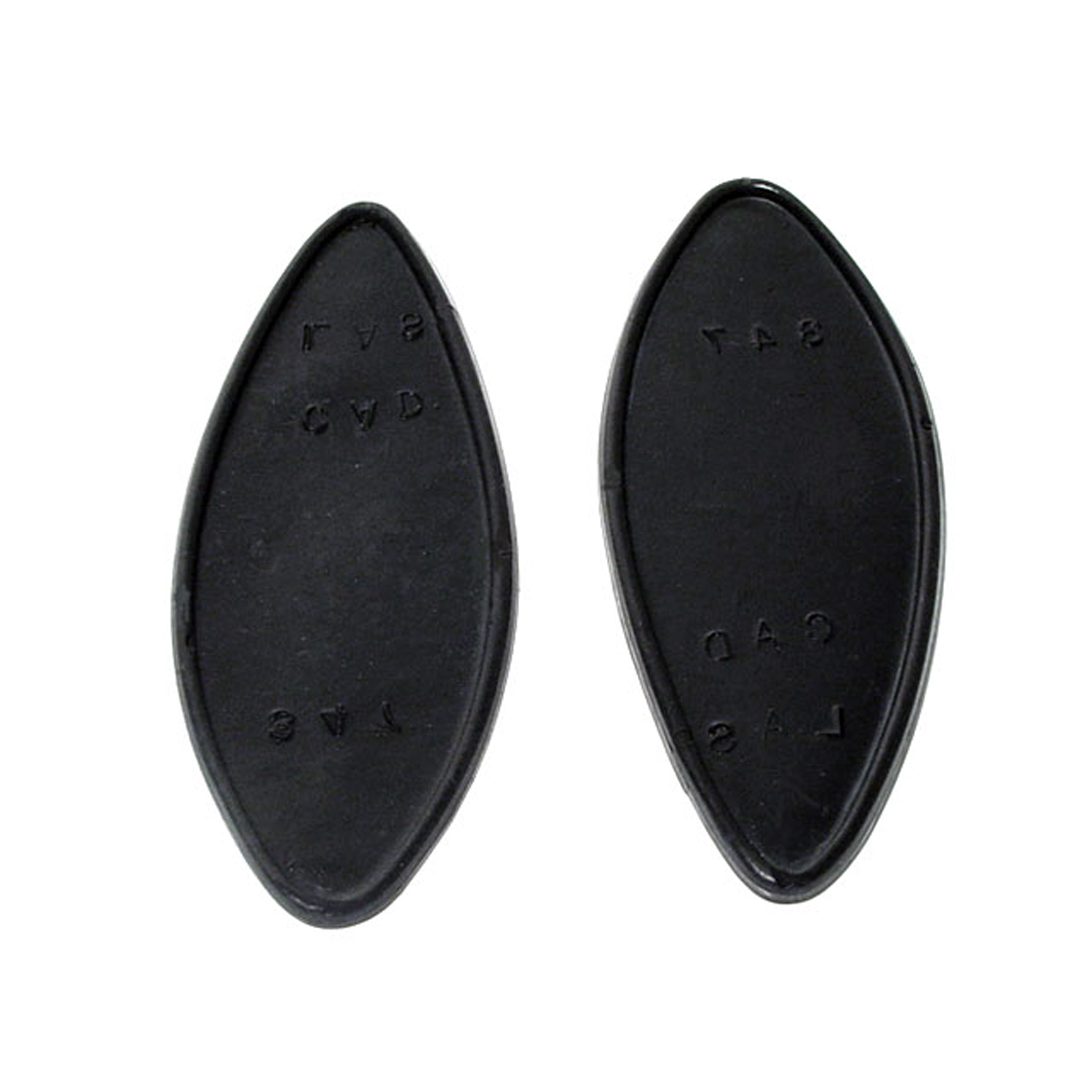 1931 Cadillac Fleetwood Headlight Bar Pads. 2-3/8" wide X 4-1/8" long. Pair-MP 386Headlight Bar Pads. 2-3/8" wide X 4-1/8" long. Pair
 1931 Cadillac Fleetwood Door Handle Ferrule Grommet. I.D. 11/16", O.D. 1-3/16"-MP 546-IDoor Handle Ferrule Grommet. I.D. 11/16", O.D. 1-3/16". Each
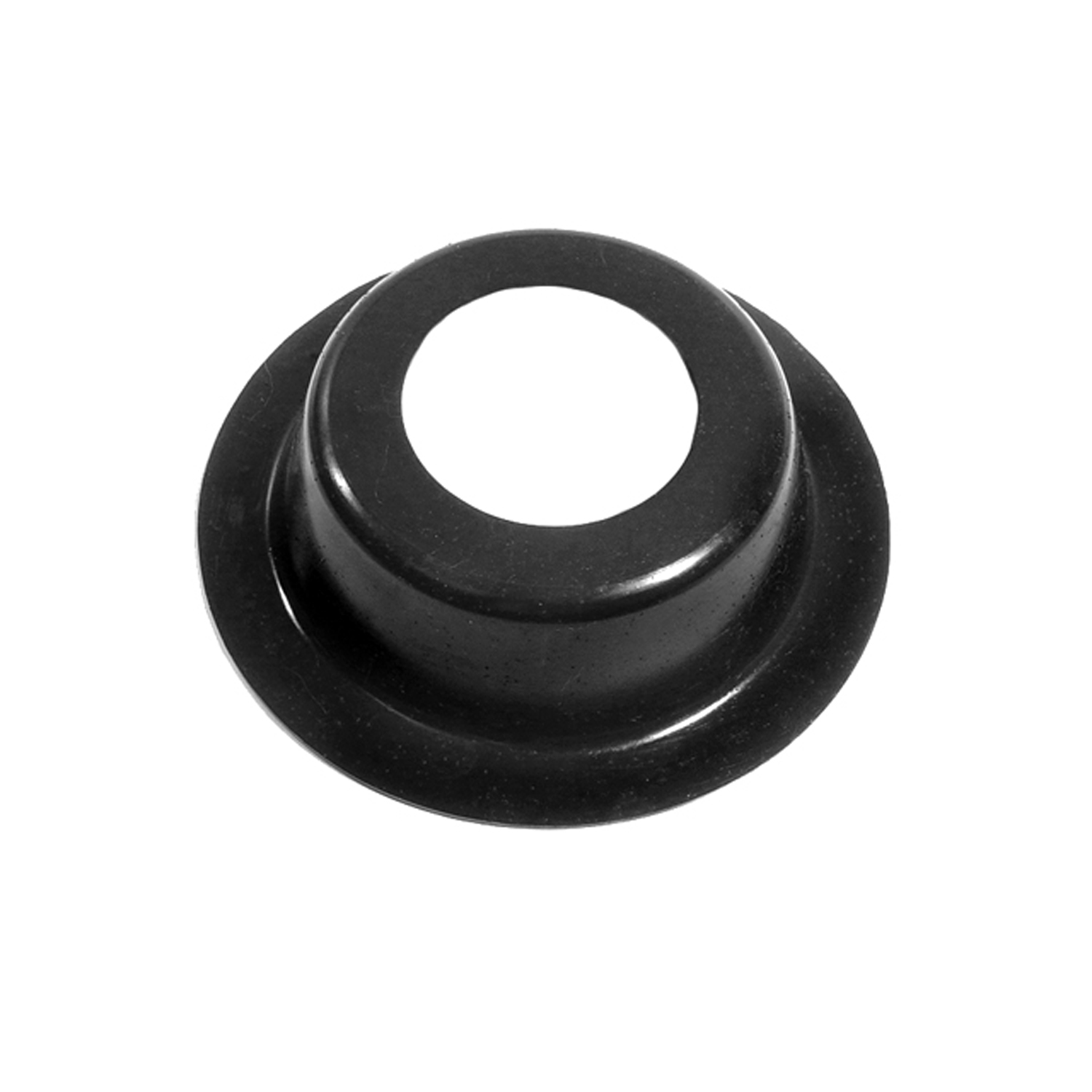 1931 Cadillac Fleetwood Booster Brake Diaphragm. 7-1/2" O.D., 3" I.D., 1-7/8" deep-RP 32Booster Brake Diaphragm. 7-1/2" O.D., 3" I.D., 1-7/8" deep. Each
 1931 Cadillac Fleetwood Door Bumper. 1" diameter X 1/4" thick Each-SB 60Door Bumper. 1" diameter X 1/4" thick Each
 1931 Cadillac Fleetwood Flexible Rubber Window Channel-WC 32-14Flexible Rubber Window Channel. For Fisher Closed Bodies, except those using a stainless bead type. Used on side windows. 13/16" outer width X 6/16" outer depth, with a 5/16" inner channel width X 14" long. Each
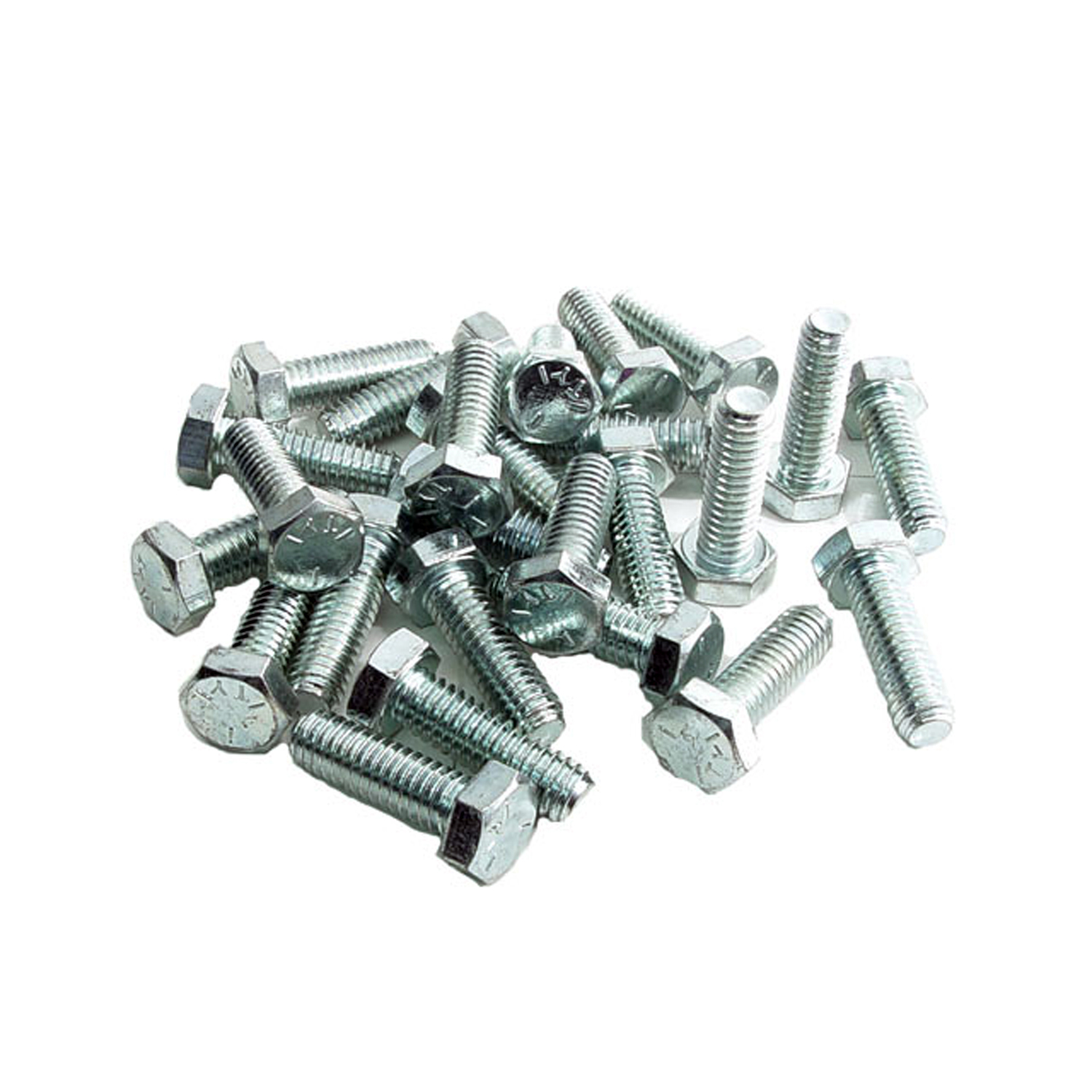 1931 Cadillac Fleetwood Fender Bolts. For use with Fender Bolt Washers; WF 3001-WF 3000Fender Bolts. For use with Fender Bolt Washers; WF 3001. Zinc Chromate plated, high strength. 1" X 5/16". Set of 25
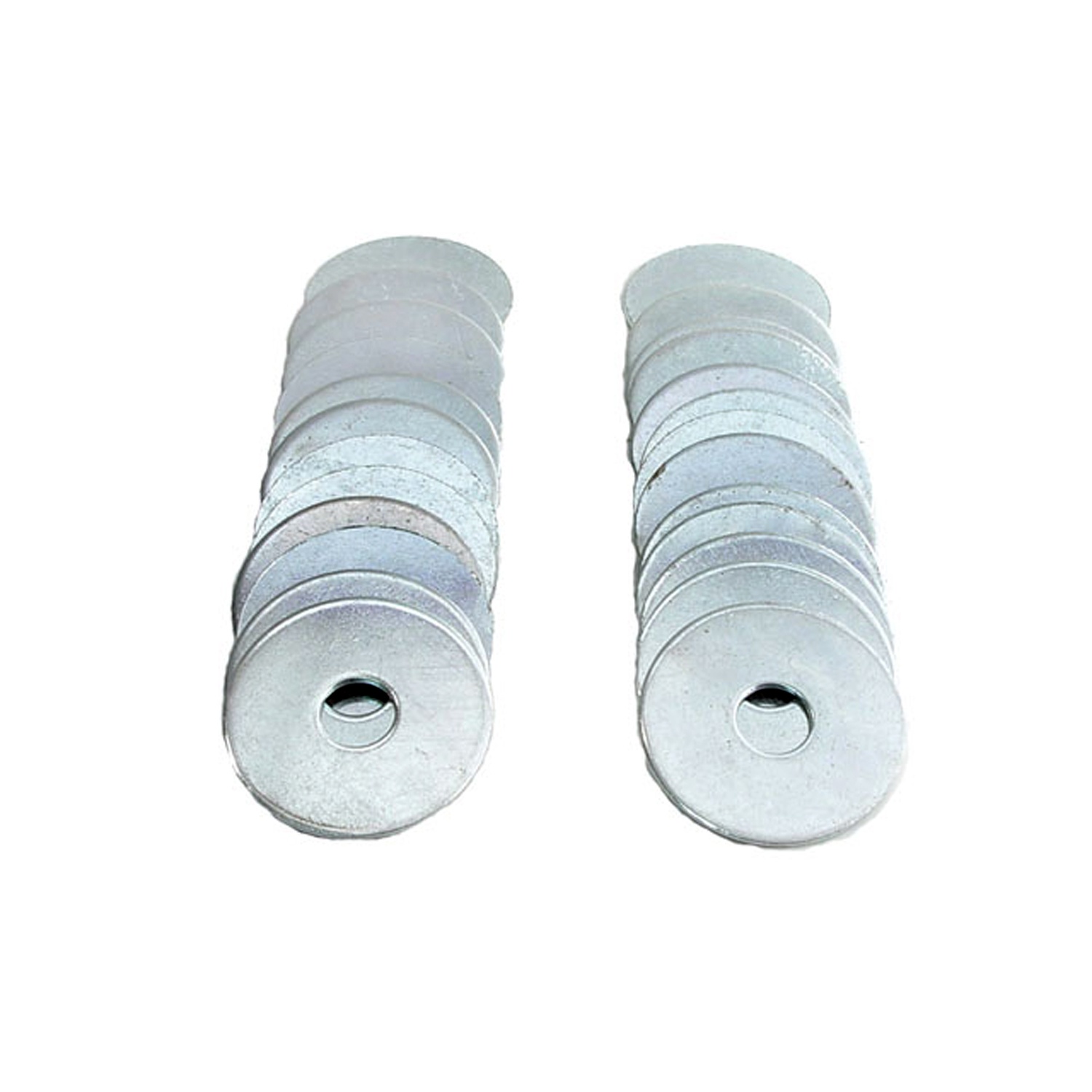 1931 Cadillac Fleetwood Fender Bolt Washers. For use with Fender Bolts; WF 3000-WF 3001Fender Bolt Washers. For use with Fender Bolts; WF 3000. High quality, cadmium plated. 1-1/4" O.D., 3/8" I.D. Set of 25
Why Choose Metro?
For over 100 years, Metro Moulded Parts has been the pinnacle of quality in classic car restoration parts. Our commitment to precision and authenticity in every component ensures a perfect fit and an OEM-level appearance.
- Expert Craftsmanship & Quality: Each part is a testament to our dedication to reliability and perfection, crafted from original designs and thoroughly tested.
- Advanced Technology: We use cutting-edge techniques to create flawless, long-lasting parts that surpass others in performance.
- SuperSoft Sponge – The Ultimate Door Seal: Not only are our door seals 30% softer than competitors', but they're also guaranteed to never leak. They effectively reduce wind and road noise, enhancing your classic car's comfort and driving experience.
- Proudly American: Our parts are a product of American craftsmanship, made in the USA with a spirit of excellence and heritage.
- Unrivaled Warranty: We back our products with a 30-year industry-leading warranty, a testament to our confidence in their quality.
Join us in preserving the legacy of classic cars with parts that are crafted for perfection, not just made.