
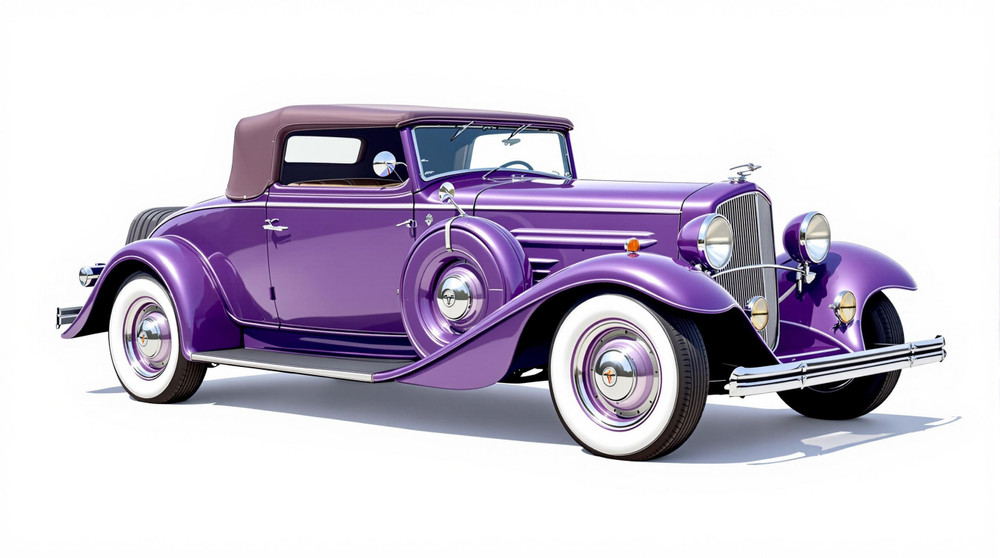
Image of 1932 Cadillac Fisher, Note: These illustrations use artistic license and may differ from actual historical models.
Performance Metrics
Fundamental Metrics
Emotional Appeal
MMP Rating
| Engine Specifications | |
|---|---|
| Engine Options: | V8, V12, V16 |
| Displacement Range: | 353 - 452 cubic inches |
| Horsepower Range: | 115 - 165 hp |
| Torque: | Not available |
| Compression Ratio: | 5.35:1 |
| Ignition System: | Battery and coil |
| Cooling System: | Water-cooled |
| Performance Specifications | |
| 0-60 Time: | Not available |
| 1/4 Mile Time: | Not available |
| Top Speed: | 85 mph |
| Transmission and Drive | |
| Drive Type: | Rear-wheel drive |
| Transmission Type: | 3-speed manual |
| Fuel and Efficiency | |
| Fuel System Type: | Carburetor |
| MPG: | Not available |
| Dimensions and Brakes | |
| Brakes: | Mechanical drum brakes |
| Wheelbase: | 140 - 152 inches |
| Weight: | 5,300 - 6,600 lbs |
Note: Specifications for classic cars are given to the best of our ability, considering the limited and variant data available.
1932 Cadillac Fisher: A Classic Car with a Coachbuilt Identity
A 1932 Cadillac with Fisher bodywork is more than a handsome prewar luxury car: it represents the moment when Cadillac’s engineering, General Motors’ growing design organization, and Fisher Body’s manufacturing expertise came together in one imposing package.
There is an important naming detail for shoppers and researchers: “1932 Cadillac Fisher” is not one specific factory model. Fisher Body was a GM body-making division, and its bodies appeared on several Cadillac models. The best-known 1932 Cadillac range included the V8-powered Series 355B, alongside more expensive V12 and V16 models. The exact engine, dimensions, equipment, and value depend on the model and body style, so this guide focuses mainly on the more attainable Fisher-bodied V8 Cadillac while noting where the larger cars differ.
Cadillac was founded in Detroit in 1902 and had become one of America’s leading luxury-car makers by the early 1930s. Fisher Body, founded by the Fisher brothers and acquired by General Motors in 1926, supplied bodies across the GM family. Cadillac buyers could also choose bodies built or finished by GM’s Fleetwood operation, making body provenance a key detail when identifying an individual car.
The timing was dramatic. The Great Depression was squeezing sales of expensive automobiles, yet Cadillac continued to offer a broad range of powerful, carefully finished cars. A 1932 Cadillac could be ordered with a conventional V8, a twelve-cylinder engine, or the famously grand V16. That choice makes the year especially fascinating to collectors: the cars shared a marque and design language but occupied very different levels of luxury and performance.
1932 Cadillac Styling and Fisher Bodywork
The 1932 Cadillac has the upright, confident stance expected of a prestige car of its era. A tall chrome grille anchors the front end, flanked by sweeping front fenders and prominent headlamps. The long hood, separate running boards, slim pillars, and external spare tires create a formal profile that looks equally at home outside a grand hotel or rolling along a tree-lined boulevard.
Fisher bodies were designed to combine elegance with the efficiencies of GM’s large-scale manufacturing. Their trim, rooflines, window shapes, and interior details varied by body style and series. These were still substantial, traditionally constructed automobiles, not the streamlined, unit-bodied cars that would become common later. Look closely at an example and details such as door handles, hood louvers, brightwork, and wheel equipment can help reveal its original specification.
Inside, the emphasis was on comfort and craftsmanship. Depending on the body and trim level, occupants might find broad upholstered seats, wood or wood-look trim, quality carpeting, a polished dashboard, and carefully finished door panels. Upholstery materials and fittings varied, and many surviving cars have been retrimmed, so a restored interior is not automatically a faithful one. Original colors, fabrics, and trim patterns are worth verifying against the car’s documentation and model specification.
Cadillac buyers could select from a range of factory exterior colors, with two-tone treatments available on some configurations. Dark shades such as black, deep blue, maroon, and green suit the car’s formal character, while lighter or contrasting combinations show off its long body lines. Exact paint availability depended on series and body style, and modern restorations sometimes use colors chosen for visual appeal rather than strict factory accuracy.
Body styles varied across the Cadillac lineup and included closed sedans and coupes, as well as open touring and convertible forms in the broader range. Fisher-built sedans and coupes offered the weather protection and everyday practicality many owners wanted. For collectors, the most visually dramatic choices are often the open cars, while a well-proportioned sedan can be the more usable and historically representative example. Always check the body tag and chassis details: a Cadillac’s body maker and body style are not interchangeable descriptions.
Engineering and Luxury Features
The Series 355B’s 353-cubic-inch side-valve V8 was a smooth, low-revving engine designed to move a heavy luxury car with dignity rather than deliver sports-car urgency. Published specifications commonly put output at about 115 horsepower, though figures can vary by source and specification. Buyers seeking still greater smoothness and prestige could step up to Cadillac’s V12 or V16 models.
Cadillac’s engineering priorities included refinement, dependable power delivery, and ease of operation for its time. A period manual transmission, mechanical controls, and a substantial chassis demanded more driver involvement than a modern car. Equipment differed by model and body style, so features such as transmission details, gauges, seating arrangements, and accessories should be checked against the specific car rather than assumed from the Cadillac name alone.
The car’s size and equipment also reflected the era’s idea of luxury. A 1932 Cadillac was built to make long journeys more comfortable and to carry passengers in quiet, enclosed surroundings. It did not have modern conveniences such as power steering, anti-lock brakes, or climate control. Its appeal came instead from its smooth engine, generous proportions, handsome materials, and the sense of occasion it brought to even an ordinary trip.
Historical Significance of the 1932 Cadillac
The 1932 Cadillac’s significance lies partly in its place within a fast-changing industry. General Motors was developing a more coordinated approach to styling and manufacturing, and Cadillac served as its prestige division. Fisher Body’s role linked design quality with production scale, helping GM build bodies that felt special without relying entirely on small custom coachbuilders.
Cadillac also stood apart from many contemporaries by offering several engine configurations within its luxury range. The V8 was the practical entry point, while the V12 and V16 gave the marque a powerful statement of technical ambition. Cadillac’s multi-cylinder flagships helped establish a lasting association between the brand and smooth, effortless power, even as economic conditions made such cars increasingly difficult to sell.
The car is not famous for one single record-setting event. Its lasting influence is more gradual: it represents the American luxury formula of a large chassis, a refined engine, formal styling, and a high degree of passenger comfort. Its Fisher connection is also part of a larger story about how GM brought body engineering and design under one corporate roof.
Performance and Driving Experience
A Series 355B V8 Cadillac is a substantial automobile, and performance figures should be treated as period estimates rather than modern test results. Depending on body style, gearing, mechanical condition, and load, a sound example may reach roughly 75 to 85 mph. A 0-to-60-mph time in the neighborhood of 20 to 25 seconds is a reasonable estimate for a heavy V8 model, but reliable factory figures for a particular Fisher body are not always available. The V12 and V16 cars have different performance characteristics and should not be judged by the V8’s estimates.
On the road, the V8’s character is about steady pulling power. The engine works at a relaxed pace, producing a deep mechanical rumble rather than a sharp, high-revving note. Acceleration is measured and deliberate. The driver uses the gearbox and engine torque to keep the car moving smoothly, especially on hills or when merging into faster traffic.
The long wheelbase helps the Cadillac glide over broad, gentle undulations, but its age and weight are apparent over sharp bumps. The steering is not light by modern standards, and winding roads call for patience. Body roll, substantial mass, period tires, and vintage braking systems all reward a smooth, anticipatory driving style. Crosswinds and uneven pavement can require more attention than in a contemporary car, particularly if the suspension, steering, or tires are not in first-rate condition.
For a driver accustomed to modern vehicles, the experience is a lesson in momentum management. You sit high behind a large steering wheel, listen to the engine and chassis, and plan braking and gear changes well ahead. In return, the Cadillac offers a relaxed, ceremonial quality that is difficult to reproduce in a modern luxury sedan.
Owning and Maintaining a 1932 Cadillac
Most surviving Fisher-bodied 1932 Cadillacs are best suited to touring, club events, museum displays, and concours shows rather than daily commuting. A dependable, well-sorted car can handle occasional road trips, but frequent use brings the realities of an almost century-old machine: slow traffic, modern road speeds, weather exposure, and parts availability all need consideration.
Routine work is familiar to experienced vintage-car mechanics, but maintenance is not necessarily easy for an average owner. The car uses period-specific components and adjustment procedures, and a correct restoration may require specialist knowledge. The engine, cooling system, fuel system, electrical wiring, steering, suspension, and brakes all deserve careful inspection. A car that has been sitting for years should not be driven home simply because it starts and idles.
Parts support varies by component. Consumables and some mechanical parts may be available through specialist suppliers or Cadillac clubs, while body panels, trim pieces, gauges, and correct interior materials can be harder to source. Fisher body identification, chassis records, and documentation can help establish what is original and what has been changed. For prospective buyers, a pre-purchase inspection by a mechanic familiar with prewar Cadillacs is money well spent.
Reliability depends more on condition and maintenance than on the Cadillac badge. A properly rebuilt engine and carefully maintained chassis can be rewarding, while an attractive but neglected car may need extensive work. Owners should also budget for storage, insurance, specialist servicing, and the time required to locate authentic parts.
Fisher Cadillac Facts and Common Myths
“Fisher” identifies the body maker, not a special Cadillac trim level or a unique engine. A Fisher-bodied Cadillac can be a V8, V12, or another configuration depending on its series and specification. That distinction matters in advertisements, appraisals, and restoration research.
There is no widely recognized 1932 Cadillac Fisher speed or endurance record associated with the name. Nor should every dramatic story attached to a “1932 Cadillac” be assumed to refer to the same model: the year’s Cadillac range included cars with very different engines and coachwork. Celebrity ownership claims are common in classic-car listings, but they should be supported by credible documentation such as registration records, period photographs, or a clear chain of ownership.
A common criticism is that these cars are too large, too slow, and too demanding for modern traffic. That is fair if the expectation is contemporary convenience. Their size makes parking and narrow roads less enjoyable, and their braking and steering require respect. For collectors, however, those traits are part of the period experience rather than a flaw to be hidden.
1932 Cadillac Fisher Collector Values
There is no single market price for a “1932 Cadillac Fisher,” because value depends heavily on the exact series, engine, body style, originality, restoration quality, and provenance. As a broad U.S. market guide, a project or incomplete V8 car might fall around $20,000 to $40,000. A sound, presentable V8 sedan or coupe may bring roughly $40,000 to $90,000, while an exceptional restoration or especially desirable body style can exceed $100,000.
V12 and V16 Cadillacs occupy a different collector tier. Depending on condition, originality, coachwork, and documentation, those cars can reach well into six figures and sometimes substantially more. These ranges are estimates, not appraisals, and auction results can vary widely. A documented, authentic car with correct bodywork and a high-quality restoration is generally more attractive than a superficially polished example with uncertain history.
Cadillac produced an estimated 5,000 to 6,000 cars across its 1932 lineup, but that figure should not be treated as the production total for one Fisher body style. Reliable counts for individual body configurations can be difficult to establish, and surviving examples are fewer still. Fisher-bodied V8 sedans are more available than rare open cars or the highest-series models, but finding the right car in well-documented condition remains a challenge.
Over the long term, top-quality prewar Cadillacs have generally held strong collector appeal, especially the rare V12 and V16 models. The wider market can move with economic conditions, restoration costs, and changing tastes. Ordinary sedans may appreciate more slowly than rare coachbuilt or flagship cars, and restoration expenses can exceed the resale value of a project. Buyers should focus first on condition, authenticity, and enjoyment rather than assuming every example will be an investment winner.
Why the 1932 Cadillac Still Matters
A 1932 Cadillac Fisher is a snapshot of American luxury at a turning point. Its grand proportions, carefully finished bodywork, and choice of powerful engines capture Cadillac’s ambition during a difficult economic era. Fisher Body’s role adds another layer to the story, connecting a distinctive car to the industrial organization that helped shape GM’s approach to design and production.
Whether it is a V8 sedan used for club tours or a rare flagship preserved for major shows, the 1932 Cadillac rewards close attention. It is not a modern car in disguise, and that is precisely the point: behind its tall grille and long hood is a machine that makes the driver participate in the journey. More than a handsome survivor, it is a rolling piece of Cadillac history.
1932 Cadillac Fisher Catalog of Parts
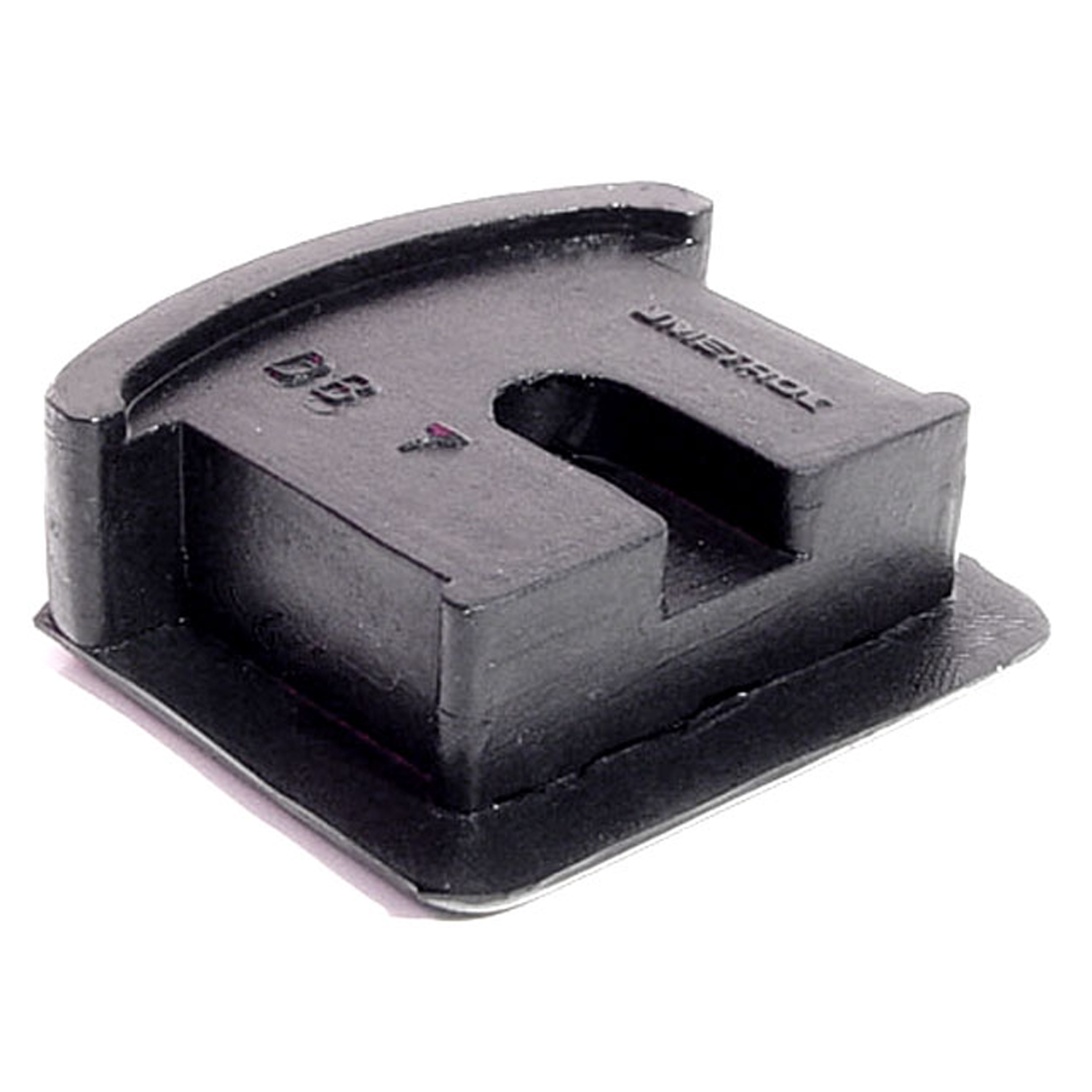 1932 Cadillac FISHER Door Bumper. 1-7/16" high X 1-9/16" wide X 9/16" thick-DB 7Door Bumper. 1-7/16" high X 1-9/16" wide X 9/16" thick. Each
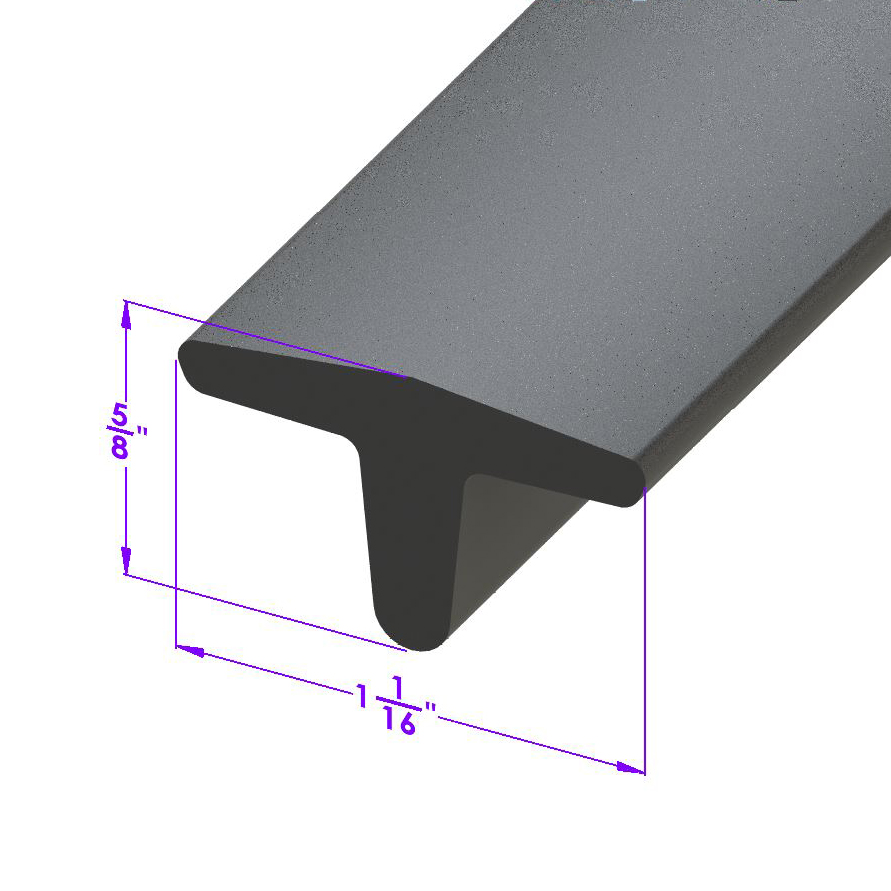 1932 Cadillac FISHER Side window seal. Dense rubber. No metal core. 1 in-LP 95-ASide window seal. Dense rubber. No metal core. 1 in. W x 5/8 in. H. Per foot.
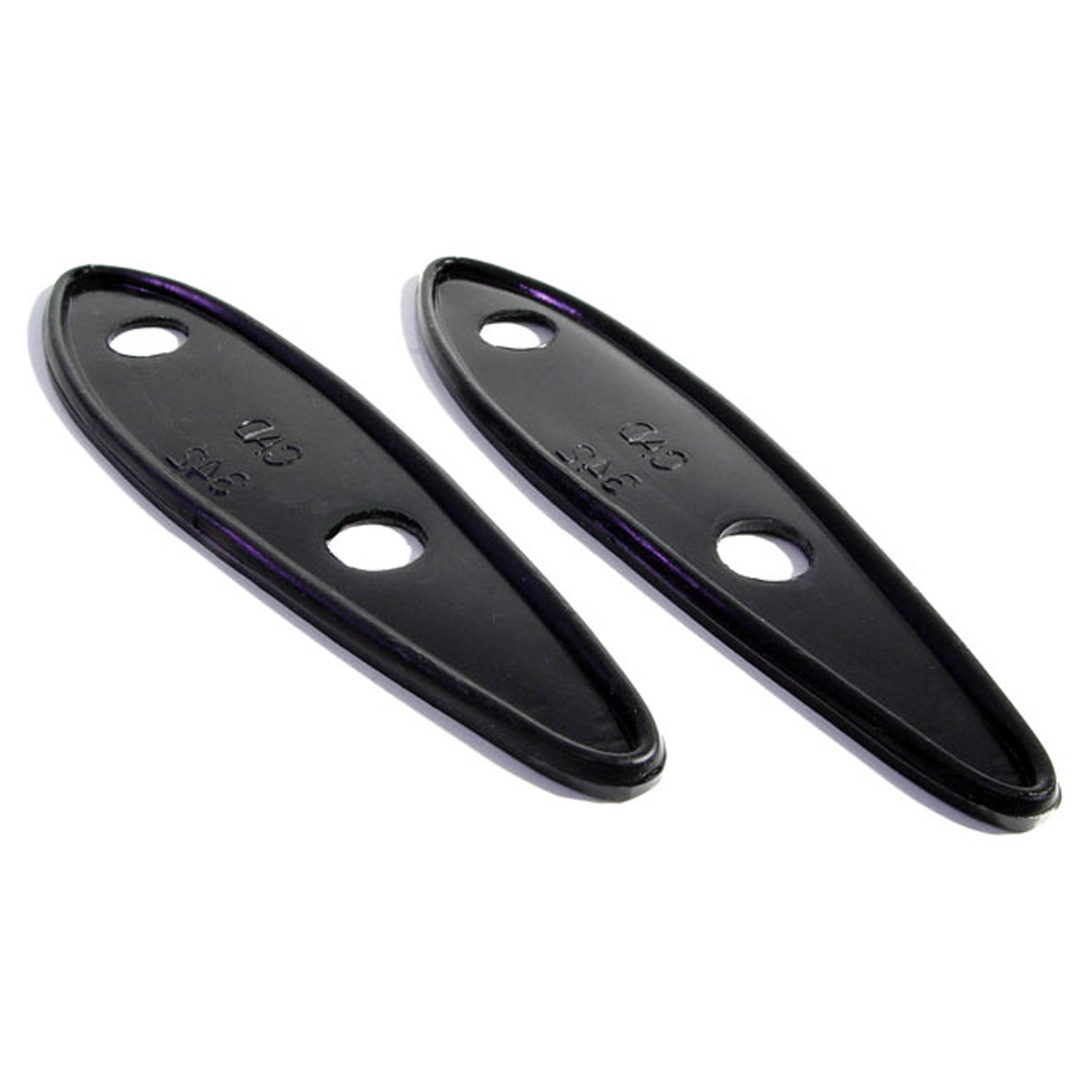 1932 Cadillac FISHER Front Park Light Pads. 1-1/2" wide X 5-1/2" long. Pair-MP 342Front Park Light Pads. 1-1/2" wide X 5-1/2" long. Pair
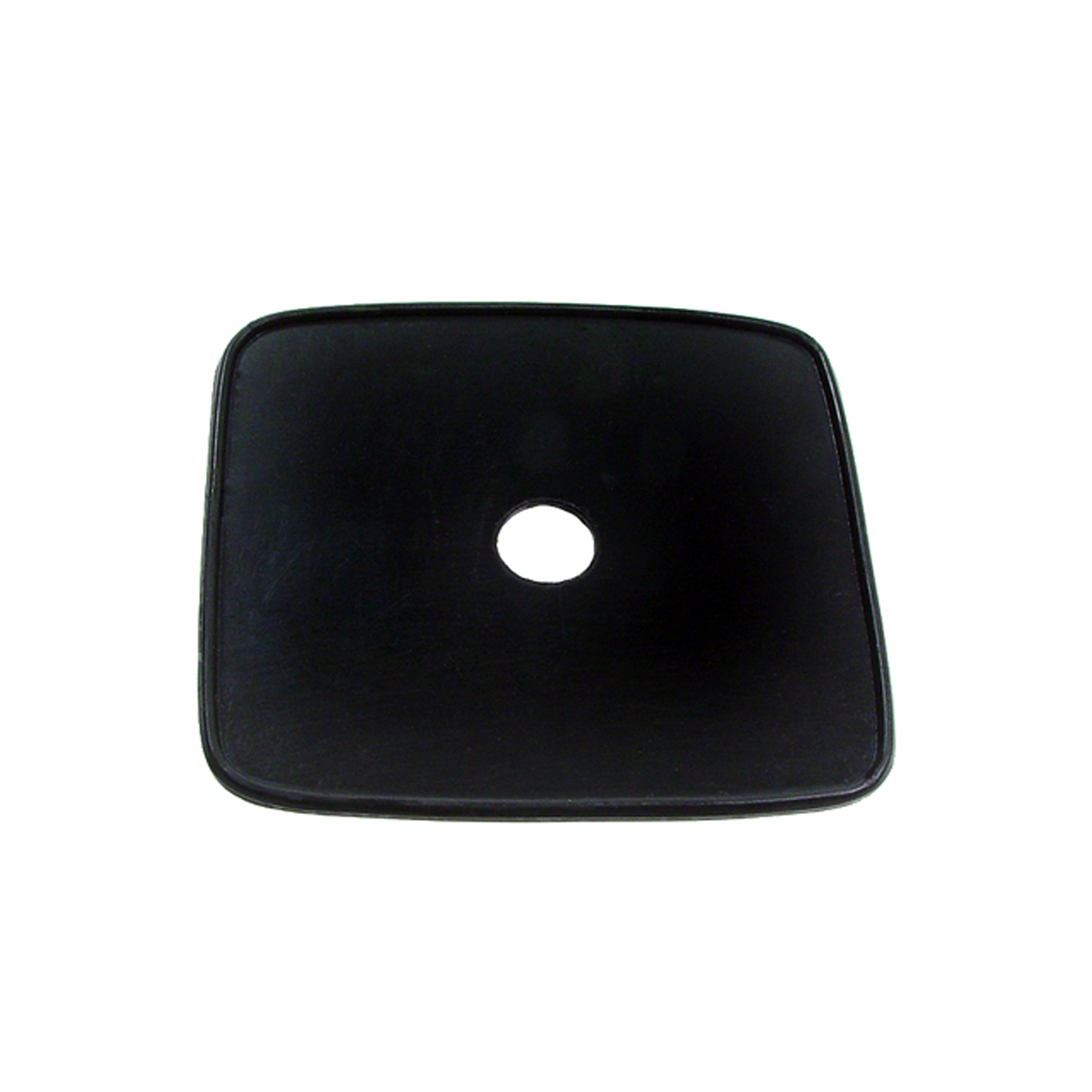 1932 Cadillac FISHER Rumble Seat Step Plate Bracket Pad. 5" wide X 4-1/2" long-MP 342-DRumble Seat Step Plate Bracket Pad. 5" wide X 4-1/2" long. Each
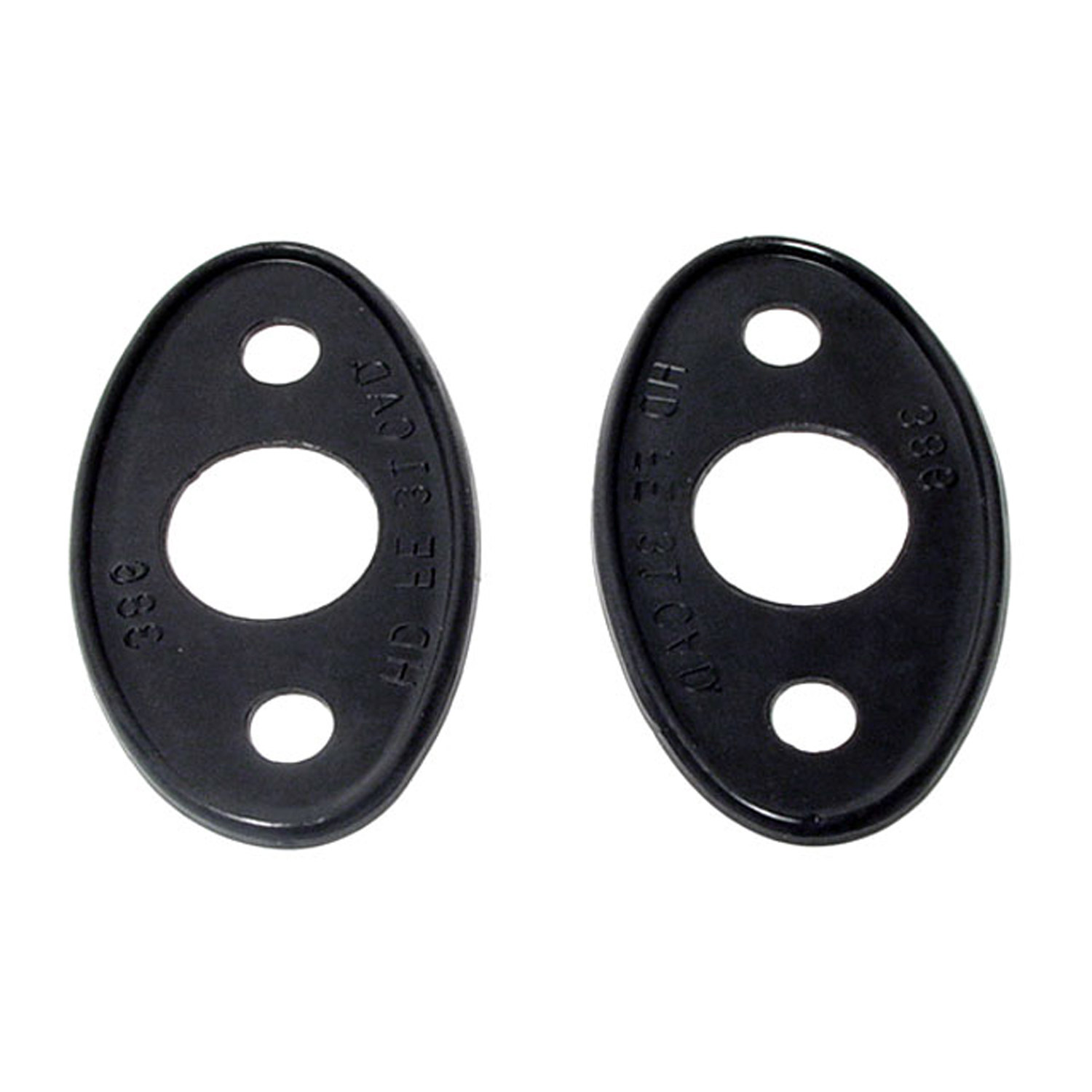
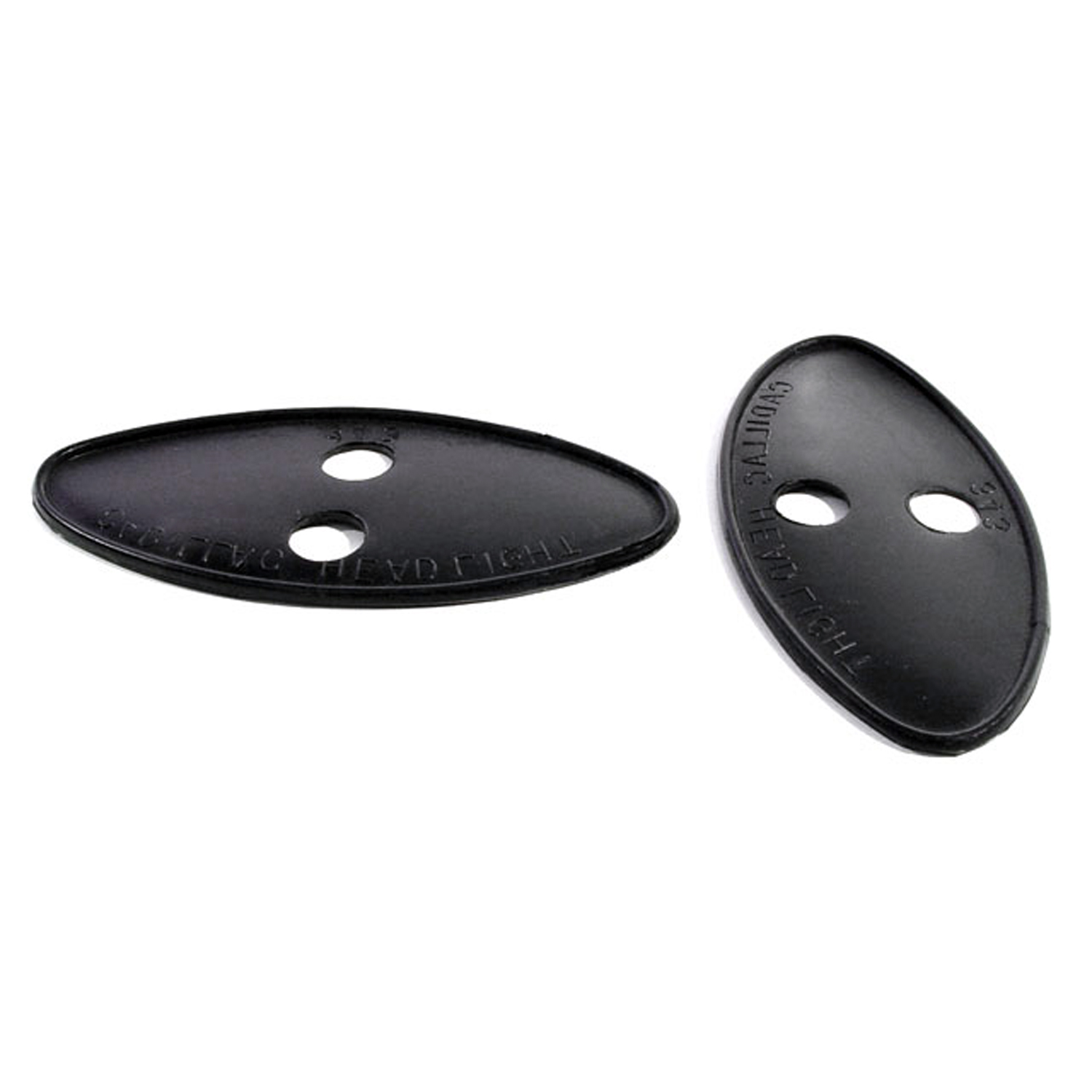 1932 Cadillac FISHER Headlight Base Pads. 2-1/2" wide X 5-1/8" long. Pair-MP 343Headlight Base Pads. 2-1/2" wide X 5-1/8" long. Pair
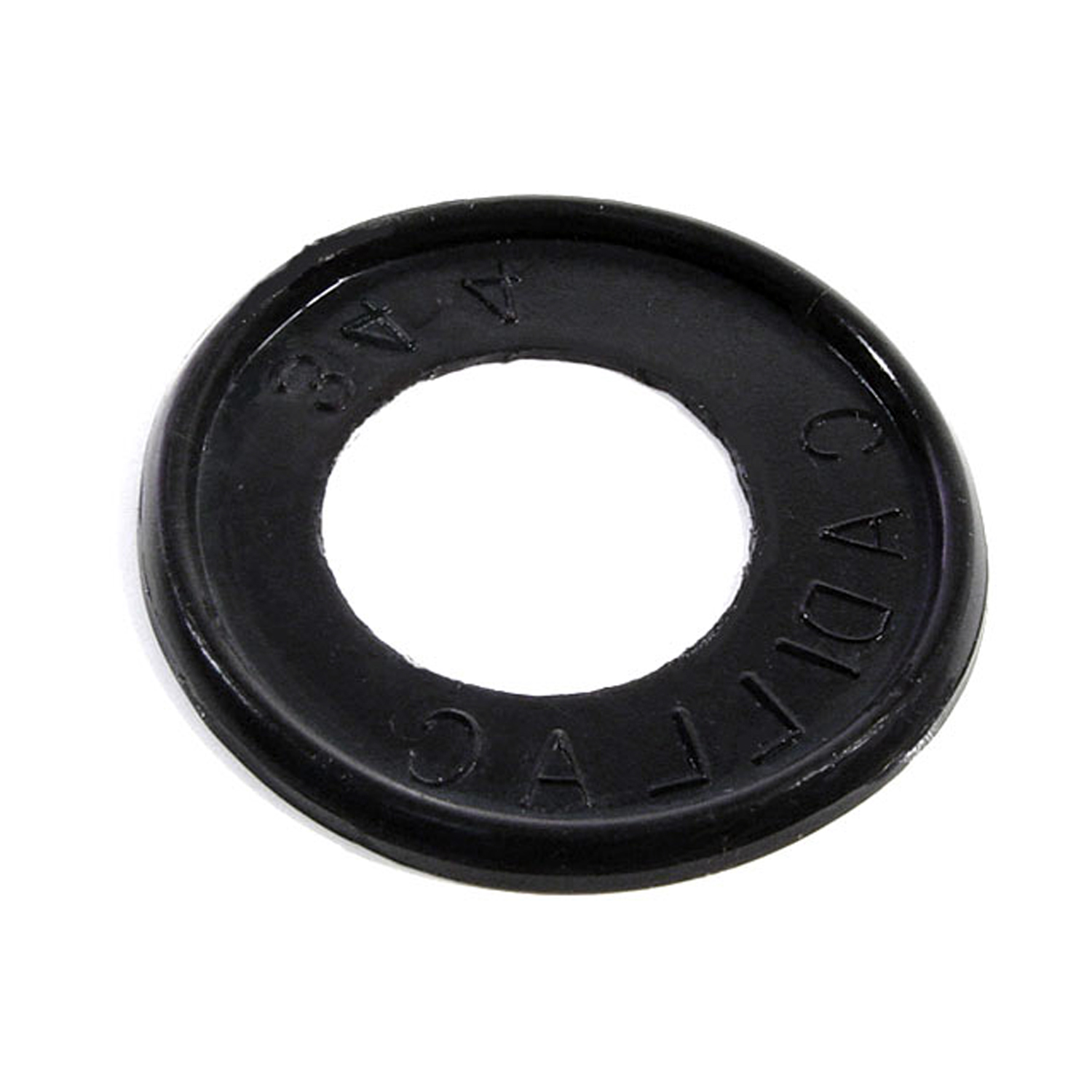 1932 Cadillac FISHER Trunk Lock Pad. 2-1/8" O.D. Each -MP 344Trunk Lock Pad. 2-1/8" O.D. Each
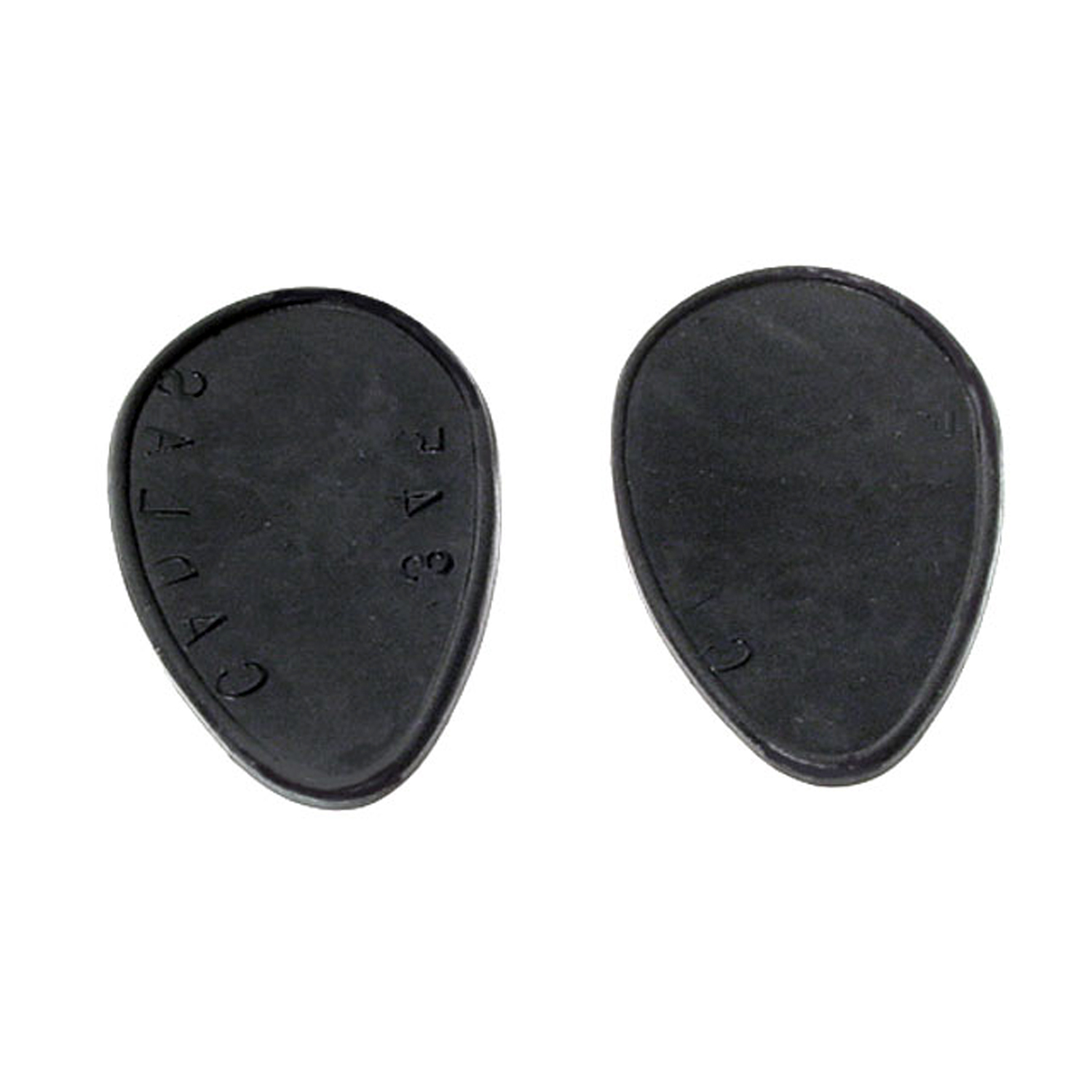 1932 Cadillac FISHER Rear Park Light Pads. 1-3/4" wide X 2-3/4" long. Pair-MP 345Rear Park Light Pads. 1-3/4" wide X 2-3/4" long. Pair
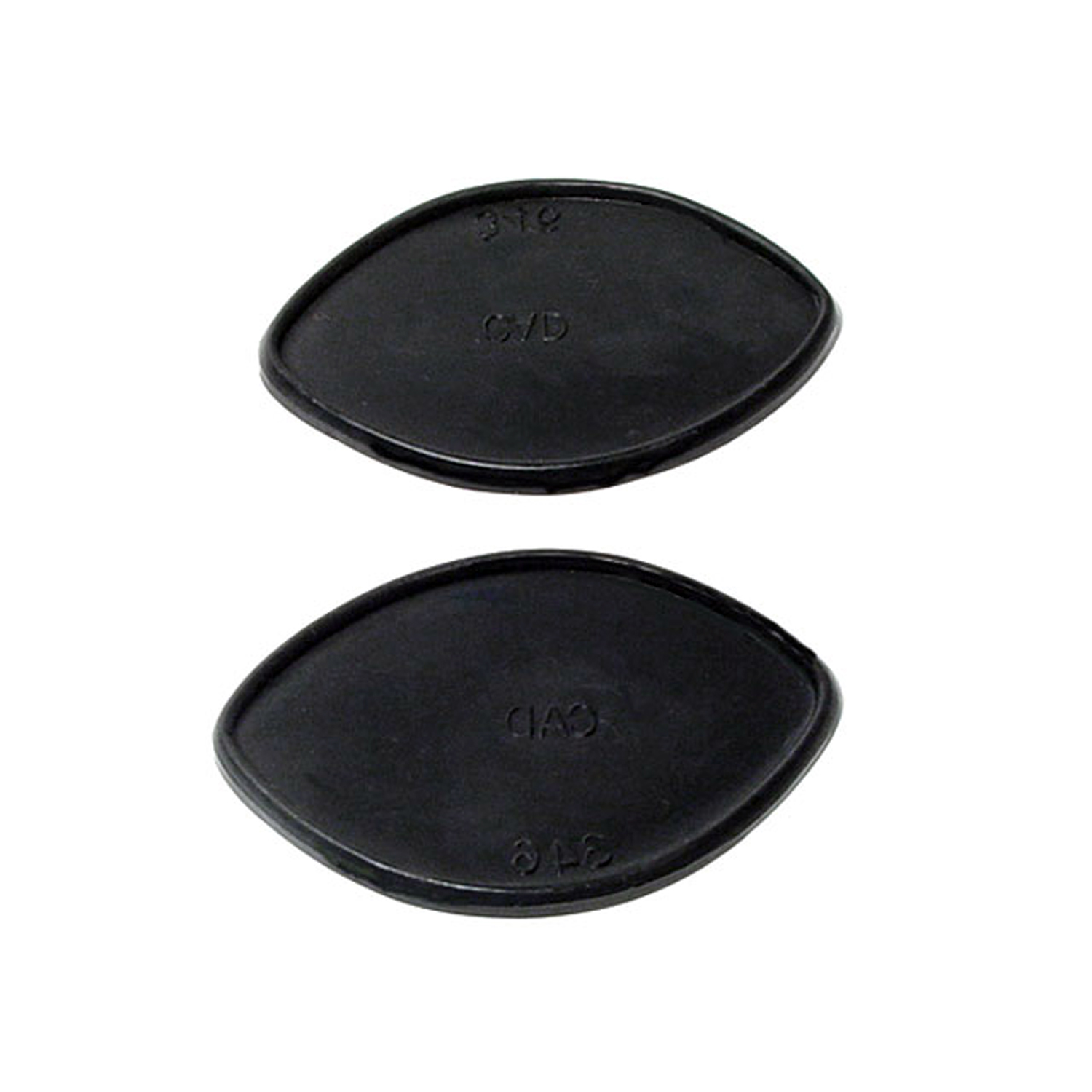 1932 Cadillac FISHER Headlight Bar Pads. 2-3/8" wide X 3-1/2" long. Pair-MP 346Headlight Bar Pads. 2-3/8" wide X 3-1/2" long. Pair
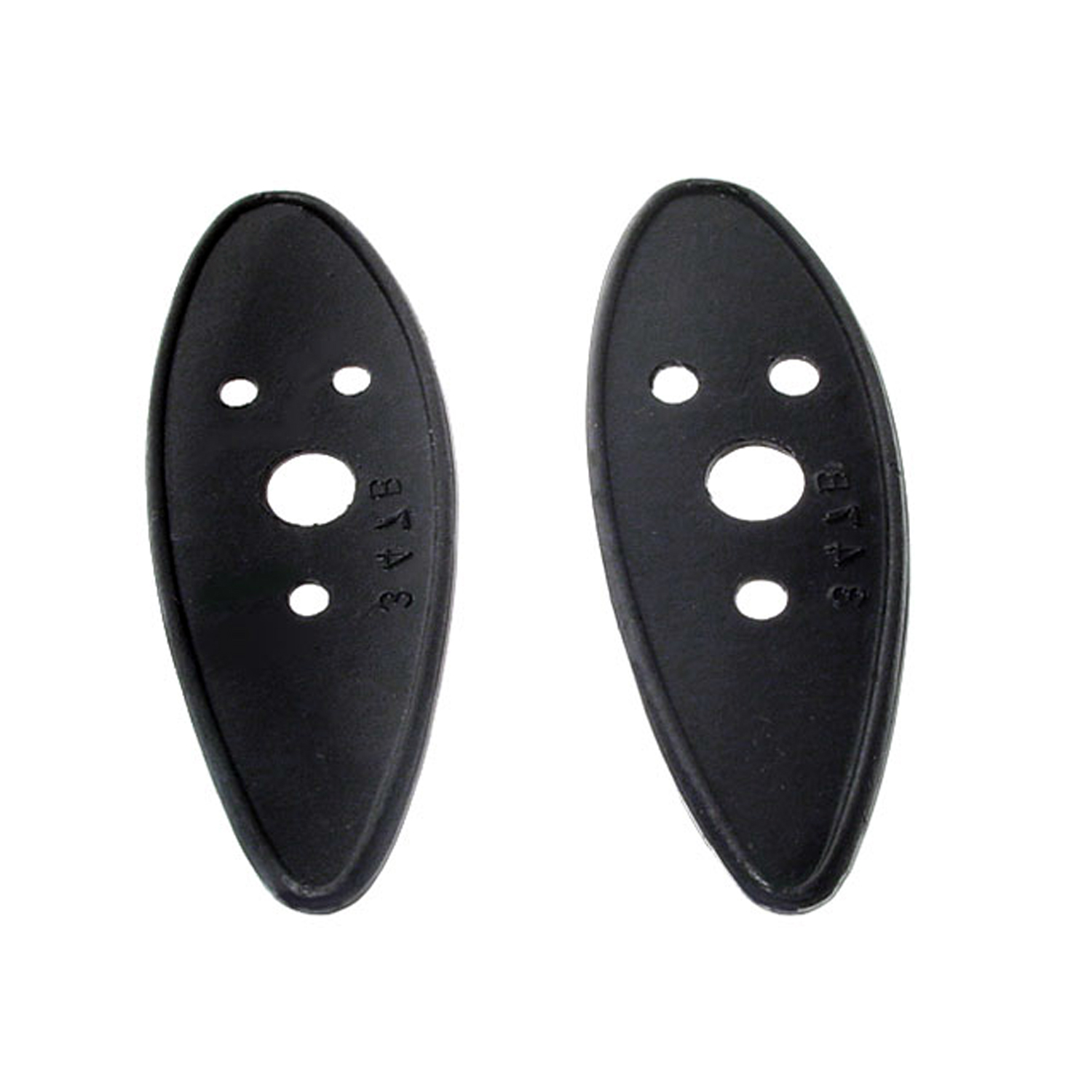
 1932 Cadillac FISHER Tail-Light Pads. 2-3/8" wide X 5-7/8" long. Pair-MP 347Tail-Light Pads. 2-3/8" wide X 5-7/8" long. Pair
 1932 Cadillac FISHER Tail-Light Pads. 2-1/8" wide X 5-3/4" long. Pair-MP 347-BTail-Light Pads. 2-1/8" wide X 5-3/4" long. Pair
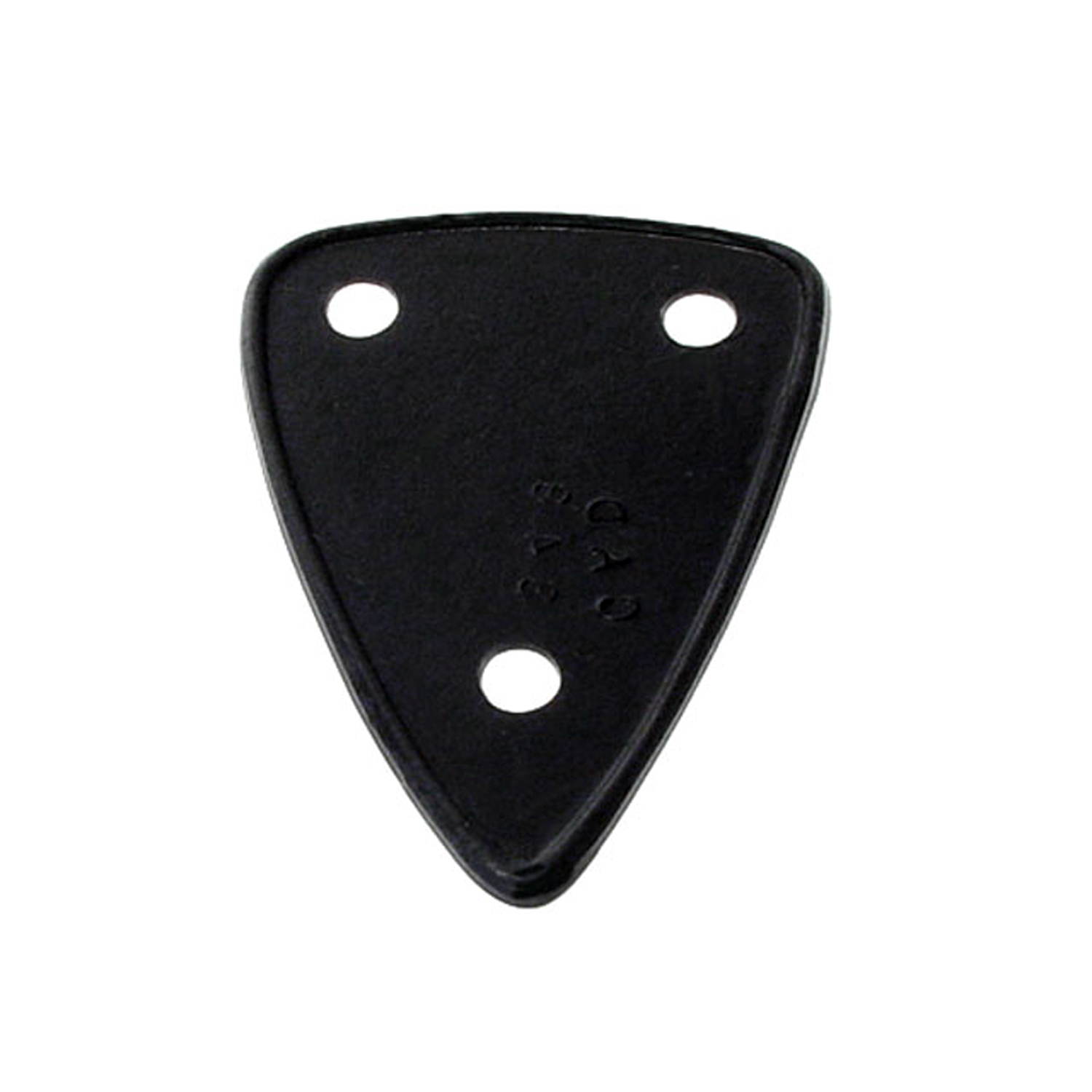 1932 Cadillac FISHER Rumble Seat Step Plate Bracket Pad. Each -MP 348Rumble Seat Step Plate Bracket Pad. Each
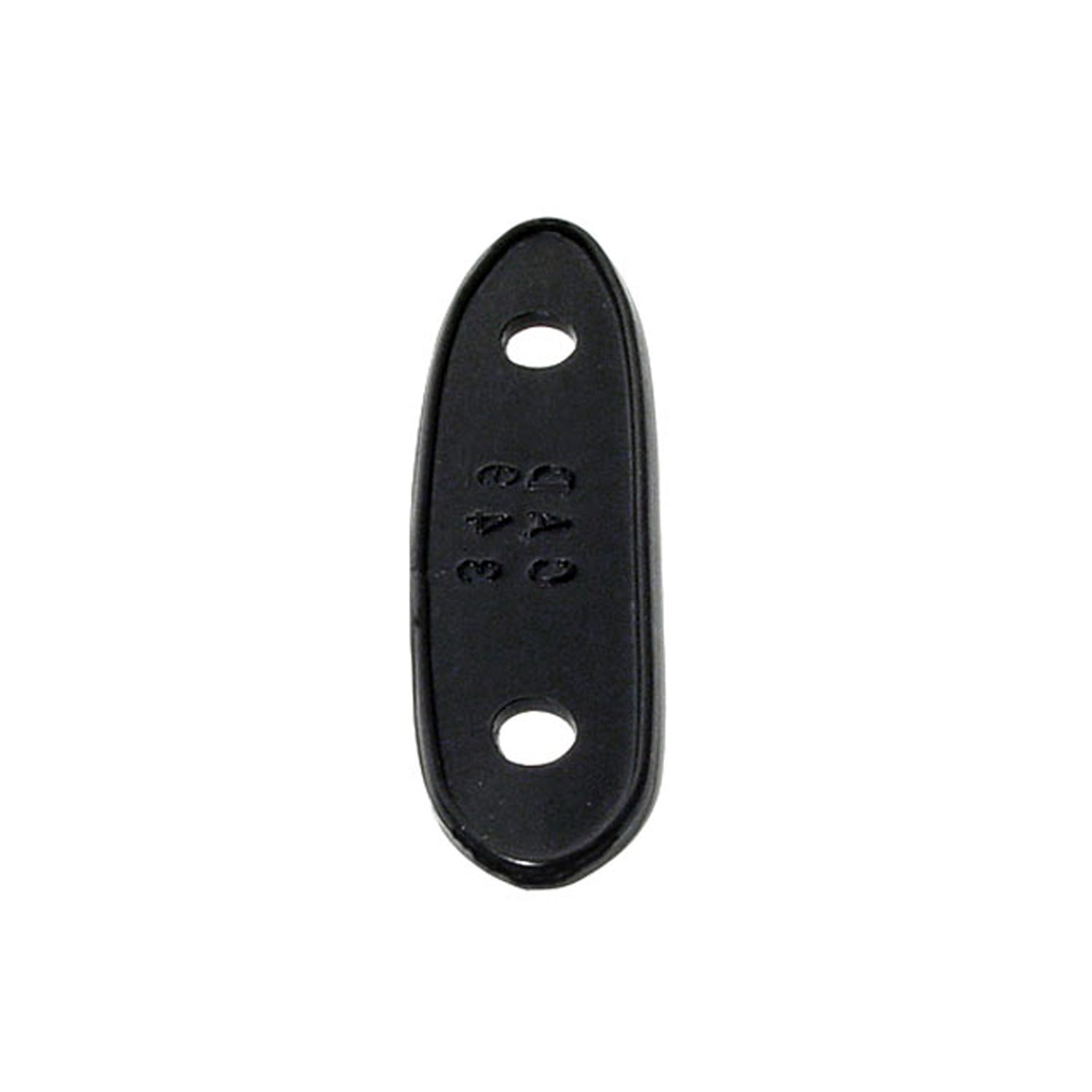 1932 Cadillac FISHER Luggage Rack Pad. 1-1/4" wide X 4-1/2" long. Each-MP 349Luggage Rack Pad. 1-1/4" wide X 4-1/2" long. Each
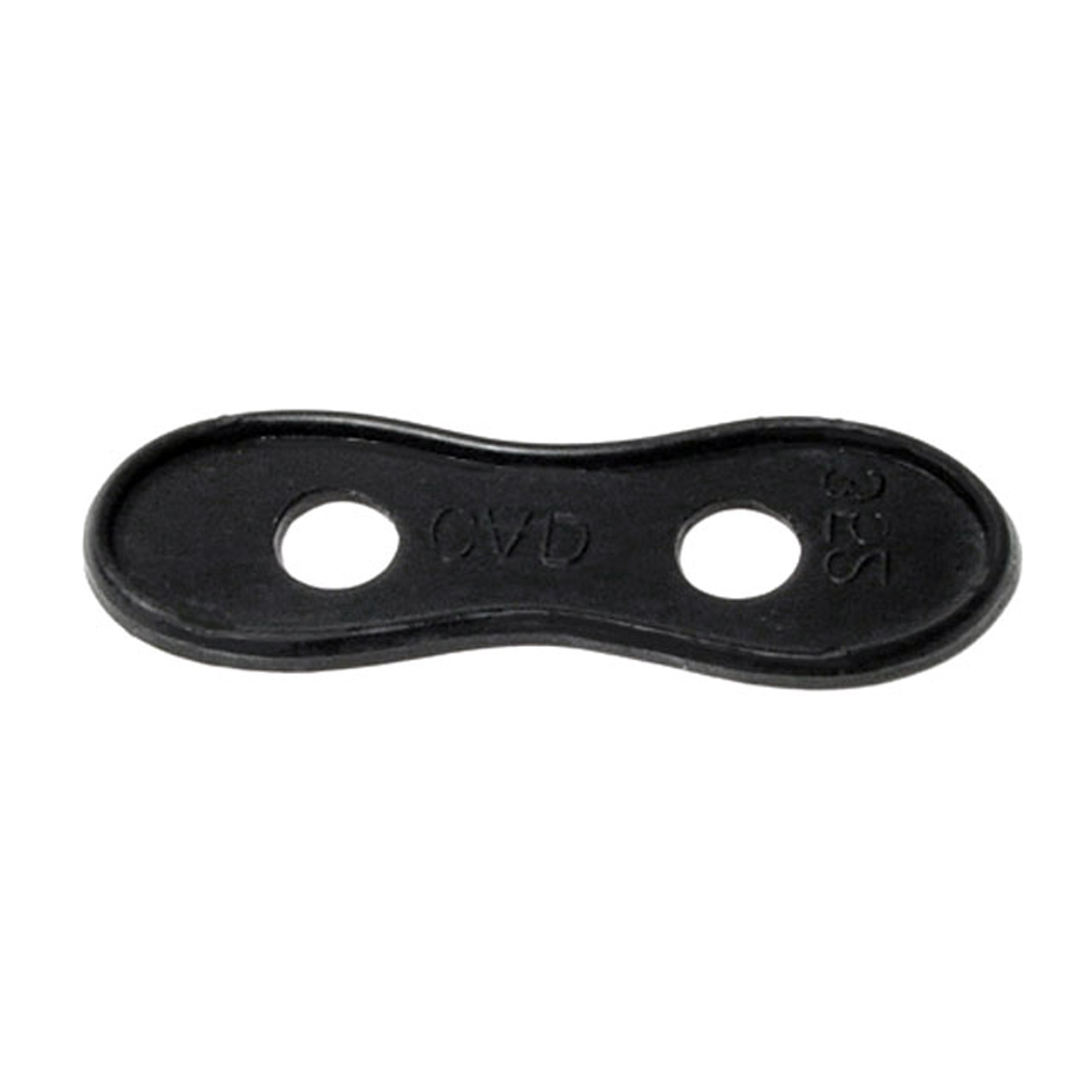 1932 Cadillac FISHER Hood Latch Pad. 1-1/8" wide X 3" long. Each-MP 352Hood Latch Pad. 1-1/8" wide X 3" long. Each
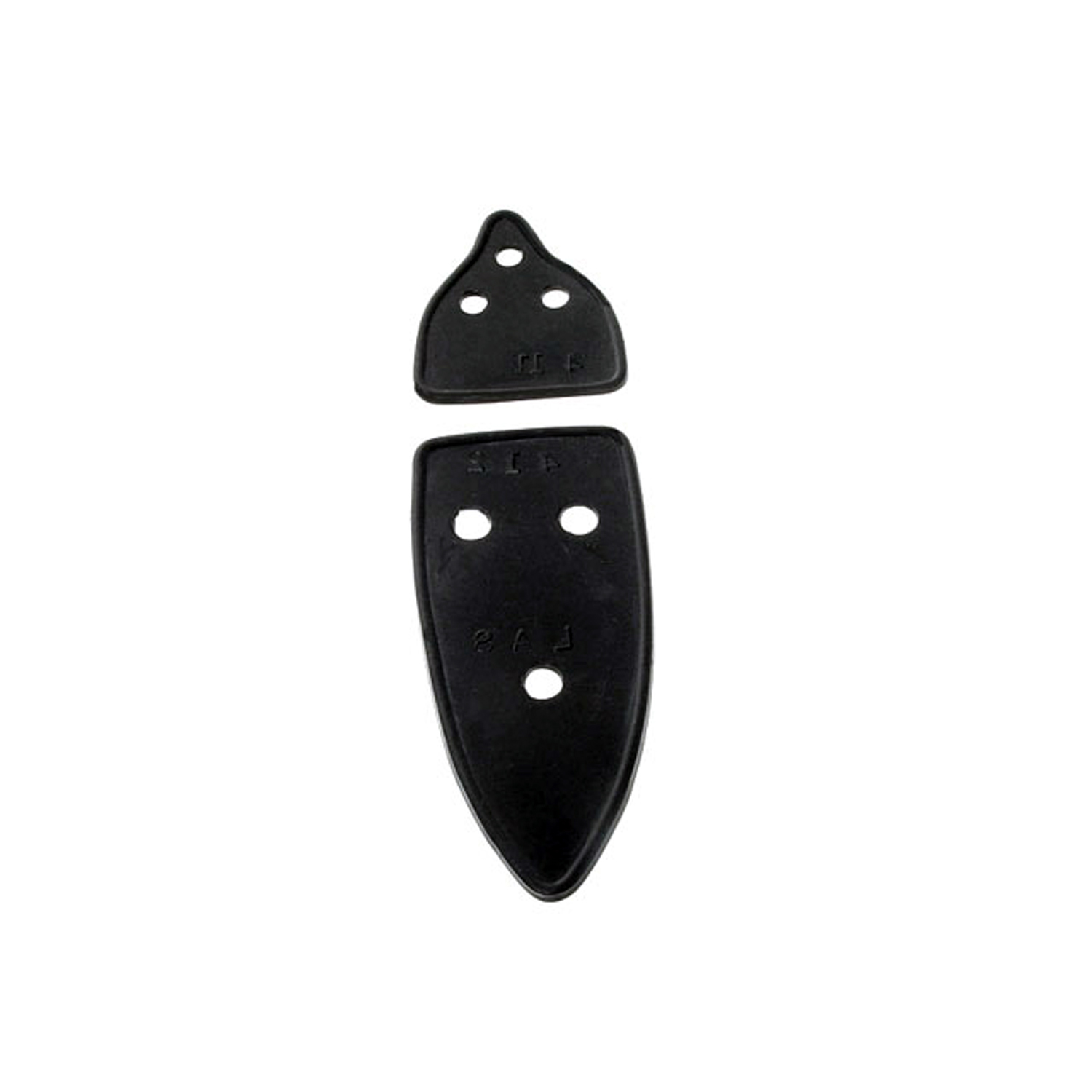 1932 Cadillac FISHER Trunk Clasp Pads. 2" wide X 6-7/8" long. Set-MP 411-412Trunk Clasp Pads. 2" wide X 6-7/8" long. Set
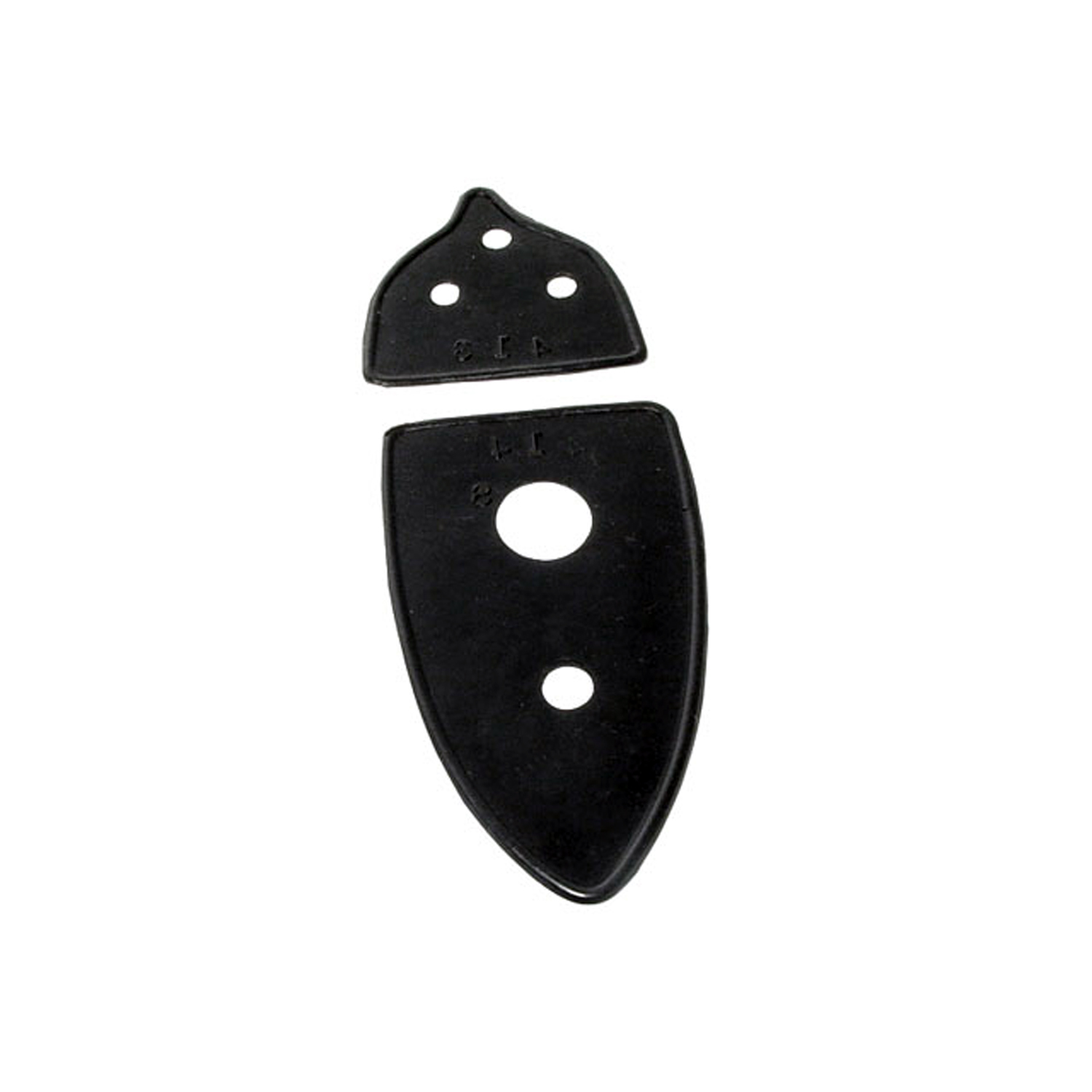 1932 Cadillac FISHER Trunk Clasp Pads. 2-1/2" wide X 6-7/8" long. Set-MP 413-414Trunk Clasp Pads. 2-1/2" wide X 6-7/8" long. Set
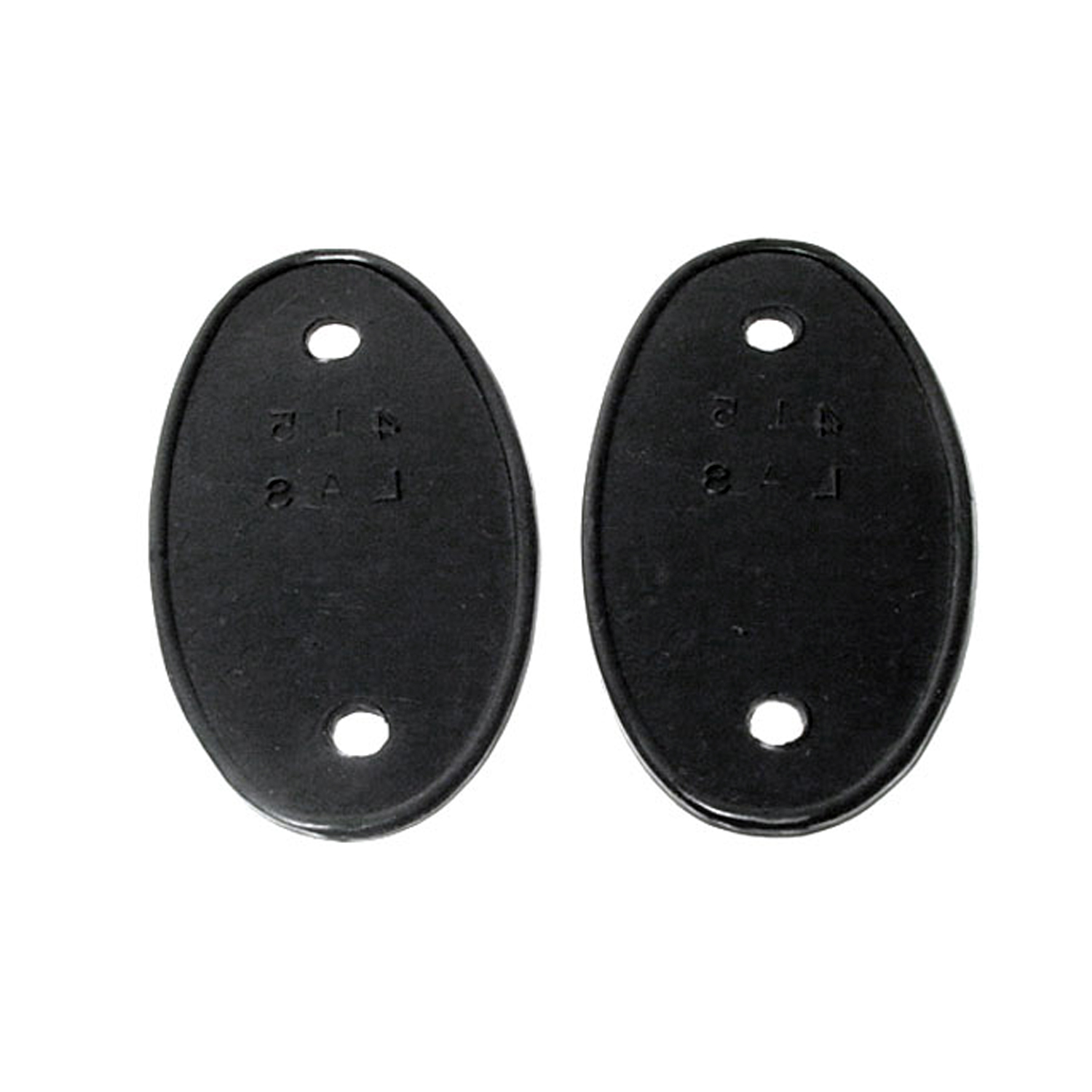 1932 Cadillac FISHER Headlight Bracket Pads. 2-3/8" wide X 4-1/4" long. Pair-MP 415Headlight Bracket Pads. 2-3/8" wide X 4-1/4" long. Pair
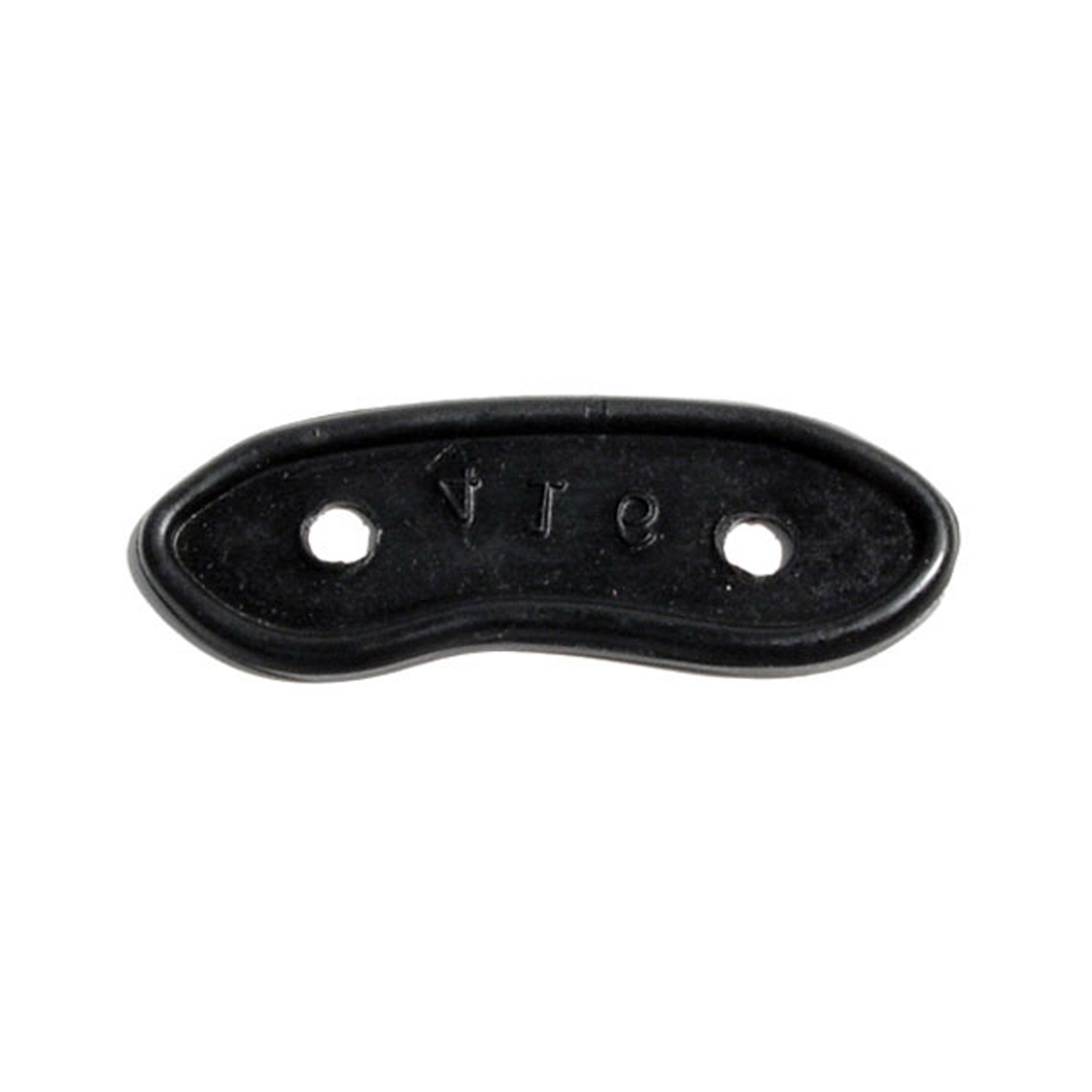 1932 Cadillac FISHER Hood Latch Pad. 1-1/8" wide X 3-1/8" long. Each-MP 416Hood Latch Pad. 1-1/8" wide X 3-1/8" long. Each
 1932 Cadillac FISHER Door Handle Ferrule Grommet. I.D. 11/16", O.D. 1-3/16"-MP 546-IDoor Handle Ferrule Grommet. I.D. 11/16", O.D. 1-3/16". Each
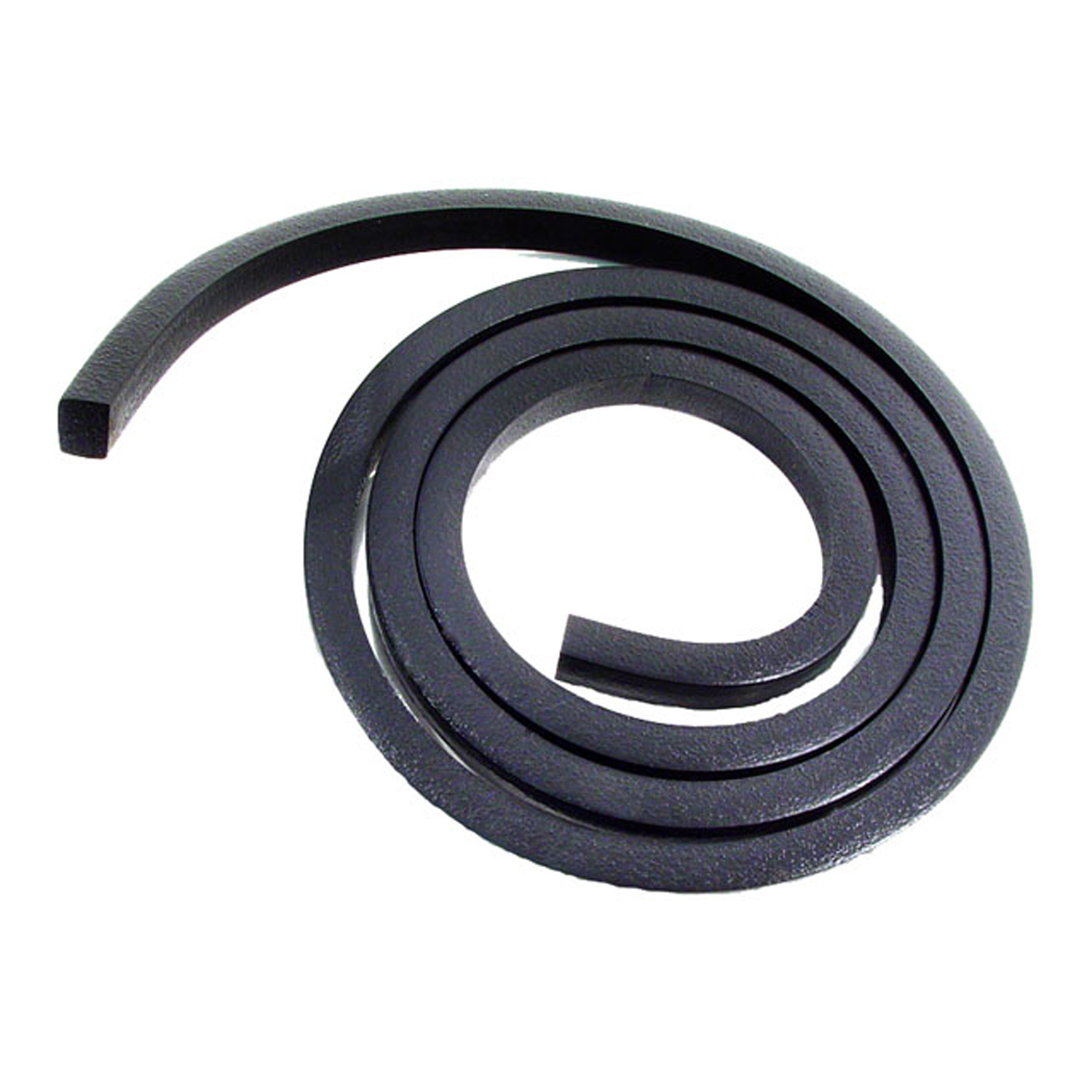 1932 Cadillac FISHER Cowl Vent Seal-RP 100-CCowl Vent Seal. 47" long piece of black, skin-covered sponge. End is 3/8" wide X 5/16" high. Each
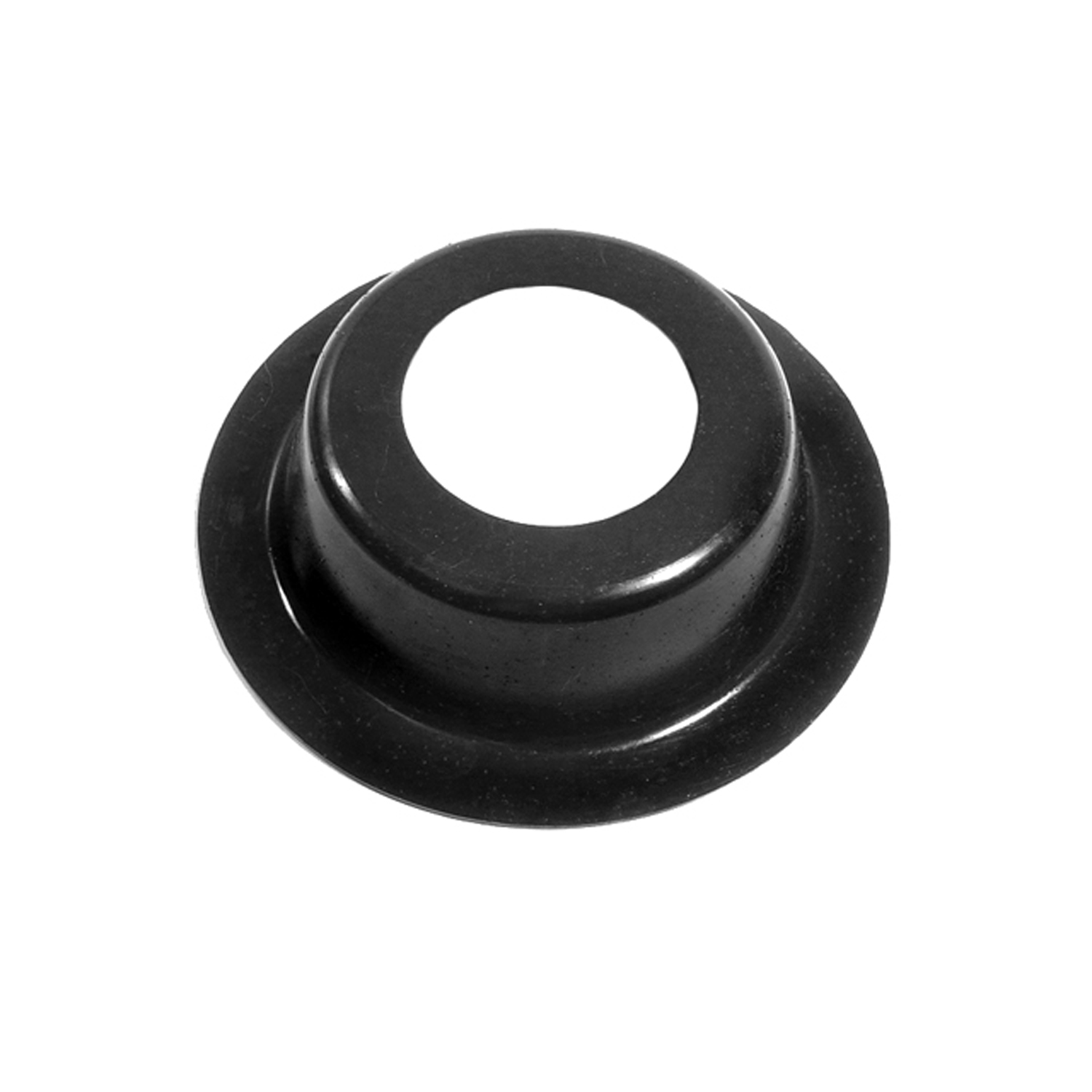 1932 Cadillac FISHER Booster Brake Diaphragm. 7-1/2" O.D., 3" I.D., 1-7/8" deep-RP 32Booster Brake Diaphragm. 7-1/2" O.D., 3" I.D., 1-7/8" deep. Each
 1932 Cadillac FISHER Door Bumper. 1" diameter X 1/4" thick Each-SB 60Door Bumper. 1" diameter X 1/4" thick Each
 1932 Cadillac FISHER Flexible Rubber Window Channel-WC 32-14Flexible Rubber Window Channel. For Fisher Closed Bodies, except those using a stainless bead type. Used on side windows. 13/16" outer width X 6/16" outer depth, with a 5/16" inner channel width X 14" long. Each
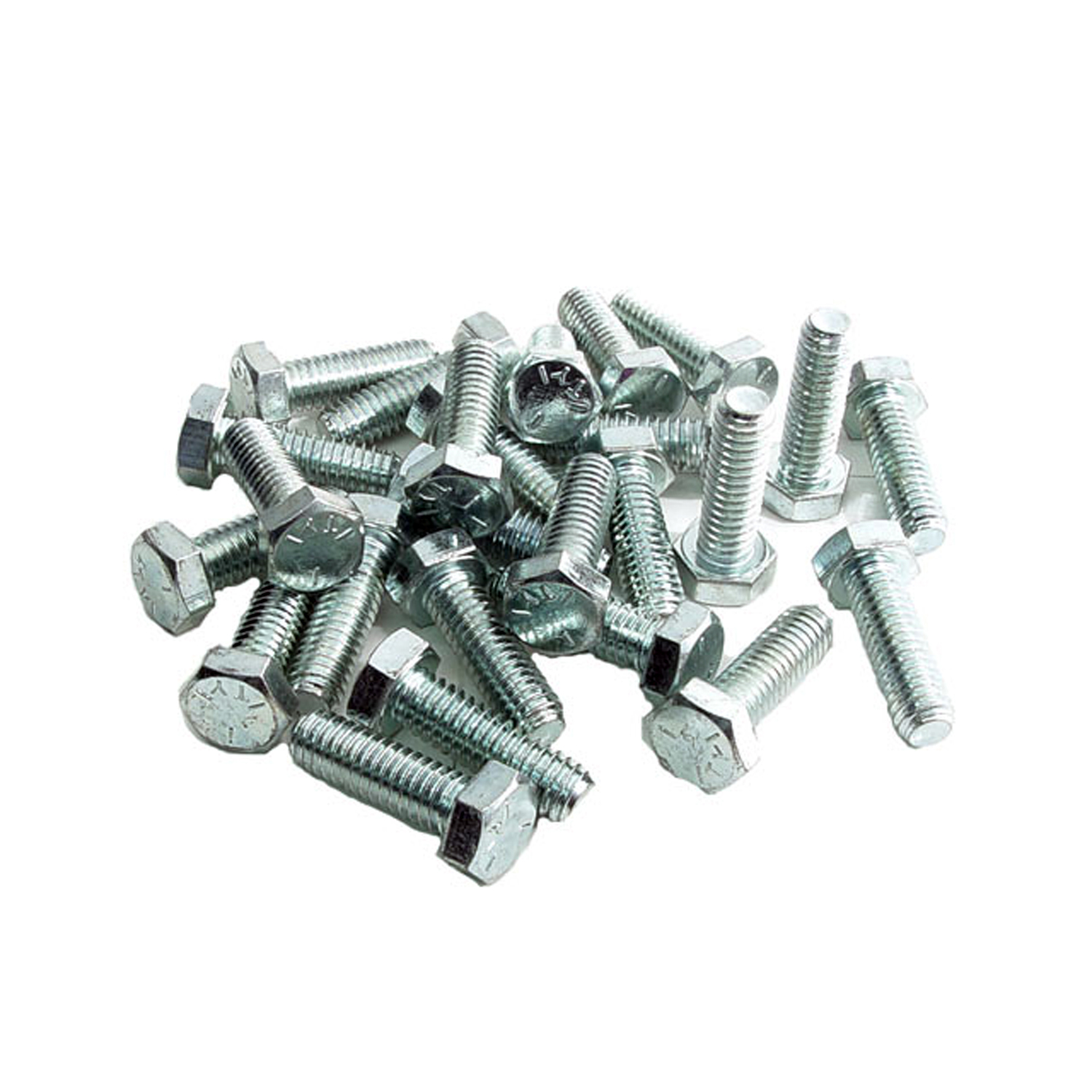 1932 Cadillac FISHER Fender Bolts. For use with Fender Bolt Washers; WF 3001-WF 3000Fender Bolts. For use with Fender Bolt Washers; WF 3001. Zinc Chromate plated, high strength. 1" X 5/16". Set of 25
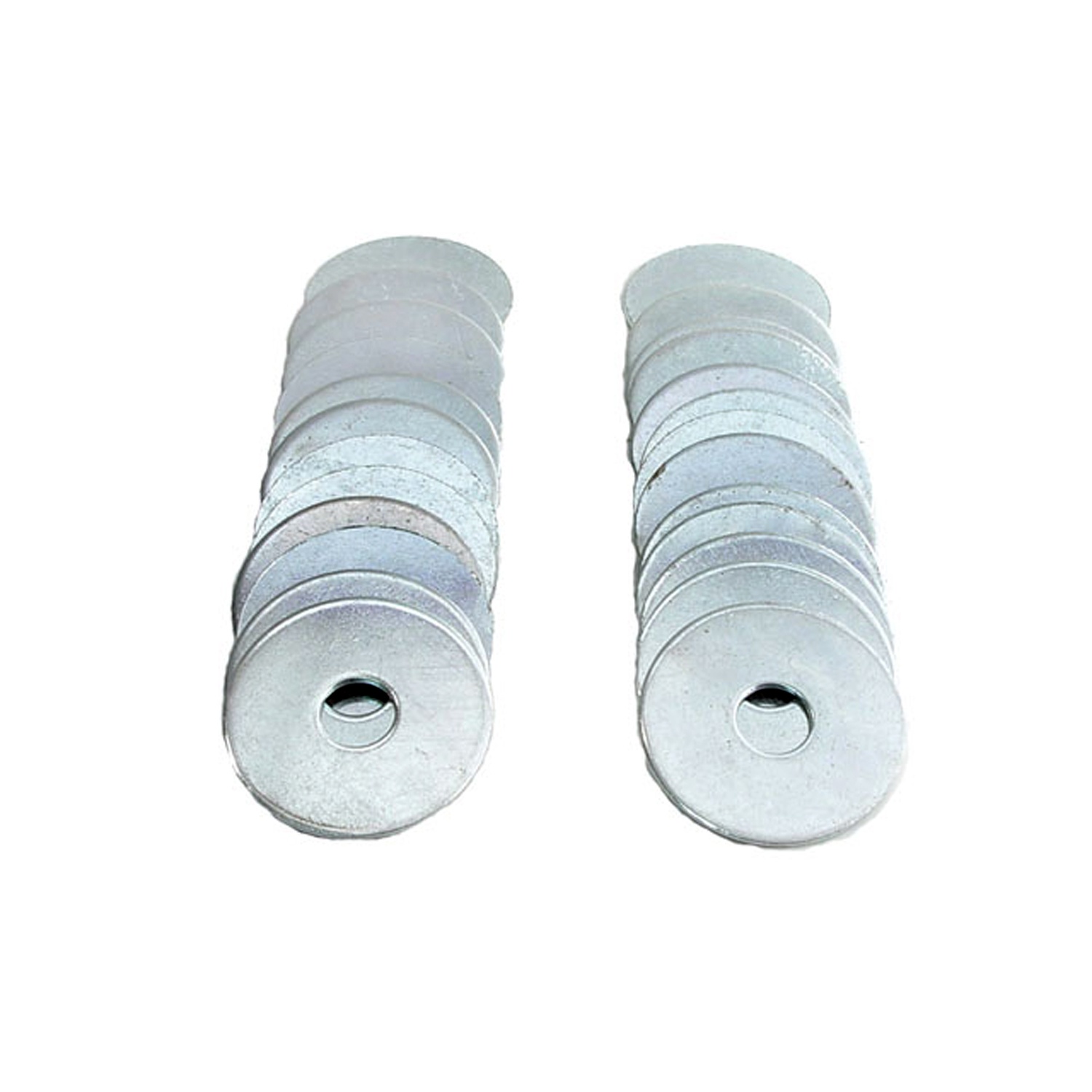 1932 Cadillac FISHER Fender Bolt Washers. For use with Fender Bolts; WF 3000-WF 3001Fender Bolt Washers. For use with Fender Bolts; WF 3000. High quality, cadmium plated. 1-1/4" O.D., 3/8" I.D. Set of 25
Why Choose Metro?
For over 100 years, Metro Moulded Parts has been the pinnacle of quality in classic car restoration parts. Our commitment to precision and authenticity in every component ensures a perfect fit and an OEM-level appearance.
- Expert Craftsmanship & Quality: Each part is a testament to our dedication to reliability and perfection, crafted from original designs and thoroughly tested.
- Advanced Technology: We use cutting-edge techniques to create flawless, long-lasting parts that surpass others in performance.
- SuperSoft Sponge – The Ultimate Door Seal: Not only are our door seals 30% softer than competitors', but they're also guaranteed to never leak. They effectively reduce wind and road noise, enhancing your classic car's comfort and driving experience.
- Proudly American: Our parts are a product of American craftsmanship, made in the USA with a spirit of excellence and heritage.
- Unrivaled Warranty: We back our products with a 30-year industry-leading warranty, a testament to our confidence in their quality.
Join us in preserving the legacy of classic cars with parts that are crafted for perfection, not just made.