
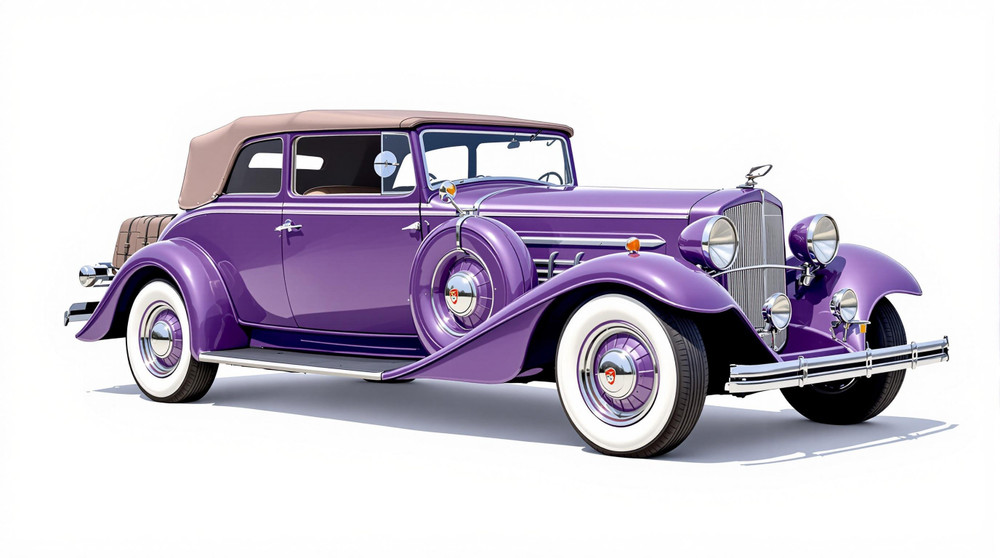
Image of 1932 Cadillac Fleetwood, Note: These illustrations use artistic license and may differ from actual historical models.
Performance Metrics
Fundamental Metrics
Emotional Appeal
MMP Rating
| Engine Specifications | |
|---|---|
| Engine: | V8, V12, V16 |
| Displacement: | 353-452 cubic inches |
| Horsepower: | 115-165 hp |
| Torque: | Estimated 280-320 lb-ft |
| Compression Ratio: | 5.35:1 |
| Ignition System: | Battery and coil |
| Cooling System: | Water-cooled |
| Performance Specifications | |
| 0-60 Time: | Estimated 20 seconds |
| 1/4 Mile Time: | Not available |
| Top Speed: | 85 mph |
| Transmission and Drive | |
| Drive Type: | Rear-wheel drive |
| Transmission Type: | 3-speed manual |
| Fuel and Efficiency | |
| Fuel System Type: | Carburetor |
| MPG: | Estimated 8-10 mpg |
| Dimensions and Brakes | |
| Brakes: | Mechanical drum brakes |
| Wheelbase: | 140-152 inches |
| Weight: | 5000-6000 lbs |
Note: Specifications for classic cars are given to the best of our ability, considering the limited and variant data available.
1932 Cadillac Fleetwood: A Coachbuilt Classic at the Height of Luxury
The 1932 Cadillac Fleetwood was less a single model than a statement of what American luxury could be: a powerful Cadillac chassis dressed in carefully crafted coachwork from Fleetwood. Built by Cadillac, a division of General Motors, these cars arrived during the Great Depression, when owning a grand touring car was an extraordinary display of wealth and confidence.
That distinction matters to collectors. A 1932 Fleetwood might have been built on a Cadillac V-8, V-12, or V-16 chassis, and its body style could range from a formal limousine to an elegant convertible. The combination of chassis, engine, body, and options makes each example its own story.
One especially intriguing detail is that the famous Fleetwood name began with an independent Pennsylvania coachbuilder. General Motors acquired the Fleetwood Metal Body Company in 1925, bringing its craftsmanship into Cadillac’s orbit. By 1932, Fleetwood coachwork helped make Cadillac’s most imposing cars feel like rolling private suites.
Fleetwood Styling and Craftsmanship
A 1932 Cadillac Fleetwood has the commanding proportions of a classic luxury car: a long hood, upright radiator grille, sweeping front fenders, and a tall passenger compartment set well back from the front axle. Large headlamps flank the grille, while a prominent mascot and bright trim add ceremony without overwhelming the design. Depending on the body, the roofline could be formal and squared-off or more flowing and open.
Fleetwood bodies were built with close attention to fit, finish, and detail. Buyers could expect fine upholstery, polished wood trim, quality carpeting, and carefully finished door panels. Formal sedans and limousines might include a glass division between the driver and rear passengers, along with rear-seat conveniences that made long journeys more comfortable. The exact materials and fittings varied by body style and customer specification, so not every Fleetwood interior was identical.
Color choices were broad for the period, particularly for customers ordering a highly personalized car. Dark blue, green, burgundy, black, and understated two-tone combinations all suited the car’s formal character. There was no single universally “correct” Fleetwood color. Original paint records and period sales literature are useful when assessing an individual car, especially if originality matters to a collector.
Body styles included sedans, limousines, coupes, convertible coupes, phaetons, and other formal or open touring designs. The limousine and large formal sedan are among the most recognizable Fleetwood expressions, while open cars such as phaetons and convertibles have a stronger sporting presence. Availability depended on the chassis series and the body catalogue, so the name Fleetwood alone does not identify one exact configuration.
Three Cadillac Chassis, One Fleetwood Name
The 1932 Cadillac range included three major engine families. The Series 355B used a 353-cubic-inch V-8, the Series 370B a 368-cubic-inch V-12, and the Series 452B a 452-cubic-inch V-16. Fleetwood bodies could be associated with different chassis and equipment combinations, although the largest and most elaborate bodies are especially closely linked in the public imagination with the V-12 and V-16 cars.
These engines were a major part of Cadillac’s appeal. The V-8 offered substantial power and smoothness for its day, while the V-12 and V-16 delivered exceptional refinement and prestige. Cadillac rated the 1932 V-16 at about 165 horsepower, an impressive figure for a luxury car of the era. The V-12 produced roughly 135 horsepower, while output for the V-8 was about 115 horsepower, depending on the exact specification and rating source.
Why the 1932 Fleetwood Mattered
Cadillac’s multi-cylinder cars showed how far luxury engineering had advanced before the Depression tightened household and business budgets. In an age when many cars still relied on relatively simple engines and equipment, Cadillac offered buyers a choice of smooth V-8, V-12, or V-16 power, paired with high-grade bodywork and a broad range of custom-style appointments.
The Fleetwood connection was just as significant as the engines. Rather than treating coachwork as an afterthought, Cadillac made body design and craftsmanship central to its identity. This helped establish the template for the American luxury car: a strong, refined chassis, a distinctive exterior, and an interior tailored to comfort and status.
That approach influenced Cadillac’s later prestige models and the wider luxury market. It also created a lasting challenge for modern historians: a “1932 Cadillac Fleetwood” can describe a family of cars rather than one standardized model. For buyers, that variety meant choice. For collectors, it means careful research is essential.
Performance on the Road
Period performance figures are not as uniform as modern test data, and body weight, gearing, engine type, and mechanical condition make a real difference. As a general guide, a V-8 Fleetwood might reach approximately 80 to 90 mph, with a leisurely 0-to-60-mph time in the range of roughly 25 to 30 seconds. A V-12 or V-16 car could be quicker, with top speeds commonly estimated around 90 mph or more in suitable configurations. A V-16 might manage 0 to 60 mph in about 20 seconds, though a heavy formal body could take longer.
Those numbers are best understood as estimates, not guarantees. These were substantial automobiles, often weighing several thousand pounds, and their purpose was smooth, effortless travel rather than quick acceleration. A healthy multi-cylinder engine would build speed quietly and steadily, making highway cruising feel far more relaxed than the raw figures suggest.
On a rough road, the long wheelbase and substantial chassis helped settle the ride, although modern drivers should not expect contemporary suspension control or braking. On winding roads, the car’s size and weight call for measured inputs. The steering is likely to feel slower and more physical than a modern car’s, and a tall, formal body can lean noticeably through corners.
The driving experience is part of the appeal. The engine’s sound is a deep, restrained mechanical murmur rather than a sharp performance-car bark. From behind the large steering wheel, the driver works with long controls, a broad view over the hood, and a deliberate pace. A well-sorted Fleetwood feels stately and composed, but it rewards a driver who plans ahead.
Living With a 1932 Cadillac
Today, a Fleetwood is most often used for shows, tours, historic motoring events, and carefully planned weekend drives. Some owners enjoy regular use in fair weather, but few treat these cars as everyday transportation. Their value, age, size, and specialized parts make routine commuting an impractical choice.
Maintenance is manageable for a skilled vintage-car owner, but it is not a casual project. The V-8 is generally the simplest of the three engine families to service. The V-12 and especially the V-16 demand more specialist knowledge, and major engine work can be expensive. Brakes, steering, cooling, electrical systems, and carburetion should all be inspected before regular driving. Parts support varies by component, and some body hardware or trim may need to be sourced through marque specialists or reproduced.
Reliability depends heavily on restoration quality and ongoing care. A car that has been stored for years may need far more than fresh fuel and a battery. Before buying, a prospective owner should arrange an inspection by someone familiar with prewar Cadillacs, verify the engine and chassis identity, and look closely for structural rust, poor repairs, and missing coachwork details.
Notable Details and Collector Trivia
Fleetwood was not simply a decorative badge. It represented a coachbuilding tradition that Cadillac used to distinguish its more carefully appointed cars. The name’s association with bespoke craftsmanship has lasted long enough that collectors still pay close attention to the body maker, body style, and original specification.
The 1932 model year also makes the car a snapshot of a difficult moment in American history. The Depression sharply reduced demand for expensive automobiles, and Cadillac’s ambitious multi-cylinder cars were being built for a very small market. The V-16 was technically remarkable, but its rarity today reflects the economic reality of the time as much as its engineering appeal.
There is no single verified production total for every car described as a “1932 Cadillac Fleetwood.” Cadillac’s production records are organized by series and body, and the Fleetwood name can refer to different body configurations across those series. A reasonable broad estimate is that around 1,500 to 2,500 1932 Cadillacs may have worn Fleetwood coachwork, but that should be treated as a best-effort estimate, not an official count. The surviving number is considerably smaller, particularly for unusual V-12 and V-16 configurations.
As for criticisms, the most common are practical ones: these cars are large, thirsty, expensive to restore, and not suited to modern traffic in the way a newer classic might be. Their brakes, lighting, and handling require an adjustment in driving habits. They are also highly condition-sensitive, since a beautiful restoration can conceal costly mechanical work if it was completed without proper attention to the chassis and drivetrain.
Collector Values and Market Outlook
Values vary widely with engine, body style, originality, restoration quality, and documentation. As a broad current-market guide, a project or incomplete car might fall around $40,000 to $100,000, while a sound driver or older restoration could be roughly $100,000 to $250,000. A high-quality, documented example may bring $250,000 to $500,000 or more. Exceptional V-16 cars and rare, beautifully restored coachbuilt examples can exceed that range substantially, sometimes reaching well into seven figures at the top end of the market.
These are guide ranges rather than fixed prices. A common-bodied V-8 sedan and a rare V-16 convertible are not directly comparable, even if both are described as 1932 Fleetwoods. Buyers should also factor in the cost of recommissioning, transport, storage, insurance, and specialist maintenance.
The market for top-tier prewar Cadillacs is generally supported by their engineering, design, and historical importance, but price movement is uneven. Outstanding, well-documented cars tend to remain the most desirable, while projects can be difficult to sell because restoration costs are high. In other words, condition and provenance often matter more than broad market trends.
A Cadillac Built to Make an Entrance
The 1932 Cadillac Fleetwood combined Cadillac’s advanced V-8, V-12, and V-16 engineering with coachwork created for comfort, presence, and individuality. Its long hood and formal proportions make it instantly recognizable, while the variety of chassis and bodies gives each surviving example a distinct character. More than a grand old car, it is a reminder of how boldly Cadillac pursued luxury at a moment when the world could least afford extravagance.
1932 Cadillac Fleetwood Catalog of Parts
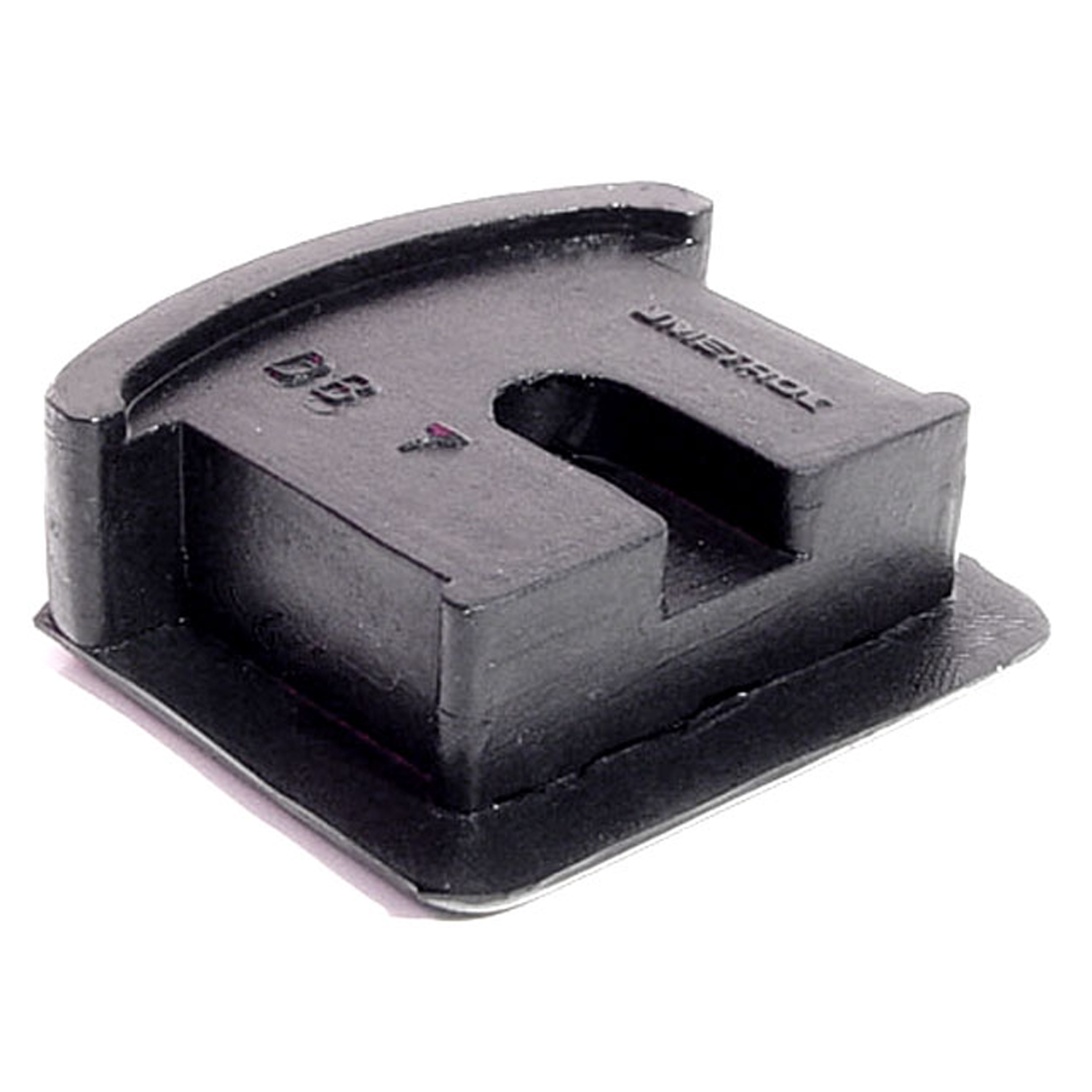 1932 Cadillac Fleetwood Door Bumper. 1-7/16" high X 1-9/16" wide X 9/16" thick-DB 7Door Bumper. 1-7/16" high X 1-9/16" wide X 9/16" thick. Each
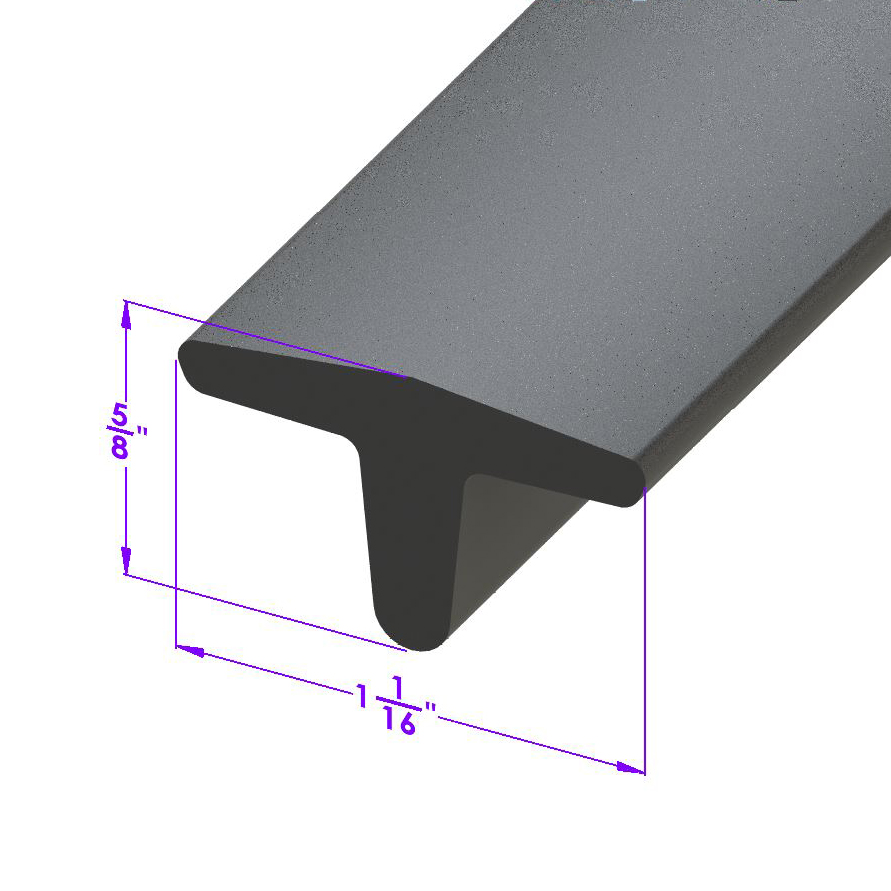 1932 Cadillac Fleetwood Side window seal. Dense rubber. No metal core. 1 in-LP 95-ASide window seal. Dense rubber. No metal core. 1 in. W x 5/8 in. H. Per foot.
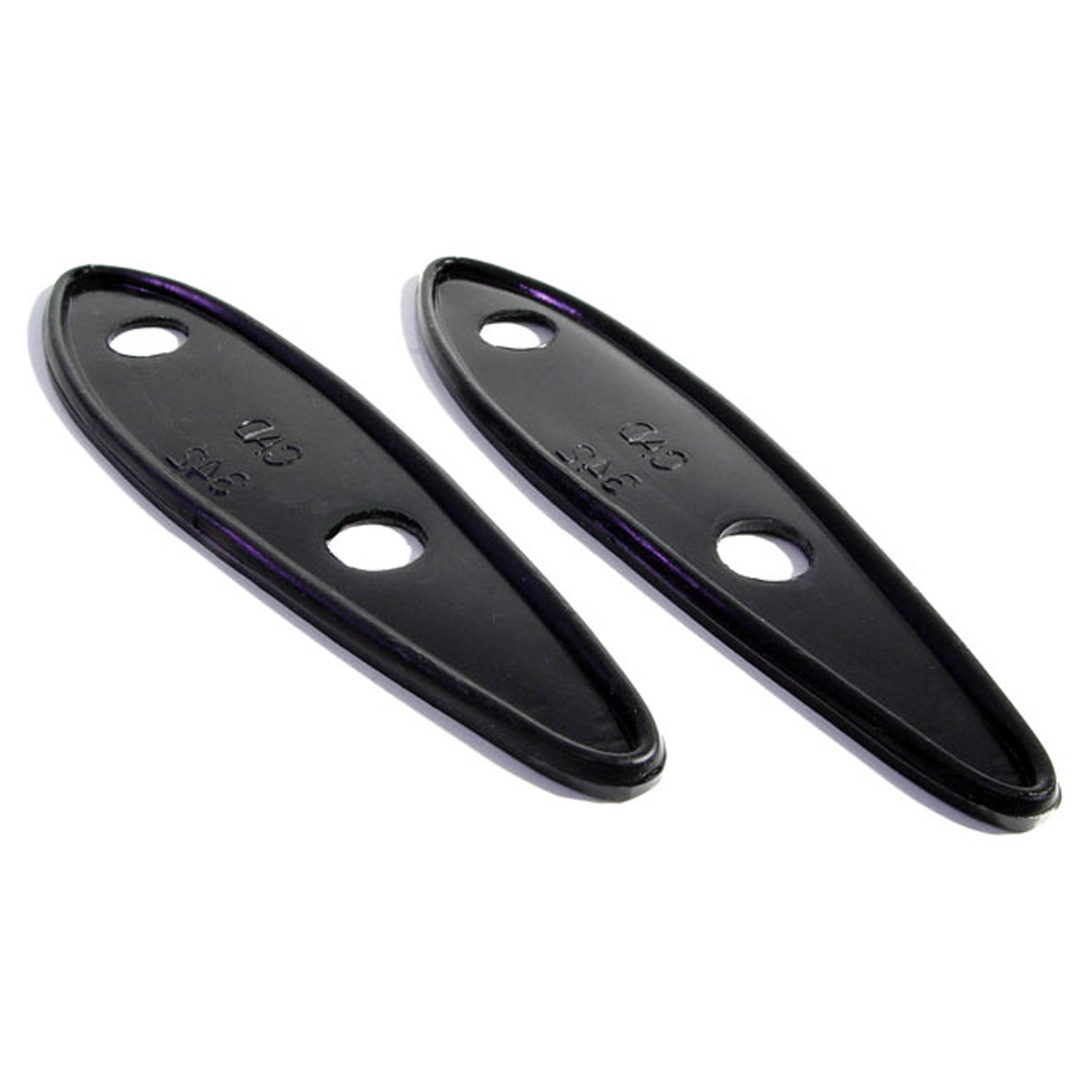 1932 Cadillac Fleetwood Front Park Light Pads. 1-1/2" wide X 5-1/2" long. Pair-MP 342Front Park Light Pads. 1-1/2" wide X 5-1/2" long. Pair
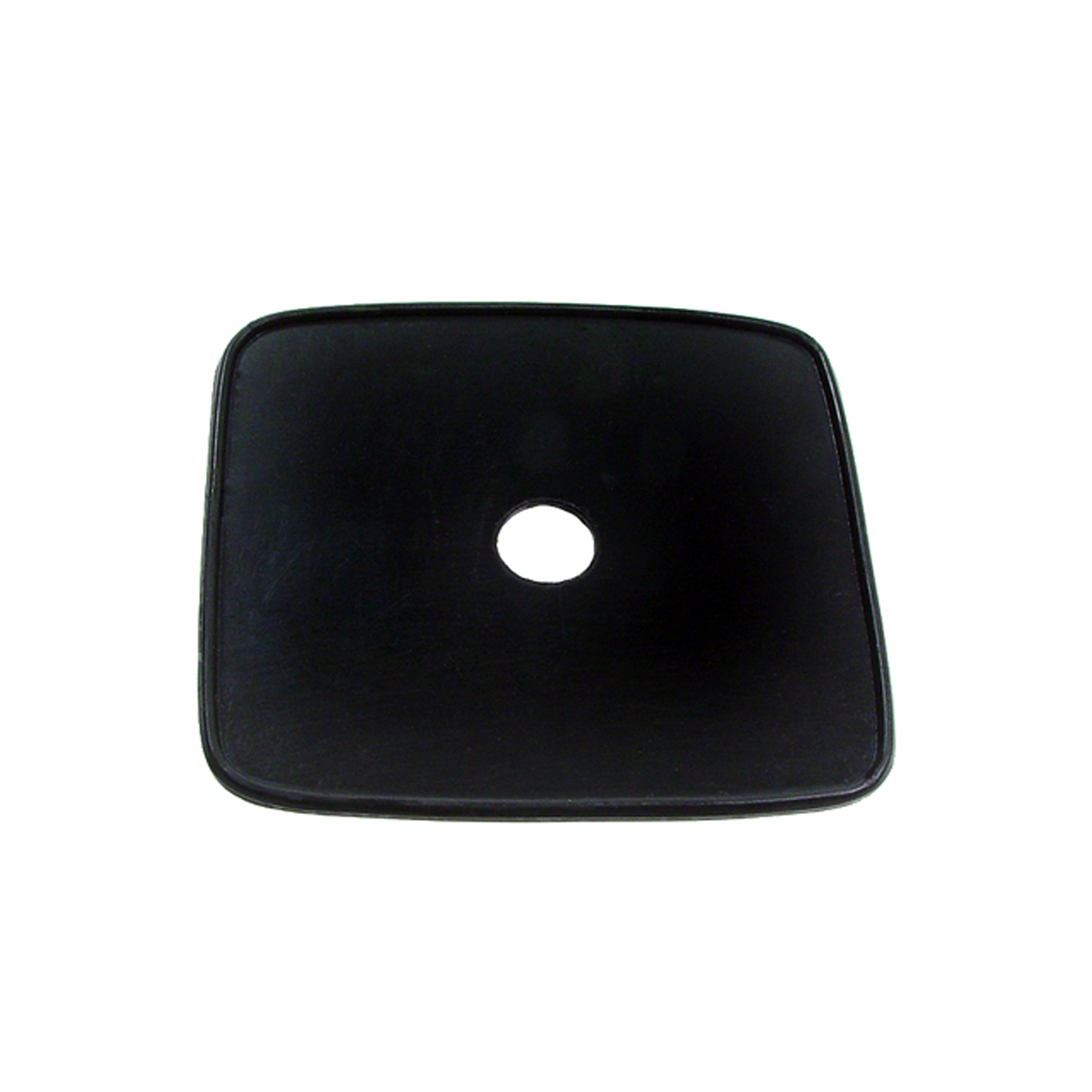 1932 Cadillac Fleetwood Rumble Seat Step Plate Bracket Pad. 5" wide X 4-1/2" long-MP 342-DRumble Seat Step Plate Bracket Pad. 5" wide X 4-1/2" long. Each
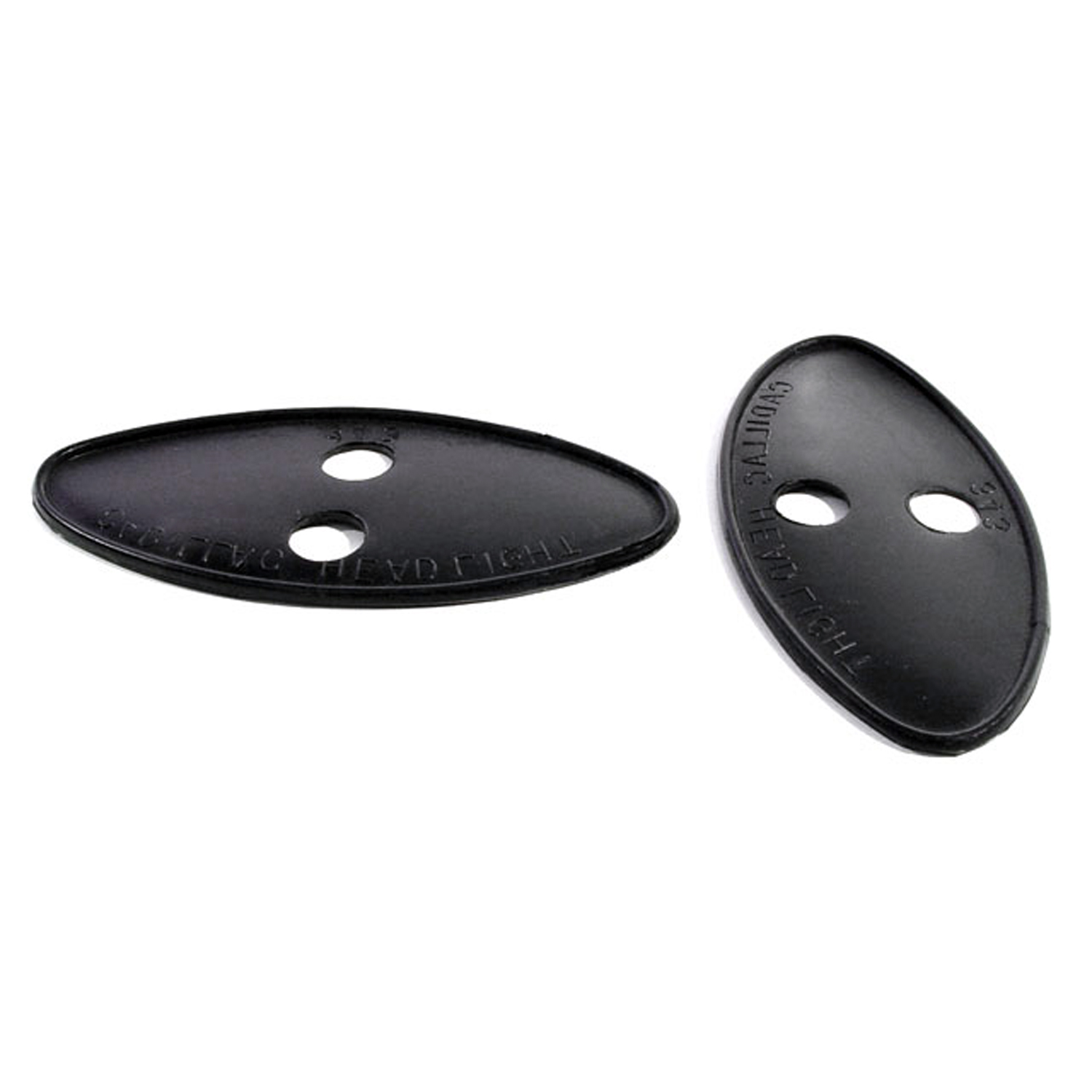 1932 Cadillac Fleetwood Headlight Base Pads. 2-1/2" wide X 5-1/8" long. Pair-MP 343Headlight Base Pads. 2-1/2" wide X 5-1/8" long. Pair
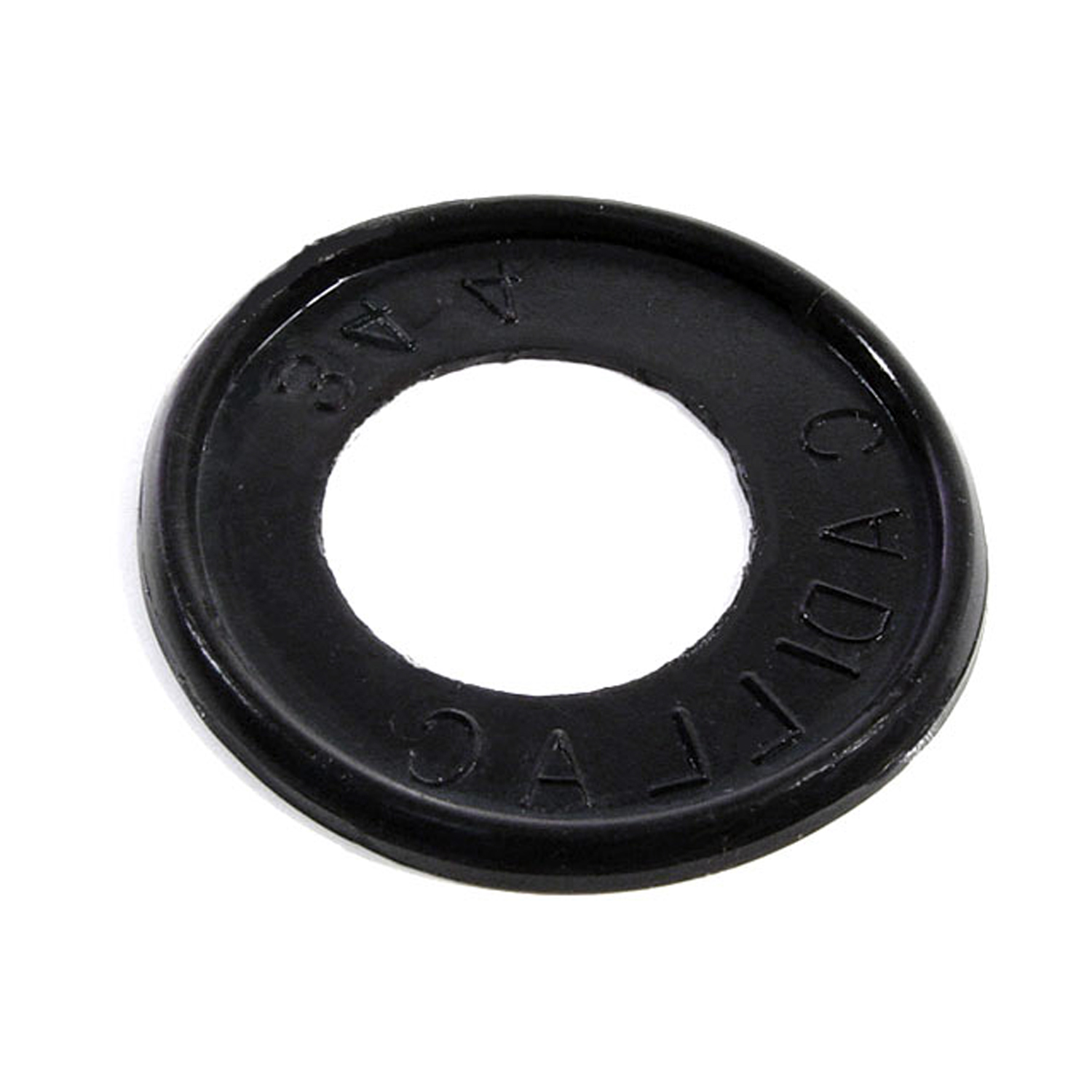 1932 Cadillac Fleetwood Trunk Lock Pad. 2-1/8" O.D. Each -MP 344Trunk Lock Pad. 2-1/8" O.D. Each
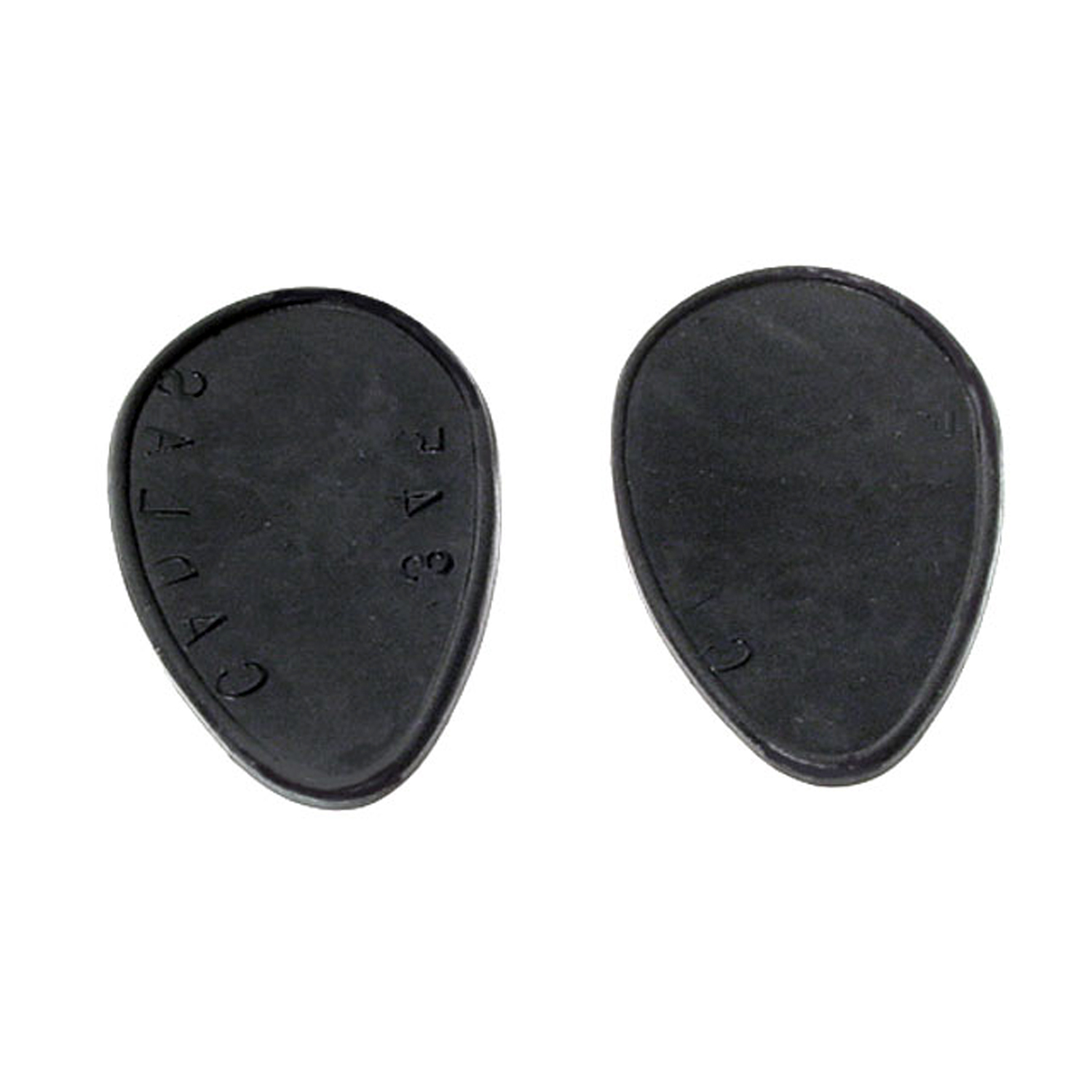 1932 Cadillac Fleetwood Rear Park Light Pads. 1-3/4" wide X 2-3/4" long. Pair-MP 345Rear Park Light Pads. 1-3/4" wide X 2-3/4" long. Pair
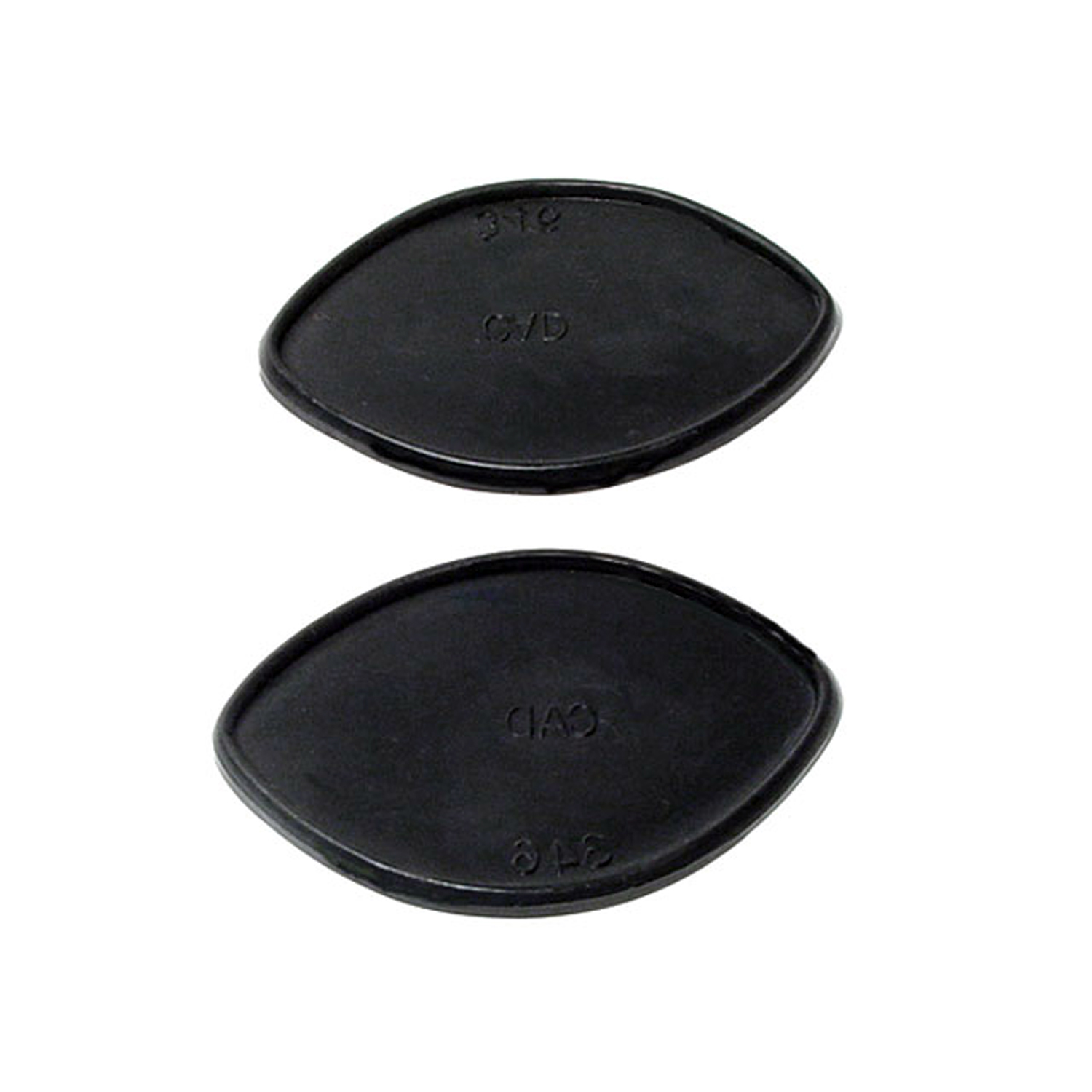 1932 Cadillac Fleetwood Headlight Bar Pads. 2-3/8" wide X 3-1/2" long. Pair-MP 346Headlight Bar Pads. 2-3/8" wide X 3-1/2" long. Pair
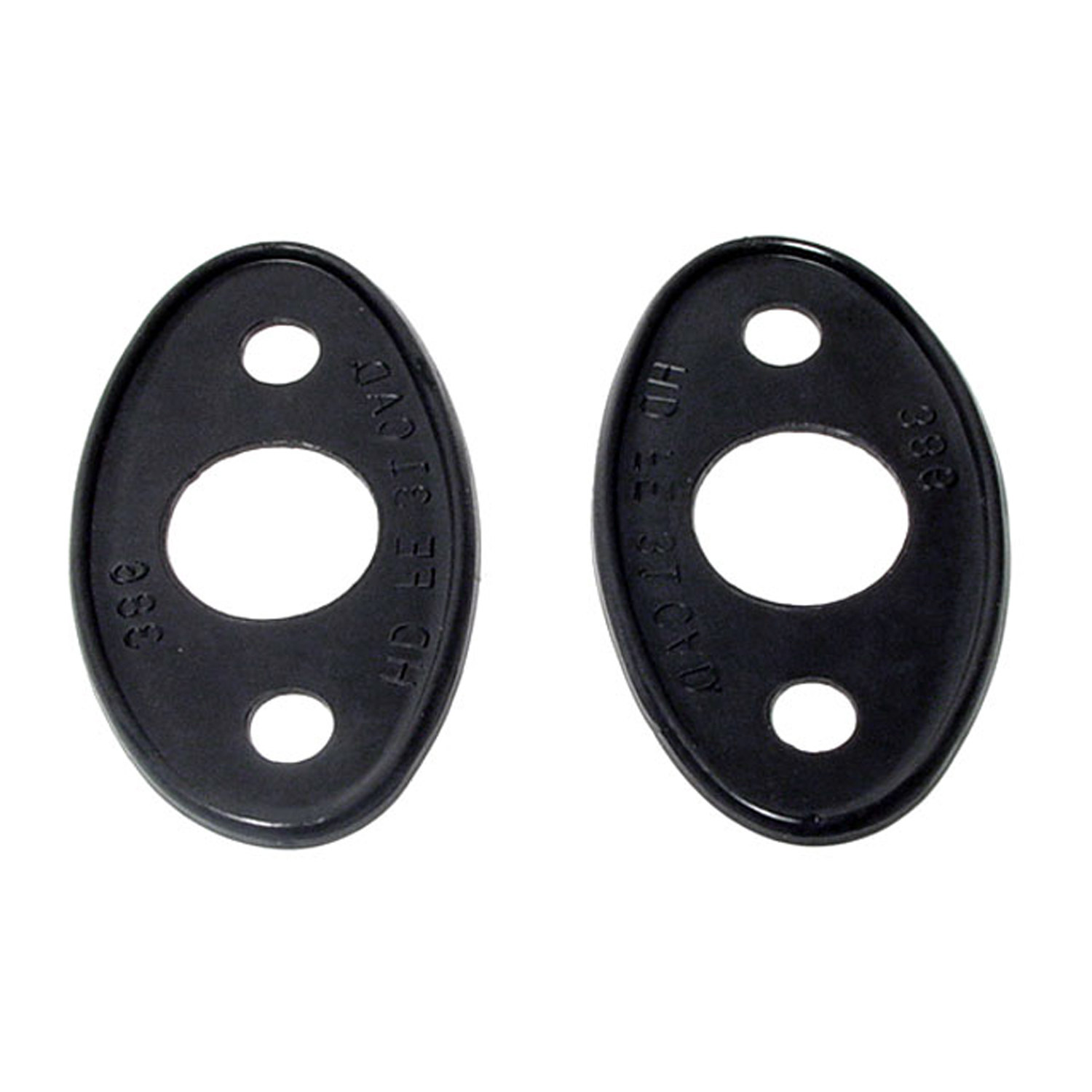 1932 Cadillac Fleetwood Tail-Light Pads. 2-3/8" wide X 5-7/8" long. Pair-MP 347Tail-Light Pads. 2-3/8" wide X 5-7/8" long. Pair
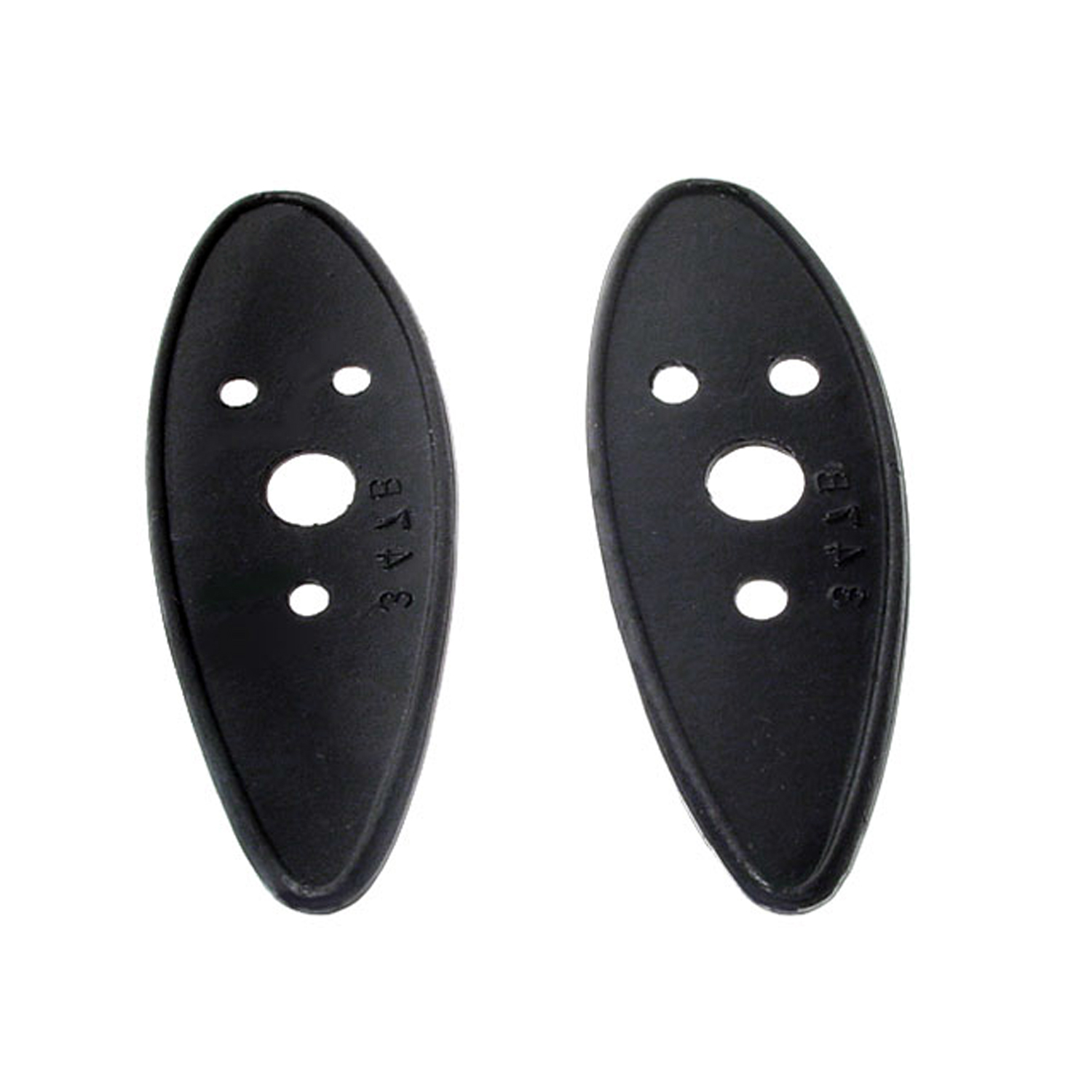 1932 Cadillac Fleetwood Tail-Light Pads. 2-1/8" wide X 5-3/4" long. Pair-MP 347-BTail-Light Pads. 2-1/8" wide X 5-3/4" long. Pair
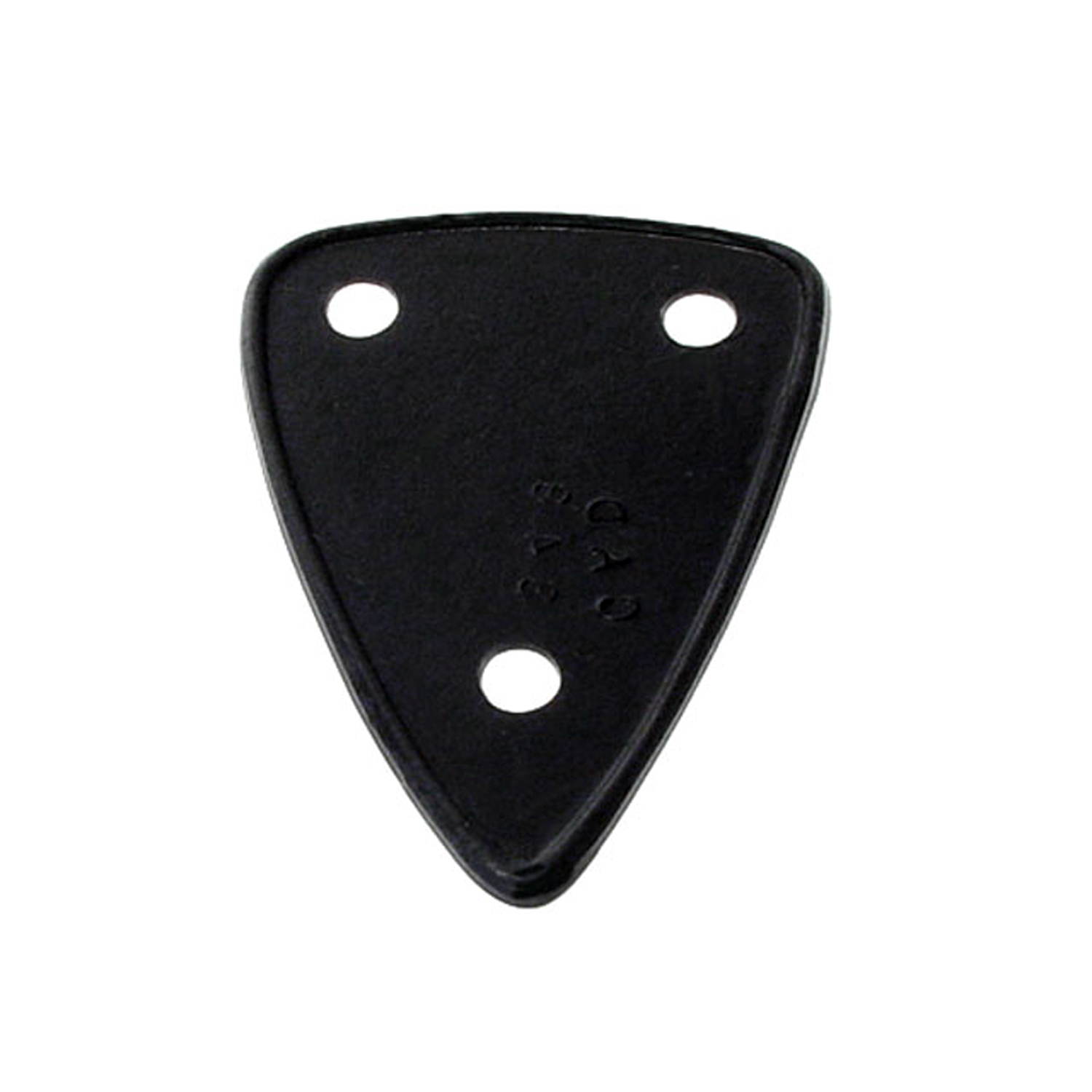 1932 Cadillac Fleetwood Rumble Seat Step Plate Bracket Pad. Each -MP 348Rumble Seat Step Plate Bracket Pad. Each
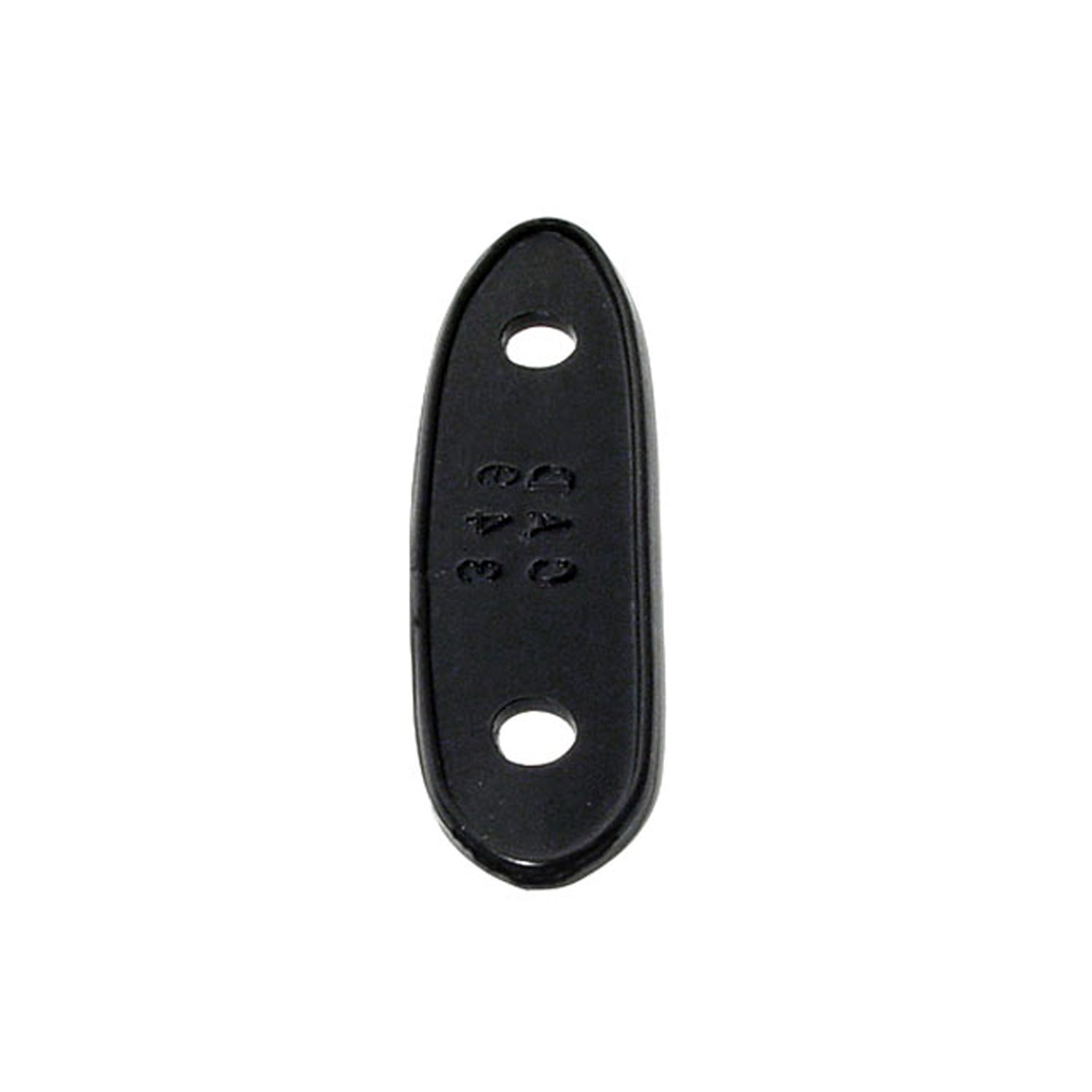 1932 Cadillac Fleetwood Luggage Rack Pad. 1-1/4" wide X 4-1/2" long. Each-MP 349Luggage Rack Pad. 1-1/4" wide X 4-1/2" long. Each
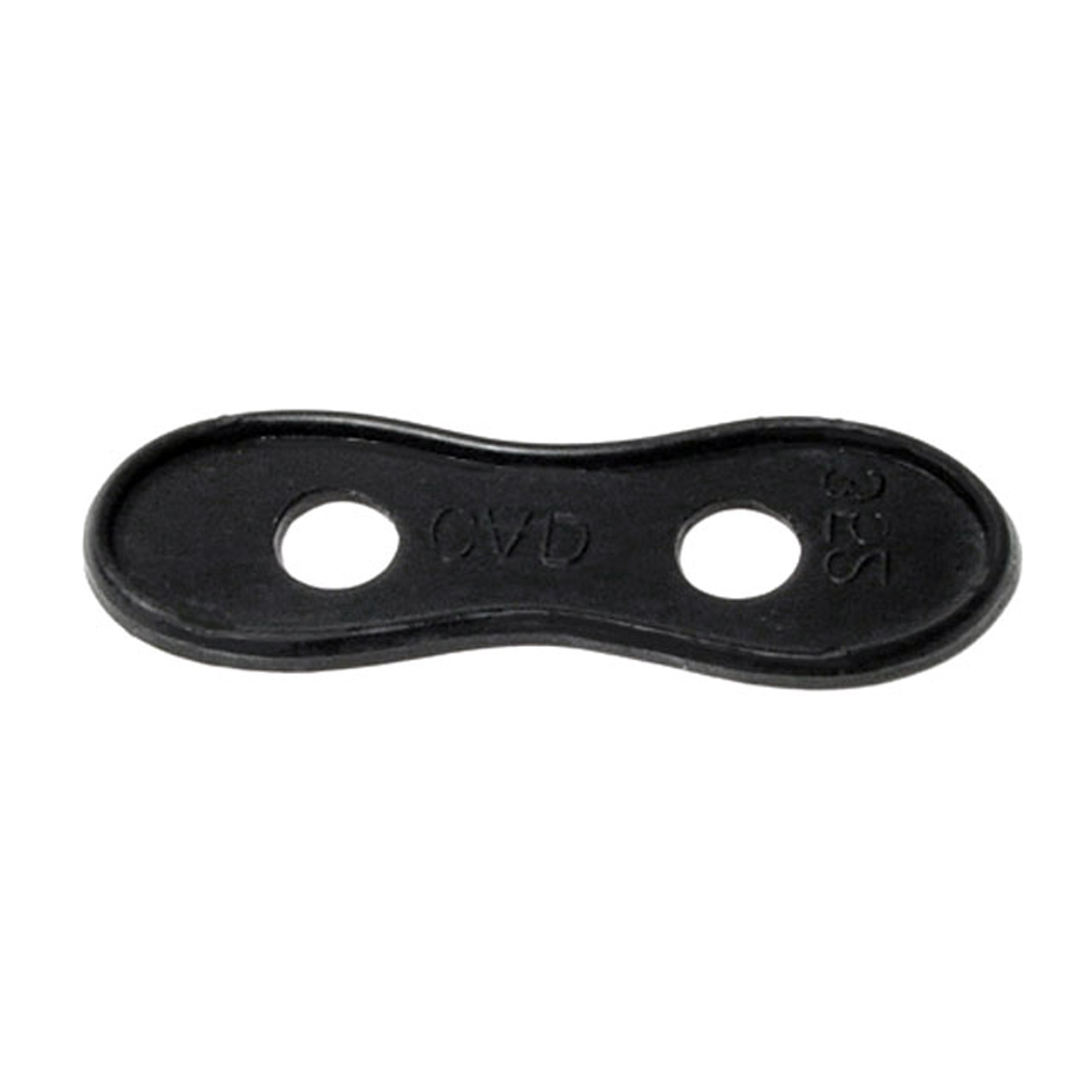 1932 Cadillac Fleetwood Hood Latch Pad. 1-1/8" wide X 3" long. Each-MP 352Hood Latch Pad. 1-1/8" wide X 3" long. Each
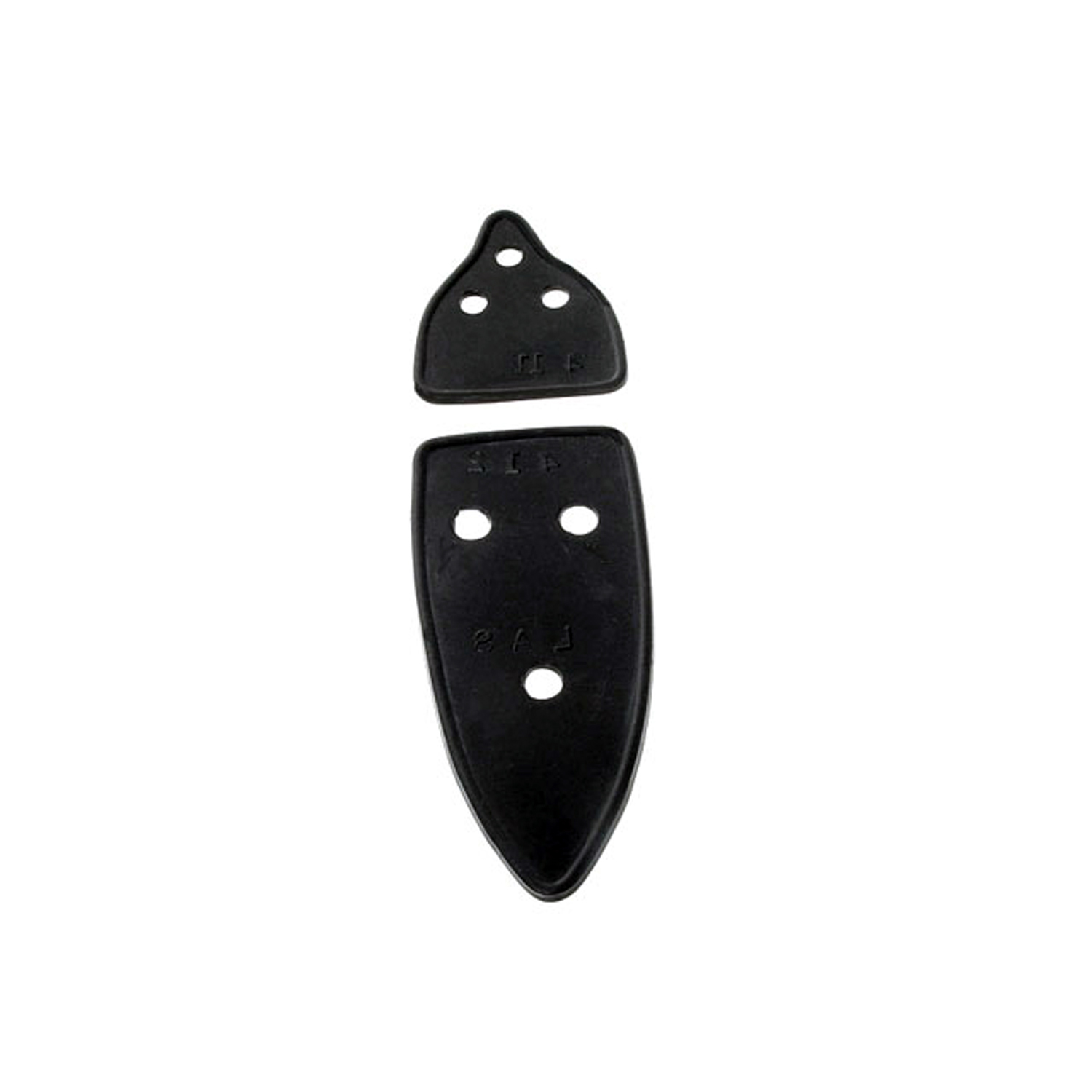 1932 Cadillac Fleetwood Trunk Clasp Pads. 2" wide X 6-7/8" long. Set-MP 411-412Trunk Clasp Pads. 2" wide X 6-7/8" long. Set
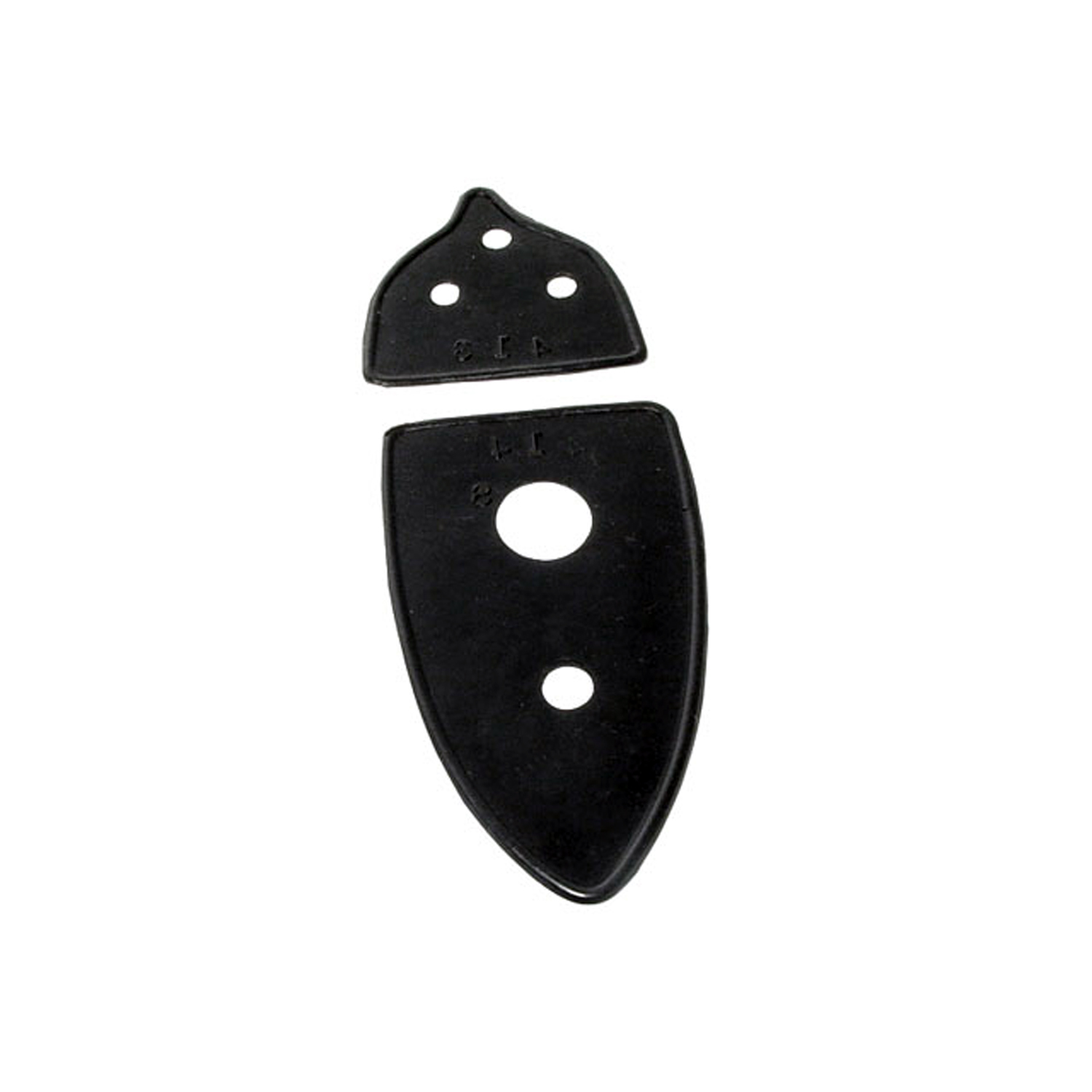 1932 Cadillac Fleetwood Trunk Clasp Pads. 2-1/2" wide X 6-7/8" long. Set-MP 413-414Trunk Clasp Pads. 2-1/2" wide X 6-7/8" long. Set
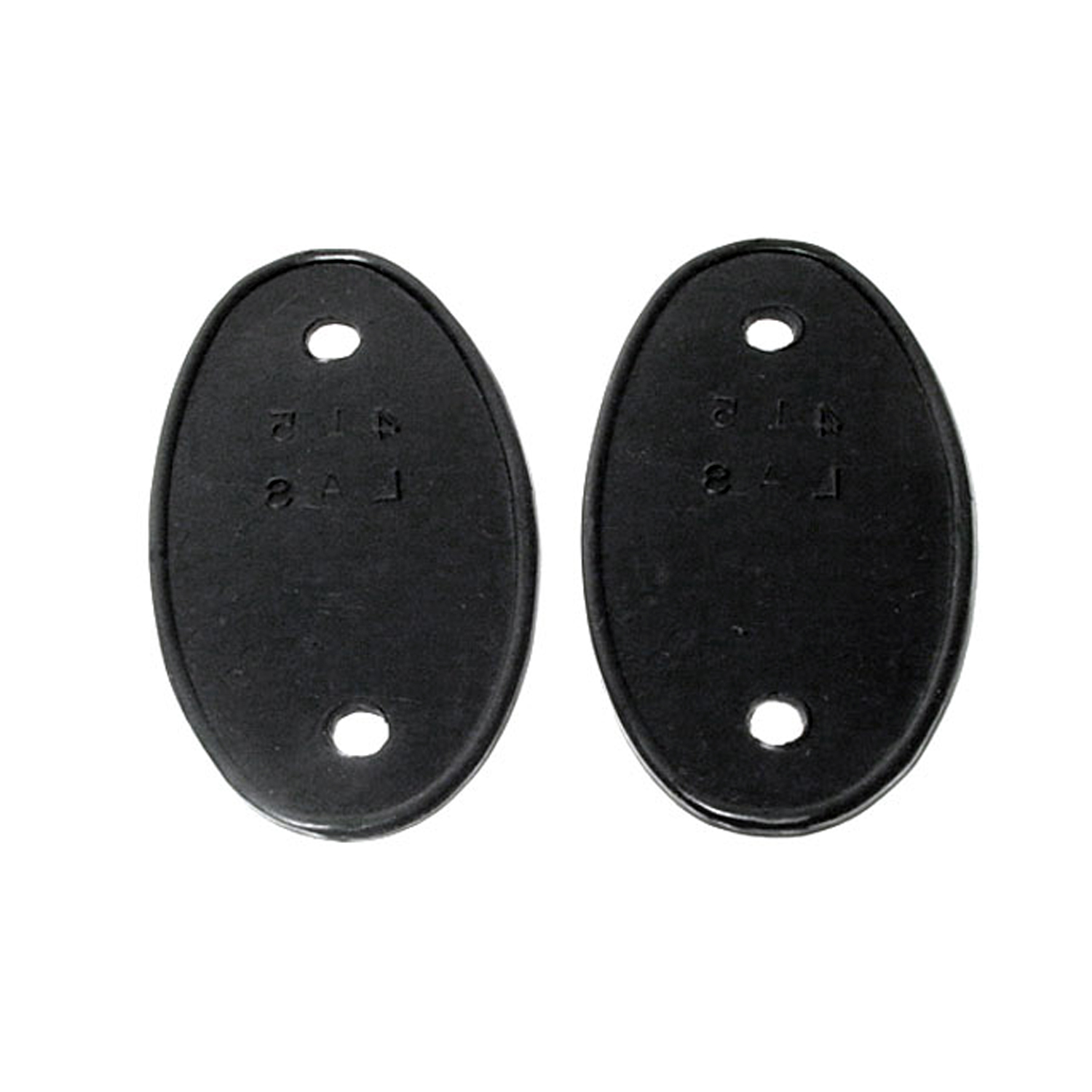 1932 Cadillac Fleetwood Headlight Bracket Pads. 2-3/8" wide X 4-1/4" long. Pair-MP 415Headlight Bracket Pads. 2-3/8" wide X 4-1/4" long. Pair
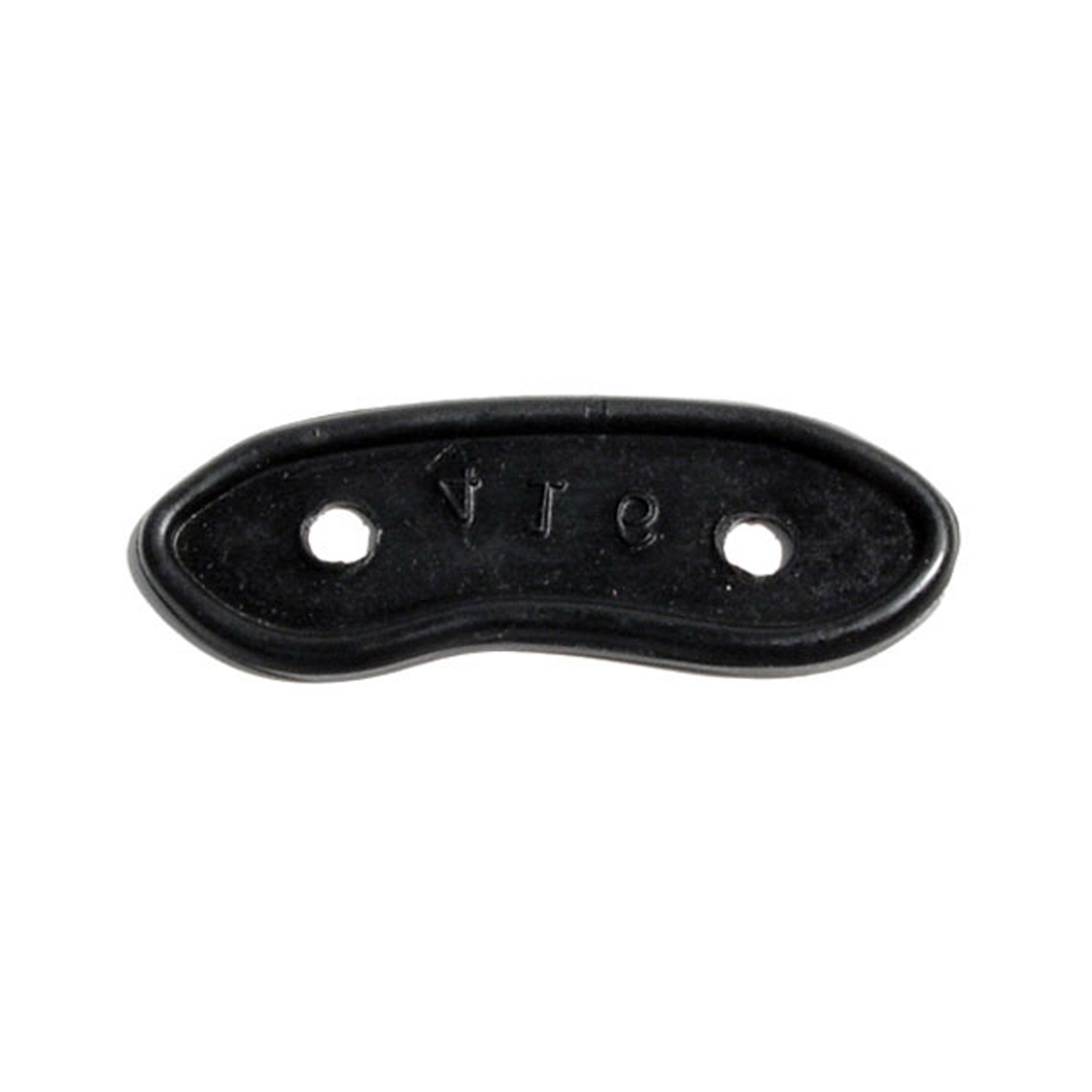 1932 Cadillac Fleetwood Hood Latch Pad. 1-1/8" wide X 3-1/8" long. Each-MP 416Hood Latch Pad. 1-1/8" wide X 3-1/8" long. Each
 1932 Cadillac Fleetwood Door Handle Ferrule Grommet. I.D. 11/16", O.D. 1-3/16"-MP 546-IDoor Handle Ferrule Grommet. I.D. 11/16", O.D. 1-3/16". Each
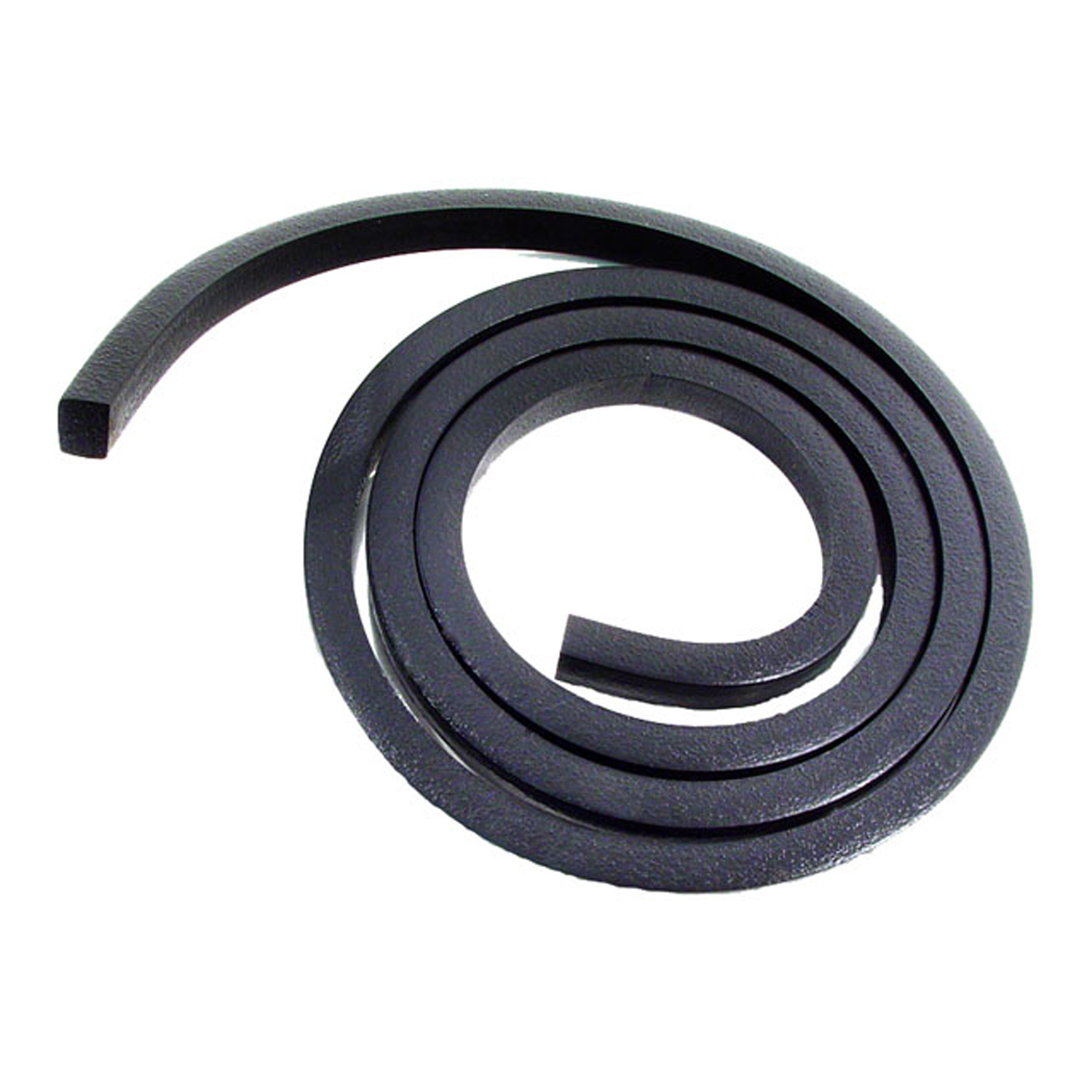 1932 Cadillac Fleetwood Cowl Vent Seal-RP 100-CCowl Vent Seal. 47" long piece of black, skin-covered sponge. End is 3/8" wide X 5/16" high. Each
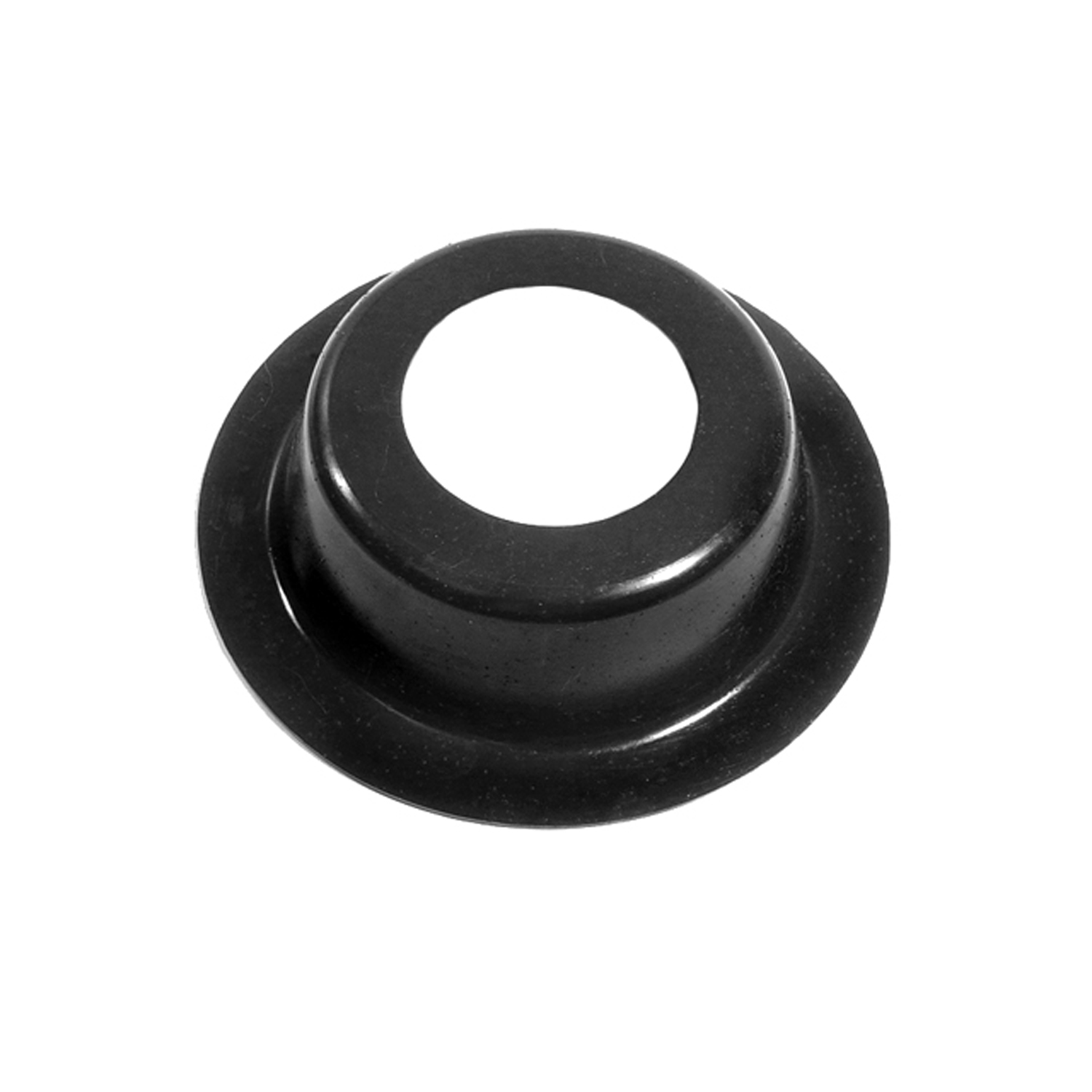 1932 Cadillac Fleetwood Booster Brake Diaphragm. 7-1/2" O.D., 3" I.D., 1-7/8" deep-RP 32Booster Brake Diaphragm. 7-1/2" O.D., 3" I.D., 1-7/8" deep. Each
 1932 Cadillac Fleetwood Door Bumper. 1" diameter X 1/4" thick Each-SB 60Door Bumper. 1" diameter X 1/4" thick Each
 1932 Cadillac Fleetwood Flexible Rubber Window Channel-WC 32-14Flexible Rubber Window Channel. For Fisher Closed Bodies, except those using a stainless bead type. Used on side windows. 13/16" outer width X 6/16" outer depth, with a 5/16" inner channel width X 14" long. Each
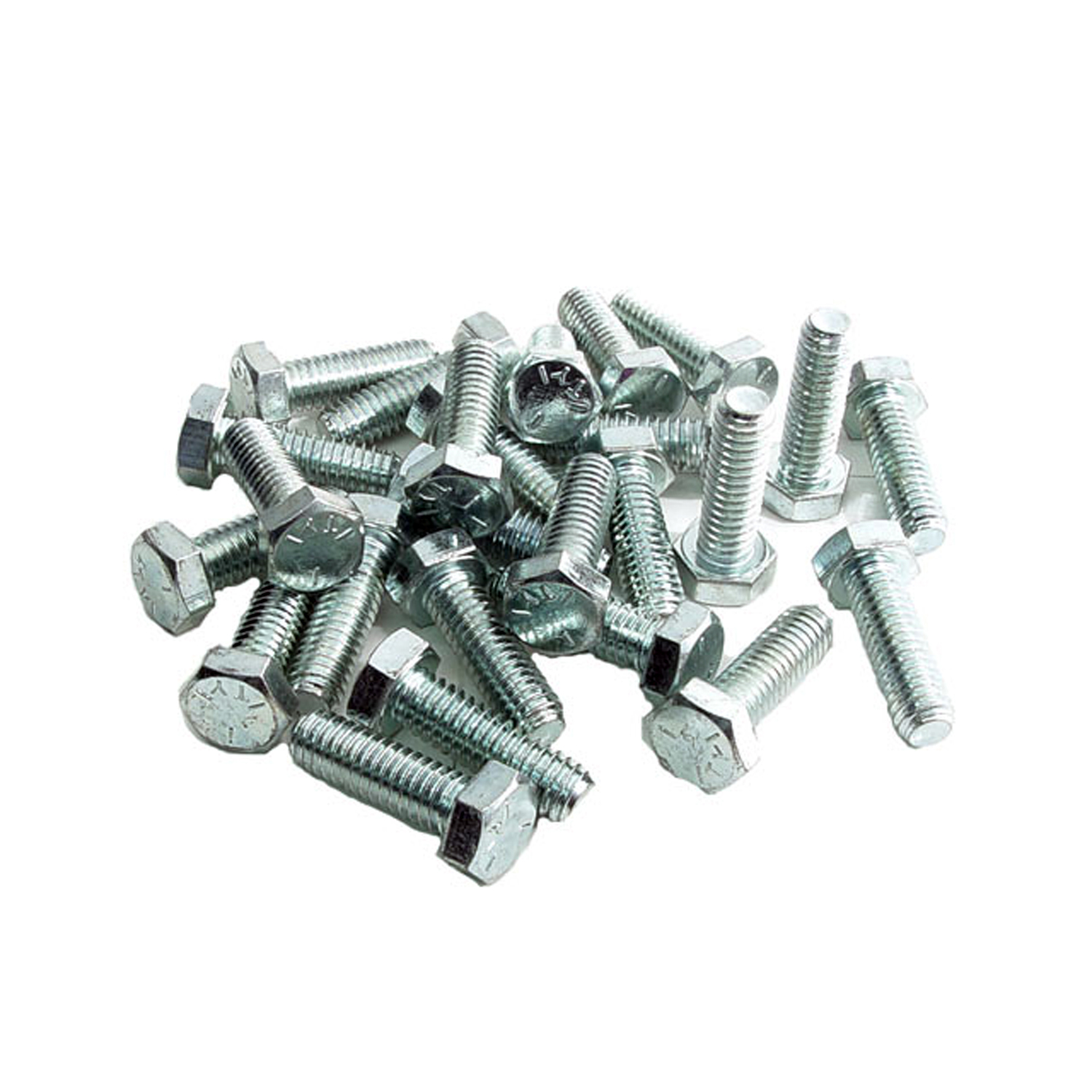 1932 Cadillac Fleetwood Fender Bolts. For use with Fender Bolt Washers; WF 3001-WF 3000Fender Bolts. For use with Fender Bolt Washers; WF 3001. Zinc Chromate plated, high strength. 1" X 5/16". Set of 25
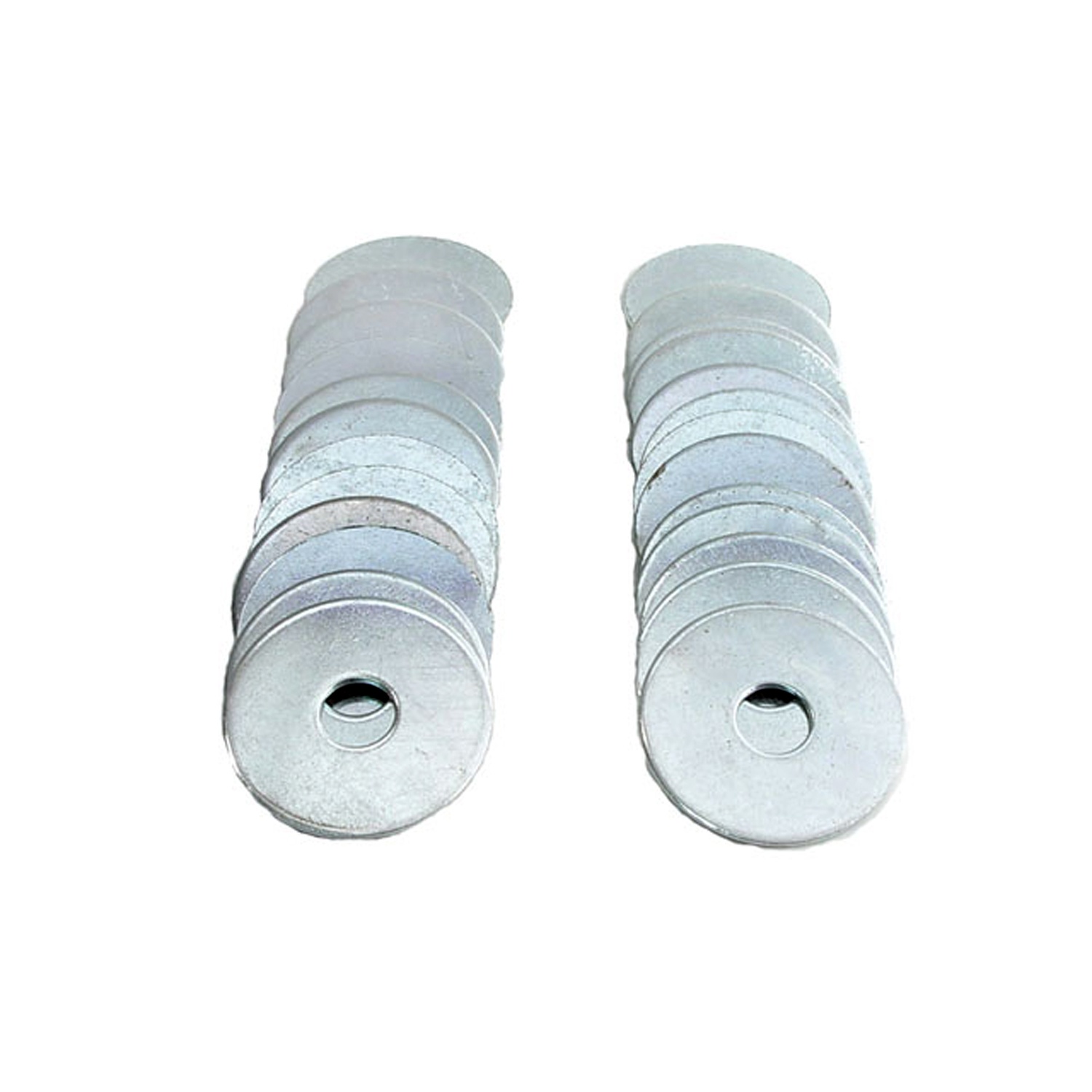 1932 Cadillac Fleetwood Fender Bolt Washers. For use with Fender Bolts; WF 3000-WF 3001Fender Bolt Washers. For use with Fender Bolts; WF 3000. High quality, cadmium plated. 1-1/4" O.D., 3/8" I.D. Set of 25
Why Choose Metro?
For over 100 years, Metro Moulded Parts has been the pinnacle of quality in classic car restoration parts. Our commitment to precision and authenticity in every component ensures a perfect fit and an OEM-level appearance.
- Expert Craftsmanship & Quality: Each part is a testament to our dedication to reliability and perfection, crafted from original designs and thoroughly tested.
- Advanced Technology: We use cutting-edge techniques to create flawless, long-lasting parts that surpass others in performance.
- SuperSoft Sponge – The Ultimate Door Seal: Not only are our door seals 30% softer than competitors', but they're also guaranteed to never leak. They effectively reduce wind and road noise, enhancing your classic car's comfort and driving experience.
- Proudly American: Our parts are a product of American craftsmanship, made in the USA with a spirit of excellence and heritage.
- Unrivaled Warranty: We back our products with a 30-year industry-leading warranty, a testament to our confidence in their quality.
Join us in preserving the legacy of classic cars with parts that are crafted for perfection, not just made.