
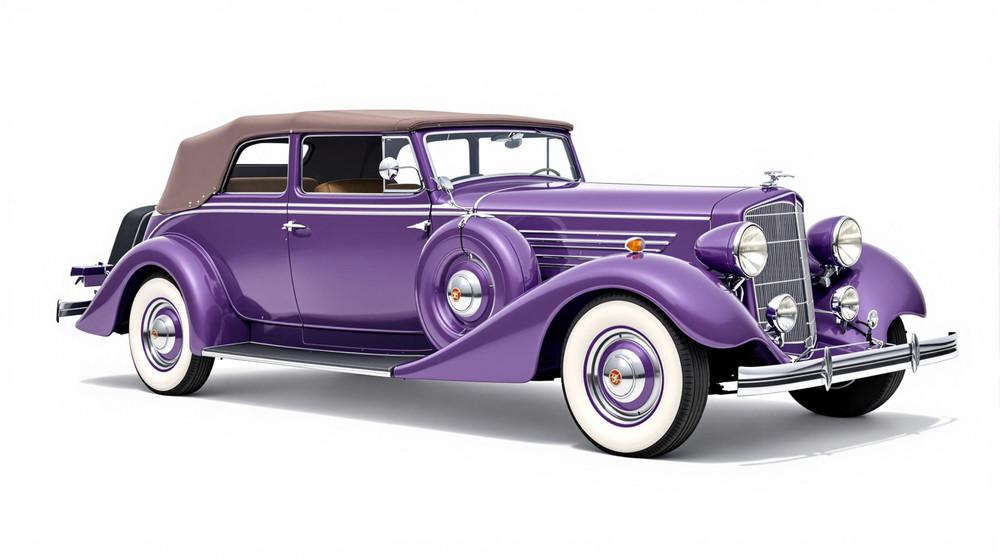
Image of 1934 Cadillac Series 30 Fleetwood, Note: These illustrations use artistic license and may differ from actual historical models.
Performance Metrics
Fundamental Metrics
Emotional Appeal
MMP Rating
| Engine Specifications | |
|---|---|
| Engine: | V8 |
| Displacement: | 353 cubic inches |
| Horsepower: | Estimated 115-130 HP |
| Torque: | 283 lb-ft |
| Compression Ratio: | Estimated 6.25:1 |
| Ignition System: | Battery and coil |
| Cooling System: | Liquid-cooled |
| Performance Specifications | |
| 0-60 Time: | Information not available |
| 1/4 Mile Time: | Information not available |
| Top Speed: | Estimated 85 mph |
| Transmission and Drive | |
| Drive Type: | Rear-wheel drive |
| Transmission Type: | 3-speed manual |
| Fuel and Efficiency | |
| Fuel System Type: | Carburetor |
| MPG: | Information not available |
| Dimensions and Brakes | |
| Brakes: | Mechanical drum brakes |
| Wheelbase: | 146 inches |
| Weight: | Estimated 5,300 lbs |
Note: Specifications for classic cars are given to the best of our ability, considering the limited and variant data available.
1934 Cadillac Series 30 Fleetwood: A Depression-Era American Classic
The 1934 Cadillac Fleetwood made luxury look purposeful: a tall, V-shaped grille, long sculpted fenders, and hand-finished coachwork turned a full-size automobile into a moving statement of craftsmanship. Built by Cadillac, General Motors’ prestige marque, it arrived during the Great Depression, when producing a car of this scale and refinement was itself a declaration of confidence.
The name can be confusing to modern enthusiasts. The car is often referred to as a Series 30 Fleetwood, while Cadillac’s 1934 V-8 range is also commonly identified in model histories as the Series 355D. The central mechanical fact is clear: these Cadillacs used a large 353-cubic-inch side-valve V8. Fleetwood, meanwhile, signified the upscale bodywork associated with Cadillac’s custom-coachbuilding tradition.
One detail that makes the 1934 model especially interesting is its adoption of independent front suspension, a significant step forward for a large American luxury car. It helped the Cadillac deliver a more composed ride than the solid-front-axle designs still common among many contemporaries.
Fleetwood Styling and Coachbuilt Presence
The 1934 Cadillac’s shape is formal without being plain. Its upright grille and pronounced hood create a strong front profile, while sweeping front fenders flow back toward the running boards. A long hood, broad body, and carefully shaped rear fenders give the car the imposing proportions expected of a flagship. Fine brightwork and wheel covers add polish without distracting from the car’s substantial lines.
Fleetwood bodies were prized for their finish and detail. Depending on the body style, buyers could choose a more intimate coupe, a roomy sedan, or a formal passenger compartment suited to chauffeur use. The cabin emphasized comfort and craftsmanship, with generous upholstery, wood or wood-grain trim, quality carpeting, and well-finished metal fittings. Exact materials and trim varied by body and specification, but Fleetwood’s reputation rested on a level of presentation above ordinary mass-market cars.
Factory color availability depended on the body and year’s paint selections, and surviving cars have sometimes been repainted. Period-appropriate choices included restrained dark shades such as black, deep blue, maroon, and green, often paired with contrasting trim or a two-tone treatment. Black remains a popular restoration choice because it suits the car’s formal character, though a correctly documented original color can be especially appealing to collectors.
Cadillac offered a range of closed and open body configurations across its 1934 lineup, with Fleetwood coachwork associated with particularly well-appointed versions. Four-door sedans were practical and dignified; coupes offered a more personal look; and open bodies, where available, added glamour and are often the most eye-catching today. The exact body-style names and availability varied by series and catalog, so buyers researching a particular car should verify its original body tag and factory records rather than relying on a general model description.
Engineering Ahead of the Curve
At the heart of the car was Cadillac’s 353-cubic-inch, L-head V8, rated at approximately 135 horsepower. It was paired with a three-speed manual transmission. Cadillac had introduced synchromesh in the late 1920s, making gear changes more manageable than in many earlier cars, though driving a prewar luxury automobile still calls for deliberate, unhurried inputs.
The independent front suspension was a major innovation for the period. Rather than allowing the front wheels to move as one rigid unit over uneven pavement, the arrangement let each wheel respond more independently. The result was improved ride comfort and better control over rough surfaces. The Cadillac also had four-wheel mechanical brakes, which require more pedal effort and anticipation than modern hydraulic systems.
These features mattered because Cadillac was competing in a market where buyers expected quietness, comfort, and engineering prestige, not just a large engine. The combination of a V8, sophisticated chassis design, and Fleetwood finish helped define the American luxury car as both technically advanced and carefully tailored.
Road Manners, Speed, and the Driving Experience
Period performance figures and modern test results vary with body style, condition, gearing, and measurement method. A well-maintained 1934 Cadillac of this type is commonly estimated to reach roughly 80 to 85 mph, with a 0-to-60-mph time in the neighborhood of 18 to 22 seconds. Treat those numbers as broad estimates, not guaranteed factory figures for every Fleetwood body.
The V8’s character is about steady torque rather than high-revving urgency. It settles into a deep, measured rumble, and the car gathers speed smoothly when given time. The tall gearing and substantial weight favor relaxed cruising over quick acceleration. Steering is unassisted and takes effort at parking speeds, while the long wheelbase helps the car feel settled on open roads.
On broken pavement, the independent front suspension gives the Cadillac a more controlled response than many rigid-axle cars of its era, though the ride is still shaped by narrow tires, vintage springs, and a heavy chassis. On winding roads, the car rewards smooth steering and early braking. It is not a sports sedan: body roll, long stopping distances, and slower directional changes are part of the experience. Driving it well means looking ahead, managing momentum, and letting the car’s comfortable pace do the work.
What Ownership Is Really Like
Today, a 1934 Fleetwood is most often used as a show car, a special-occasion vehicle, or a carefully maintained touring car. It can cover scenic distances when properly prepared, but its size, fuel consumption, age, and mechanical needs make it an impractical daily driver for most owners. Parking, modern traffic, and the absence of contemporary safety equipment also call for extra care.
Maintenance is manageable for an experienced vintage-car owner, but not quite a casual weekend job for everyone. The engine and many mechanical systems are understandable to a competent classic-car mechanic, and specialist clubs and parts suppliers can help with common service items. Fleetwood-specific trim, body hardware, upholstery patterns, and correct restoration details may be harder to source than routine engine parts. Mechanical brakes, electrical components, cooling systems, and aging rubber parts deserve regular inspection.
Reliability depends heavily on the quality of the restoration and the car’s maintenance history. A sound example can be enjoyable and dependable on planned outings; a neglected one can quickly become an expensive project. Before buying, inspect the chassis and body for corrosion or old repairs, check engine compression and cooling behavior, and confirm that the suspension and brakes work correctly. Originality and documentation matter, but sound structure and mechanical condition matter just as much.
Interesting Details and Common Criticisms
Fleetwood began as a respected coachbuilder and became part of Cadillac’s corporate world after General Motors acquired it in 1925. The name continued to signal a higher level of body finish and prestige. That heritage is part of why “Fleetwood” carries weight among Cadillac enthusiasts even when a particular car’s exact factory designation needs careful verification.
There is no single universally cited speed, endurance, or sales record that defines the 1934 Series 30 Fleetwood. Nor is it best known for a specific celebrity owner or a single historic event. Its importance is quieter: it represents Cadillac’s effort to keep advancing luxury-car engineering and coachwork during a period when many Americans could not afford a new automobile at all.
Common criticisms are practical ones. The car is large, thirsty by modern standards, slow to stop compared with a contemporary vehicle, and demanding to maneuver in tight spaces. Original parts and specialist labor can also be costly. Those drawbacks are inseparable from its age and scale, but they are worth understanding before buying rather than discovering after the first long drive.
Collector Values, Rarity, and Market Outlook
Exact production totals for a particular Series 30 or 355D Fleetwood body configuration can be difficult to establish from broad model summaries. As a working estimate, several thousand cars may have been produced across the wider 1934 V8 series, while any single Fleetwood body style represents a much smaller slice. A reasonable collector’s estimate is roughly 5,000 to 6,000 cars for the broader series, not for one specific body style. Surviving, well-documented examples are considerably scarcer than that figure suggests.
For a broad 2026 market estimate, a project or incomplete example might fall around $25,000 to $50,000, while a sound driver-quality car could land near $50,000 to $100,000. A high-quality restoration may bring approximately $100,000 to $175,000, with especially rare body styles, exceptional provenance, or concours-level work potentially exceeding that range. These are guide figures rather than appraisals: body style, originality, restoration quality, and recent comparable sales can shift the price substantially.
The market is selective. Strong, correctly restored cars with compelling documentation tend to hold the most interest, while average examples may sell slowly if their asking price assumes a top-tier condition. Values for significant prewar Cadillacs have generally been supported by their craftsmanship and historical appeal, but appreciation is not guaranteed. Restoration costs can exceed the value added, so collectors should buy the best example they can reasonably afford rather than assuming every project will become a profitable investment.
Why the 1934 Fleetwood Still Matters
The 1934 Cadillac Fleetwood brings together a substantial V8, independent front suspension, carefully finished coachwork, and the formal presence of a prewar luxury car. It was built for a very different road and ownership culture, yet its engineering ambition and attention to detail still feel distinctly Cadillac.
It is not a car to hurry. It is a car to study, maintain, and drive with intention. For collectors, the 1934 Fleetwood is more than an imposing classic: it is a reminder that even in the hardest economic years, Cadillac continued to push the boundaries of American luxury.
1934 Cadillac Series 30 Fleetwood Catalog of Parts
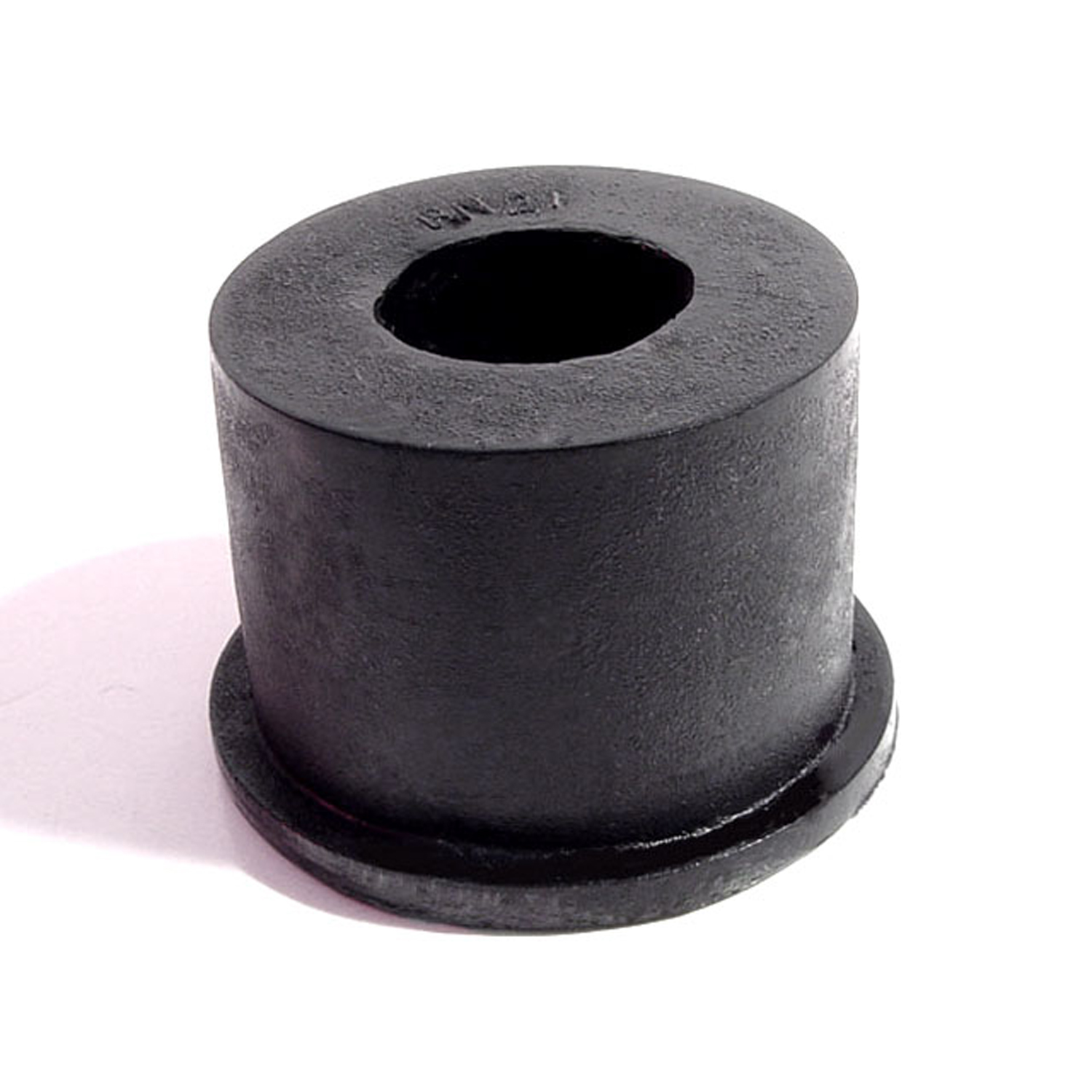 1934 Cadillac SERIES 30 FLEETWOOD Spring and Shackle Bushing-BN 21Spring and Shackle Bushing. For front eye on rear leaf spring. 1-1/2" bottom O.D X 1-1/4" high, with 3/4" I.D. Each
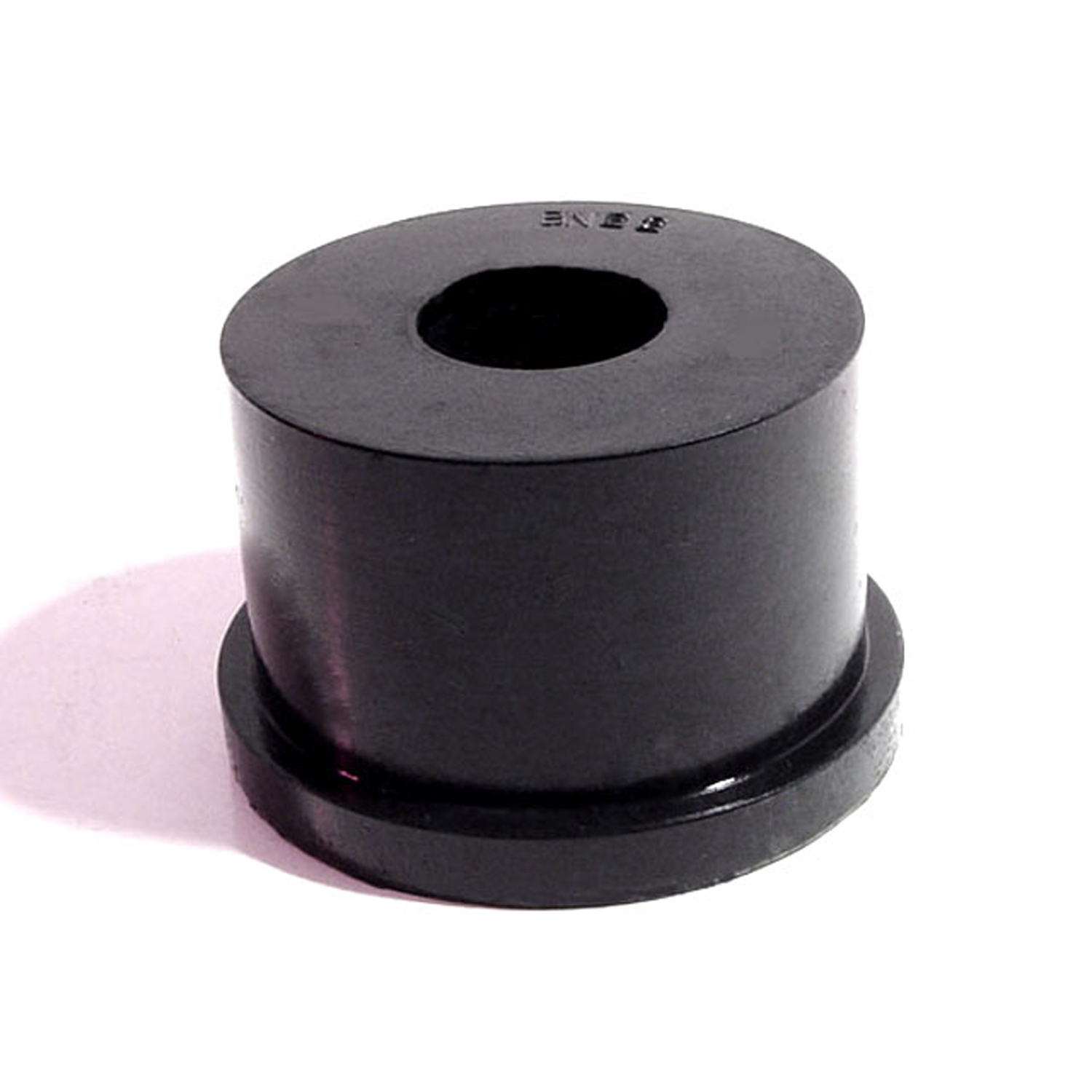 1934 Cadillac SERIES 30 FLEETWOOD Spring and Shackle Bushing-BN 22Spring and Shackle Bushing. For front or rear eyes on rear leaf spring. 1-3/4" bottom O.D X 1-3/8" high, with 3/4" I.D. Each
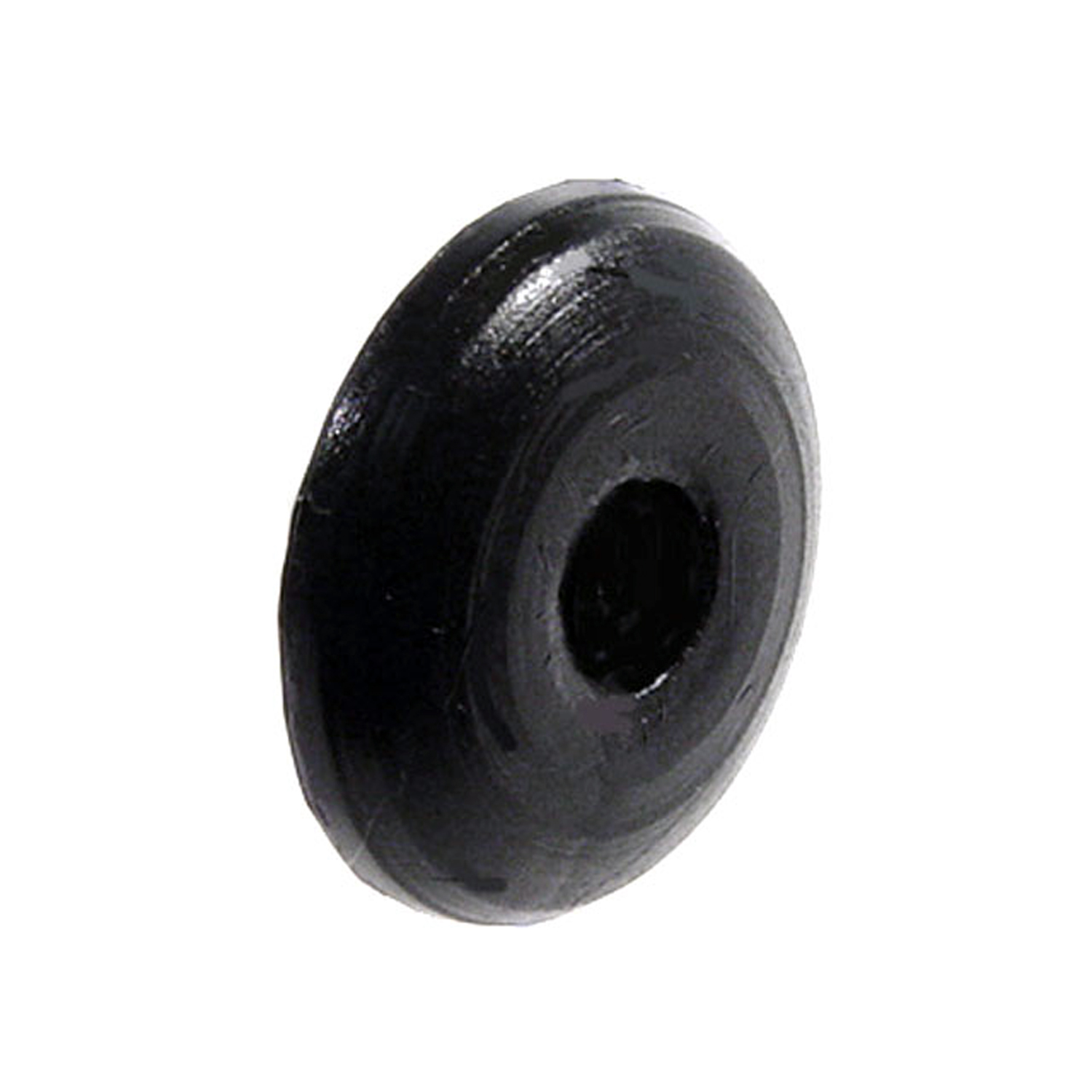 1934 Cadillac SERIES 30 FLEETWOOD Upper Door Hinge Post Bumper. Held by screw-DB 60-AUpper Door Hinge Post Bumper. Held by screw. 7/8" diameter X 1/8" thick. Each
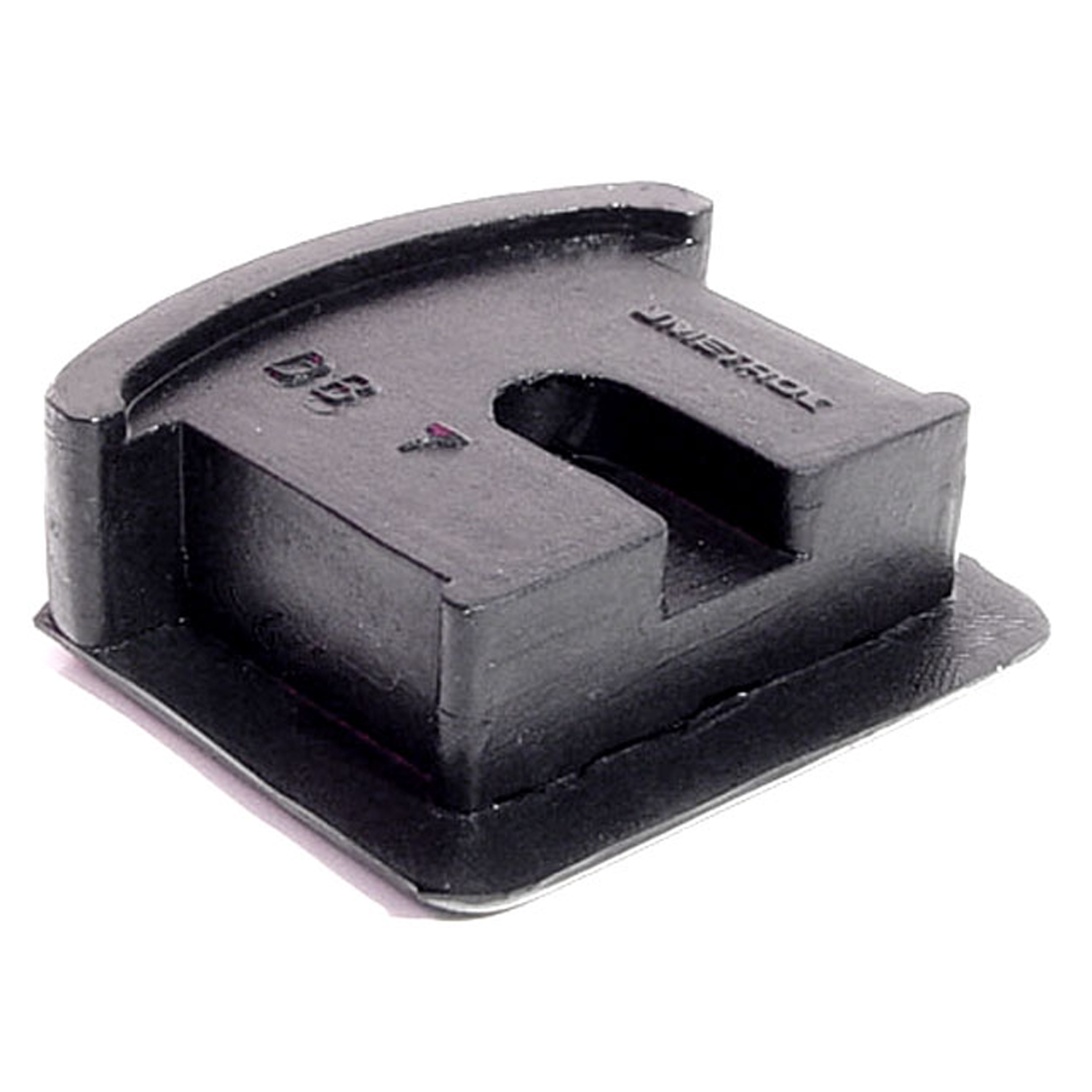 1934 Cadillac SERIES 30 FLEETWOOD Door Bumper. 1-7/16" high X 1-9/16" wide X 9/16" thick-DB 7Door Bumper. 1-7/16" high X 1-9/16" wide X 9/16" thick. Each
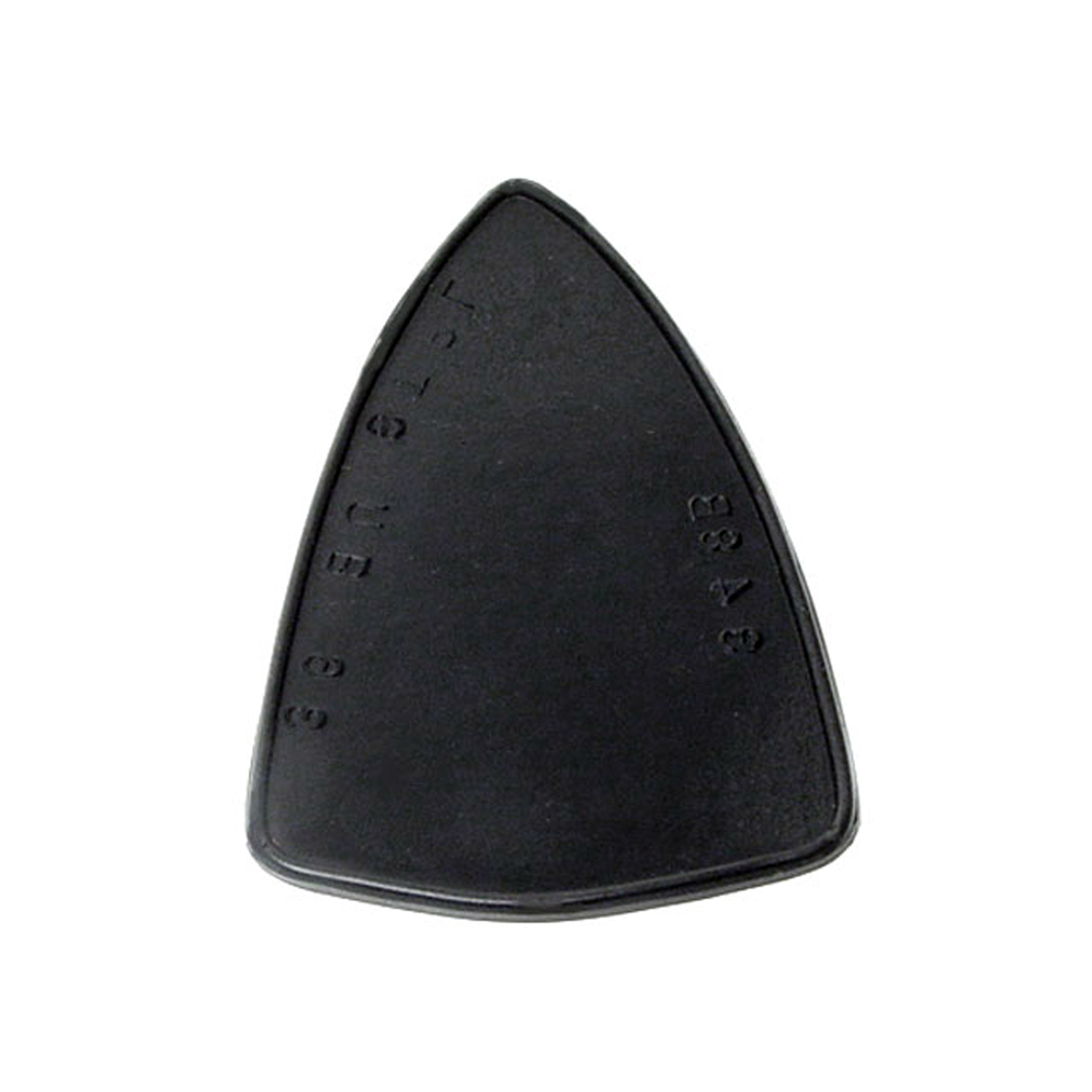 1934 Cadillac SERIES 30 FLEETWOOD Rumble Seat Step Plate Bracket Pad-MP 348-BRumble Seat Step Plate Bracket Pad. 3-1/8" wide X 4-7/8" long. Each
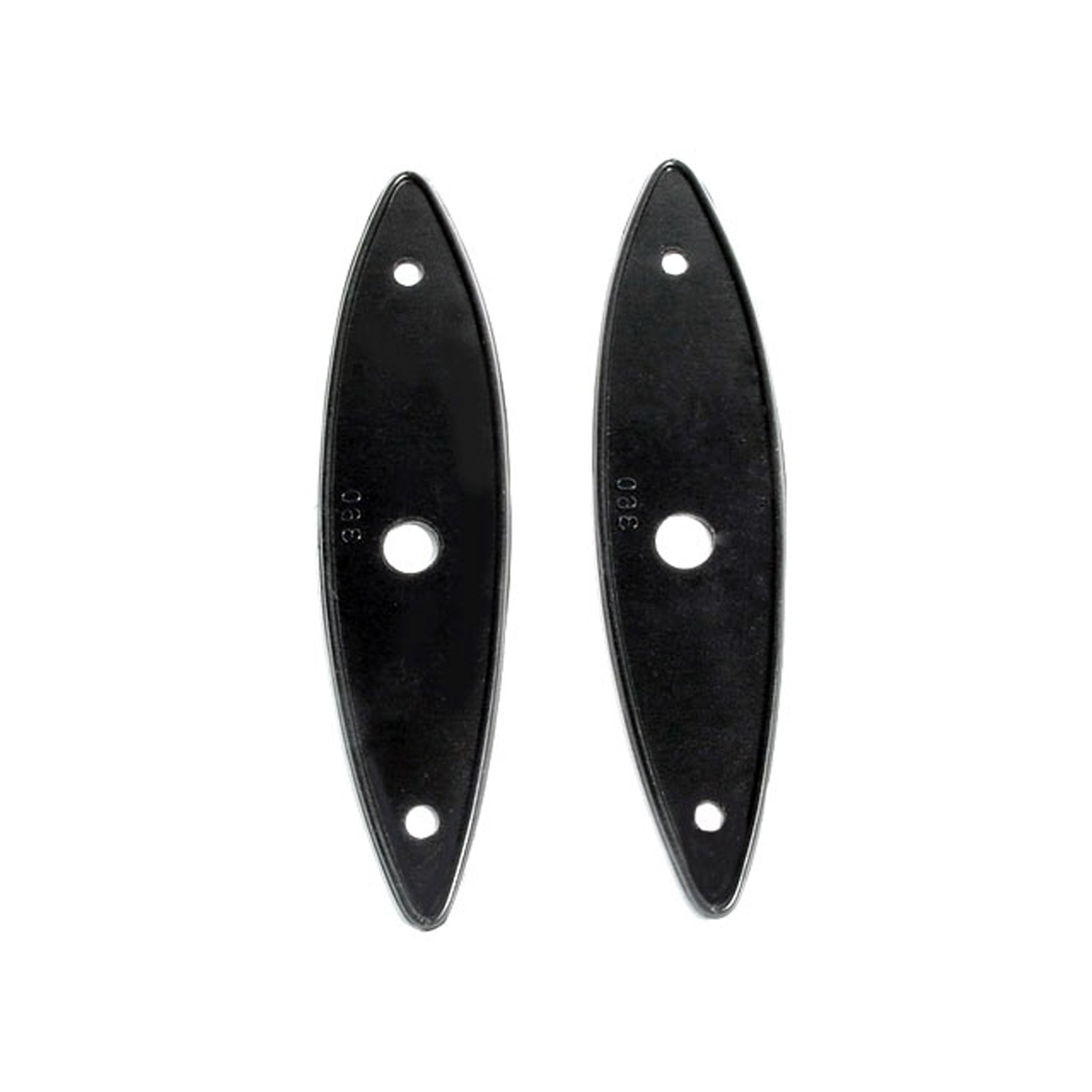 1934 Cadillac SERIES 30 FLEETWOOD Tail-Light Pads. 2" wide X 8-1/2" long. Pair-MP 360Tail-Light Pads. 2" wide X 8-1/2" long. Pair
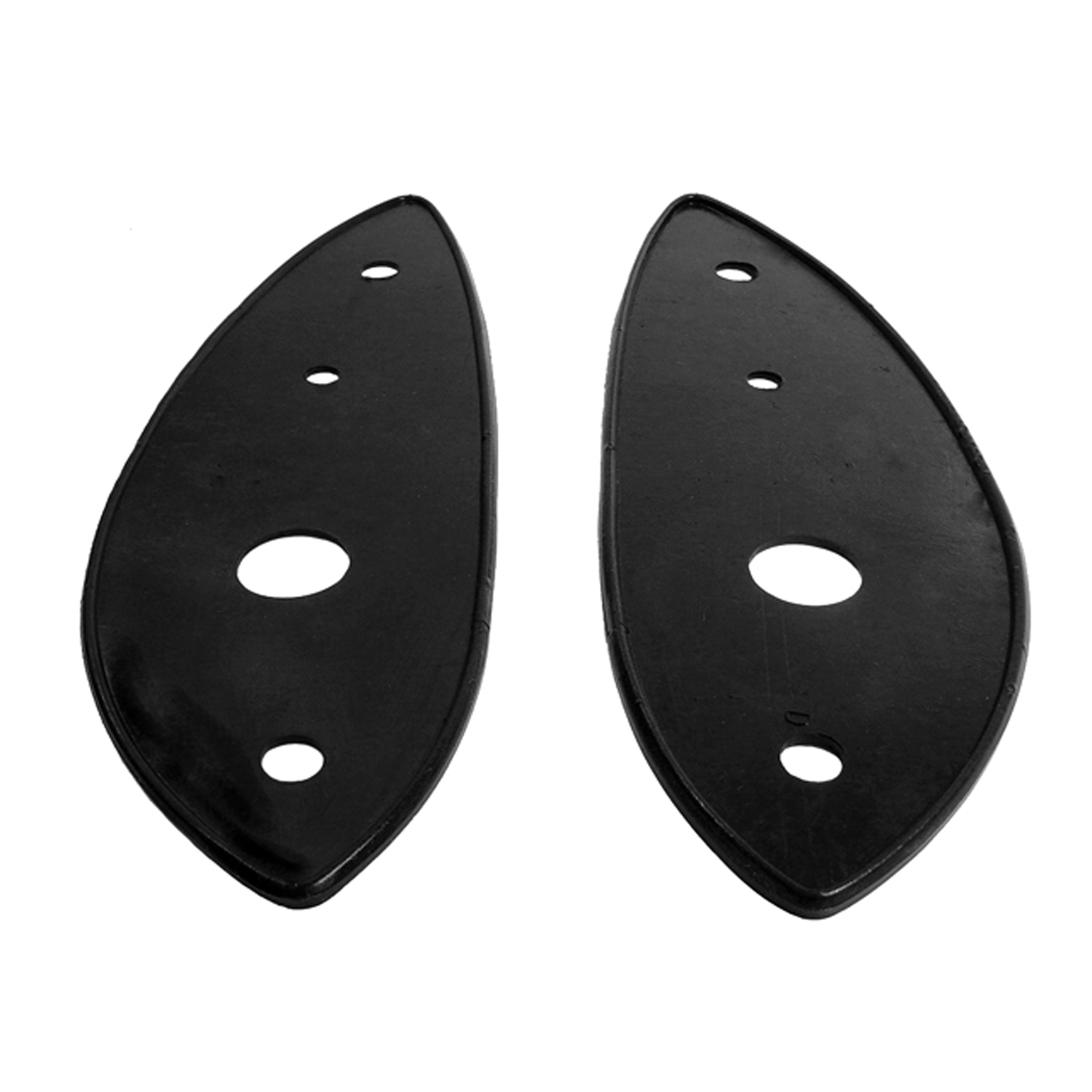 1934 Cadillac SERIES 30 FLEETWOOD Headlight Pads. 3-7/8" wide X 12-3/8" long. Pair R&L-MP 372Headlight Pads. 3-7/8" wide X 12-3/8" long. Pair R&L
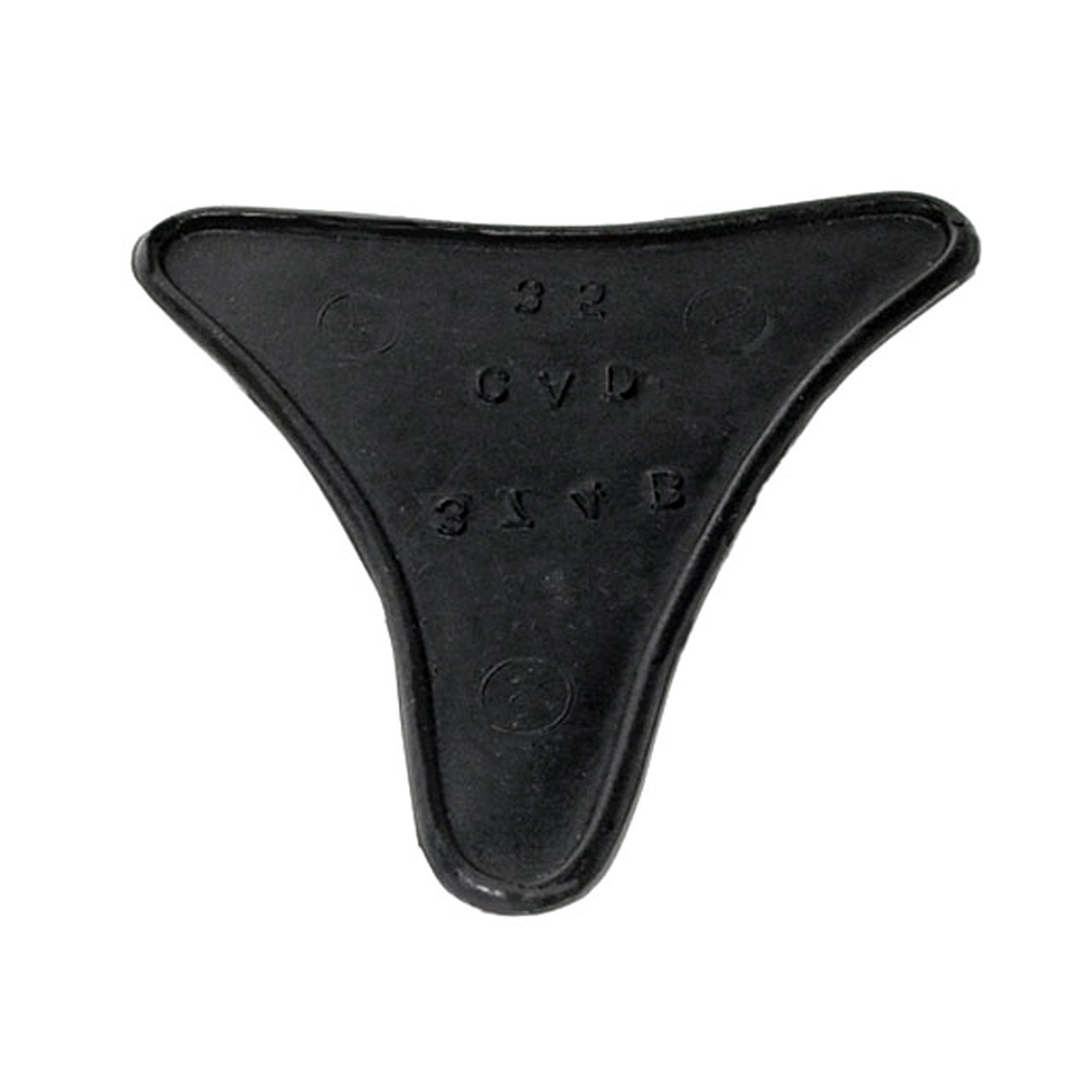 1934 Cadillac SERIES 30 FLEETWOOD Rumble Seat Step Plate Bracket. 4-1/2" wide X 4-1/4" long-MP 374-BRumble Seat Step Plate Bracket. 4-1/2" wide X 4-1/4" long. Each
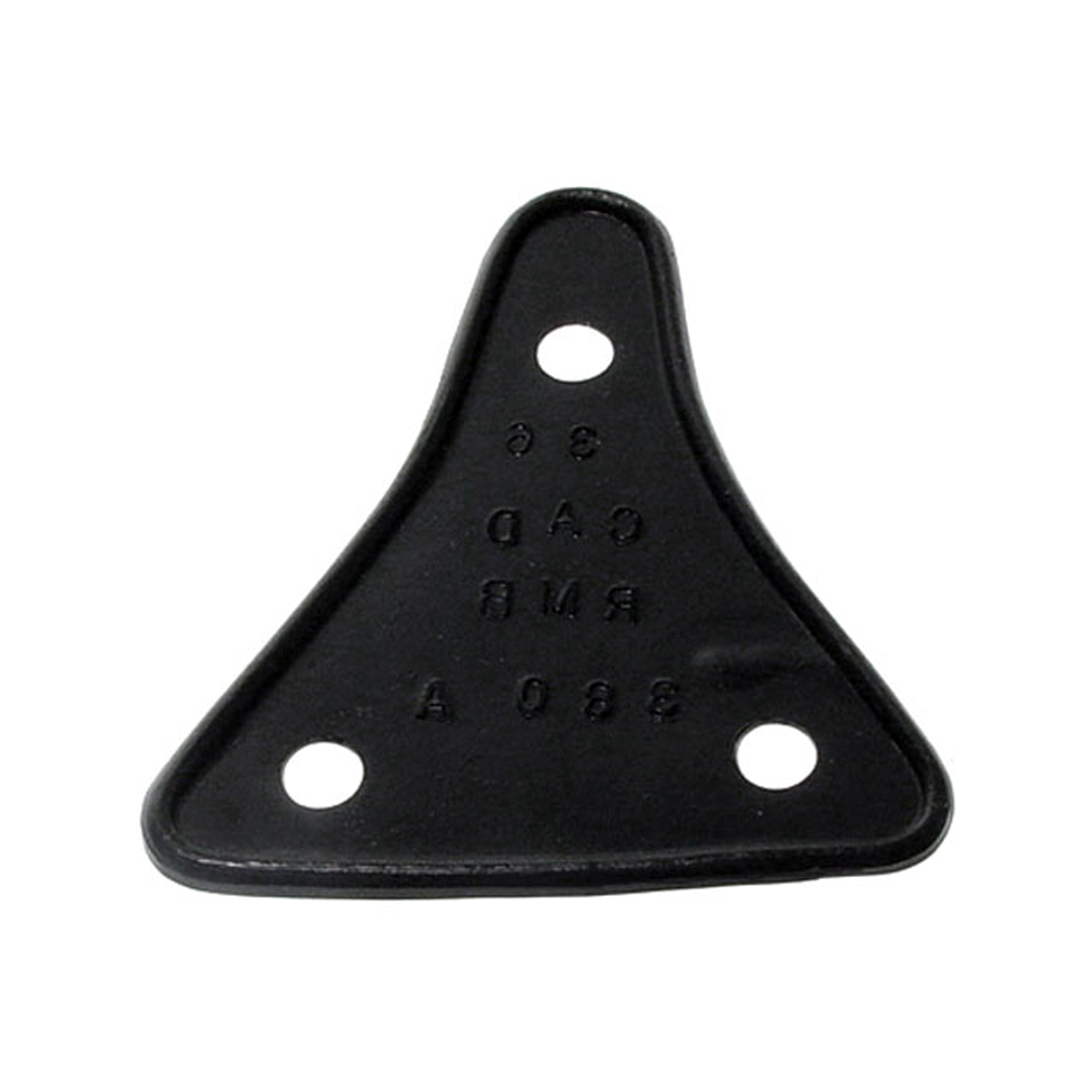 1934 Cadillac SERIES 30 FLEETWOOD Rumble Seat Step Plate Bracket Pad. Each-MP 380-ARumble Seat Step Plate Bracket Pad. Each
 1934 Cadillac SERIES 30 FLEETWOOD Door Handle Ferrule Grommet. I.D. 11/16", O.D. 1-3/16"-MP 546-IDoor Handle Ferrule Grommet. I.D. 11/16", O.D. 1-3/16". Each
 1934 Cadillac SERIES 30 FLEETWOOD Door Bumper. 1" diameter X 1/4" thick Each-SB 60Door Bumper. 1" diameter X 1/4" thick Each
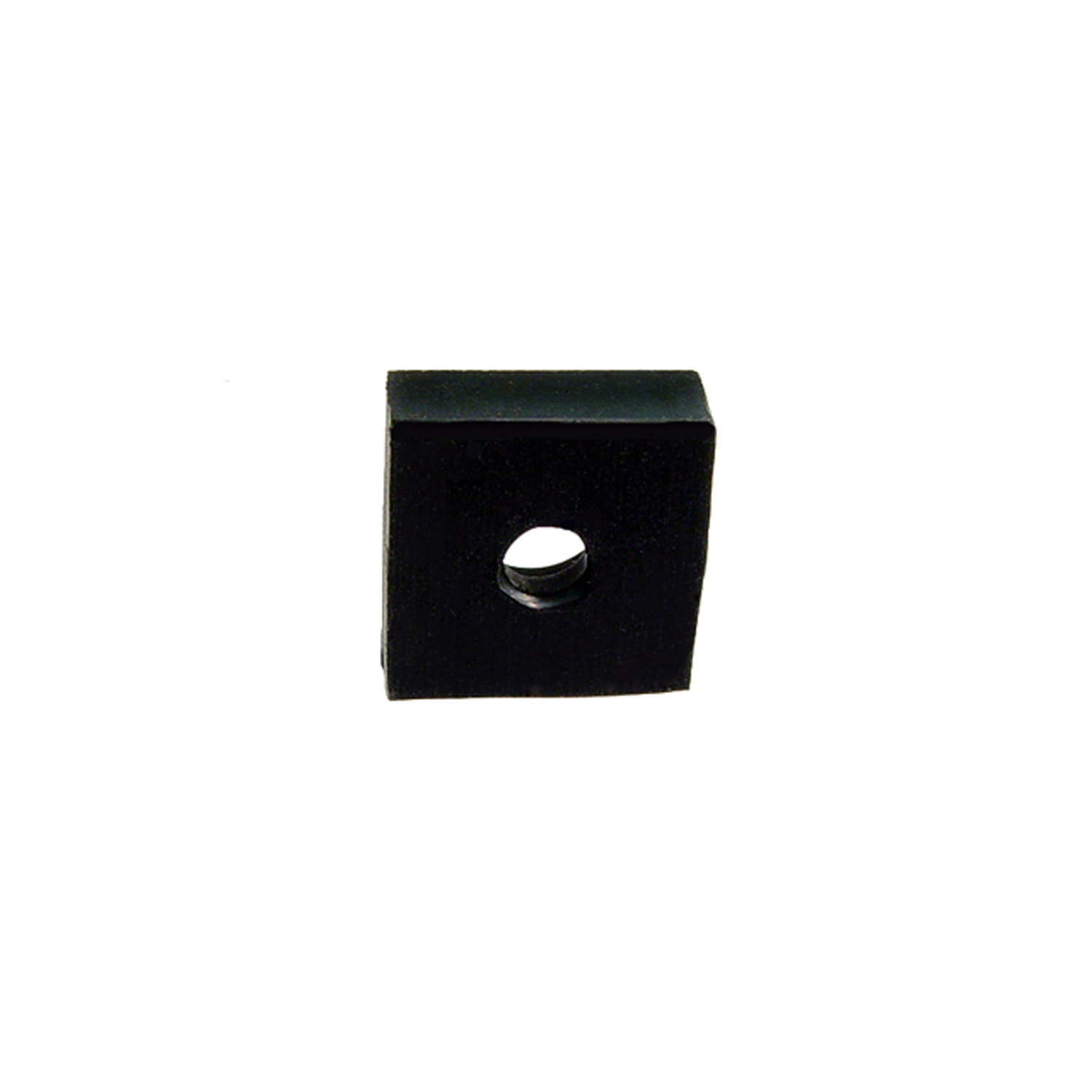 1934 Cadillac SERIES 30 FLEETWOOD Spare Tire Mount Bumper. 5/8" square. Each-SB 80Spare Tire Mount Bumper. 5/8" square. Each
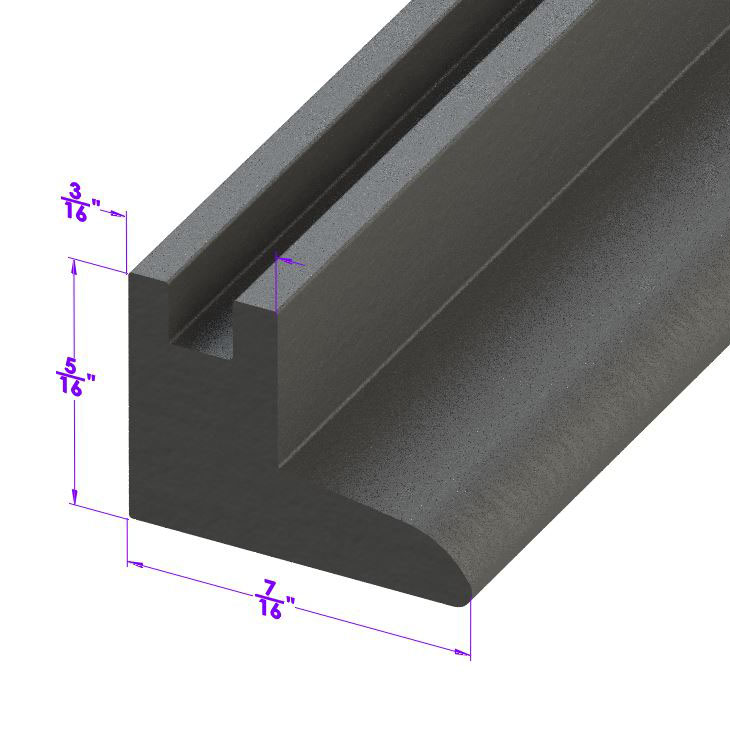 1934 Cadillac SERIES 30 FLEETWOOD Vertical Seal for Vent Window. Each is 17" long. Pair-VS 2Vertical Seal for Vent Window. Each is 17" long. Pair
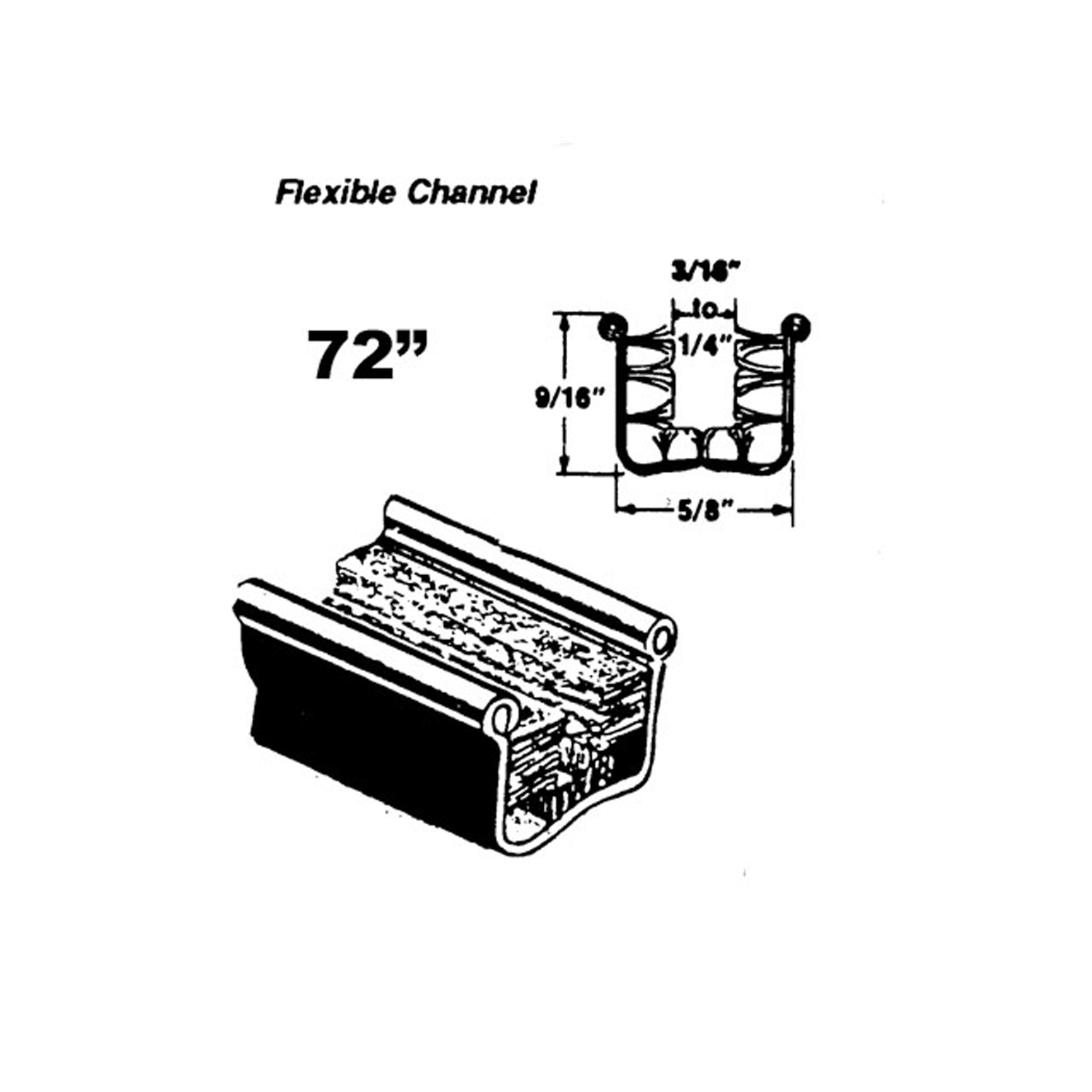 1934 Cadillac SERIES 30 FLEETWOOD Flexible glass-run channel-WC 11-72Flexible glass-run channel. Mohair lined, cloth covered with stainless steel bead. Used on side windows. 72 in. long. Each. NOTE: $20 special shipping charge applies for domestic orders. Call or email for overseas shipping costs. Part can be sectioned in two equal lengths to reduce overseas shipping costs.
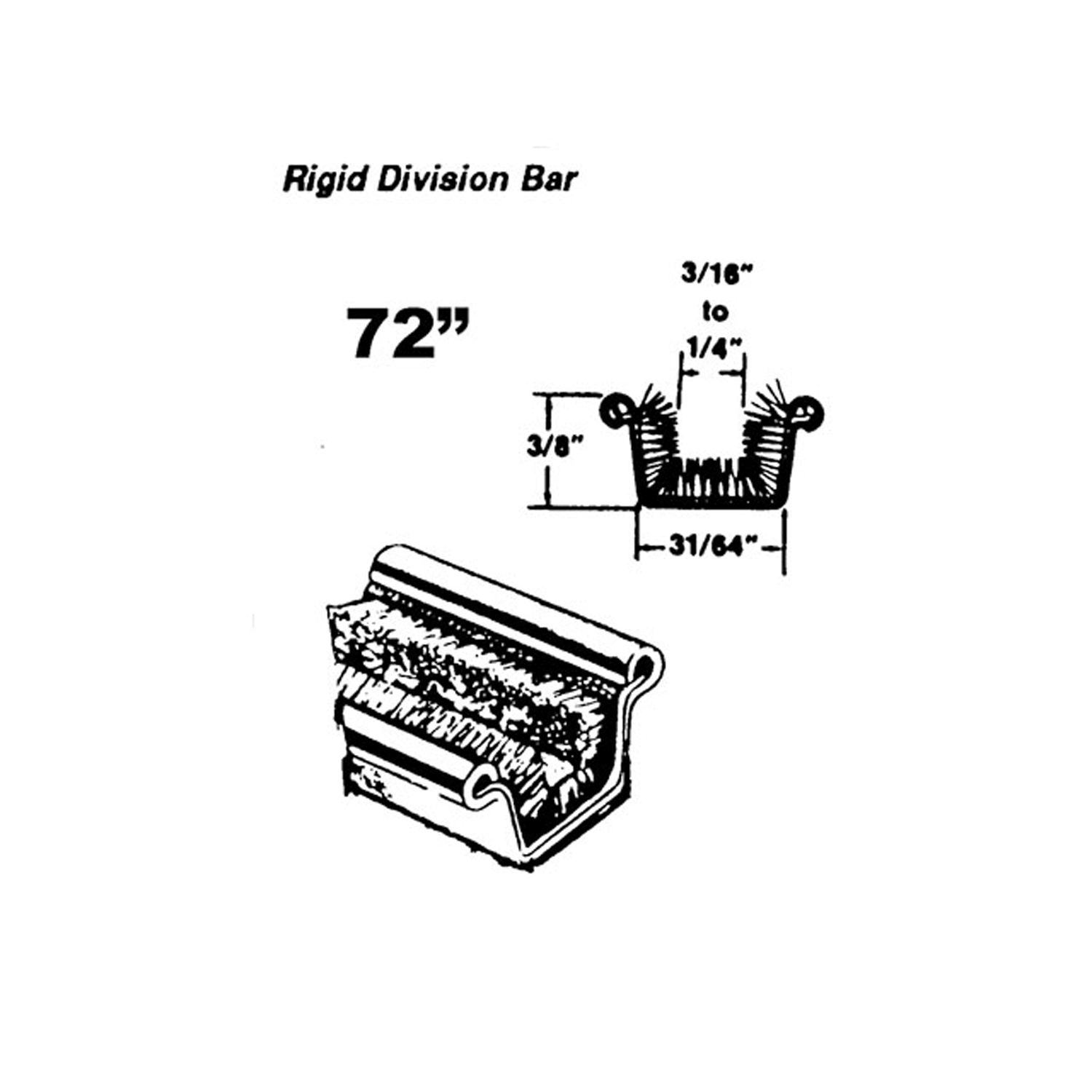 1934 Cadillac SERIES 30 FLEETWOOD Rigid division-bar channel. Made with stainless steel bead-WC 2-72Rigid division-bar channel. Made with stainless steel bead. 72 in. long. Each. NOTE: $20 special shipping charge applies for domestic orders. Call or email for overseas shipping costs. Part can be sectioned into two equal lengths to reduce overseas shipping costs.
 1934 Cadillac SERIES 30 FLEETWOOD Flexible Rubber Window Channel-WC 32-14Flexible Rubber Window Channel. For Fisher Closed Bodies, except those using a stainless bead type. Used on side windows. 13/16" outer width X 6/16" outer depth, with a 5/16" inner channel width X 14" long. Each
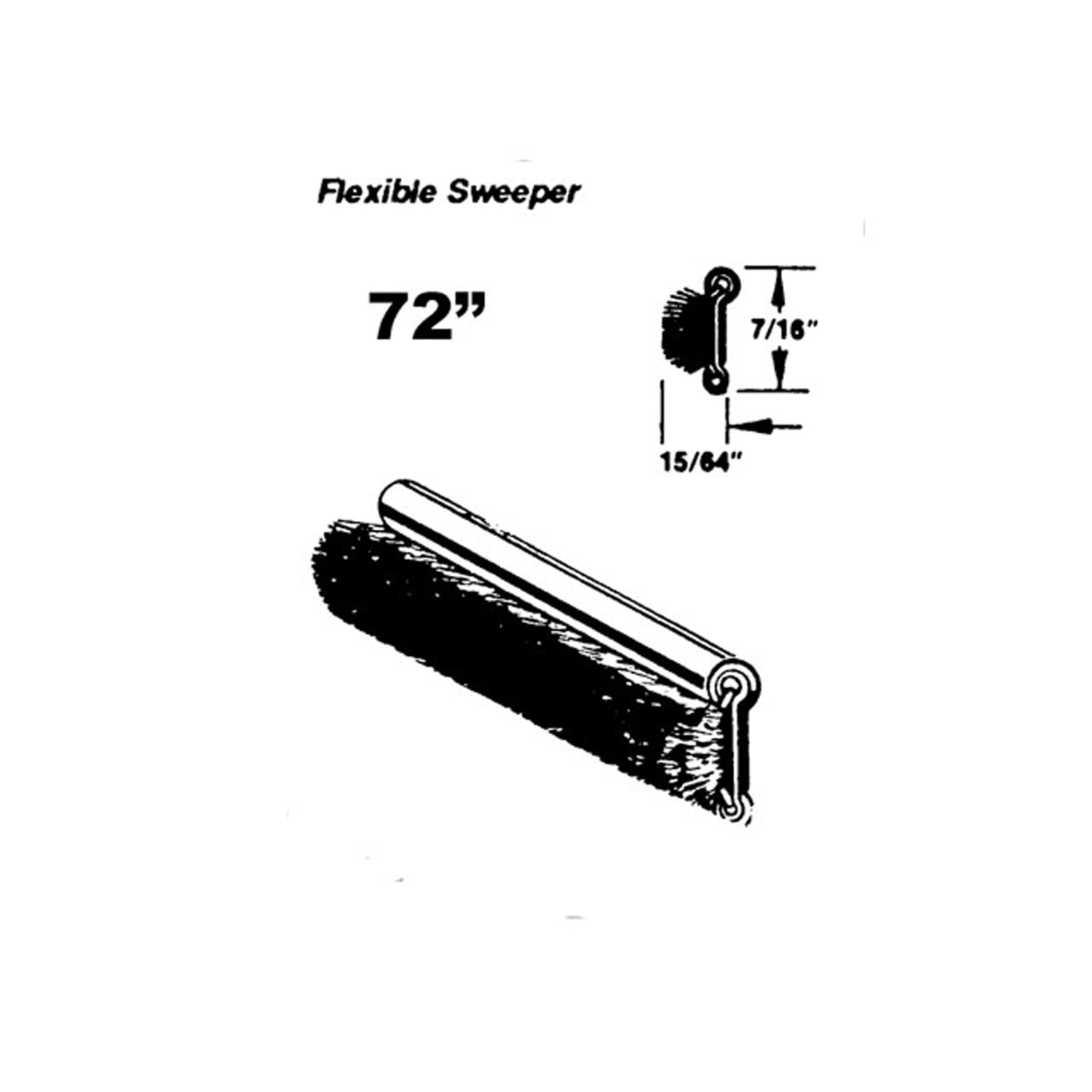 1934 Cadillac SERIES 30 FLEETWOOD Flexible sweeper. Made with stainless steel bead-WC 8-72Flexible sweeper. Made with stainless steel bead. Used on inner and outer beltlines. Also forms easily for use with sliding quarter windows. 72 in. long. Each. NOTE: $20 special shipping charge applies for domestic orders. Call or email for overseas shipping costs. Part can be sectioned into two equal lengths to reduce overseas shipping costs.
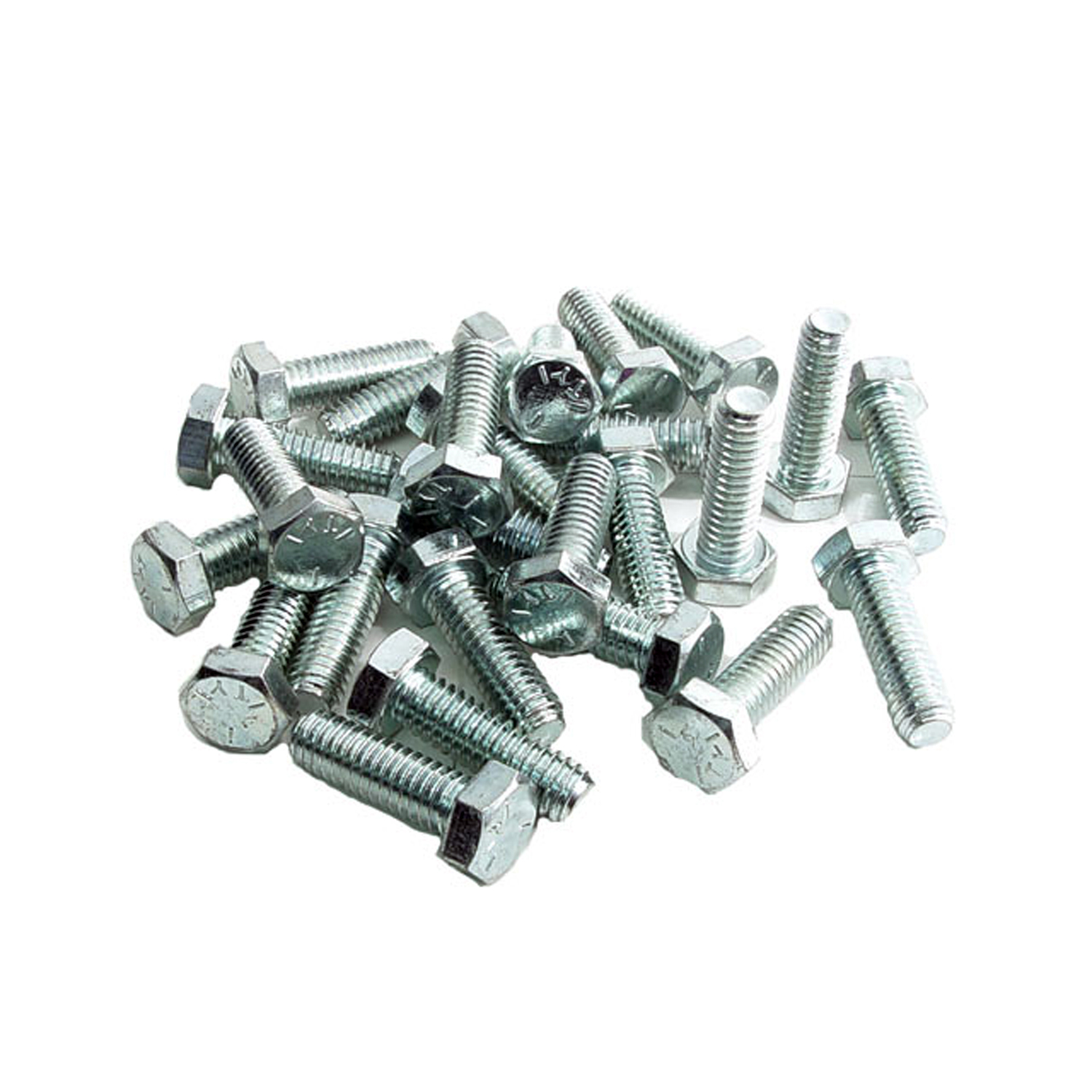 1934 Cadillac SERIES 30 FLEETWOOD Fender Bolts. For use with Fender Bolt Washers; WF 3001-WF 3000Fender Bolts. For use with Fender Bolt Washers; WF 3001. Zinc Chromate plated, high strength. 1" X 5/16". Set of 25
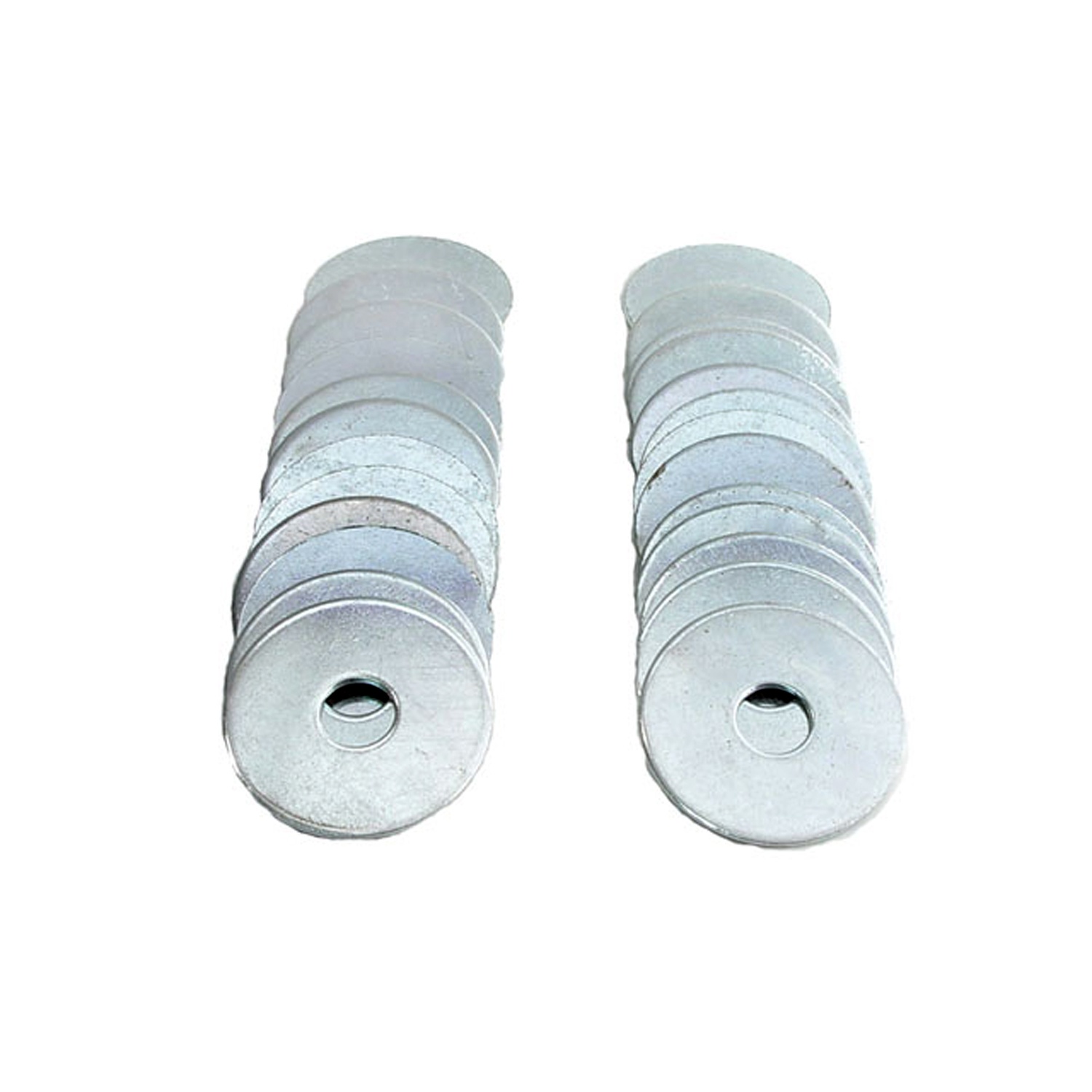 1934 Cadillac SERIES 30 FLEETWOOD Fender Bolt Washers. For use with Fender Bolts; WF 3000-WF 3001Fender Bolt Washers. For use with Fender Bolts; WF 3000. High quality, cadmium plated. 1-1/4" O.D., 3/8" I.D. Set of 25
Why Choose Metro?
For over 100 years, Metro Moulded Parts has been the pinnacle of quality in classic car restoration parts. Our commitment to precision and authenticity in every component ensures a perfect fit and an OEM-level appearance.
- Expert Craftsmanship & Quality: Each part is a testament to our dedication to reliability and perfection, crafted from original designs and thoroughly tested.
- Advanced Technology: We use cutting-edge techniques to create flawless, long-lasting parts that surpass others in performance.
- SuperSoft Sponge – The Ultimate Door Seal: Not only are our door seals 30% softer than competitors', but they're also guaranteed to never leak. They effectively reduce wind and road noise, enhancing your classic car's comfort and driving experience.
- Proudly American: Our parts are a product of American craftsmanship, made in the USA with a spirit of excellence and heritage.
- Unrivaled Warranty: We back our products with a 30-year industry-leading warranty, a testament to our confidence in their quality.
Join us in preserving the legacy of classic cars with parts that are crafted for perfection, not just made.