
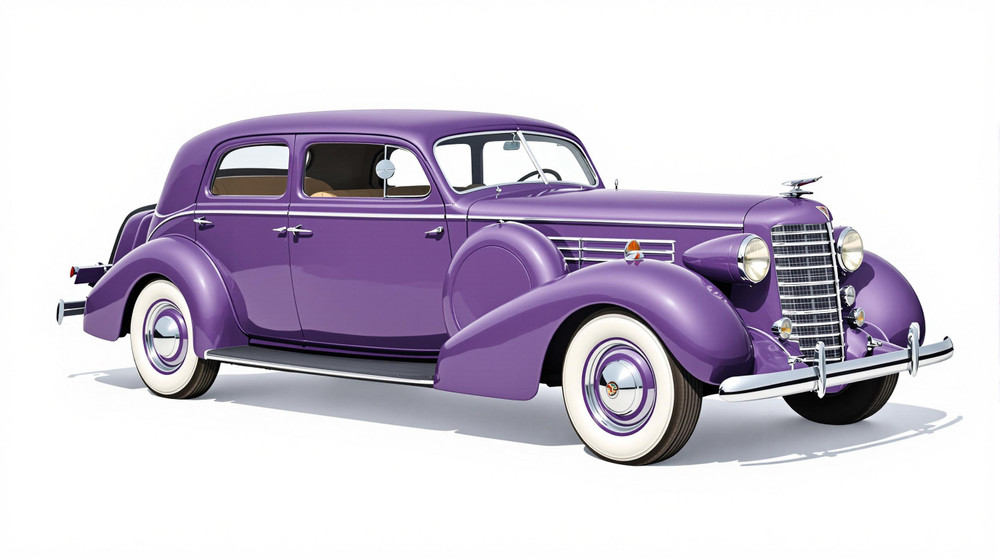
Image of 1935 Cadillac Series 60 Fleetwood, Note: These illustrations use artistic license and may differ from actual historical models.
Performance Metrics
Fundamental Metrics
Emotional Appeal
MMP Rating
| Engine Specifications | |
|---|---|
| Engine: | V8 |
| Displacement: | 5.7L |
| Horsepower: | Estimated 125-135 HP |
| Torque: | 280 lb-ft |
| Compression Ratio: | Estimated 6.5:1 |
| Ignition System: | Distributor and coil |
| Cooling System: | Liquid-cooled |
| Performance Specifications | |
| 0-60 Time: | Information not available |
| 1/4 Mile Time: | Information not available |
| Top Speed: | 80-85 mph |
| Transmission and Drive | |
| Drive Type: | Rear-wheel drive |
| Transmission Type: | 3-speed manual |
| Fuel and Efficiency | |
| Fuel System Type: | Carburetor |
| MPG: | Estimated 10-12 MPG |
| Dimensions and Brakes | |
| Brakes: | Drum brakes |
| Wheelbase: | 131 inches |
| Weight: | Estimated 4,600 lbs |
Note: Specifications for classic cars are given to the best of our ability, considering the limited and variant data available.
1935 Cadillac Series 60 Fleetwood: The Model-Year Mystery
A Cadillac wearing a 1935 badge and Fleetwood coachwork sounds like a perfect snapshot of prewar American luxury, but there is an important wrinkle: Cadillac did not introduce the Series 60 until the 1936 model year. A car described today as a “1935 Cadillac Series 60 Fleetwood” may have an incorrect year in its paperwork or listing, or it may be a different 1935 Cadillac series with Fleetwood bodywork. Check the serial number, data plate, and body tags before treating the name as factory-correct.
The closest genuine match is the 1936 Cadillac Series 60, Cadillac’s new, comparatively accessible entry into the marque’s lineup. It brought Cadillac’s smooth V8 power and formal styling to a lower price point than the larger, more elaborate models. Fleetwood was Cadillac’s prestigious coachbuilding division, but not every Cadillac was a Fleetwood. The car’s body plate and original sales documentation are the best way to confirm whether a particular example was built with Fleetwood coachwork.
This distinction matters to collectors because model year, series, and coachbuilder can all affect a car’s history and value. The guide below focuses on the actual 1936 Series 60 as the nearest factory-correct counterpart, while noting where a 1935 Cadillac or Fleetwood-bodied car may differ.
Art Deco Style and Cadillac Craftsmanship
The Series 60 wore the confident, upright look of mid-1930s Cadillac. Its tall grille, sweeping front fenders, prominent headlamps, and carefully shaped hood gave it a stately presence without the massive proportions of Cadillac’s biggest models. Bright trim and a long bonnet emphasized the V8 beneath it, while the passenger compartment sat high enough to provide the formal silhouette buyers expected from a luxury car.
Inside, the experience was traditional rather than flashy. Depending on body style and specification, owners could expect broad seats, quality upholstery, a substantial dashboard, polished metal fittings, and wood or wood-grain trim. Materials and details varied between bodies and individual cars, so a restored example should be judged by its documentation and original specification, not by a generic assumption that every Series 60 had identical Fleetwood furnishings.
Factory paint choices changed by year and body, and surviving paint charts are the authority for an exact restoration. Period Cadillacs were commonly seen in dignified shades such as black, dark blue, green, maroon, and other deep colors, with lighter or two-tone treatments also possible depending on the model and order. Dark colors suited the car’s formal lines, while two-tone paint could make the fenders and body contours stand out. On a claimed 1935 or Fleetwood example, verify the paint against the correct year’s chart before calling a color original.
Body availability also depends on the precise series and year. The Series 60 was positioned as a more affordable Cadillac, and its offerings should not be confused with the bespoke or higher-series Fleetwood catalog. Sedans and closed-body styles were central to the appeal of the range, while open and specialty bodies were less common across Cadillac’s lineup. A specific car’s body style and coachbuilder should be identified from its factory records rather than inferred from appearance alone.
Engineering for a New Cadillac Buyer
The 1936 Series 60 used Cadillac’s 322-cubic-inch, side-valve V8, rated at about 125 horsepower. It was paired with a three-speed manual transmission. The engine’s smooth, low-speed torque was the important feature: Cadillac buyers wanted quiet, effortless progress, not a high-strung sports-car powerplant.
Cadillac’s V8 heritage was already well established by the time the Series 60 arrived. The innovation was partly in how the company packaged that familiar luxury-car character for a wider group of buyers. The Series 60 gave customers a less costly route into Cadillac ownership while retaining a proper V8, substantial construction, and unmistakable marque styling.
It was not a modern car in the present-day sense. The driver operated a clutch and manual gearshift, braking and steering required more effort than in a contemporary vehicle, and safety equipment was limited by the standards of today. Its engineering should be understood in its 1930s context: the goal was refinement and durability, not electronic convenience or sharp, lightweight handling.
Road Manners and V8 Character
Period performance figures vary with body style, gearing, condition, and test method. A healthy 1936 Series 60 could reach roughly 85 to 90 mph, while a 0-to-60-mph run is generally estimated in the mid-to-high teens. Those figures are best treated as period-car estimates rather than guaranteed results. A nearly 90-year-old car’s performance depends heavily on engine health, compression, carburetion, ignition, brakes, tires, and restoration quality.
On a smooth road, the Cadillac’s V8 would have delivered its power with a muted, even burble rather than a sharp exhaust bark. The long body and substantial chassis favored a calm, settled ride. It could absorb ordinary road imperfections better than many smaller cars of its era, though worn springs, tired shock absorbers, old tires, and loose suspension components can make a surviving example feel unsettled.
On winding roads, expect measured steering response and noticeable body movement, not modern sports-sedan precision. The driver works the manual gearbox and plans braking well ahead. In crosswinds, a tall, broad-bodied prewar car can require attention, particularly at speed. The best driving experience comes from keeping the car mechanically sound and driving it smoothly rather than asking it to behave like a modern vehicle.
Why the Series 60 Matters
The Series 60’s significance lies in its place within Cadillac’s strategy. By offering a less expensive series without abandoning the V8 and the brand’s luxury identity, Cadillac broadened its appeal during a difficult period for the American economy. The Great Depression had reshaped the market, and automakers needed to attract buyers without diluting their reputations. The Series 60 was one answer: a more attainable Cadillac, not a stripped-down economy car.
It also reflects a wider change in American automotive design. Manufacturers were refining streamlined fenders, integrating body and trim more carefully, and using styling to communicate modernity as well as prestige. Cadillac’s range showed how a marque could offer distinct levels of size, equipment, and price while maintaining a recognizable family appearance.
The Series 60 did not introduce a single technology that transformed the entire industry. Its lasting importance is more about positioning and product planning: it helped establish the idea that a premium brand could reach further down the market while preserving the qualities buyers associated with its name. Later Cadillac generations continued to build on that balance between status, engineering, and a broader customer base.
Ownership, Upkeep, and Reliability
Today, a Series 60 is most at home as a show car, touring car, or occasional-use classic. Some owners take these Cadillacs on organized vintage tours, where relaxed speeds and regular maintenance suit the car’s character. It is not generally a sensible daily driver for modern traffic, and racing is not an appropriate use for a valuable, heavy prewar luxury car without substantial specialist preparation.
Routine servicing is familiar to experienced vintage-car owners: ignition, carburetion, cooling, lubrication, tires, brakes, and the manual transmission all need careful attention. The basic mechanical layout is less electronically complicated than a modern car, but that does not make repairs automatically easy. Parts can be scarce or expensive, correct body and trim pieces may be difficult to source, and work on the engine, brakes, or coachwork may call for a specialist.
Reliability depends more on condition and previous workmanship than on the badge. A carefully maintained and correctly restored Cadillac can be dependable for touring, but an old car that has sat unused may need extensive recommissioning. Before buying, inspect the frame and body for corrosion or poor repairs, check the cooling system and oil pressure, test the brakes, and look for evidence that the engine and transmission were rebuilt professionally. On a car claimed to be a 1935 Series 60 Fleetwood, add a thorough identity and provenance check to the inspection.
Cadillac Facts and Buyer Cautions
The most useful fact about the “1935 Series 60 Fleetwood” is also the one most likely to surprise a buyer: the Series 60 is a 1936 introduction. That does not automatically mean a car advertised under the earlier name is fraudulent. Registration dates, mistaken catalog entries, later body changes, and incomplete records can all create confusion. It does mean the seller should be able to explain the discrepancy and support the car’s identity with documentation.
There is no broadly recognized speed, endurance, or sales record that defines the Series 60. Its appeal is its place in Cadillac’s prewar lineup and the engineering and craftsmanship represented by a sound example. Nor should a seller’s celebrity-ownership claim be accepted without records, period photographs, or a traceable ownership history.
Common criticisms are practical ones. The car is heavy, thirsty by modern standards, and slow to stop compared with contemporary vehicles. Visibility, steering effort, and parts availability can also be challenging. Those drawbacks are part of the ownership bargain: the Cadillac rewards careful, deliberate driving, but it demands more preparation and attention than a newer classic.
Rarity, Values, and Collecting
Exact production totals for the Series 60 can vary among published references and may be reported differently depending on whether figures count a particular body style or the full series. A reasonable working estimate for the 1936 Series 60 is several thousand cars, perhaps around 4,000 to 5,000, but that should be treated as an estimate rather than a definitive factory total. Surviving examples with original details, strong provenance, and correct body identification are much less common than the headline production figure suggests.
As a broad 2026-market guide, an ordinary, usable Series 60 sedan might fall around $25,000 to $60,000, with condition and originality making a substantial difference. A beautifully restored, unusually well-documented, or less common open-body car could bring roughly $60,000 to $120,000 or more. These are indicative ranges, not appraisals; auction results, location, restoration quality, and the exact body style can move a car well outside them. A car represented as a Fleetwood-bodied special should be valued only after its coachwork and provenance are verified.
Prewar Cadillacs have durable appeal, but prices do not rise automatically. The market tends to reward excellent restoration, authentic details, and documented history, while incomplete projects and poorly executed restorations can be expensive to finish. Over the long term, top examples may appreciate, but ownership costs, specialist labor, storage, and transport can outweigh any increase in market value. Buy the car you want to preserve and drive, not solely as a speculative investment.
A Cadillac Worth Getting Right
The Cadillac Series 60 represents an important moment in the company’s history: the arrival of a more accessible Cadillac that still offered V8 refinement, imposing style, and a genuine luxury-car feel. The 1936 model is the historically correct starting point for a Series 60 guide, while any 1935 Fleetwood claim deserves careful verification.
Get the year, series, body style, and coachbuilder right, and the car’s story becomes even more compelling. A well-preserved Series 60 is more than a handsome prewar Cadillac. It is a rolling record of how an American luxury marque adapted to its era without giving up its identity.
1935 Cadillac Series 60 Fleetwood Catalog of Parts
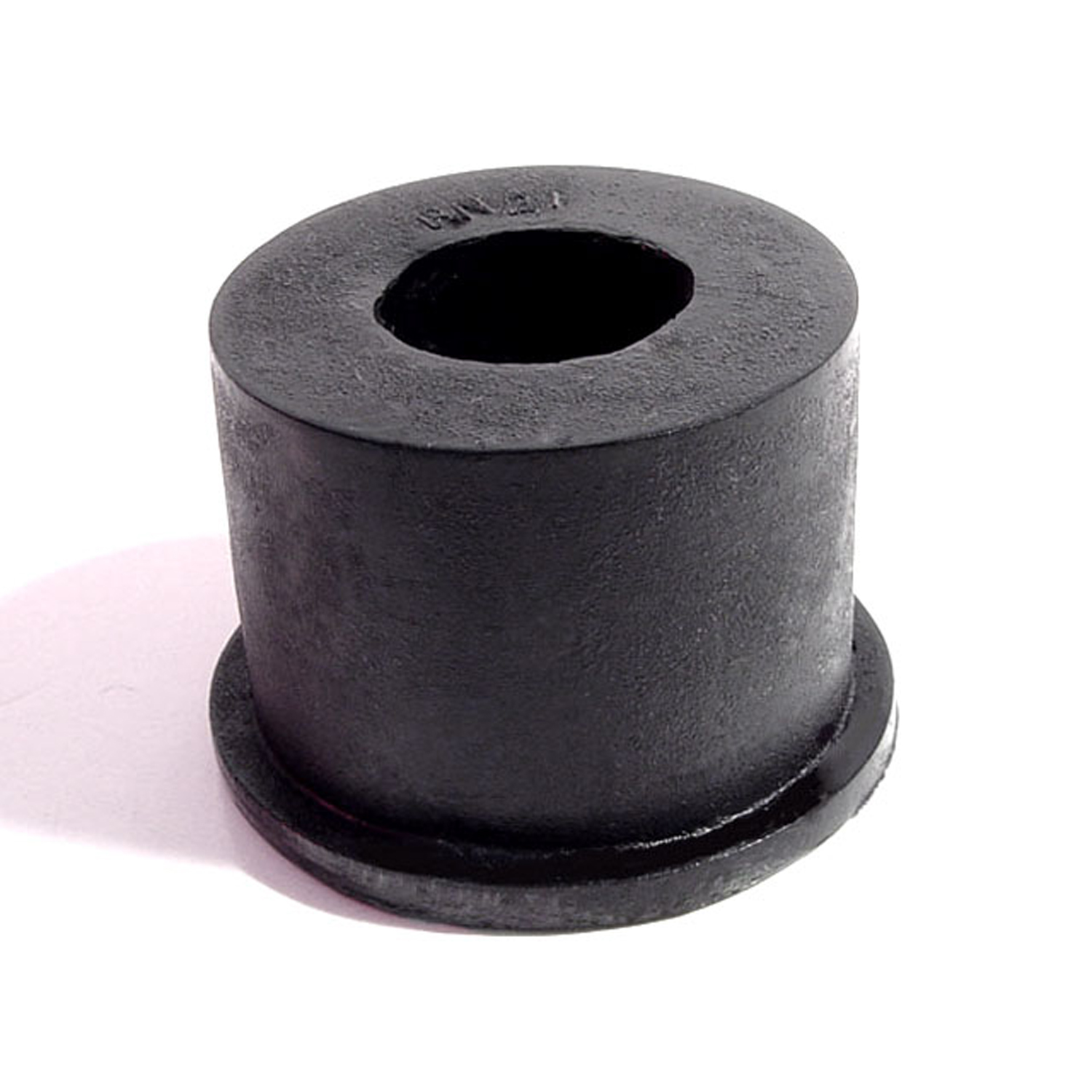 1935 Cadillac Series 60 Fleetwood Spring and Shackle Bushing-BN 21Spring and Shackle Bushing. For front eye on rear leaf spring. 1-1/2" bottom O.D X 1-1/4" high, with 3/4" I.D. Each
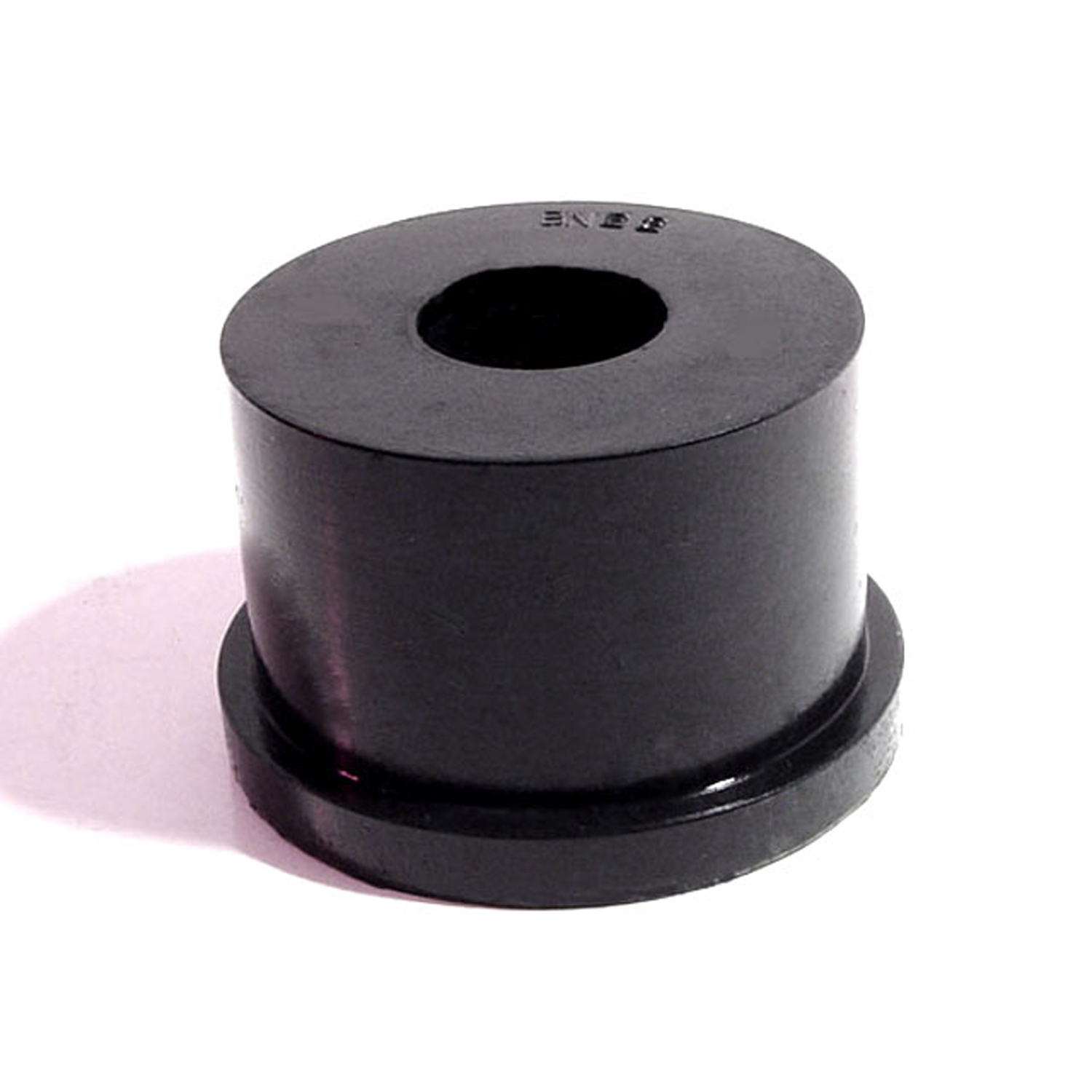 1935 Cadillac Series 60 Fleetwood Spring and Shackle Bushing-BN 22Spring and Shackle Bushing. For front or rear eyes on rear leaf spring. 1-3/4" bottom O.D X 1-3/8" high, with 3/4" I.D. Each
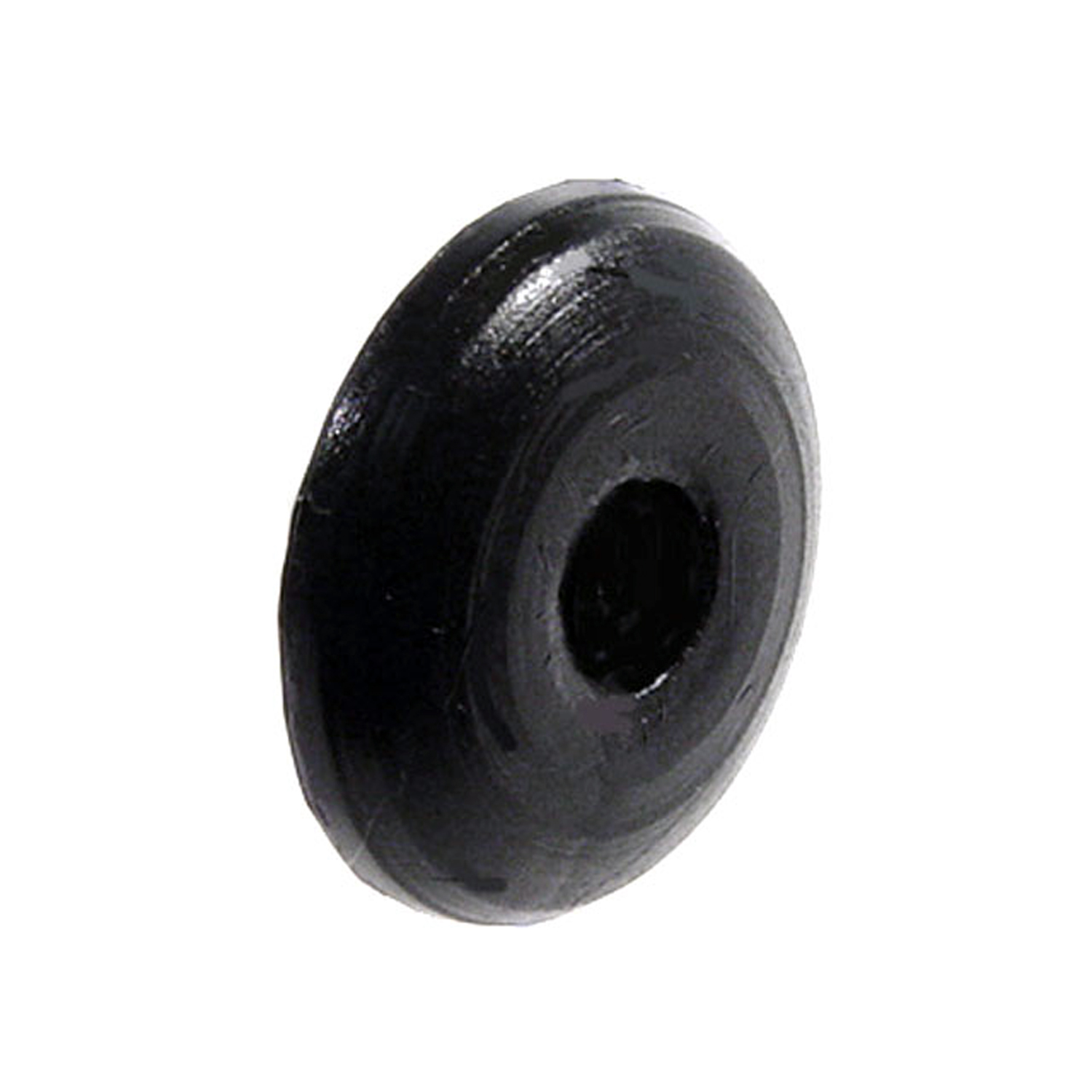 1935 Cadillac Series 60 Fleetwood Upper Door Hinge Post Bumper. Held by screw-DB 60-AUpper Door Hinge Post Bumper. Held by screw. 7/8" diameter X 1/8" thick. Each
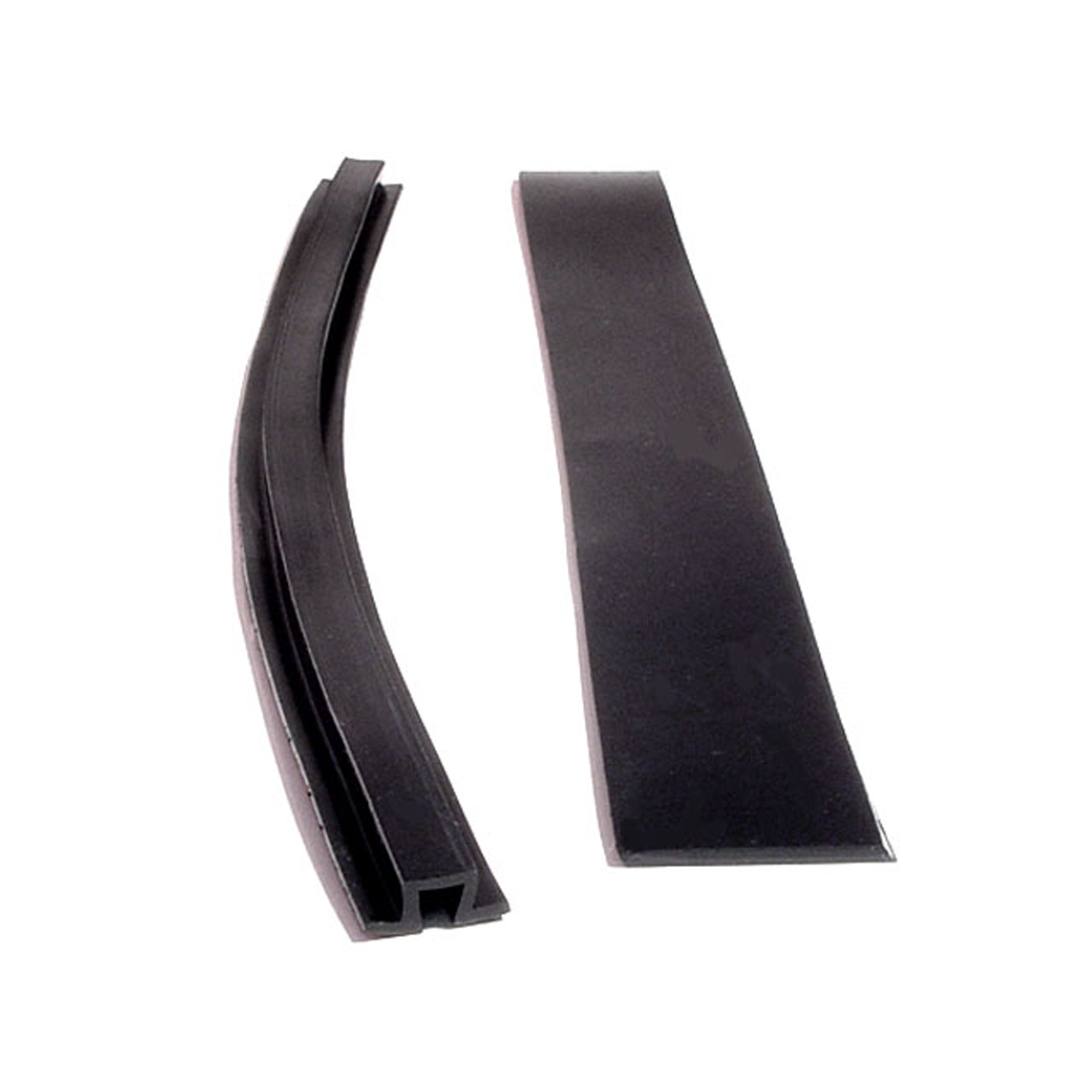 1935 Cadillac Series 60 Fleetwood Inner and Outer Center Division Bar Seals-DP 20Inner and Outer Center Division Bar Seals. Each piece 14-1/4" long. Set
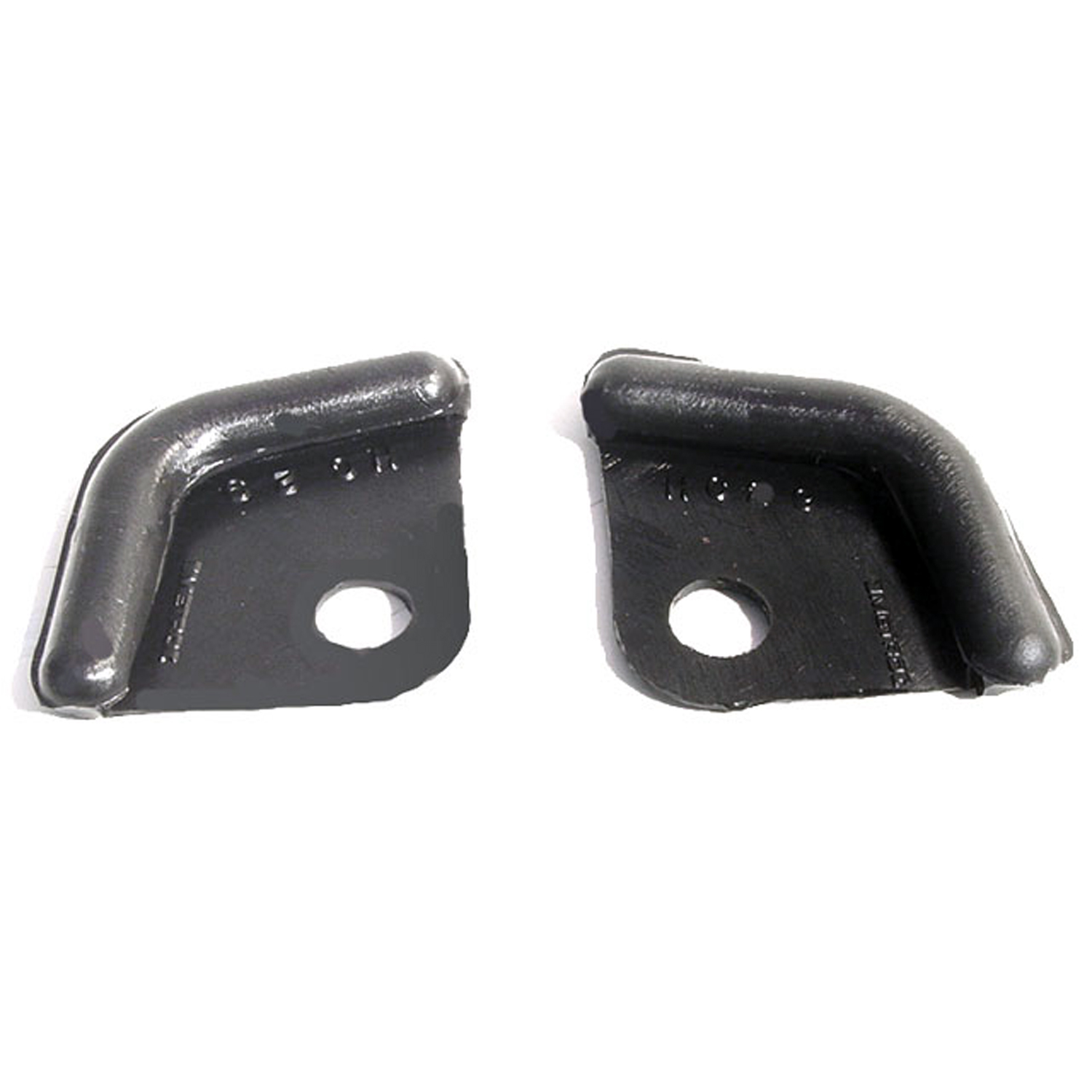 1935 Cadillac Series 60 Fleetwood Rear Hood Corners. 1-1/4" wide. Pair-HC 29Rear Hood Corners. 1-1/4" wide. Pair
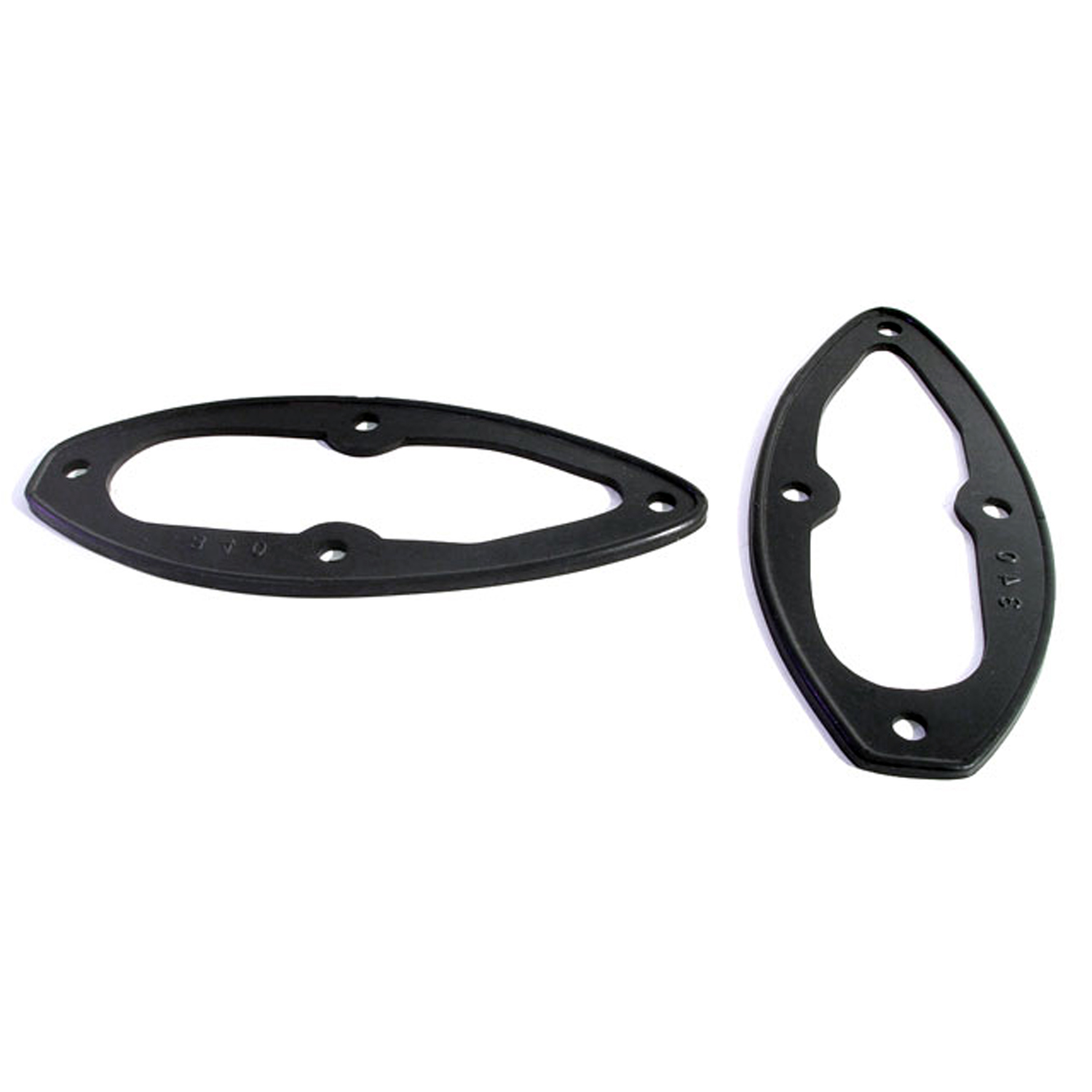 1935 Cadillac Series 60 Fleetwood Headlight/Park Light Pads. 3-1/4" wide X 7-5/8" long-MP 340Headlight/Park Light Pads. 3-1/4" wide X 7-5/8" long. Pair
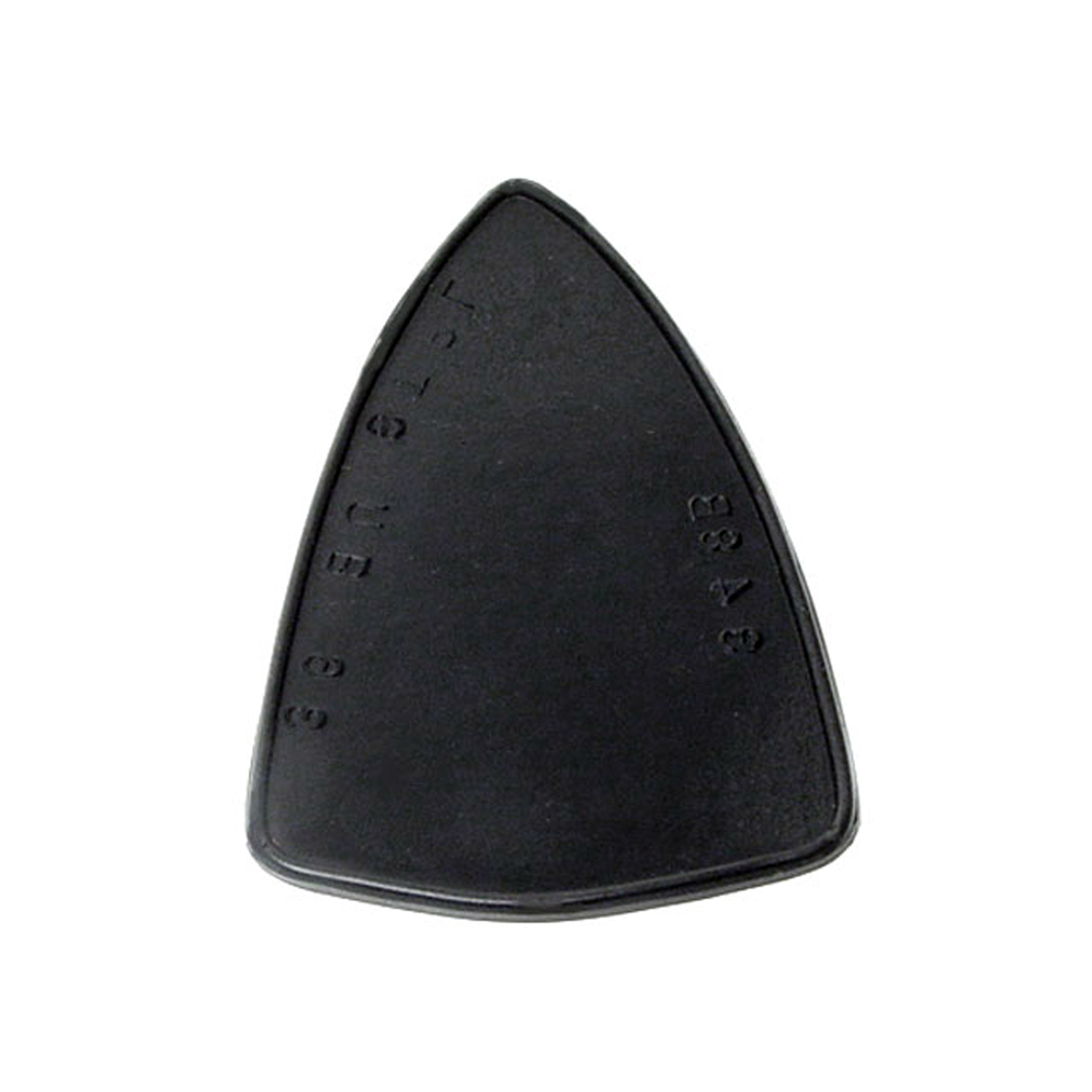 1935 Cadillac Series 60 Fleetwood Rumble Seat Step Plate Bracket Pad-MP 348-BRumble Seat Step Plate Bracket Pad. 3-1/8" wide X 4-7/8" long. Each
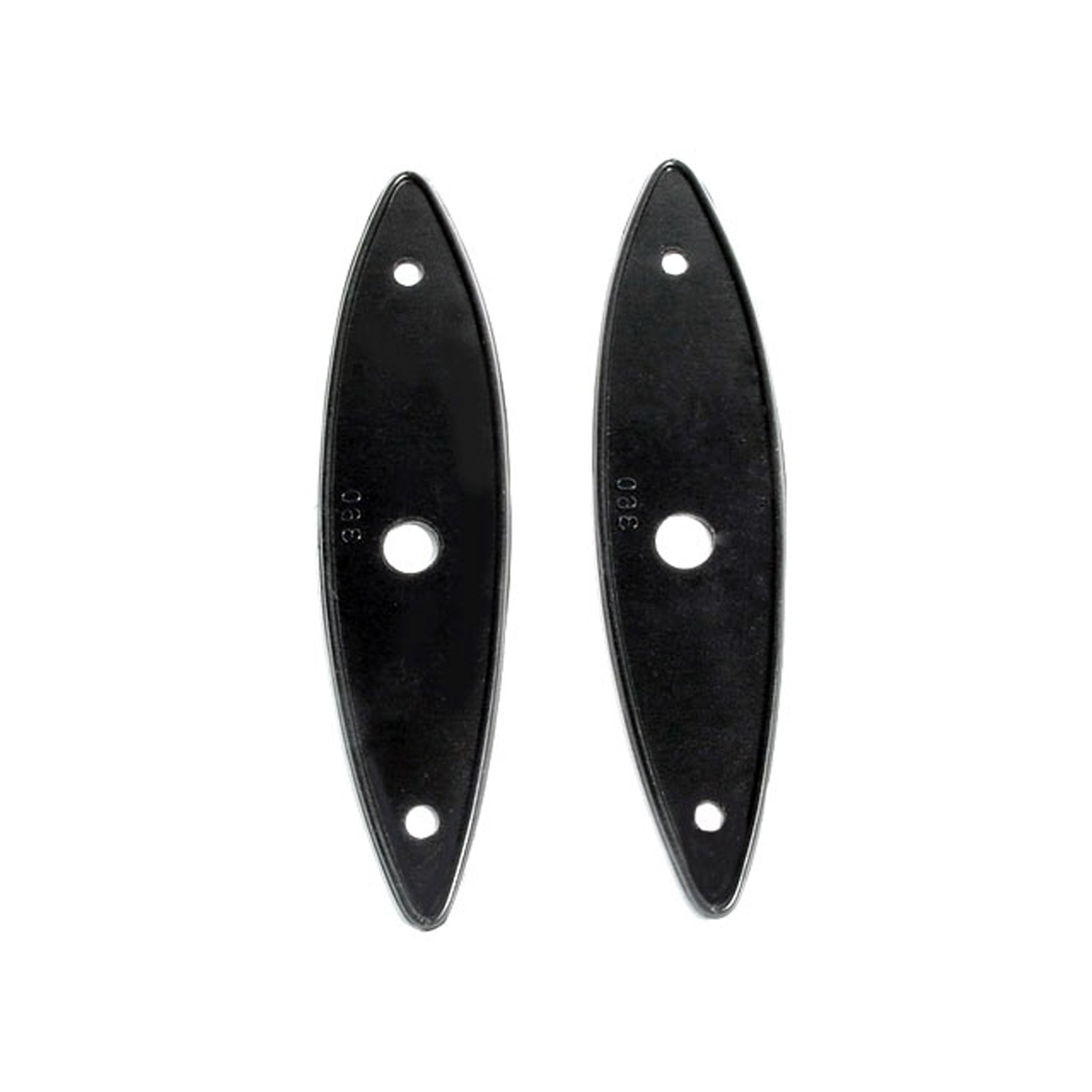 1935 Cadillac Series 60 Fleetwood Tail-Light Pads. 2" wide X 8-1/2" long. Pair-MP 360Tail-Light Pads. 2" wide X 8-1/2" long. Pair
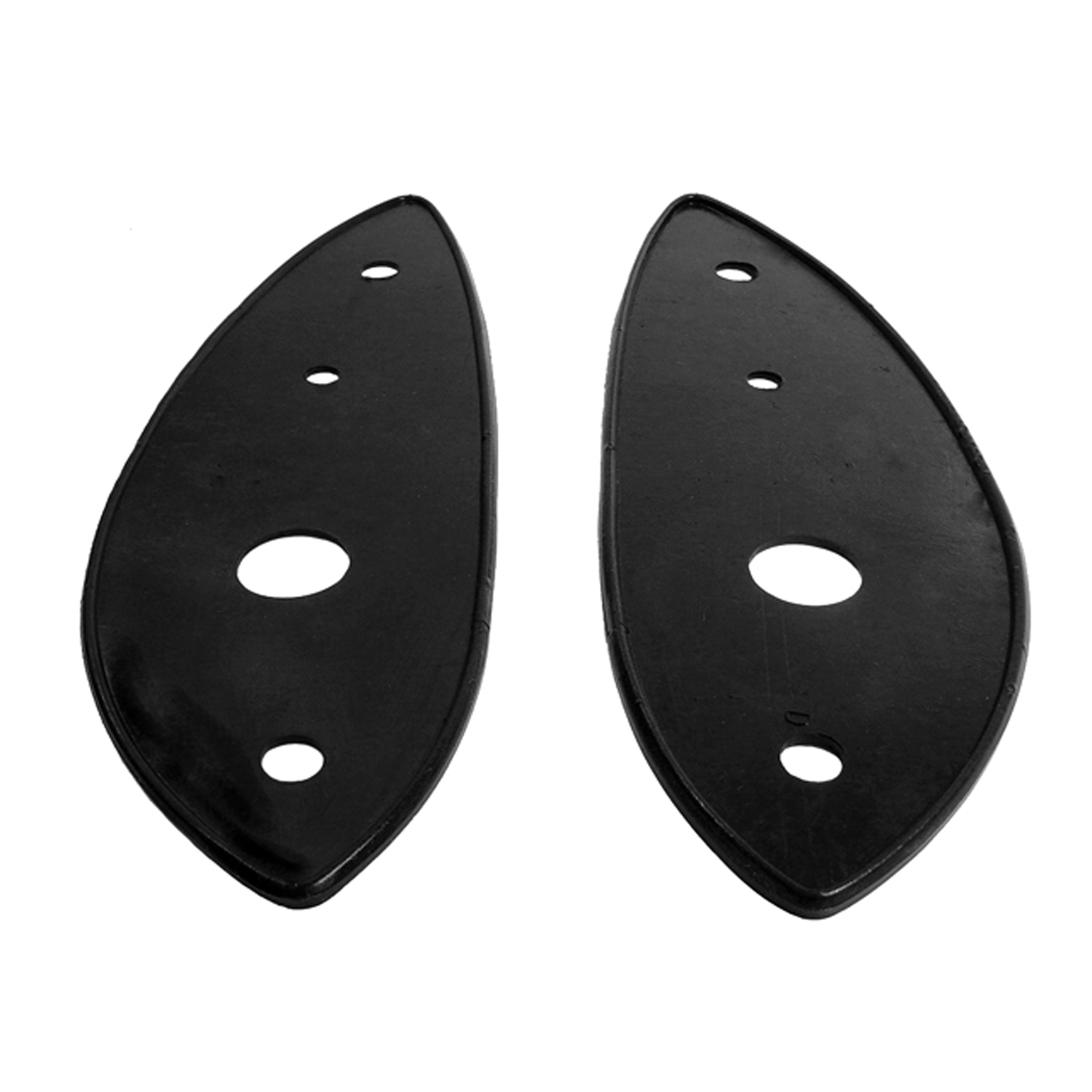 1935 Cadillac Series 60 Fleetwood Headlight Pads. 3-7/8" wide X 12-3/8" long. Pair R&L-MP 372Headlight Pads. 3-7/8" wide X 12-3/8" long. Pair R&L
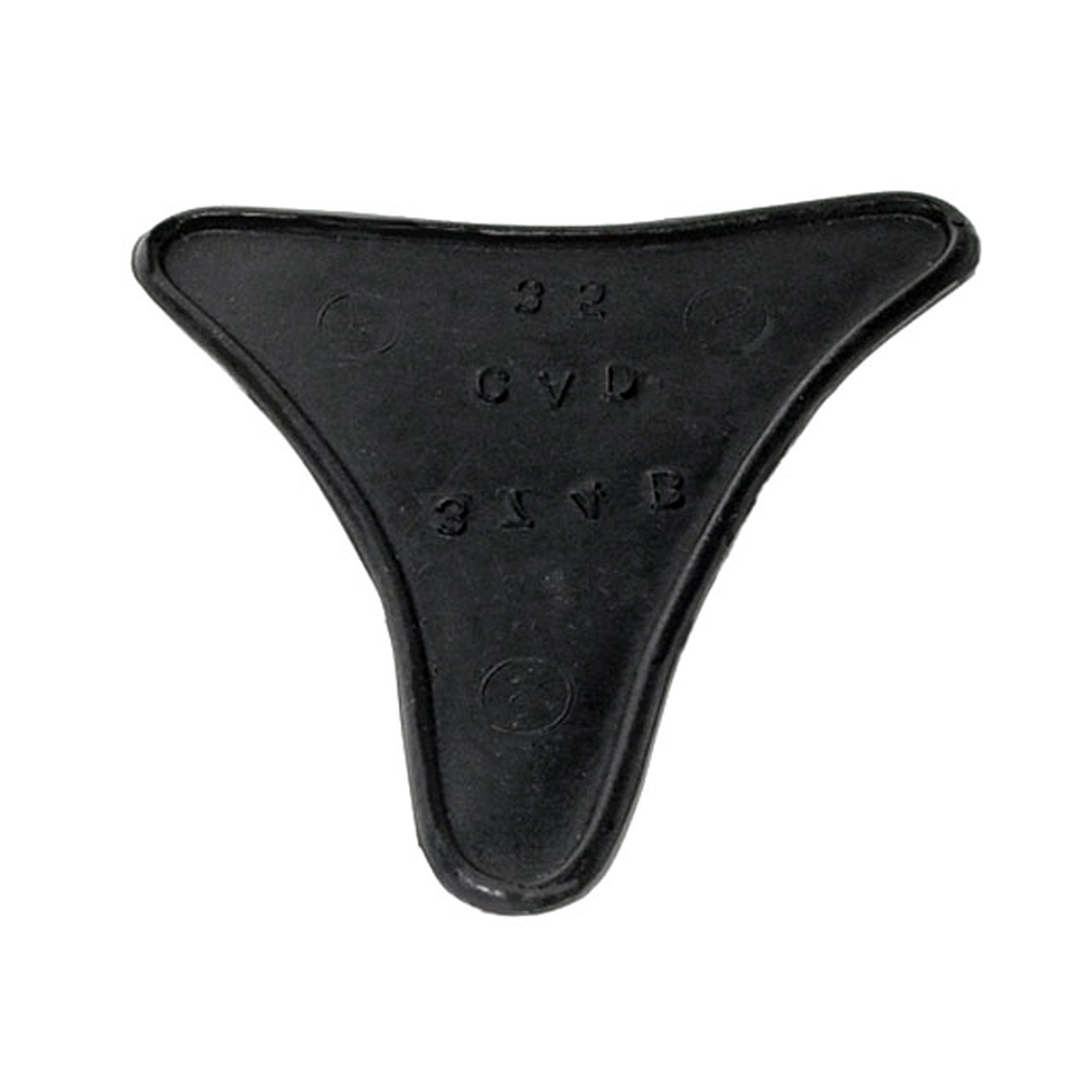 1935 Cadillac Series 60 Fleetwood Rumble Seat Step Plate Bracket. 4-1/2" wide X 4-1/4" long-MP 374-BRumble Seat Step Plate Bracket. 4-1/2" wide X 4-1/4" long. Each
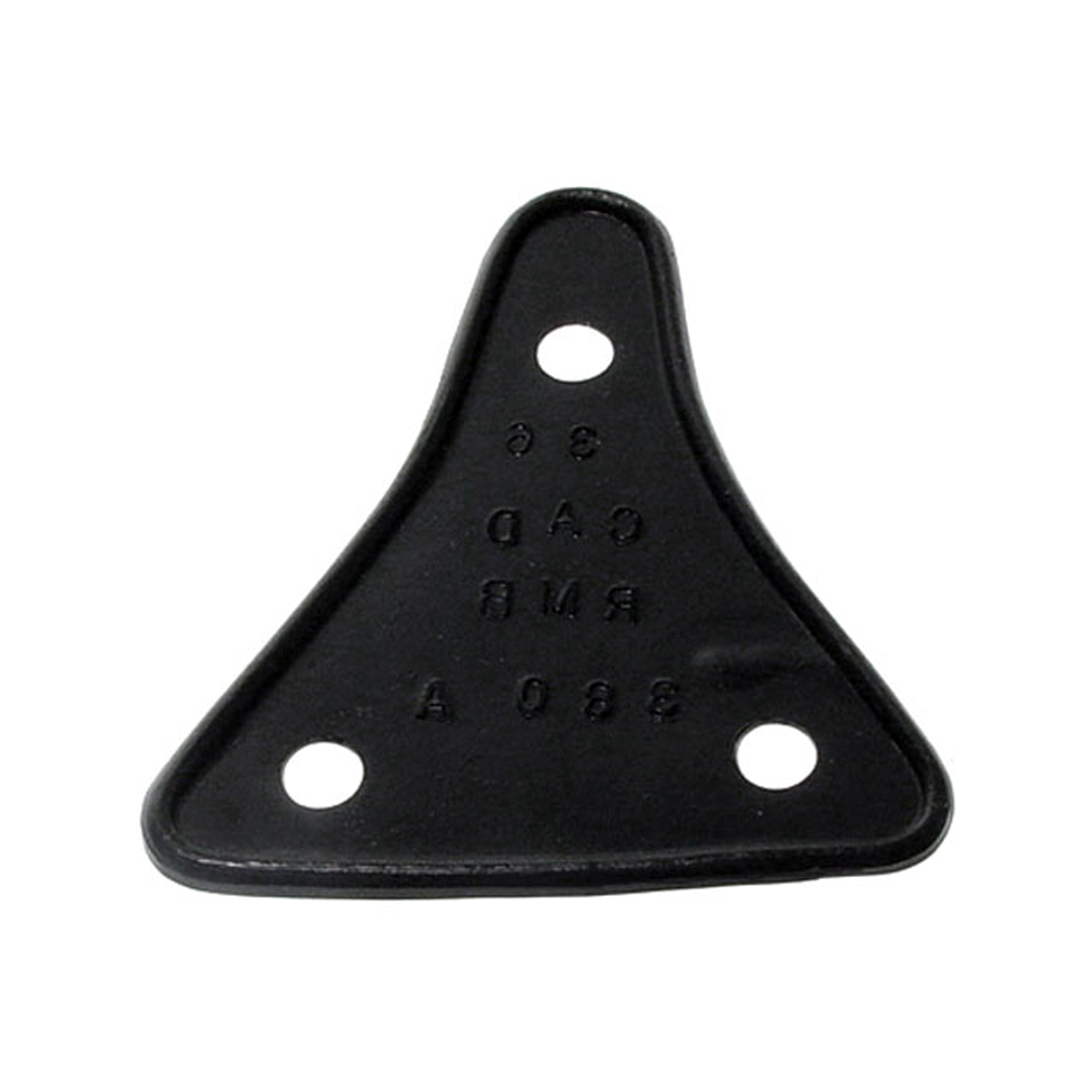 1935 Cadillac Series 60 Fleetwood Rumble Seat Step Plate Bracket Pad. Each-MP 380-ARumble Seat Step Plate Bracket Pad. Each
 1935 Cadillac Series 60 Fleetwood Door Handle Ferrule Grommet. I.D. 11/16", O.D. 1-3/16"-MP 546-IDoor Handle Ferrule Grommet. I.D. 11/16", O.D. 1-3/16". Each
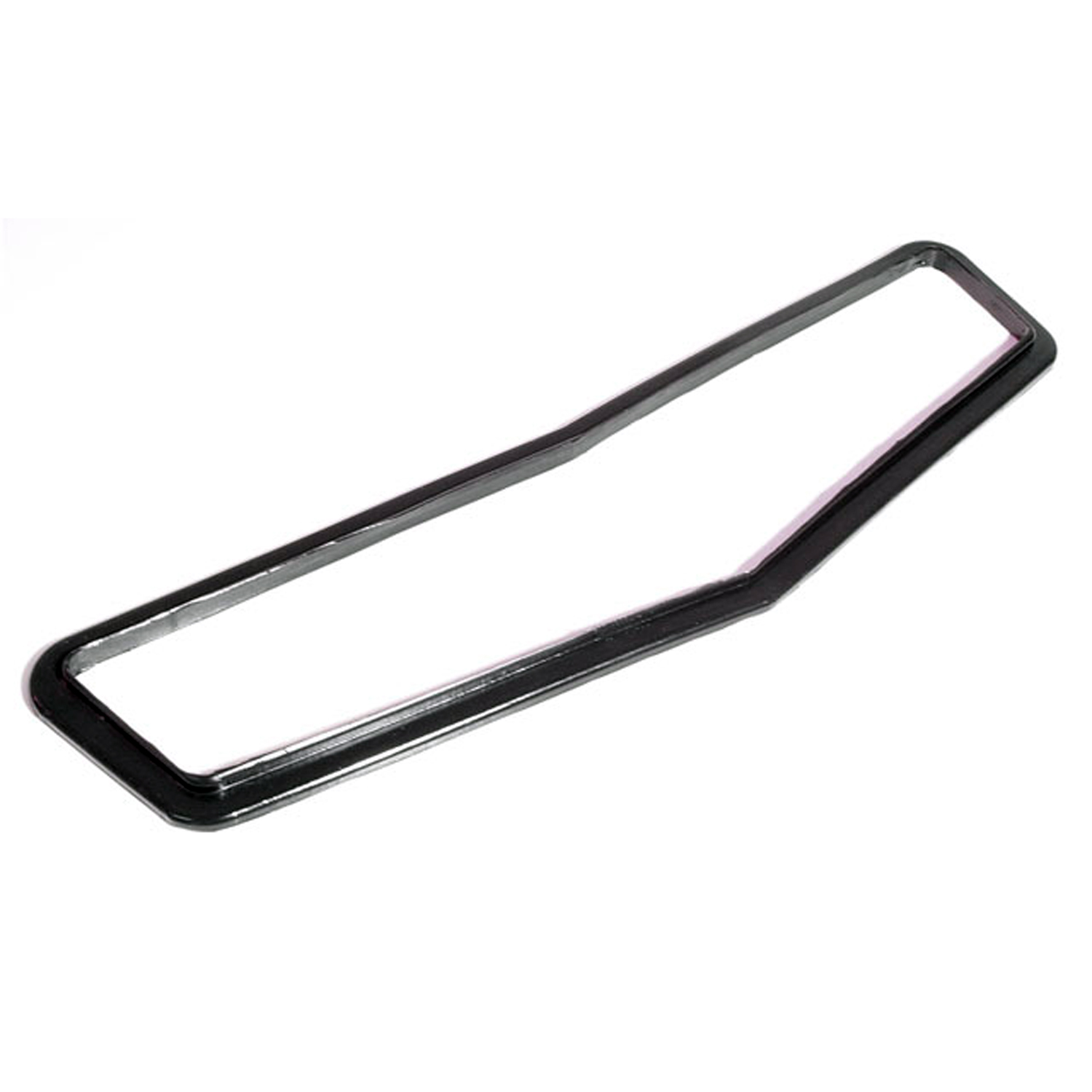 1935 Cadillac Series 60 Fleetwood Cowl Vent Seal. 3-1/4" wide X 15-5/8" long. Each-RP 100-JCowl Vent Seal. 3-1/4" wide X 15-5/8" long. Each
 1935 Cadillac Series 60 Fleetwood Door Lock Knob. Brown. 1/2" diameter X 1" long X 1/8" hole-RP 303Door Lock Knob. Brown. 1/2" diameter X 1" long X 1/8" hole. Each
 1935 Cadillac Series 60 Fleetwood Door Bumper. 1" diameter X 1/4" thick Each-SB 60Door Bumper. 1" diameter X 1/4" thick Each
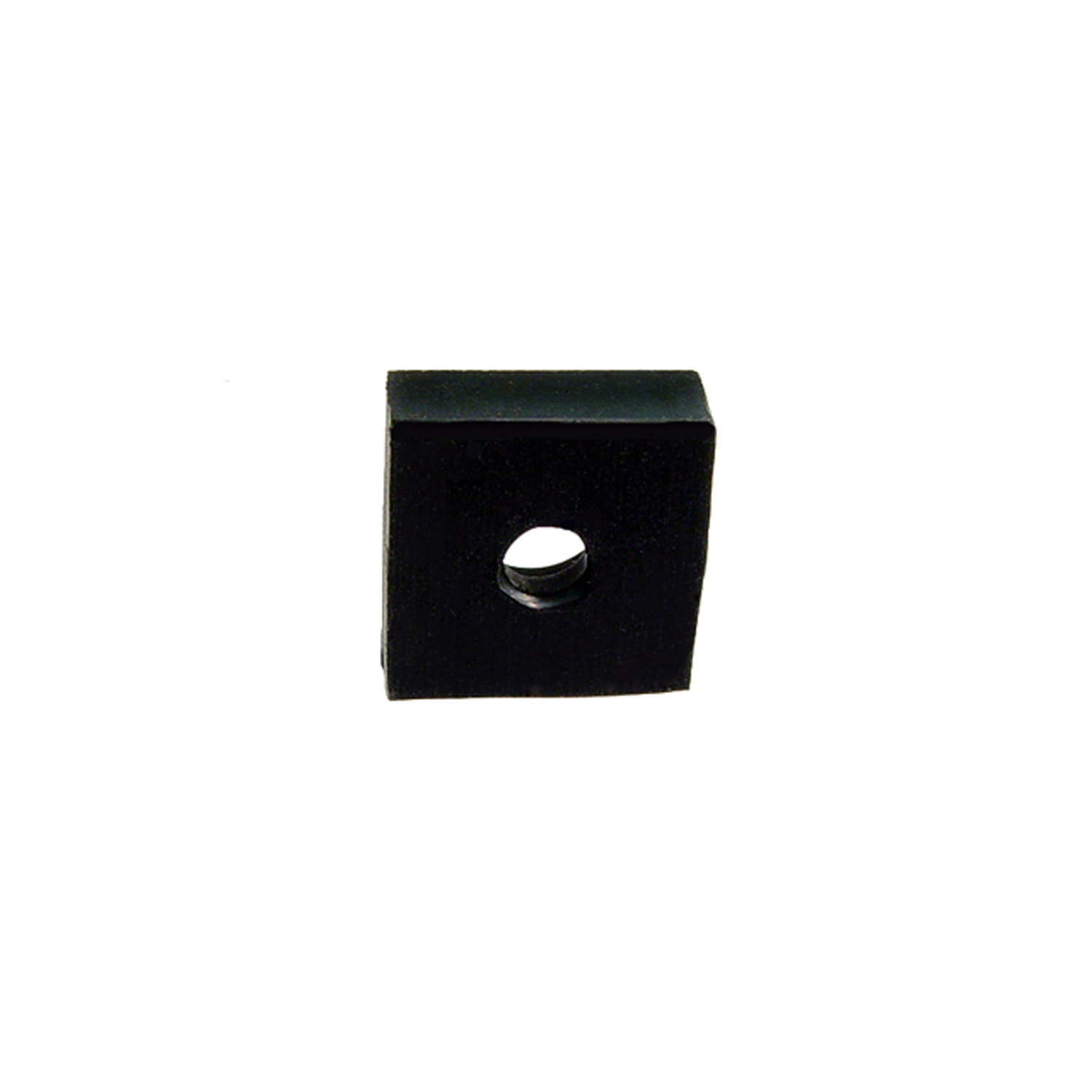 1935 Cadillac Series 60 Fleetwood Spare Tire Mount Bumper. 5/8" square. Each-SB 80Spare Tire Mount Bumper. 5/8" square. Each
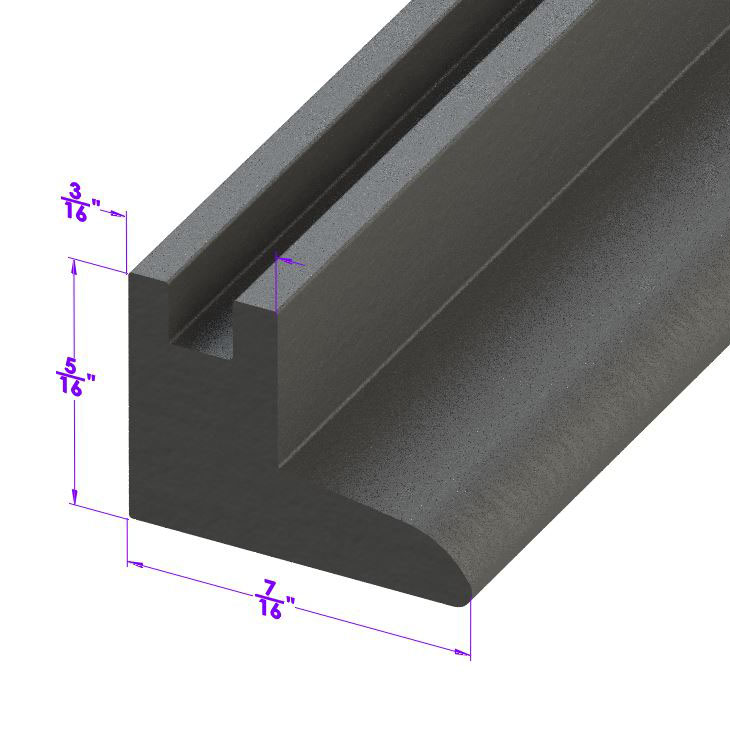 1935 Cadillac Series 60 Fleetwood Vertical Seal for Vent Window. Each is 17" long. Pair-VS 2Vertical Seal for Vent Window. Each is 17" long. Pair
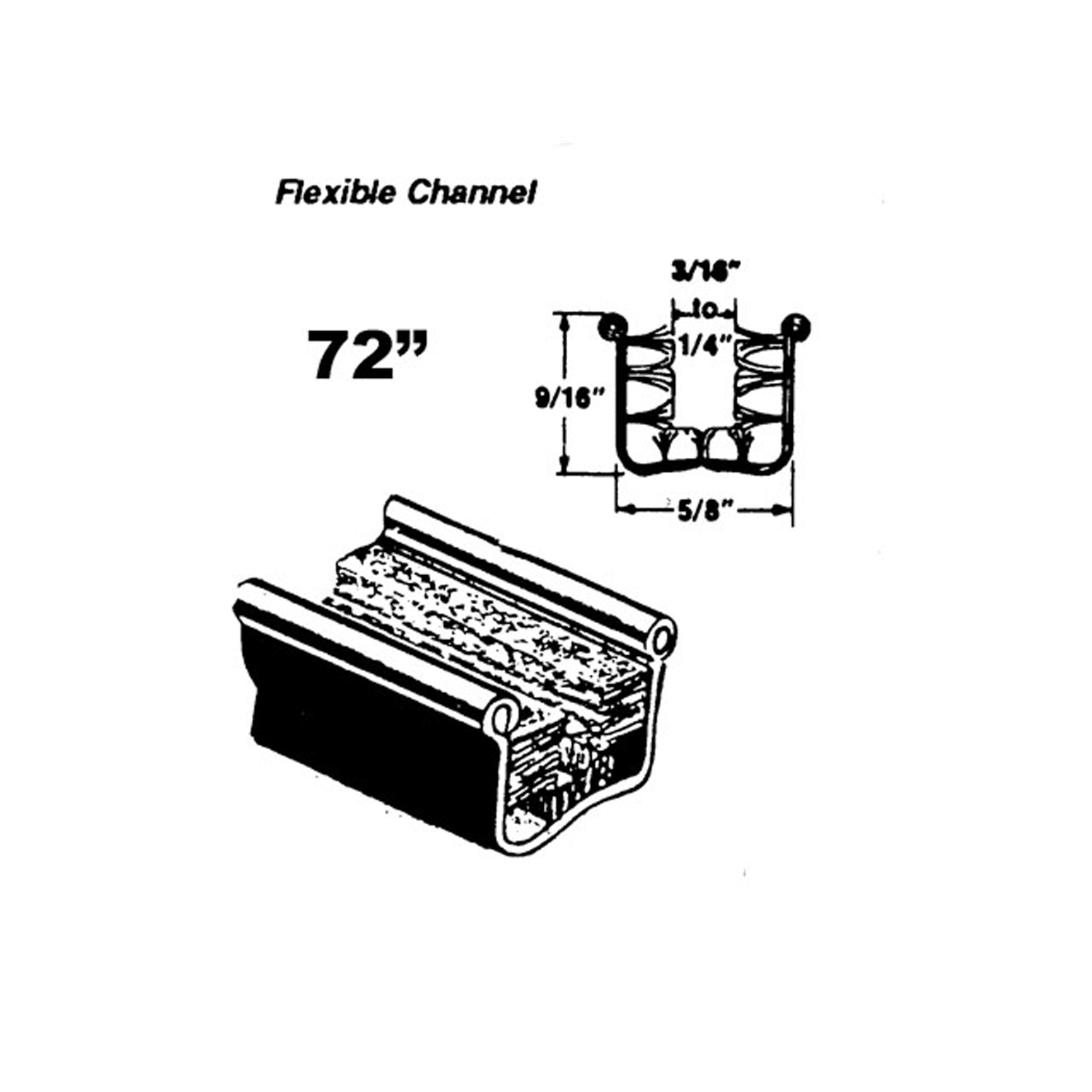 1935 Cadillac Series 60 Fleetwood Flexible glass-run channel-WC 11-72Flexible glass-run channel. Mohair lined, cloth covered with stainless steel bead. Used on side windows. 72 in. long. Each. NOTE: $20 special shipping charge applies for domestic orders. Call or email for overseas shipping costs. Part can be sectioned in two equal lengths to reduce overseas shipping costs.
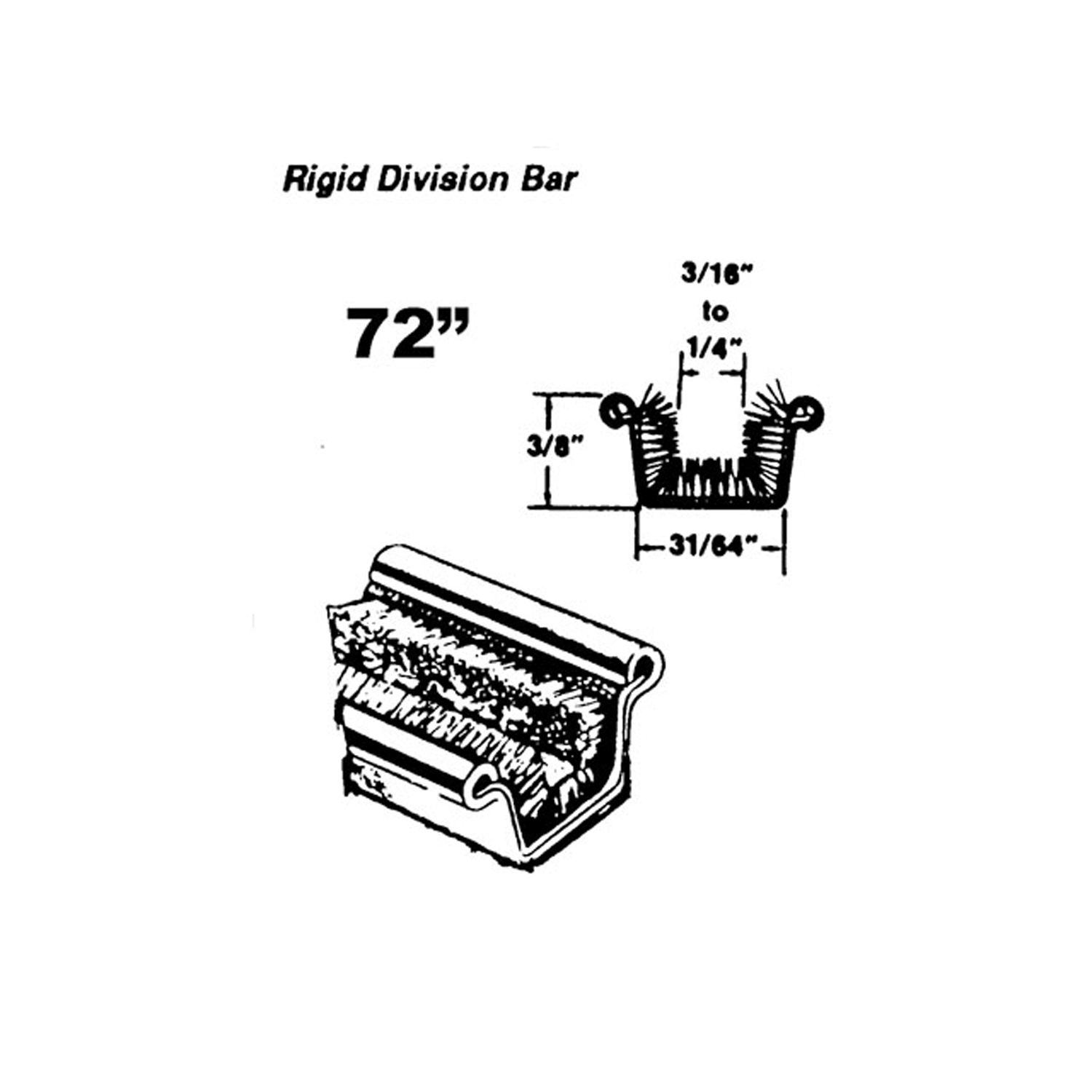 1935 Cadillac Series 60 Fleetwood Rigid division-bar channel. Made with stainless steel bead-WC 2-72Rigid division-bar channel. Made with stainless steel bead. 72 in. long. Each. NOTE: $20 special shipping charge applies for domestic orders. Call or email for overseas shipping costs. Part can be sectioned into two equal lengths to reduce overseas shipping costs.
 1935 Cadillac Series 60 Fleetwood Flexible Rubber Window Channel-WC 32-14Flexible Rubber Window Channel. For Fisher Closed Bodies, except those using a stainless bead type. Used on side windows. 13/16" outer width X 6/16" outer depth, with a 5/16" inner channel width X 14" long. Each
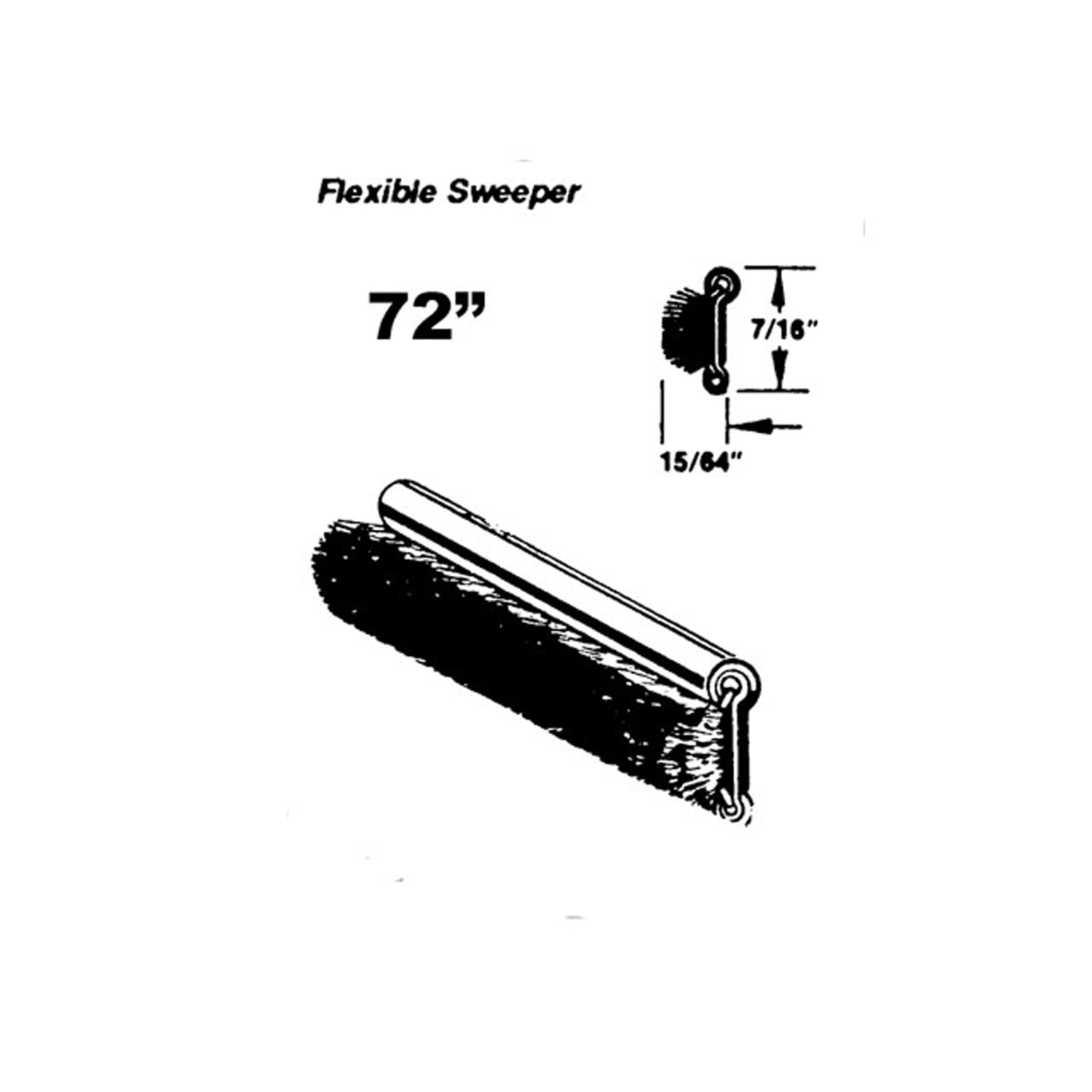 1935 Cadillac Series 60 Fleetwood Flexible sweeper. Made with stainless steel bead-WC 8-72Flexible sweeper. Made with stainless steel bead. Used on inner and outer beltlines. Also forms easily for use with sliding quarter windows. 72 in. long. Each. NOTE: $20 special shipping charge applies for domestic orders. Call or email for overseas shipping costs. Part can be sectioned into two equal lengths to reduce overseas shipping costs.
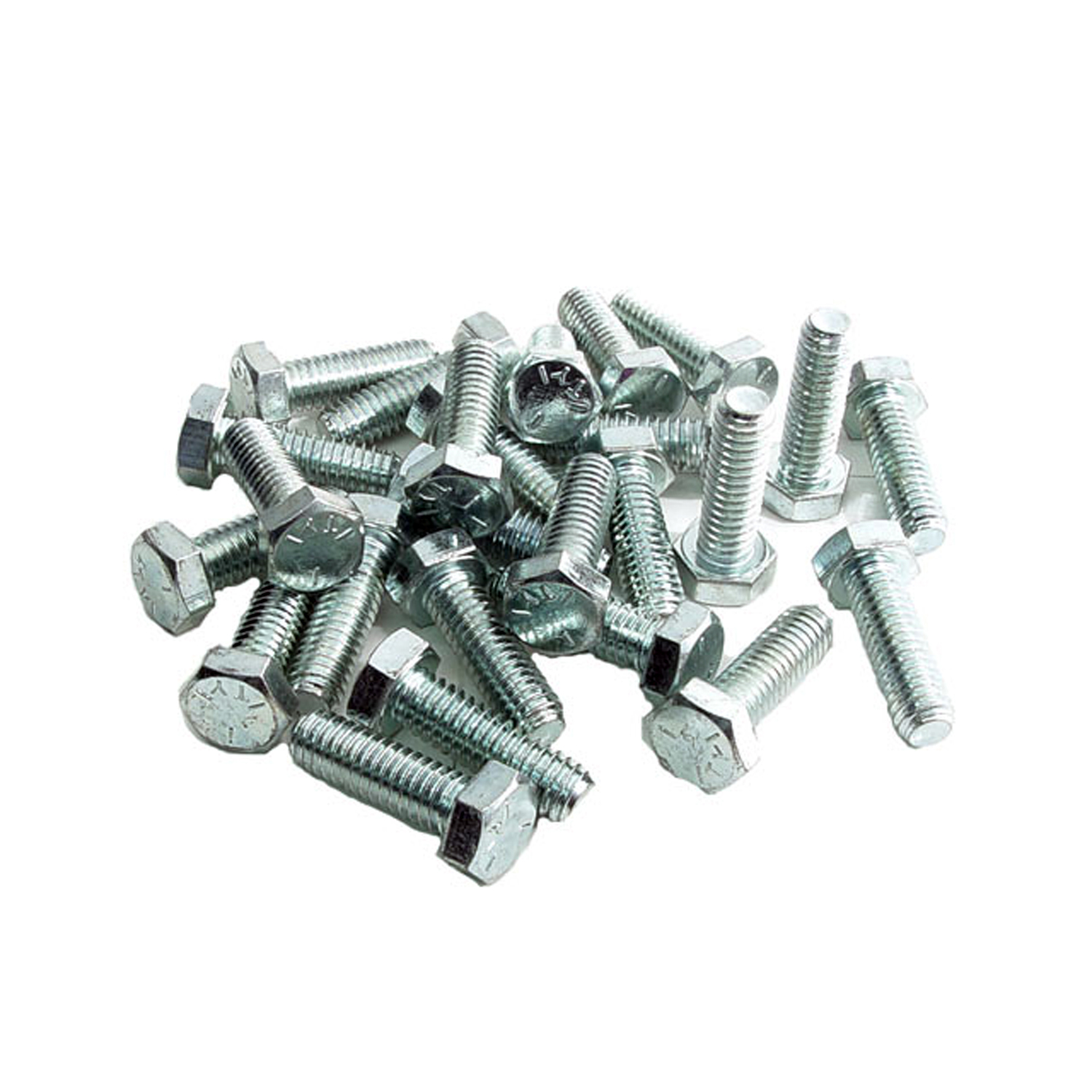 1935 Cadillac Series 60 Fleetwood Fender Bolts. For use with Fender Bolt Washers; WF 3001-WF 3000Fender Bolts. For use with Fender Bolt Washers; WF 3001. Zinc Chromate plated, high strength. 1" X 5/16". Set of 25
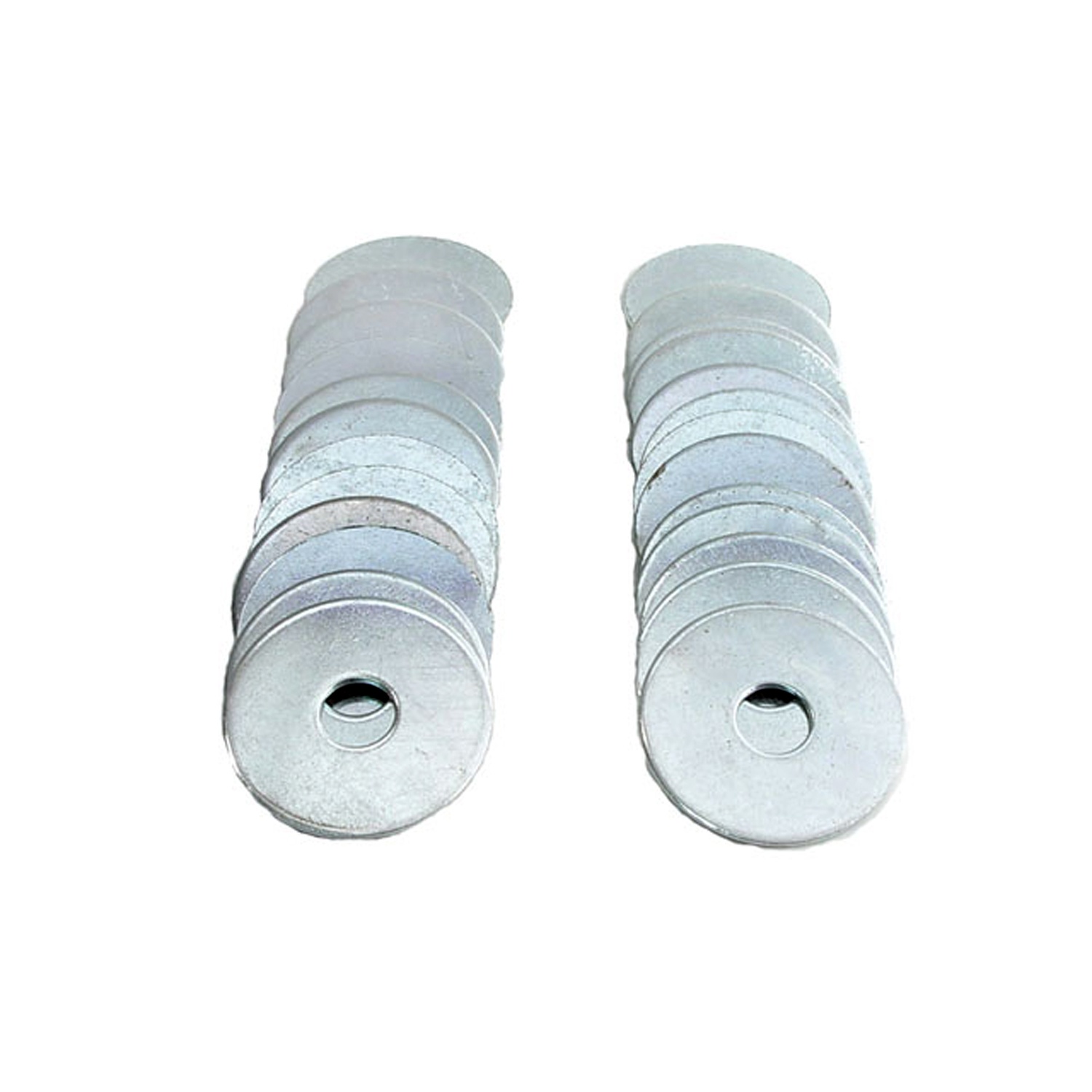 1935 Cadillac Series 60 Fleetwood Fender Bolt Washers. For use with Fender Bolts; WF 3000-WF 3001Fender Bolt Washers. For use with Fender Bolts; WF 3000. High quality, cadmium plated. 1-1/4" O.D., 3/8" I.D. Set of 25
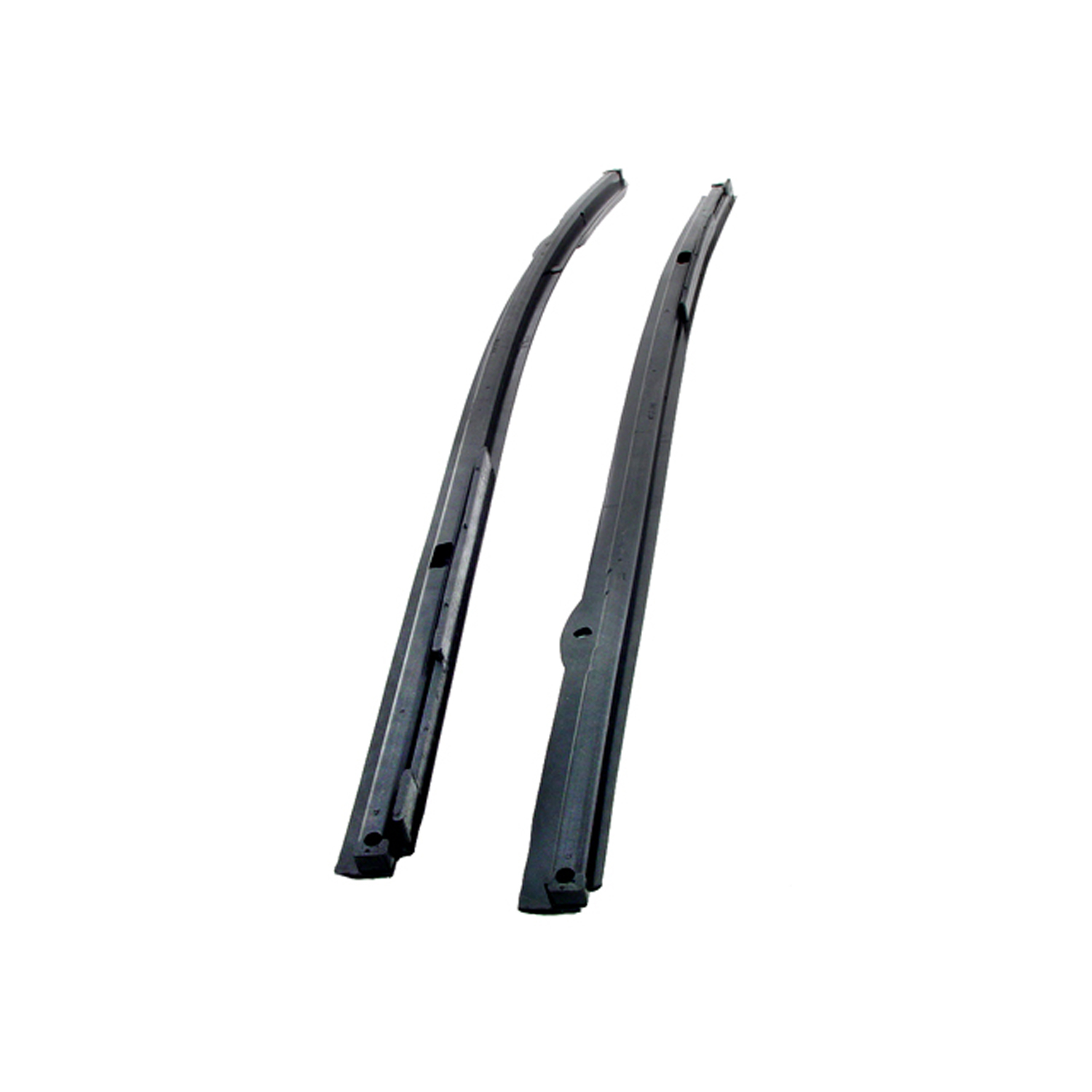 1935 Cadillac Series 60 Fleetwood Front Vent Window Seals, for 4-Doors. Pair R&L-WR 7304Front Vent Window Seals, for 4-Doors. Pair R&L
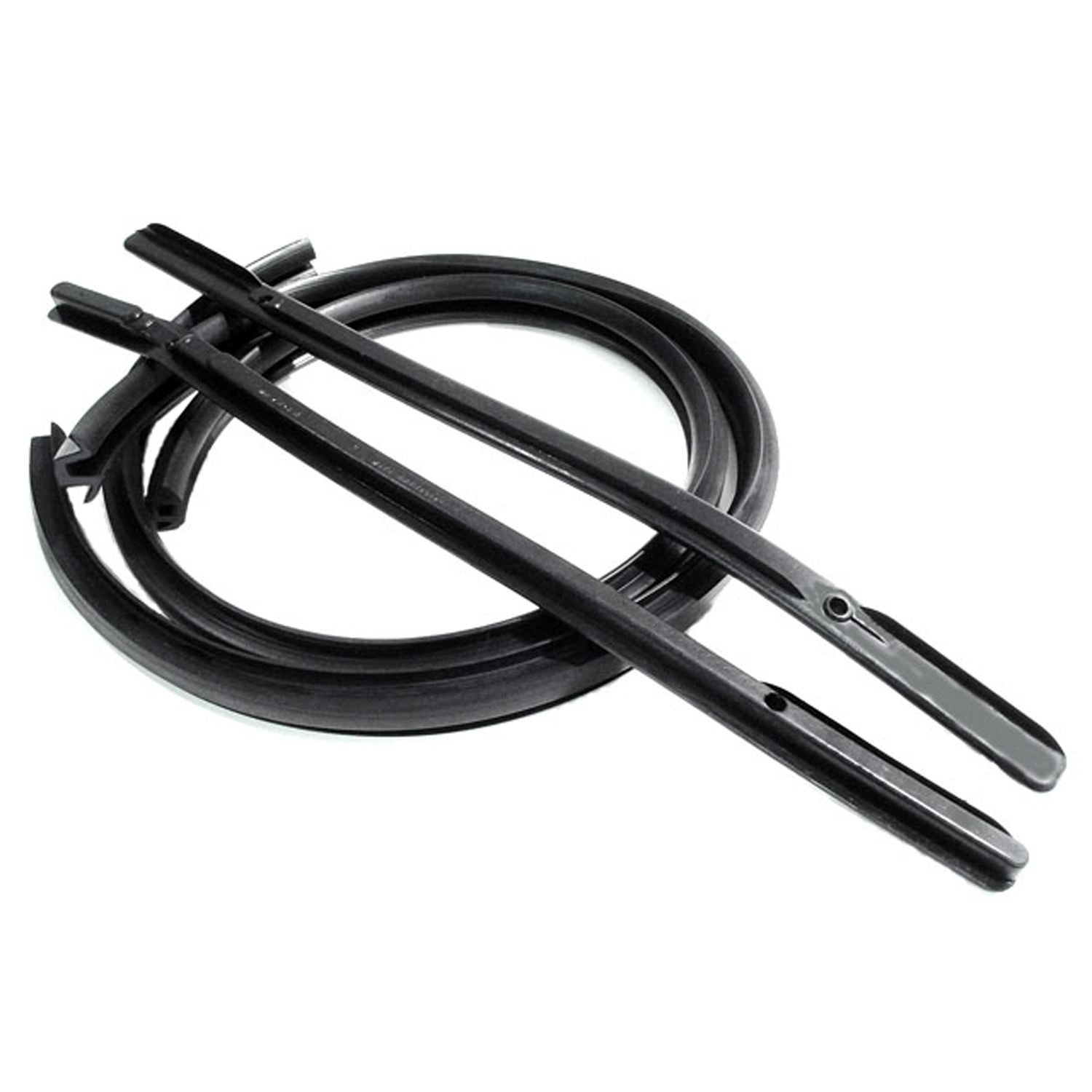 1935 Cadillac Series 60 Fleetwood Rear Vent Window Seals, for 4-Door Sedans-WR 7304-RRear Vent Window Seals, for 4-Door Sedans. Each side has piece 41" long and 21-1/4" long. 4-Piece Set.
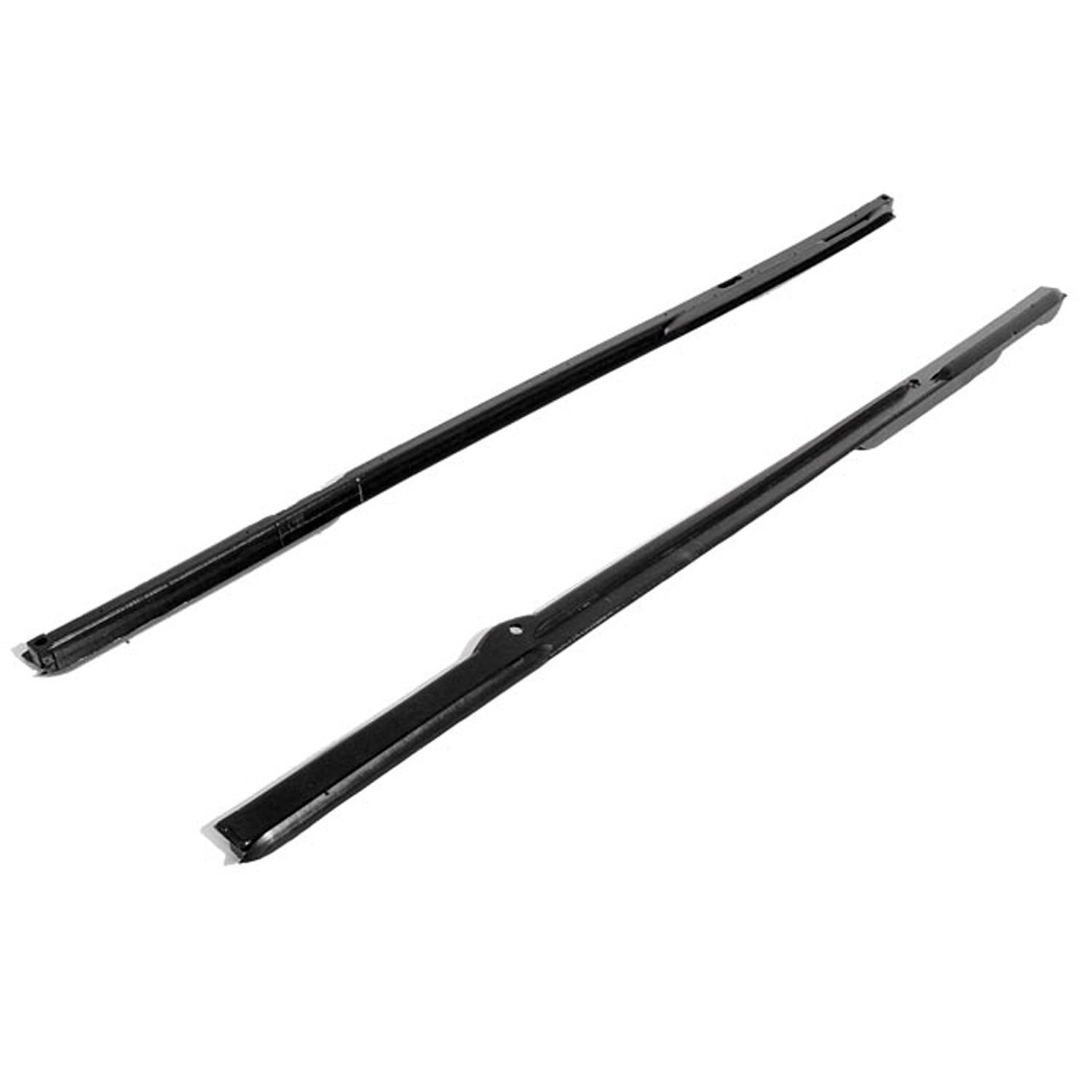 1935 Cadillac Series 60 Fleetwood Front Vent Window Seals. Does not fit Convertible-WR 7309Front Vent Window Seals. Does not fit Convertible. Pair R&L
Why Choose Metro?
For over 100 years, Metro Moulded Parts has been the pinnacle of quality in classic car restoration parts. Our commitment to precision and authenticity in every component ensures a perfect fit and an OEM-level appearance.
- Expert Craftsmanship & Quality: Each part is a testament to our dedication to reliability and perfection, crafted from original designs and thoroughly tested.
- Advanced Technology: We use cutting-edge techniques to create flawless, long-lasting parts that surpass others in performance.
- SuperSoft Sponge – The Ultimate Door Seal: Not only are our door seals 30% softer than competitors', but they're also guaranteed to never leak. They effectively reduce wind and road noise, enhancing your classic car's comfort and driving experience.
- Proudly American: Our parts are a product of American craftsmanship, made in the USA with a spirit of excellence and heritage.
- Unrivaled Warranty: We back our products with a 30-year industry-leading warranty, a testament to our confidence in their quality.
Join us in preserving the legacy of classic cars with parts that are crafted for perfection, not just made.