

Image of 1939 Cadillac Series 75, Note: These illustrations use artistic license and may differ from actual historical models.
Performance Metrics
Fundamental Metrics
Emotional Appeal
MMP Rating
| Engine Specifications | |
|---|---|
| Engine: | V8 |
| Displacement: | 346 cubic inches |
| Horsepower: | Estimated 135-140 HP |
| Torque: | 283 lb-ft |
| Compression Ratio: | Estimated 6.25:1 |
| Ignition System: | Battery and coil |
| Cooling System: | Liquid-cooled |
| Performance Specifications | |
| 0-60 Time: | Information not available |
| 1/4 Mile Time: | Information not available |
| Top Speed: | Estimated 85-90 mph |
| Transmission and Drive | |
| Drive Type: | Rear-wheel drive |
| Transmission Type: | 3-speed manual |
| Fuel and Efficiency | |
| Fuel System Type: | Carburetor |
| MPG: | Information not available |
| Dimensions and Brakes | |
| Brakes: | Drum brakes |
| Wheelbase: | 141 inches |
| Weight: | Estimated 4,700 lbs |
Note: Specifications for classic cars are given to the best of our ability, considering the limited and variant data available.
1939 Cadillac Series 75: The American Luxury Limousine
In 1939, Cadillac made the journey to the back seat feel every bit as important as the drive itself. The Series 75 was a long, imposing Fleetwood-bodied luxury car built for executives, families who traveled with an entourage, and anyone who wanted their arrival to be noticed. At the top of Cadillac’s V8 range, it paired formal styling and generous passenger space with the company’s smooth 346-cubic-inch engine.
Cadillac was founded in Detroit in 1902 and had become one of America’s defining luxury-car manufacturers by the late 1930s. The Series 75 carried that reputation into the prewar era, when spacious, chauffeur-driven sedans and limousines were still potent symbols of status. A notable detail for modern drivers: although automatic transmissions were on the horizon, a 1939 Series 75 used a conventional three-speed manual. Cadillac’s Hydra-Matic automatic arrived the following model year.
Fleetwood Style and Formal Presence
The Series 75’s proportions do much of the talking. Its long wheelbase, upright passenger compartment, extended hood, and broad fenders create a distinctly formal silhouette. At the front, the upright grille and carefully shaped fenders give the car a strong, architectural face. Chrome details add polish without overwhelming the body, while the large running boards and substantial bumpers underline the car’s scale. Fleetwood coachwork, Cadillac’s name for its more exclusive bodywork, gave the Series 75 a finish and presence suited to its flagship role.
Inside, the emphasis was on comfort and space rather than sporty flair. Depending on body style and specification, passengers could find broad, carefully upholstered seats, quality cloth or leather trim, polished wood details, and generous legroom. Limousines could be ordered with a glass partition separating the chauffeur from the rear compartment. Some passenger configurations also included auxiliary seats, allowing the car to carry more than a typical sedan.
Cadillac offered the Series 75 in several formal body configurations, including five- and seven-passenger sedans and limousine-style models. Exact names and specifications varied among catalog listings and coachwork configurations. The seven-passenger limousine is the best-known version today: its extended cabin, rear seating, and optional chauffeur partition make it the clearest expression of what the Series 75 was built to do. Buyers could choose from a factory paint palette that included subdued, formal hues such as black, dark blue, green, gray, and maroon; color availability depended on the body and order. Dark finishes were especially fitting for the car’s dignified character.
Engineering for Quiet, Confident Travel
Power came from Cadillac’s 346-cubic-inch, or 5.7-liter, L-head V8. Period specifications commonly list output at about 135 horsepower, delivered through a three-speed synchromesh manual gearbox. The engine’s side-valve layout was not exotic, but it was well suited to the job: smooth, tractable power for moving a large luxury car without fuss.
For its time, the Series 75 also benefited from features that helped make long-distance motoring more manageable, including hydraulic brakes and independent front suspension. These systems were part of a broader shift away from the harsher, less controlled driving experience of earlier cars. The Series 75 was not a technology showcase in the modern sense, but it combined established engineering with the comfort and finish expected of a high-end Cadillac.
Color and trim were part of the car’s appeal, but the bigger choice was how it would be used. A sedan offered formal comfort in a more conventional package, while a limousine gave rear-seat passengers greater privacy and space. Those distinctions mattered to the original buyer, whether the car was destined for a private household, a hotel fleet, or executive transport.
Why the Series 75 Mattered
The Series 75 demonstrated how American luxury cars were evolving before the Second World War. It brought a powerful V8, carefully finished interiors, and substantial passenger room together in a factory-built vehicle, rather than relying entirely on a separate coachbuilder to create a bespoke automobile. Fleetwood’s work gave the car a custom-bodied appearance while retaining Cadillac engineering underneath.
Compared with ordinary family cars, the Series 75 was larger, more formal, and more accommodating. Compared with smaller luxury sedans, it offered the extra space needed for additional passengers and chauffeur-driven travel. Its influence is best understood as part of Cadillac’s long-running formula: combine visible prestige with mechanical refinement and make comfort a central feature, not an afterthought. The formula would continue in postwar Cadillacs and in the large American luxury sedans that followed.
Performance and the Driving Experience
The Series 75 was built to cover distance in comfort, not to win a stoplight contest. With roughly 135 horsepower pulling a heavy body, estimates for acceleration from 0 to 60 mph generally fall in the high-teens to low-20-second range. Top speed is often estimated at roughly 90 to 100 mph, though actual performance depends on body style, mechanical condition, gearing, tires, and how the figures are measured. These are best treated as period-car estimates, not guaranteed factory test results.
On a smooth road, the car’s long wheelbase helps it settle into a steady, unhurried rhythm. Its suspension can take the edge off ordinary road imperfections, though a 1939 luxury car should not be expected to float over every bump like a modern vehicle. On winding roads, the Series 75’s size and weight ask the driver to plan ahead. It prefers broad curves and measured steering inputs over quick direction changes, and its period brakes require more anticipation than modern power-assisted systems.
The V8 provides a low, restrained burble rather than a sharp performance-car bark. The manual gearbox keeps the driver involved, but the engine’s flexible delivery encourages smooth shifts and relaxed cruising. Behind the wheel, the impression is one of scale and ceremony: a broad view over the hood, substantial controls, and the sense that the car is happiest carrying its occupants steadily rather than rushing them.
Owning a Prewar Cadillac
Today, most Series 75s are used as show cars, collector vehicles, or occasional touring cars. A sound example can be driven, but its age and size make it a poor choice for everyday commuting in modern traffic. It is wide, consumes more fuel than a contemporary car, and lacks modern safety equipment such as airbags, electronic stability control, and contemporary crash protection.
Maintenance is manageable for an owner familiar with older American cars, but it is not quite a beginner’s project. The V8 is mechanically straightforward compared with many modern engines, and many service procedures are understandable to an experienced vintage-car mechanic. The larger challenge is locating correct parts, addressing age-related wiring and fuel-system issues, and keeping the chassis, brakes, cooling system, and body in good condition. A pre-purchase inspection by a mechanic experienced with prewar Cadillacs is especially valuable.
As with most cars of this age, condition matters more than the odometer reading. Check for rust in the body and structural areas, evidence of poor repairs, worn steering and suspension components, and signs that the engine or transmission needs major work. Limousine-specific trim and interior parts can be difficult or costly to replace, so completeness is important.
Little-Known Details and Common Criticisms
The Series 75’s defining party trick was not a record-breaking speed or racing victory. It was the ability to carry a full complement of passengers in considerable comfort while retaining the presence and finish expected of a Cadillac. Its long, formal body made it a natural choice for chauffeur service and executive transport, though individual cars’ histories vary and should be verified through documentation.
There is no widely recognized production record or motorsport achievement associated with the 1939 Series 75. Its lasting appeal comes instead from its place in the prewar luxury-car era and its Fleetwood craftsmanship. One common criticism is that the car’s impressive size comes with equally substantial demands: parking, fuel consumption, and maneuvering through modern streets can all be a challenge. Its brakes and handling also feel dated beside a modern car, so owners should drive it with appropriate care.
Collector Values and Availability
Model-specific production figures can be difficult to compare because sources may group body styles differently. A reasonable working estimate is that roughly 1,500 to 2,000 Series 75 cars were built for 1939, with the exact number depending on which configurations are counted. That makes the model uncommon today, especially in complete, well-documented condition. Limousines and unusual body styles appear less often than more common collector cars, and the finest examples are not always publicly offered for sale.
As a broad 2026 market guide, a project car might fall around $15,000 to $30,000. A presentable driver or older restoration could be roughly $35,000 to $70,000, while a high-quality restoration may reach about $75,000 to $120,000 or more. Exceptional examples, particularly rare configurations with strong provenance and concours-level workmanship, can exceed those ranges. These are estimates rather than fixed prices: body style, originality, restoration quality, and sale venue make a substantial difference.
Values have generally been strongest for cars that are complete, correctly restored, and ready to tour or show. The broader market for prewar classics can move slowly, and expensive restorations do not always return their full cost at resale. The Series 75 is best viewed as a collectible with steady enthusiast appeal rather than a guaranteed short-term investment. Its craftsmanship and distinctive limousine profile help support interest, while the cost of upkeep and limited buyer pool can temper prices.
A Cadillac Built for the Rear Seat
The 1939 Cadillac Series 75 combined a smooth V8, Fleetwood finish, formal styling, and room for a generous passenger party in one of the most imposing American luxury cars of its era. It was not designed to be nimble or economical. It was designed to make long journeys feel composed and to turn an arrival into an occasion.
More than eight decades later, the Series 75 still captures a particular kind of Cadillac confidence: measured, elegant, and unmistakably grand. Its best seat may be in the back, but its place in prewar American automotive history is firmly in the front row.
1939 Cadillac Series 75 Catalog of Parts
 1939 Cadillac Series 75 Transmission Vacuum Shift Grommet. Used on rear side-BC 40Transmission Vacuum Shift Grommet. Used on rear side. 1-1/2" O.D., 3/8" I.D., 3/8" Thick. Each
 1939 Cadillac Series 75 Rear Bumper Arm Grommets-BG 44Rear Bumper Arm Grommets. 2-3/8" wide X 4-3/8" long, with 1-5/8" long inner slot. Pair
 1939 Cadillac Series 75 Spring and Shackle Bushing-BN 22Spring and Shackle Bushing. For front or rear eyes on rear leaf spring. 1-3/4" bottom O.D X 1-3/8" high, with 3/4" I.D. Each
 1939 Cadillac Series 75 Lower Inner "A" Frame Shaft Seal. 1-1/8" O.D., 5/16" thick-BN 23-ALower Inner "A" Frame Shaft Seal. 1-1/8" O.D., 5/16" thick. Each
 1939 Cadillac Series 75 Upper Door Hinge Post Bumper. Held by screw-DB 60-AUpper Door Hinge Post Bumper. Held by screw. 7/8" diameter X 1/8" thick. Each
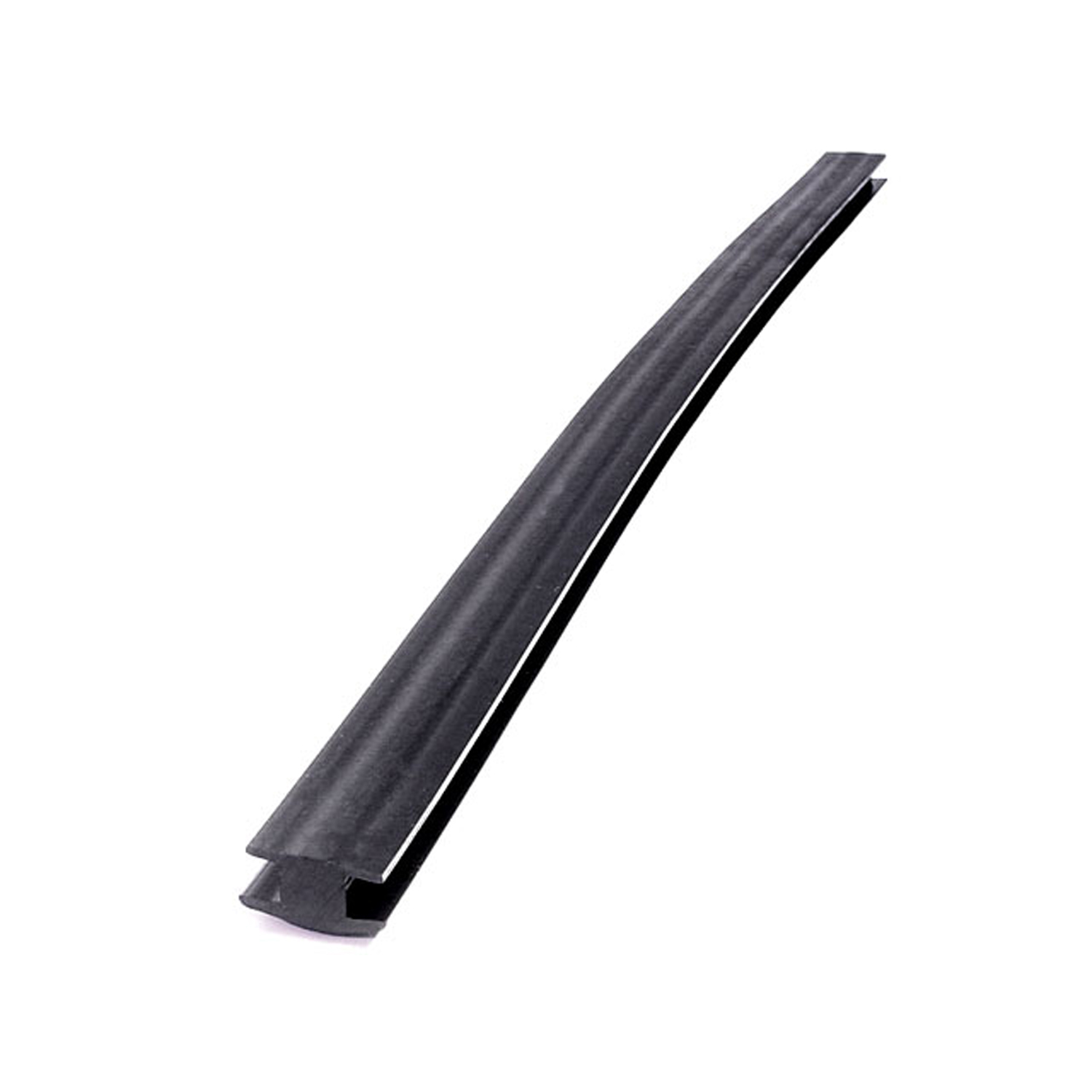 1939 Cadillac Series 75 Windshield Center Bar Gasket. 20" long. Each-DP 12Windshield Center Bar Gasket. 20" long. Each
 1939 Cadillac Series 75 Gravel Shields. Flat without metal backing plates-FS 25Gravel Shields. Flat without metal backing plates. Apply with contact cement. 16" long X 9" wide at top and 7-1/2" wide at bottom. Pair
 1939 Cadillac Series 75 Gravel Shields and Narrow Body Section Gravel Shields-FS 25-26Gravel Shields and Narrow Body Section Gravel Shields. Gravel Shields: 16" long X 8-1/2" wide at top and 6-1/2" wide at bottom. Narrow Body Section: 14" long, with beaded edge extending 1" along top and bottom. Complete 4-piece set
 1939 Cadillac Series 75 Narrow Body Section Gravel Shields-FS 26Narrow Body Section Gravel Shields. This part used on most models. 14" long, with beaded edge extending 1" along top and bottom. Pair
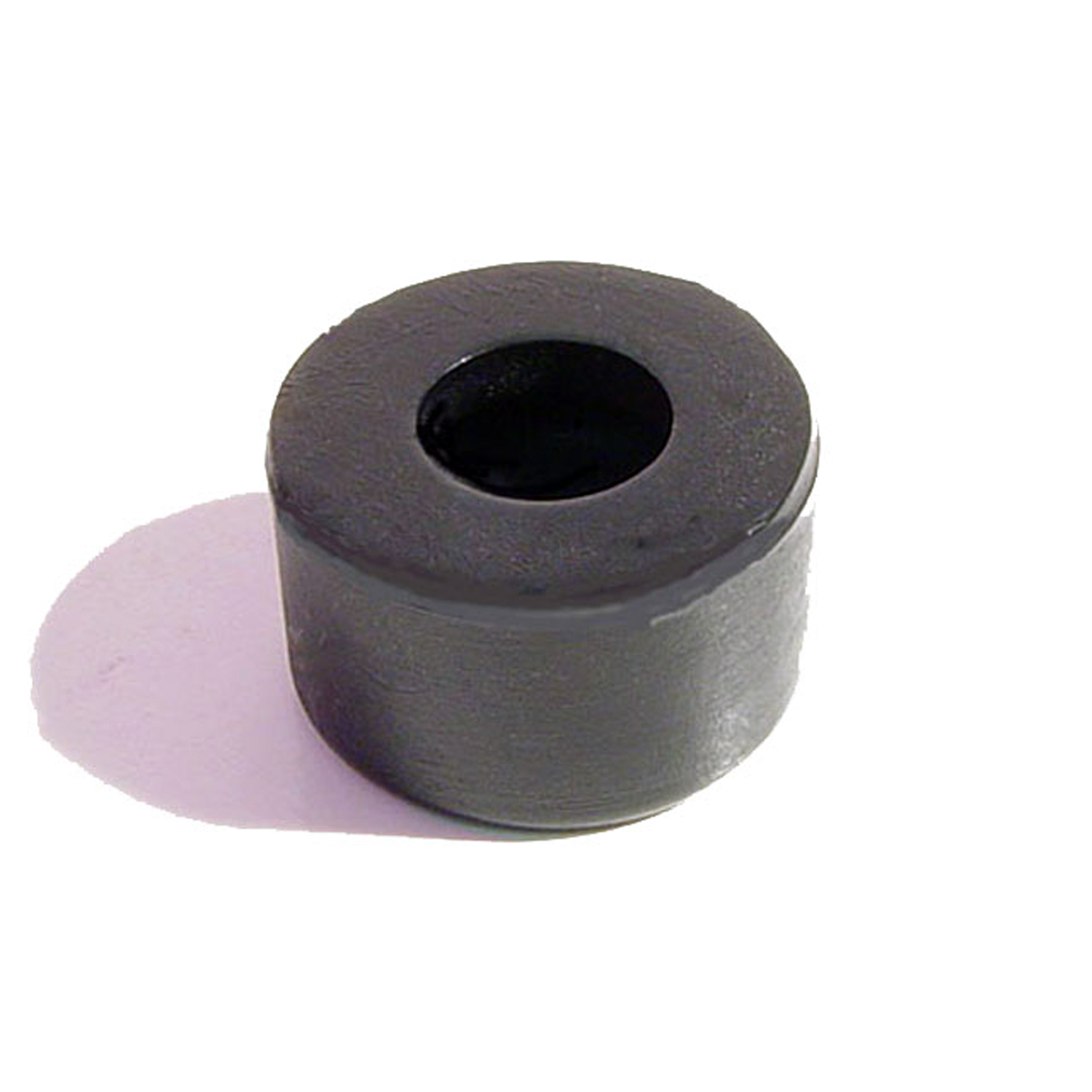 1939 Cadillac Series 75 Door, Hood and Trunk Bumper Cap for adjustment bolt-HA 5Door, Hood and Trunk Bumper Cap for adjustment bolt. 7/8" diameter X 7/16" thick. Each
 1939 Cadillac Series 75 Hood Rest Pad Bumper. Metal core, tab held-HC 31-AHood Rest Pad Bumper. Metal core, tab held. Four to twelve used per car. 1-1/4" between tabs. Each
 1939 Cadillac Series 75 Door and Hood Bumper. 1" diameter X 7/8" thick. Each-HF 16Door and Hood Bumper. 1" diameter X 7/8" thick. Each
 1939 Cadillac Series 75 Windshield and Rear Window Channel. Used with 1/4" glass-LP 105Windshield and Rear Window Channel. Used with 1/4" glass. Fits some models. Sold by the foot
 1939 Cadillac Series 75 Door side seal. Same as LP 40, but for a lighter seal-LP 40-ADoor side seal. Same as LP 40, but for a lighter seal. Fits many domestic passenger cars and trucks. Universal seal for street rods and customs. Used in Cobra kit cars as door weatherstrip. Per foot.
 1939 Cadillac Series 75 Trunk Seal. Sponge rubber. Sold by the foot.-LP 96-/FTTrunk Seal. Sponge rubber. Sold by the foot.
 1939 Cadillac Series 75 Antenna Pad. 1-1/2" wide X 1-7/8" long. Each-MP 355Antenna Pad. 1-1/2" wide X 1-7/8" long. Each
 1939 Cadillac Series 75 Tail-Light Pads. Fits 2-1/2" wide metal. 3" wide X 9" long-MP 420Tail-Light Pads. Fits 2-1/2" wide metal. 3" wide X 9" long. Pair
 1939 Cadillac Series 75 Tail-Light Pads. Fits 2-1/8" wide metal-MP 421Tail-Light Pads. Fits 2-1/8" wide metal. 2-1/2" wide X 8-7/8" long. Pair
 1939 Cadillac Series 75 Trunk Hinge Pads. 1-5/8" wide X 9-1/4" long. 4-Piece Set-MP 421-ATrunk Hinge Pads. 1-5/8" wide X 9-1/4" long. 4-Piece Set
 1939 Cadillac Series 75 Park Light Pads. 2" wide X 15-7/8" long. Pair-MP 451Park Light Pads. 2" wide X 15-7/8" long. Pair
 1939 Cadillac Series 75 Windshield Wiper Transmission Pad. 2" wide X 2-3/8" long-MP 460-AWindshield Wiper Transmission Pad. 2" wide X 2-3/8" long. Each
 1939 Cadillac Series 75 Door Ferrule Grommet. Made of black rubber-MP 546-HDoor Ferrule Grommet. Made of black rubber. Fits over your old steel door ferrule (also see WF 2006) 1-3/16" O.D. Each
 1939 Cadillac Series 75 Door Lock Knob. Brown. 1/2" diameter X 1" long X 1/8" hole-RP 303Door Lock Knob. Brown. 1/2" diameter X 1" long X 1/8" hole. Each
 1939 Cadillac Series 75 Sun Visor End Tube Plug. Black. Each-RP 303-DSun Visor End Tube Plug. Black. Each
 1939 Cadillac Series 75 Door Check Rubber Cushion. 2-7/8" Long, 5/8" I.D. Each-RP 40-GDoor Check Rubber Cushion. 2-7/8" Long, 5/8" I.D. Each
 1939 Cadillac Series 75 Hood Top Panel to Grill Bumper. Each-SB 34-AHood Top Panel to Grill Bumper. Each
 1939 Cadillac Series 75 Door Bumper. 1" diameter X 1/4" thick Each-SB 60Door Bumper. 1" diameter X 1/4" thick Each
 1939 Cadillac Series 75 Spare Wheel Cover Rest Pad-SB 80-ASpare Wheel Cover Rest Pad. Made with steel core and bend-over tabs. 1" between tabs. 1-3/4" overall length. 16 required per car. Each
 1939 Cadillac Series 75 Wire Harness Grommet. Each-SM 3Wire Harness Grommet. Each
 1939 Cadillac Series 75 Firewall grommet for headlight and tail-light wires-SM 34Firewall grommet for headlight and tail-light wires. Fits 11/16" hole. 5/16" I.D., 15/16" O.D. Each
 1939 Cadillac Series 75 Firewall Grommet. For park brake cable. Angled hole. Fit's 1" hole-SM 40Firewall Grommet. For park brake cable. Angled hole. Fit's 1" Hole. Each
 1939 Cadillac Series 75 Speedometer Cable Firewall Grommet. Fits 1-7/8" long hole-SM 47Speedometer Cable Firewall Grommet. Fits 1-7/8" long hole. NOTE: Not used when car was factory equipped with windshield washers. (Fits some models) Each
 1939 Cadillac Series 75 Special Purpose Grommet-SM 68Special Purpose Grommet. For headlight wire loom through body. Each
 1939 Cadillac Series 75 Trunk seal. '36-'40 GM coupes and convertibles only-TK 58-A/18Trunk seal. '36-'40 GM coupes and convertibles only. Does not fit Buick models (order LP 58-L per foot). 3/4 in. W x 1/2 in. Thk x 18 ft. L. Each.
 1939 Cadillac Series 75 Trunk Seal for Coupes and Convertibles Only-TK 58-B/18Trunk Seal for Coupes and Convertibles Only. 1" wide X 1/2" thick. Each
 1939 Cadillac Series 75 Trunk Seal, for Sedans. Each-TK 96-15Trunk Seal, for Sedans. Each
 1939 Cadillac Series 75 Vertical Seal for Vent Window. Each is 17" long. Pair-VS 2Vertical Seal for Vent Window. Each is 17" long. Pair
 1939 Cadillac Series 75 Flexible glass-run channel-WC 11-72Flexible glass-run channel. Mohair lined, cloth covered with stainless steel bead. Used on side windows. 72 in. long. Each. NOTE: $20 special shipping charge applies for domestic orders. Call or email for overseas shipping costs. Part can be sectioned in two equal lengths to reduce overseas shipping costs.
 1939 Cadillac Series 75 Rigid division-bar channel. Made with stainless steel bead-WC 2-72Rigid division-bar channel. Made with stainless steel bead. 72 in. long. Each. NOTE: $20 special shipping charge applies for domestic orders. Call or email for overseas shipping costs. Part can be sectioned into two equal lengths to reduce overseas shipping costs.
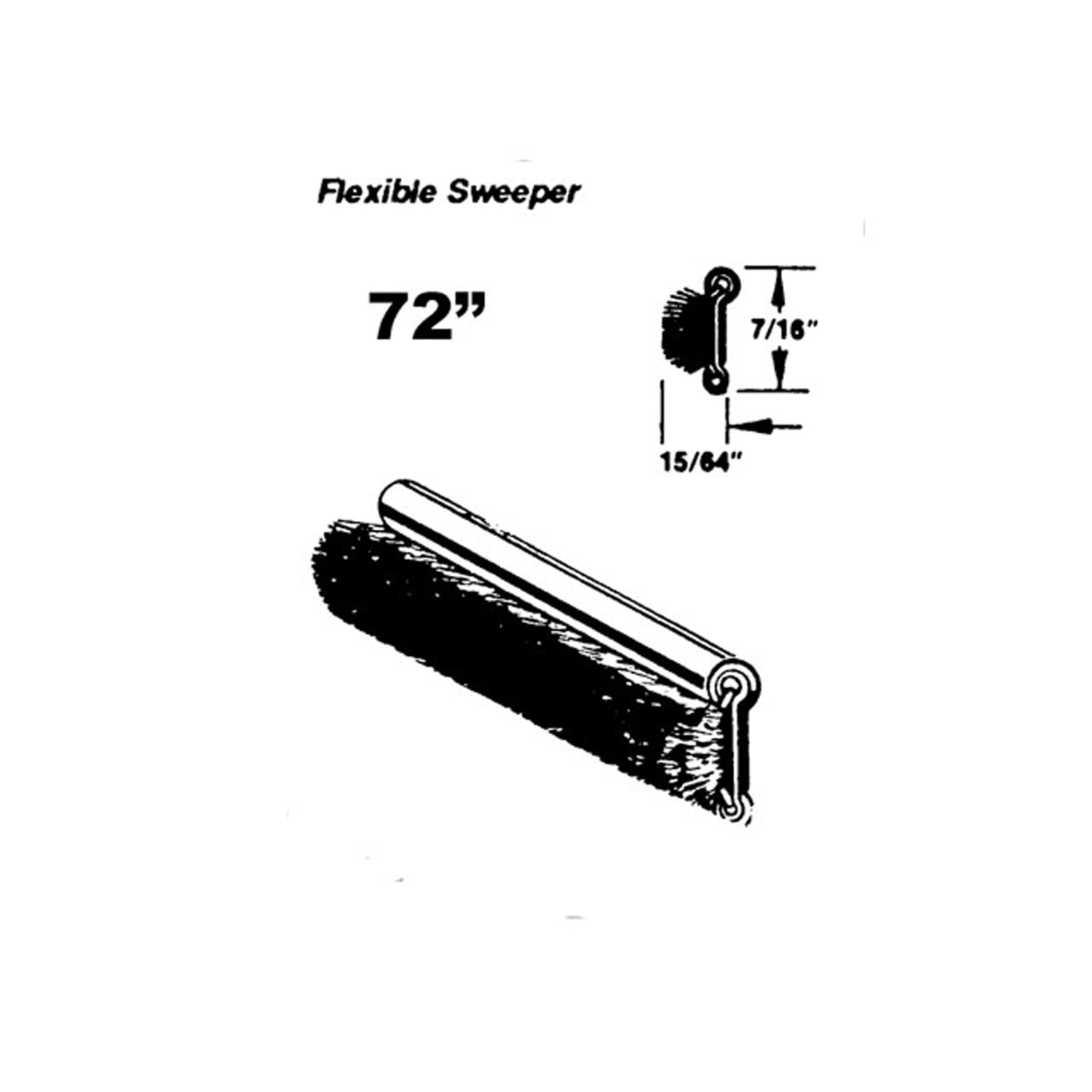 1939 Cadillac Series 75 Flexible sweeper. Made with stainless steel bead-WC 8-72Flexible sweeper. Made with stainless steel bead. Used on inner and outer beltlines. Also forms easily for use with sliding quarter windows. 72 in. long. Each. NOTE: $20 special shipping charge applies for domestic orders. Call or email for overseas shipping costs. Part can be sectioned into two equal lengths to reduce overseas shipping costs.
 1939 Cadillac Series 75 Chrome Door Ferrule. To be used with MP 546-H. 1-1/16" O.D-WF 2006Chrome Door Ferrule. To be used with MP 546-H. 1-1/16" O.D., 5/8" high. Fits most models. Each
 1939 Cadillac Series 75 Fender Bolts. For use with Fender Bolt Washers; WF 3001-WF 3000Fender Bolts. For use with Fender Bolt Washers; WF 3001. Zinc Chromate plated, high strength. 1" X 5/16". Set of 25
 1939 Cadillac Series 75 Fender Bolt Washers. For use with Fender Bolts; WF 3000-WF 3001Fender Bolt Washers. For use with Fender Bolts; WF 3000. High quality, cadmium plated. 1-1/4" O.D., 3/8" I.D. Set of 25
 1939 Cadillac Series 75 Front Suspension Bumper. 2" high. Each-XB 18Front Suspension Bumper. 2" high. Each
Why Choose Metro?
For over 100 years, Metro Moulded Parts has been the pinnacle of quality in classic car restoration parts. Our commitment to precision and authenticity in every component ensures a perfect fit and an OEM-level appearance.
- Expert Craftsmanship & Quality: Each part is a testament to our dedication to reliability and perfection, crafted from original designs and thoroughly tested.
- Advanced Technology: We use cutting-edge techniques to create flawless, long-lasting parts that surpass others in performance.
- SuperSoft Sponge – The Ultimate Door Seal: Not only are our door seals 30% softer than competitors', but they're also guaranteed to never leak. They effectively reduce wind and road noise, enhancing your classic car's comfort and driving experience.
- Proudly American: Our parts are a product of American craftsmanship, made in the USA with a spirit of excellence and heritage.
- Unrivaled Warranty: We back our products with a 30-year industry-leading warranty, a testament to our confidence in their quality.
Join us in preserving the legacy of classic cars with parts that are crafted for perfection, not just made.