

Image of 1939 Cadillac Series 90, Note: These illustrations use artistic license and may differ from actual historical models.
Performance Metrics
Fundamental Metrics
Emotional Appeal
MMP Rating
| Engine Specifications | |
|---|---|
| Engine: | V16 |
| Displacement: | 431 cubic inches |
| Horsepower: | Estimated 185 hp |
| Torque: | Not available |
| Compression Ratio: | 7.25:1 |
| Ignition System: | Battery and coil |
| Cooling System: | Liquid cooled |
| Performance Specifications | |
| 0-60 Time: | Not available |
| 1/4 Mile Time: | Not available |
| Top Speed: | Estimated 100 mph |
| Transmission and Drive | |
| Drive Type: | Rear wheel drive |
| Transmission Type: | 3-speed manual |
| Fuel and Efficiency | |
| Fuel System Type: | Carburetor |
| MPG: | Not available |
| Dimensions and Brakes | |
| Brakes: | Hydraulic drum brakes |
| Wheelbase: | 141 inches |
| Weight: | Estimated 5,300 lbs |
Note: Specifications for classic cars are given to the best of our ability, considering the limited and variant data available.
1939 Cadillac Series 90: The Last Great Cadillac Sixteen
The 1939 Cadillac Series 90 turned a sixteen-cylinder engine into a statement of American engineering, elegance, and ambition. Built by Cadillac, General Motors’ prestige marque, the Series 90 was the company’s flagship model, with lavish Fleetwood coachwork and a remarkably smooth V-16 beneath its long hood.
The 1939 car belonged to Cadillac’s second-generation V-16 series, introduced in 1938. It arrived as the country continued to recover from the Great Depression and as war loomed overseas. Cadillac would build its final V-16 models in 1940, making the Series 90 part of the closing chapter of one of the most audacious experiments in luxury-car history. One detail captures its character especially well: the redesigned V-16 used hydraulic valve lifters, helping it run with a refinement that was unusual even among costly cars of its day.
Fleetwood Style and Sixteen-Cylinder Luxury
The Series 90 wore formal, imposing proportions. Its long wheelbase, extended hood, upright grille, and tall passenger compartment gave it the dignified presence expected of a flagship. Cadillac’s 1939 styling was more streamlined than the boxier cars of the early 1930s, but it remained unmistakably grand. Sweeping fenders framed the wheels, while bright trim and carefully shaped body panels added polish without making the car look lightweight.
Fleetwood, Cadillac’s in-house coachbuilding division, supplied the bodywork. Buyers could choose among several closed and open configurations, including sedans, coupes, and more formal chauffeur-oriented bodies. Exact offerings varied by catalog and custom order. The seven-passenger sedan and limousine-style bodies suited owners who preferred to ride in the rear, while the convertible coupe offered a more personal and sporting expression of the car. The large sedan is perhaps the most instantly recognizable Series 90, combining the model’s stately proportions with the practical comfort of a full-size luxury car.
Inside, the Series 90 delivered the sort of hand-finished environment its price implied. Depending on body style and specification, the cabin could feature leather or high-quality broadcloth upholstery, wool carpeting, polished wood trim, and carefully detailed metal fittings. Chauffeur-oriented versions could add rear-seat comforts such as extra seating, a division window, or other bespoke appointments. These were not mass-market interiors dressed up with a few accessories; Fleetwood could tailor the finish to a customer’s preferences.
Paint choices varied with the year, body, and order. Solid dark shades such as black, deep blue, and maroon suited the car’s formal lines, while lighter colors and two-tone treatments could bring out the long fenders and sculpted bodywork. Since Fleetwood customers could request special finishes, surviving cars do not always reflect one fixed, universal color list.
Engineering Behind the Cadillac V-16
The Series 90’s headline feature was its 431-cubic-inch, or 7.1-liter, overhead-valve V-16. Cadillac rated the engine at about 185 horsepower. Its broad power delivery mattered more than a dramatic horsepower figure: sixteen cylinders supplied smooth, flexible thrust, allowing the heavy car to gather speed without the harshness or constant gear-changing associated with less refined engines.
The redesigned V-16 was more compact and practical than Cadillac’s earlier sixteen-cylinder engine. Its unusually wide bank angle helped the engine sit low beneath the hood, and hydraulic valve lifters reduced the need for frequent valve adjustment while contributing to quiet operation. A three-speed manual transmission sent power to the rear wheels. The car also had hydraulic brakes and independent front suspension, features that helped bring its substantial size under better control.
At a time when many luxury rivals relied on large straight-eight or V-12 engines, Cadillac’s sixteen-cylinder layout was an extraordinary differentiator. It was not simply a larger engine for its own sake. The V-16 gave Cadillac a way to compete at the very top of the luxury market, where smoothness, exclusivity, and mechanical sophistication were as important as speed.
How the Series 90 Changed Luxury Motoring
The Series 90 continued Cadillac’s long-running effort to make engineering a central part of its luxury identity. The V-16 was a technological showcase, while Fleetwood’s custom bodies let the company compete with the most exclusive coachbuilt cars available. Together, they represented a distinctly American approach to prestige: substantial power, generous space, advanced mechanical features, and a wide range of personal finishes.
It also stood apart from more sporting European luxury cars. The Series 90 was designed primarily for quiet, effortless travel rather than competition. Its engineering influenced the way Cadillac presented itself as a maker of technically advanced luxury vehicles, even after the company discontinued the V-16. The formula of pairing new engineering with high-end comfort would remain central to Cadillac’s identity.
The timing was challenging. The Depression had reduced demand for expensive automobiles, and the market for elaborate multi-cylinder engines was shrinking. As the automotive industry shifted toward more affordable and efficient designs, the Series 90 became a symbol of an era when manufacturers competed to build the smoothest and most prestigious car money could buy.
Road Manners and Performance
Period performance figures vary with body style, gearing, condition, and how a test was conducted. A healthy 1939 Series 90 is generally estimated to reach roughly 90 to 100 mph, with a 0-to-60-mph time in the neighborhood of 16 to 20 seconds. Those figures are impressive for a large luxury car of the late 1930s, but they do not tell the whole story. The V-16’s defining quality was its smooth, unhurried delivery rather than rapid acceleration by modern standards.
On a straight road, the Cadillac feels substantial and composed. The engine produces a subdued, even sound, and the car builds speed with a smoothness that can make its size seem less imposing. The three-speed gearbox asks the driver to plan shifts rather than rush them, and the steering and controls demand more physical effort than those of a modern car.
The independent front suspension helps soften uneven pavement, though the car’s weight and period suspension design mean it will not glide over every bump. On winding roads, the long wheelbase and high mass encourage a measured pace. It can follow a sweeping curve confidently when driven smoothly, but quick direction changes are not its natural habitat. The best Series 90 experience comes from giving it room, listening to the quiet engine, and letting the car settle into a steady cruise.
Living With a Prewar V-16
Today, a 1939 Series 90 is most often used as a show car, a special-event vehicle, or a carefully maintained touring car. Its size and rarity make it unsuitable for ordinary commuting, and its fuel consumption is high by any modern standard. It is best enjoyed on planned drives where its owner can take time with warm-up, route selection, and parking.
Maintenance is manageable for a knowledgeable vintage-car specialist, but the Series 90 is not an ideal first restoration project. The V-16 has more components than a conventional engine, and model-specific parts can be difficult or expensive to source. A complete, well-documented example is usually a better purchase than a cheaper car with missing trim, incomplete mechanical work, or uncertain body repairs.
Regular attention to the cooling system, ignition, lubrication, brakes, and fuel system is essential. The engine’s hydraulic lifters reduce one routine adjustment, but they do not make the car maintenance-free. Owners should also expect to rely on marque specialists, parts networks, and restoration expertise rather than assume every local repair shop can handle the car.
Rare Production and Collector Appeal
Production estimates for the 1939 Series 90 are commonly placed at about 138 cars. The figure is small, though the number that survives in original or restored condition is smaller still. Body style, originality, restoration quality, and documented history all have a major effect on desirability. Open cars and unusual Fleetwood bodies can attract particular interest, while excellent sedans offer a more attainable route into V-16 ownership.
As a broad 2026-market guide, a presentable but imperfect example might fall around $100,000 to $200,000. A well-restored, correctly specified car could bring roughly $200,000 to $400,000, with exceptional or especially desirable examples potentially exceeding that range. These are estimates, not fixed price quotes: the market is thin, and auction results can vary sharply depending on the car and the bidders. Rarity does not automatically guarantee a high sale price, especially when restoration costs are substantial.
Values for major prewar classics can be uneven. The finest Series 90s remain highly collectible, but large, complex cars appeal to a narrower audience than more compact classics. Over the long term, outstanding examples have strong scarcity appeal; in the short term, condition and provenance often matter more than broad market trends.
V-16 Facts Worth Knowing
The 1939 Series 90 was part of Cadillac’s final generation of V-16 cars. Cadillac ended V-16 production after the 1940 model year, as economic realities and changing priorities made such specialized engines harder to justify. The Series 90 was not built as a racing car and is not known for a major speed or endurance record. Its achievement was different: it brought sixteen-cylinder smoothness to a road-going American luxury car.
Celebrity ownership stories are sometimes attached to grand prewar Cadillacs, but individual claims should be verified through reliable records rather than repeated as fact. For collectors, documented ownership, original build information, and period photographs can add meaningful historical value. A common criticism is that the Series 90 is expensive to restore and too large for easy use on modern roads. Those drawbacks are real, but they are also part of what makes the car such a vivid artifact of its time.
Why the 1939 Cadillac Series 90 Still Matters
The 1939 Cadillac Series 90 combined Fleetwood craftsmanship, imposing prewar styling, and one of the most distinctive engines ever fitted to an American luxury car. Its V-16 delivered quiet power rather than racing-car urgency, while its spacious bodies and refined cabin made it a genuine flagship. With only about 138 believed to have been built for the model year, it is rare even by classic-car standards.
More than a beautifully preserved automobile, the Series 90 is a reminder of how far manufacturers once went to make luxury feel effortless. Its sixteen cylinders may belong to another age, but the ambition behind them still sounds unmistakably Cadillac.
1939 Cadillac Series 90 Catalog of Parts
 1939 Cadillac Series 90 Transmission Vacuum Shift Grommet. Used on rear side-BC 40Transmission Vacuum Shift Grommet. Used on rear side. 1-1/2" O.D., 3/8" I.D., 3/8" Thick. Each
 1939 Cadillac Series 90 Rear Bumper Arm Grommets-BG 44Rear Bumper Arm Grommets. 2-3/8" wide X 4-3/8" long, with 1-5/8" long inner slot. Pair
 1939 Cadillac Series 90 Spring and Shackle Bushing-BN 22Spring and Shackle Bushing. For front or rear eyes on rear leaf spring. 1-3/4" bottom O.D X 1-3/8" high, with 3/4" I.D. Each
 1939 Cadillac Series 90 Lower Inner "A" Frame Shaft Seal. 1-1/8" O.D., 5/16" thick-BN 23-ALower Inner "A" Frame Shaft Seal. 1-1/8" O.D., 5/16" thick. Each
 1939 Cadillac Series 90 Upper Door Hinge Post Bumper. Held by screw-DB 60-AUpper Door Hinge Post Bumper. Held by screw. 7/8" diameter X 1/8" thick. Each
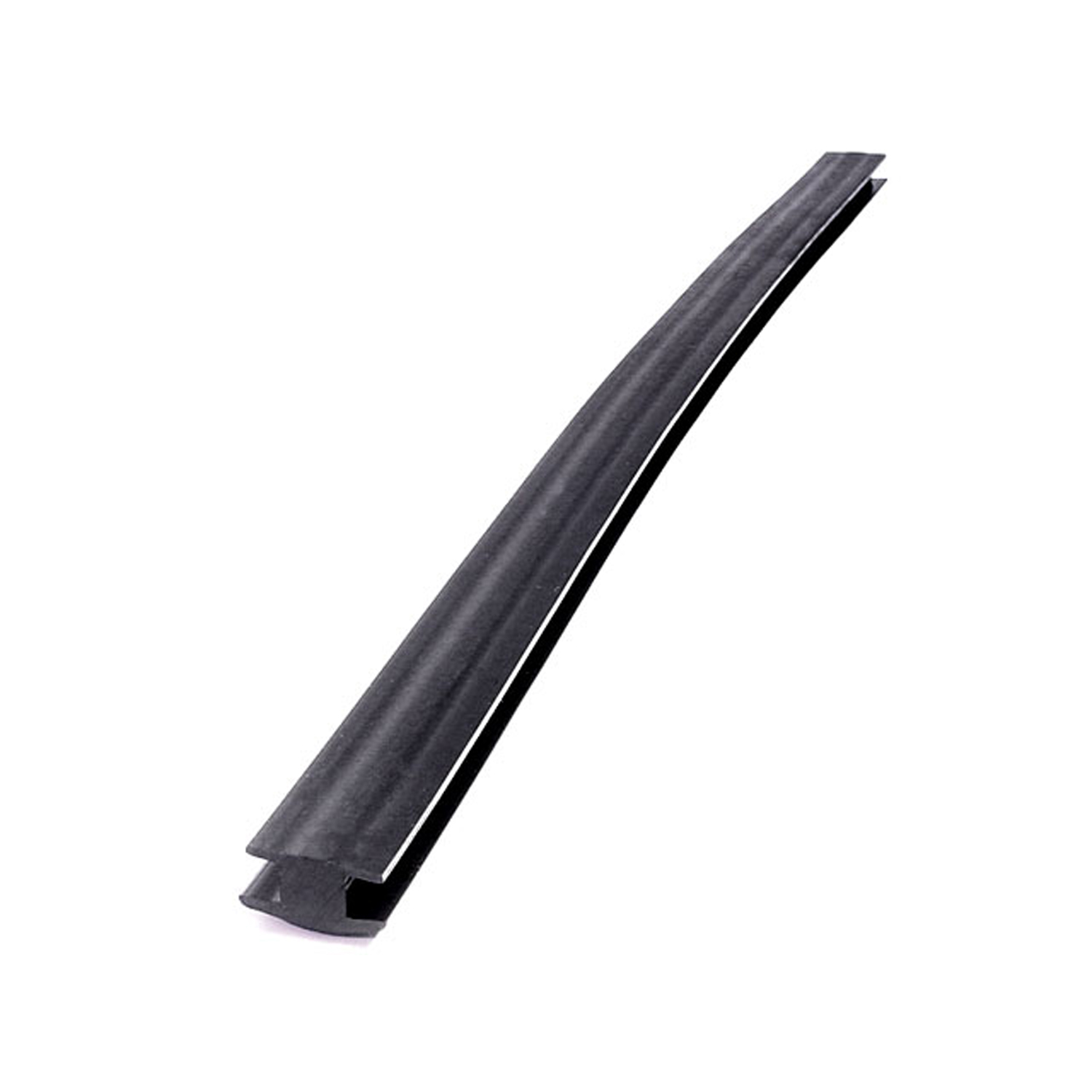 1939 Cadillac Series 90 Windshield Center Bar Gasket. 20" long. Each-DP 12Windshield Center Bar Gasket. 20" long. Each
 1939 Cadillac Series 90 Gravel Shields. Flat without metal backing plates-FS 25Gravel Shields. Flat without metal backing plates. Apply with contact cement. 16" long X 9" wide at top and 7-1/2" wide at bottom. Pair
 1939 Cadillac Series 90 Gravel Shields and Narrow Body Section Gravel Shields-FS 25-26Gravel Shields and Narrow Body Section Gravel Shields. Gravel Shields: 16" long X 8-1/2" wide at top and 6-1/2" wide at bottom. Narrow Body Section: 14" long, with beaded edge extending 1" along top and bottom. Complete 4-piece set
 1939 Cadillac Series 90 Narrow Body Section Gravel Shields-FS 26Narrow Body Section Gravel Shields. This part used on most models. 14" long, with beaded edge extending 1" along top and bottom. Pair
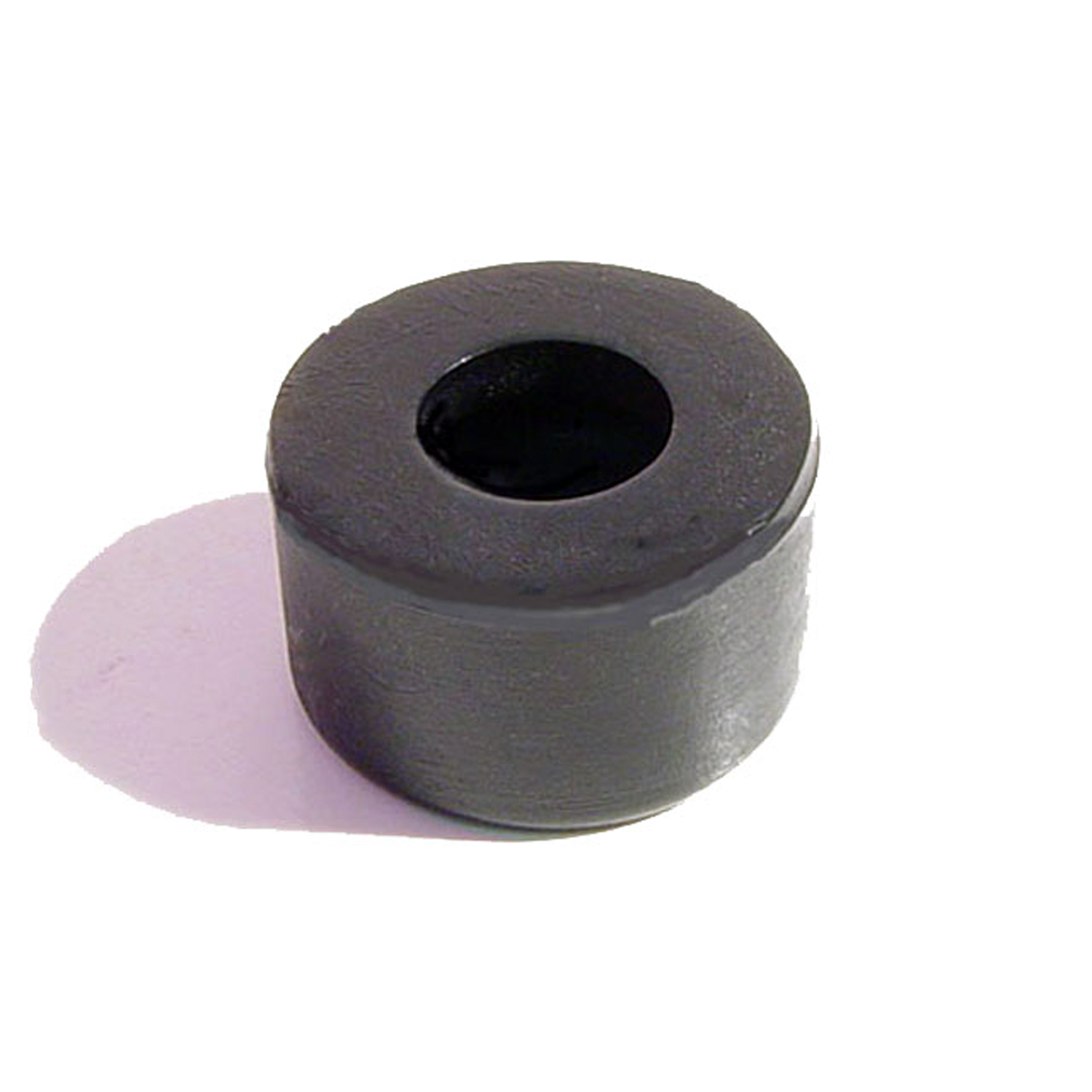 1939 Cadillac Series 90 Door, Hood and Trunk Bumper Cap for adjustment bolt-HA 5Door, Hood and Trunk Bumper Cap for adjustment bolt. 7/8" diameter X 7/16" thick. Each
 1939 Cadillac Series 90 Hood Rest Pad Bumper. Metal core, tab held-HC 31-AHood Rest Pad Bumper. Metal core, tab held. Four to twelve used per car. 1-1/4" between tabs. Each
 1939 Cadillac Series 90 Door and Hood Bumper. 1" diameter X 7/8" thick. Each-HF 16Door and Hood Bumper. 1" diameter X 7/8" thick. Each
 1939 Cadillac Series 90 Windshield and Rear Window Channel. Used with 1/4" glass-LP 105Windshield and Rear Window Channel. Used with 1/4" glass. Fits some models. Sold by the foot
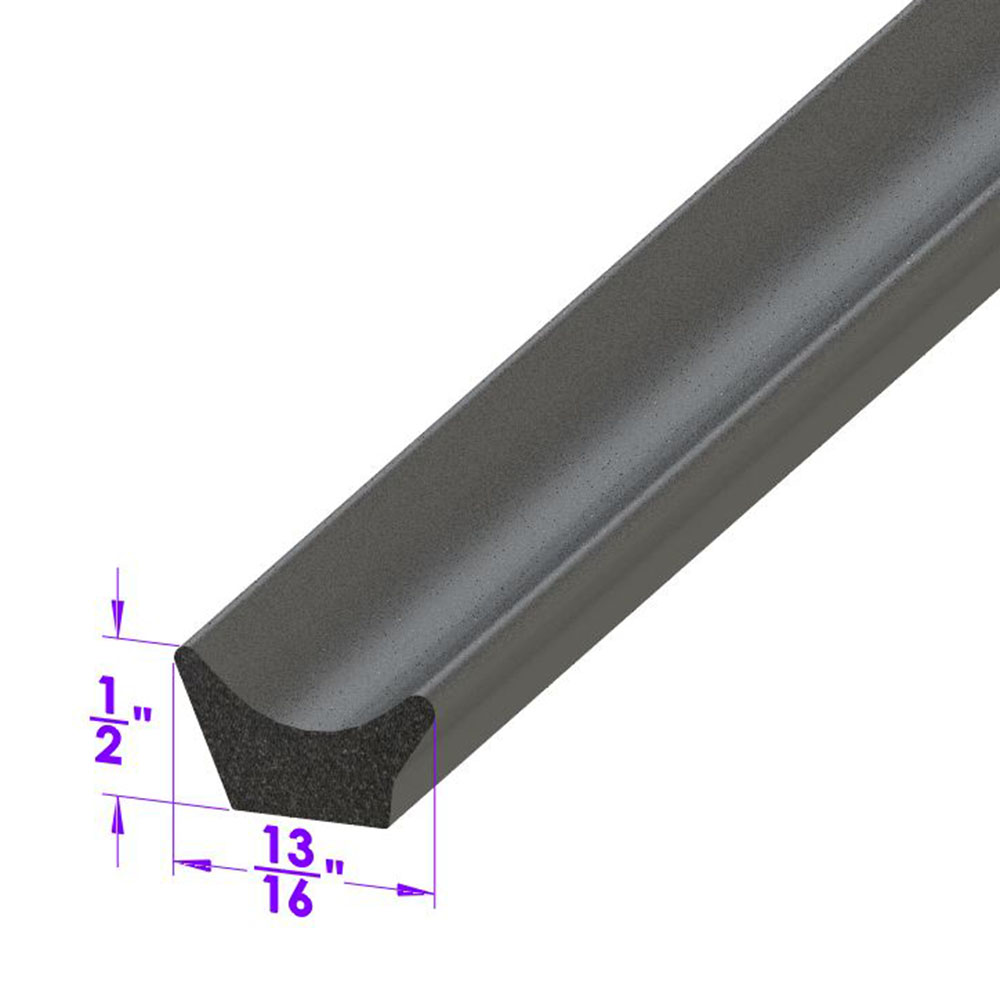 1939 Cadillac Series 90 Door side seal. Same as LP 40, but for a lighter seal-LP 40-ADoor side seal. Same as LP 40, but for a lighter seal. Fits many domestic passenger cars and trucks. Universal seal for street rods and customs. Used in Cobra kit cars as door weatherstrip. Per foot.
 1939 Cadillac Series 90 Trunk Seal. Sponge rubber. Sold by the foot.-LP 96-/FTTrunk Seal. Sponge rubber. Sold by the foot.
 1939 Cadillac Series 90 Front Engine Support-MM 22Front Engine Support. New rubber vulcanized to your old steel cores. Price is with exchange only. Replaces OEM #1454652. Pair
 1939 Cadillac Series 90 Antenna Pad. 1-1/2" wide X 1-7/8" long. Each-MP 355Antenna Pad. 1-1/2" wide X 1-7/8" long. Each
 1939 Cadillac Series 90 Tail-Light Pads. Fits 2-1/2" wide metal. 3" wide X 9" long-MP 420Tail-Light Pads. Fits 2-1/2" wide metal. 3" wide X 9" long. Pair
 1939 Cadillac Series 90 Tail-Light Pads. Fits 2-1/8" wide metal-MP 421Tail-Light Pads. Fits 2-1/8" wide metal. 2-1/2" wide X 8-7/8" long. Pair
 1939 Cadillac Series 90 Trunk Hinge Pads. 1-5/8" wide X 9-1/4" long. 4-Piece Set-MP 421-ATrunk Hinge Pads. 1-5/8" wide X 9-1/4" long. 4-Piece Set
 1939 Cadillac Series 90 Park Light Pads. 2-5/8" wide X 15" long. Pair-MP 430Park Light Pads. 2-5/8" wide X 15" long. Pair 1939 Cadillac Series 90 Park Light Pads. 4" wide X 17-1/8" long. Pair-MP 430-BPark Light Pads. 4" wide X 17-1/8" long. Pair
 1939 Cadillac Series 90 Park Light Pads. 2" wide X 15-7/8" long. Pair-MP 451Park Light Pads. 2" wide X 15-7/8" long. Pair
 1939 Cadillac Series 90 Windshield Wiper Transmission Pad. 2" wide X 2-3/8" long-MP 460-AWindshield Wiper Transmission Pad. 2" wide X 2-3/8" long. Each
 1939 Cadillac Series 90 Door Ferrule Grommet. Made of black rubber-MP 546-HDoor Ferrule Grommet. Made of black rubber. Fits over your old steel door ferrule (also see WF 2006) 1-3/16" O.D. Each
 1939 Cadillac Series 90 Door Lock Knob. Brown. 1/2" diameter X 1" long X 1/8" hole-RP 303Door Lock Knob. Brown. 1/2" diameter X 1" long X 1/8" hole. Each
 1939 Cadillac Series 90 Sun Visor End Tube Plug. Black. Each-RP 303-DSun Visor End Tube Plug. Black. Each
 1939 Cadillac Series 90 Door Check Rubber Cushion. 2-7/8" Long, 5/8" I.D. Each-RP 40-GDoor Check Rubber Cushion. 2-7/8" Long, 5/8" I.D. Each
 1939 Cadillac Series 90 Door Bumper. 1" diameter X 1/4" thick Each-SB 60Door Bumper. 1" diameter X 1/4" thick Each
 1939 Cadillac Series 90 Spare Wheel Cover Rest Pad-SB 80-ASpare Wheel Cover Rest Pad. Made with steel core and bend-over tabs. 1" between tabs. 1-3/4" overall length. 16 required per car. Each
 1939 Cadillac Series 90 Wire Harness Grommet. Each-SM 3Wire Harness Grommet. Each
 1939 Cadillac Series 90 Firewall grommet for headlight and tail-light wires-SM 34Firewall grommet for headlight and tail-light wires. Fits 11/16" hole. 5/16" I.D., 15/16" O.D. Each
 1939 Cadillac Series 90 Firewall Grommet. For park brake cable. Angled hole. Fit's 1" hole-SM 40Firewall Grommet. For park brake cable. Angled hole. Fit's 1" Hole. Each
 1939 Cadillac Series 90 Speedometer Cable Firewall Grommet. Fits 1-7/8" long hole-SM 47Speedometer Cable Firewall Grommet. Fits 1-7/8" long hole. NOTE: Not used when car was factory equipped with windshield washers. (Fits some models) Each
 1939 Cadillac Series 90 Special Purpose Grommet-SM 68Special Purpose Grommet. For headlight wire loom through body. Each
 1939 Cadillac Series 90 Trunk seal. '36-'40 GM coupes and convertibles only-TK 58-A/18Trunk seal. '36-'40 GM coupes and convertibles only. Does not fit Buick models (order LP 58-L per foot). 3/4 in. W x 1/2 in. Thk x 18 ft. L. Each.
 1939 Cadillac Series 90 Trunk Seal for Coupes and Convertibles Only-TK 58-B/18Trunk Seal for Coupes and Convertibles Only. 1" wide X 1/2" thick. Each
 1939 Cadillac Series 90 Trunk Seal, for Sedans. Each-TK 96-15Trunk Seal, for Sedans. Each
 1939 Cadillac Series 90 Vertical Seal for Vent Window. Each is 17" long. Pair-VS 2Vertical Seal for Vent Window. Each is 17" long. Pair
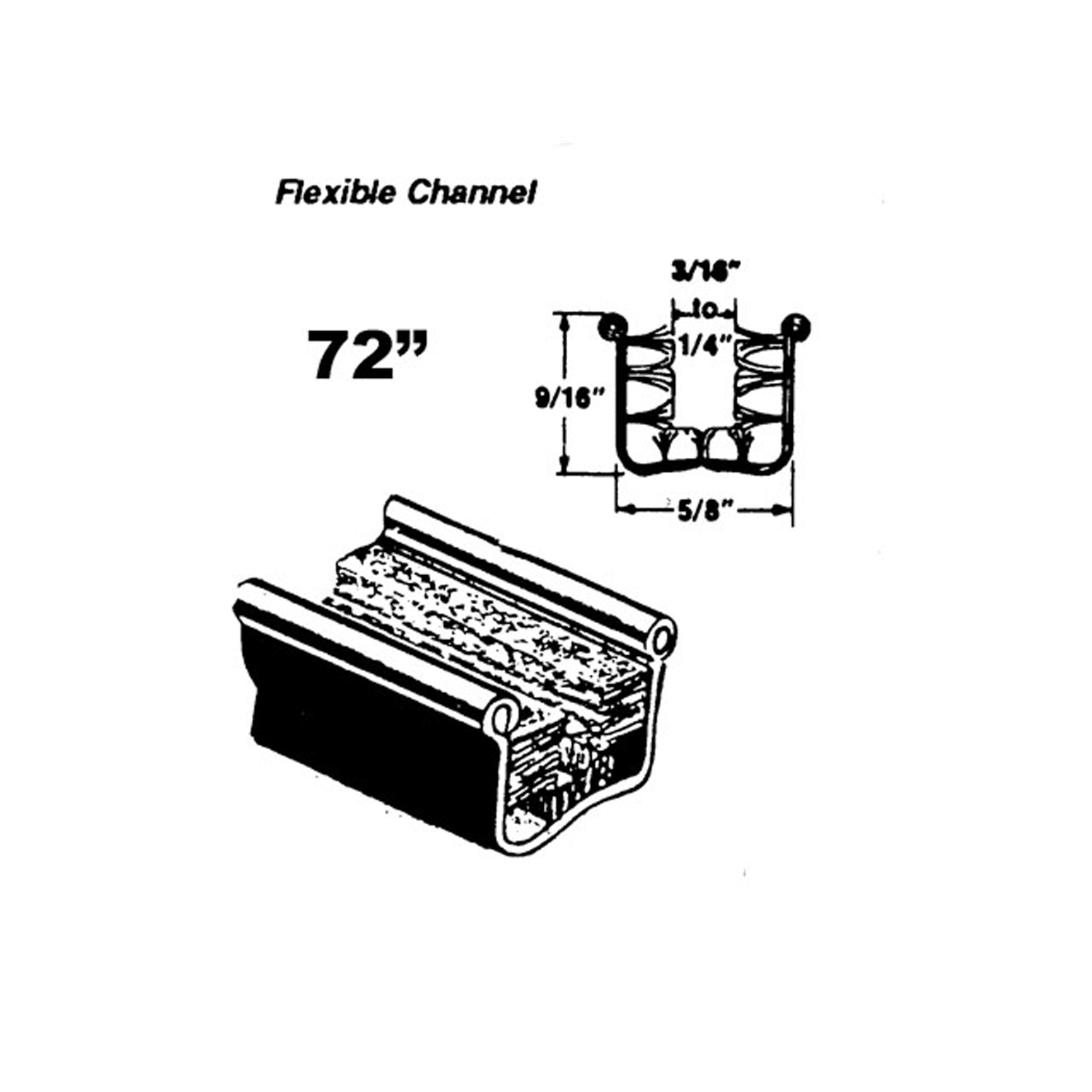 1939 Cadillac Series 90 Flexible glass-run channel-WC 11-72Flexible glass-run channel. Mohair lined, cloth covered with stainless steel bead. Used on side windows. 72 in. long. Each. NOTE: $20 special shipping charge applies for domestic orders. Call or email for overseas shipping costs. Part can be sectioned in two equal lengths to reduce overseas shipping costs.
 1939 Cadillac Series 90 Rigid division-bar channel. Made with stainless steel bead-WC 2-72Rigid division-bar channel. Made with stainless steel bead. 72 in. long. Each. NOTE: $20 special shipping charge applies for domestic orders. Call or email for overseas shipping costs. Part can be sectioned into two equal lengths to reduce overseas shipping costs.
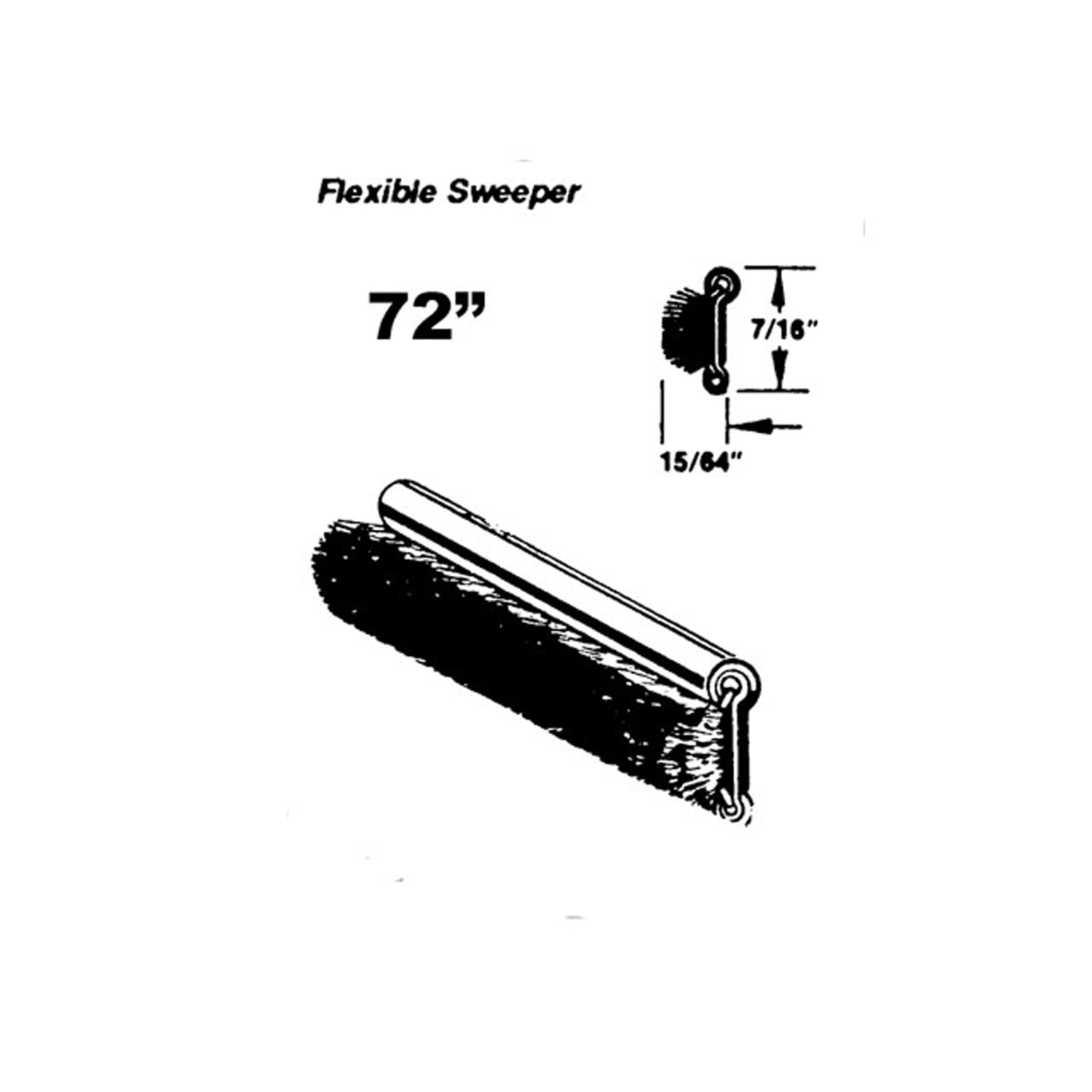 1939 Cadillac Series 90 Flexible sweeper. Made with stainless steel bead-WC 8-72Flexible sweeper. Made with stainless steel bead. Used on inner and outer beltlines. Also forms easily for use with sliding quarter windows. 72 in. long. Each. NOTE: $20 special shipping charge applies for domestic orders. Call or email for overseas shipping costs. Part can be sectioned into two equal lengths to reduce overseas shipping costs.
 1939 Cadillac Series 90 Chrome Door Ferrule. To be used with MP 546-H. 1-1/16" O.D-WF 2006Chrome Door Ferrule. To be used with MP 546-H. 1-1/16" O.D., 5/8" high. Fits most models. Each
 1939 Cadillac Series 90 Fender Bolts. For use with Fender Bolt Washers; WF 3001-WF 3000Fender Bolts. For use with Fender Bolt Washers; WF 3001. Zinc Chromate plated, high strength. 1" X 5/16". Set of 25
 1939 Cadillac Series 90 Fender Bolt Washers. For use with Fender Bolts; WF 3000-WF 3001Fender Bolt Washers. For use with Fender Bolts; WF 3000. High quality, cadmium plated. 1-1/4" O.D., 3/8" I.D. Set of 25
 1939 Cadillac Series 90 Front Suspension Bumper. 2" high. Each-XB 18Front Suspension Bumper. 2" high. Each
Why Choose Metro?
For over 100 years, Metro Moulded Parts has been the pinnacle of quality in classic car restoration parts. Our commitment to precision and authenticity in every component ensures a perfect fit and an OEM-level appearance.
- Expert Craftsmanship & Quality: Each part is a testament to our dedication to reliability and perfection, crafted from original designs and thoroughly tested.
- Advanced Technology: We use cutting-edge techniques to create flawless, long-lasting parts that surpass others in performance.
- SuperSoft Sponge – The Ultimate Door Seal: Not only are our door seals 30% softer than competitors', but they're also guaranteed to never leak. They effectively reduce wind and road noise, enhancing your classic car's comfort and driving experience.
- Proudly American: Our parts are a product of American craftsmanship, made in the USA with a spirit of excellence and heritage.
- Unrivaled Warranty: We back our products with a 30-year industry-leading warranty, a testament to our confidence in their quality.
Join us in preserving the legacy of classic cars with parts that are crafted for perfection, not just made.