

Image of 1949 Cadillac Series 62, Note: These illustrations use artistic license and may differ from actual historical models.
Performance Metrics
Fundamental Metrics
Emotional Appeal
MMP Rating
| Engine Specifications | |
|---|---|
| Engine: | 331 cu in (5.4 L) OHV V8 |
| Displacement: | 331 cu in (5.4 L) |
| Horsepower: | 160 HP |
| Torque: | 312 lb-ft |
| Compression Ratio: | 7.5:1 |
| Ignition System: | Battery and coil |
| Cooling System: | Liquid-cooled |
| Performance Specifications | |
| 0-60 Time: | 12 seconds |
| 1/4 Mile Time: | 19 seconds |
| Top Speed: | 100 mph |
| Transmission and Drive | |
| Drive Type: | Rear-wheel drive |
| Transmission Type: | 4-speed Hydra-Matic automatic |
| Fuel and Efficiency | |
| Fuel System Type: | Carburetor |
| MPG: | 15 mpg |
| Dimensions and Brakes | |
| Brakes: | Drum brakes |
| Wheelbase: | 126 in (3,200 mm) |
| Weight: | 4,300 lbs |
Note: Specifications for classic cars are given to the best of our ability, considering the limited and variant data available.
In 1949, Cadillac put a new kind of V8 beneath one of America’s most recognizable postwar designs, giving the Series 62 the power, polish, and presence to define the modern luxury car.
1949 Cadillac Series 62: A Postwar American Icon
Built by the Cadillac Motor Car Division of General Motors, the 1949 Series 62 arrived during a turning point for the American automobile industry. Factories had returned to civilian production after World War II, buyers were eager for new cars, and manufacturers were racing to replace lightly updated prewar designs with something genuinely modern.
The Series 62 was Cadillac’s popular, full-size line, positioned below the more formal Series 75. It combined generous dimensions and upscale appointments with a broad choice of body styles. For 1949, Cadillac gave it a landmark mechanical upgrade: a newly developed 331-cubic-inch overhead-valve V8. That engine was lighter and more compact than the flathead V8 it replaced, yet delivered a substantial boost in performance.
There is another reason the 1949 Cadillac attracts attention. Late in the model year, Cadillac introduced the Coupe de Ville, a glamorous two-door hardtop with no fixed center roof pillar. It offered the open, airy look of a convertible while retaining a solid steel roof. The model became one of the most influential body styles of the postwar era.
Fins, Chrome, and Cadillac Presence
The Series 62 wore the distinctive styling that Cadillac had introduced for 1948, with small tailfins rising from its rear fenders. The fins were still modest compared with the towering forms Cadillac would adopt in the 1950s, but they gave the car a recognizable profile and hinted at the jet-age styling to come. They are commonly associated with Harley Earl’s design team and the twin-tail appearance of the Lockheed P-38 Lightning.
Up front, a broad chrome grille and substantial bumper gave the Cadillac a confident, formal face. Sculpted front fenders flowed into the body rather than appearing as separate, upright forms, while bright trim traced the car’s long sides. At the rear, rounded fenders, vertical tail lamps, and the emerging fin shape created a look that was unmistakably Cadillac without being overdone.
The Series 62 was a large car, with a 126-inch wheelbase and a long, graceful body. Its proportions suited its role as a comfortable long-distance car: ample hood, spacious passenger compartment, and a broad rear deck. Chrome details and whitewall tires were popular finishing touches, though exact trim and equipment varied by body style and buyer preference.
Cabin Craftsmanship and Body Styles
Inside, the Series 62 delivered the kind of roomy, carefully finished cabin buyers expected from Cadillac. The dashboard combined painted surfaces, chrome accents, clear instruments, and large, easy-to-reach controls. Upholstery materials depended on the model and specification, with cloth and leather used across the range. The convertible and the new Coupe de Ville offered especially plush appointments, while the sedan emphasized comfortable, practical space for passengers.
The 1949 Series 62 range included a four-door sedan, a two-door club coupe, a convertible coupe, and the new Coupe de Ville hardtop. The convertible was a natural showstopper, with its folding top and open-air appeal. The Coupe de Ville, however, became the most celebrated body style because it delivered convertible-like side glass without a fabric roof or center pillar. Cadillac built approximately 2,150 Coupe de Villes for its first model-year run, making it an uncommon and particularly desirable version today.
Cadillac offered a selection of factory paint colors, including dark and light shades that suited the car’s formal lines. Black, deep blue, maroon, and other rich tones are among the colors enthusiasts often associate with late-1940s luxury cars. Availability varied, and surviving cars may have been repainted, so original paint records and trim tags are worth checking when assessing a specific example.
Technology That Moved Cadillac Forward
The headline innovation was the new 331-cubic-inch V8. With overhead valves, a modern combustion-chamber design, and a more compact layout than the old flathead, it produced about 160 horsepower. The engine was a major step forward for Cadillac, and its basic architecture helped establish the company’s reputation for powerful, smooth V8s in the years that followed.
A Hydra-Matic automatic transmission was available and widely associated with Cadillac’s effortless style of motoring. Its four forward ratios helped the engine stay in a useful power range while reducing the need for constant driver input. The car also used independent front suspension, hydraulic drum brakes, and conventional rear-wheel drive. Power steering was not yet part of the standard 1949 experience, so maneuvering a large Cadillac at parking speeds took more effort than it would in later models.
Why the 1949 Cadillac Matters
The Series 62’s importance goes beyond its attractive styling. Its new V8 demonstrated how an overhead-valve engine could deliver strong performance in a refined luxury car. The design was compact enough to leave room in the engine bay, and its smooth power delivery suited Cadillac’s emphasis on quiet, effortless travel. The 331 became a cornerstone of Cadillac’s postwar engineering identity.
The Coupe de Ville was equally influential. Before the pillarless hardtop became a familiar American body style, most closed cars had a visible center post between the front and rear side windows. Removing it when the windows were lowered gave the cabin an open, convertible-like appearance. Cadillac’s 1949 example helped establish the hardtop as a desirable luxury format, and other General Motors divisions soon offered similar designs.
Compared with many contemporaries, the Cadillac paired prestigious styling with genuine mechanical progress. It was not simply a handsome carryover body with more chrome. It combined a new V8, modern postwar proportions, an increasingly recognizable fin motif, and a body style that helped shape the industry’s next decade.
Performance and the Driving Experience
The 331 V8 produced approximately 160 horsepower, with period figures varying according to the exact rating method and configuration. A healthy, properly tuned Series 62 could reach roughly 100 to 105 mph. Acceleration from 0 to 60 mph is generally estimated at about 12 to 14 seconds, depending on body style, transmission, gearing, condition, and passenger load. Those figures were impressive for a heavy luxury car of the period.
On the road, the Cadillac’s strongest quality is its relaxed delivery. The V8 produces a deep, smooth note rather than a sharp, high-revving sound. Hydra-Matic-equipped examples gather speed without requiring much effort from the driver, and the engine’s broad power makes highway cruising feel composed. The 1949 car is not a modern performance machine, but it has enough torque and reserve power to feel purposeful in everyday vintage traffic.
The suspension is tuned for comfort, absorbing ordinary road imperfections with the soft, settled ride expected of a large American car. On broken pavement, the Cadillac feels substantial and cushioned, though worn shocks, tired springs, or old tires can make it float or wander. On winding roads, its size, weight, and relatively slow steering call for a smooth, deliberate approach. The drum brakes work adequately when maintained, but repeated hard stops can bring on fade, so leaving extra space is wise.
Driving one is a hands-on experience. The steering takes muscle at low speed, the hood seems to stretch ahead for miles, and the driver feels the car’s weight through turns and braking. In return, the Series 62 offers a quiet, unhurried ride and the satisfying mechanical presence of a large V8. It rewards relaxed cruising more than aggressive driving.
Ownership, Maintenance, and Reliability
Most 1949 Series 62s today are used as weekend cruisers, show cars, parade vehicles, or members of a larger collection. A well-sorted example can handle local trips and occasional longer drives, but many owners reserve their cars for fair weather and planned outings. Regular commuting is possible, though the car’s fuel consumption, size, and age make it less practical than a modern vehicle.
The basic mechanical layout is familiar to vintage-car specialists, and many service parts remain obtainable through classic Cadillac suppliers and general parts networks. Routine work such as ignition service, carburetor tuning, brake maintenance, and cooling-system repairs is manageable for an experienced home mechanic with the right tools. The average owner should not mistake straightforward fundamentals for modern convenience, however. Original components may be worn, and rebuilding a Hydra-Matic transmission, restoring the V8, or sourcing rare trim can require specialist knowledge and significant expense.
Before buying, inspect the frame and body for corrosion, especially around lower body panels, floor sections, and areas that trap moisture. Check for overheating, oil leaks, transmission behavior, brake condition, and evidence of poor past repairs. Chrome, glass, upholstery, and correct model-specific trim can be expensive to restore. A car with a documented history and sound structure is often a better buy than a cheaper example with a shiny exterior and hidden problems.
Little-Known Facts and Common Criticisms
The 1949 Cadillac is often remembered for two very different milestones: the debut of its new 331 V8 and the arrival of the Coupe de Ville hardtop. The convertible also had a place in the public spotlight as a Cadillac associated with the 1949 Indianapolis 500 pace-car tradition, helping connect the brand with performance and spectacle.
Cadillac produced approximately 55,600 cars across its model range for 1949. The Series 62 accounted for a large share of that output. Production figures broken down by individual body style can vary among published references, but a reasonable estimate is roughly 40,000 Series 62 cars. The first-year Coupe de Ville, at about 2,150 examples, is considerably scarcer than the more common sedan and club coupe.
Its most frequent criticisms are practical ones. The car is thirsty by modern standards, large in tight spaces, and equipped with drum brakes and steering that demand more attention than contemporary systems. Parts for routine maintenance are not usually the biggest obstacle, but correct restoration pieces and high-quality body and trim work can be costly. For enthusiasts, those compromises are part of the experience, not a surprise to be ignored.
Collector Value and Market Outlook
Values depend heavily on body style, originality, mechanical condition, restoration quality, and documentation. As a broad 2026 market estimate, a project or incomplete car might sell for about $8,000 to $20,000. A usable driver-quality sedan or coupe commonly falls in the $20,000 to $40,000 range, while a well-restored example may bring roughly $40,000 to $70,000.
The rarer Coupe de Ville and convertible generally command stronger prices. A sound, attractive Coupe de Ville may land around $50,000 to $90,000, with exceptional restorations sometimes exceeding that range. A high-quality Series 62 convertible can bring approximately $70,000 to $130,000 or more, depending on originality and finish. These are broad guide figures rather than guaranteed sale prices; auction results and local demand can shift them considerably.
Good 1949 Cadillacs remain appealing, but the market rewards condition rather than age alone. The most desirable examples are typically original or carefully restored cars with correct colors, trim, and drivetrains. Values have generally been firmer for rare and high-quality cars than for ordinary drivers, while restoration costs can outpace the eventual selling price of a lesser example. A buyer should choose the car for its design and enjoyment first, with appreciation treated as a possible bonus rather than a promise.
A Cadillac That Set the Tone
The 1949 Cadillac Series 62 brought together a landmark V8, distinctive postwar styling, comfortable accommodations, and a hardtop design that helped change the look of American cars. It was powerful without being crude, elegant without being timid, and modern enough to point Cadillac toward its next era.
More than seventy-five years later, its appeal is easy to understand: the Series 62 does not merely represent a luxury car from another time. It captures the moment when Cadillac began shaping the future of American motoring.
1949 Cadillac Series 62 Catalog of Parts
 1949 Cadillac Series 62 Stabilizer Bar Bushings-BN 106Stabilizer Bar Bushings. 1-3/4" long X 1-1/2" wide X 1-1/2" high, 10/16" I.D. Pair
 1949 Cadillac Series 62 Upper Door Hinge Post Bumper. Held by screw-DB 60-AUpper Door Hinge Post Bumper. Held by screw. 7/8" diameter X 1/8" thick. Each
 1949 Cadillac Series 62 Center Division Bar Seal and Retainer-DP 16Center Division Bar Seal and Retainer. Made to original specifications to accommodate chrome molding. 17-1/2" long. Each
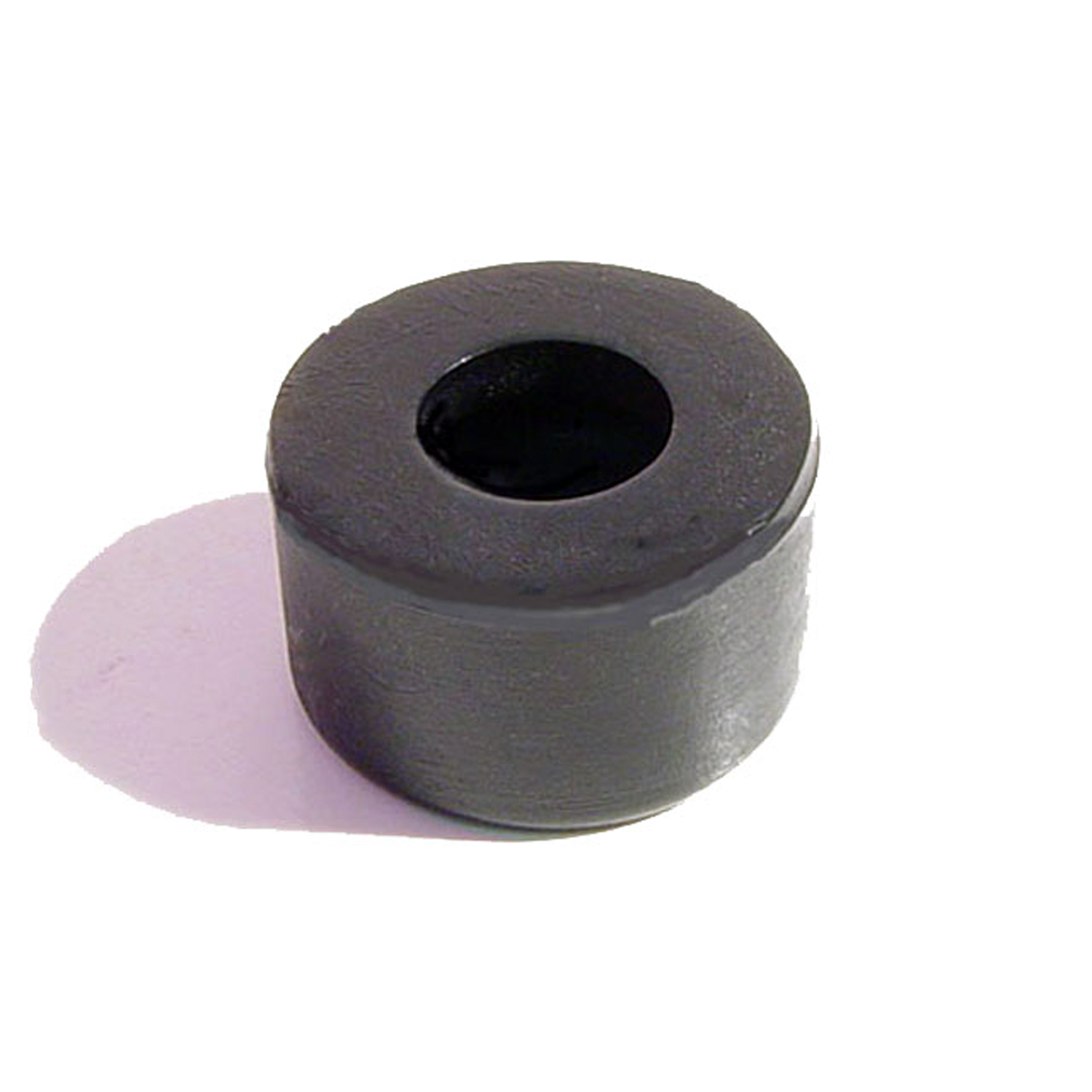 1949 Cadillac Series 62 Door, Hood and Trunk Bumper Cap for adjustment bolt-HA 5Door, Hood and Trunk Bumper Cap for adjustment bolt. 7/8" diameter X 7/16" thick. Each
 1949 Cadillac Series 62 Hood Rest Pad Bumper. Metal core, tab held-HC 31-AHood Rest Pad Bumper. Metal core, tab held. Four to twelve used per car. 1-1/4" between tabs. Each
 1949 Cadillac Series 62 Door and Hood Bumper. 1" diameter X 7/8" thick. Each-HF 16Door and Hood Bumper. 1" diameter X 7/8" thick. Each
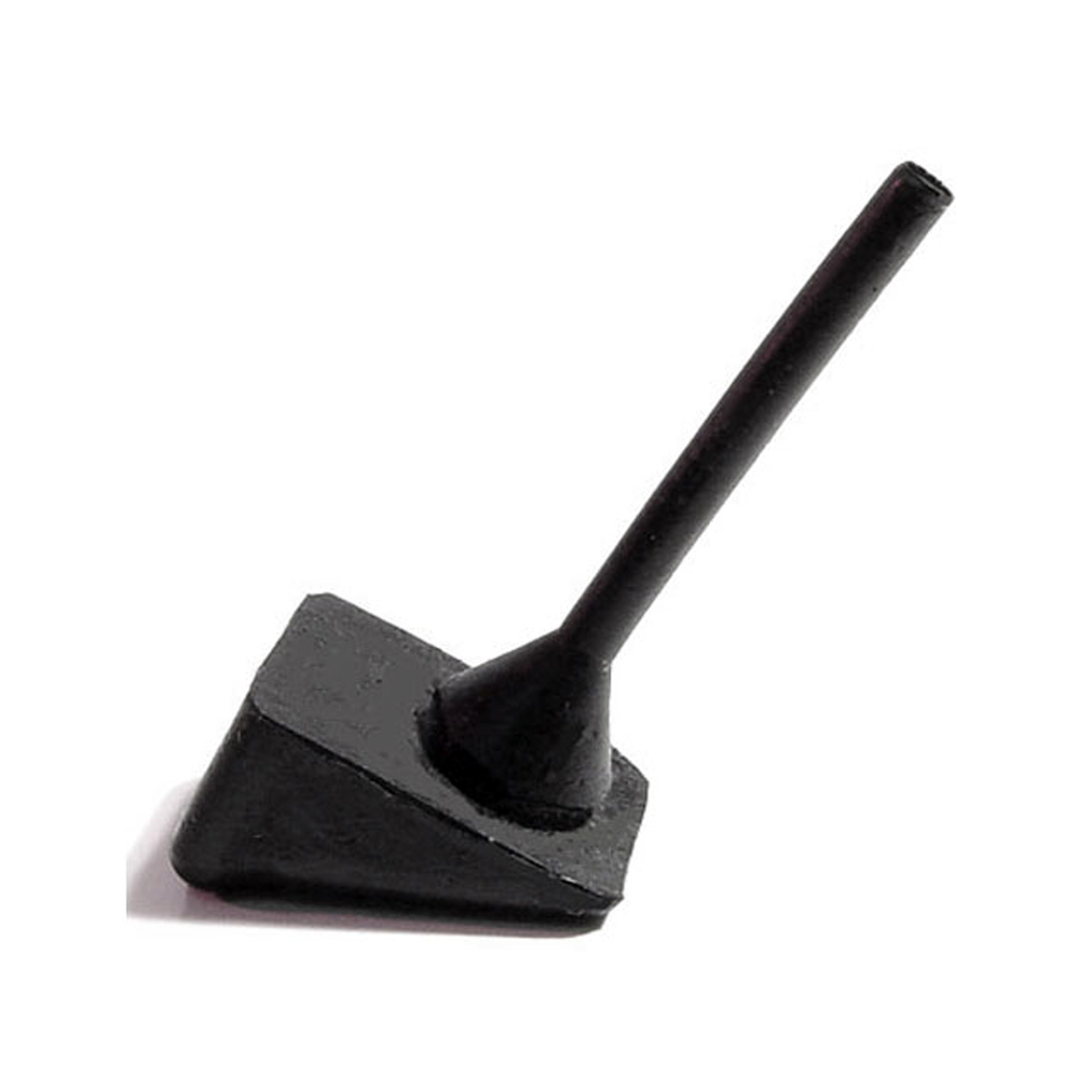 1949 Cadillac Series 62 Hood Bumper. Each-HF 8Hood Bumper. Each
 1949 Cadillac Series 62 Headlight Assembly Housing Pad. 8-3/8" O.D. Pair-HR 7Headlight Assembly Housing Pad. 8-3/8" O.D. Pair
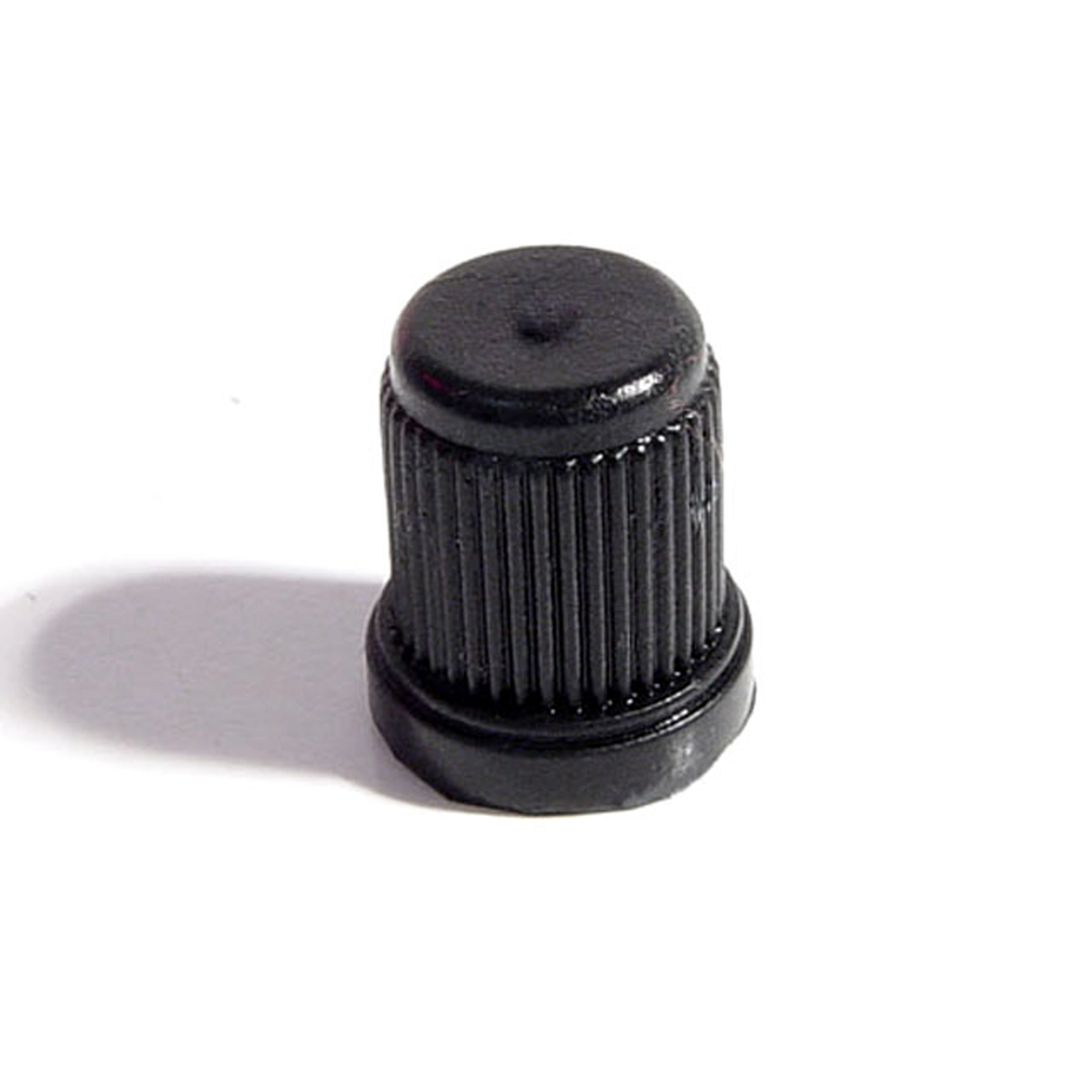 1949 Cadillac Series 62 Trip Meter Reset Knob. Made of black rubber-KN 10Trip Meter Reset Knob. Made of black rubber. Compare to measurements: 1/8" I.D., 7/16" O.D. X 1/2" tall. Each
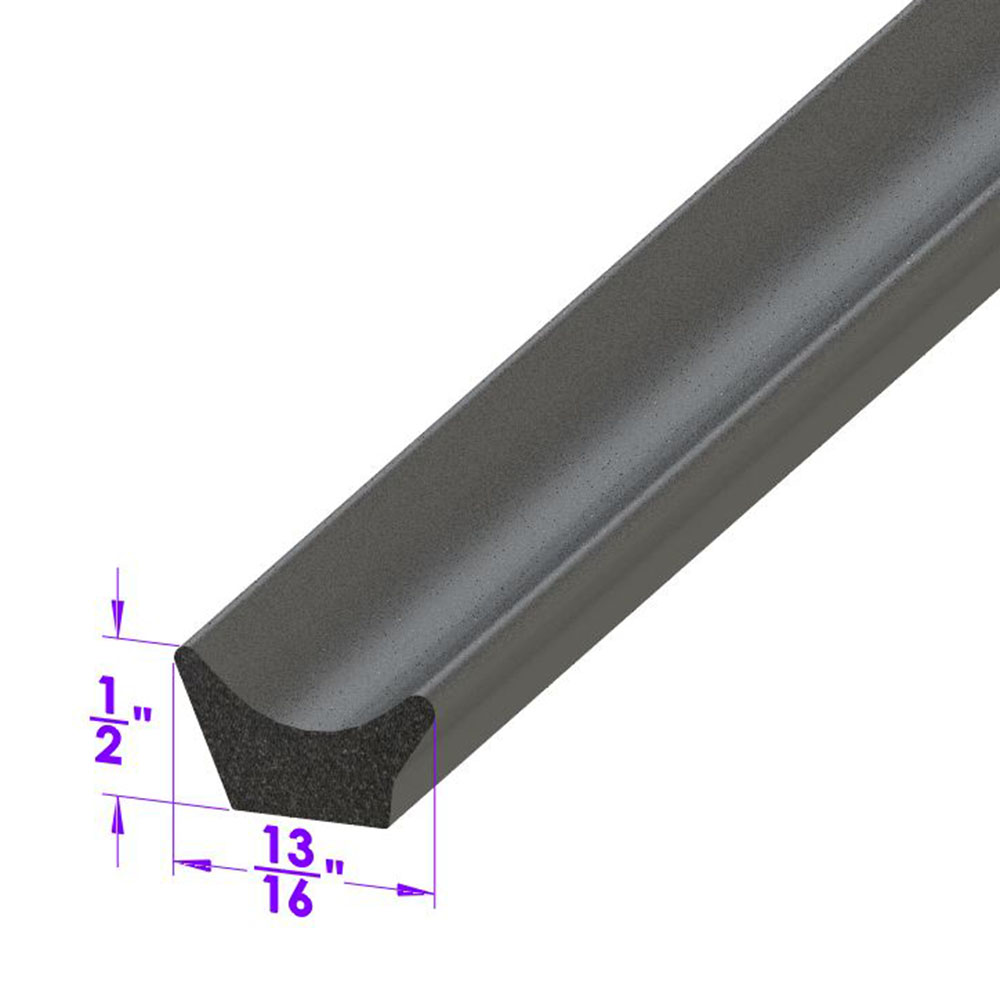 1949 Cadillac Series 62 Door side seal. Same as LP 40, but for a lighter seal-LP 40-ADoor side seal. Same as LP 40, but for a lighter seal. Fits many domestic passenger cars and trucks. Universal seal for street rods and customs. Used in Cobra kit cars as door weatherstrip. Per foot.
 1949 Cadillac Series 62 Front Engine Mount. Vulcanized to your old cores-MM 21Front Engine Mount. Vulcanized to your old cores. Price is with exchange only. Replaces OEM #1460201/1456642. Pair
 1949 Cadillac Series 62 Trunk Handle Pad. 1-5/8" wide X 2-3/4" long. Each-MP 460-BTrunk Handle Pad. 1-5/8" wide X 2-3/4" long. Each
 1949 Cadillac Series 62 Door Handle Pads. 2-3/8" wide X 4-5/8" long. Pair-MP 460-DDoor Handle Pads. 2-3/8" wide X 4-5/8" long. Pair
 1949 Cadillac Series 62 Bumper Caps for convertible top linkage-RP 1000Bumper Caps for convertible top linkage, folding pillar to side roof rail link. Made of gray rubber. Up to four used per car. Replaces OEM #4562358. Pair
 1949 Cadillac Series 62 Rear Leaf Spring Insulator. Fabric reinforced, tough rubber-RP 23-ZRear Leaf Spring Insulator. Fabric reinforced, tough rubber. For all 2" wide leaf springs. 2" wide X 5" long. Each
 1949 Cadillac Series 62 Door Lock Knob. Made of Black rubber, self-threading-RP 304-ADoor Lock Knob. Made of Black rubber, self-threading. 1-3/8" tall with 1/8" lower I.D., 3/8" lower O.D. Each
 1949 Cadillac Series 62 Door Lock Knob. Made of Slate Blue rubber, self-threading-RP 304-CDoor Lock Knob. Made of Slate Blue rubber, self-threading. 1-3/8" tall with 1/8" lower I.D., 3/8" lower O.D. Each
 1949 Cadillac Series 62 Door Lock Knob. Made of Navy Blue rubber, self-threading-RP 304-DDoor Lock Knob. Made of Navy Blue rubber, self-threading. 1-3/8" tall with 1/8" lower I.D., 3/8" lower O.D. Each
 1949 Cadillac Series 62 Door Lock Knob. Made of Silver Blue rubber, self-threading-RP 304-EDoor Lock Knob. Made of Silver Blue rubber, self-threading. 1-3/8" tall with 1/8" lower I.D., 3/8" lower O.D. Each
 1949 Cadillac Series 62 Door Lock Knob. Made of Fawn colored rubber, self-threading-RP 304-FDoor Lock Knob. Made of Fawn colored rubber, self-threading. 1-3/8" tall with 1/8" lower I.D., 3/8" lower O.D. Each
 1949 Cadillac Series 62 Door Lock Knob. Made of Olive Green rubber, self-threading-RP 304-GDoor Lock Knob. Made of Olive Green rubber, self-threading. 1-3/8" tall with 1/8" lower I.D., 3/8" lower O.D. Each
 1949 Cadillac Series 62 Door Lock Knob. Made of Yellow rubber, self-threading-RP 304-HDoor Lock Knob. Made of Yellow rubber, self-threading. 1-3/8" tall with 1/8" lower I.D., 3/8" lower O.D. Each
 1949 Cadillac Series 62 Door Lock Knob. Made of White rubber, self-threading-RP 304-IDoor Lock Knob. Made of White rubber, self-threading. 1-3/8" tall with 1/8" lower I.D., 3/8" lower O.D. Each
 1949 Cadillac Series 62 Door Lock Knob. Made of Silver rubber, self-threading-RP 304-JDoor Lock Knob. Made of Silver rubber, self-threading. 1-3/8" tall with 1/8" lower I.D., 3/8" lower O.D. Each
 1949 Cadillac Series 62 Door Lock Knob. Made of Medium Brown rubber, self-threading-RP 304-KDoor Lock Knob. Made of Medium Brown rubber, self-threading. 1-3/8" tall with 1/8" lower I.D., 3/8" lower O.D. Each
 1949 Cadillac Series 62 Door Lock Knob. Made of Wedgwood rubber, self-threading-RP 304-LDoor Lock Knob. Made of Wedgwood rubber, self-threading. 1-3/8" tall with 1/8" lower I.D., 3/8" lower O.D. Each
 1949 Cadillac Series 62 Door Lock Knob. Made of Teal Green rubber, self-threading-RP 304-MDoor Lock Knob. Made of Teal Green rubber, self-threading. 1-3/8" tall with 1/8" lower I.D., 3/8" lower O.D. Each
 1949 Cadillac Series 62 Door Lock Knob. Made of Moss Green rubber, self-threading-RP 304-NDoor Lock Knob. Made of Moss Green rubber, self-threading. 1-3/8" tall with 1/8" lower I.D., 3/8" lower O.D. Each
 1949 Cadillac Series 62 Door Lock Knob. Made of Ember glow rubber, self-threading-RP 304-ODoor Lock Knob. Made of Ember glow rubber, self-threading. 1-3/8" tall with 1/8" lower I.D., 3/8" lower O.D. Each
 1949 Cadillac Series 62 Hydro-Electric Power Unit Mounting Cushion-RP 700Hydro-Electric Power Unit Mounting Cushion. Two to three used per car. 1" O.D. X 3/4" high rubber with 1/4 x 20 x 3/4" Studs. Replaces OEM #4149788. Each
 1949 Cadillac Series 62 Hood Top Panel to Grill Bumper. Each-SB 34-AHood Top Panel to Grill Bumper. Each
 1949 Cadillac Series 62 Front Door Window Adjustment Bumper Cushion-SB 70Front Door Window Adjustment Bumper Cushion. For "T" bolt in door. Four to six used per car. 11/16" X 1/4". Each
 1949 Cadillac Series 62 Speedometer Cable / Utility Grommet-SM 2Speedometer Cable / Utility Grommet. Fits 3/4" to 13/16" hole. 3/16" center hole. Each
 1949 Cadillac Series 62 Wire Harness Grommet. Each-SM 3Wire Harness Grommet. Each
 1949 Cadillac Series 62 Special Purpose Grommet-SM 4Special Purpose Grommet. For firewall, fuel gauge wire, horn wire, hood latch cable and fresh air cable. Fits 1/2" hole. 1/8" center hole. Each
 1949 Cadillac Series 62 Hole Plug and Cowl Bumper. Fits 1/2" hole. Each-SM 52Hole Plug and Cowl Bumper. Fits 1/2" hole. Each
 1949 Cadillac Series 62 Firewall and Utility Grommet. Fits 3/4" hole. 3/16" I.D-SM 8Firewall and Utility Grommet. Fits 3/4" hole. 3/16" I.D. Each
 1949 Cadillac Series 62 Main Wire Harness to Firewall Grommet-SM 94-AMain Wire Harness to Firewall Grommet. Will also accommodate eight other accessory wires or tubes. The eight holes have punch-out membranes if needed. Each
 1949 Cadillac Series 62 Trunk Seal. 16 Feet overall length. Each-TK 50/52-8Trunk Seal. 16 Feet overall length. Each
 1949 Cadillac Series 62 Trunk Seal. Each-TK 56-18Trunk Seal. Each
 1949 Cadillac Series 62 Front Fresh Air Duct Boot Scoops-VH 103Front Fresh Air Duct Boot Scoops. Seals against fresh air screen to channel air through tube. Made of sponge as required. 7-1/2" O.D., with 4-1/2" opening for air hose. Pair
 1949 Cadillac Series 62 Vertical Seal for Vent Window. Each is 17" long. Pair-VS 2Vertical Seal for Vent Window. Each is 17" long. Pair
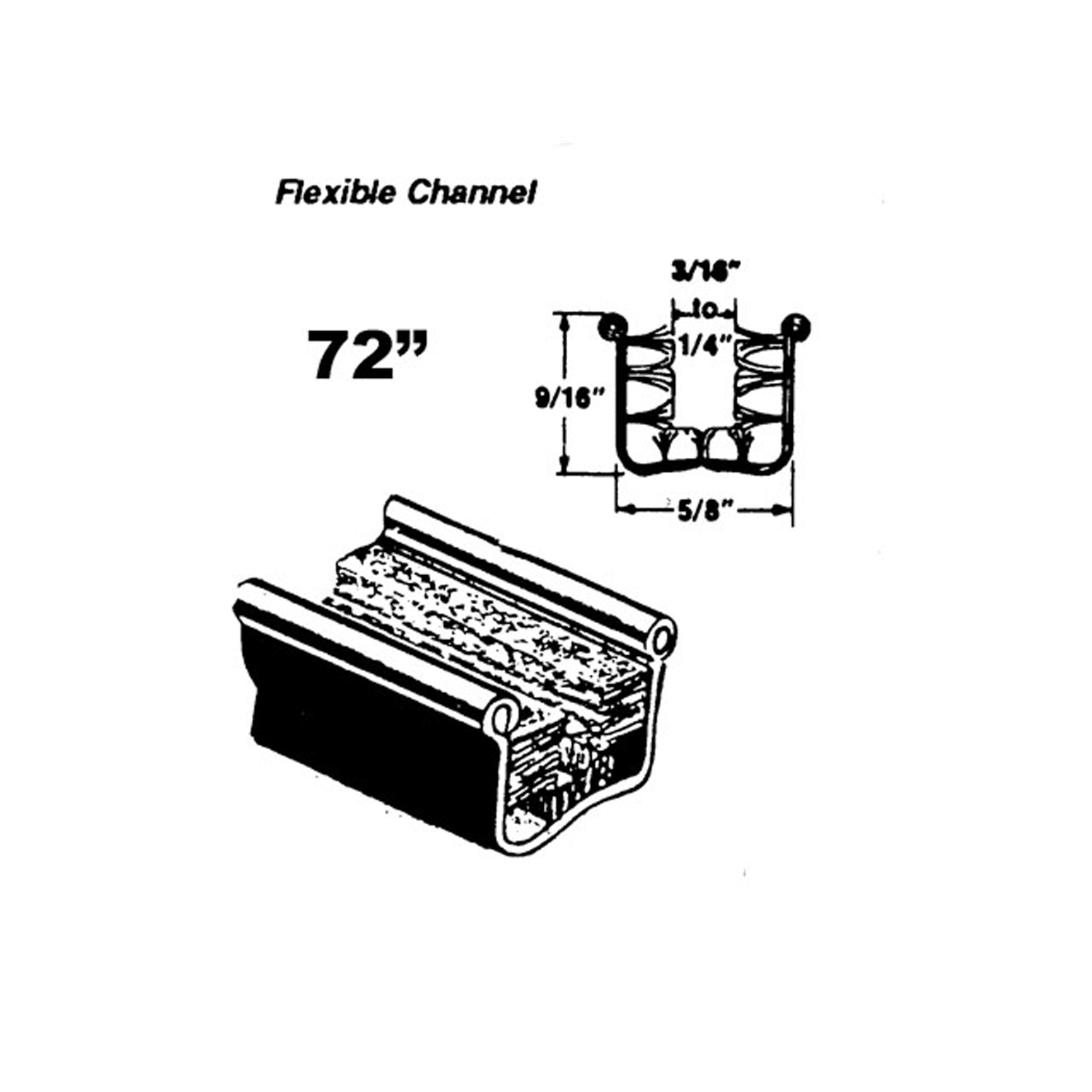 1949 Cadillac Series 62 Flexible glass-run channel-WC 11-72Flexible glass-run channel. Mohair lined, cloth covered with stainless steel bead. Used on side windows. 72 in. long. Each. NOTE: $20 special shipping charge applies for domestic orders. Call or email for overseas shipping costs. Part can be sectioned in two equal lengths to reduce overseas shipping costs.
 1949 Cadillac Series 62 Rigid division-bar channel. Made with Zinc-plated bead-WC 1-72Rigid division-bar channel. Made with Zinc-plated bead. Used on lower side windows. 72 in. long. Each. NOTE: $20 special shipping charge applies for domestic orders. Call or email for overseas shipping costs. Part can be sectioned into two equal lengths to reduce overseas shipping costs.
 1949 Cadillac Series 62 Rigid division-bar channel. Made with Zinc-plated bead-WC 1-96Rigid division-bar channel. Made with Zinc-plated bead. Used on lower side windows. 96 in. long. Each. NOTE: $20 special shipping charge applies for domestic orders. Call or email for overseas shipping costs. Part can be sectioned in two or three equal lengths to reduce overseas shipping costs.
 1949 Cadillac Series 62 Rigid division-bar channel. Made with stainless steel bead-WC 2-72Rigid division-bar channel. Made with stainless steel bead. 72 in. long. Each. NOTE: $20 special shipping charge applies for domestic orders. Call or email for overseas shipping costs. Part can be sectioned into two equal lengths to reduce overseas shipping costs.
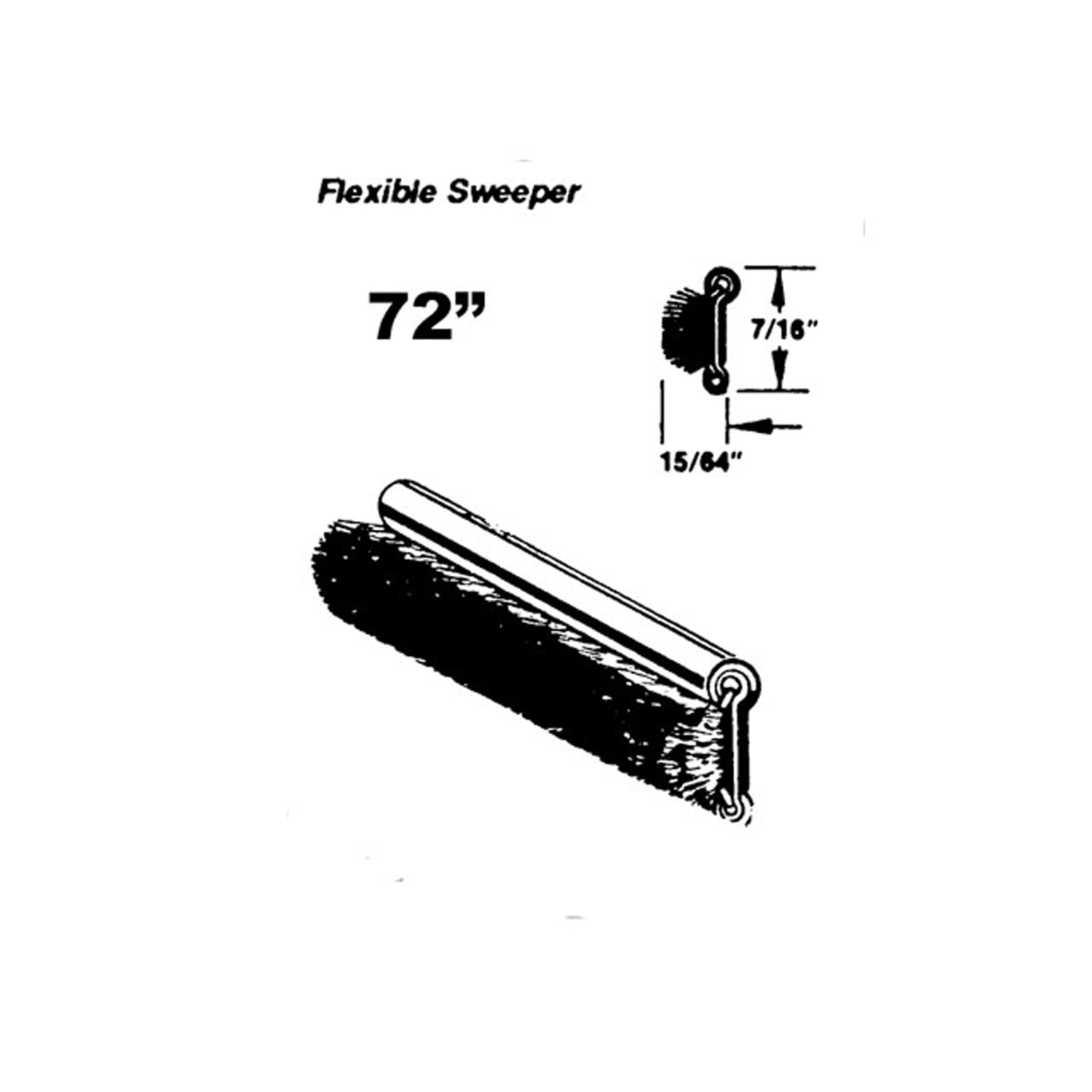 1949 Cadillac Series 62 Flexible sweeper. Made with stainless steel bead-WC 8-72Flexible sweeper. Made with stainless steel bead. Used on inner and outer beltlines. Also forms easily for use with sliding quarter windows. 72 in. long. Each. NOTE: $20 special shipping charge applies for domestic orders. Call or email for overseas shipping costs. Part can be sectioned into two equal lengths to reduce overseas shipping costs.
 1949 Cadillac Series 62 Fender Bolts. For use with Fender Bolt Washers; WF 3001-WF 3000Fender Bolts. For use with Fender Bolt Washers; WF 3001. Zinc Chromate plated, high strength. 1" X 5/16". Set of 25
 1949 Cadillac Series 62 Fender Bolt Washers. For use with Fender Bolts; WF 3000-WF 3001Fender Bolt Washers. For use with Fender Bolts; WF 3000. High quality, cadmium plated. 1-1/4" O.D., 3/8" I.D. Set of 25 1949 Cadillac Series 62 Front Vent Window Seals, for Convertibles. Pair R&L-WR 7307Front Vent Window Seals, for Convertibles. Pair R&L
 1949 Cadillac Series 62 Front Vent Window Seals. Pair R&L-WR 7318Front Vent Window Seals. Pair R&L
 1949 Cadillac Series 62 Front Suspension Bumper. 2" high. Each-XB 18Front Suspension Bumper. 2" high. Each
 1949 Cadillac Series 62 Front Suspension Bumper. For lower arm. 2" O.D-XB 22Front Suspension Bumper. For lower arm. 2" O.D., 2-1/8" high. Each
Why Choose Metro?
For over 100 years, Metro Moulded Parts has been the pinnacle of quality in classic car restoration parts. Our commitment to precision and authenticity in every component ensures a perfect fit and an OEM-level appearance.
- Expert Craftsmanship & Quality: Each part is a testament to our dedication to reliability and perfection, crafted from original designs and thoroughly tested.
- Advanced Technology: We use cutting-edge techniques to create flawless, long-lasting parts that surpass others in performance.
- SuperSoft Sponge – The Ultimate Door Seal: Not only are our door seals 30% softer than competitors', but they're also guaranteed to never leak. They effectively reduce wind and road noise, enhancing your classic car's comfort and driving experience.
- Proudly American: Our parts are a product of American craftsmanship, made in the USA with a spirit of excellence and heritage.
- Unrivaled Warranty: We back our products with a 30-year industry-leading warranty, a testament to our confidence in their quality.
Join us in preserving the legacy of classic cars with parts that are crafted for perfection, not just made.