
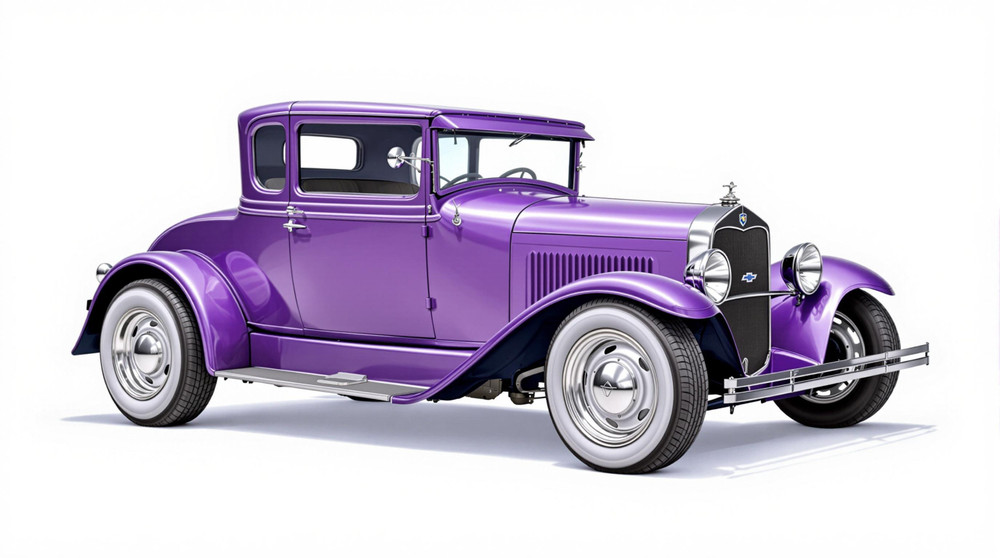
Image of 1925 Chevrolet Superior, Note: These illustrations use artistic license and may differ from actual historical models.
Performance Metrics
Fundamental Metrics
Emotional Appeal
MMP Rating
| Engine Specifications | |
|---|---|
| Engine: | 171 cubic inch 4-cylinder |
| Displacement: | 171 cubic inches |
| Horsepower: | 26 horsepower |
| Torque: | Estimated at 70 lb-ft |
| Compression Ratio: | 4.5:1 |
| Ignition System: | Battery and coil |
| Cooling System: | Thermosiphon |
| Performance Specifications | |
| 0-60 Time: | Not available due to the age and performance capabilities of the vehicle |
| 1/4 Mile Time: | Not available due to the age and performance capabilities of the vehicle |
| Top Speed: | 50 mph |
| Transmission and Drive | |
| Drive Type: | Rear-wheel drive |
| Transmission Type: | 3-speed manual |
| Fuel and Efficiency | |
| Fuel System Type: | Carburetor |
| MPG: | Estimated at 20 mpg |
| Dimensions and Brakes | |
| Brakes: | Mechanical drum brakes |
| Wheelbase: | 103 inches |
| Weight: | 1,650 lbs |
Note: Specifications for classic cars are given to the best of our ability, considering the limited and variant data available.
The 1925 Chevrolet Superior brought affordable motoring into a new gear: it paired a practical four-cylinder engine with a broader choice of body styles and the growing appeal of a car you could drive year-round. Known as the Superior Series K, it came from Chevrolet, the young General Motors division that was challenging Ford for the American family-car market.
1925 Chevrolet Superior: A New Kind of Family Car
Chevrolet had joined General Motors in 1918, and by the mid-1920s it was building its reputation on value, straightforward engineering, and a wider range of choices than a basic open touring car. The Superior name was used from 1923 through 1926. The 1925 Series K sits in the middle of that run, at a time when more buyers were beginning to expect comfort and weather protection as well as low purchase and running costs.
The model’s significance lies less in one revolutionary invention than in how it brought useful features and body styles to a broad market. Chevrolet’s growing production made its cars a familiar sight across the United States, and the Superior helped strengthen the brand’s position as a serious alternative to Ford. A notable detail is that the 1925 line offered both open cars and enclosed models, reflecting a major shift in what ordinary buyers wanted from a car.
Classic Lines and Practical Cabin
The Superior has the upright proportions typical of its era: a tall, narrow radiator, separate round headlamps, exposed fenders, running boards, and a simple, nearly vertical windshield. The hood stretches forward from the passenger compartment, while the fenders curve around the wheels rather than blending into the body. On open models, the folded fabric top and exposed cabin give the car an unmistakably early-motoring profile.
Cabin appointments depended on the body style and trim. Open cars commonly had durable leather seating, while closed models used upholstered seating and interior trim suited to a more protected passenger space. Wood framing formed an important part of many period bodies, beneath the exterior panels. The finish was functional rather than luxurious by modern standards, but compared with a bare-bones runabout, a closed Superior offered welcome shelter from rain, dust, and cold.
Paint colors and trim combinations varied by body style, production details, and market. Dark, restrained colors were common on period cars, with shades such as blue, green, and gray appearing in period Chevrolet offerings. Original paint evidence and factory documentation are worth checking on an individual car, since restorations often use colors that look plausible but may not match its original specification.
Body Styles and Equipment
Chevrolet offered the Series K in a range of configurations, including open roadster and touring models and enclosed coupe, sedan, and coach-style bodies. Availability and naming could vary between markets and production listings. The touring car, with seating for several passengers and a folding top, was an especially recognizable choice. Enclosed bodies were increasingly attractive to families who wanted protection from the weather, though they generally cost more.
For its time, the Superior’s equipment was straightforward but useful. It had a water-cooled engine, electric starting, and electric lighting, features that made everyday use more convenient than hand-cranking and relying on older lighting systems. The transmission was a three-speed manual, and the car used a conventional rear-wheel-drive layout. It was still a mechanically direct machine: no power steering, no modern safety equipment, and no automatic transmission.
Why the Superior Mattered
The Superior helped Chevrolet compete by offering buyers a choice of body styles and a more comfortable ownership proposition, rather than asking every customer to accept the same basic open car. That mattered as American roads and family expectations changed. Enclosed cars were becoming more desirable, and Chevrolet was ready to serve buyers who wanted a practical car for more than fair-weather trips.
It would be misleading to call the Series K a technological revolution. Its impact was cumulative. Chevrolet combined mass production, a familiar mechanical layout, electric starting and lighting, and a broad model range in a package priced for ordinary motorists. That formula helped establish the expectation that an affordable car could be a useful family vehicle, not merely basic transportation.
Four-Cylinder Power and Road Manners
Power came from a 171-cubic-inch (about 2.8-liter) inline four-cylinder engine with an L-head, or flathead, design. Period specifications commonly list output at about 26 horsepower. The engine sent power through a three-speed manual gearbox to the rear wheels. As with many cars of the period, quoted output and road performance should be treated as approximate: the condition of the engine, gearing, tires, and restoration all make a substantial difference today.
A healthy Superior could generally manage around 45 to 50 mph, with some cars potentially reaching the low 50s under favorable conditions. There is no dependable factory 0-to-60 mph figure, and 60 mph was beyond the realistic performance of many examples. The car was built for modest cruising, not rapid acceleration or sustained modern-highway speeds.
On the road, the engine produces a steady, mechanical four-cylinder thrum, while the unsynchronized manual gearbox asks the driver to shift deliberately. Matching engine speed when changing gears can make for smoother shifts. Steering is unassisted and demands more effort at low speeds, and braking is by period mechanical systems rather than modern hydraulic disc brakes. Owners should confirm the exact brake configuration on their car, particularly if it has been modified or restored.
The suspension and tall tires help absorb some roughness at sensible speeds, but the Superior is not a modern car with a vintage body. It can feel unsettled on broken pavement, and its narrow stance, period tires, and relatively modest brakes call for a cautious approach on winding roads and in crosswinds. The best experience comes on quiet roads at a relaxed pace, with extra space left for stopping and maneuvering.
Living With a 1925 Chevrolet
Today, most Superiors are enjoyed as show cars, parade vehicles, museum pieces, or occasional touring cars. They can be driven, but they are not practical substitutes for a modern daily driver. Limited speed, basic weather protection on open models, old-style lighting, and the need for careful braking make route planning important. A leisurely local drive suits the car far better than a long stretch of fast traffic.
The mechanical design is relatively simple, which is one reason many vintage-car enthusiasts find it approachable. Routine work can include checking ignition and fuel systems, lubricating chassis components, maintaining the cooling system, and inspecting tires, steering, and brakes. Parts support exists through classic Chevrolet specialists and vintage-car suppliers, but some body, trim, and model-specific pieces can be difficult or costly to find. A pre-purchase inspection by someone familiar with brass-era and early-vintage cars is wise, especially because body wood and structural repairs can be more involved than ordinary engine work.
Production, Trivia, and Common Criticisms
Chevrolet’s total production in 1925 is generally placed in the neighborhood of half a million cars, though exact totals can differ depending on the source and how production years are counted. That figure is for Chevrolet production overall, not a verified count of every Superior Series K body style. A precise breakdown by model and body is difficult to establish, and the number of surviving examples is much smaller than the original output.
There is no widely recognized speed or endurance record associated specifically with the 1925 Superior. Its more meaningful achievement was commercial: Chevrolet was building cars in large numbers and offering buyers a growing selection of open and closed bodies. The car’s limitations are also part of its character. Owners and drivers may find its low power, heavy steering, modest braking, and lack of modern safety features challenging. Those criticisms are fair, but they are best understood in the context of a car designed for the roads and expectations of a century ago.
Collector Value and Availability
Values depend heavily on body style, originality, condition, and the quality of any restoration. As a broad estimate, a project car may sell for roughly $3,000 to $8,000, while a presentable driver could fall in the $10,000 to $20,000 range. A high-quality restoration or especially desirable, well-documented example may reach approximately $25,000 to $40,000 or more. These are guide ranges, not appraisals, and local markets can vary substantially.
The Superior is uncommon in today’s marketplace, but it is not usually treated as an ultra-rare model. Open cars and complete, usable examples tend to attract interest, while unusual body styles, exceptional originality, or significant provenance can affect desirability. Like many prewar vehicles, prices have generally favored the best-presented cars, but the market is selective. Restoration costs can exceed the value of an average example, so condition and completeness matter greatly when buying.
A Chevrolet Built for Its Moment
The 1925 Chevrolet Superior Series K is an appealing snapshot of American motoring at a turning point. Its upright styling, simple four-cylinder power, practical equipment, and choice of open and enclosed bodies tell the story of a car industry moving beyond basic transportation. It is not fast or effortless by modern standards, but that is not the point. The Superior rewards a slower pace and offers a direct connection to the era when Chevrolet was helping put dependable, increasingly comfortable motoring within reach of more families.
1925 Chevrolet Superior Catalog of Parts
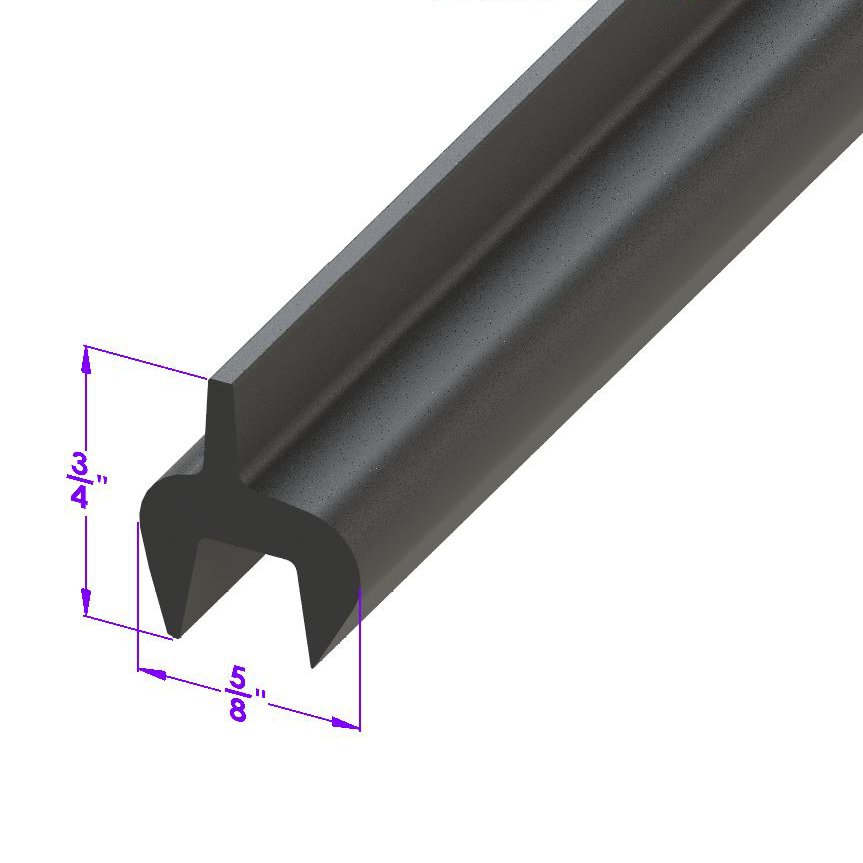 1925 Chevrolet Superior Swing-Out Lower Windshield Seal. Sold by the foot-LP 108Swing-Out Lower Windshield Seal. Sold by the foot
 1925 Chevrolet Superior Flexible Rubber Window Channel-WC 32-14Flexible Rubber Window Channel. For Fisher Closed Bodies, except those using a stainless bead type. Used on side windows. 13/16" outer width X 6/16" outer depth, with a 5/16" inner channel width X 14" long. Each
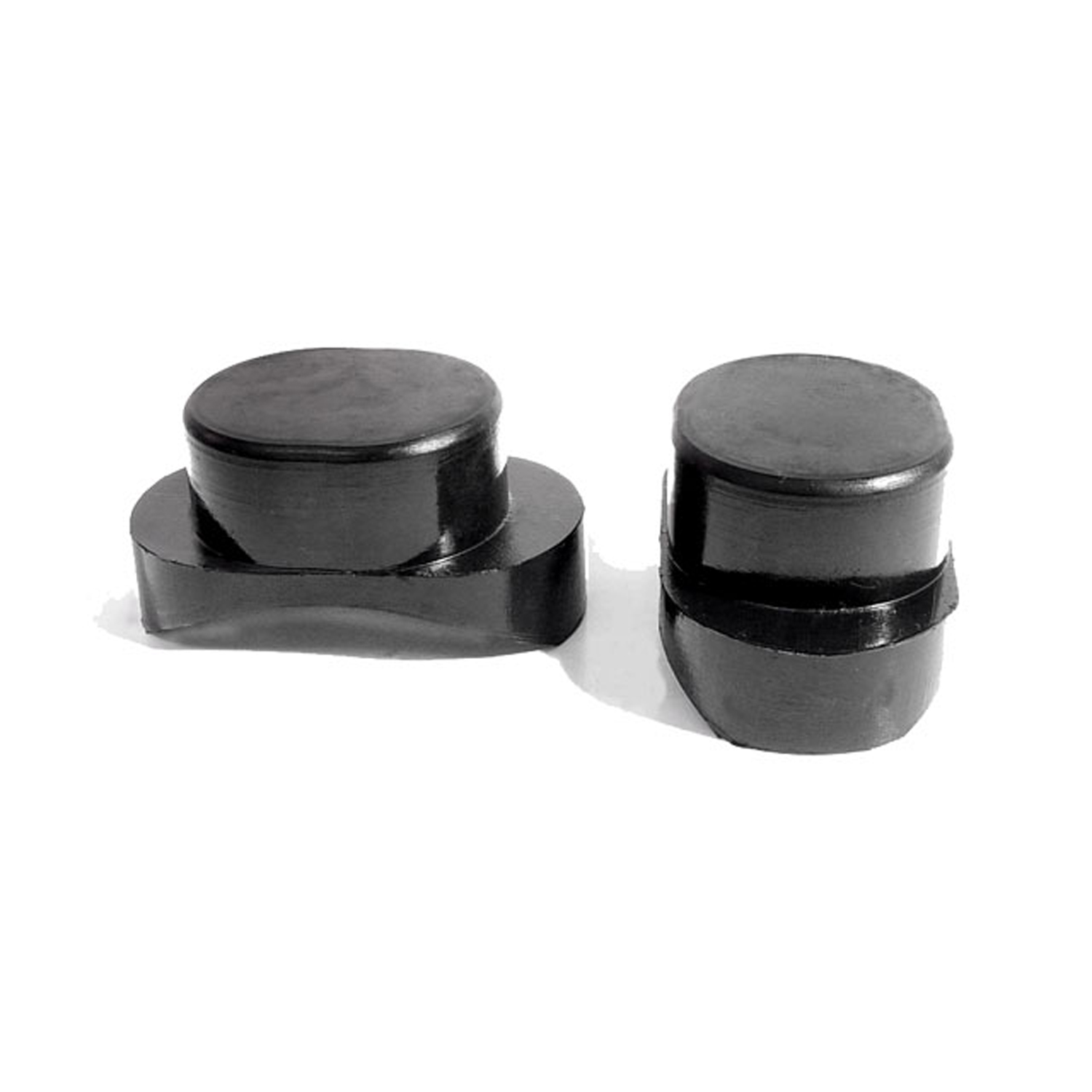 1925 Chevrolet Superior Rear Axle and Spring Bumpers. Pair-XB 26Rear Axle and Spring Bumpers. Pair
Why Choose Metro?
For over 100 years, Metro Moulded Parts has been the pinnacle of quality in classic car restoration parts. Our commitment to precision and authenticity in every component ensures a perfect fit and an OEM-level appearance.
- Expert Craftsmanship & Quality: Each part is a testament to our dedication to reliability and perfection, crafted from original designs and thoroughly tested.
- Advanced Technology: We use cutting-edge techniques to create flawless, long-lasting parts that surpass others in performance.
- SuperSoft Sponge – The Ultimate Door Seal: Not only are our door seals 30% softer than competitors', but they're also guaranteed to never leak. They effectively reduce wind and road noise, enhancing your classic car's comfort and driving experience.
- Proudly American: Our parts are a product of American craftsmanship, made in the USA with a spirit of excellence and heritage.
- Unrivaled Warranty: We back our products with a 30-year industry-leading warranty, a testament to our confidence in their quality.
Join us in preserving the legacy of classic cars with parts that are crafted for perfection, not just made.