
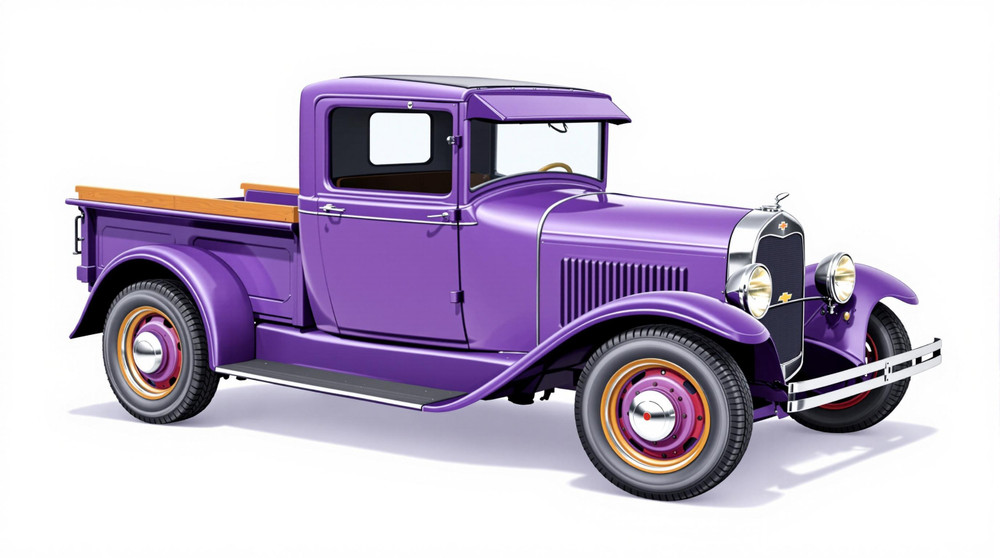
Image of 1925 Chevrolet Superior Truck, Note: These illustrations use artistic license and may differ from actual historical models.
Performance Metrics
Fundamental Metrics
Emotional Appeal
MMP Rating
| Engine Specifications | |
|---|---|
| Engine Options: | 4-cylinder in-line |
| Displacement Range: | 2.8L |
| Horsepower Range: | Estimated 26-35 HP |
| Torque: | Not available |
| Compression Ratio: | Not available |
| Ignition System: | Battery and coil |
| Cooling System: | Water-cooled |
| Performance Specifications | |
| 0-60 Time: | Not available |
| 1/4 Mile Time: | Not available |
| Top Speed: | 40-45 mph |
| Transmission and Drive | |
| Drive Type: | Rear-wheel drive |
| Transmission Type: | 3-speed manual |
| Fuel and Efficiency | |
| Fuel System Type: | Carburetor |
| MPG: | Not available |
| Dimensions and Brakes | |
| Brakes: | Mechanical drum brakes |
| Wheelbase: | 103.25 inches |
| Weight: | Estimated 1,650 lbs |
Note: Specifications for classic cars are given to the best of our ability, considering the limited and variant data available.
1925 Chevrolet Superior Truck: An Affordable Workhorse Takes Shape
The 1925 Chevrolet Superior Truck was built for businesses that needed dependable transportation without the price of a heavy-duty commercial rig. Based on Chevrolet’s increasingly popular Superior-era engineering, it paired a simple four-cylinder powertrain with a chassis that could be fitted for delivery, farm, and general hauling work. It was not a single, standardized truck in the modern sense: Chevrolet supplied commercial chassis and configurations, and body makers or owners often determined the vehicle’s final form.
Chevrolet, then part of General Motors, had entered the truck business in 1918. By the mid-1920s, the company was using its growing dealer network and large-scale production to make commercial vehicles more accessible to small businesses. A notable point in the Superior Truck’s story is that many examples left the factory as a chassis or chassis with cab, then received a specialized body later. That practical approach helps explain why surviving 1925 trucks can look quite different from one another.
Exterior Design and Working Details
The truck’s appearance was straightforward and purposeful. A tall, upright radiator and hood gave it the unmistakable profile of an early motor truck, while exposed front fenders and narrow wheels emphasized its mechanical simplicity. Depending on the body fitted, the back half might be an open platform, a stake bed with removable side rails, or a closed delivery compartment. Its proportions were compact beside larger commercial trucks, but the upright driving position and high-set body made it look ready for a day’s work.
Cab equipment was basic by modern standards. Expect a large steering wheel, simple instrument panel, uncomplicated controls, and little in the way of sound insulation or weather protection. Materials were selected for utility rather than luxury: painted metal, wood in parts of the body or cargo bed, and durable upholstery where fitted. A truck ordered with an enclosed cab offered welcome protection from wind and rain, but comfort remained secondary to carrying capacity and ease of use.
Paint and trim depended on the chassis and body builder, so there is no single universal color palette for every 1925 Superior Truck. Dark commercial colors, especially black and other conservative shades, suited fleet and business use. Individual owners could also choose contrasting body colors or lettering to advertise a company. Period-correct restorations often follow the documented paint scheme of a particular body or surviving truck rather than assuming every example left Chevrolet in the same color.
Chassis, Body Styles, and Early Truck Technology
Chevrolet’s commercial offering was built around a working chassis that could be adapted to different jobs. Common forms included open platform and stake-bed trucks, express or light-delivery bodies, and enclosed panel-style bodies. Some vehicles were modified for specialized local work. The open stake or platform truck is among the most recognizable configurations because it could carry bulky loads and was easy to adapt for farm, construction, and general delivery use.
Under the hood, Superior-era Chevrolet vehicles are associated with a 171-cubic-inch inline-four producing roughly 26 horsepower. Exact specifications could vary by chassis and configuration, so a surviving truck should be checked against its engine and period documentation. Power went through a manual transmission, with rear-wheel drive providing the familiar layout of the era. Braking and steering were mechanical, with no power assistance or modern safety systems.
These were not technological showpieces. Their innovation was practical: a relatively simple, serviceable truck backed by a major manufacturer’s production capacity and dealer network. In an era when many businesses still relied on horses, Chevrolet offered a motorized alternative that could be configured around the work at hand.
Why the Superior Truck Mattered
The 1925 Chevrolet Superior Truck helped extend automobile mass production into commercial transportation. Its importance lies less in a single groundbreaking feature than in making a useful motor truck attainable for businesses that could not justify a large, expensive commercial vehicle. Chevrolet’s broad sales and service network also made parts and repairs more accessible than they might have been for a small independent make.
That formula influenced the wider market. Buyers increasingly expected a truck to be more than a passenger car with a cargo box: it needed a purpose-built chassis, useful load-carrying ability, and a body tailored to its trade. Chevrolet’s flexible chassis-and-body approach fit that demand. The truck was a practical link between early, often specialized motor lorries and the more standardized commercial pickups that would become familiar in later decades.
Performance and Driving Experience
Performance figures need a little context. Chevrolet’s roughly 26-horsepower four-cylinder engine was designed to move a working vehicle at modest road speeds, not to deliver passenger-car acceleration. A reasonable estimate for a lightly loaded truck’s maximum speed is around 35 to 45 mph, depending on gearing, body style, mechanical condition, and load. A 0-to-60-mph time is not meaningfully applicable: most examples were not designed to reach 60 mph, and attempting to measure one that way would be neither representative nor sensible.
On the road, the truck feels mechanical in every sense. The driver works a substantial steering wheel, operates a manual gearbox, and listens to the engine’s steady, unhurried four-cylinder note. Acceleration is gradual, especially with cargo aboard. The engine’s sound is more purposeful than refined, and the lack of modern insulation lets road, wind, and drivetrain noise into the cab.
On uneven roads, the tall stance, narrow tires, and simple suspension can make the truck feel busy. It is best driven at a measured pace, particularly when loaded or turning on a narrow, winding road. Steering effort and braking distance are far greater than in a modern vehicle, while crosswinds can affect a lightly loaded truck with a tall body. In good condition, it can be an enjoyable vintage-drive experience, but it demands anticipation and a respectful following distance.
Living With a 1925 Chevrolet Truck
In period, the Superior Truck’s natural role was work: local deliveries, farm hauling, trades, and small-business transport. Today, most surviving examples are restoration projects, show vehicles, museum pieces, or occasional parade and neighborhood drivers. Some owners still use them for short, low-speed outings, but regular commuting or highway travel is not a suitable modern use.
Its relatively simple construction is a major ownership advantage. A mechanically experienced owner can understand much of the truck without specialized diagnostic equipment, and many routine jobs involve familiar mechanical principles. The challenges are sourcing correct parts, finding a sound body and chassis, and dealing with decades of repairs or modifications. A truck that looks complete may still need careful attention to the engine, transmission, steering, brakes, wheels, and wood structure.
Reliability depends heavily on condition and maintenance. Age alone makes fuel, cooling, ignition, and lubrication systems worth inspecting before regular operation. The mechanical brakes and steering deserve particular scrutiny. For a roadworthy restoration, careful setup matters more than chasing speed: the truck should stop, steer, and run predictably before it is taken into traffic.
Fast Facts and Common Criticisms
The Superior Truck’s most unusual “option” was often what happened after it left the factory. A chassis could be transformed into a delivery van, stake truck, platform hauler, or another local working body, meaning two authentic examples may have very different silhouettes. That also makes identification and restoration research important: a body that looks period-correct is not necessarily the original body for that particular chassis.
There is no widely accepted model-specific production total for the 1925 Superior Truck. Chevrolet’s overall vehicle production was substantial, but surviving records and historical summaries do not consistently separate every truck body and chassis configuration. As a cautious estimate rather than a confirmed factory figure, production may have amounted to roughly 10,000 to 20,000 Superior-era truck chassis in the model year. The number of surviving, identifiable 1925 examples is much smaller.
Common criticisms are easy to understand from a modern perspective: low power, modest speed, limited weather protection, heavy controls, and basic braking. It is also difficult to treat it as a single, uniform model because body styles and equipment varied. Its appeal is not modern comfort or performance. It is the direct, hands-on character of a working vehicle from the early years of mass motor transport.
Collector Values and Availability
Values vary considerably with originality, completeness, mechanical condition, body style, and restoration quality. As a broad current-market estimate, a project truck might sell for about $5,000 to $15,000. A running or partially restored example could fall around $15,000 to $30,000, while a well-restored, correct truck may bring roughly $25,000 to $45,000 or more. Exceptional examples with rare or especially attractive bodies can exceed that range, while incomplete projects may sell for less.
These figures are estimates, not guaranteed appraisals. Early Chevrolet trucks are less commonly encountered than their passenger-car counterparts, and the market is narrower than for later pickups. Prices tend to reward completeness and documented authenticity. Over time, well-restored examples have generally held collector interest, with the strongest appreciation likely among trucks that retain a desirable body, sound original components, or an unusually high-quality restoration. As with most prewar vehicles, condition and provenance matter more than a simple year-and-model label.
A Small Truck With a Big Place in Chevrolet History
The 1925 Chevrolet Superior Truck was not fast, plush, or technologically extravagant. It was a practical commercial vehicle built around a simple mechanical package and the flexibility to serve many kinds of work. Its influence came from helping put motorized hauling within reach of everyday businesses, while its adaptable chassis made it a true working platform rather than a one-purpose machine.
More than a century later, a surviving Superior Truck offers a vivid reminder of how quickly transportation was changing. It is a hands-on piece of commercial history: slow by modern standards, unmistakable in character, and significant for the practical work it helped bring onto the road.
1925 Chevrolet Superior Truck Catalog of Parts
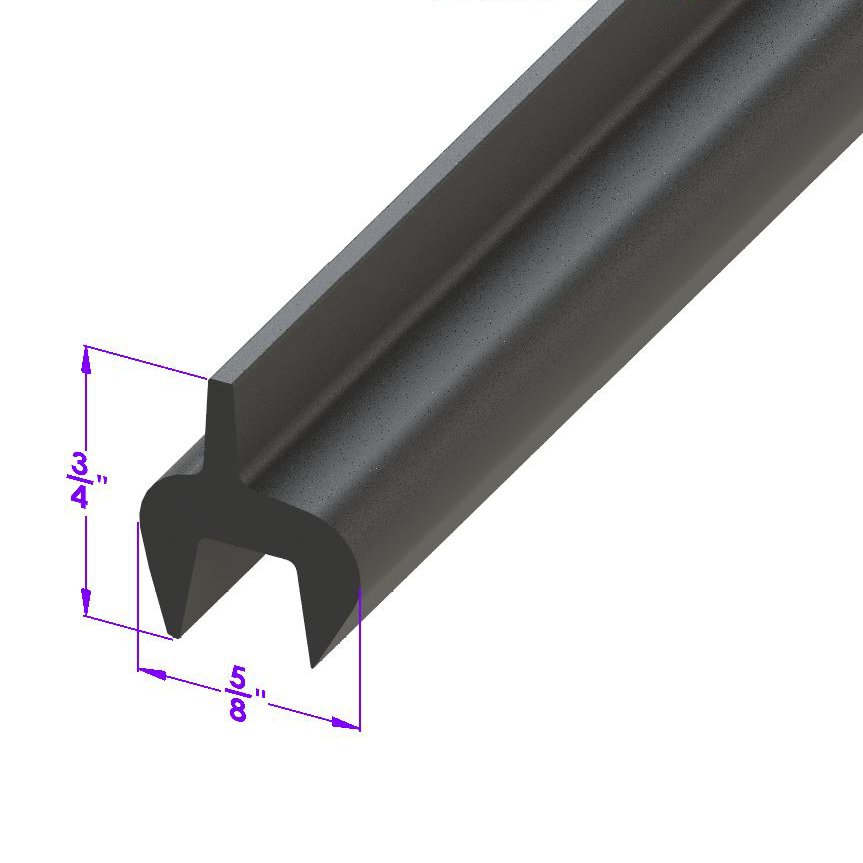 1925 Chevrolet Superior Truck Swing-Out Lower Windshield Seal. Sold by the foot-LP 108Swing-Out Lower Windshield Seal. Sold by the foot
 1925 Chevrolet Superior Truck Flexible Rubber Window Channel-WC 32-14Flexible Rubber Window Channel. For Fisher Closed Bodies, except those using a stainless bead type. Used on side windows. 13/16" outer width X 6/16" outer depth, with a 5/16" inner channel width X 14" long. Each
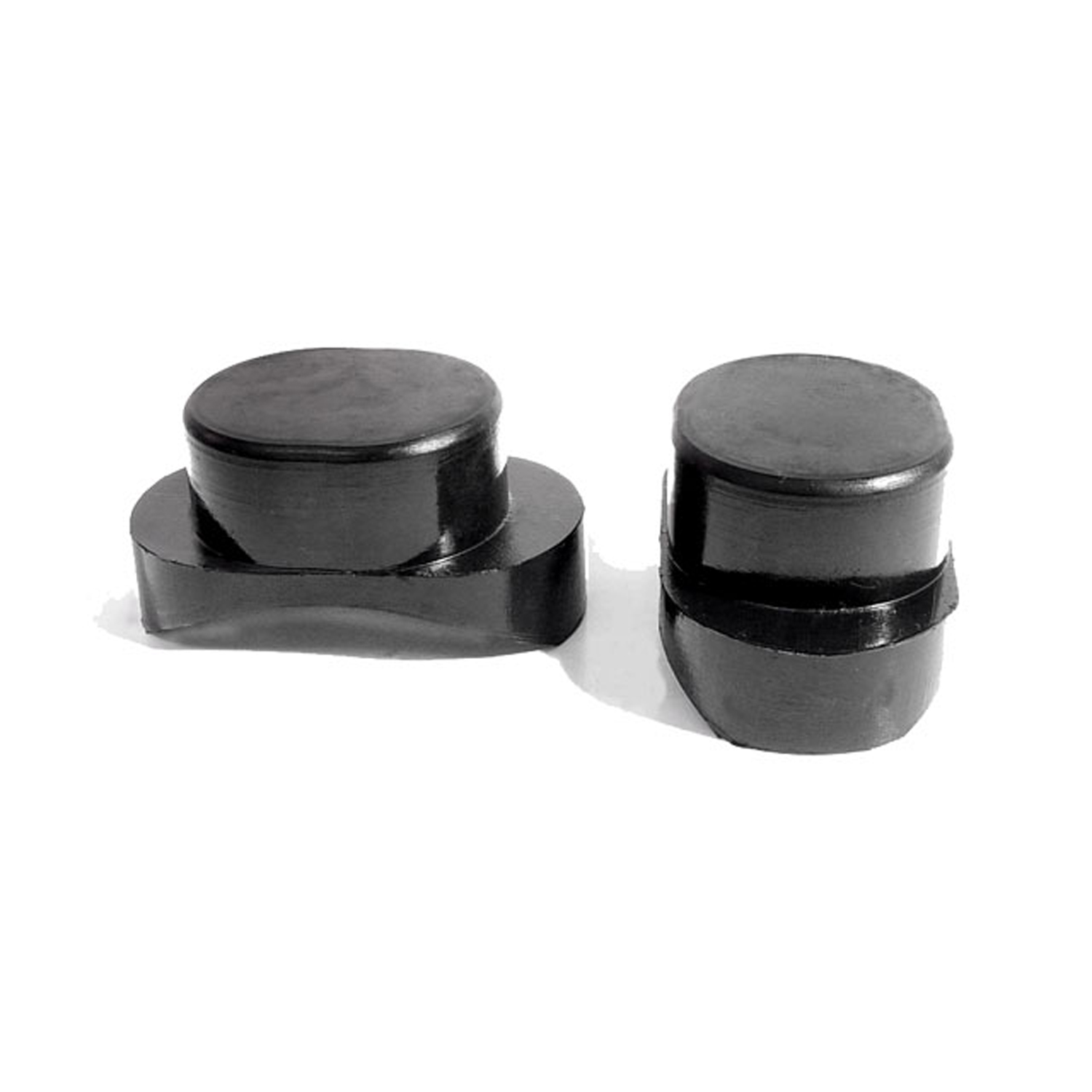 1925 Chevrolet Superior Truck Rear Axle and Spring Bumpers. Pair-XB 26Rear Axle and Spring Bumpers. Pair
Why Choose Metro?
For over 100 years, Metro Moulded Parts has been the pinnacle of quality in classic car restoration parts. Our commitment to precision and authenticity in every component ensures a perfect fit and an OEM-level appearance.
- Expert Craftsmanship & Quality: Each part is a testament to our dedication to reliability and perfection, crafted from original designs and thoroughly tested.
- Advanced Technology: We use cutting-edge techniques to create flawless, long-lasting parts that surpass others in performance.
- SuperSoft Sponge – The Ultimate Door Seal: Not only are our door seals 30% softer than competitors', but they're also guaranteed to never leak. They effectively reduce wind and road noise, enhancing your classic car's comfort and driving experience.
- Proudly American: Our parts are a product of American craftsmanship, made in the USA with a spirit of excellence and heritage.
- Unrivaled Warranty: We back our products with a 30-year industry-leading warranty, a testament to our confidence in their quality.
Join us in preserving the legacy of classic cars with parts that are crafted for perfection, not just made.