
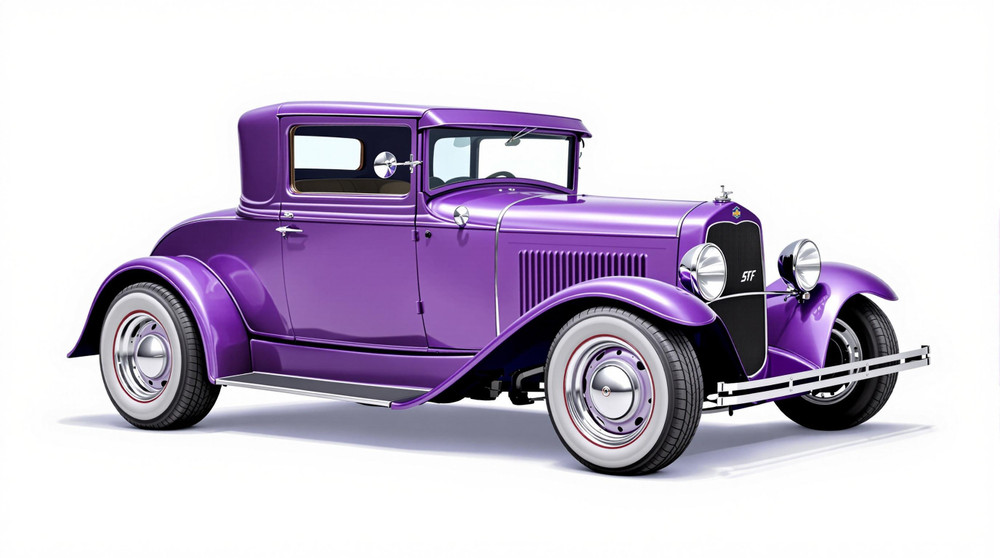
Image of 1927 Chevrolet Capitol, Note: These illustrations use artistic license and may differ from actual historical models.
Performance Metrics
Fundamental Metrics
Emotional Appeal
MMP Rating
| Engine Specifications | |
|---|---|
| Engine: | Inline 4 |
| Displacement: | 171 cubic inches |
| Horsepower: | Estimated 26 horsepower |
| Torque: | Not available |
| Compression Ratio: | Not available |
| Ignition System: | Battery and coil |
| Cooling System: | Water-cooled |
| Performance Specifications | |
| 0-60 Time: | Not available |
| 1/4 Mile Time: | Not available |
| Top Speed: | 50 mph |
| Transmission and Drive | |
| Drive Type: | Rear-wheel drive |
| Transmission Type: | 3-speed manual |
| Fuel and Efficiency | |
| Fuel System Type: | Carburetor |
| MPG: | Not available |
| Dimensions and Brakes | |
| Brakes: | Mechanical drum brakes |
| Wheelbase: | 103 inches |
| Weight: | 1,650 lbs |
Note: Specifications for classic cars are given to the best of our ability, considering the limited and variant data available.
1927 Chevrolet Capitol: A Million-Milepiece of Chevrolet History
The 1927 Chevrolet Capitol helped turn Chevrolet from a strong Ford rival into America’s leading car seller. Built by the Chevrolet Motor Company, then part of General Motors, the Capitol was a practical, comparatively affordable automobile for families and businesses at a time when cars were becoming a normal part of American life.
Officially known as the Series AA, the Capitol arrived during a pivotal year. Ford paused production of its Model T while preparing the Model A, giving Chevrolet a rare opening to capture the attention of buyers. Chevrolet took advantage: in 1927, it outsold Ford for the first time. The Capitol was not a luxury car or a racing sensation, but its broad appeal made it an important player in the rapid growth of mass motoring.
A useful point for collectors: “Capitol” refers to a family of models, not just one body style. Depending on the body and equipment, a 1927 Capitol could be an open touring car, a closed coach, a coupe, or a sedan. That variety helped Chevrolet reach customers with different needs and budgets.
Capitol Styling: Tall Grille, Long Hood, Open Road
The Capitol has the upright, purposeful look associated with late-1920s cars. Its tall radiator shell and narrow vertical grille give the front end a formal face, while the long hood, separate rounded fenders, and exposed running boards create a clear division between the body and chassis. Depending on the model, details such as headlamps, cowl lamps, windshield shape, and wheel type add their own period character.
Open models, including roadsters and touring cars, make the car’s mechanical layout part of its visual appeal. Closed models have a more substantial profile, with high rooflines and upright windows that suit the era’s emphasis on comfort and weather protection. The two-door Coach is a particularly recognizable choice, offering enclosed seating at a price aimed at everyday buyers.
Paint choices varied by body style and production details. Period colors could include dark blues, greens, maroons, and other subdued shades, with black also associated with many cars of the period. Today, restored examples often wear rich, high-contrast paint that highlights the fenders and body lines. For an accurate restoration, buyers should check the specific model’s factory color information rather than assume every Capitol shared one paint scheme.
Inside the 1927 Chevrolet Capitol
The Capitol’s cabin is straightforward and functional rather than plush. A painted metal dashboard, simple instruments, large steering wheel, and upright seating put the emphasis on visibility and control. Upholstery was generally cloth, with materials and trim varying by body style and equipment. Open cars used more exposed, weather-dependent seating, while closed models offered a sheltered interior with doors and side windows.
Compared with a modern car, the interior feels sparse. There are no elaborate convenience systems, and the driver does much more of the work. But the uncluttered layout is part of the Capitol’s appeal: the important controls are visible, the cabin feels connected to the road, and the hardware is easy to understand.
Four-Cylinder Power and Period Technology
Power came from a 171-cubic-inch, or 2.8-liter, inline four-cylinder engine. Chevrolet’s overhead-valve layout was a notable feature for its time, and period specifications commonly list output at about 26 horsepower. A three-speed manual transmission sent power to the rear wheels. The combination favored steady, economical travel over quick acceleration.
The Capitol also offered conveniences that made motoring more accessible than it had been a generation earlier, including electric starting and electric lighting. Its mechanical controls and simple drivetrain were familiar to drivers and mechanics of the day. The trade-off was that features now taken for granted, such as modern braking systems, power steering, and synchronized shifting, were not part of the experience.
How the Capitol Drives
A sound, correctly maintained Capitol can generally manage around 50 to 55 mph in favorable conditions, although actual speed depends on gearing, tire size, mechanical condition, and body style. There is no single dependable factory 0-to-60-mph figure for every version. As a practical estimate, acceleration to 60 mph would take roughly 40 seconds or longer, and some cars may not comfortably reach that speed at all. These figures are best treated as modern estimates, not standardized period test results.
Behind the wheel, the engine’s steady four-cylinder beat and the mechanical sounds of the transmission make the car feel unmistakably vintage. The non-synchronized gearbox calls for deliberate shifts, often with double-clutching, and the driver must plan ahead when slowing or climbing a hill. Steering is entirely manual, so low-speed turns take effort. At a relaxed pace, the Capitol is most at home on quieter roads rather than in fast-moving modern traffic.
The suspension and tall, narrow tires give the car a different response from a modern vehicle. It can feel unsettled over sharp bumps, and its upright body and period steering require care on windy roads. A well-restored car should feel controlled for its age, but it is not designed for abrupt maneuvers or high-speed cornering. Braking performance also depends greatly on the particular car’s equipment, adjustment, and upkeep, so an owner should have the system inspected before regular road use.
Body Styles and Buyer Choices
Chevrolet offered the Capitol in a range of passenger-car body styles, including roadster, touring, coupe, Coach, and sedan forms, with commercial versions and chassis configurations serving business customers. Exact names and availability could vary across the model range. Open touring cars suited buyers who wanted room for passengers and fresh air, while roadsters had a sportier, more personal character.
The Coach was among the most appealing choices for everyday ownership. Its enclosed body provided more protection from weather than an open car, while keeping the Capitol within reach of buyers who could not afford a larger or more luxurious automobile. Today, collectors often gravitate toward unusual open models, but the Coach remains an especially useful example of Chevrolet’s practical approach.
Why the Capitol Mattered
The Capitol’s importance lies in how effectively it combined usable engineering, a broad body-style lineup, and accessible pricing. Chevrolet was competing directly with Ford, and the 1927 sales result showed that buyers were willing to choose a rival when it offered a compelling alternative. Chevrolet’s success helped establish the company as a dominant force in the American auto industry.
The car also reflects a transitional moment in automotive design. Closed bodies were becoming more desirable, while open touring cars still had a large following. Chevrolet served both groups with one model family. The Capitol did not introduce a single revolutionary feature that transformed the entire industry, but its commercial success strengthened Chevrolet’s ability to develop and sell cars at scale.
Ownership, Maintenance, and Reliability
Today, most Capitols are enjoyed as touring cars, show vehicles, or occasional-use classics rather than daily transportation. Their simple mechanical layout can make routine work approachable for an experienced hobbyist, and many repairs rely on traditional mechanical skills rather than electronic diagnostics. Parts availability is generally workable through specialist suppliers and the vintage Chevrolet community, though trim pieces, body components, and correct restoration details can take more searching.
Age is the main reliability challenge. Buyers should inspect the engine, cooling system, transmission, rear axle, steering, brakes, frame, and wood structure in the body where applicable. A car that has been stored for years may need extensive recommissioning even if it looks complete. Regular lubrication, careful adjustment, and sensible driving help keep a Capitol enjoyable, but it should not be expected to match the convenience or safety of a modern car.
Capitol Facts and Common Misconceptions
The Capitol’s best-known historical distinction is its place in Chevrolet’s first sales victory over Ford. The timing was significant: Ford was in the middle of its Model T-to-Model A transition, and Chevrolet was ready with a full range of cars for buyers. The Capitol was part of a sales story that helped change the balance of power in the American market.
There is no broadly established record of a special celebrity-owned Capitol or a major speed or endurance title associated with the model. Its claim to fame is more substantial than a novelty record: it represents Chevrolet’s ability to win customers at a crucial moment. It is also easy to mistake surviving cars for a rare model. Production was large by the standards of the period, but decades of use, scrapping, and deterioration mean that well-preserved examples are far less common today.
A frequent criticism is that the Capitol is slow, physically demanding to drive, and less comfortable than later classics. That is fair by modern standards. Its strengths are different: simple engineering, engaging mechanical character, and a direct connection to the era when car ownership was rapidly expanding.
1927 Chevrolet Capitol Values and Availability
Chevrolet produced roughly one million cars across its 1927 range, making the Capitol a high-volume model when new. That broad estimate should not be confused with a precise count of surviving Series AA cars, and production totals can vary depending on how sources classify model years and body styles. The Capitol is not exceptionally rare in the way a limited-production luxury car might be, but individual body styles and correctly restored examples can be difficult to find.
As a general collector-market estimate, a project car or rough runner might sell for about $8,000 to $18,000. A presentable, usable example may fall around $20,000 to $35,000, while a high-quality restoration or a desirable open-body model could reach roughly $35,000 to $55,000 or more. These are broad guide ranges, not appraisals. Condition, originality, documented restoration work, body style, and local market demand can change the price substantially.
Values tend to be steady rather than driven by dramatic short-term jumps. Excellent restorations and appealing open cars remain attractive, but the cost of a careful restoration can exceed the eventual sale price. Buyers should focus on condition and authenticity rather than assume that every old Chevrolet will appreciate quickly.
A Small Car with a Big Turning Point
The 1927 Chevrolet Capitol is a useful, engaging example of a car that mattered because it reached so many people. Its upright styling, overhead-valve four-cylinder engine, simple controls, and choice of body styles made it a strong answer to the needs of its time. Most importantly, it helped Chevrolet overtake Ford during a historic change in the American market. Drive a Capitol today and you are not just seeing a piece of 1920s design; you are experiencing a car from the year Chevrolet proved it could lead.
1927 Chevrolet Capitol Catalog of Parts
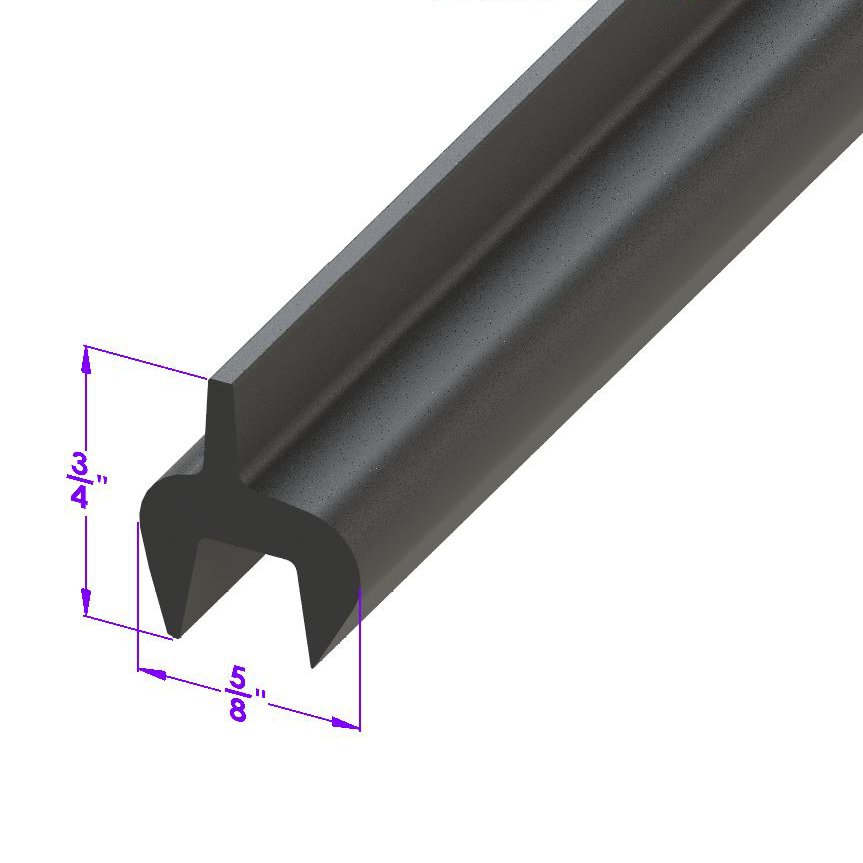 1927 Chevrolet Capitol Swing-Out Lower Windshield Seal. Sold by the foot-LP 108Swing-Out Lower Windshield Seal. Sold by the foot
 1927 Chevrolet Capitol Door Handle Ferrule Grommet. I.D. 11/16", O.D. 1-3/16"-MP 546-IDoor Handle Ferrule Grommet. I.D. 11/16", O.D. 1-3/16". Each
 1927 Chevrolet Capitol Flexible Rubber Window Channel-WC 32-14Flexible Rubber Window Channel. For Fisher Closed Bodies, except those using a stainless bead type. Used on side windows. 13/16" outer width X 6/16" outer depth, with a 5/16" inner channel width X 14" long. Each
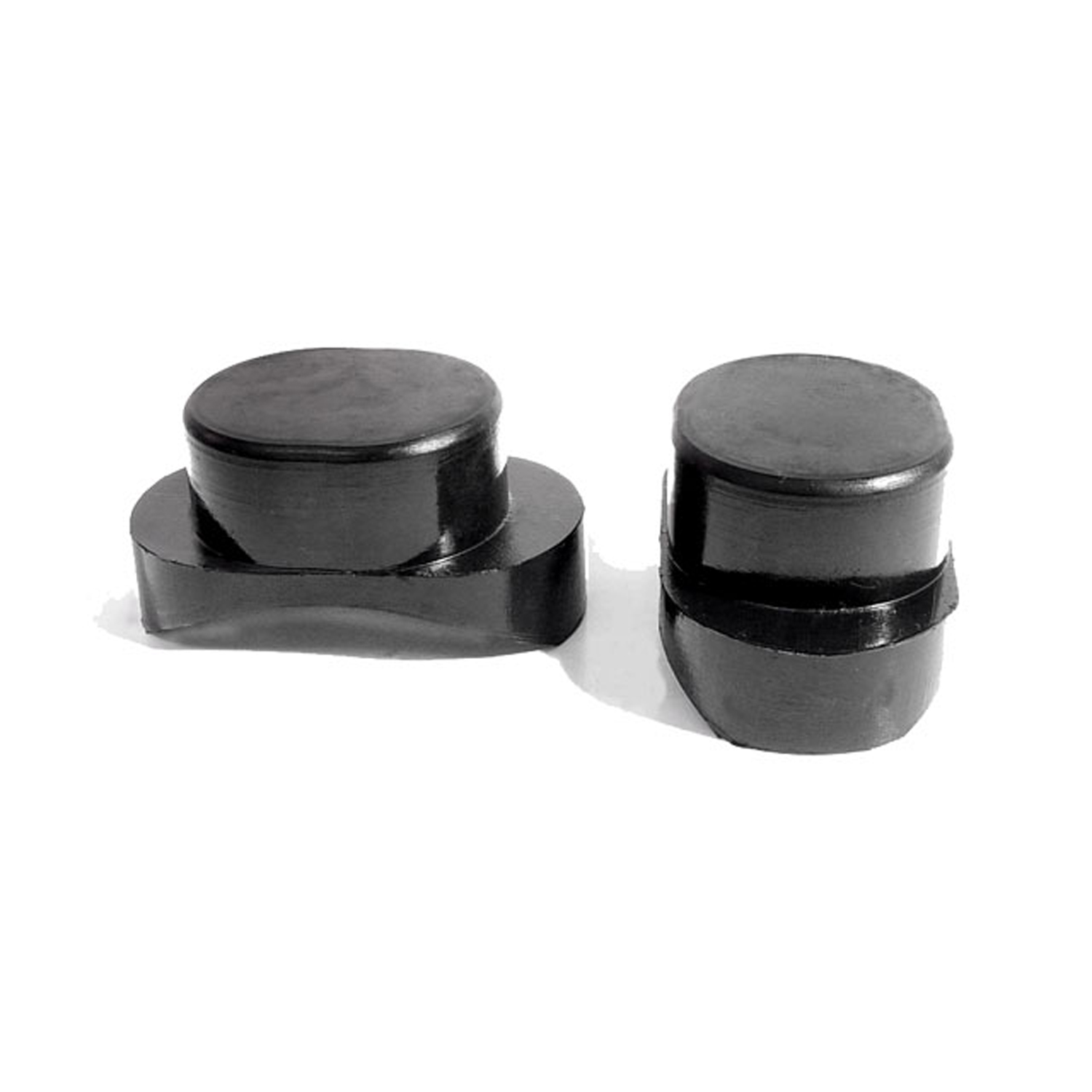 1927 Chevrolet Capitol Rear Axle and Spring Bumpers. Pair-XB 26Rear Axle and Spring Bumpers. Pair
Why Choose Metro?
For over 100 years, Metro Moulded Parts has been the pinnacle of quality in classic car restoration parts. Our commitment to precision and authenticity in every component ensures a perfect fit and an OEM-level appearance.
- Expert Craftsmanship & Quality: Each part is a testament to our dedication to reliability and perfection, crafted from original designs and thoroughly tested.
- Advanced Technology: We use cutting-edge techniques to create flawless, long-lasting parts that surpass others in performance.
- SuperSoft Sponge – The Ultimate Door Seal: Not only are our door seals 30% softer than competitors', but they're also guaranteed to never leak. They effectively reduce wind and road noise, enhancing your classic car's comfort and driving experience.
- Proudly American: Our parts are a product of American craftsmanship, made in the USA with a spirit of excellence and heritage.
- Unrivaled Warranty: We back our products with a 30-year industry-leading warranty, a testament to our confidence in their quality.
Join us in preserving the legacy of classic cars with parts that are crafted for perfection, not just made.