
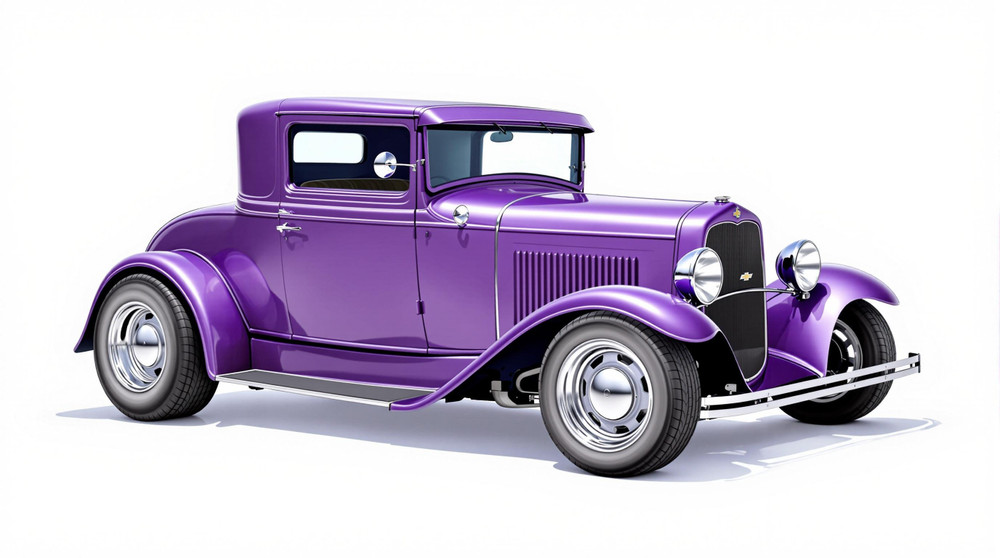
Image of 1928 Chevrolet National, Note: These illustrations use artistic license and may differ from actual historical models.
Performance Metrics
Fundamental Metrics
Emotional Appeal
MMP Rating
| Engine Specifications | |
|---|---|
| Engine: | Inline 4 |
| Displacement: | 171 cubic inches |
| Horsepower: | Estimated 35-40 HP |
| Torque: | Not available |
| Compression Ratio: | Not available |
| Ignition System: | Battery and coil |
| Cooling System: | Water-cooled |
| Performance Specifications | |
| 0-60 Time: | Not available |
| 1/4 Mile Time: | Not available |
| Top Speed: | 50-55 mph |
| Transmission and Drive | |
| Drive Type: | Rear-wheel drive |
| Transmission Type: | 3-speed manual |
| Fuel and Efficiency | |
| Fuel System Type: | Carburetor |
| MPG: | Not available |
| Dimensions and Brakes | |
| Brakes: | Mechanical drum brakes |
| Wheelbase: | 107 inches |
| Weight: | 2,165 lbs |
Note: Specifications for classic cars are given to the best of our ability, considering the limited and variant data available.
1928 Chevrolet National: A Classic That Helped Put Chevrolet in the Lead
In 1928, Chevrolet answered Ford’s newly redesigned Model A with a car that paired familiar, rugged engineering with an important upgrade: four-wheel brakes. The Chevrolet National, officially the Series AB, was a mainstream American car built by the Chevrolet Motor Company, then a key part of General Motors. It was not an exotic machine, and that was precisely its strength. The National offered practical transportation to a broad market while helping Chevrolet compete for the title of America’s most popular automaker.
Its timing made it especially significant. Ford had stopped Model T production and was preparing the Model A, leaving Chevrolet an opportunity to attract buyers looking for dependable, current transportation. One intriguing detail is that the National brought mechanical brakes to all four wheels, a feature that improved stopping capability over cars relying on rear-wheel brakes alone. For a family car of its day, that was a meaningful step forward.
National Styling and Cabin Details
The National’s exterior had the upright, carefully balanced proportions typical of late-1920s cars. Its tall radiator shell and narrow, vertical grille gave the front end a formal appearance, while separate fenders arched over the wheels. Headlamps sat outboard of the radiator, and running boards connected the front and rear fenders in a continuous line. From the side, the car’s high beltline, slim windshield pillars, and spoked wheels made it look substantial without being especially large.
Inside, the cabin was straightforward and functional. Depending on the body style, upholstery was typically durable cloth in closed cars, while open models could feature more weather-resistant trim. Wood framing and carefully finished metal details were part of the period construction, though the overall emphasis was practicality rather than luxury. The dashboard was simple by modern standards, with essential instruments and controls arranged for the driver. There was no modern sound insulation, climate control, or safety equipment, so passengers experienced the road and weather directly.
Chevrolet offered a range of factory colors and trim combinations, which varied by body style and production details. Darker shades, including deep blues, greens, and maroons, suited the car’s formal lines and were popular choices. Color availability should be checked against the particular car’s original paint records or surviving factory documentation, since a present-day restoration may not reflect its original finish.
The Series AB came in several body styles, including open roadster and phaeton models, coupes, and closed sedans or coaches. The closed coach and sedan styles appealed to buyers who wanted weather protection and room for family use, while roadsters and phaetons offered a more open, sporting look. Availability and naming could vary by market and catalog, so collectors often identify a car by its specific body rather than by the broad National name alone.
Four-Wheel Brakes and Chevrolet’s Market Push
The National’s importance was not that it invented the affordable car. Instead, it helped make a more capable, better-equipped car accessible to everyday buyers. Four-wheel mechanical brakes gave the driver braking force at both axles, a significant advantage over rear-wheel-only systems. They were still mechanical rather than hydraulic, requiring correct adjustment and regular maintenance, but they represented a valuable improvement in control.
Under the hood was Chevrolet’s familiar valve-in-head four-cylinder engine, a design that placed the valves above the combustion chamber. The engine was a key part of Chevrolet’s identity and provided a useful performance advantage over some contemporary side-valve engines. Chevrolet also benefited from General Motors’ manufacturing and dealer network, giving the National broad availability and a strong support system for its era.
The National belongs to a pivotal period in the rivalry between Chevrolet and Ford. Ford’s transition from the Model T to the Model A disrupted its production, while Chevrolet had a complete line of cars ready to sell. Chevrolet’s strong sales during this period helped establish it as a serious challenger. The National’s lasting influence is therefore tied less to a single styling feature than to the broader idea that an affordable car could offer modern braking, useful performance, and a choice of body styles.
1928 Chevrolet National Performance
The National used a 171-cubic-inch (2.8-liter) four-cylinder engine rated at about 35 horsepower. Power went through a three-speed manual transmission to the rear wheels. Exact performance varied with body style, gearing, mechanical condition, and load. A well-maintained example could reach roughly 50 to 55 mph, but that does not mean it was comfortable or safe to cruise at those speeds for long periods by modern standards.
There is no widely standardized factory 0-to-60-mph figure for the National. Given its modest power and the weight of its various bodies, acceleration to 60 mph would have been slow, and some examples may struggle to reach that speed in ordinary conditions. A rough modern estimate would put the run well beyond 30 seconds, if the car can achieve 60 mph at all. It is more useful to think of the National as a car designed for steady country-road and town driving, not rapid acceleration.
On a smooth road, the National feels deliberate and mechanical. The engine produces a distinct four-cylinder thrum, the gearbox requires thoughtful shifts, and the driver operates controls that are entirely physical. Steering is unassisted, braking requires anticipation, and the driver must read the road well ahead. The suspension can absorb ordinary road irregularities, but bumps and ruts are felt more clearly than in a modern car. On winding roads, modest tire grip, period steering geometry, and the car’s high stance call for a measured pace.
Owning and Maintaining a National
Today, a 1928 Chevrolet National is best suited to touring, local club events, parades, and car shows. Some owners drive their cars regularly in suitable weather, but it is not a sensible modern daily driver. Traffic speeds, braking distances, lighting, and the absence of contemporary safety features make busy roads a poor match for a car designed nearly a century ago.
Many mechanical jobs are accessible to an experienced home mechanic. The engine bay is comparatively simple, and the car does not rely on electronic systems or complex diagnostics. Routine work includes keeping the ignition and fuel systems in good order, monitoring lubrication and cooling, and carefully adjusting the mechanical brakes. Parts availability is generally helped by Chevrolet’s large production numbers and an active vintage-car community, though body panels, trim, and correct restoration details can be harder to source.
Reliability depends heavily on condition. A properly rebuilt engine and correctly adjusted brakes can make the National enjoyable on appropriate roads. A neglected example may have worn bearings, weak brakes, fuel-system problems, or a tired cooling system. Buyers should pay close attention to the frame, wood structure in bodies that use it, rust-prone areas, and the quality of any prior restoration. A shiny paint job is not a substitute for sound mechanical work.
National Facts, Records, and Criticisms
The National was part of Chevrolet’s enormous late-1920s sales success. Chevrolet produced roughly 1.2 million vehicles in 1928 across its range, although that figure should not be confused with Series AB production alone. A reasonable broad estimate for National AB production is around 800,000 to 1 million cars, but exact totals can vary depending on how model-year, calendar-year, export, and body-style figures are counted.
The National is not known for a headline speed record or a famous celebrity ownership story. Its achievement was more everyday and arguably more consequential: it helped put a capable four-wheel-braked car within reach of ordinary buyers. Chevrolet’s scale meant Nationals appeared in towns and on roads across the country, making them part of the ordinary landscape of late-1920s America.
Common criticisms are familiar to anyone who has driven a prewar car. The National is slow by modern standards, its mechanical brakes need regular adjustment, and its ride and steering require more attention than a contemporary car. Weather protection varies by body style, and closed cars can feel cramped compared with later automobiles. Those limitations are part of the period experience, but they also explain why condition and correct setup matter so much.
1928 Chevrolet National Collector Values
Values vary considerably by body style, originality, restoration quality, and mechanical condition. As a general guide, a project or incomplete car might sell for roughly $3,000 to $10,000. A usable driver or older restoration could fall around $10,000 to $25,000, while a high-quality, correctly restored example may bring approximately $25,000 to $50,000 or more. Desirable or unusually well-preserved body styles can exceed those ranges, while cars needing extensive work can sell for less.
The National is collectible but not exceptionally rare in the way a low-production luxury car is. Chevrolet built cars in huge numbers, and surviving examples turn up through classic-car dealers, auctions, clubs, and private sales. However, a particular body style, an unusually original car, or an example with documented history may be much harder to find than the model name suggests.
Like many prewar classics, the National’s market is driven more by condition and buyer interest than by a guaranteed upward price curve. Values have generally held best for complete, well-restored cars, while project cars can be difficult to justify financially because restoration costs quickly exceed their market value. Collectors should compare recent sales of the same body style and budget for transport, inspection, and ongoing maintenance.
Why the Chevrolet National Still Matters
The 1928 Chevrolet National combined a proven four-cylinder engine, a choice of useful body styles, and an important safety improvement in four-wheel mechanical brakes. Its success also reflects Chevrolet’s ability to seize a crucial moment in the market and deliver practical, modern transportation on a national scale.
It may not be fast or effortless by today’s standards, but the National offers something more revealing: a direct connection to the moment when the American automobile was becoming a mass-market fixture. Every deliberate shift, engine beat, and carefully planned stop makes the 1928 Chevrolet National more than an old car. It is a rolling reminder of how Chevrolet helped shape the road ahead.
1928 Chevrolet National Catalog of Parts
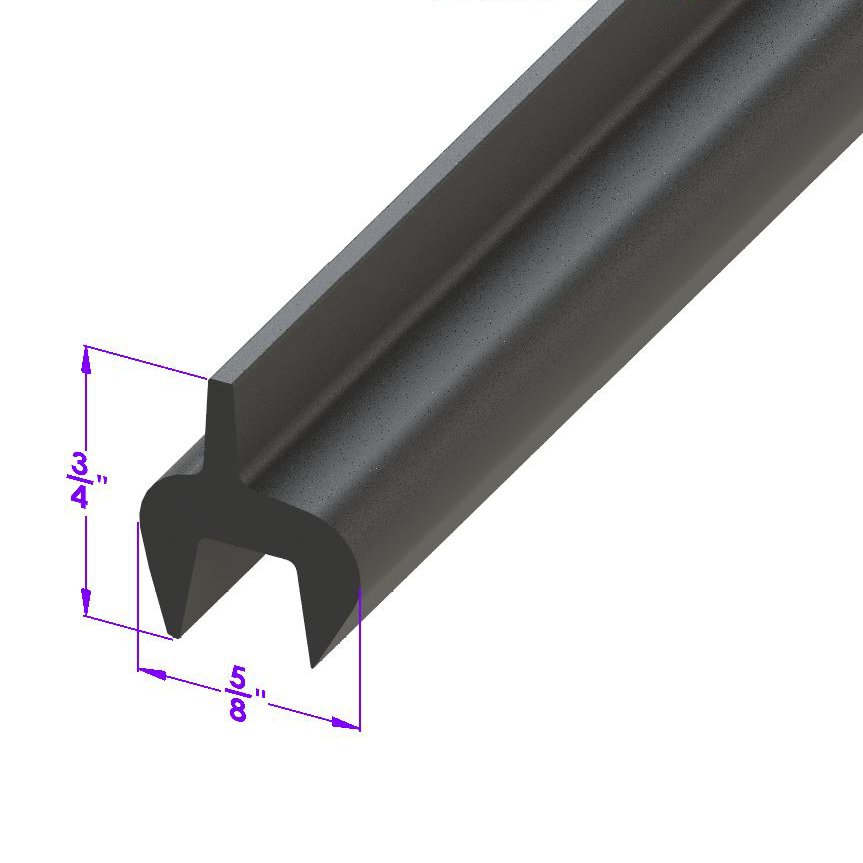 1928 Chevrolet National Swing-Out Lower Windshield Seal. Sold by the foot-LP 108Swing-Out Lower Windshield Seal. Sold by the foot
 1928 Chevrolet National Glass Setting "U" Channel-LP 108-AGlass Setting "U" Channel. 7/16" wide X 1/2" deep; 1/4" inside channel width. Sold by the foot
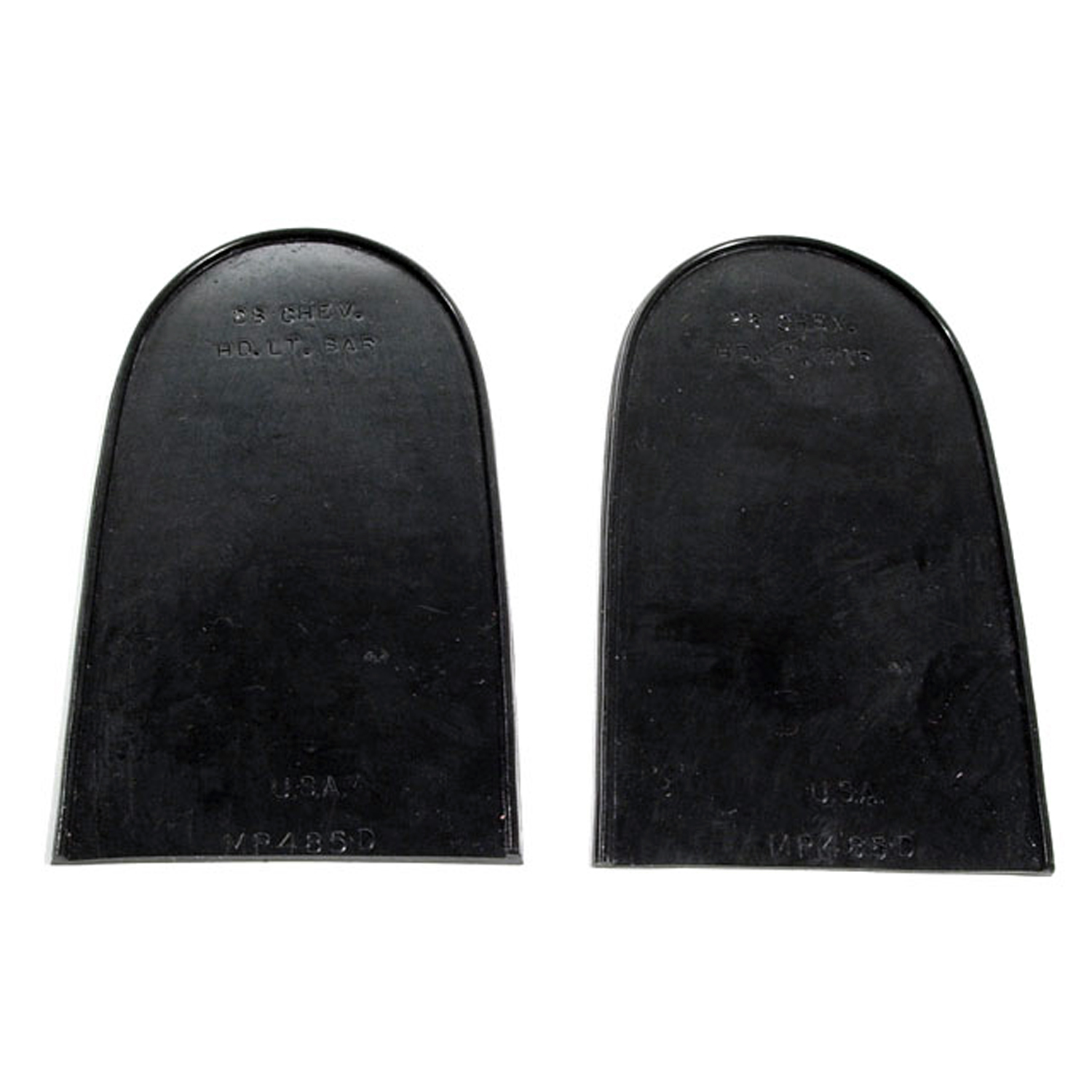 1928 Chevrolet National Headlight Bar Pads. 2-1/4" wide X 4-1/4" long. Pair-MP 485-DHeadlight Bar Pads. 2-1/4" wide X 4-1/4" long. Pair
 1928 Chevrolet National Door Handle Ferrule Grommet. I.D. 11/16", O.D. 1-3/16"-MP 546-IDoor Handle Ferrule Grommet. I.D. 11/16", O.D. 1-3/16". Each
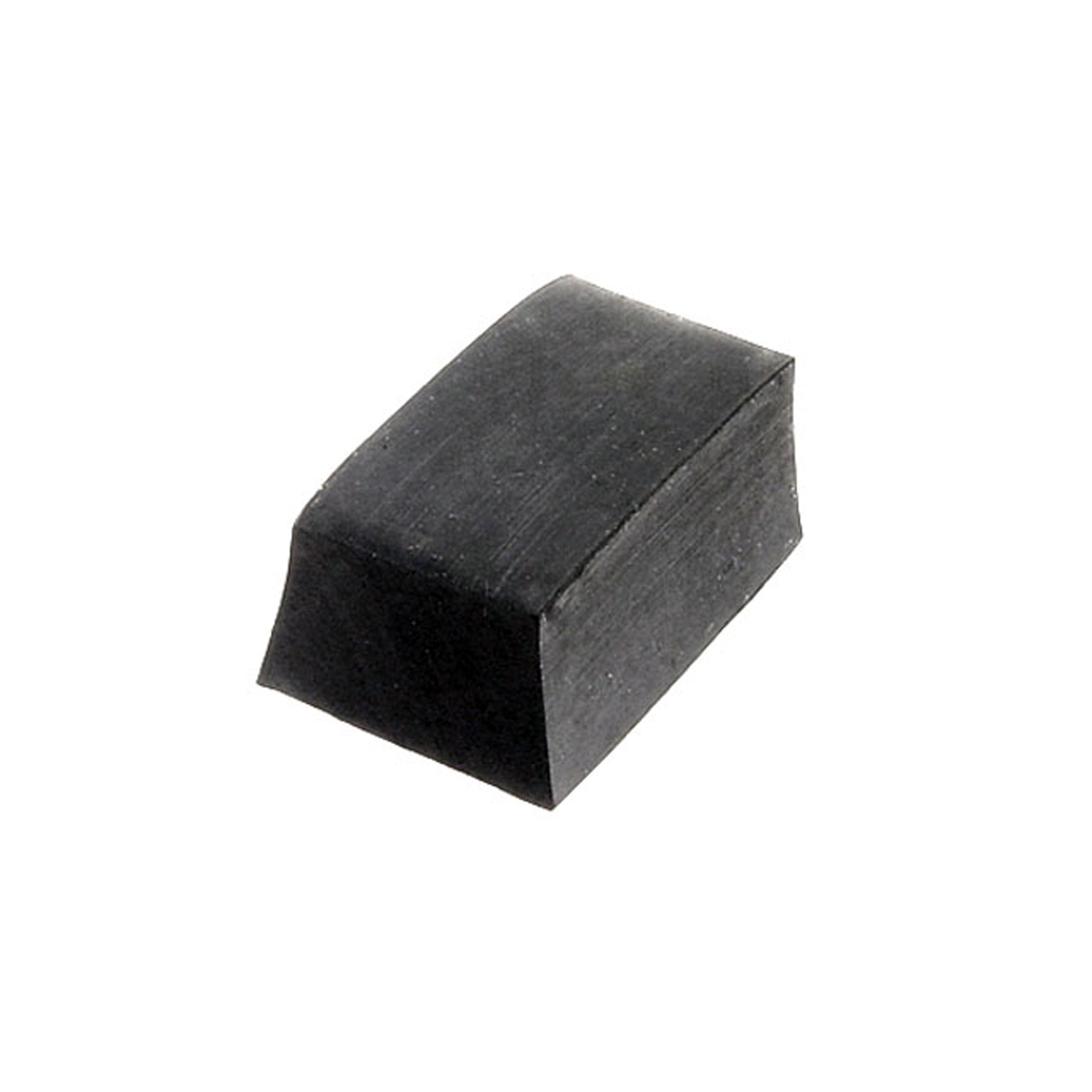 1928 Chevrolet National Hood latch bumper. 1 in. long x 3/4 in. wide at base 1/2 in-SB 12Hood latch bumper. 1 in. long x 3/4 in. wide at base 1/2 in. high. Each.
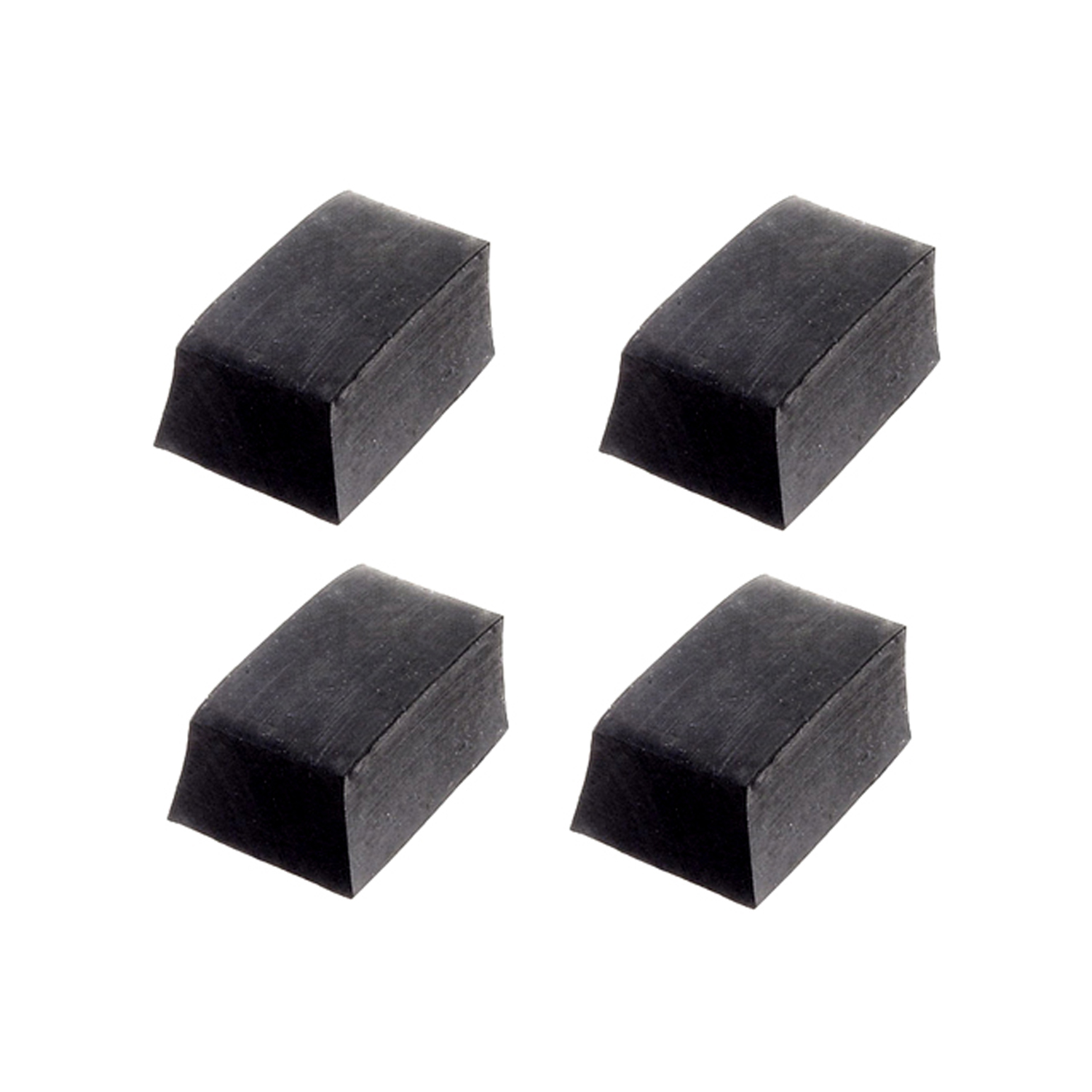 1928 Chevrolet National Hood Latch Bumpers. 1" X 3/4" X 7/16" high. 4-Piece Set-SB 12-SETHood Latch Bumpers. 1" X 3/4" X 7/16" high. 4-Piece Set
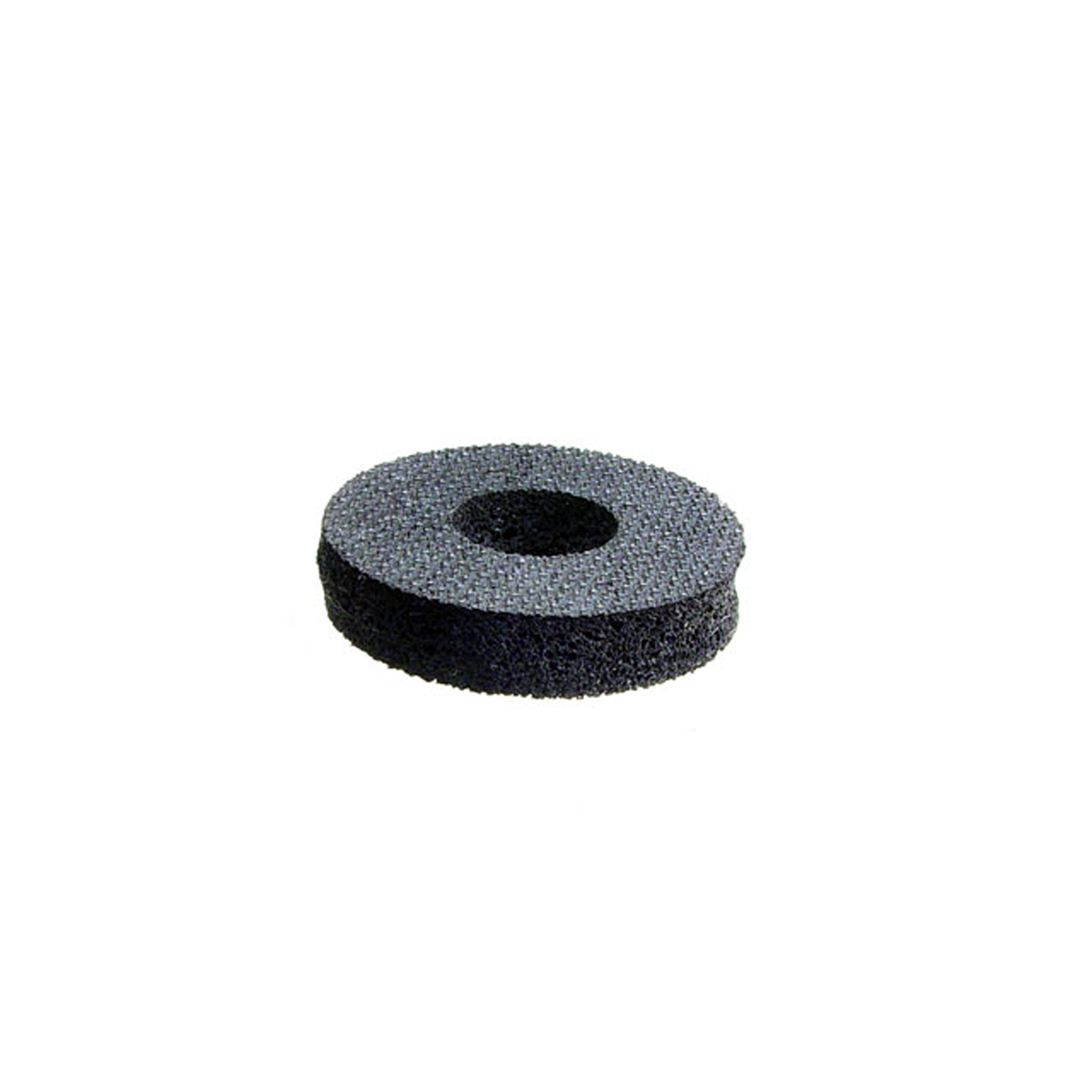 1928 Chevrolet National Pressure Ring Washer. 1-7/8" O.D., 3/4" I.D., 3/8" thick.-SM 69Pressure Ring Washer for Interior Door Handles & Window Regulators. Fits between escutcheon plates & door panel. Made of sponge rubber. 1-7/8" O.D., 3/4" I.D., 3/8" thick. Each (Corvette: Use for heater hose washer @ firewall)
 1928 Chevrolet National Flexible Rubber Window Channel-WC 32-14Flexible Rubber Window Channel. For Fisher Closed Bodies, except those using a stainless bead type. Used on side windows. 13/16" outer width X 6/16" outer depth, with a 5/16" inner channel width X 14" long. Each
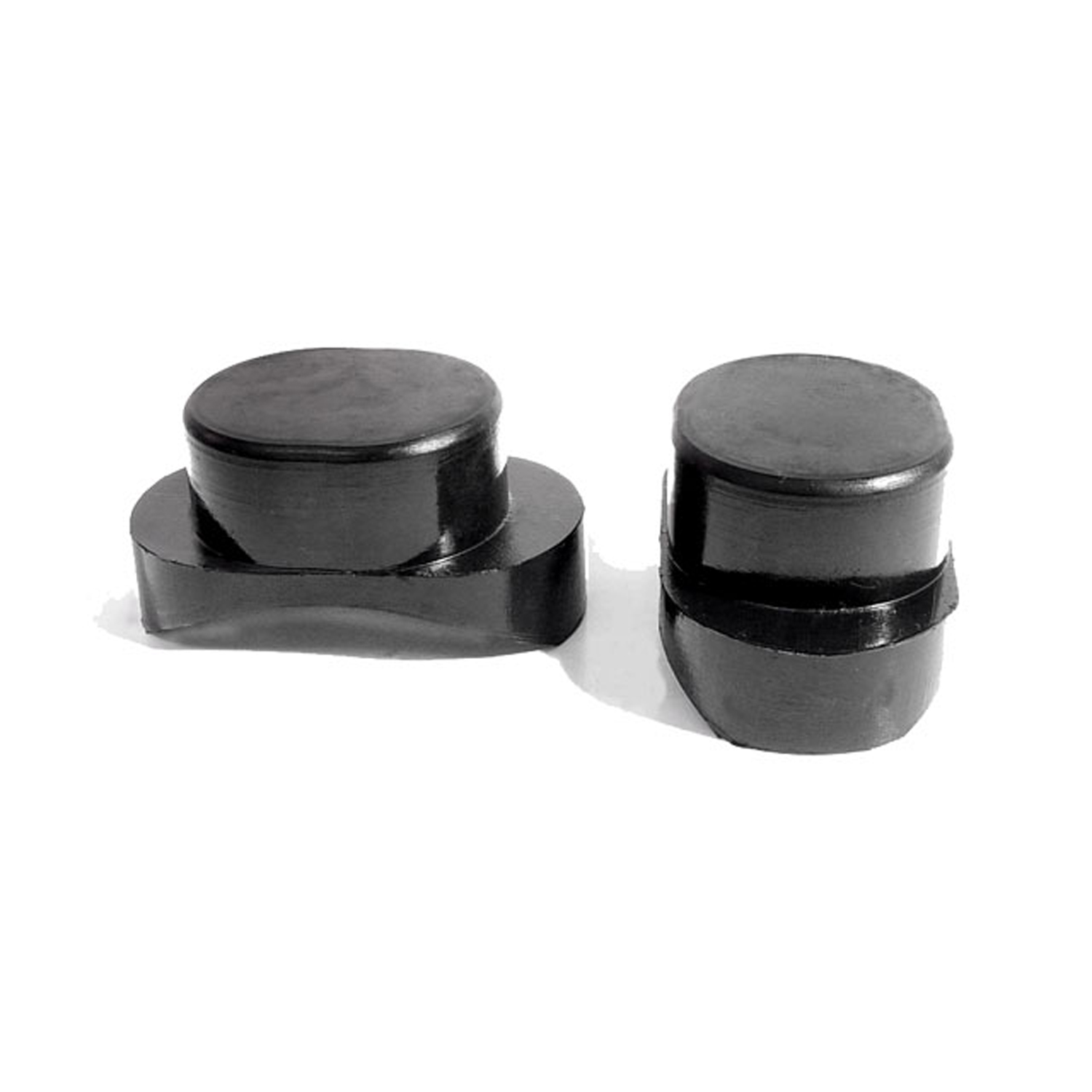 1928 Chevrolet National Rear Axle and Spring Bumpers. Pair-XB 26Rear Axle and Spring Bumpers. Pair
Why Choose Metro?
For over 100 years, Metro Moulded Parts has been the pinnacle of quality in classic car restoration parts. Our commitment to precision and authenticity in every component ensures a perfect fit and an OEM-level appearance.
- Expert Craftsmanship & Quality: Each part is a testament to our dedication to reliability and perfection, crafted from original designs and thoroughly tested.
- Advanced Technology: We use cutting-edge techniques to create flawless, long-lasting parts that surpass others in performance.
- SuperSoft Sponge – The Ultimate Door Seal: Not only are our door seals 30% softer than competitors', but they're also guaranteed to never leak. They effectively reduce wind and road noise, enhancing your classic car's comfort and driving experience.
- Proudly American: Our parts are a product of American craftsmanship, made in the USA with a spirit of excellence and heritage.
- Unrivaled Warranty: We back our products with a 30-year industry-leading warranty, a testament to our confidence in their quality.
Join us in preserving the legacy of classic cars with parts that are crafted for perfection, not just made.