
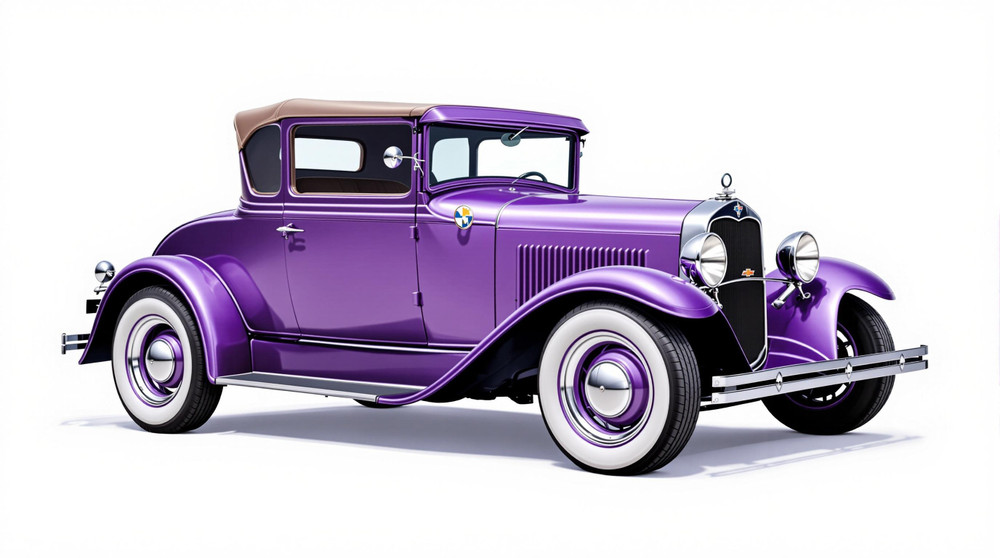
Image of 1929 Chevrolet International, Note: These illustrations use artistic license and may differ from actual historical models.
Performance Metrics
Fundamental Metrics
Emotional Appeal
MMP Rating
| Engine Specifications | |
|---|---|
| Engine: | Inline 6 |
| Displacement: | 194 cubic inches |
| Horsepower: | Estimated 46 HP |
| Torque: | Not available |
| Compression Ratio: | Not available |
| Ignition System: | Distributor and coil |
| Cooling System: | Water-cooled |
| Performance Specifications | |
| 0-60 Time: | Not available |
| 1/4 Mile Time: | Not available |
| Top Speed: | 65 mph |
| Transmission and Drive | |
| Drive Type: | Rear-wheel drive |
| Transmission Type: | 3-speed manual |
| Fuel and Efficiency | |
| Fuel System Type: | Carburetor |
| MPG: | Not available |
| Dimensions and Brakes | |
| Brakes: | Mechanical drum brakes |
| Wheelbase: | 107 inches |
| Weight: | 2,365 lbs |
Note: Specifications for classic cars are given to the best of our ability, considering the limited and variant data available.
1929 Chevrolet International: The Six That Changed Chevrolet
The 1929 Chevrolet International arrived with a persuasive new argument for the American family car: six cylinders, practical Fisher Body coachwork, and a price aimed squarely at ordinary motorists. Built by the Chevrolet Motor Company, then part of General Motors, the Series AC International was more than a fresh model name. It marked Chevrolet’s bold move to make a smooth-running six-cylinder engine a mainstream choice.
Its timing mattered. The Ford Model A had recently replaced the Model T, and the two companies were locked in a fierce contest for U.S. buyers. Chevrolet’s new “Stovebolt Six” gave the International a clear talking point. Chevrolet advertised it as “a Six in the price range of a Four,” and the message helped make 1929 a landmark year for the brand.
A striking result: Chevrolet outsold Ford in the U.S. for the 1929 model year. That success helped establish the six-cylinder engine as a defining part of Chevrolet’s identity for decades.
Fisher Body Style and Period Comfort
The International wears the upright, carefully detailed look of a late-1920s automobile. Its tall radiator shell, narrow front fenders, sweeping running boards, and separate headlamps give it a formal stance. The hood’s long, louvered sides lead the eye toward the cowl, while wire-spoke wheels and slim tires keep the profile unmistakably vintage. Depending on body style and equipment, bright trim, windshield details, and a rear-mounted spare added further visual character.
Chevrolet offered a range of bodies, including open roadster and phaeton models and closed coach, coupe, and sedan styles. Availability and exact names could vary across the catalog and market. The two-door Coach is one of the most recognizable versions today: its enclosed cabin made it more useful in poor weather than an open car, while retaining a compact, approachable look.
Fisher Body construction was an important selling point. Inside, buyers found a functional cabin with straightforward controls, a large steering wheel, and seating materials that varied by body style and trim. Closed cars commonly used cloth upholstery, with richer materials or finishes available on some models; open-car interiors were designed to cope better with exposure. This was comfortable transport by late-1920s standards, not a modern luxury interior, so expect firm cushions, modest sound insulation, and a close connection to the road.
Factory color choices varied with body and production details. Period Chevrolet finishes included several deep, classic-looking shades, with contrasting trim or accents on some combinations. Restored cars are often seen in dark greens, blues, maroons, and black, though a car’s original paint code and trim should be checked before calling a particular color combination factory-correct.
The Stovebolt Six and Its Innovations
The International’s headline feature was its 194-cubic-inch inline six, commonly called the Stovebolt Six. It produced about 46 horsepower and delivered smoother, more even power than the four-cylinder engines that still equipped many affordable rivals. A three-speed manual transmission sent power to the rear wheels. Four-wheel mechanical brakes provided stopping power, while the chassis used traditional leaf springs and solid axles.
None of those components would seem exotic today, but the package was significant. Chevrolet combined a six-cylinder engine, enclosed body options, and large-scale manufacturing at a price that reached far beyond the luxury-car market. The result helped reset buyer expectations: smoothness and cylinder count no longer had to be reserved for expensive cars.
The International was also a product of GM’s growing manufacturing and design strength. Fisher Body expertise, broad dealer reach, and a range of body styles helped Chevrolet compete as a complete, high-volume automaker rather than simply as a maker of inexpensive transportation.
On the Road: A Relaxed Vintage Drive
Published performance figures are not directly comparable to modern test results, and a 97-year-old car’s condition makes a major difference. A healthy 1929 International is often estimated to reach roughly 60 to 65 mph, with acceleration from 0 to 60 mph taking somewhere around 30 to 40 seconds in favorable conditions. Many examples are happiest cruising below their theoretical top speed, especially on today’s roads.
The six is best appreciated for its steady, unhurried character rather than quick acceleration. Expect a mellow mechanical rumble, a distinct exhaust note, and the rhythmic sounds of an engine and drivetrain with little modern sound insulation around them. The manual gearbox asks for deliberate shifts, and the driver manages the car through a large wheel, simple instruments, and controls that feel very different from a contemporary vehicle.
On smooth pavement, the International feels composed at modest speeds. Its tall tires and leaf-spring suspension can soften some bumps, but the solid axles, narrow tires, and vintage chassis do not offer modern isolation or grip. Rough roads can unsettle the car, while winding routes call for anticipation and gentle steering inputs. Mechanical brakes require more planning and pedal effort than modern hydraulic systems, so safe following distances are essential.
Owning and Maintaining a 1929 Chevrolet
Most surviving Internationals are now weekend drivers, touring cars, or show vehicles rather than daily transport. Some owners take them to local events and vintage-car tours; others preserve them for display. Regular highway use is possible only when the car is properly sorted, and its age, braking system, visibility, and lack of modern safety equipment make careful route choice important.
Routine work is relatively straightforward for an owner comfortable with older machinery. The engine bay is accessible, and many service procedures use familiar mechanical principles. However, parts, adjustment methods, and correct specifications differ from modern cars. Ignition, carburetion, cooling, lubrication, brakes, wheel bearings, and the condition of old wiring all deserve close attention. A specialist familiar with prewar Chevrolets can be invaluable, particularly when evaluating an engine rebuild or a brake-system restoration.
Reliability depends less on the badge than on the quality of past repairs and the car’s storage history. A well-maintained example can be dependable on appropriate short trips, but it should not be expected to behave like a modern commuter. Before buying, inspect the frame, wood or structural elements where applicable, engine health, transmission, brakes, and the availability of body-specific trim.
1929 International Facts and Common Myths
Its sales year was a turning point. Chevrolet’s 1929 success, often reported at roughly 1.3 million cars across the brand, put it ahead of Ford for the model year. That figure refers to Chevrolet’s overall production, not a verified count of every Series AC body style.
“Stovebolt” became a lasting nickname. The name referred to the engine’s distinctive fasteners and became attached to Chevrolet’s early six-cylinder engines. The family’s reputation for straightforward service helped the nickname endure.
Body style affects rarity. The International was a high-volume model, but surviving numbers vary greatly by body type and condition. Closed coaches and sedans are familiar sights at vintage events; particular open, upscale, or unusually equipped versions may be harder to find.
A common criticism is that the car is slow by modern standards and asks more of its driver, especially when braking or changing gears. That is fair, but it misses the International’s purpose. It was built to make everyday motoring more comfortable and refined in its own era, not to deliver modern speed or safety.
Collector Values and Availability
There is no precise public count of surviving 1929 Chevrolet Internationals, and production records are more useful for understanding the model’s scale than for establishing today’s supply. As a broad estimate, Chevrolet built about 1.3 million vehicles in the 1929 model year. The Series AC International made up a substantial share, but exact model and body-style totals should be treated cautiously.
In the current collector market, a rough project may sell for around $4,000 to $10,000. A running, usable example often falls in the $10,000 to $25,000 range, while a well-restored car may bring approximately $25,000 to $45,000. Exceptional restorations, desirable body styles, documented originality, and excellent provenance can push prices higher, sometimes beyond $50,000. These are broad estimates; condition, location, completeness, and the quality of restoration can shift the price considerably.
Values have generally been supported by the International’s historic importance and the appeal of its six-cylinder story, though the market for prewar cars is selective. A sound, correct car is usually easier to sell than an ambitious restoration project. Buyers should also budget for ongoing maintenance and specialist work, not just the purchase price.
Why the 1929 Chevrolet International Still Matters
The 1929 Chevrolet International combined a new six-cylinder engine, practical body choices, and mass-market pricing at exactly the moment American motorists were ready for a more refined affordable car. Its upright styling and hands-on driving experience capture the late 1920s, while its sales success reveals how decisively Chevrolet challenged Ford.
It is not fast, quiet, or effortless by modern standards. Its importance lies elsewhere: the International helped make six-cylinder smoothness an everyday aspiration, and it announced that Chevrolet intended to lead the market, not simply follow it. That makes this vintage Chevrolet far more than a handsome survivor. It is a turning point on wheels.
1929 Chevrolet International Catalog of Parts
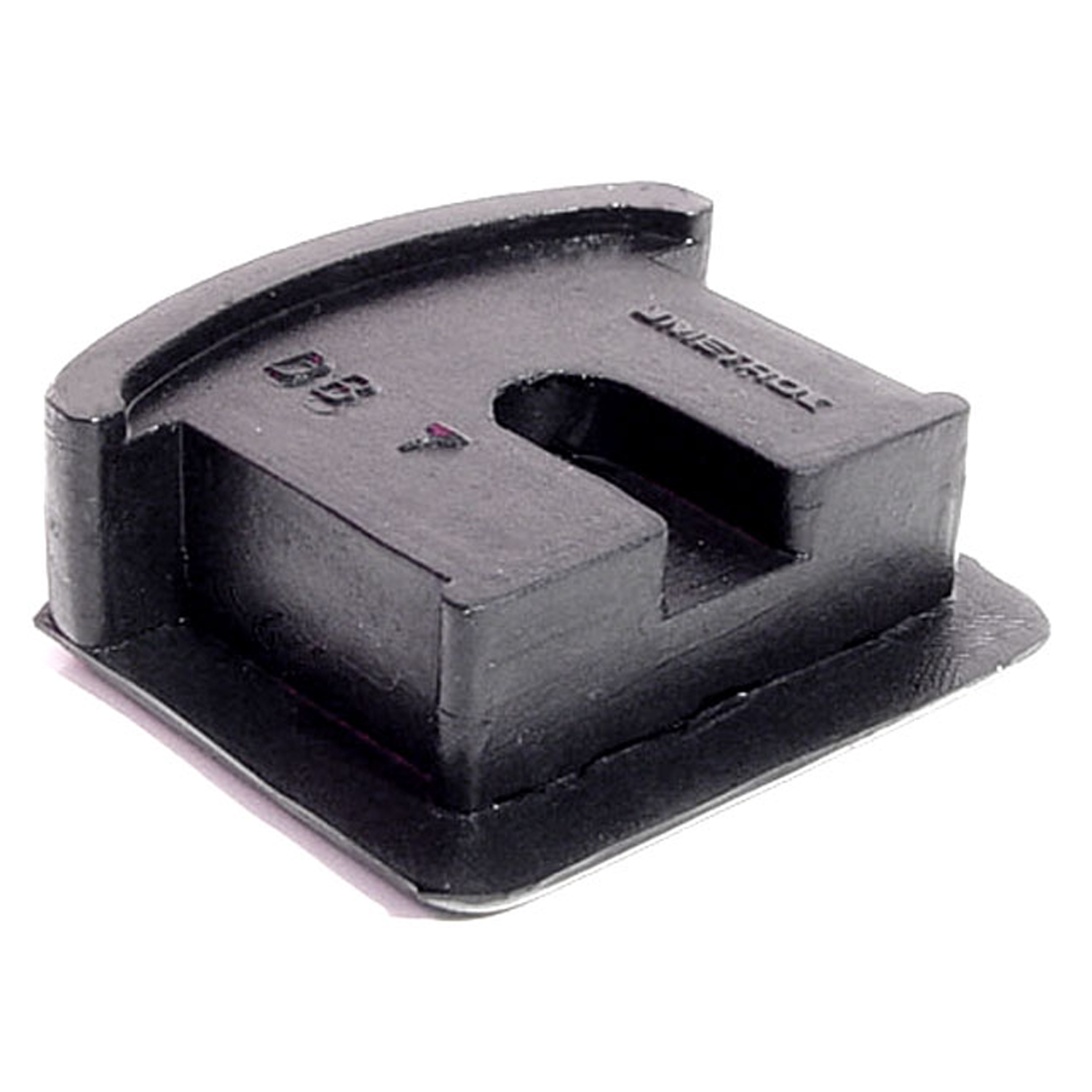 1929 Chevrolet International Door Bumper. 1-7/16" high X 1-9/16" wide X 9/16" thick-DB 7Door Bumper. 1-7/16" high X 1-9/16" wide X 9/16" thick. Each
 1929 Chevrolet International Glass Setting "U" Channel-LP 108-AGlass Setting "U" Channel. 7/16" wide X 1/2" deep; 1/4" inside channel width. Sold by the foot
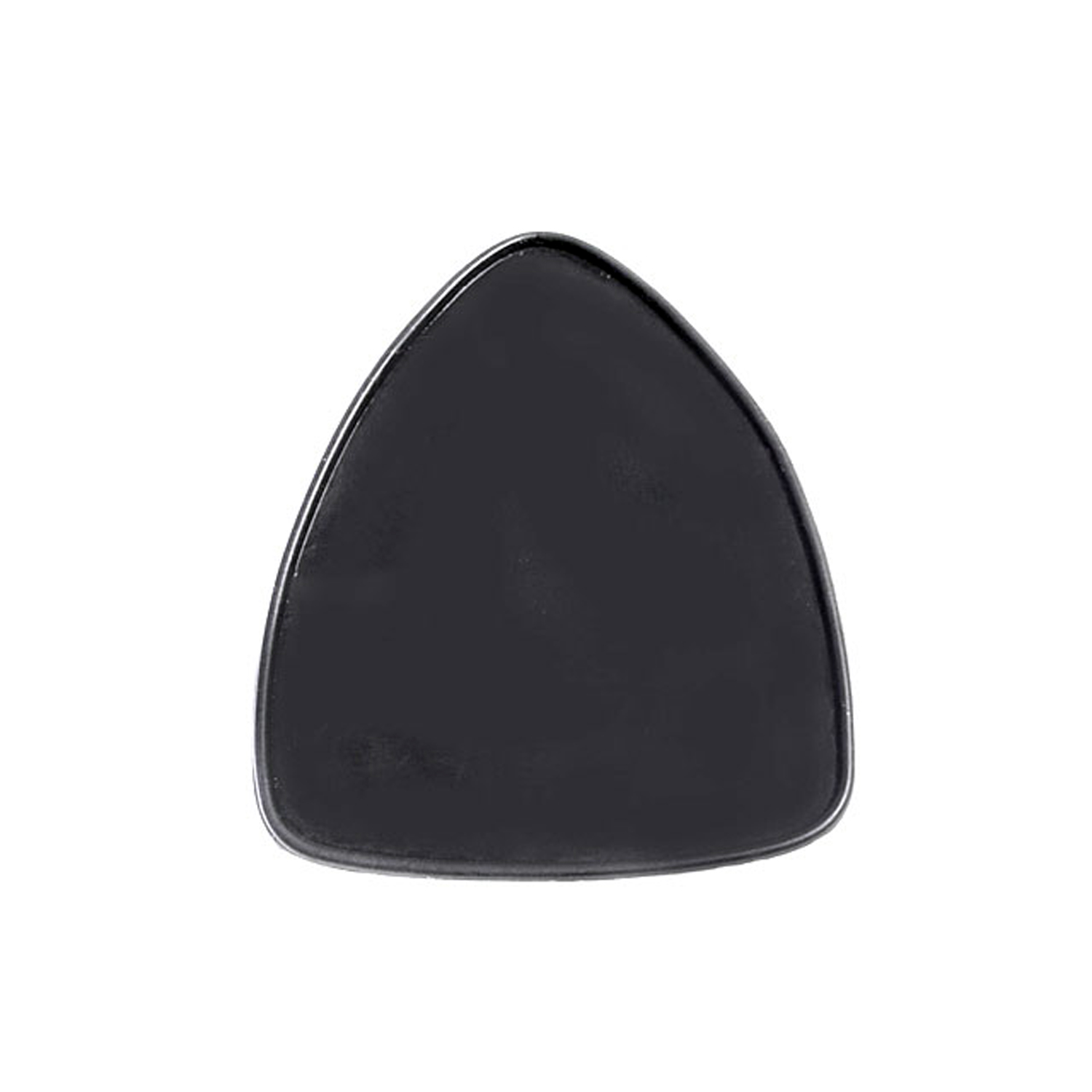 1929 Chevrolet International Windshield Post Pads. For Roadster. 3" wide X 3-5/8" long-MP 481Windshield Post Pads. For Roadster. 3" wide X 3-5/8" long. Each
 1929 Chevrolet International Door Handle Ferrule Grommet. I.D. 11/16", O.D. 1-3/16"-MP 546-IDoor Handle Ferrule Grommet. I.D. 11/16", O.D. 1-3/16". Each
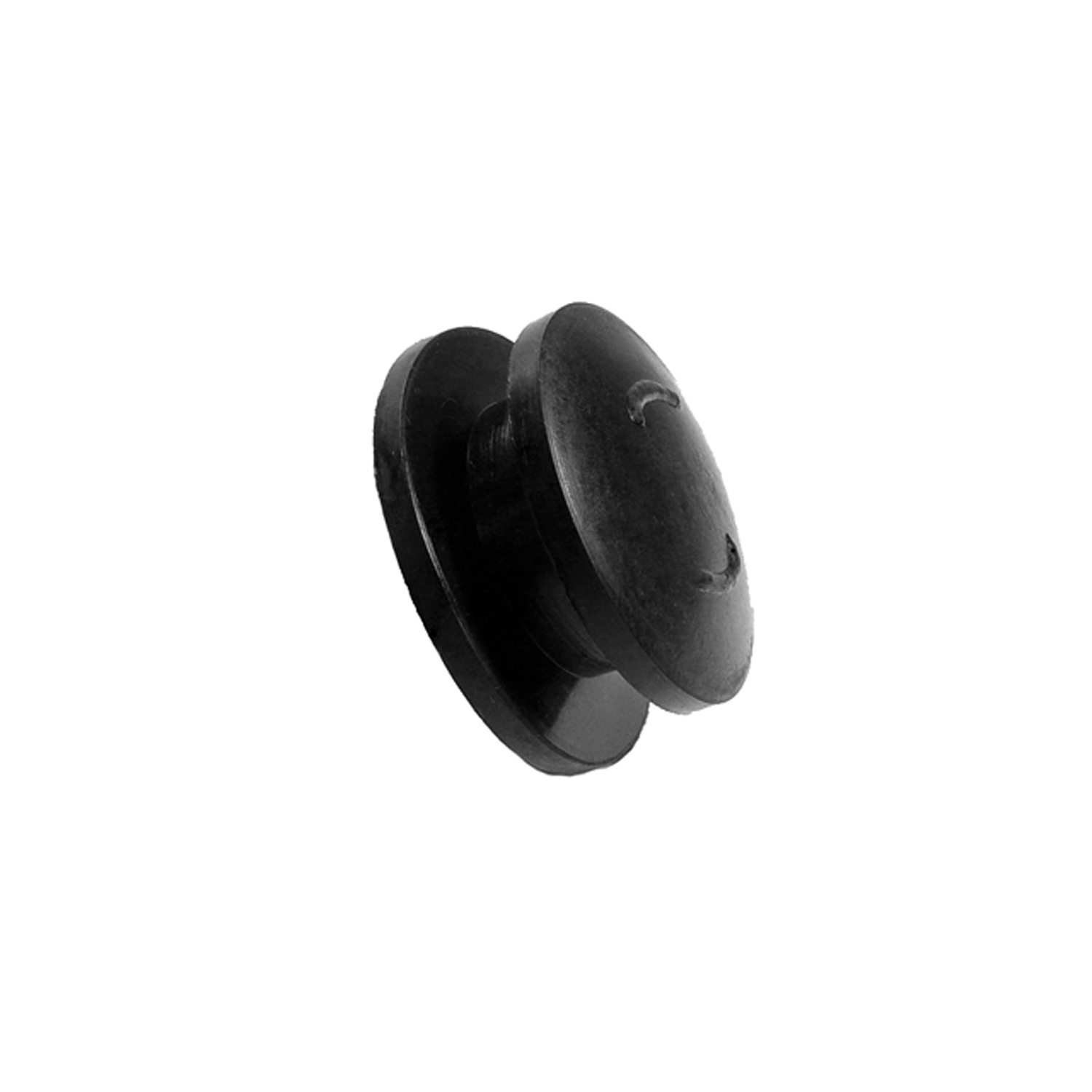 1929 Chevrolet International Horn Button. 2-3/16" O.D., 1-1/8" I.D. Each-RP 600-AHorn Button. 2-3/16" O.D., 1-1/8" I.D. Each
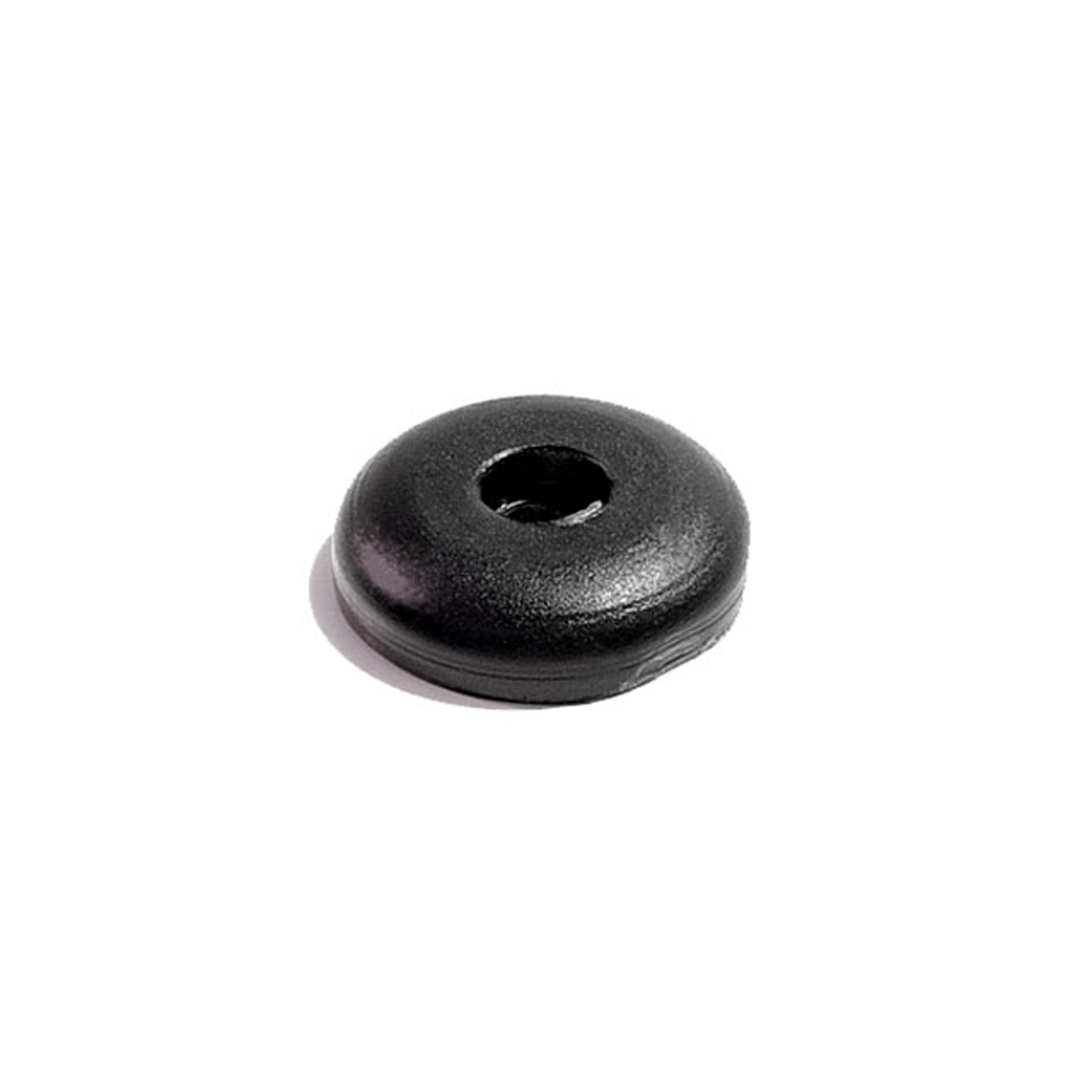 1929 Chevrolet International Deck Lid Bumper, for Roadsters. Made with steel core-SB 102Deck Lid Bumper, for Roadsters. Made with steel core. 13/16" O.D., 3/16" I.D. Two used per car. Each
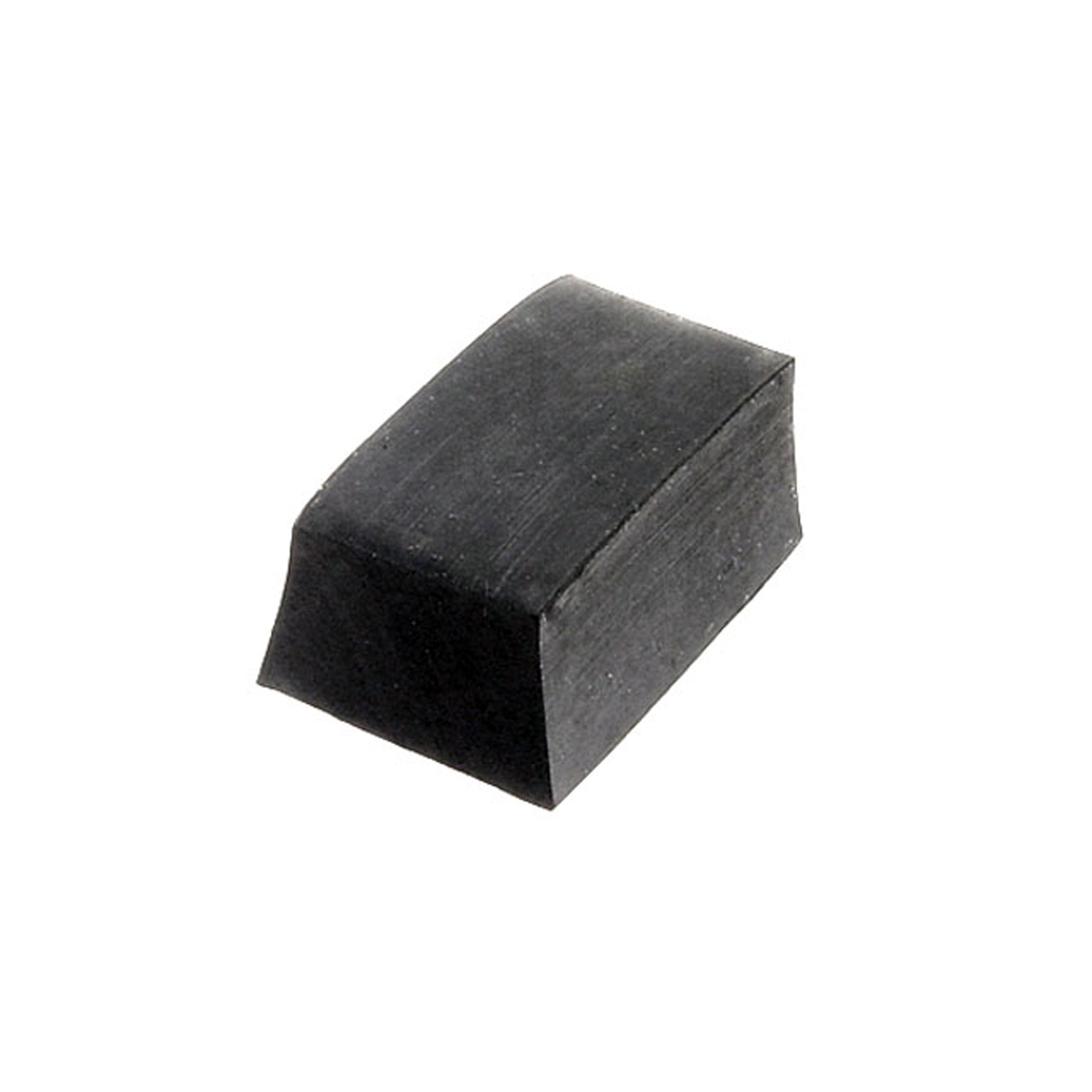 1929 Chevrolet International Hood latch bumper. 1 in. long x 3/4 in. wide at base 1/2 in-SB 12Hood latch bumper. 1 in. long x 3/4 in. wide at base 1/2 in. high. Each.
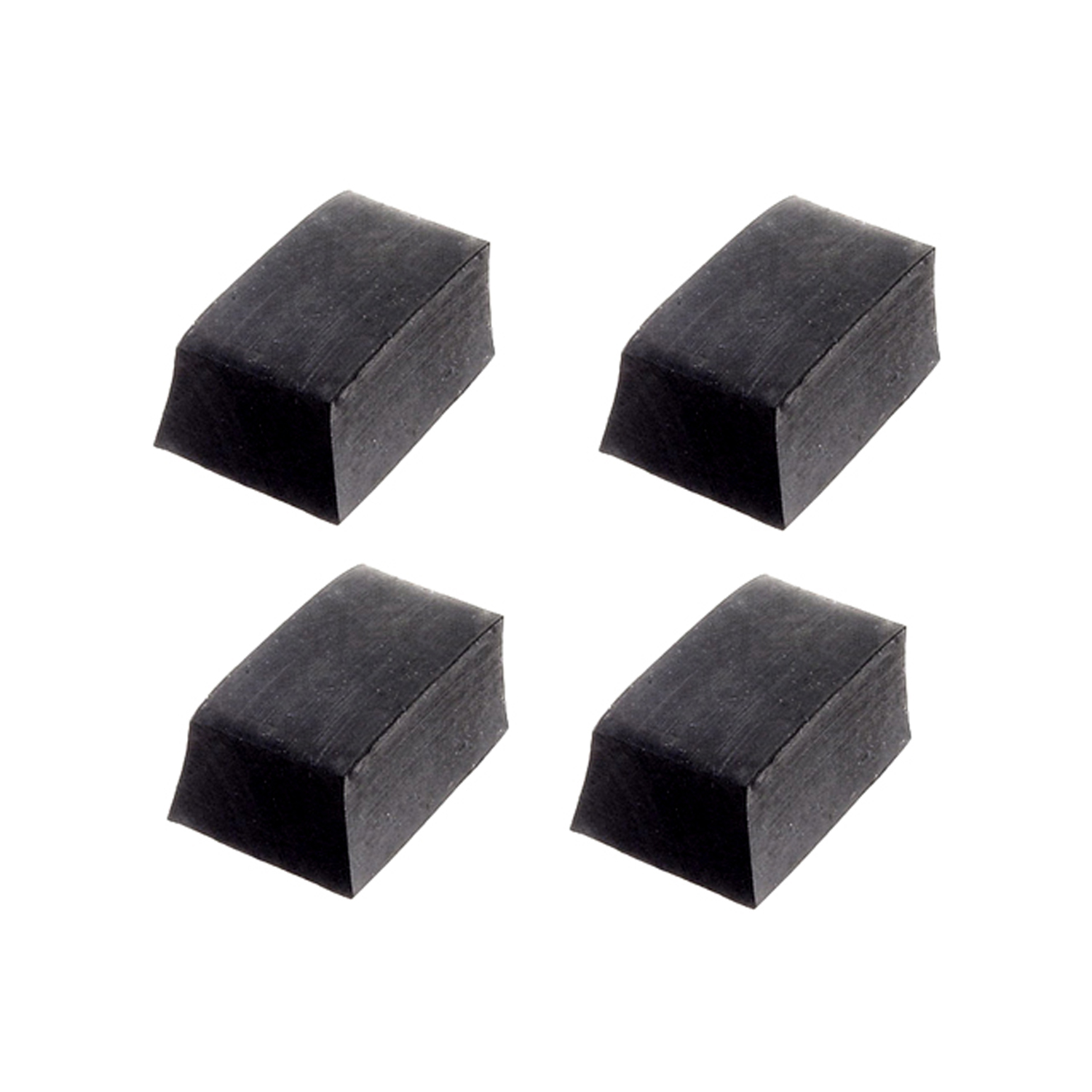 1929 Chevrolet International Hood Latch Bumpers. 1" X 3/4" X 7/16" high. 4-Piece Set-SB 12-SETHood Latch Bumpers. 1" X 3/4" X 7/16" high. 4-Piece Set
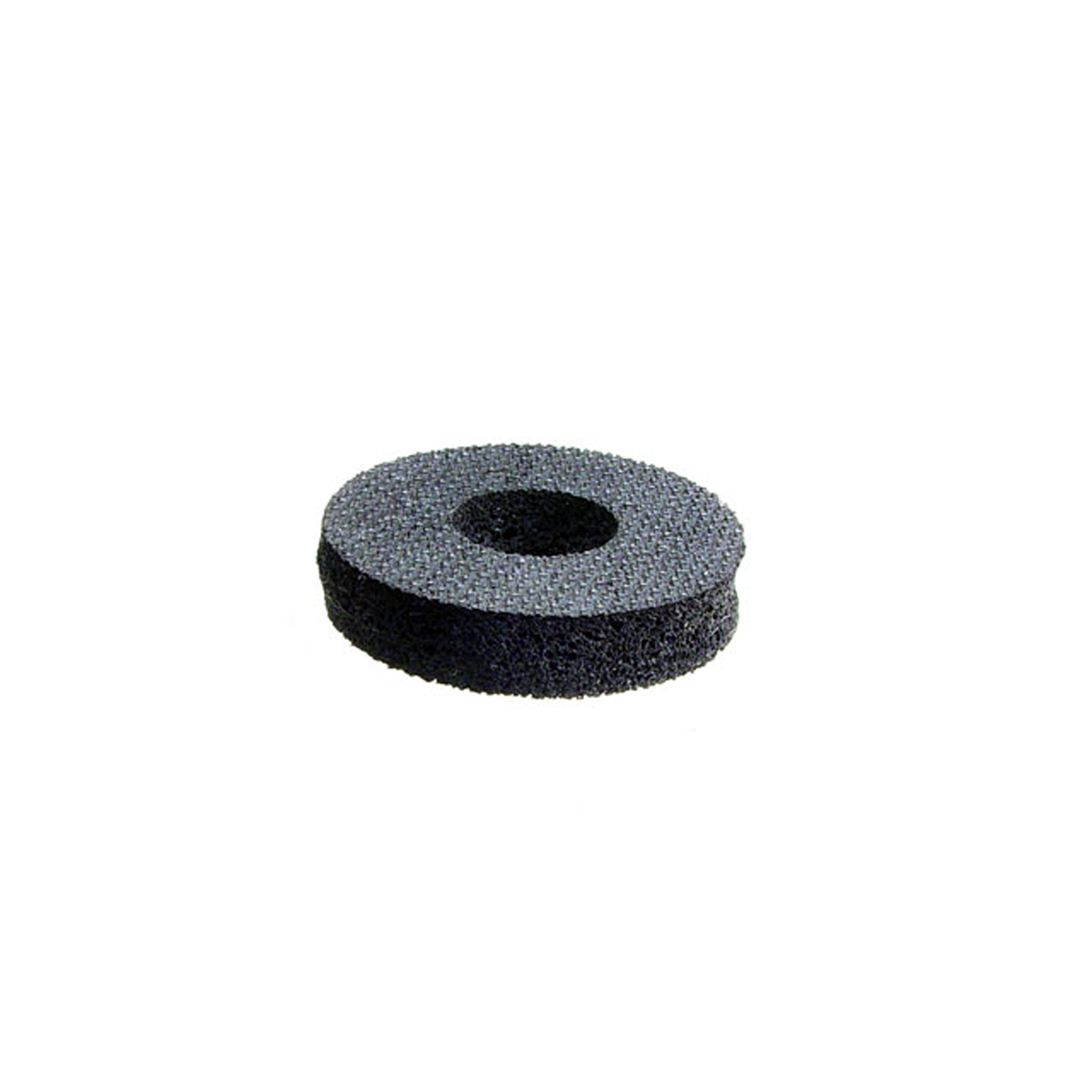 1929 Chevrolet International Pressure Ring Washer. 1-7/8" O.D., 3/4" I.D., 3/8" thick.-SM 69Pressure Ring Washer for Interior Door Handles & Window Regulators. Fits between escutcheon plates & door panel. Made of sponge rubber. 1-7/8" O.D., 3/4" I.D., 3/8" thick. Each (Corvette: Use for heater hose washer @ firewall)
 1929 Chevrolet International Flexible Rubber Window Channel-WC 32-14Flexible Rubber Window Channel. For Fisher Closed Bodies, except those using a stainless bead type. Used on side windows. 13/16" outer width X 6/16" outer depth, with a 5/16" inner channel width X 14" long. Each
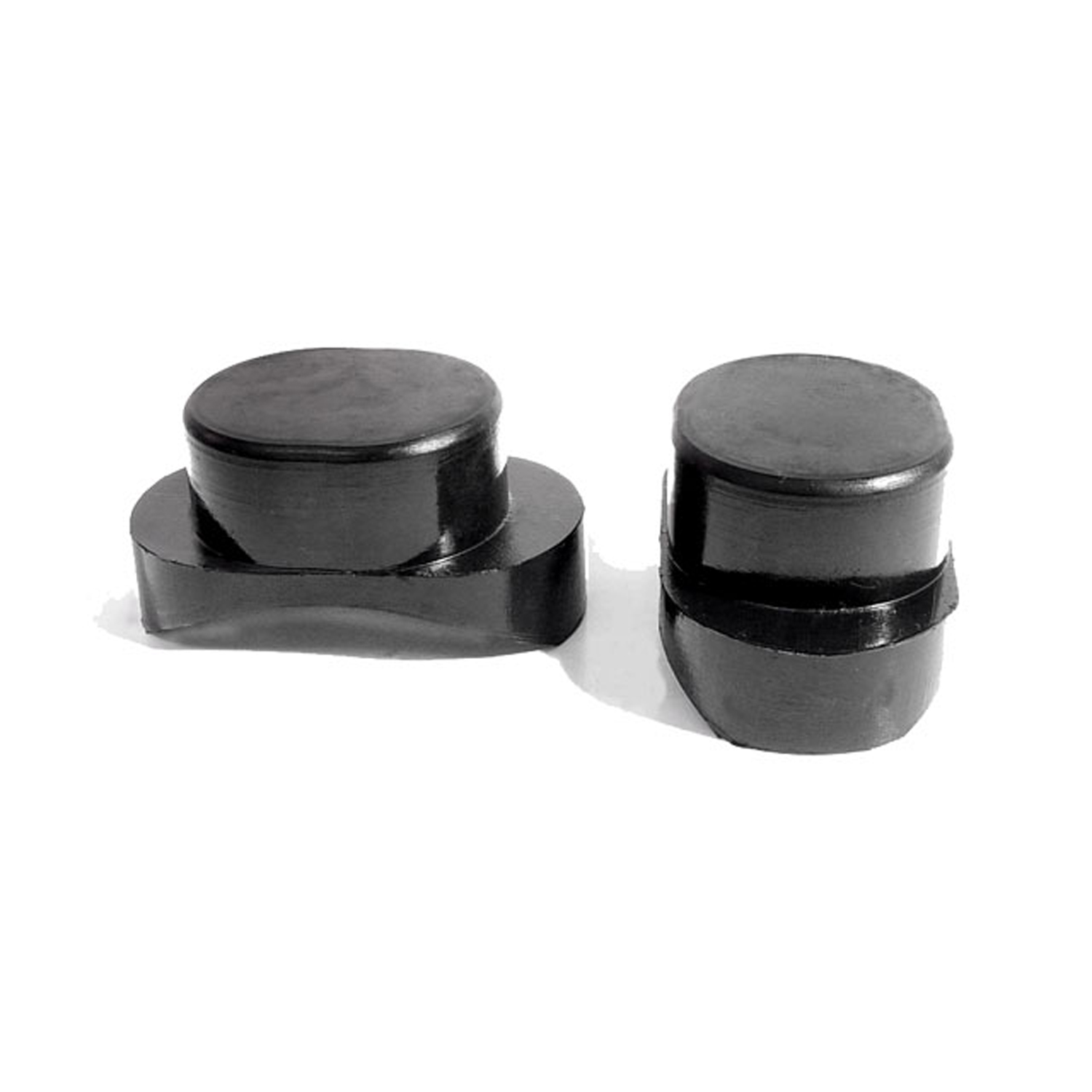 1929 Chevrolet International Rear Axle and Spring Bumpers. Pair-XB 26Rear Axle and Spring Bumpers. Pair
Why Choose Metro?
For over 100 years, Metro Moulded Parts has been the pinnacle of quality in classic car restoration parts. Our commitment to precision and authenticity in every component ensures a perfect fit and an OEM-level appearance.
- Expert Craftsmanship & Quality: Each part is a testament to our dedication to reliability and perfection, crafted from original designs and thoroughly tested.
- Advanced Technology: We use cutting-edge techniques to create flawless, long-lasting parts that surpass others in performance.
- SuperSoft Sponge – The Ultimate Door Seal: Not only are our door seals 30% softer than competitors', but they're also guaranteed to never leak. They effectively reduce wind and road noise, enhancing your classic car's comfort and driving experience.
- Proudly American: Our parts are a product of American craftsmanship, made in the USA with a spirit of excellence and heritage.
- Unrivaled Warranty: We back our products with a 30-year industry-leading warranty, a testament to our confidence in their quality.
Join us in preserving the legacy of classic cars with parts that are crafted for perfection, not just made.