
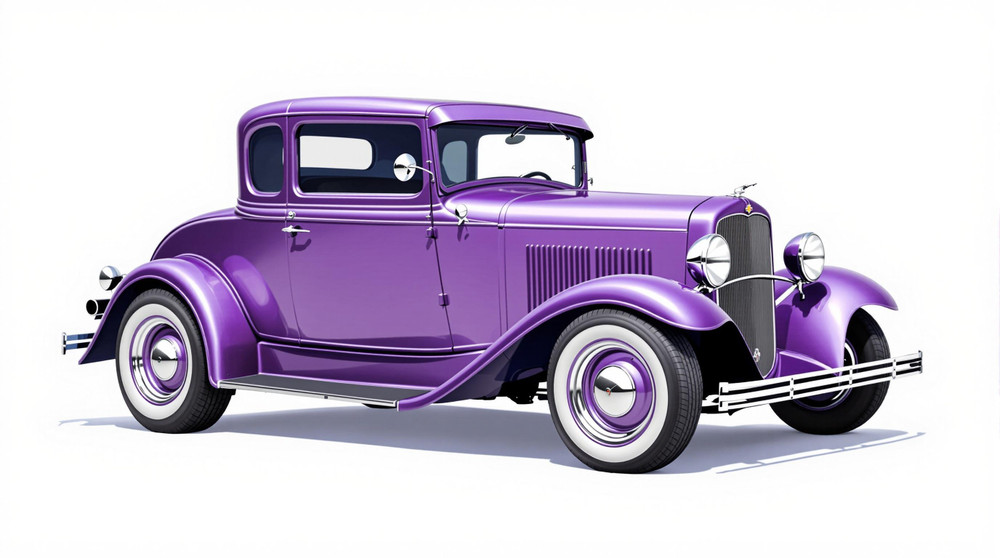
Image of 1930 Chevrolet Universal, Note: These illustrations use artistic license and may differ from actual historical models.
Performance Metrics
Fundamental Metrics
Emotional Appeal
MMP Rating
| Engine Specifications | |
|---|---|
| Engine: | Inline 6 |
| Displacement: | 194 cubic inches |
| Horsepower: | Estimated 50 HP |
| Torque: | Not available |
| Compression Ratio: | Not available |
| Ignition System: | Battery and coil |
| Cooling System: | Water-cooled |
| Performance Specifications | |
| 0-60 Time: | Not available |
| 1/4 Mile Time: | Not available |
| Top Speed: | 65 mph |
| Transmission and Drive | |
| Drive Type: | Rear-wheel drive |
| Transmission Type: | 3-speed manual |
| Fuel and Efficiency | |
| Fuel System Type: | Carburetor |
| MPG: | Not available |
| Dimensions and Brakes | |
| Brakes: | Mechanical drum brakes |
| Wheelbase: | 107 inches |
| Weight: | 2,365 lbs |
Note: Specifications for classic cars are given to the best of our ability, considering the limited and variant data available.
1930 Chevrolet Universal: A Six-Cylinder Car for the Masses
The 1930 Chevrolet Universal brought six-cylinder power and fresh styling to buyers who wanted more car without paying a luxury-car price. Built by Chevrolet, then a division of General Motors, it arrived as the successor to the 1929 Chevrolet International and helped the company challenge Ford during one of the most turbulent years in American history.
Its timing was remarkable. The stock-market crash of 1929 had begun a long economic downturn, yet Chevrolet still sold well over a million cars in 1930. That success helped Chevrolet overtake Ford in annual sales, a headline-making result in the rivalry that would shape the American auto industry for decades. The Universal’s appeal rested on a persuasive combination: a smooth six-cylinder engine, a wide range of body styles, and prices aimed at ordinary motorists.
One detail captures Chevrolet’s strategy: the company had already made six-cylinder power standard in its cars in 1929, promoting the idea of “a six for the price of a four.” The 1930 Universal continued that value proposition with an updated design and a 194-cubic-inch engine.
Streamlined Looks, Practical Craftsmanship
The Universal looked more substantial than the small, upright cars that had defined the early 1920s. Its tall, bright-finished radiator shell, sweeping fenders, and long hood gave it a confident profile. Headlamps mounted on either side of the grille, running boards beneath the doors, and wire-spoke wheels completed a silhouette that was unmistakably prewar but increasingly refined.
Chevrolet offered several body styles, including a roadster, phaeton, coupe, coach, and sedan. Exact names and equipment varied by catalog and market. The two-door coach was a popular practical choice, while coupes appealed to buyers seeking a more personal car. Open roadsters and phaetons had a sporting charm, but they offered less protection from weather. The sedan, with its enclosed cabin and greater passenger comfort, suited family use.
Inside, the Universal favored function over modern luxury. Depending on body style and trim, occupants found cloth or mohair upholstery, a broad steering wheel, simple gauges, and painted or wood-grained trim. The cabin was more substantial than a bare utility vehicle, but it had none of the plush insulation or convenience features expected in a modern car. Chevrolet’s Fisher-built bodies gave the car a well-finished appearance, though period construction still relied on a combination of wood framing and steel panels.
Color choices varied with body style and production details. Buyers could choose from period paint combinations, including dark body colors paired with contrasting trim or wheels. Popular-looking combinations included subdued greens, blues, maroons, and black, but surviving cars have often been repainted, so an individual car’s current color may not reflect its original factory finish.
Engineering That Made Sixes Accessible
Power came from a 194-cubic-inch (3.2-liter) inline-six rated at about 50 horsepower. It used a simple overhead-valve layout, a three-speed manual transmission, and rear-wheel drive. The result was not a high-performance machine, but the six-cylinder engine delivered smoother, more flexible power than the four-cylinder engines common in many affordable cars of the period.
The Universal’s engineering was conservative in some respects. It used mechanical drum brakes rather than hydraulic brakes, along with a conventional chassis, leaf springs, and a torque-tube driveline. Chevrolet’s achievement was not a single revolutionary component. It was making a refined six-cylinder car available across a broad lineup at a price many buyers could consider.
That approach helped shift customer expectations. A smooth six was no longer an exclusive feature of expensive automobiles. Chevrolet’s large-scale production and GM’s manufacturing network helped make the combination of power, comfort, and choice a mainstream proposition.
Road Manners and Real-World Performance
With roughly 50 horsepower, the 1930 Universal was built for steady travel rather than quick acceleration. A healthy car could reach approximately 55 to 65 mph under favorable conditions, though its comfortable cruising speed was lower. A period car’s tires, gearing, mechanical condition, and road surface all make a major difference. A 0-to-60-mph time is not consistently documented for every body style; a reasonable modern estimate is well over 30 seconds, and some examples may struggle to reach 60 mph at all.
On smooth roads, the Universal feels deliberate and mechanical. The inline-six produces a steady, low-frequency growl, while the unsynchronized or minimally synchronized shifting technique required by early transmissions rewards patience and careful timing. The driver works a large steering wheel, manages the clutch and gear lever, and plans braking well ahead of a stop.
The suspension can absorb ordinary bumps, but the car’s upright stance, narrow tires, and vintage chassis mean it does not corner like a modern vehicle. On a winding road, smooth inputs matter more than speed. Mechanical brakes demand extra stopping distance and firm, practiced operation. In crosswinds, the tall body can feel affected, particularly in an open model. These cars are best enjoyed at a relaxed pace, with plenty of room and an eye on changing road conditions.
Living With a 1930 Chevrolet
Today, a Universal is most often a show car, touring car, or weekend hobby vehicle rather than a daily driver. Its straightforward mechanical layout is a real advantage for owners who enjoy hands-on maintenance. Basic service work is approachable for a mechanically capable owner, and specialist clubs, parts suppliers, and restoration resources can help with harder jobs.
Age is the bigger challenge. Buyers should inspect the frame, wood body structure, floorboards, and lower body panels for rot or previous repairs. Engine compression, oil pressure, cooling-system condition, and transmission operation deserve close attention. The mechanical brakes need careful inspection and adjustment, and replacement parts may require specialist sourcing or rebuilding rather than a quick trip to a general parts store.
Reliability depends heavily on restoration quality and maintenance. A well-sorted Universal can tour reliably at period speeds, but it should not be expected to start, stop, or protect occupants like a modern car. Owners should also account for the limited availability of some body-specific trim and the cost of high-quality upholstery or woodwork.
Sales Milestone and Other Universal Facts
Chevrolet’s 1930 sales are commonly reported at roughly 1.3 million cars, although totals can differ depending on whether a source counts calendar-year production, model-year production, or a particular sales category. The important point is clear: Chevrolet’s performance that year was strong enough to put it ahead of Ford in annual sales, a major moment in the companies’ long-running competition.
The Universal was not a specialist racing model, and no widely recognized speed or endurance record defines it. Its achievement was commercial: bringing six-cylinder power to a mass-market range during an exceptionally difficult economic period. It also reflects a time when buyers could choose among multiple body styles on a shared mechanical platform, tailoring a car to family travel, personal use, or open-air motoring.
There is no single celebrity-owner story or rare factory edition that defines the model as a whole. Rarity is more closely tied to body style, originality, and survival. Open cars and unusual configurations can be harder to find than common closed models, while heavily restored cars may differ considerably in authenticity.
A common criticism is the Universal’s modest performance by modern standards. Its mechanical brakes, slow acceleration, limited weather protection in open versions, and need for frequent adjustment are part of the ownership reality. For enthusiasts, those same traits are also part of its appeal: the car makes its technology and mechanics easy to experience.
Collector Values and Availability
As a broad 2026 estimate, a project car may sell for around $8,000 to $15,000, depending on completeness and rust. A usable driver or older restoration often falls around $15,000 to $30,000. A high-quality, correctly restored example may bring roughly $35,000 to $60,000 or more, with condition, provenance, body style, and originality driving the final price. Exceptional open models or especially desirable examples can exceed that range.
These figures are general guideposts rather than a formal appraisal. A car with a sound structure and a documented restoration can be worth considerably more than a superficially shiny example with hidden wood or frame damage. Options, matching or period-correct components, and the quality of paint and upholstery also influence value.
Exact production figures for each 1930 body style are not consistently available in commonly used references. Chevrolet’s total output was about 1.3 million cars, but that should not be mistaken for a precise count of Universal cars in a particular configuration. Survivors are scattered across the collector market, and availability changes by region. Prices for sound, well-restored examples have generally remained firm, with the best cars more likely to appreciate gradually than neglected projects. Restoration costs can easily outpace a car’s resale value, so buyers should choose condition carefully.
Why the 1930 Chevrolet Universal Still Matters
The 1930 Chevrolet Universal combined approachable pricing, six-cylinder smoothness, and a broad body lineup at a time when the American car market was under extraordinary pressure. It was not the fastest or most advanced car of its day, but it helped make refinement more accessible and contributed to Chevrolet’s landmark sales success against Ford.
For today’s enthusiast, its appeal lies in the direct, unfiltered experience of early motoring: the engine’s steady beat, the purposeful controls, and the craftsmanship of a car built before modern conveniences softened the connection between driver and machine. The Universal is a reminder that an important classic does not have to be exotic. Sometimes, changing what an everyday buyer can expect is legacy enough.
1930 Chevrolet Universal Catalog of Parts
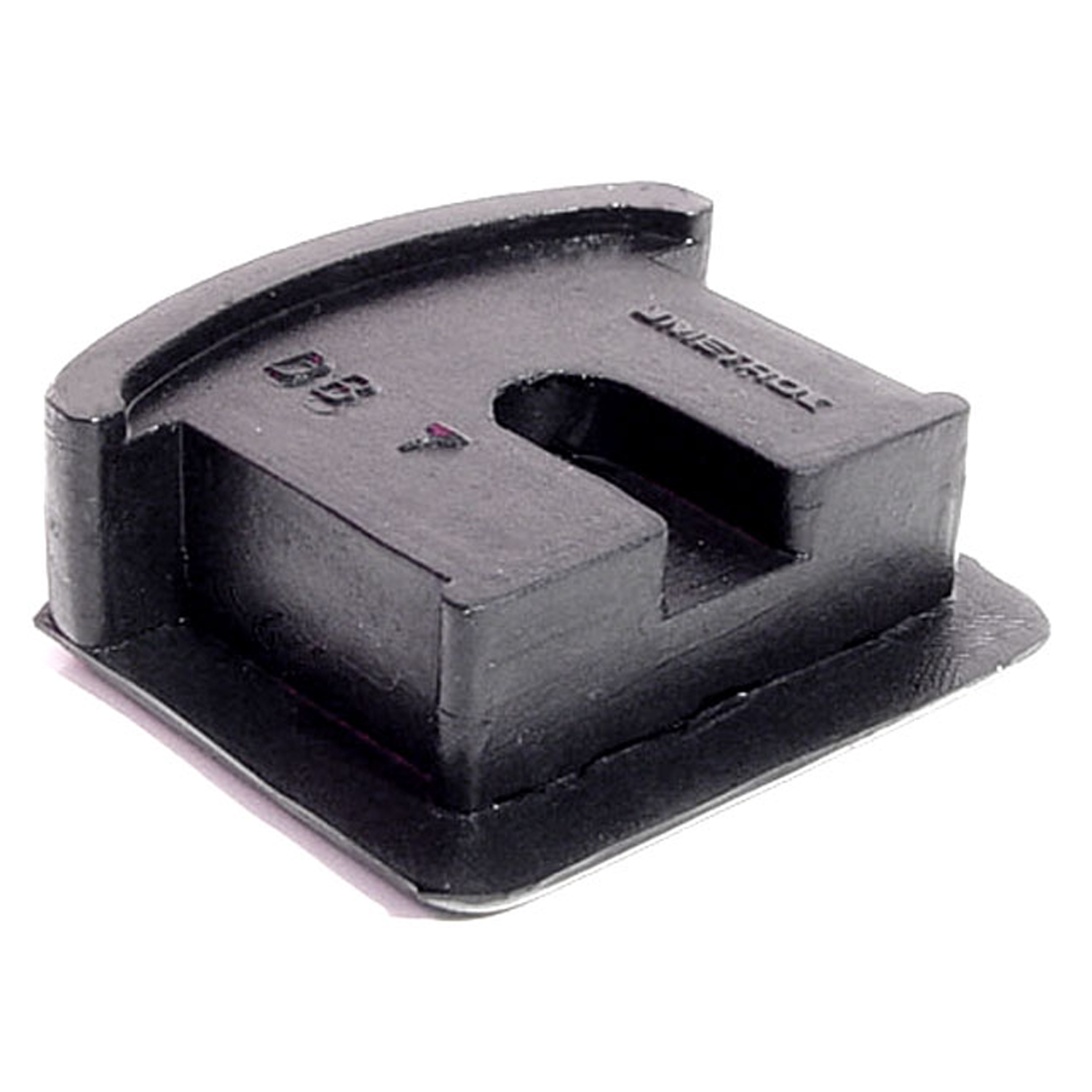 1930 Chevrolet Universal Door Bumper. 1-7/16" high X 1-9/16" wide X 9/16" thick-DB 7Door Bumper. 1-7/16" high X 1-9/16" wide X 9/16" thick. Each
 1930 Chevrolet Universal Glass Setting "U" Channel-LP 108-AGlass Setting "U" Channel. 7/16" wide X 1/2" deep; 1/4" inside channel width. Sold by the foot
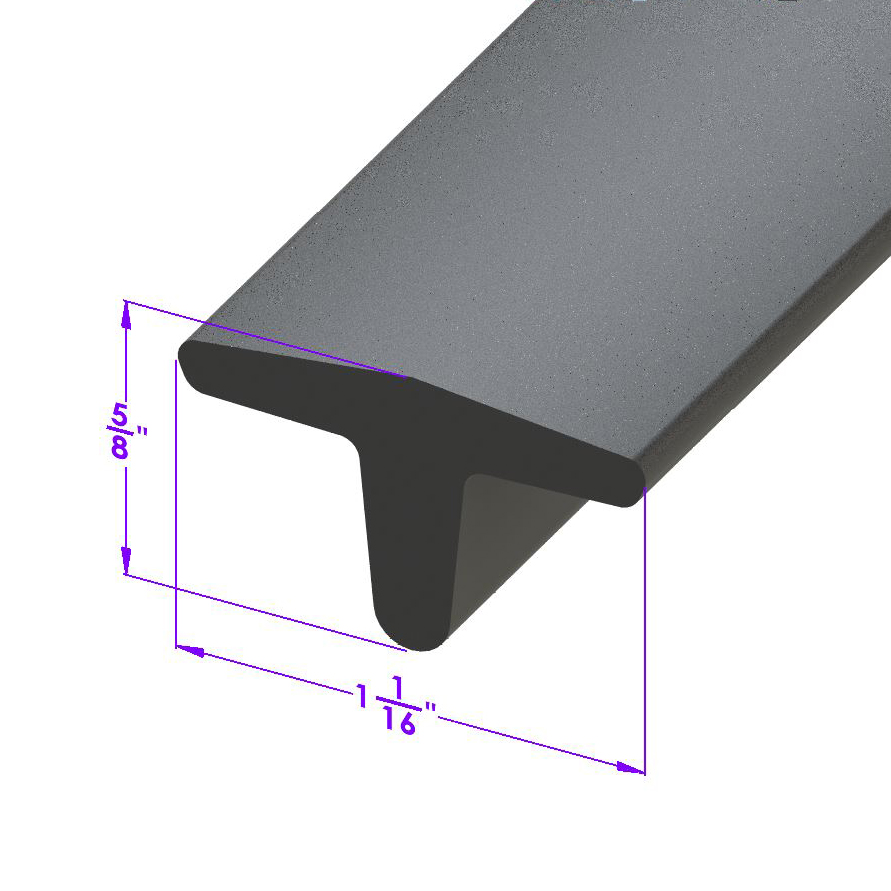 1930 Chevrolet Universal Side window seal. Dense rubber. No metal core. 1 in-LP 95-ASide window seal. Dense rubber. No metal core. 1 in. W x 5/8 in. H. Per foot.
 1930 Chevrolet Universal Door Handle Ferrule Grommet. I.D. 11/16", O.D. 1-3/16"-MP 546-IDoor Handle Ferrule Grommet. I.D. 11/16", O.D. 1-3/16". Each
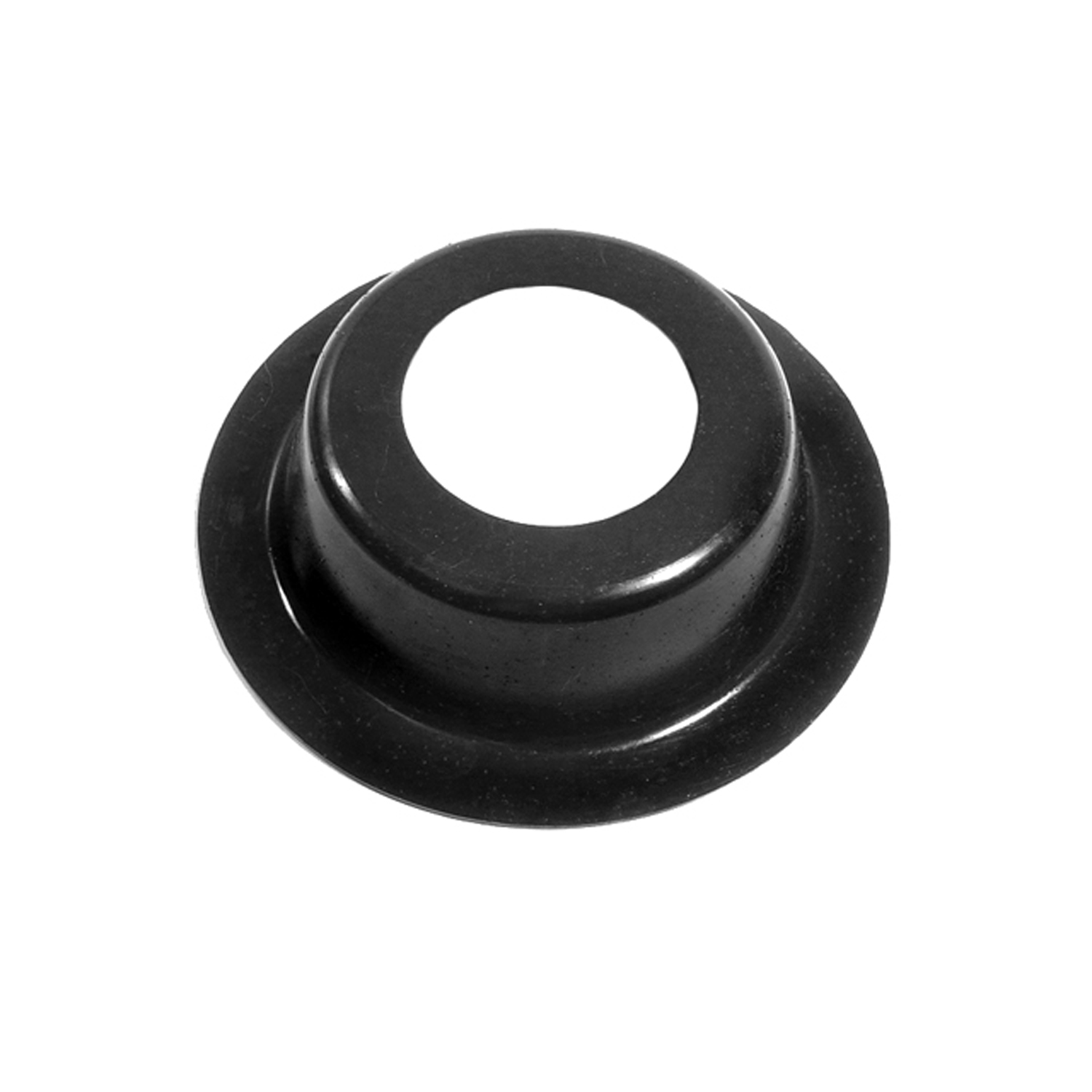 1930 Chevrolet Universal Booster Brake Diaphragm. 7-1/2" O.D., 3" I.D., 1-7/8" deep-RP 32Booster Brake Diaphragm. 7-1/2" O.D., 3" I.D., 1-7/8" deep. Each
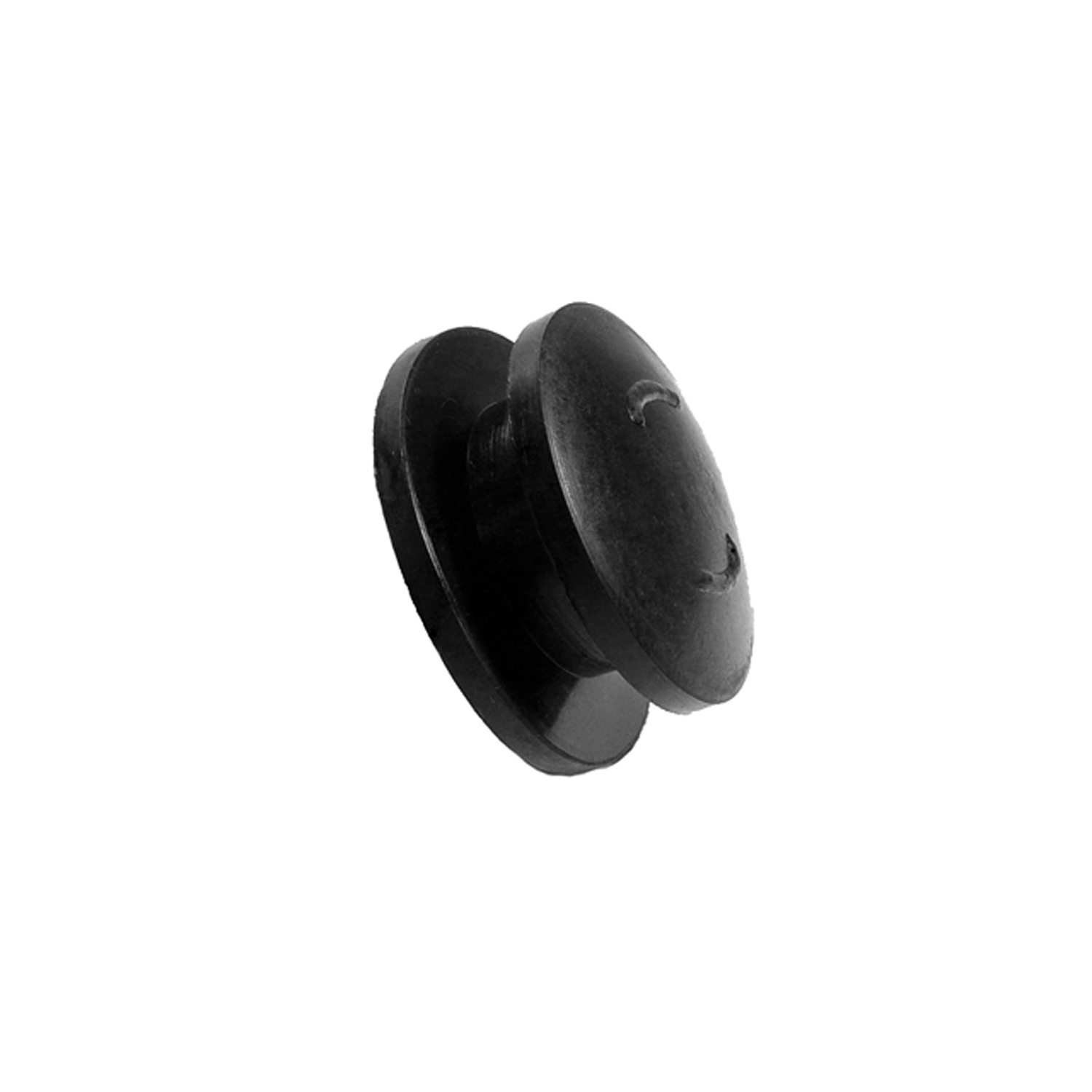 1930 Chevrolet Universal Horn Button. 2-3/16" O.D., 1-1/8" I.D. Each-RP 600-AHorn Button. 2-3/16" O.D., 1-1/8" I.D. Each
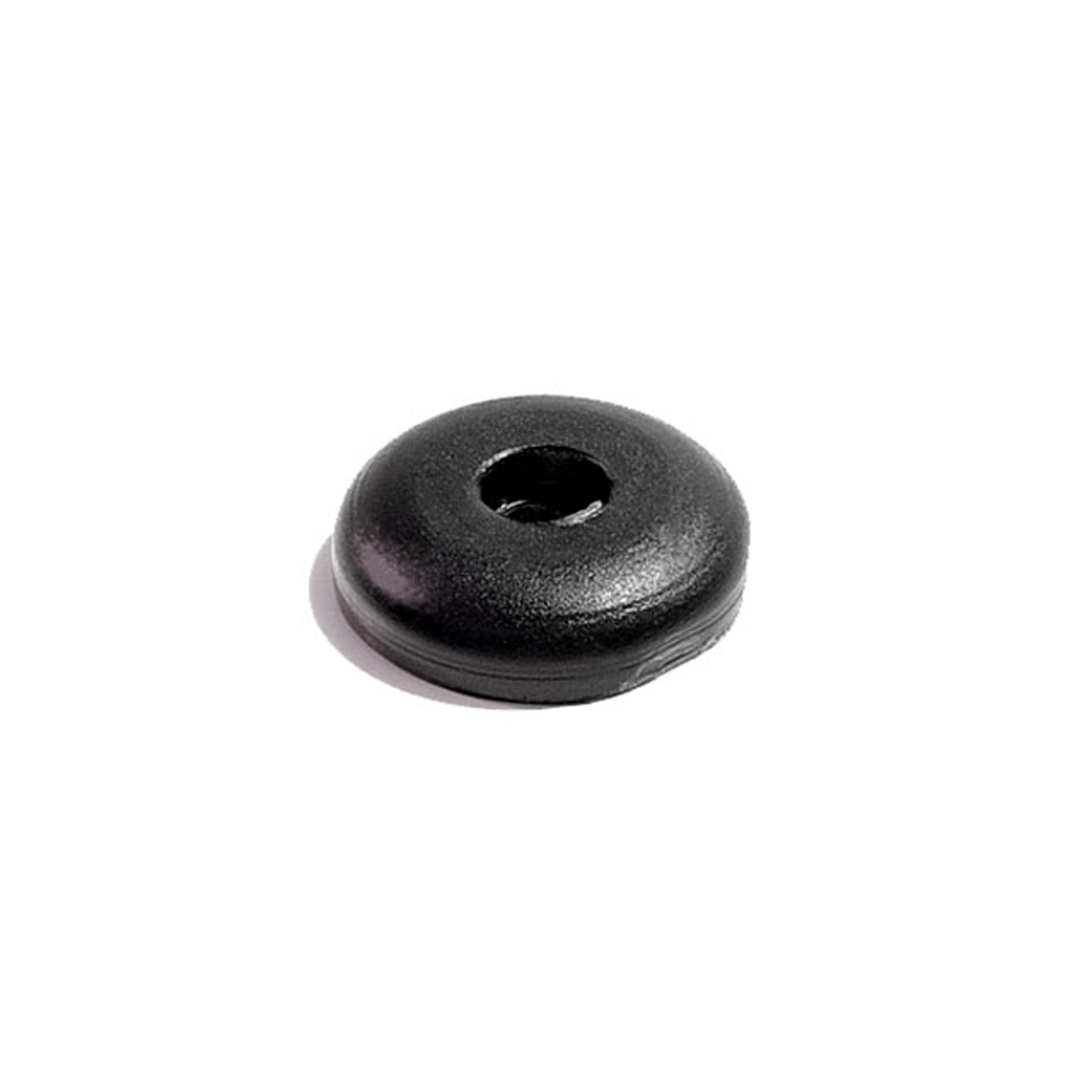 1930 Chevrolet Universal Deck Lid Bumper, for Roadsters. Made with steel core-SB 102Deck Lid Bumper, for Roadsters. Made with steel core. 13/16" O.D., 3/16" I.D. Two used per car. Each
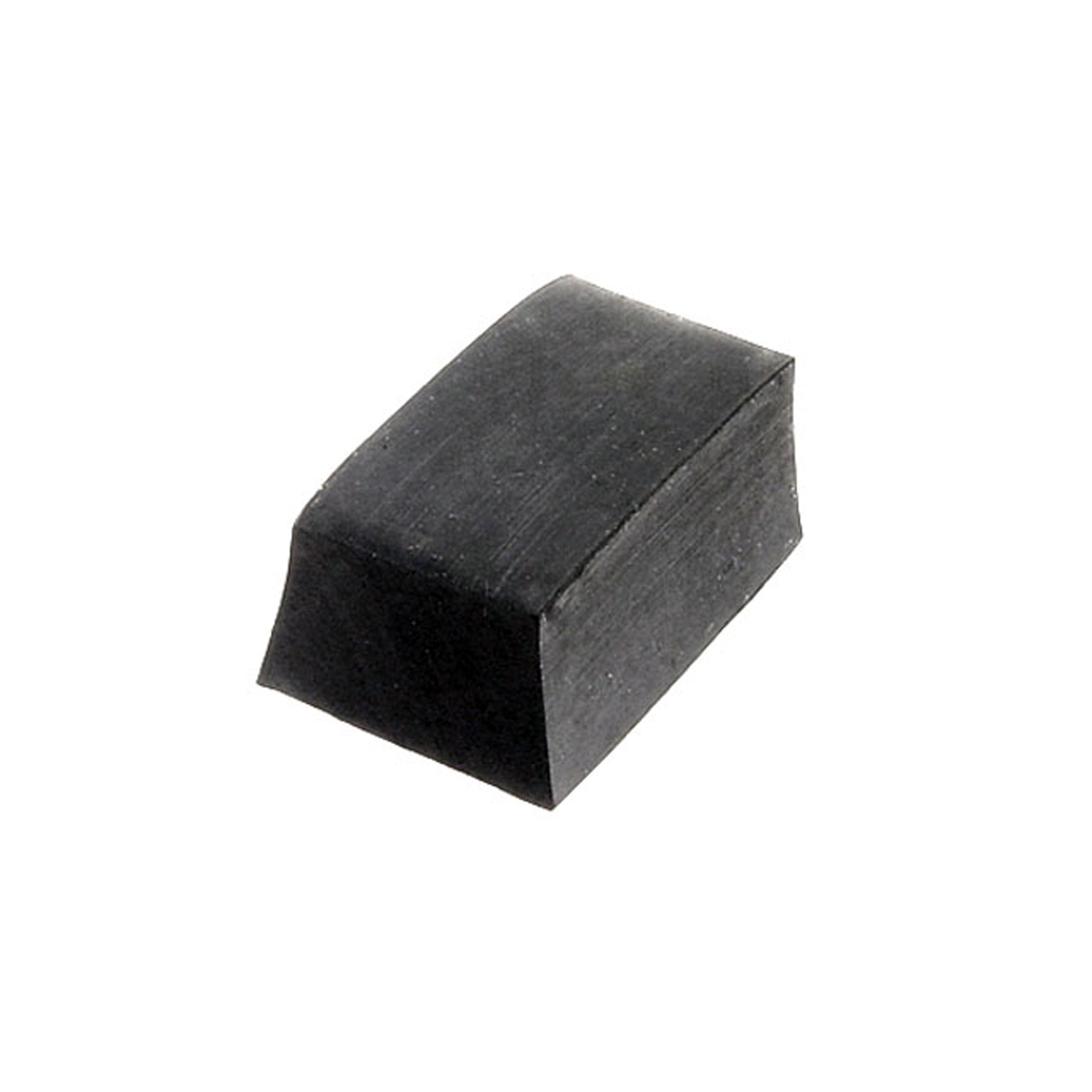 1930 Chevrolet Universal Hood latch bumper. 1 in. long x 3/4 in. wide at base 1/2 in-SB 12Hood latch bumper. 1 in. long x 3/4 in. wide at base 1/2 in. high. Each.
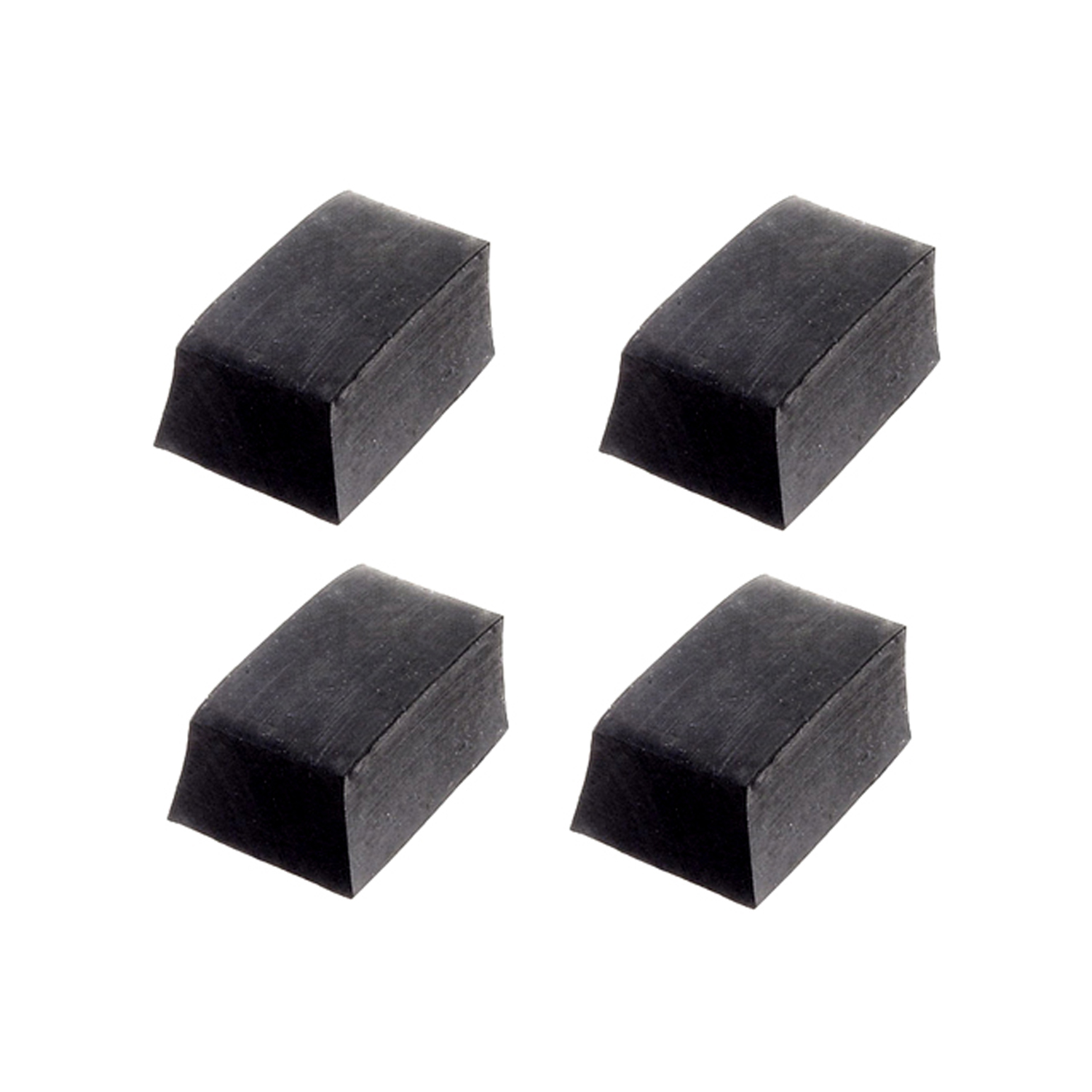 1930 Chevrolet Universal Hood Latch Bumpers. 1" X 3/4" X 7/16" high. 4-Piece Set-SB 12-SETHood Latch Bumpers. 1" X 3/4" X 7/16" high. 4-Piece Set
 1930 Chevrolet Universal Door Bumper. 1" diameter X 1/4" thick Each-SB 60Door Bumper. 1" diameter X 1/4" thick Each
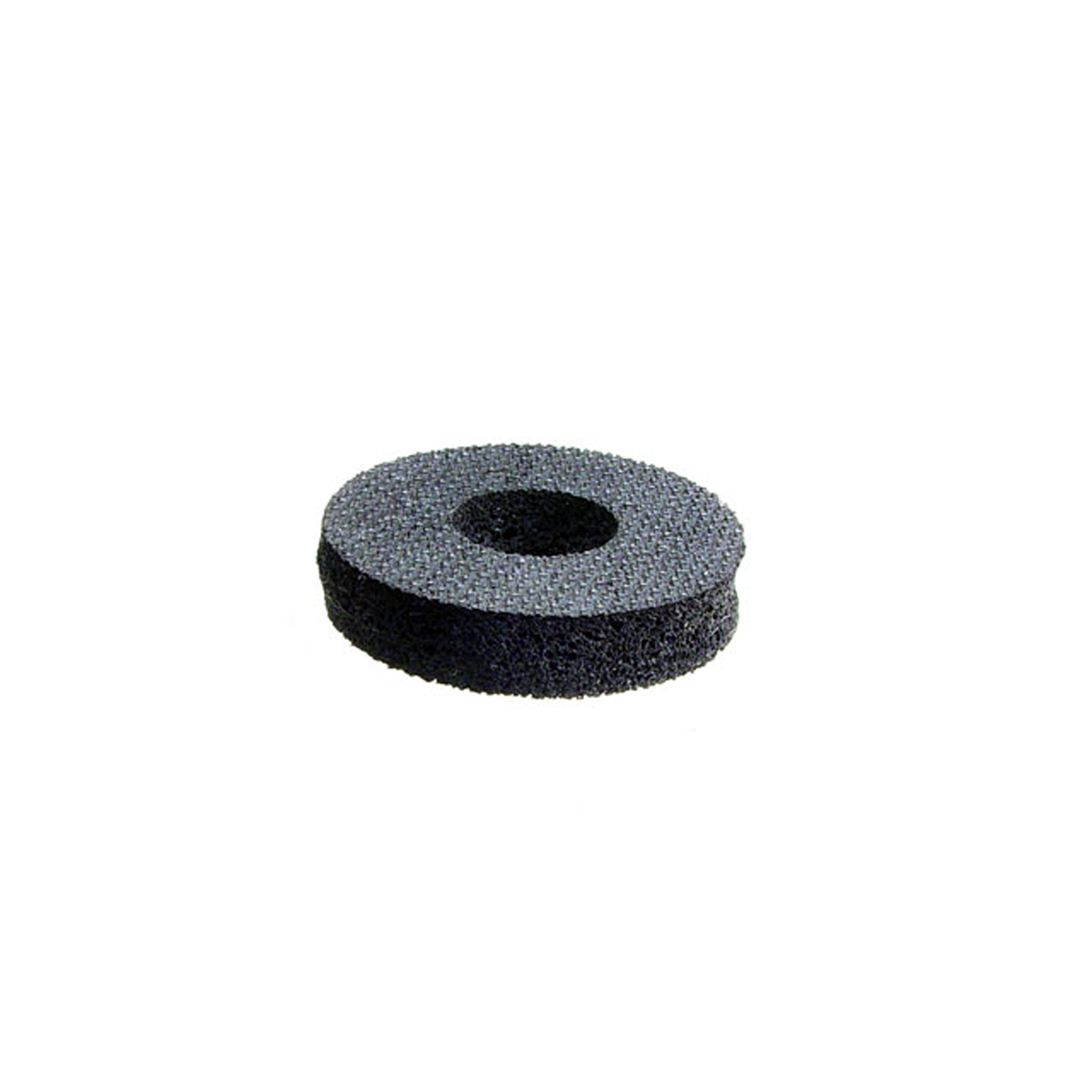 1930 Chevrolet Universal Pressure Ring Washer. 1-7/8" O.D., 3/4" I.D., 3/8" thick.-SM 69Pressure Ring Washer for Interior Door Handles & Window Regulators. Fits between escutcheon plates & door panel. Made of sponge rubber. 1-7/8" O.D., 3/4" I.D., 3/8" thick. Each (Corvette: Use for heater hose washer @ firewall)
 1930 Chevrolet Universal Flexible Rubber Window Channel-WC 32-14Flexible Rubber Window Channel. For Fisher Closed Bodies, except those using a stainless bead type. Used on side windows. 13/16" outer width X 6/16" outer depth, with a 5/16" inner channel width X 14" long. Each
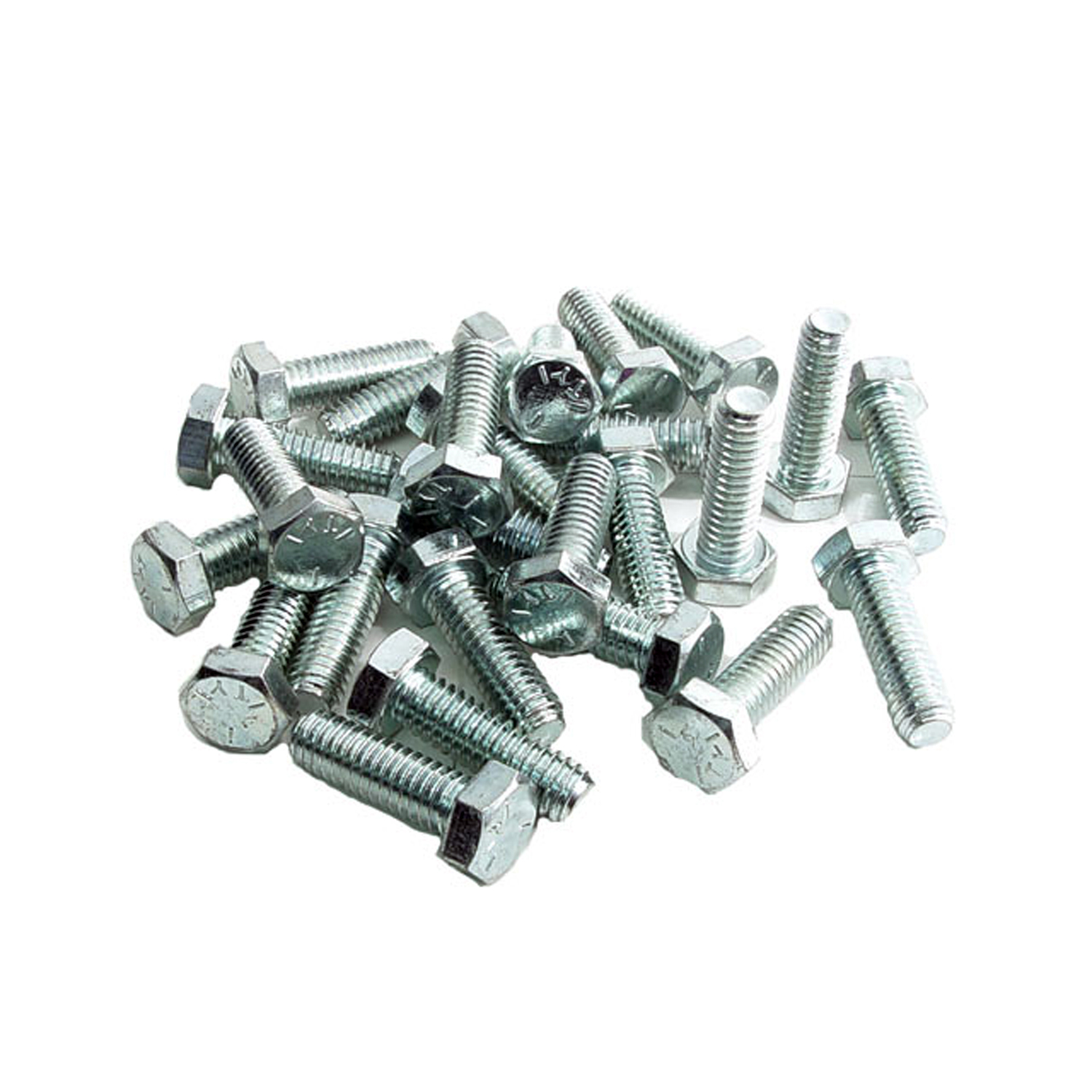 1930 Chevrolet Universal Fender Bolts. For use with Fender Bolt Washers; WF 3001-WF 3000Fender Bolts. For use with Fender Bolt Washers; WF 3001. Zinc Chromate plated, high strength. 1" X 5/16". Set of 25
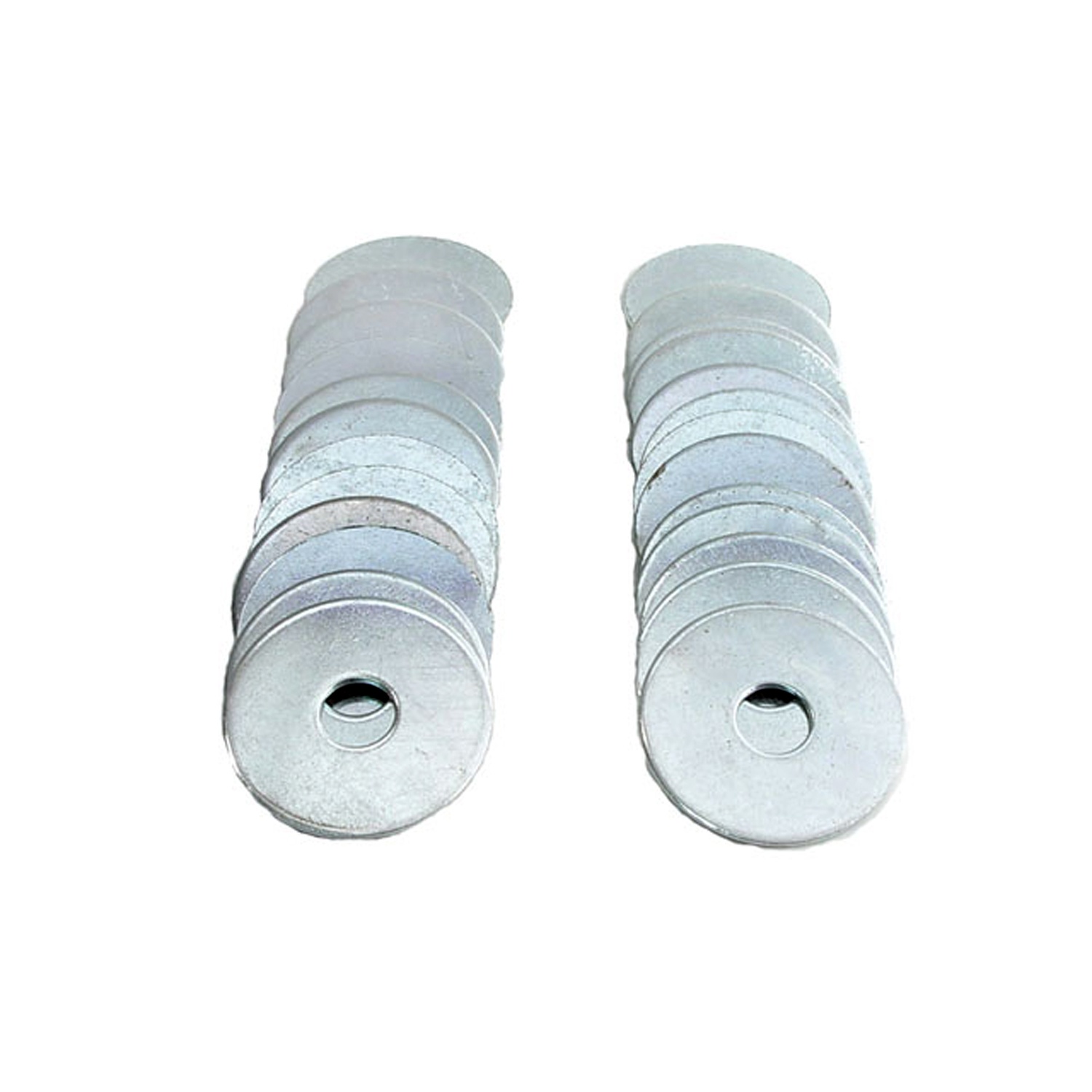 1930 Chevrolet Universal Fender Bolt Washers. For use with Fender Bolts; WF 3000-WF 3001Fender Bolt Washers. For use with Fender Bolts; WF 3000. High quality, cadmium plated. 1-1/4" O.D., 3/8" I.D. Set of 25
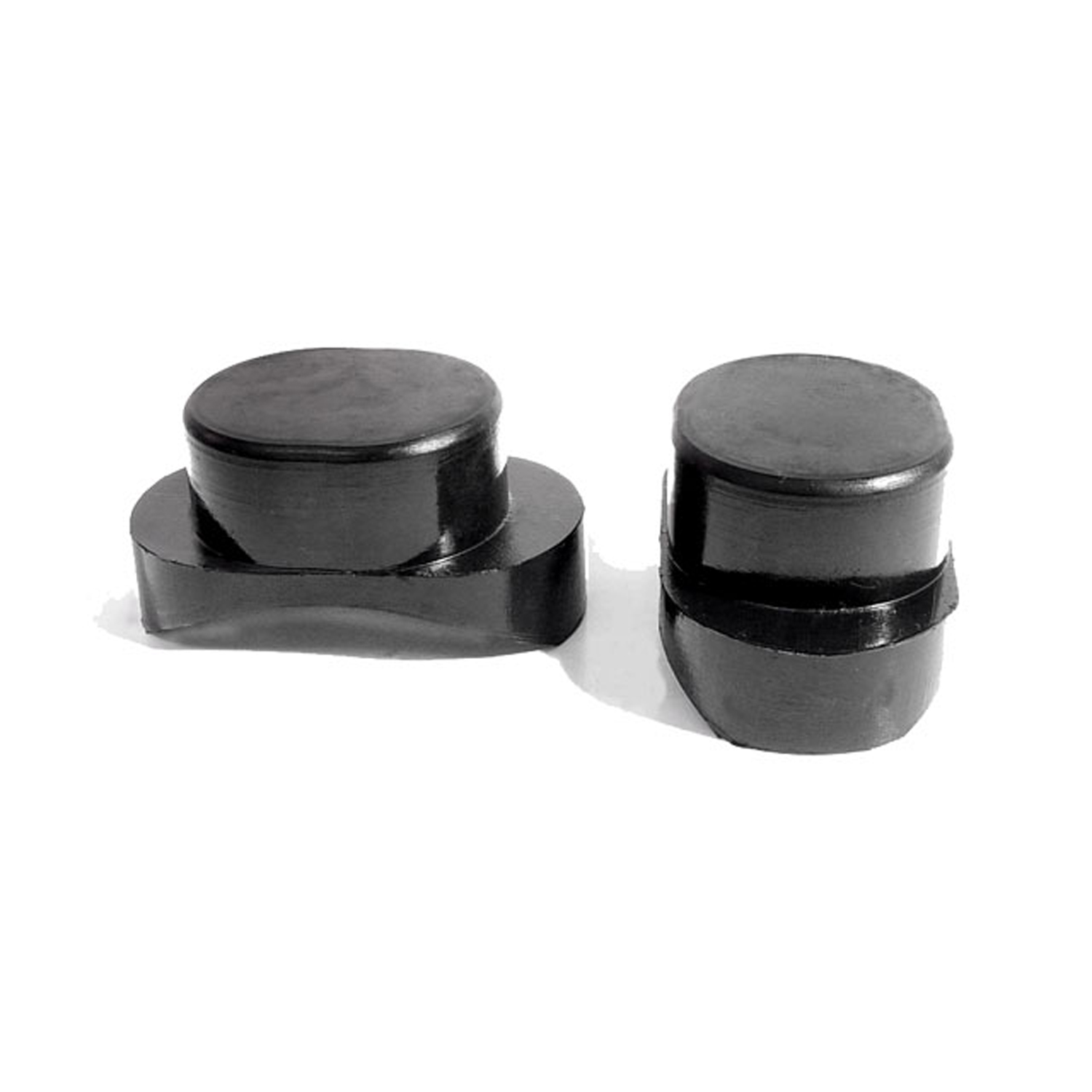 1930 Chevrolet Universal Rear Axle and Spring Bumpers. Pair-XB 26Rear Axle and Spring Bumpers. Pair
Why Choose Metro?
For over 100 years, Metro Moulded Parts has been the pinnacle of quality in classic car restoration parts. Our commitment to precision and authenticity in every component ensures a perfect fit and an OEM-level appearance.
- Expert Craftsmanship & Quality: Each part is a testament to our dedication to reliability and perfection, crafted from original designs and thoroughly tested.
- Advanced Technology: We use cutting-edge techniques to create flawless, long-lasting parts that surpass others in performance.
- SuperSoft Sponge – The Ultimate Door Seal: Not only are our door seals 30% softer than competitors', but they're also guaranteed to never leak. They effectively reduce wind and road noise, enhancing your classic car's comfort and driving experience.
- Proudly American: Our parts are a product of American craftsmanship, made in the USA with a spirit of excellence and heritage.
- Unrivaled Warranty: We back our products with a 30-year industry-leading warranty, a testament to our confidence in their quality.
Join us in preserving the legacy of classic cars with parts that are crafted for perfection, not just made.