
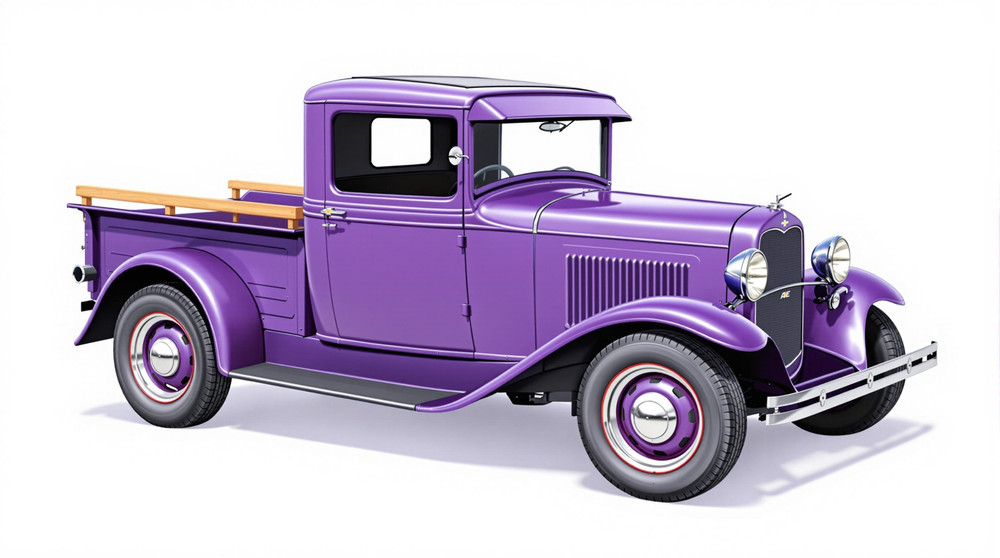
Image of 1931 Chevrolet Ae Independence Truck, Note: These illustrations use artistic license and may differ from actual historical models.
Performance Metrics
Fundamental Metrics
Emotional Appeal
MMP Rating
| Engine Specifications | |
|---|---|
| Engine: | Inline 6 |
| Displacement: | 194 cubic inches |
| Horsepower: | Estimated 50 HP |
| Torque: | 125 lb-ft |
| Compression Ratio: | Estimated 5.2:1 |
| Ignition System: | Distributor and coil |
| Cooling System: | Water-cooled |
| Performance Specifications | |
| 0-60 Time: | Not applicable for this model |
| 1/4 Mile Time: | Not applicable for this model |
| Top Speed: | 45-50 mph |
| Transmission and Drive | |
| Drive Type: | Rear-wheel drive |
| Transmission Type: | 3-speed manual |
| Fuel and Efficiency | |
| Fuel System Type: | Carburetor |
| MPG: | Estimated 10-15 mpg |
| Dimensions and Brakes | |
| Brakes: | Mechanical drum brakes |
| Wheelbase: | 131 inches |
| Weight: | Estimated 2,700 lbs |
Note: Specifications for classic cars are given to the best of our ability, considering the limited and variant data available.
1931 Chevrolet AE Independence Truck: A Working Classic
The 1931 Chevrolet AE Independence Truck was built for a practical purpose, but its tall radiator, sweeping fenders, and sturdy six-cylinder engine gave it the kind of presence that still stops classic-car fans in their tracks. Made by Chevrolet during the depths of the Great Depression, it carried the company’s growing reputation for affordable six-cylinder power into farms, small businesses, and work sites across America.
The AE was part of Chevrolet’s “Independence” series, a name shared with the company’s 1931 passenger cars. Chevrolet had made a major move in 1929 by replacing its four-cylinder passenger-car engine with an inline six, and the truck range benefited from that same push toward smoother, more capable power. One appealing detail: beneath the truck’s rugged work-truck character was a version of Chevrolet’s famous “Stovebolt” six, an engine whose long production life helped make early Chevrolet trucks familiar sights well beyond their original working years.
Art Deco Lines and Work-Ready Details
The AE’s styling is simple, upright, and unmistakably early 1930s. A tall, narrow radiator grille anchors the front end, flanked by separate round headlamps. The long hood leads back to a high cowl, while curved front fenders arc over narrow tires. From the side, the cab sits high and square above the chassis, and the open bed gives the truck its unmistakable utility-first profile. The design is less streamlined than a modern vehicle, but its balanced proportions make it handsome rather than plain.
Inside, the emphasis is on function. The cabin is compact, with a straightforward instrument panel, large steering wheel, floor-mounted gearshift, and simple controls that a driver could understand without distraction. Materials were durable and workmanlike rather than luxurious. Depending on the cab and equipment, wood framing could sit behind steel body panels, while the seat and trim were designed to withstand regular use. A wooden bed floor was common, a practical feature that is now one of the truck’s most visually appealing details when restored.
Technology was modest by modern standards, but the AE offered the essentials for dependable work: a six-cylinder engine, a manual three-speed transmission, and four-wheel mechanical brakes. Its electrical system was six-volt, and drivers relied on direct steering feel and their own judgment rather than power assistance or electronic aids. The result was a truck that was mechanically understandable, if physically demanding to drive.
Chevrolet offered the AE in several commercial forms, depending on chassis and body configuration. The best-known is the half-ton pickup, with an open cab and cargo bed. Panel-delivery bodies, canopy or express-style bodies, and heavier chassis-cab configurations served businesses that needed enclosed cargo space or a specialized body. The pickup is the most iconic today, thanks to its instantly recognizable shape and strong appeal among collectors.
Paint choices depended on body type, market, and whether a truck was ordered for private or commercial use. Black and restrained dark shades were common practical choices, while surviving trucks are also seen in greens, blues, reds, and two-tone schemes. A restored truck’s current color is not necessarily its original one, so owners seeking authenticity should check the body for old paint layers and consult period Chevrolet paint references.
Why the AE Mattered
The 1931 Chevrolet AE Independence Truck arrived when American businesses were under severe pressure. The Depression made affordability and utility especially important, and trucks were central to delivering goods, serving farms, and keeping small enterprises operating. Chevrolet’s broad dealer network and familiar mechanical components helped make its trucks an accessible choice for buyers who needed a working vehicle rather than a luxury.
Its inline six was a key distinction. Chevrolet had promoted six-cylinder power as a smoother alternative to the four-cylinder engines still common in lower-priced vehicles. In a truck, that extra smoothness and usable power mattered when carrying cargo or covering long rural routes. The AE was not a radical technological breakthrough, but it represented an important shift in expectations: a practical truck could offer six-cylinder performance at a price aimed at ordinary buyers.
The truck also reflects a transitional period in vehicle design. It retains the upright stance, exposed hardware, and separate fenders of the early automobile era, while its increasingly integrated body and cab give it a more modern appearance than earlier commercial vehicles. Its lasting influence is less about one revolutionary feature and more about helping establish the formula for the affordable American pickup: a sturdy chassis, useful cargo bed, straightforward mechanicals, and a passenger-car engine adapted for work.
Engine, Speed, and Road Manners
The AE’s 194-cubic-inch inline-six, commonly identified with Chevrolet’s Stovebolt family, produced about 50 horsepower in period specifications. Power went through a three-speed manual transmission to the rear wheels. These figures sound modest now, but the truck was built for hauling and local transport, not rapid acceleration. Its low gearing helped it get moving with a load, while the engine’s smooth six-cylinder layout made it more refined than many contemporary work vehicles.
There is no dependable modern 0-to-60 mph figure for the 1931 AE, and period truck testing did not routinely publish acceleration times in today’s format. A healthy, lightly loaded example may take more than 40 seconds to approach highway speed, and some trucks may not reach 60 mph at all, depending on gearing, tire size, condition, and load. A realistic top-speed expectation is roughly 45 to 55 mph for many examples. Those are estimates, not factory guarantees, and sustained high-speed driving is not what the truck was designed to do.
On a smooth road, the AE feels deliberate and mechanical. The engine gives off a steady, audible six-cylinder rumble, while the unsynchronized or period-style gear changes require patience and skill. Drivers may need to double-clutch when shifting, depending on the transmission and its condition. The steering is heavy at low speed, and the brakes demand more planning and pedal effort than modern hydraulic systems.
Rough roads reveal the truck’s working roots. Its suspension can feel firm when unloaded, and bumps move through the cab more directly than they would in a modern pickup. A cargo load can settle the ride, but it also slows acceleration and increases stopping distances. On winding roads, narrow tires, a high seating position, and period steering geometry call for measured inputs. The experience is engaging, but it rewards a calm driver rather than aggressive cornering or hurried traffic maneuvers.
Living with a 1931 Chevrolet Truck
Today, most AE Independence Trucks are weekend drivers, show vehicles, or rolling pieces of local history. Some owners still use them for short trips, parades, and light hauling, but regular highway commuting is generally impractical. Their low speeds, limited safety equipment, mechanical brakes, and lack of modern comfort features make them better suited to relaxed drives on familiar roads.
Mechanical simplicity is one of the truck’s strengths. The inline-six and manual transmission are understandable to a competent home mechanic, and many routine jobs can be handled with basic tools and a workshop manual. Parts support for common engine components is generally better than for rare trim pieces or body-specific components. Finding correct sheet metal, original instruments, cab parts, and complete bed hardware can be more challenging, especially when a truck has been heavily modified.
Reliability depends heavily on the quality of the restoration and the truck’s maintenance history. Old fuel systems, wiring, cooling components, and mechanical brakes deserve close inspection. A buyer should also check the frame, cab structure, wood components, and bed for corrosion or poorly repaired damage. With careful maintenance and realistic use, an AE can be enjoyable and dependable for vintage motoring, but it should not be treated like a modern daily driver.
Facts, Myths, and Common Criticisms
The “Stovebolt” name is one of the most enduring pieces of Chevrolet lore. It refers to the look of the engine’s fasteners, which reminded people of stove bolts. Chevrolet’s inline-six family became so familiar that “Stovebolt” is still widely used by enthusiasts when discussing early Chevrolet engines.
There is no widely recognized speed, endurance, or production record specifically associated with the 1931 AE Independence Truck, and no single celebrity-owned example defines its story. Its significance is more everyday than headline-making: trucks like it helped move produce, tools, building supplies, and local deliveries during a difficult economic period. Their working lives were rarely documented, which is one reason surviving examples can feel like rare snapshots of ordinary American history.
Common criticisms are easy to understand. The cab is cramped by modern standards, the brakes require more stopping distance, the steering can be strenuous, and the truck is slow in current traffic. Original examples can also be noisy and drafty. Those limitations are part of the period experience, but they matter when deciding how the vehicle will be used and where it will be driven.
Collector Value and Availability
Values vary considerably with condition, originality, body style, and the quality of the restoration. As a broad U.S. market estimate, a project truck may fall around $5,000 to $15,000. A usable but imperfect example could bring roughly $15,000 to $30,000, while a well-restored half-ton pickup may sell in the $30,000 to $50,000 range. Exceptional, highly original, or show-quality trucks can exceed that range, while incomplete or heavily modified examples may sell for less.
Exact AE truck production totals are difficult to establish from commonly available model-level records. Chevrolet produced the series in meaningful numbers, but surviving, complete trucks are much scarcer than the original production would suggest. As a rough estimate rather than a documented factory figure, total production across AE truck body and chassis configurations may have been in the tens of thousands, perhaps around 25,000 to 40,000. The number of intact, collectible examples is only a fraction of that.
Prices have generally benefited from continued interest in prewar pickups, especially attractive restored trucks. In nominal dollars, values have tended to strengthen over the long term, although the market is selective and can vary with the economy, restoration costs, and the quality of the individual vehicle. The best buys are often complete trucks with solid structure and documented history, rather than low-priced projects missing hard-to-find parts.
A Small Truck with a Big Story
The 1931 Chevrolet AE Independence Truck combines Depression-era practicality with the charm of early Chevrolet styling and the distinctive character of a six-cylinder “Stovebolt.” It is not fast, quiet, or effortless by modern standards, but its simple engineering and unmistakable presence make it rewarding to own and drive in the right setting.
More than a collectible pickup, the AE is a reminder of the everyday vehicles that kept American farms and businesses moving. Put one on a quiet country road, hear that steady six-cylinder note, and its lasting appeal becomes clear: this is a working classic whose story is written into every scuffed bed board and hand-operated control.
1931 Chevrolet Ae Independence Truck Catalog of Parts
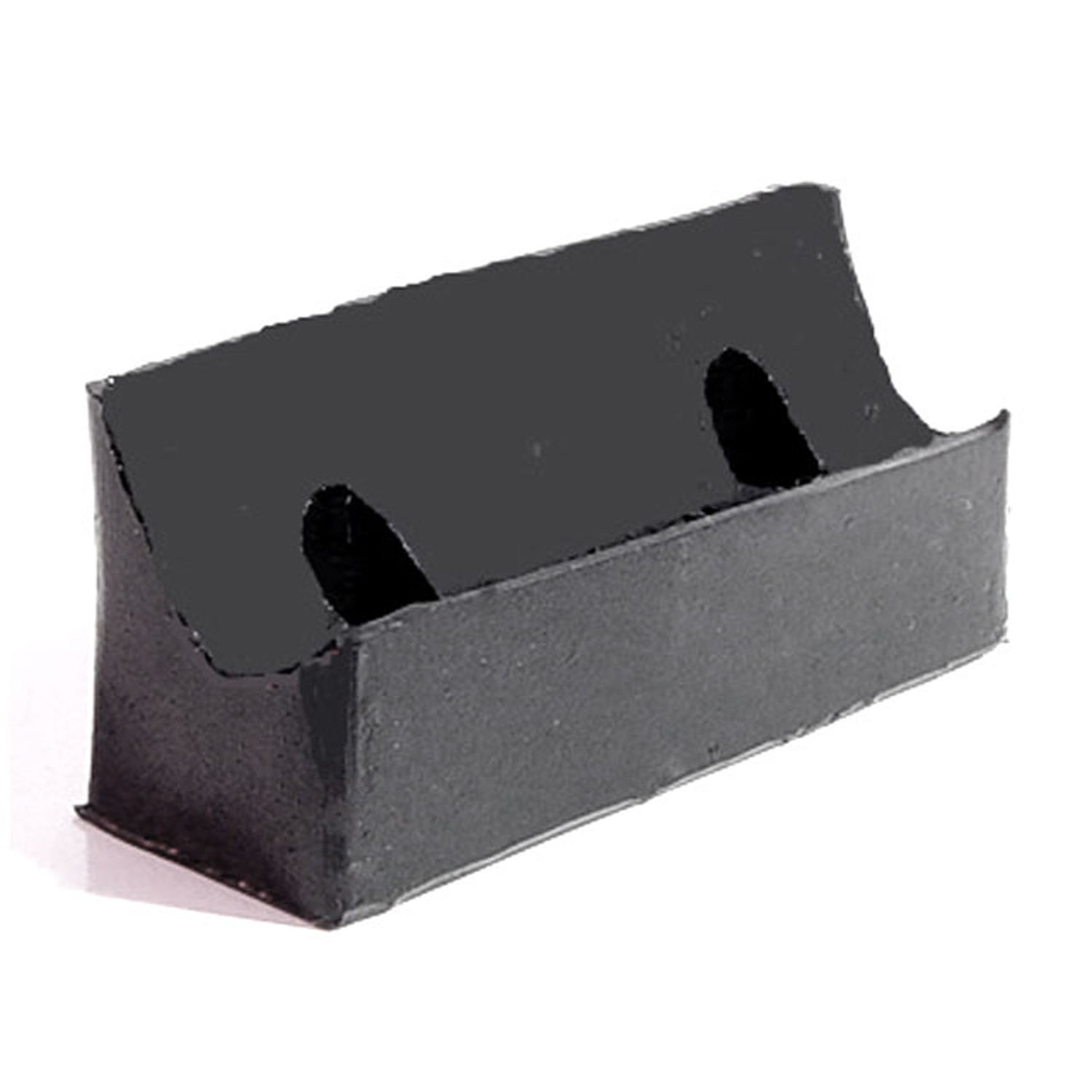 1931 Chevrolet AE Independence Truck Door and Trunk Bumper. 2" high X 13/16" wide X 9/16" thick-DB 24Door and Trunk Bumper. 2" high X 13/16" wide X 9/16" thick. Each
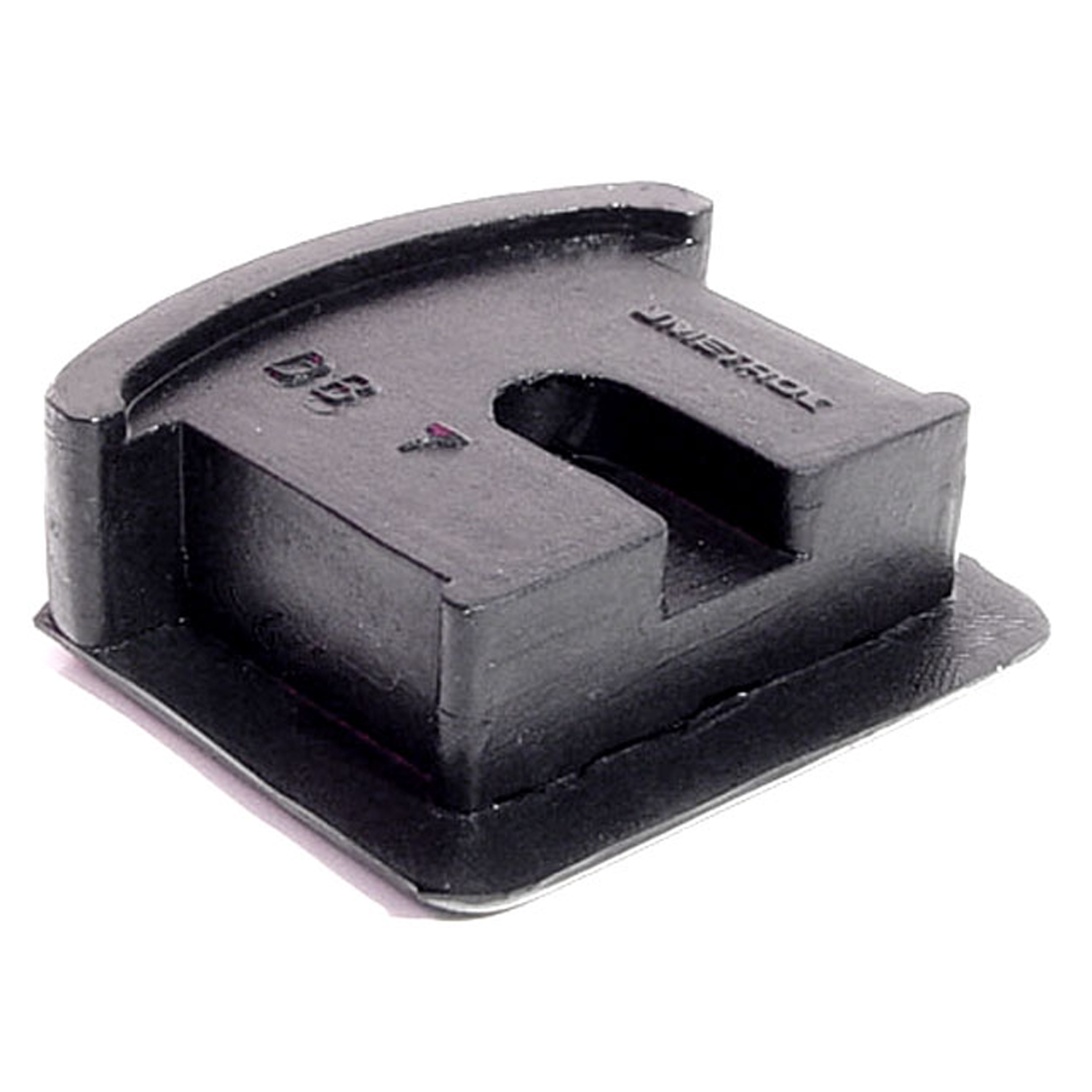 1931 Chevrolet AE Independence Truck Door Bumper. 1-7/16" high X 1-9/16" wide X 9/16" thick-DB 7Door Bumper. 1-7/16" high X 1-9/16" wide X 9/16" thick. Each
 1931 Chevrolet AE Independence Truck Glass Setting "U" Channel-LP 108-AGlass Setting "U" Channel. 7/16" wide X 1/2" deep; 1/4" inside channel width. Sold by the foot
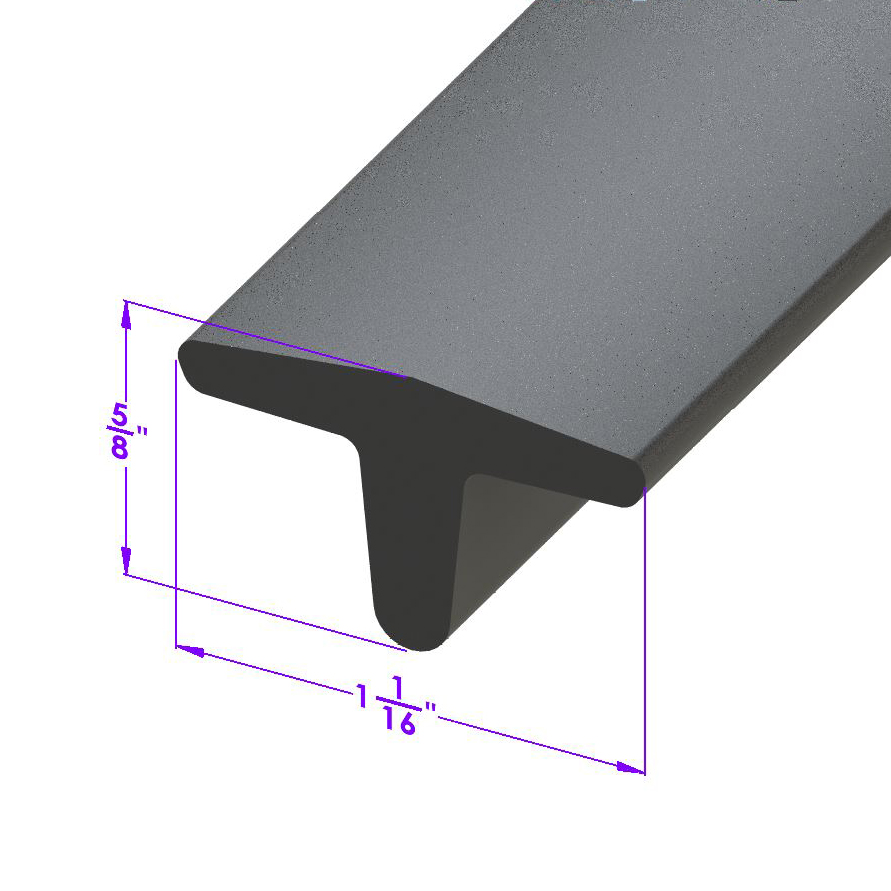 1931 Chevrolet AE Independence Truck Side window seal. Dense rubber. No metal core. 1 in-LP 95-ASide window seal. Dense rubber. No metal core. 1 in. W x 5/8 in. H. Per foot.
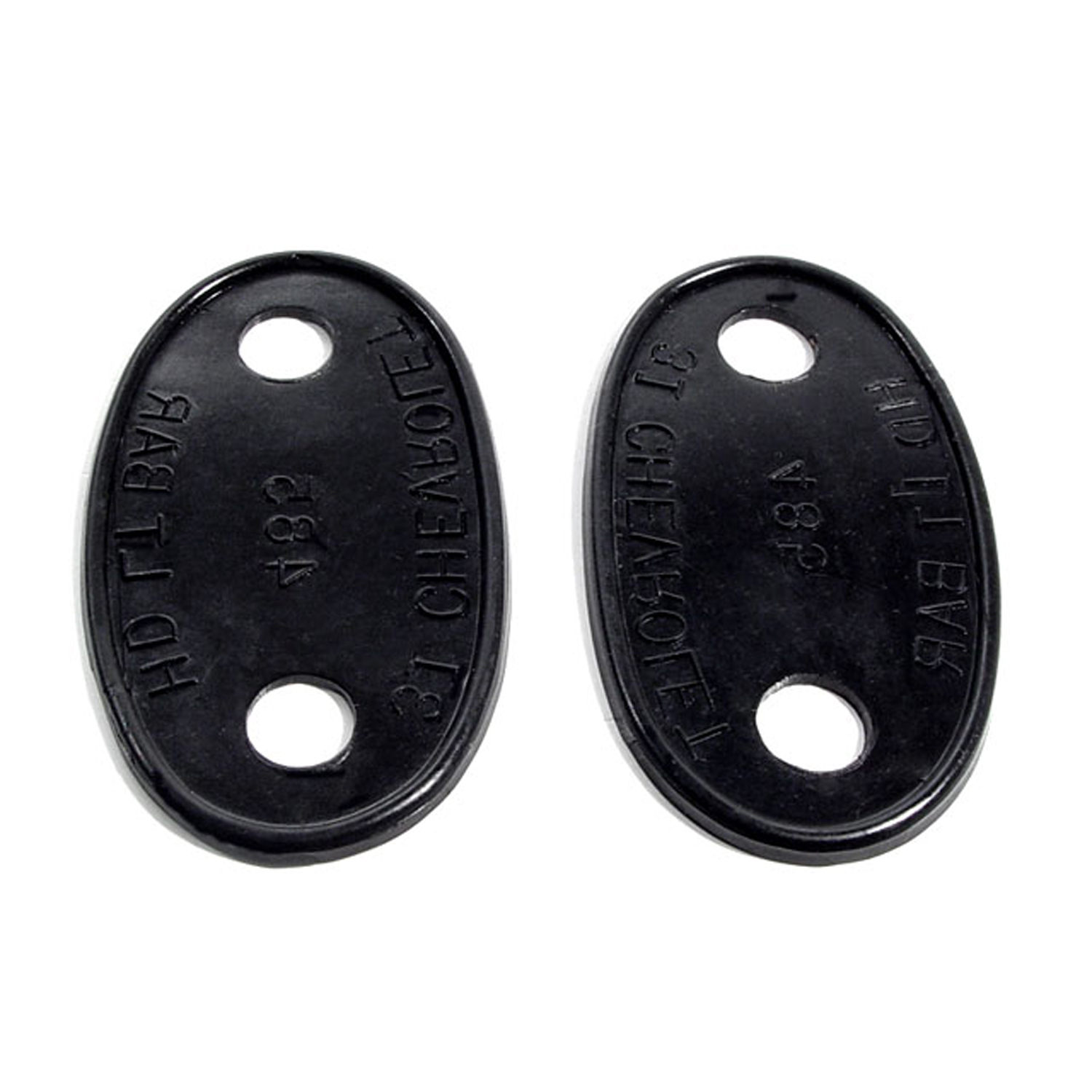 1931 Chevrolet AE Independence Truck Headlight Bar Pads. 1-7/8" wide X 3-1/4" long. Pair-MP 485Headlight Bar Pads. 1-7/8" wide X 3-1/4" long. Pair
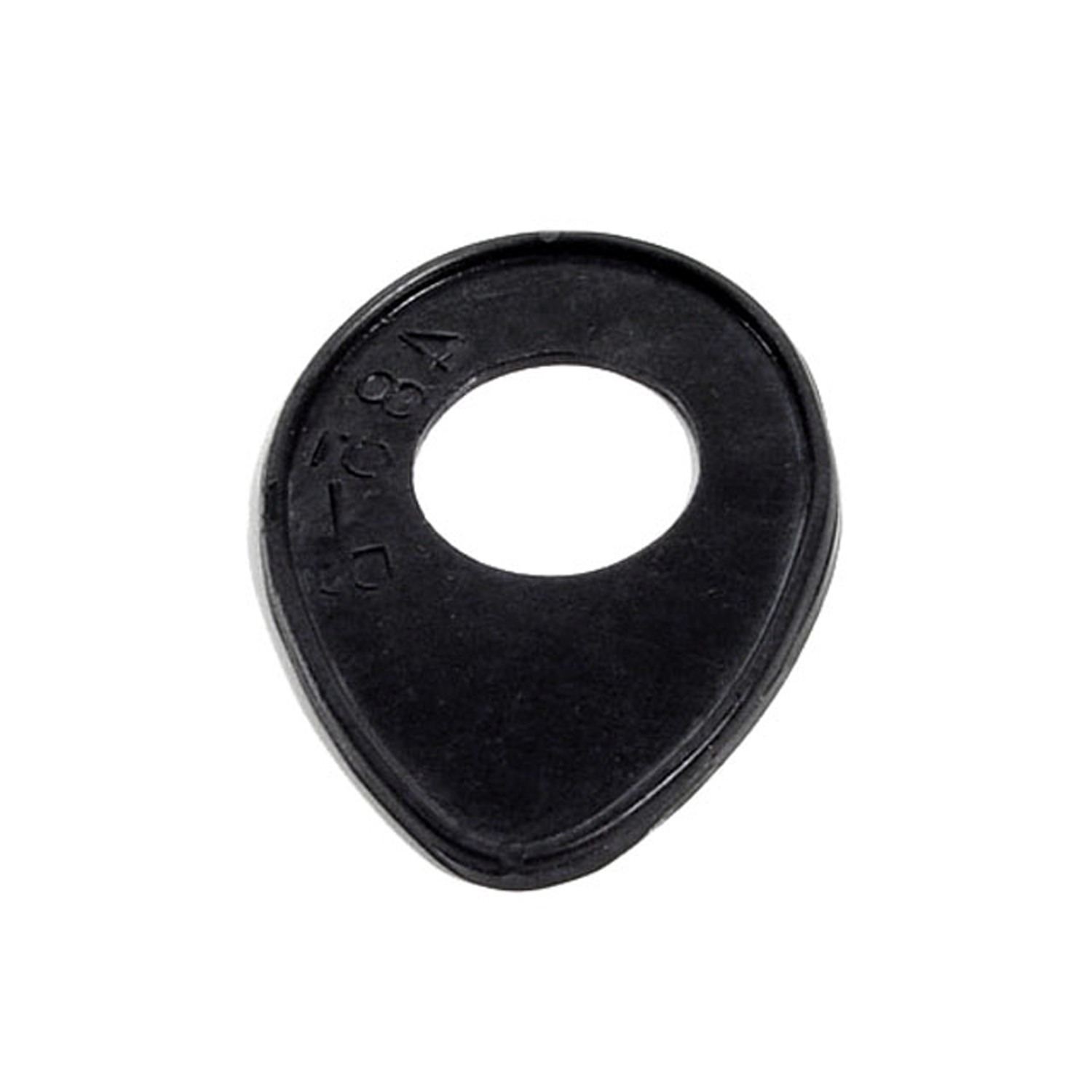 1931 Chevrolet AE Independence Truck Cowl Light Pad. 1-5/8" wide X 2-1/4" long. Each-MP 485-BCowl Light Pad. 1-5/8" wide X 2-1/4" long. Each
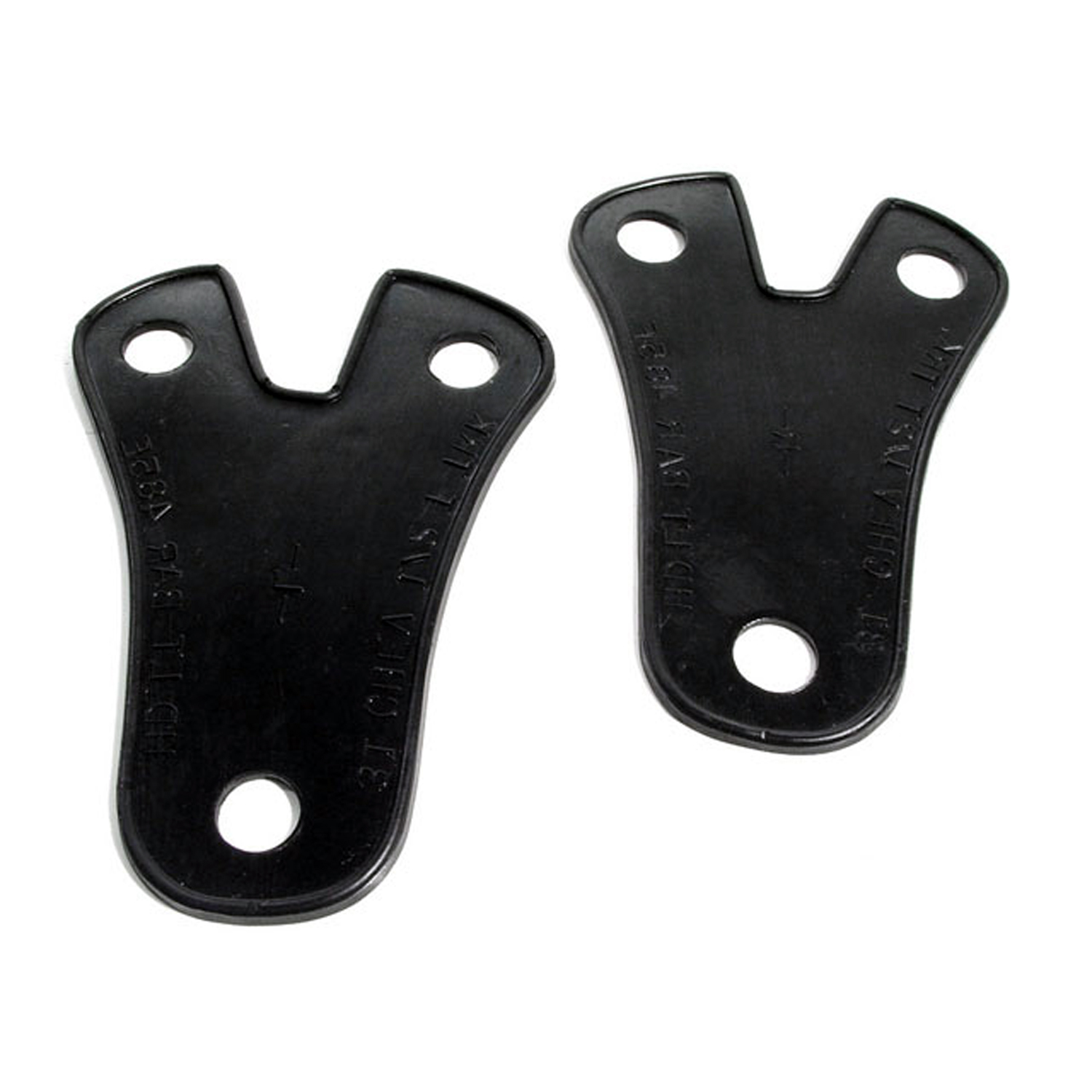 1931 Chevrolet AE Independence Truck Headlight Bar Pads. For 1/2 Ton. 3-3/4" wide X 5-1/2" long-MP 485-EHeadlight Bar Pads. For 1/2 Ton. 3-3/4" wide X 5-1/2" long. Pair R&L
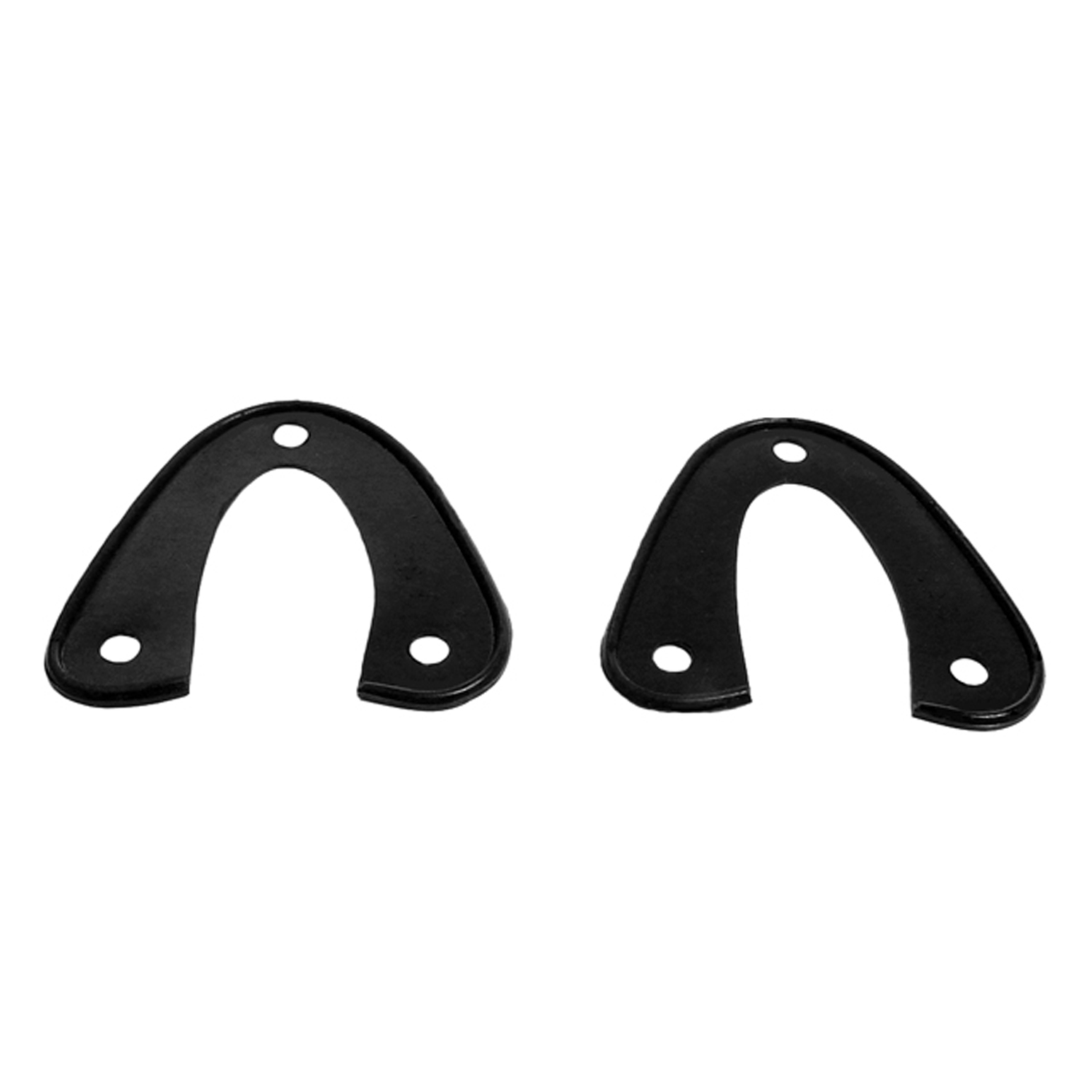 1931 Chevrolet AE Independence Truck Tail-light Pads. 3-5/8" X 3-5/8" long. Pair-MP 545Tail-light Pads. 3-5/8" X 3-5/8" long. Pair
 1931 Chevrolet AE Independence Truck Door Handle Ferrule Grommet. I.D. 11/16", O.D. 1-3/16"-MP 546-IDoor Handle Ferrule Grommet. I.D. 11/16", O.D. 1-3/16". Each
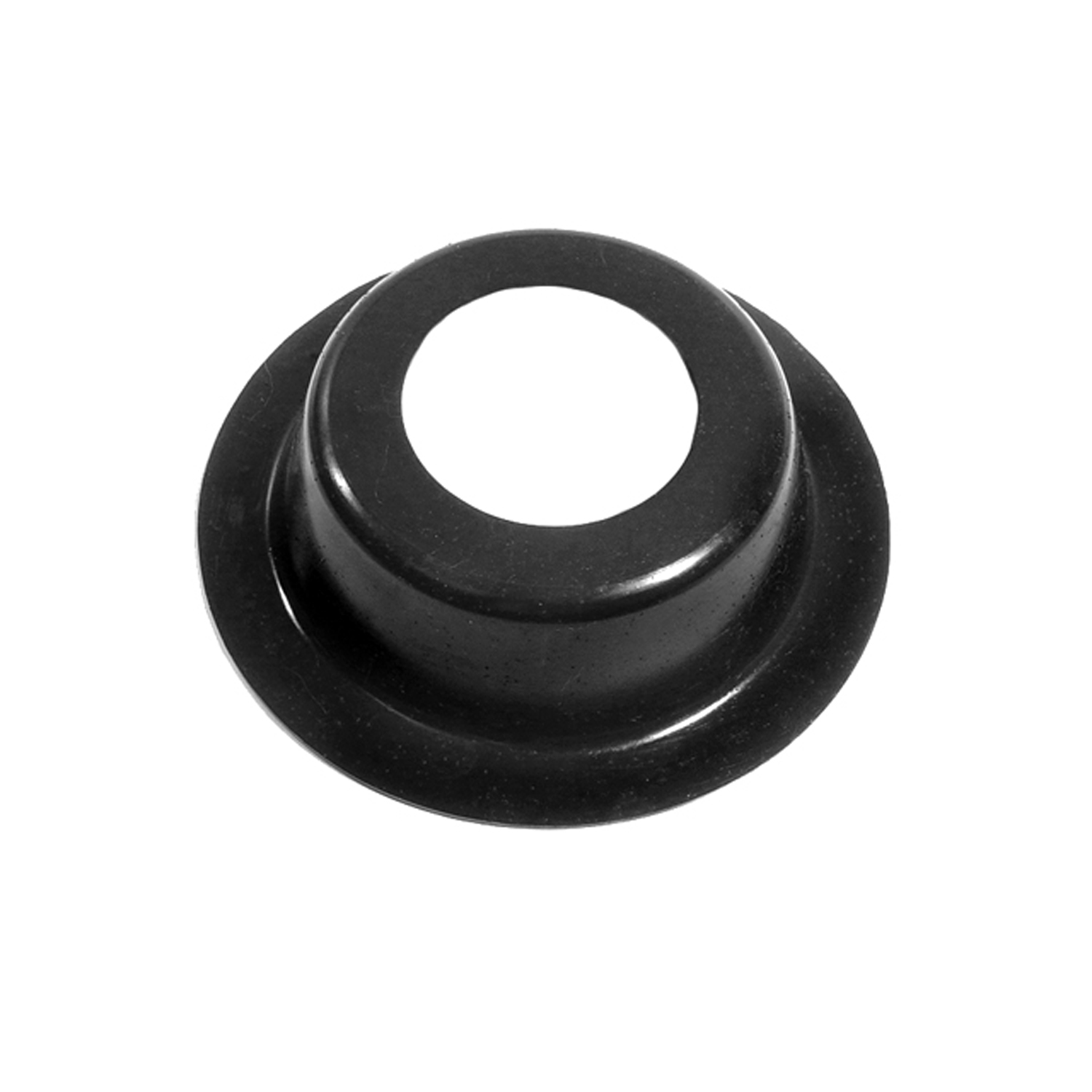 1931 Chevrolet AE Independence Truck Booster Brake Diaphragm. 7-1/2" O.D., 3" I.D., 1-7/8" deep-RP 32Booster Brake Diaphragm. 7-1/2" O.D., 3" I.D., 1-7/8" deep. Each
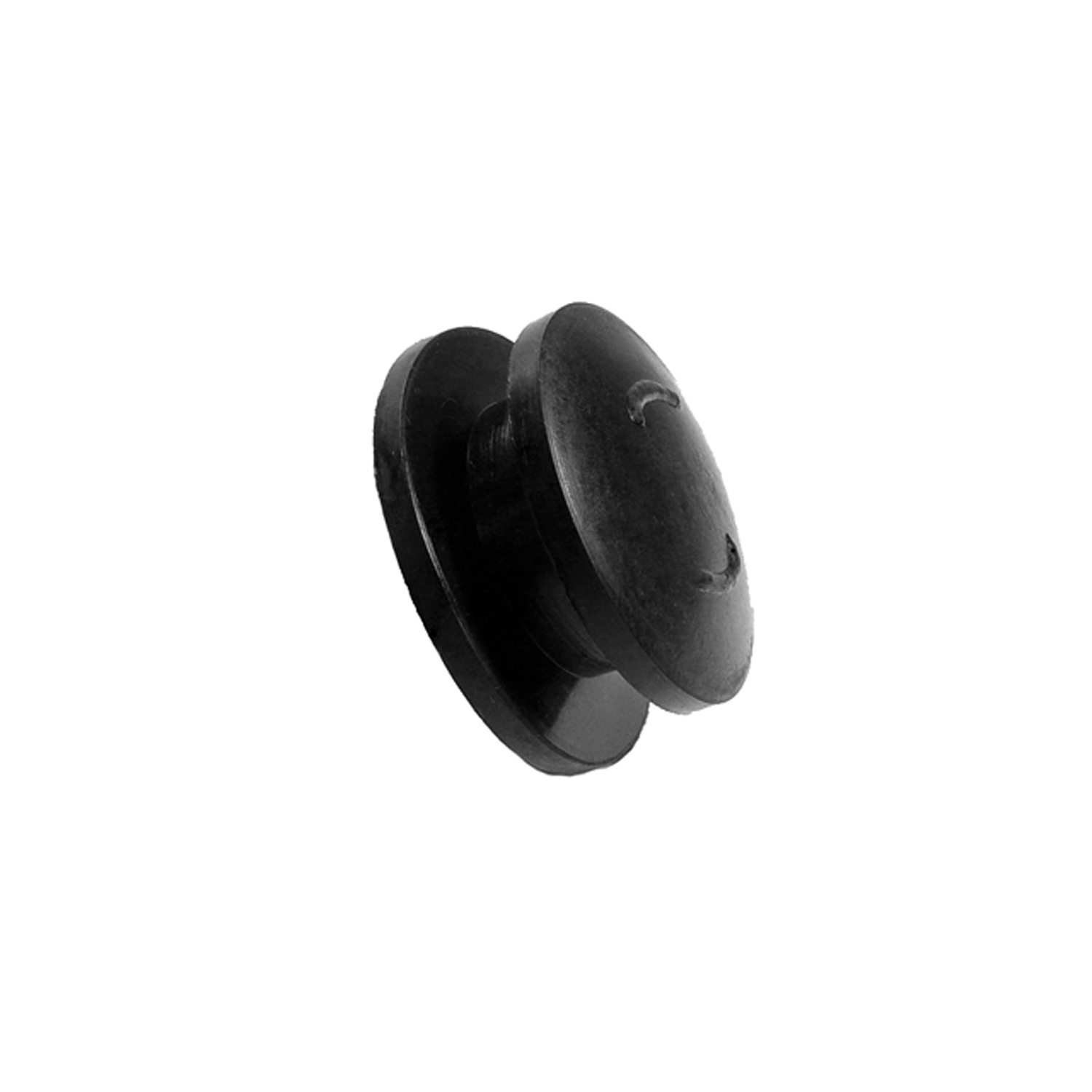 1931 Chevrolet AE Independence Truck Horn Button. 2-3/16" O.D., 1-1/8" I.D. Each-RP 600-AHorn Button. 2-3/16" O.D., 1-1/8" I.D. Each
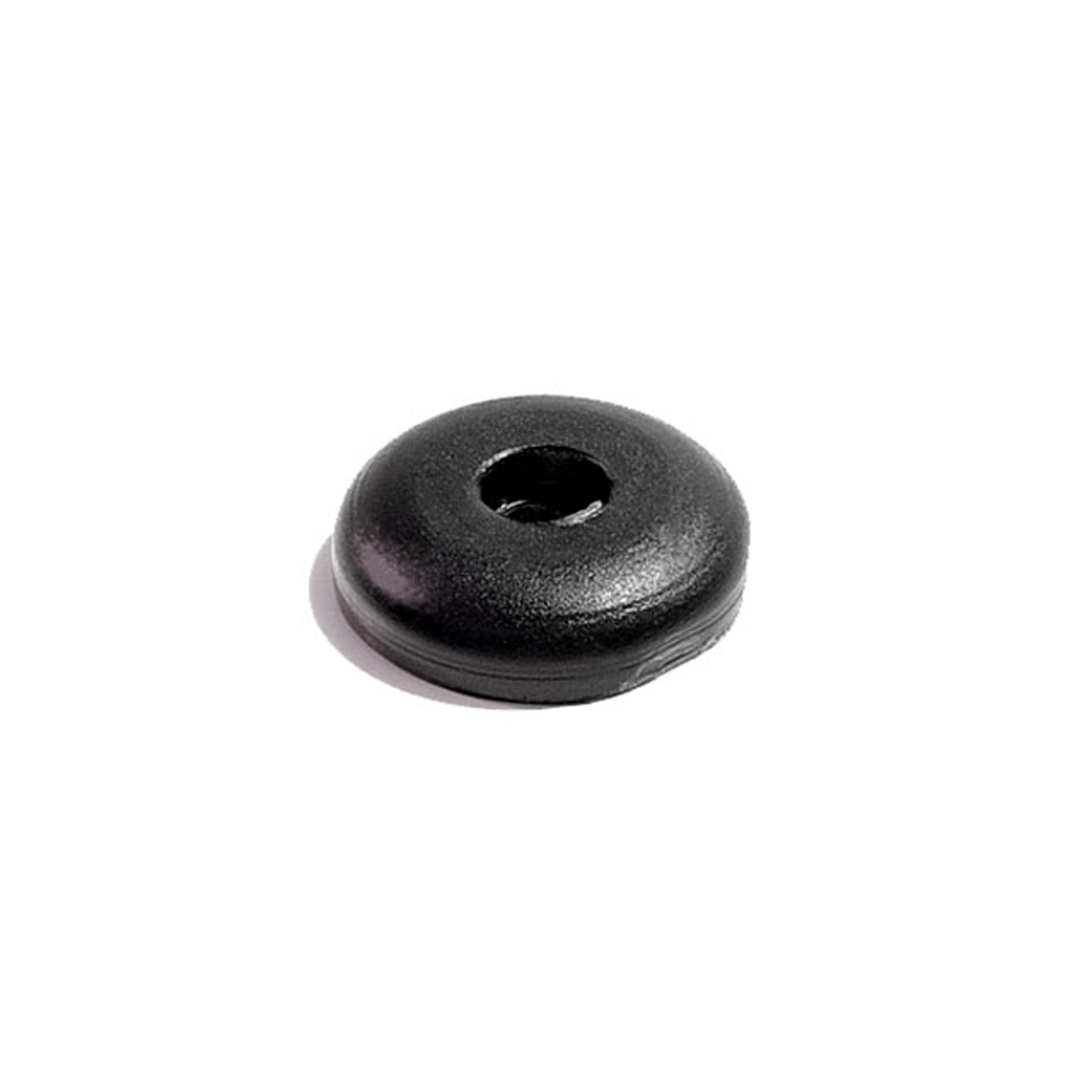 1931 Chevrolet AE Independence Truck Deck Lid Bumper, for Roadsters. Made with steel core-SB 102Deck Lid Bumper, for Roadsters. Made with steel core. 13/16" O.D., 3/16" I.D. Two used per car. Each
 1931 Chevrolet AE Independence Truck Door Bumper. 1" diameter X 1/4" thick Each-SB 60Door Bumper. 1" diameter X 1/4" thick Each
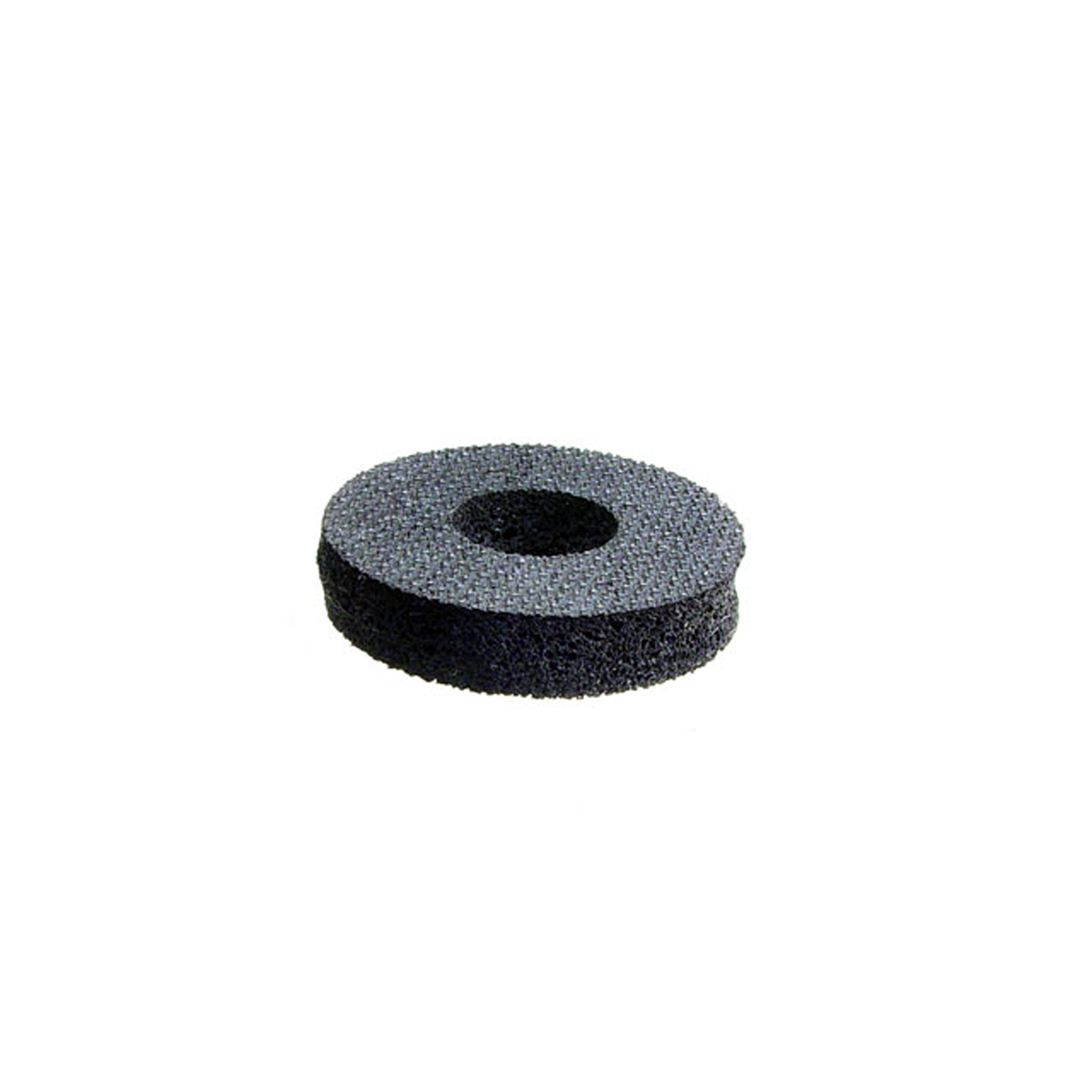 1931 Chevrolet AE Independence Truck Pressure Ring Washer. 1-7/8" O.D., 3/4" I.D., 3/8" thick.-SM 69Pressure Ring Washer for Interior Door Handles & Window Regulators. Fits between escutcheon plates & door panel. Made of sponge rubber. 1-7/8" O.D., 3/4" I.D., 3/8" thick. Each (Corvette: Use for heater hose washer @ firewall)
 1931 Chevrolet AE Independence Truck Flexible Rubber Window Channel-WC 32-14Flexible Rubber Window Channel. For Fisher Closed Bodies, except those using a stainless bead type. Used on side windows. 13/16" outer width X 6/16" outer depth, with a 5/16" inner channel width X 14" long. Each
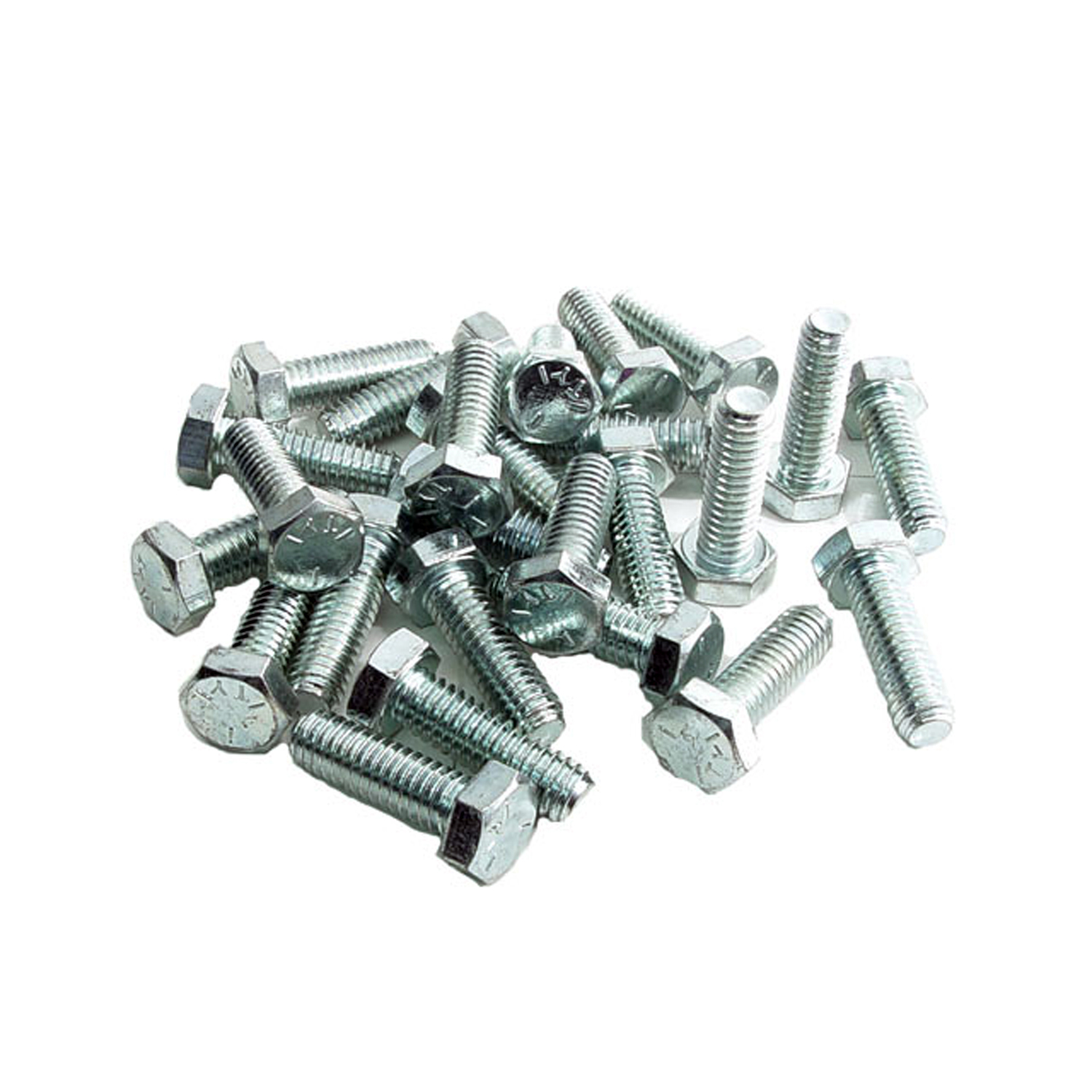 1931 Chevrolet AE Independence Truck Fender Bolts. For use with Fender Bolt Washers; WF 3001-WF 3000Fender Bolts. For use with Fender Bolt Washers; WF 3001. Zinc Chromate plated, high strength. 1" X 5/16". Set of 25
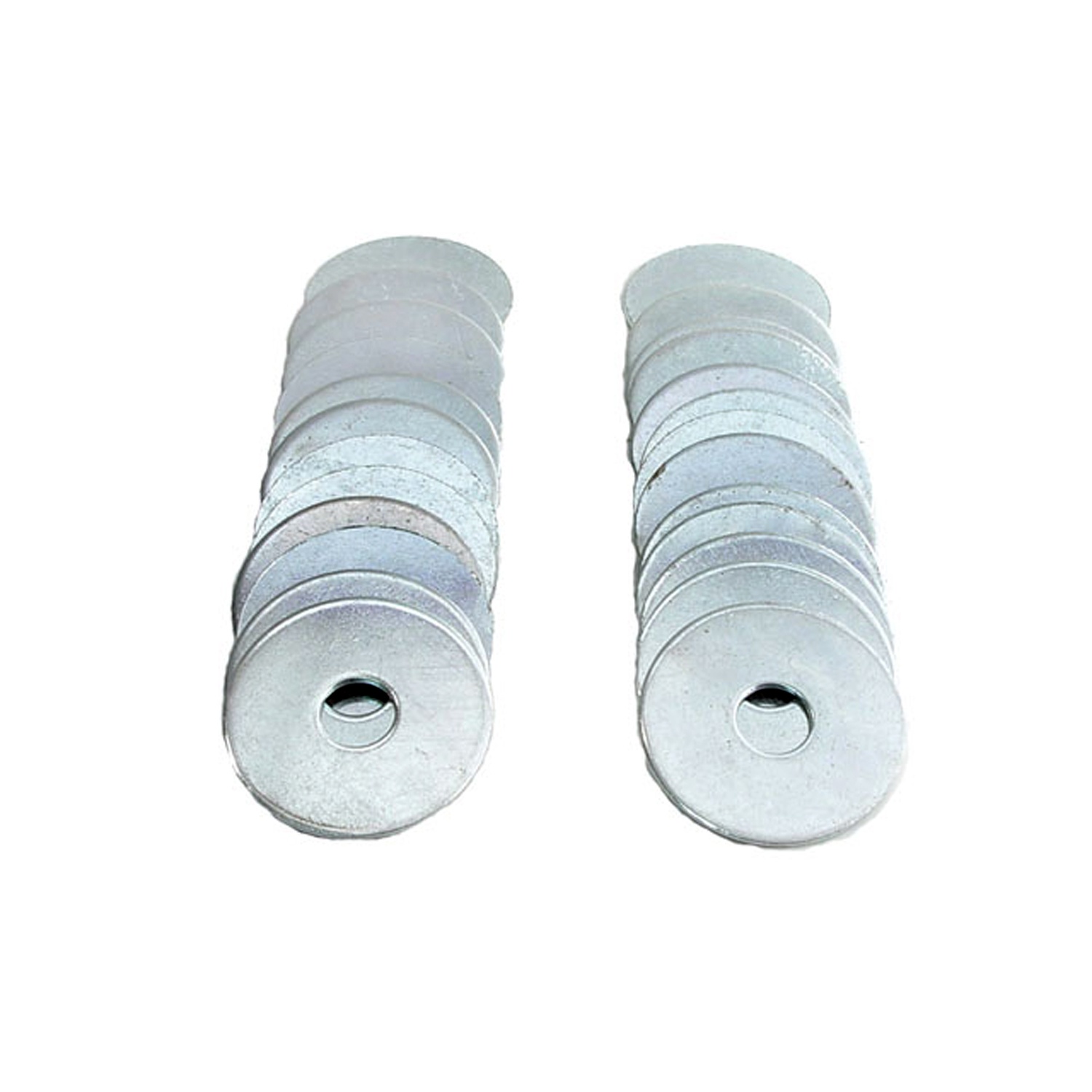 1931 Chevrolet AE Independence Truck Fender Bolt Washers. For use with Fender Bolts; WF 3000-WF 3001Fender Bolt Washers. For use with Fender Bolts; WF 3000. High quality, cadmium plated. 1-1/4" O.D., 3/8" I.D. Set of 25
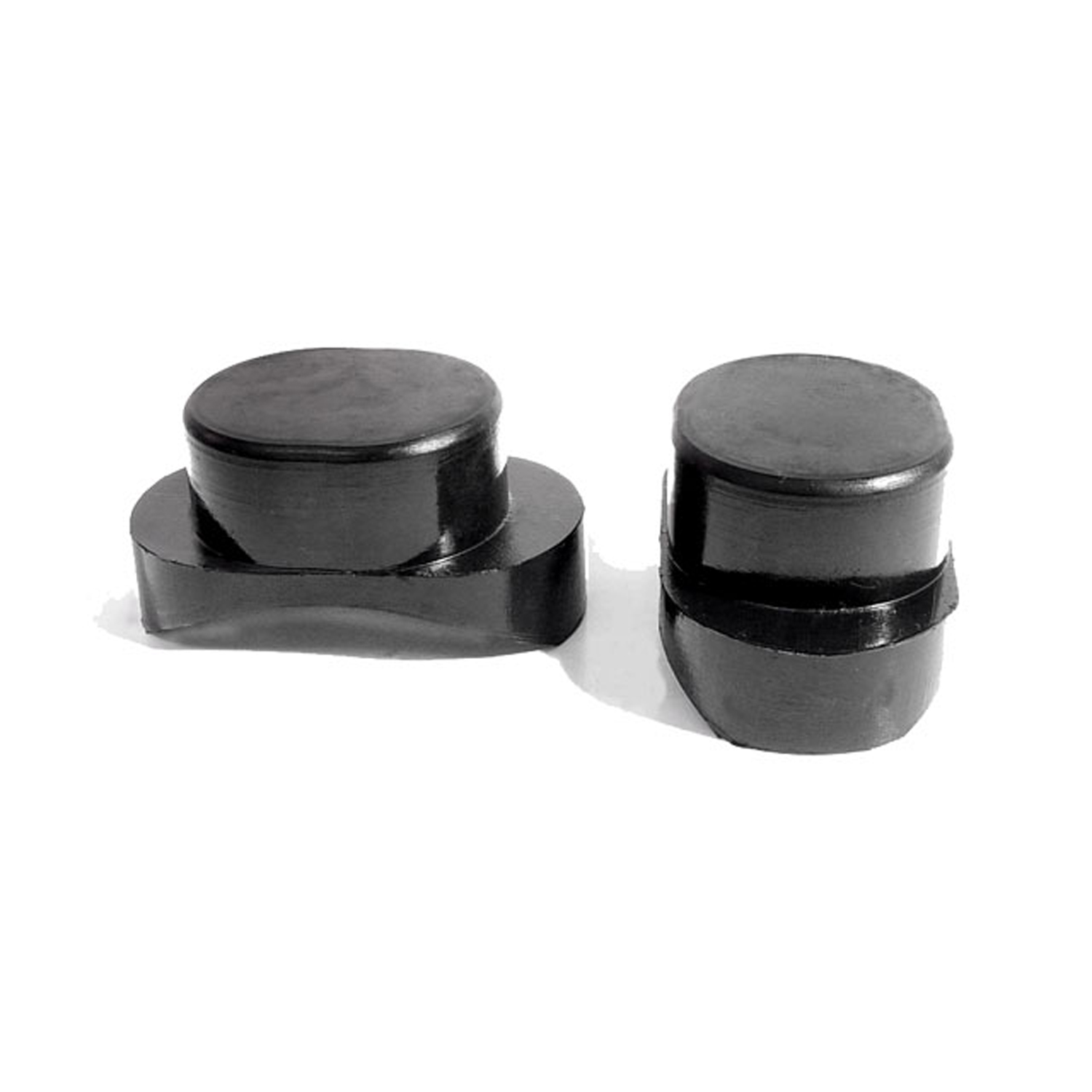 1931 Chevrolet AE Independence Truck Rear Axle and Spring Bumpers. Pair-XB 26Rear Axle and Spring Bumpers. Pair
Why Choose Metro?
For over 100 years, Metro Moulded Parts has been the pinnacle of quality in classic car restoration parts. Our commitment to precision and authenticity in every component ensures a perfect fit and an OEM-level appearance.
- Expert Craftsmanship & Quality: Each part is a testament to our dedication to reliability and perfection, crafted from original designs and thoroughly tested.
- Advanced Technology: We use cutting-edge techniques to create flawless, long-lasting parts that surpass others in performance.
- SuperSoft Sponge – The Ultimate Door Seal: Not only are our door seals 30% softer than competitors', but they're also guaranteed to never leak. They effectively reduce wind and road noise, enhancing your classic car's comfort and driving experience.
- Proudly American: Our parts are a product of American craftsmanship, made in the USA with a spirit of excellence and heritage.
- Unrivaled Warranty: We back our products with a 30-year industry-leading warranty, a testament to our confidence in their quality.
Join us in preserving the legacy of classic cars with parts that are crafted for perfection, not just made.