

Image of 1932 Chevrolet Confederate, Note: These illustrations use artistic license and may differ from actual historical models.
Performance Metrics
Fundamental Metrics
Emotional Appeal
MMP Rating
| Engine Specifications | |
|---|---|
| Engine: | Inline 6 |
| Displacement: | 194 cubic inches |
| Horsepower: | Estimated 60 HP |
| Torque: | 125 lb-ft |
| Compression Ratio: | Estimated 5.6:1 |
| Ignition System: | Distributor and coil |
| Cooling System: | Water-cooled |
| Performance Specifications | |
| 0-60 Time: | Not available due to the age of the vehicle |
| 1/4 Mile Time: | Not available due to the age of the vehicle |
| Top Speed: | 65 mph |
| Transmission and Drive | |
| Drive Type: | Rear-wheel drive |
| Transmission Type: | 3-speed manual |
| Fuel and Efficiency | |
| Fuel System Type: | Carburetor |
| MPG: | Estimated 15-20 MPG |
| Dimensions and Brakes | |
| Brakes: | Mechanical drum brakes |
| Wheelbase: | 107 inches |
| Weight: | 2,690 lbs |
Note: Specifications for classic cars are given to the best of our ability, considering the limited and variant data available.
1932 Chevrolet Confederate: A Six-Cylinder Star of the Depression Era
The 1932 Chevrolet Confederate brought a welcome dose of style and power to a country in the depths of the Great Depression. Built by the Chevrolet Motor Company, a division of General Motors, the Confederate was the company’s Series BA passenger car for the 1932 model year. Its freshened looks and smooth-running six-cylinder engine helped Chevrolet make a persuasive case against rivals, including Ford’s newly introduced V-8.
The name “Confederate” was Chevrolet’s model designation, not a special commemorative edition. One notable detail is that this car arrived in the same year Ford launched its famous flathead V-8. The two companies offered very different answers to the same question: how could an affordable car feel more capable and modern?
Streamlined Style and Cabin Details
The Confederate looked more composed and streamlined than many earlier cars. A tall, upright radiator grille anchored the front end, flanked by large, separate headlamps. Sweeping front fenders covered the tops of the wheels, while the hood’s side panels and restrained trim gave the car a clean, purposeful profile. Its long hood also gave the six-cylinder engine room to make a visual statement.
Inside, the Confederate offered a straightforward, comfortable cabin rather than luxury-car extravagance. Upholstery materials varied by body style and trim, with cloth and mohair commonly associated with period interiors. A broad dashboard, clear instruments, a large steering wheel, and simple controls made the car approachable for drivers accustomed to earlier vehicles. Restored examples may have replacement upholstery or refinished trim, so originality can vary considerably.
Paint choices depended on body style and factory specifications. Buyers could find dark, sober shades as well as more colorful finishes, and some bodies offered contrasting details. Black, maroon, blue, green, and gray are colors often seen on surviving cars or restorations, but a particular car’s original color should be confirmed from its paint traces or documentation rather than assumed from a modern listing.
Chevrolet offered a broad range of open and closed body styles, including coupes, coaches, sedans, and more sporting convertible or roadster types. Closed cars suited families and everyday travel, while open models delivered the most visual drama. The two-door coach and sedan are familiar survivors; the more distinctive open cars are especially sought after by collectors.
Chevrolet’s 1932 Engineering Play
The Confederate’s main mechanical attraction was its 194-cubic-inch, overhead-valve inline-six, rated at about 60 horsepower. That was a useful improvement over the previous year’s Chevrolet six and gave the car more flexibility for hills and highway travel. Power went to the rear wheels through a three-speed manual transmission.
In an era when many cars still relied on relatively modest power and basic equipment, Chevrolet combined a six-cylinder engine with a relatively accessible price. The engine’s smooth delivery was a practical selling point: it did not have the V-8’s cylinder count, but it offered dependable, even power and a less complicated ownership proposition for many buyers.
The Confederate also reflected the industry’s gradual move toward more integrated styling. Its fenders, hood, grille, and body formed a more unified visual package than the upright, separate-looking components of many earlier cars. It was not a radical break from the past, but it helped make the family car look more modern without sacrificing the familiar format customers expected.
Road Manners and Period Performance
Exact performance figures vary with body style, gearing, mechanical condition, and testing method. As a period Chevrolet with roughly 60 horsepower, a Confederate in good tune could reach about 65 to 70 mph under favorable conditions. A reasonable modern estimate for 0-to-60-mph acceleration is around 25 to 30 seconds, though many owners would rarely push a nearly century-old example that hard. These are estimates, not guaranteed factory test figures.
Behind the wheel, the engine’s character is part of the appeal. The six produces a steady, mechanical rumble rather than the sharp bark of a V-8. The three-speed gearbox requires deliberate shifts, and the large steering wheel provides leverage for the car’s unassisted steering. Compared with a modern car, the driver has more to do: anticipate stops, plan gear changes, and leave generous space in traffic.
Leaf springs and period suspension components give the Confederate a traditional, upright ride. It can absorb ordinary road imperfections, but rough pavement produces more movement than a modern suspension would. On winding roads, expect slower steering response and noticeable body lean. Its four-wheel mechanical brakes require more anticipation and pedal effort than modern hydraulic systems, making careful adjustment and sound brake components essential.
Owning a Confederate Today
Today, most 1932 Confederates are enjoyed as show cars, touring cars, or occasional-use classics rather than daily transportation. A well-sorted example can join local events and vintage-car tours, but modern traffic speeds, limited braking performance, and the absence of contemporary safety features make route choice and defensive driving important.
The basic six-cylinder layout is relatively accessible to an experienced hobbyist, and many routine jobs are straightforward by classic-car standards. That does not mean every repair is simple: age, previous modifications, and worn components can turn a basic tune-up into a parts hunt. Mechanical brakes need regular inspection and adjustment, while cooling, ignition, fuel delivery, tires, and steering deserve close attention before road use. Parts availability is generally better for common service items than for rare body trim or model-specific pieces.
Reliability depends less on the badge than on the individual car’s condition. A carefully restored Confederate can be an enjoyable touring machine; a neglected one may need extensive work even if the engine starts. Buyers should inspect the frame, body structure, brakes, and drivetrain, and should verify that the car’s paperwork and identification details are consistent.
Confederate Facts and Common Criticisms
The Confederate competed in a particularly memorable year for American cars: 1932 also brought Ford’s flathead V-8 to market. That timing makes the Chevrolet a useful snapshot of the era’s engineering choices, with its smooth inline-six standing alongside a rival’s more powerful V-8 selling point.
Chevrolet produced an estimated 300,000-plus passenger cars for the 1932 model year; commonly cited figures are around 323,000, though totals can differ depending on what is counted. That makes the Confederate far from a one-off rarity, but survival is another matter. Many cars were driven hard, dismantled, or lost to rust, and surviving examples vary widely in completeness and originality.
There is no single celebrity connection or record-breaking achievement that defines the Confederate’s history. Its stronger claim is its place in the mass market: it gave Depression-era buyers a relatively modern-looking car with a smooth six-cylinder engine at a time when affordability mattered enormously.
Common criticisms are familiar to anyone stepping into a prewar car. The Confederate is slow by modern standards, its steering and braking demand effort, and its cabin lacks contemporary safety equipment. Those are not surprises so much as reminders that it was designed for a very different road system and driving culture.
Collector Values and Availability
Values depend heavily on body style, originality, restoration quality, and mechanical condition. As a broad 2026 market guide, a project car may fall around $5,000 to $15,000, while a usable driver or older restoration might bring roughly $15,000 to $30,000. A high-quality restored car can reach about $30,000 to $55,000, with particularly desirable open models or exceptional examples sometimes selling for more. These are estimates, not appraisals, and regional demand can shift prices substantially.
Confederates appear on the market with some regularity because production was substantial, but the best documented, correctly restored, and less common body styles are much harder to find. Over the long term, quality examples have generally held collector interest and may appreciate, but values are not guaranteed to rise. Restoration costs can also exceed the value of an average finished car, so a careful pre-purchase inspection is essential.
Why the 1932 Confederate Still Matters
The 1932 Chevrolet Confederate combines streamlined early-1930s styling, an accessible six-cylinder engine, and the practical character of a mass-produced classic. It was neither the fastest car of its day nor a technological revolution, but it gave Chevrolet a strong response in a fiercely competitive year and helped define what a modern, affordable American car could look like.
Nearly a century later, its appeal is easy to understand: handsome proportions, honest mechanical character, and a direct connection to a pivotal moment in automotive history. The Confederate is a reminder that a great classic does not have to be the rarest or most powerful car on the road to leave a lasting impression.
1932 Chevrolet Confederate Catalog of Parts
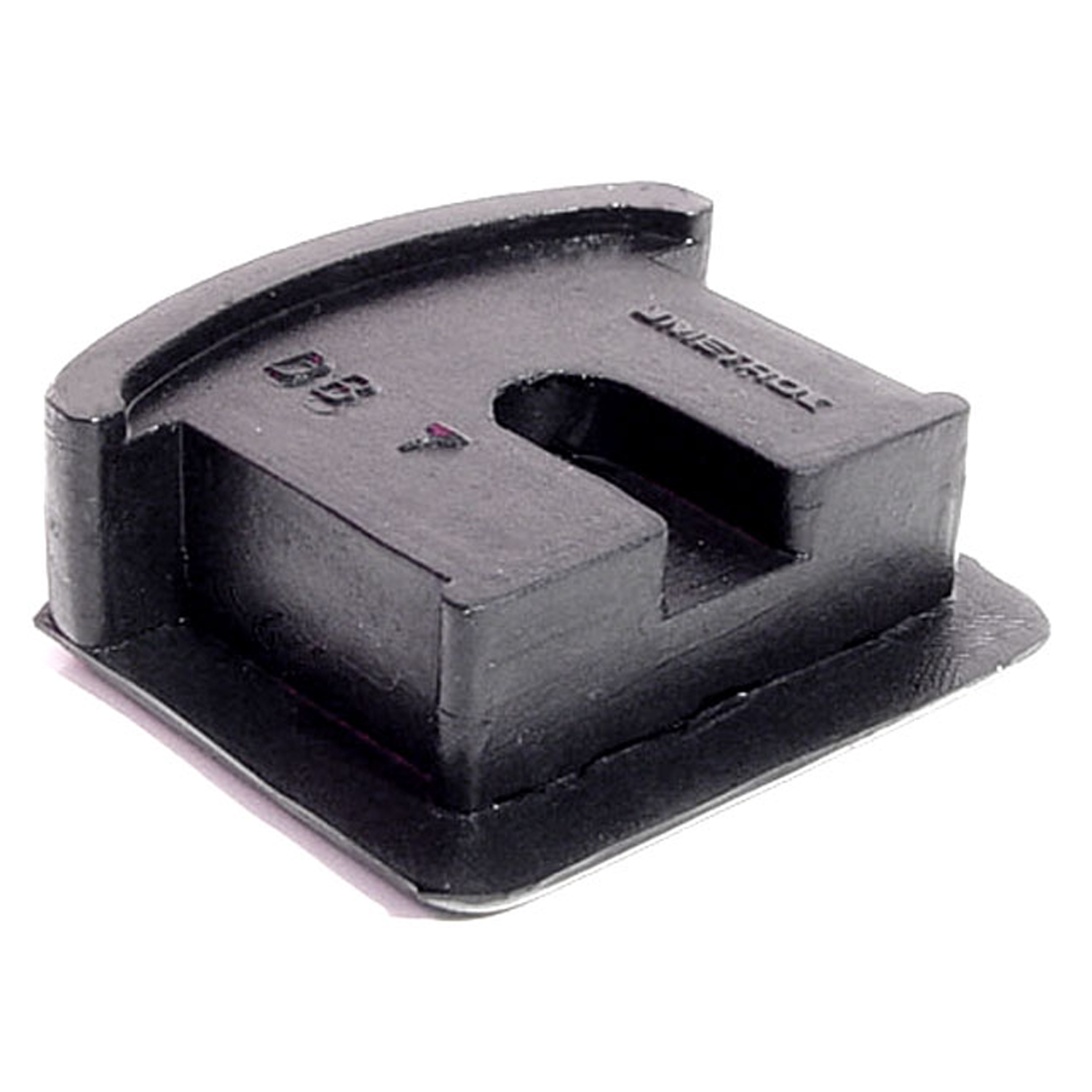 1932 Chevrolet Confederate Door Bumper. 1-7/16" high X 1-9/16" wide X 9/16" thick-DB 7Door Bumper. 1-7/16" high X 1-9/16" wide X 9/16" thick. Each
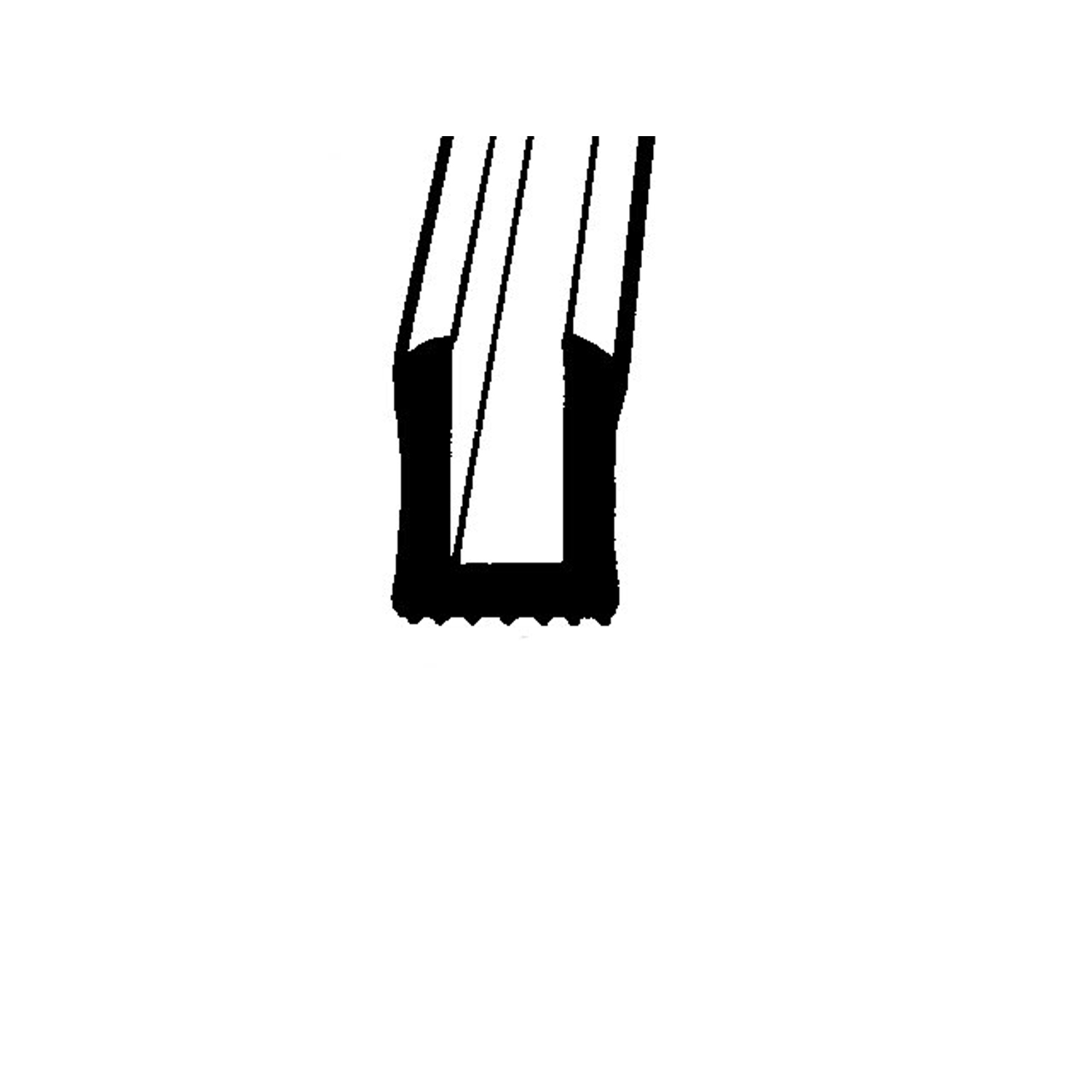 1932 Chevrolet Confederate Glass Setting "U" Channel-LP 108-AGlass Setting "U" Channel. 7/16" wide X 1/2" deep; 1/4" inside channel width. Sold by the foot
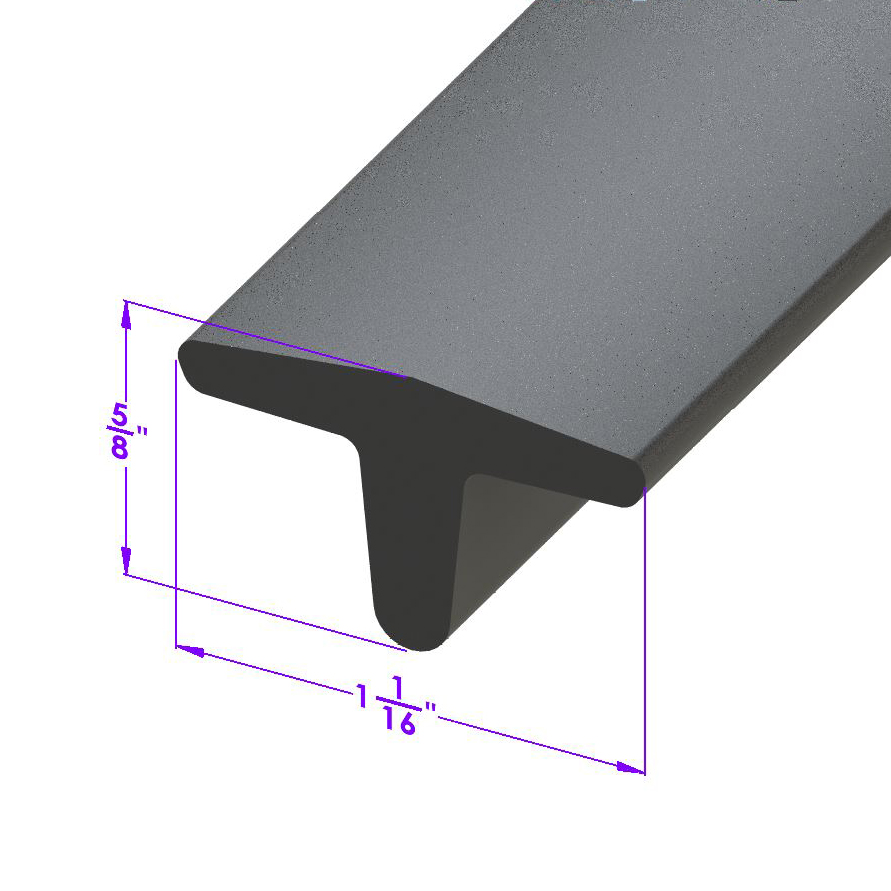 1932 Chevrolet Confederate Side window seal. Dense rubber. No metal core. 1 in-LP 95-ASide window seal. Dense rubber. No metal core. 1 in. W x 5/8 in. H. Per foot.
 1932 Chevrolet Confederate Front motor mount-MM 1Front motor mount. Fits all '32 Chevy passenger cars and Sedan Delivery (BA/BB); '32-'42 Chevy pickups; '33-'55 Chevy Commercial and Utility (1st Series) vehicles; '39-'54 GMC pickups. 1-3/8 in. W x 7-5/8 in. L. Replaces OEM#'s 3657520/37339939. One used per vehicle. Each.
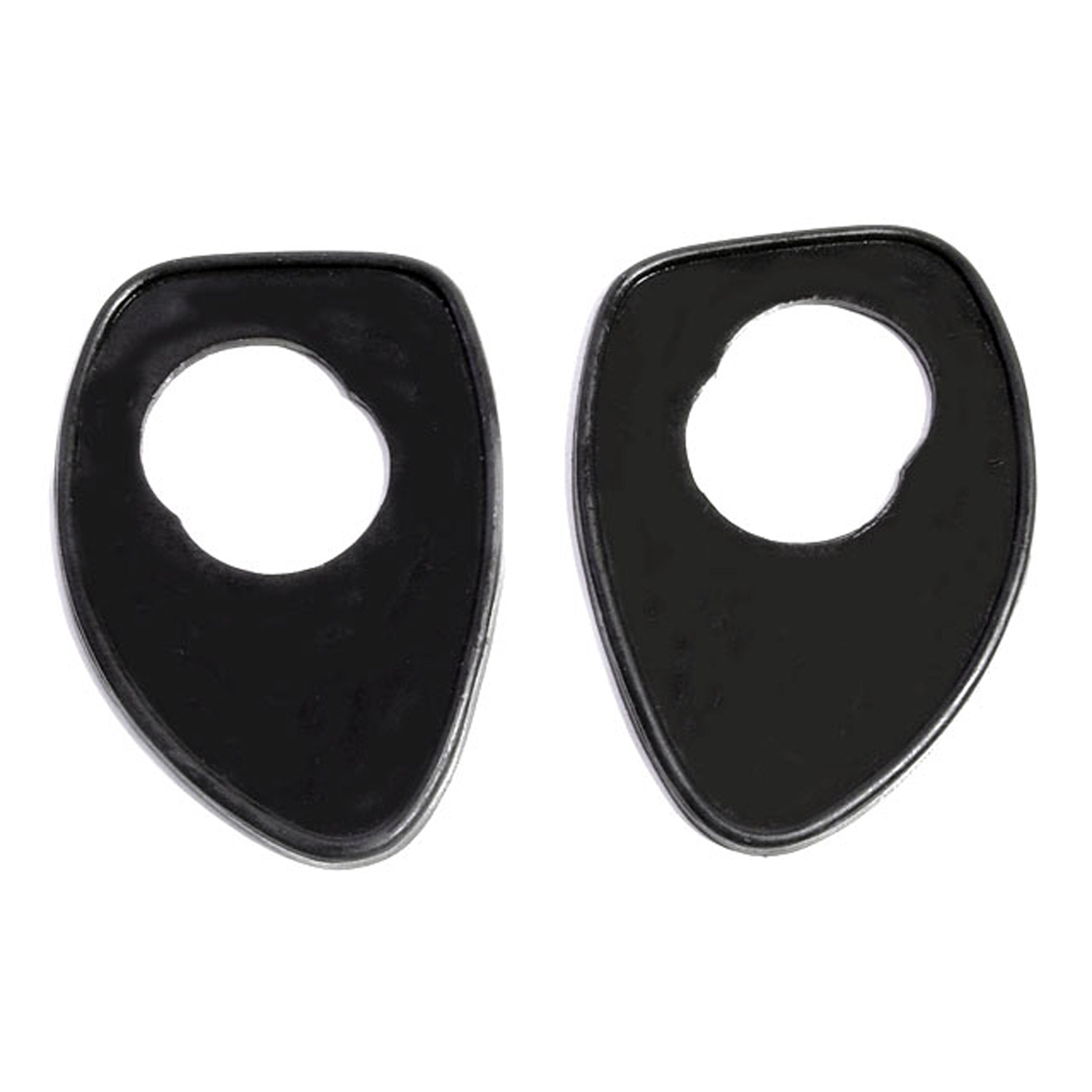 1932 Chevrolet Confederate Windshield Post Pads. For Roadster. 2-1/4" wide X 3" long-MP 480Windshield Post Pads. For Roadster. 2-1/4" wide X 3" long. Pair
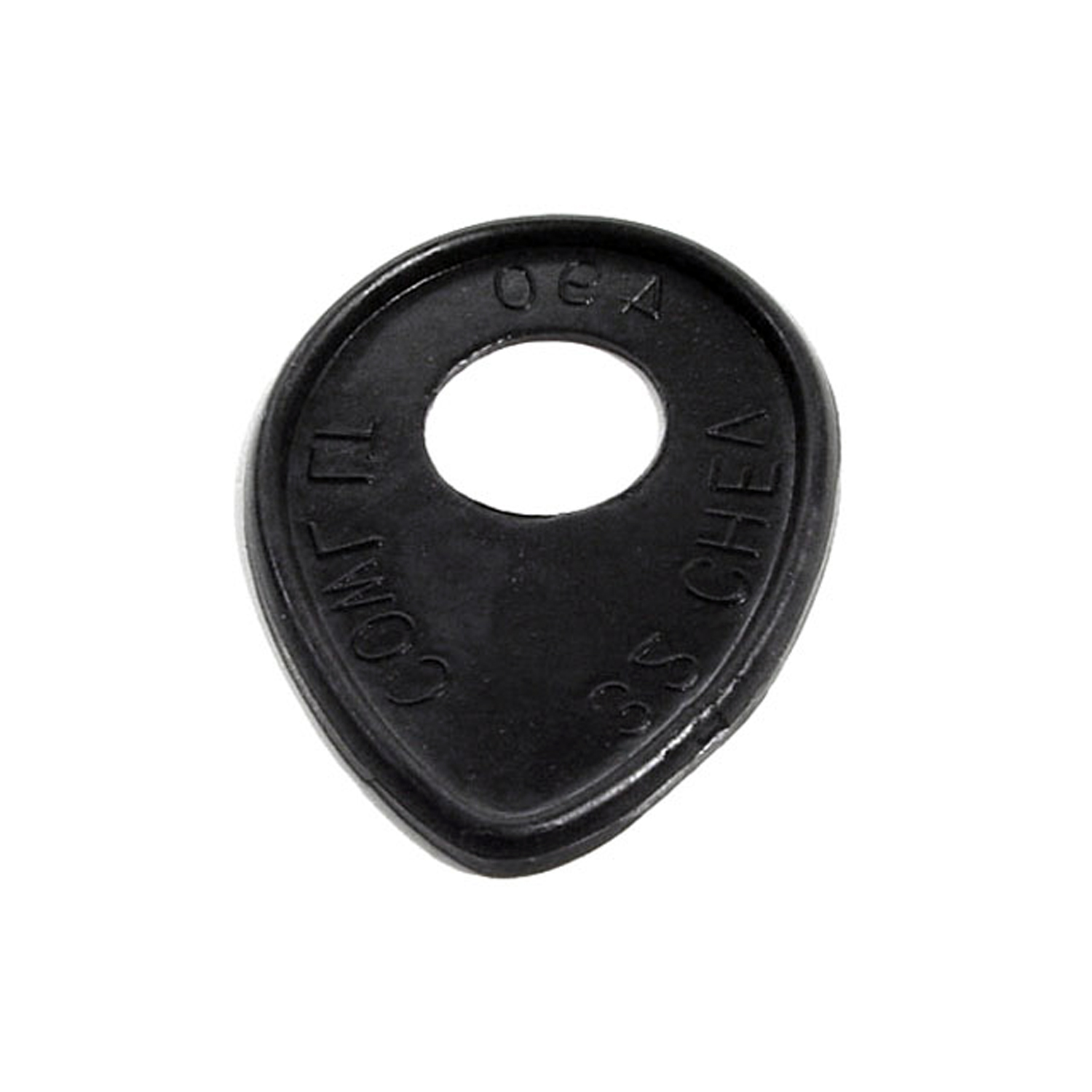 1932 Chevrolet Confederate Cowl Light Pad. 1-7/8" wide X 2-1/2" long. Each-MP 490Cowl Light Pad. 1-7/8" wide X 2-1/2" long. Each
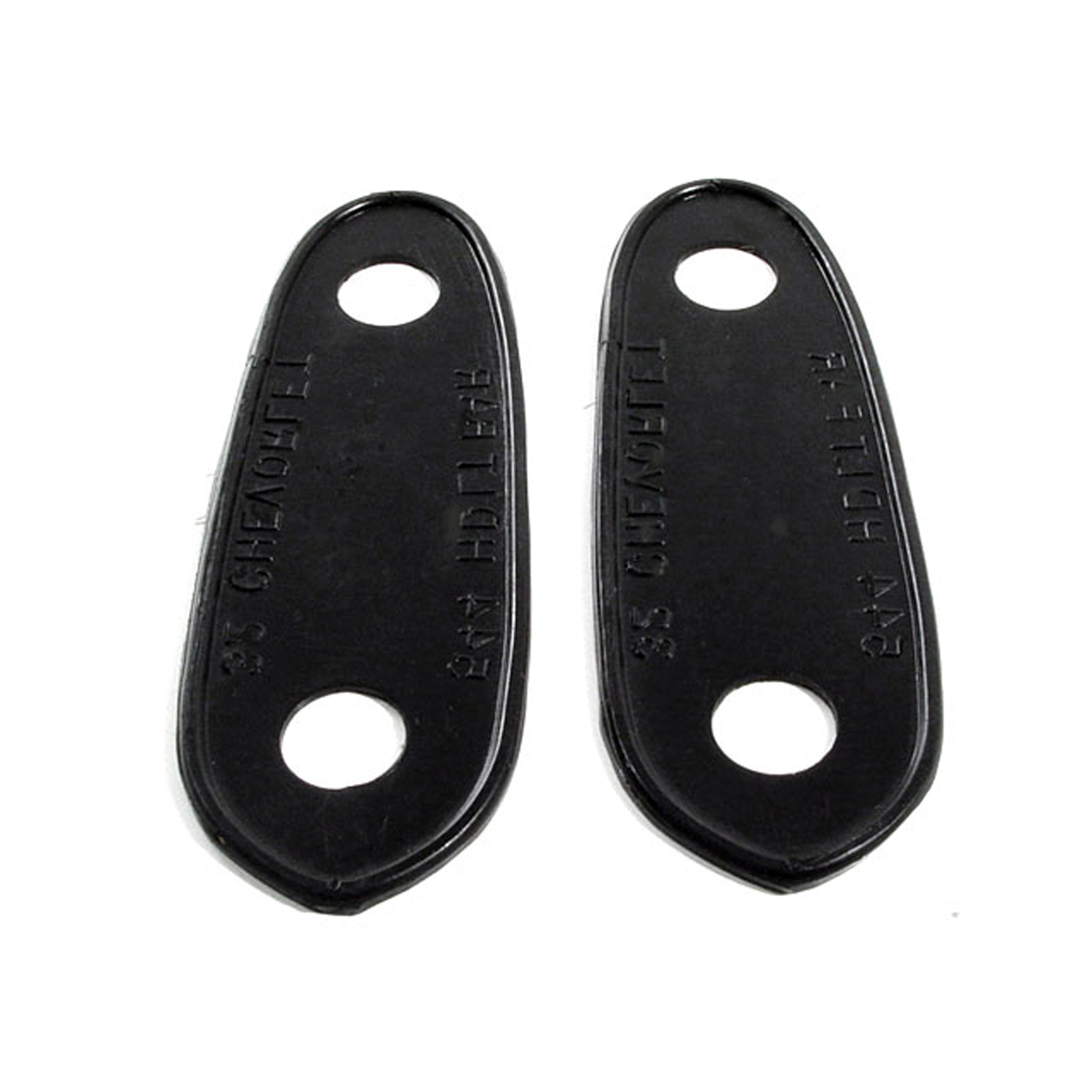 1932 Chevrolet Confederate Headlight Bar Pads. 1-7/8" wide X 5-3/8" long. Pair-MP 544Headlight Bar Pads. 1-7/8" wide X 5-3/8" long. Pair
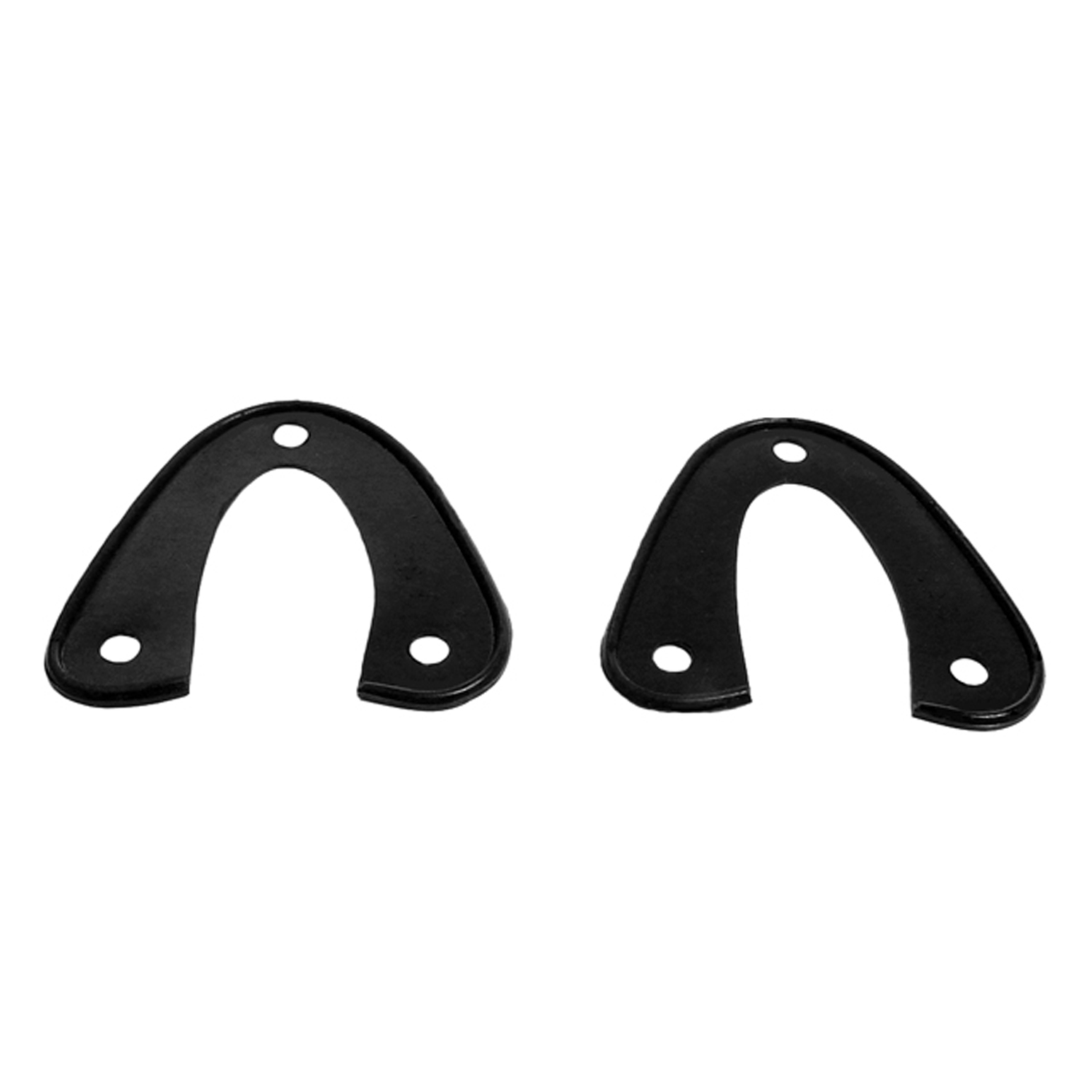 1932 Chevrolet Confederate Tail-light Pads. 3-5/8" X 3-5/8" long. Pair-MP 545Tail-light Pads. 3-5/8" X 3-5/8" long. Pair
 1932 Chevrolet Confederate Door Handle Ferrule Grommet. I.D. 11/16", O.D. 1-3/16"-MP 546-IDoor Handle Ferrule Grommet. I.D. 11/16", O.D. 1-3/16". Each
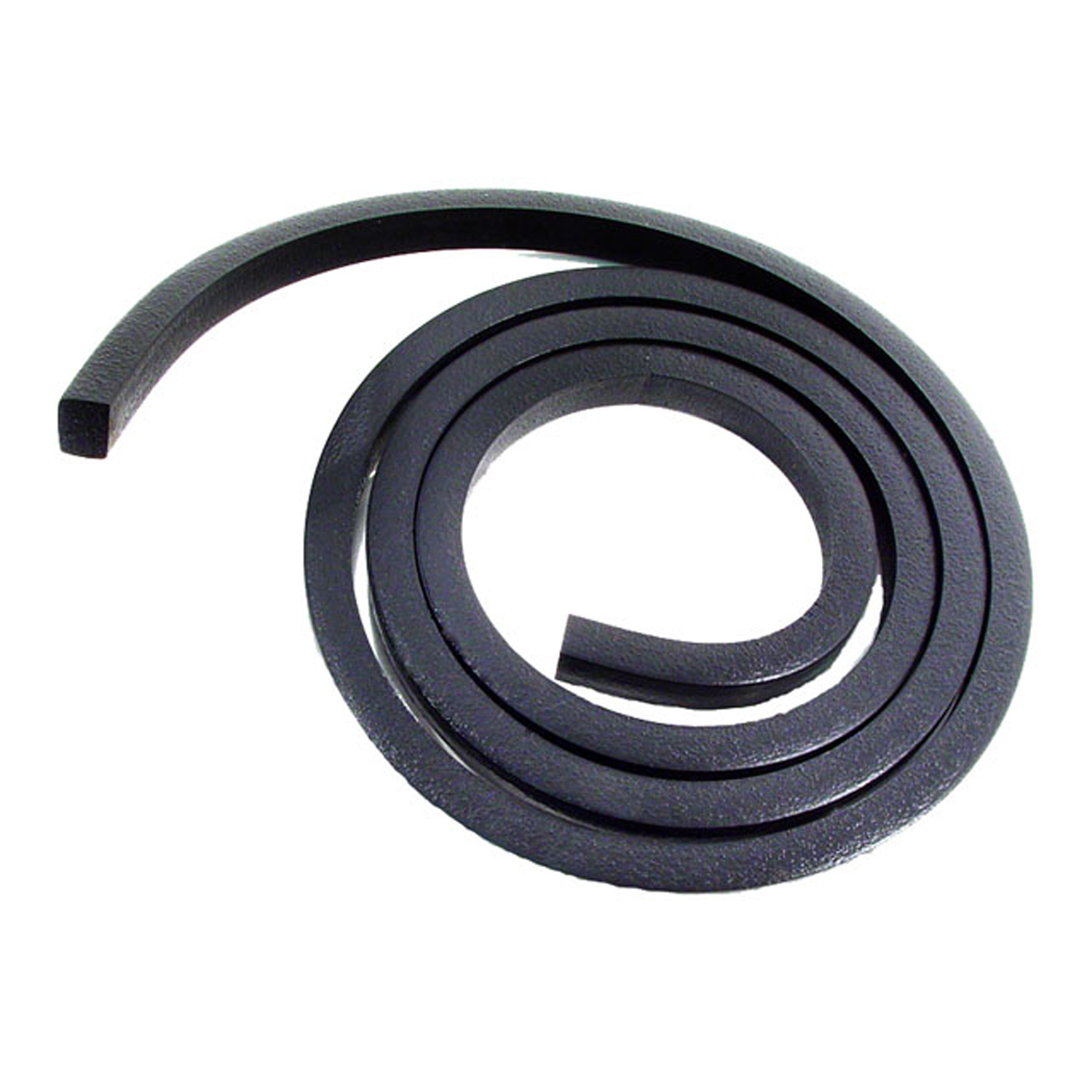 1932 Chevrolet Confederate Cowl Vent Seal-RP 100-CCowl Vent Seal. 47" long piece of black, skin-covered sponge. End is 3/8" wide X 5/16" high. Each
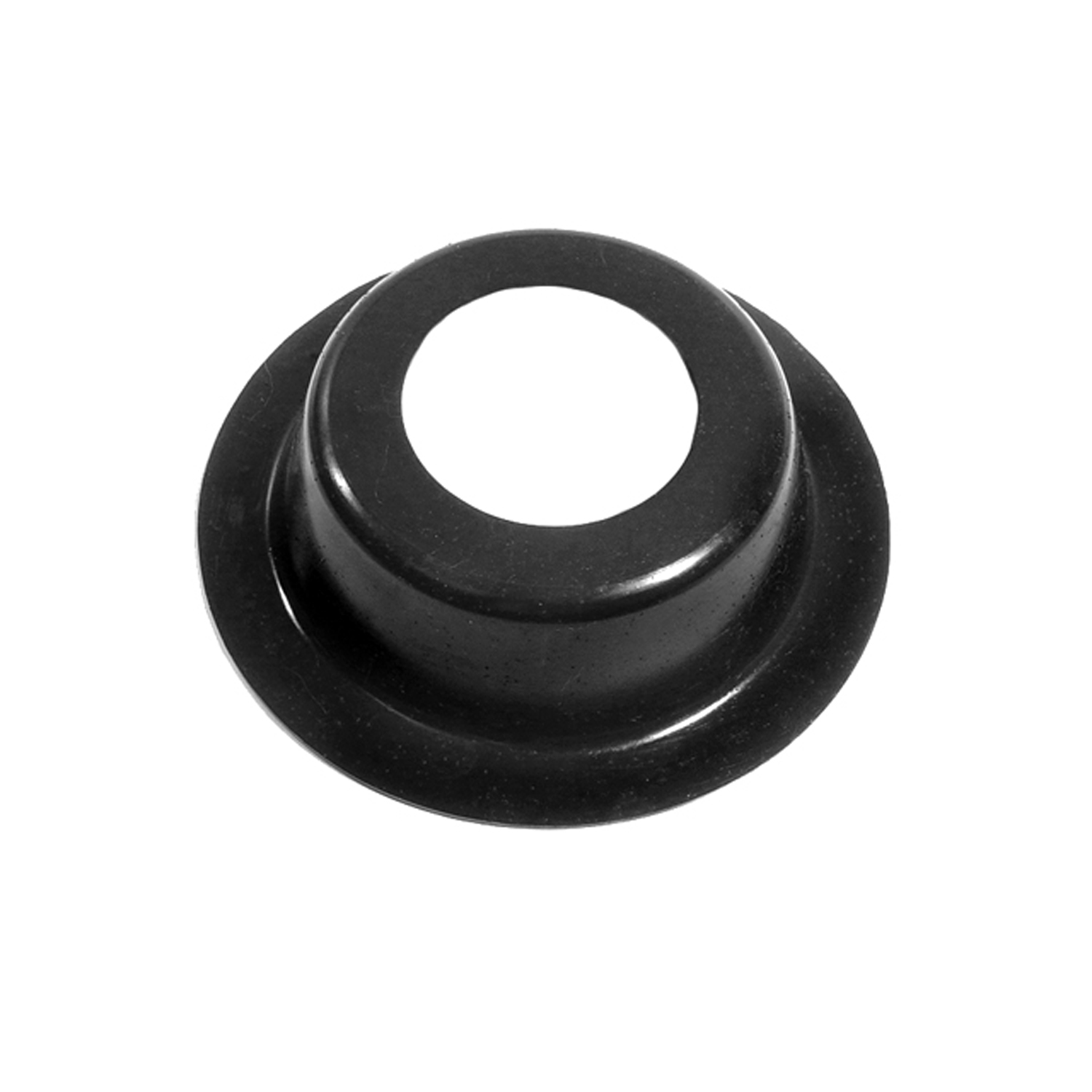 1932 Chevrolet Confederate Booster Brake Diaphragm. 7-1/2" O.D., 3" I.D., 1-7/8" deep-RP 32Booster Brake Diaphragm. 7-1/2" O.D., 3" I.D., 1-7/8" deep. Each
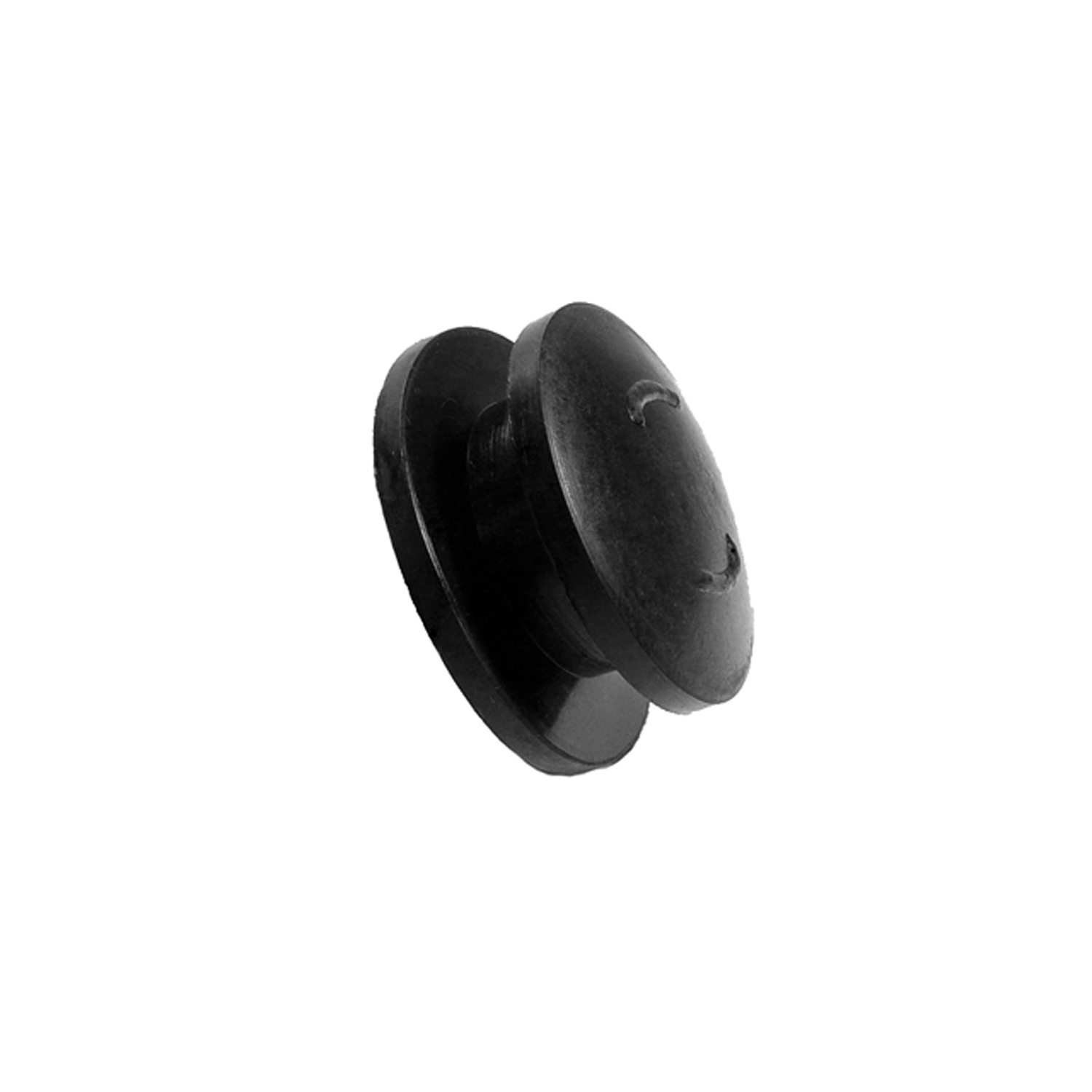 1932 Chevrolet Confederate Horn Button. 2-3/16" O.D., 1-1/8" I.D. Each-RP 600-AHorn Button. 2-3/16" O.D., 1-1/8" I.D. Each
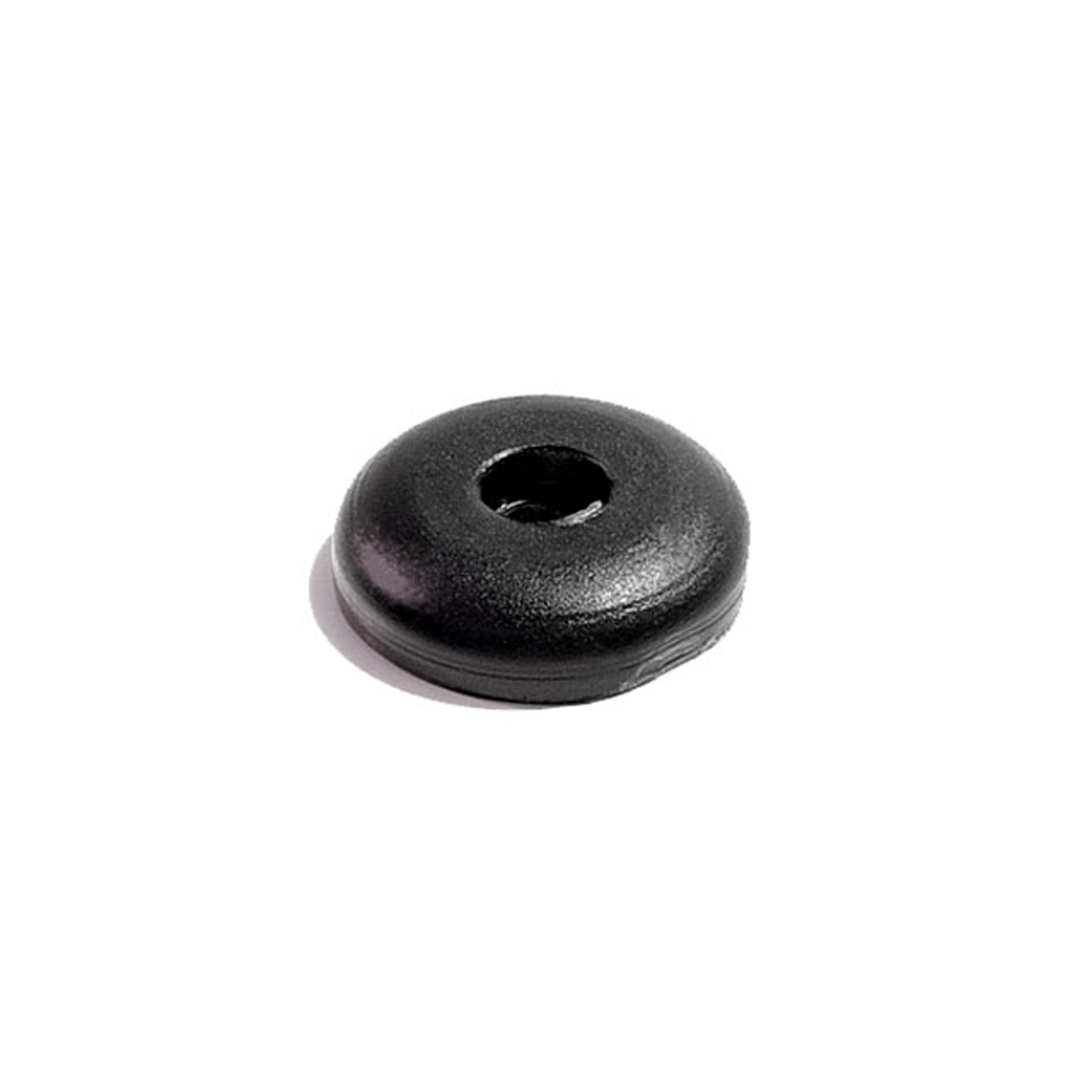 1932 Chevrolet Confederate Deck Lid Bumper, for Roadsters. Made with steel core-SB 102Deck Lid Bumper, for Roadsters. Made with steel core. 13/16" O.D., 3/16" I.D. Two used per car. Each
 1932 Chevrolet Confederate Door Bumper. 1" diameter X 1/4" thick Each-SB 60Door Bumper. 1" diameter X 1/4" thick Each
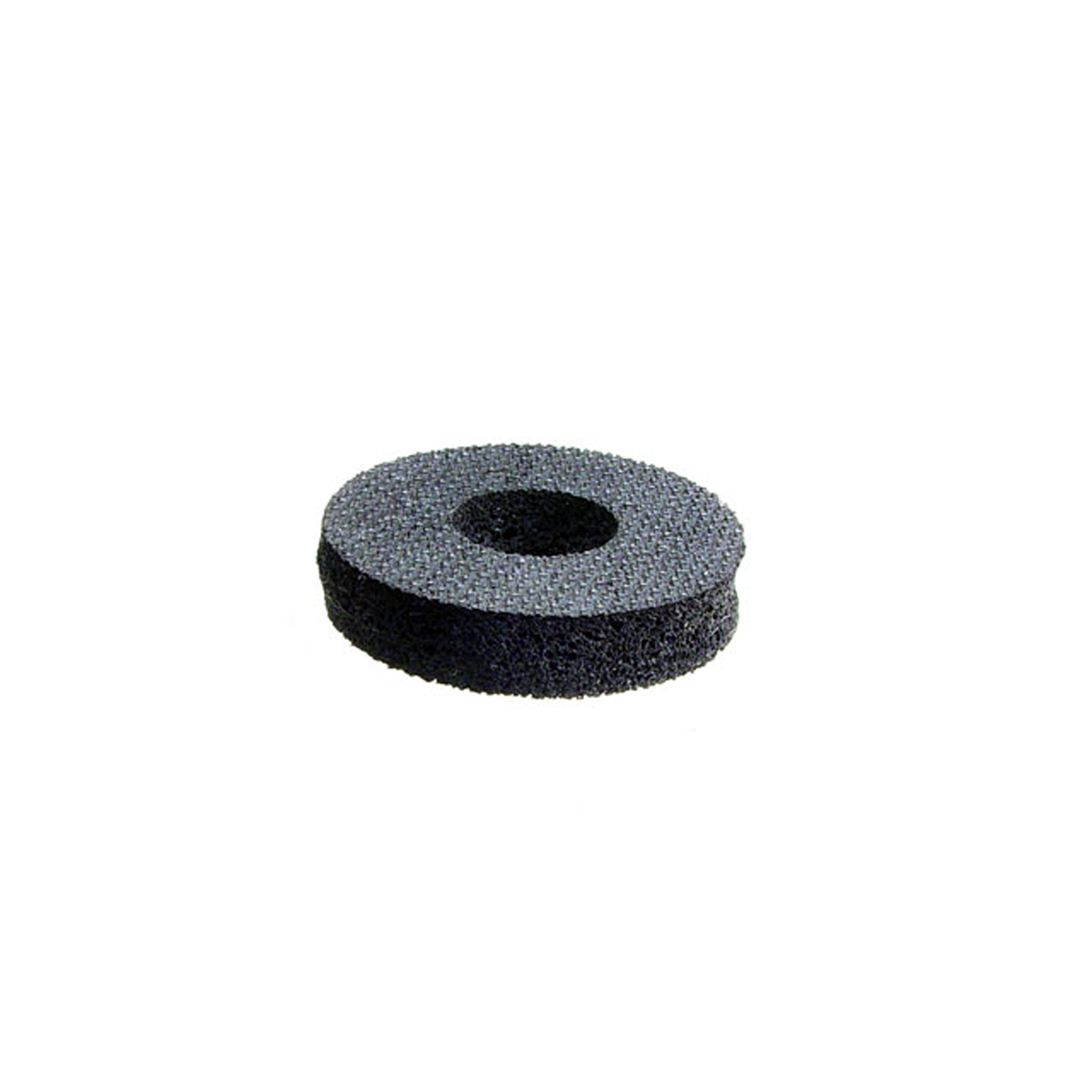 1932 Chevrolet Confederate Pressure Ring Washer. 1-7/8" O.D., 3/4" I.D., 3/8" thick.-SM 69Pressure Ring Washer for Interior Door Handles & Window Regulators. Fits between escutcheon plates & door panel. Made of sponge rubber. 1-7/8" O.D., 3/4" I.D., 3/8" thick. Each (Corvette: Use for heater hose washer @ firewall)
 1932 Chevrolet Confederate Wire Grommet for Throttle, Choke, Oil and Temperature Lines-SM 88Wire Grommet for Throttle, Choke, Oil and Temperature Lines. Held by steel retainers. 3-13/16" X 1-1/8" X 5/16" thick. Each
 1932 Chevrolet Confederate Flexible Rubber Window Channel-WC 32-14Flexible Rubber Window Channel. For Fisher Closed Bodies, except those using a stainless bead type. Used on side windows. 13/16" outer width X 6/16" outer depth, with a 5/16" inner channel width X 14" long. Each
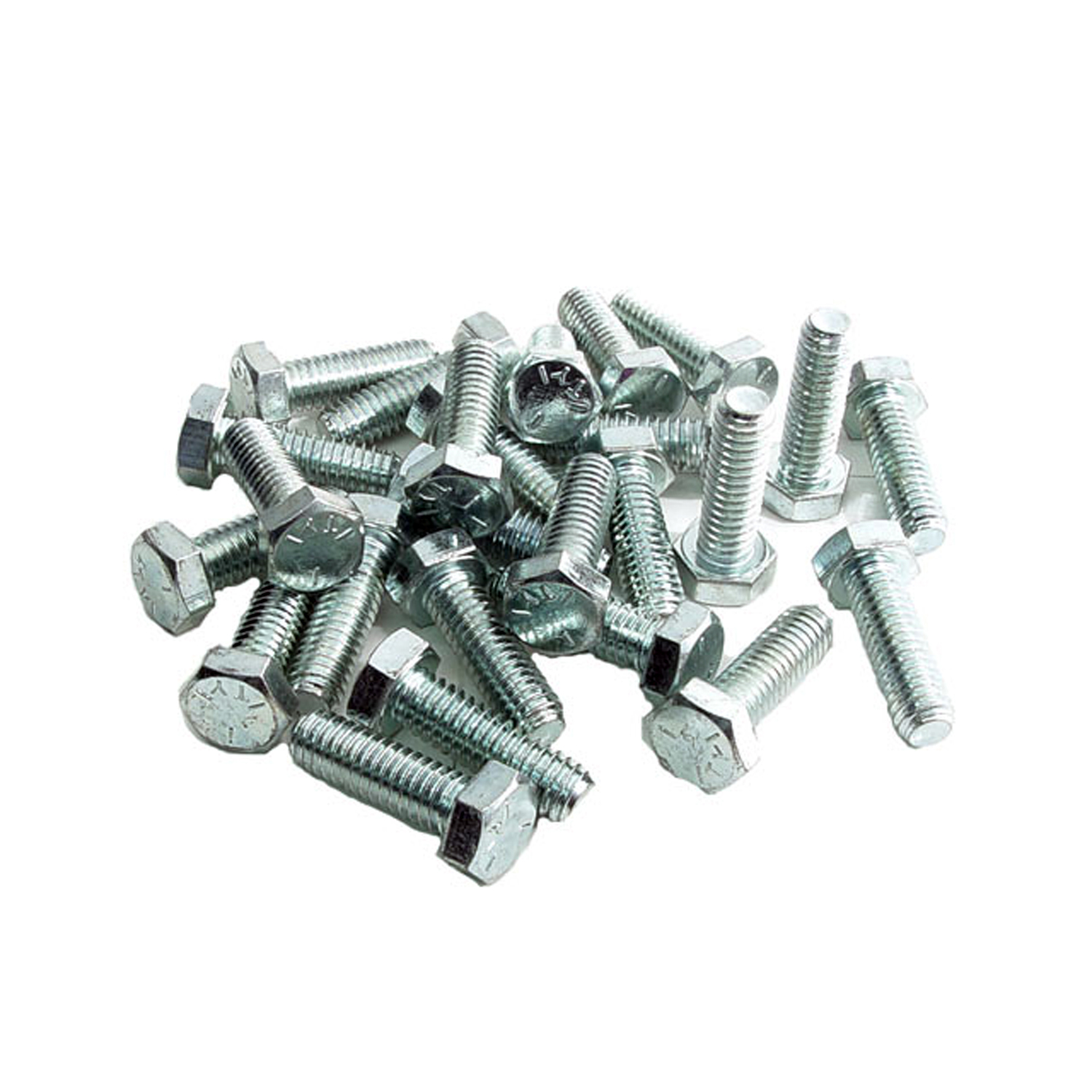 1932 Chevrolet Confederate Fender Bolts. For use with Fender Bolt Washers; WF 3001-WF 3000Fender Bolts. For use with Fender Bolt Washers; WF 3001. Zinc Chromate plated, high strength. 1" X 5/16". Set of 25
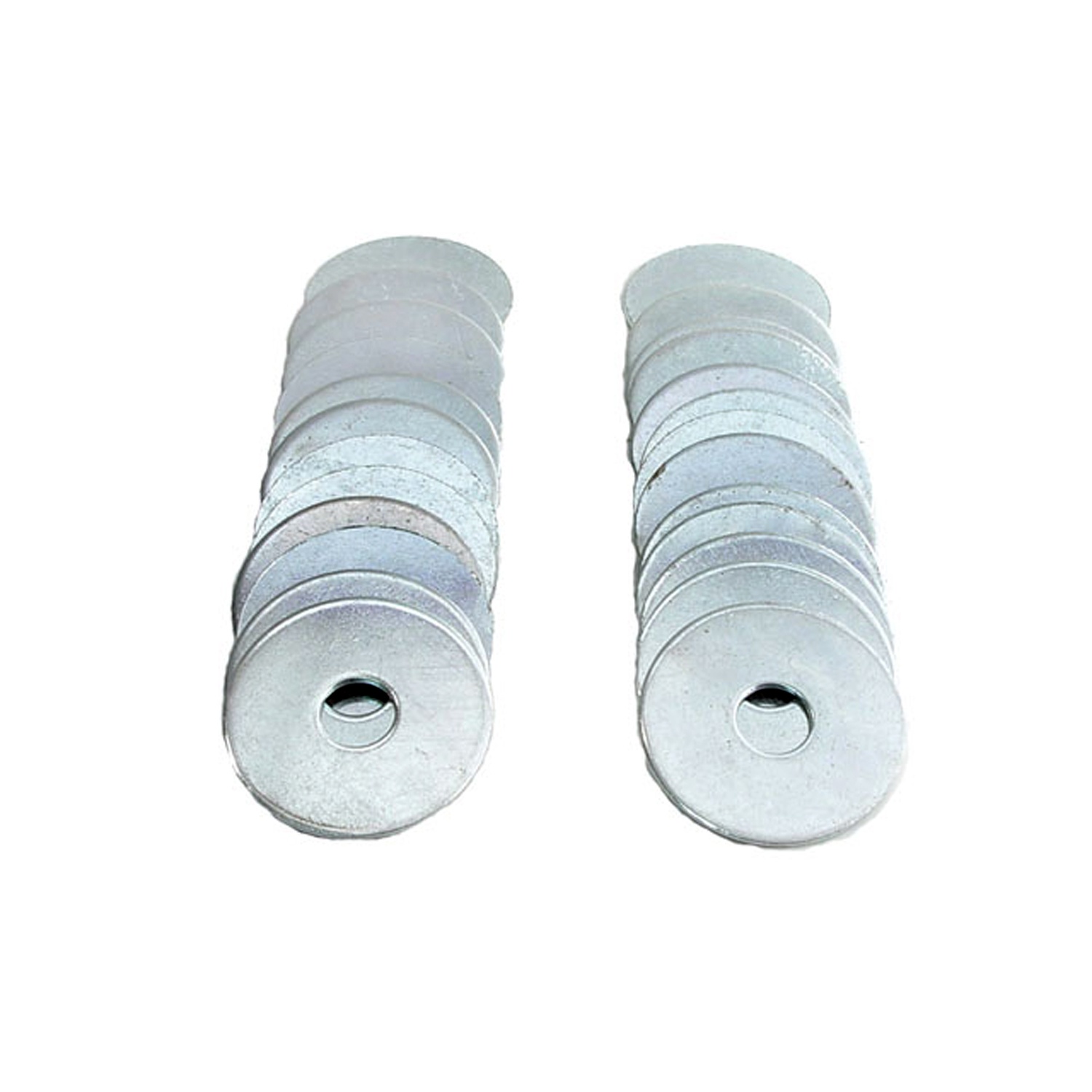 1932 Chevrolet Confederate Fender Bolt Washers. For use with Fender Bolts; WF 3000-WF 3001Fender Bolt Washers. For use with Fender Bolts; WF 3000. High quality, cadmium plated. 1-1/4" O.D., 3/8" I.D. Set of 25
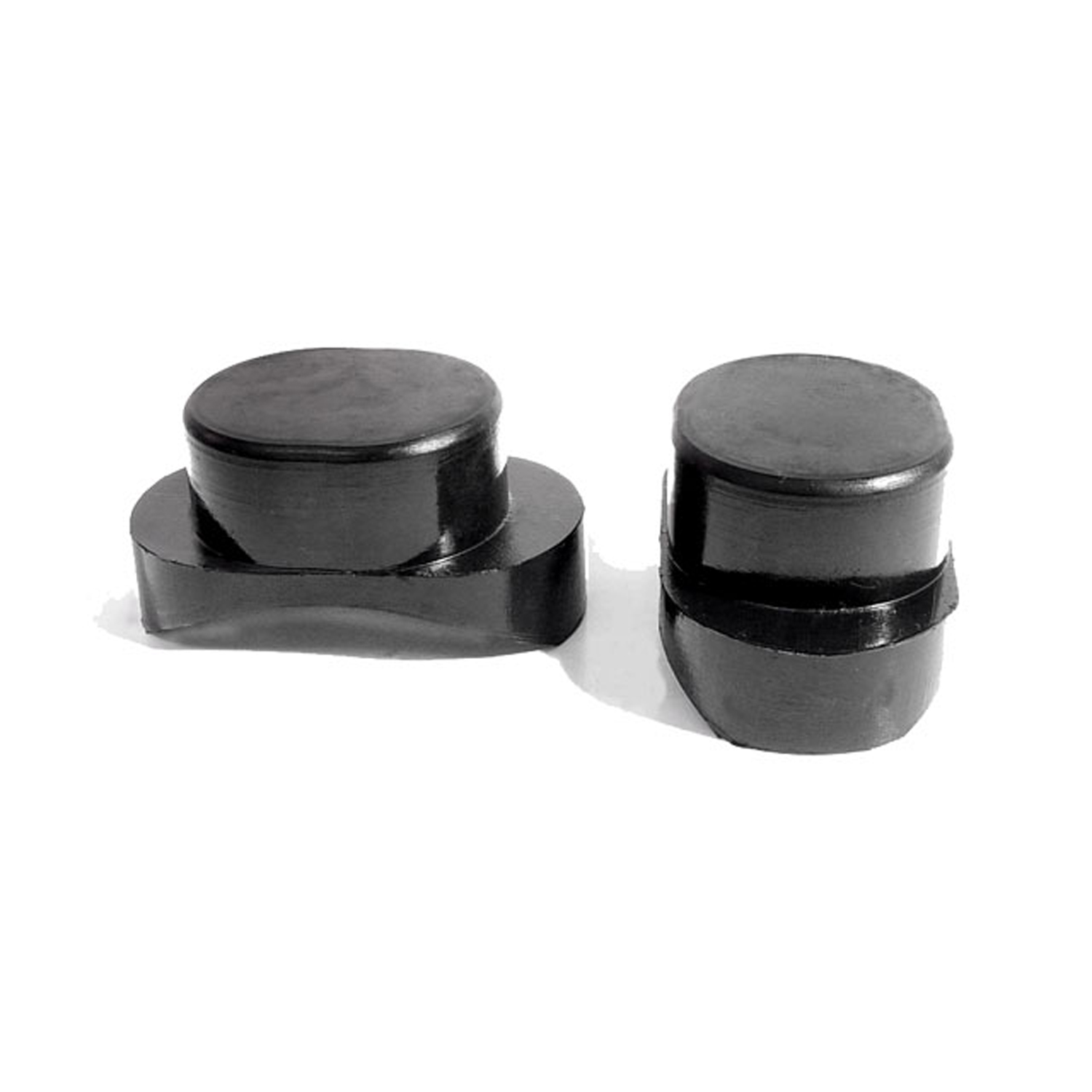 1932 Chevrolet Confederate Rear Axle and Spring Bumpers. Pair-XB 26Rear Axle and Spring Bumpers. Pair
Why Choose Metro?
For over 100 years, Metro Moulded Parts has been the pinnacle of quality in classic car restoration parts. Our commitment to precision and authenticity in every component ensures a perfect fit and an OEM-level appearance.
- Expert Craftsmanship & Quality: Each part is a testament to our dedication to reliability and perfection, crafted from original designs and thoroughly tested.
- Advanced Technology: We use cutting-edge techniques to create flawless, long-lasting parts that surpass others in performance.
- SuperSoft Sponge – The Ultimate Door Seal: Not only are our door seals 30% softer than competitors', but they're also guaranteed to never leak. They effectively reduce wind and road noise, enhancing your classic car's comfort and driving experience.
- Proudly American: Our parts are a product of American craftsmanship, made in the USA with a spirit of excellence and heritage.
- Unrivaled Warranty: We back our products with a 30-year industry-leading warranty, a testament to our confidence in their quality.
Join us in preserving the legacy of classic cars with parts that are crafted for perfection, not just made.