

Image of 1933 Chevrolet Truck, Note: These illustrations use artistic license and may differ from actual historical models.
Performance Metrics
Fundamental Metrics
Emotional Appeal
MMP Rating
| Engine Specifications | |
|---|---|
| Engine: | Inline 6 |
| Displacement: | 207 cubic inches |
| Horsepower: | Estimated 50-65 HP |
| Torque: | 125 lb-ft |
| Compression Ratio: | Estimated 6.0:1 |
| Ignition System: | Distributor and coil |
| Cooling System: | Liquid-cooled |
| Performance Specifications | |
| 0-60 Time: | Not available due to the age of the vehicle |
| 1/4 Mile Time: | Not available due to the age of the vehicle |
| Top Speed: | 50-55 mph |
| Transmission and Drive | |
| Drive Type: | Rear-wheel drive |
| Transmission Type: | 3-speed manual |
| Fuel and Efficiency | |
| Fuel System Type: | Carburetor |
| MPG: | Estimated 10-15 MPG |
| Dimensions and Brakes | |
| Brakes: | Mechanical drum brakes |
| Wheelbase: | 131 inches |
| Weight: | Estimated 3000-3500 lbs |
Note: Specifications for classic cars are given to the best of our ability, considering the limited and variant data available.
1933 Chevrolet Truck: A Depression-Era Workhorse
The 1933 Chevrolet Truck was built to earn its keep, with a sturdy six-cylinder engine, straightforward mechanicals, and a practical shape that fit farms, small businesses, and city deliveries. Made by the Chevrolet Motor Company, part of General Motors, it belongs to an important period when trucks were moving beyond bare-bones utility and becoming more capable, comfortable tools for everyday commerce.
Its timing matters. The Great Depression had put pressure on businesses and farmers to make every purchase last, so a truck needed to be dependable, serviceable, and versatile. Chevrolet offered the 1933 range in several configurations, from light-duty pickups to heavier commercial chassis. One appealing detail for today’s enthusiasts is that “1933 Chevrolet Truck” does not describe a single uniform model: the cab, bed, wheelbase, and equipment could vary considerably depending on how the truck was ordered or later outfitted.
1933 Chevrolet Truck Styling and Cab
The truck has the upright, purposeful look of an early-1930s commercial vehicle. A tall radiator grille anchors the front, flanked by round headlamps and broad fenders that sweep over the front wheels. Its running boards, separate front fenders, and plainly defined cab give it a distinctly prewar silhouette. The hood and grille provide a touch of automotive polish, but the overall design remains visibly practical rather than ornamental.
Inside, the cab is simple and compact. The driver typically faces a painted metal dashboard with clear, functional gauges, a large steering wheel, and a bench seat. Materials were chosen for durability and cost, not luxury: painted steel, rubber floor covering, and workmanlike upholstery were typical. Compared with a modern pickup, the cab feels narrow and exposed, but for its era it offered a useful step up from a purely open work vehicle.
Technology was basic by modern standards, though the six-cylinder engine was a significant selling point. Chevrolet’s inline-six, commonly associated with the “Stovebolt” name, delivered smoother power than many contemporary four-cylinder work engines. The truck used rear-wheel drive and a manual transmission, with mechanical controls and period drum brakes. There were no electronic aids, power steering, or modern safety systems; the driver did the work.
Factory paint and trim combinations varied by model and body, and surviving trucks have often been repainted. Black and other conservative fleet colors are common choices in restorations, while dark greens, blues, and reds make attractive period-style alternatives. Buyers should distinguish documented factory finishes from colors chosen during later restorations.
Body Styles and Work Configurations
Chevrolet’s 1933 commercial lineup included light-duty pickup-style trucks as well as chassis intended for heavier work. Depending on the configuration, a buyer could find a conventional pickup, a panel or delivery body, a stake-style setup, or a chassis-cab adapted for a business-specific body. Commercial bodies were sometimes supplied or fitted by outside body builders, so two trucks from the same year can look dramatically different.
The pickup is the version most people picture today. Its open cargo bed gives it the familiar classic-truck profile and makes it especially appealing at shows. Panel deliveries and other commercial bodies are more unusual, while heavier chassis could be fitted for hauling or specialized local work. Exact availability depended on the series, wheelbase, and market, so a particular body style should be verified against period Chevrolet literature when originality matters.
Why the 1933 Chevrolet Truck Matters
The 1933 Chevrolet was not a radical design breakthrough, but it represents an important stage in the development of the American light truck. Automakers were refining trucks into more standardized products, with factory-built cabs and a wider range of body and chassis choices. That gave customers a more cohesive starting point than a basic chassis alone, while still allowing businesses to tailor a truck to their needs.
Chevrolet’s six-cylinder power also helped make the truck appealing to buyers who wanted useful performance without moving into a costly heavy-duty vehicle. Its combination of a recognizable passenger-car-style front end, practical cab, and adaptable chassis reflects a lasting formula: make a truck sturdy enough for work, but approachable enough for a small business or farm to own and maintain.
Its influence is best understood as part of a broader shift, rather than as a single model that transformed the industry. The truck helped establish the everyday commercial vehicle as a dependable, mass-produced tool, and its straightforward layout is part of why surviving examples remain approachable to vintage-truck hobbyists.
Engine, Speed, and Road Manners
Most 1933 Chevrolet light trucks are associated with a 194-cubic-inch inline-six rated at about 60 horsepower. They typically used a manual gearbox and rear-wheel drive. Exact specifications can vary with the series, equipment, and subsequent engine swaps, so an individual truck’s engine number and chassis details are worth checking before buying.
There is no single reliable modern acceleration figure for every 1933 Chevrolet truck. As a rough guide, an unloaded, mechanically sound example may reach around 50 to 60 mph, depending on gearing, tire size, and condition. A 0-to-60-mph run would likely take well over 30 seconds, and some trucks, especially loaded or geared for work, may struggle to reach 60 mph at all. These are practical estimates, not standardized factory test results.
On the road, the truck feels like a working machine. The engine produces a steady six-cylinder rumble, and the manual gearbox asks for deliberate shifts. Steering is heavier than in a modern vehicle, particularly at low speed, while the brakes require more planning and pressure than contemporary power-assisted systems. The ride can be bouncy over rough pavement, especially when the rear suspension is lightly loaded. On winding roads, its tall stance, narrow tires, and age-appropriate steering response reward a relaxed pace rather than quick cornering.
Living With a 1933 Chevrolet
Today, most examples are used as show vehicles, weekend cruisers, parade trucks, or carefully maintained hobby vehicles. Some owners still use them for local errands, but regular highway commuting is a different proposition. Modern traffic moves faster, and the truck lacks the braking performance, crash protection, lighting, and comfort expected of a daily driver.
The mechanical layout is comparatively simple, which is one of the truck’s charms. A capable home mechanic can understand much of the engine, clutch, brakes, and basic electrical system without specialized diagnostic equipment. Parts support for popular Chevrolet components is generally better than for many obscure makes, though rare sheet metal, original trim, and model-specific components can take patience to find. A pre-purchase inspection should pay close attention to frame condition, rust in the cab and fenders, brake operation, steering play, and evidence of poorly executed repairs.
Reliability depends heavily on condition and upkeep. A well-restored truck can be dependable for short trips, but age brings predictable concerns: leaks, worn ignition components, deteriorated wiring, tired cooling systems, and brake or suspension wear. Regular maintenance and correct adjustment matter more than chasing modern performance from a nearly century-old design.
Trivia, Rarity, and Common Criticisms
The most interesting “fact” about the 1933 Chevrolet Truck is how many forms it could take. A familiar pickup and a commercial delivery body may share a basic platform while serving entirely different jobs. That variety can make restoration research rewarding, but it also means that not every surviving truck wears its original body or equipment.
There is no widely recognized speed, endurance, or production record associated specifically with the 1933 Chevrolet Truck, and well-documented celebrity ownership is not a defining part of its history. Its real historical role was less glamorous: trucks like this carried supplies, tools, farm goods, and deliveries during a difficult economic era. They were practical participants in daily life, not headline-grabbing competition machines.
Common criticisms are familiar to anyone who drives a prewar truck: modest power, slow acceleration, limited braking, a firm ride, and a cramped cab. The open, upright driving position can also feel noisy and exposed. Those drawbacks are part of the experience, but they are important to consider before treating one as transportation rather than a hobby vehicle.
1933 Chevrolet Truck Values and Collectability
There is no dependable single production total for every 1933 Chevrolet truck configuration, since pickups, commercial chassis, and bodies supplied or modified by outside builders can be counted differently. As a broad estimate rather than a verified factory figure, production may have been in the tens of thousands, perhaps roughly 25,000 to 50,000 trucks across relevant configurations. That estimate should not be mistaken for an official model-year total.
Surviving trucks are available, but condition and body style make a major difference. A rough project might sell for about $5,000 to $12,000, while a usable driver or older restoration may fall around $15,000 to $30,000. A high-quality, correctly restored pickup could bring approximately $30,000 to $60,000 or more, with unusual commercial bodies, exceptional originality, or very strong provenance potentially changing the price substantially. These are broad U.S. market estimates, not a formal appraisal.
Values have generally been supported by the popularity of early Chevrolet pickups, but the market is selective. Clean, well-documented examples tend to attract more interest than incomplete projects, and originality can matter as much as cosmetic shine. In recent years, prices for classic trucks have varied with condition and broader collector demand; there is no guarantee that every example will appreciate. Restoration costs can also exceed the market value of a finished truck, so buyers should purchase for enjoyment as well as investment potential.
A Classic Built for Honest Work
The 1933 Chevrolet Truck combines a recognizable prewar design, a practical six-cylinder powertrain, and the flexibility of a genuine working vehicle. It was not fast or luxurious, and it was never intended to be. Its significance lies in how it reflects Chevrolet’s effort to give farms and businesses a capable, adaptable truck during a demanding period in American history.
Nearly a century later, a well-preserved 1933 Chevrolet still tells that story through its upright cab, rumbling inline-six, and purposeful stance. It is a reminder that some classic vehicles earn their place not by setting records, but by doing the work that everyday life required.
1933 Chevrolet Truck Catalog of Parts
 1933 Chevrolet TRUCK Swing-Out Windshield Seal-LP 97-HSwing-Out Windshield Seal. This part is marked for trimming to accommodate 1" or 1-1/2" widths. Sold by the foot
 1933 Chevrolet TRUCK Front motor mount-MM 1Front motor mount. Fits all '32 Chevy passenger cars and Sedan Delivery (BA/BB); '32-'42 Chevy pickups; '33-'55 Chevy Commercial and Utility (1st Series) vehicles; '39-'54 GMC pickups. 1-3/8 in. W x 7-5/8 in. L. Replaces OEM#'s 3657520/37339939. One used per vehicle. Each.
 1933 Chevrolet TRUCK Headlight Pads. 2-1/8" wide X 3-1/2" long. Pair-MP 493-BHeadlight Pads. 2-1/8" wide X 3-1/2" long. Pair
 1933 Chevrolet TRUCK Cowl Vent Seal-RP 100-CCowl Vent Seal. 47" long piece of black, skin-covered sponge. End is 3/8" wide X 5/16" high. Each
 1933 Chevrolet TRUCK Wire Grommet for Throttle, Choke, Oil and Temperature Lines-SM 88Wire Grommet for Throttle, Choke, Oil and Temperature Lines. Held by steel retainers. 3-13/16" X 1-1/8" X 5/16" thick. Each
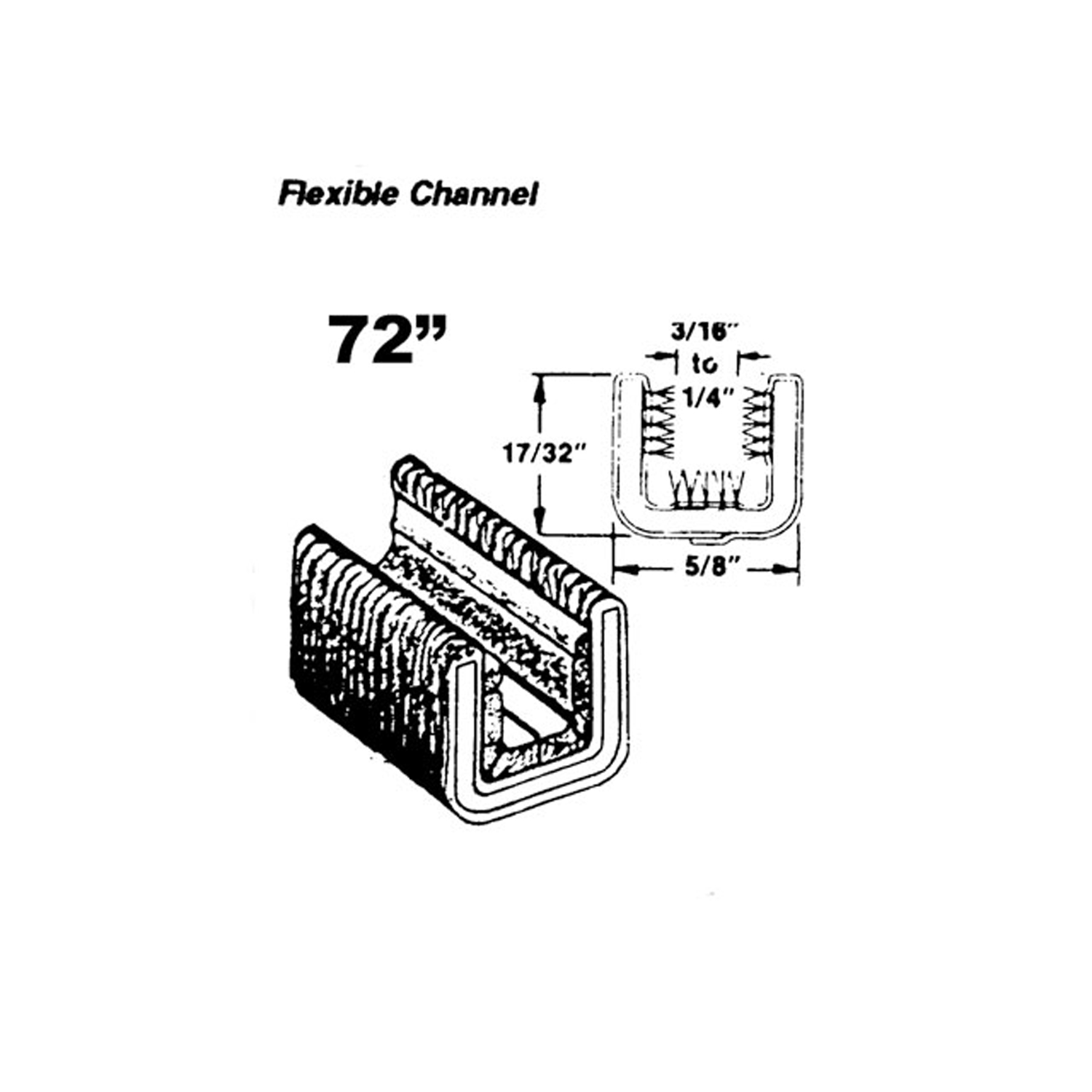 1933 Chevrolet TRUCK Flexible glass-run channel-WC 26-72Flexible glass-run channel. For models without framed side glass. Unbeaded, pile-lined. 72 in. long. Each. NOTE: $20 special shipping charge applies for domestic orders. Call or email for overseas shipping costs. Part can be sectioned into two equal lengths to reduce overseas shipping costs.
 1933 Chevrolet TRUCK Fender Bolts. For use with Fender Bolt Washers; WF 3001-WF 3000Fender Bolts. For use with Fender Bolt Washers; WF 3001. Zinc Chromate plated, high strength. 1" X 5/16". Set of 25
 1933 Chevrolet TRUCK Fender Bolt Washers. For use with Fender Bolts; WF 3000-WF 3001Fender Bolt Washers. For use with Fender Bolts; WF 3000. High quality, cadmium plated. 1-1/4" O.D., 3/8" I.D. Set of 25
 1933 Chevrolet TRUCK Rear Axle and Spring Bumpers. Pair-XB 26Rear Axle and Spring Bumpers. Pair
Why Choose Metro?
For over 100 years, Metro Moulded Parts has been the pinnacle of quality in classic car restoration parts. Our commitment to precision and authenticity in every component ensures a perfect fit and an OEM-level appearance.
- Expert Craftsmanship & Quality: Each part is a testament to our dedication to reliability and perfection, crafted from original designs and thoroughly tested.
- Advanced Technology: We use cutting-edge techniques to create flawless, long-lasting parts that surpass others in performance.
- SuperSoft Sponge – The Ultimate Door Seal: Not only are our door seals 30% softer than competitors', but they're also guaranteed to never leak. They effectively reduce wind and road noise, enhancing your classic car's comfort and driving experience.
- Proudly American: Our parts are a product of American craftsmanship, made in the USA with a spirit of excellence and heritage.
- Unrivaled Warranty: We back our products with a 30-year industry-leading warranty, a testament to our confidence in their quality.
Join us in preserving the legacy of classic cars with parts that are crafted for perfection, not just made.