
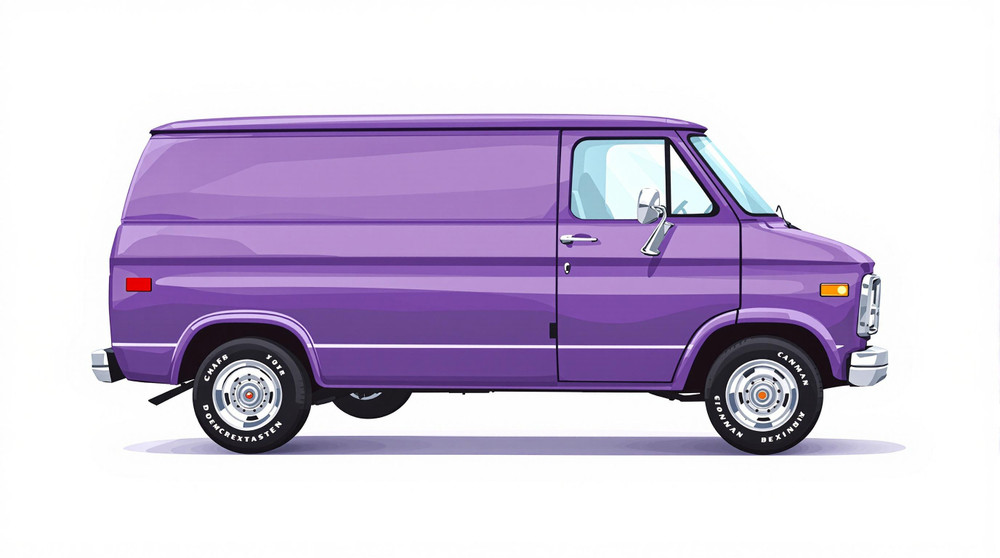
Image of 1976 Chevrolet G10, Note: These illustrations use artistic license and may differ from actual historical models.
Performance Metrics
Fundamental Metrics
Emotional Appeal
MMP Rating
| Engine Specifications | |
|---|---|
| Engine: | 250 I6, 350 V8 |
| Displacement: | 4.1L for I6, 5.7L for V8 |
| Horsepower: | 100-165 hp |
| Torque: | 185-275 lb-ft |
| Compression Ratio: | 8.0:1 for I6, 8.5:1 for V8 |
| Ignition System: | Conventional distributor ignition system |
| Cooling System: | Liquid-cooled |
| Performance Specifications | |
| 0-60 Time: | Estimated 12-15 seconds |
| 1/4 Mile Time: | Estimated 18-20 seconds |
| Top Speed: | 85-95 mph |
| Transmission and Drive | |
| Drive Type: | Rear-wheel drive |
| Transmission Type: | 3-speed automatic, 4-speed manual |
| Fuel and Efficiency | |
| Fuel System Type: | Carburetor |
| MPG: | Estimated 10-15 mpg |
| Dimensions and Brakes | |
| Brakes: | Front disc, rear drum |
| Wheelbase: | 110 inches |
| Weight: | 3,600-4,000 lbs |
Note: Specifications for classic cars are given to the best of our ability, considering the limited and variant data available.
1976 Chevrolet G10: The Van That Made a Blank Canvas Cool
The 1976 Chevrolet G10 was a working van with an unexpected second career: it could haul tools on Monday and become a rolling lounge by Friday. Built by Chevrolet, a division of General Motors, the G10 was the half-ton member of the company’s G-Series van range. Its simple, upright shape made it useful to tradespeople, families, and the growing community of custom-van enthusiasts.
The G10 belonged to Chevrolet’s second-generation full-size van family, introduced for 1971. Compared with earlier forward-control vans, this generation had a more conventional front end and a roomier, more carlike cabin, while retaining its distinctive cab-over-engine layout. By 1976, the van had become part of a broader cultural moment: owners were personalizing vans with shag carpeting, bold paint, murals, and elaborate interiors. A factory G10 could be a practical work vehicle, but it also offered an inviting starting point for a highly individual custom build.
One notable detail is that “G10” identifies the van’s light-duty series, not one single trim level or interior layout. The same basic platform could wear very different clothes, from an unadorned cargo body to a passenger van with windows and upgraded trim. That flexibility is a big part of why the Chevrolet van became such a familiar sight in the 1970s.
Boxy Styling, Built for a Purpose
The G10’s styling is straightforward and unmistakably 1970s. A broad, nearly vertical windshield, flat side panels, rectangular profile, and simple grille give it a sturdy, almost architectural appearance. The short nose keeps the driver close to the front of the vehicle, while the tall roof and wide body create a large, usable interior. It is not sleek, but its square proportions are exactly what make the van practical and recognizable.
Most G10s were configured as cargo vans, with solid side panels and a rear cargo area ready for shelving, equipment, or a conversion. Passenger versions added side windows and seats. Chevrolet’s Sportvan and higher-trim Beauville versions brought a more finished appearance and a more comfortable passenger-van feel. Exact availability and equipment depended on configuration and options, but the cargo van was the most direct expression of the G10’s workaday purpose. The Sportvan and Beauville are often the more visually memorable choices for collectors and custom builders.
Inside, the materials depended on how the van was ordered. A basic work G10 might have durable vinyl seating, simple door panels, rubber flooring, and little decorative trim. Passenger versions could offer cloth or upgraded vinyl upholstery, carpeting, additional seating, and more finished interior panels. The layout was easy to adapt, which made these vans popular with conversion companies and owner-builders. Many surviving examples have interiors that are no longer factory-original, so buyers should check carefully for modifications, missing trim, and signs of moisture damage.
Factory paint choices varied by year and configuration, with period-appropriate solid colors, two-tone possibilities, and special-order combinations. White was a common practical choice for fleet and work vans, while brighter colors and contrasting accents suited personal-use and custom examples. Today, vivid custom paint, hand-painted murals, and elaborate striping are among the looks most associated with 1970s vans, though they were often added after the vehicle left the factory.
1970s Equipment and Engineering
The G10’s technology was conventional for its time rather than cutting-edge. Depending on specification, buyers could choose features such as power steering, power brakes, air conditioning, and an AM radio. The van used a carbureted engine, and its systems were largely mechanical and straightforward. There was no modern electronic engine management, touchscreen interface, or advanced driver-assistance equipment. That simplicity is part of the appeal for restorers who prefer accessible, period-correct hardware.
Underneath, the G10 used a body-on-frame construction approach suited to commercial work. Its front suspension and rear leaf springs were designed to manage a useful load, while the front disc and rear drum brake arrangement was typical of many vehicles of the era. The result was a practical platform that could be maintained and adapted, though its size and age mean that condition matters far more than the badge on the grille.
Why the Chevrolet G10 Mattered
The 1976 G10 was not a revolutionary performance vehicle, but it helped define the full-size van as more than a delivery tool. Its large, open interior could be configured for work, family travel, camping, or recreation. That adaptability helped fuel the 1970s custom-van scene, in which owners transformed plain vans into highly personalized vehicles with lounge-style seating, elaborate upholstery, entertainment equipment, and attention-grabbing exterior art.
Compared with many passenger cars of the era, the G10 offered an unusually flexible space. Compared with purpose-built commercial vehicles, it could be made more comfortable and expressive. Chevrolet’s van was part of a broader trend that included rivals from Ford and Dodge, but the G-Series became a lasting fixture of American roads and popular culture. Its influence is still visible in modern conversion vans and camper builds, where a spacious interior remains the main attraction.
What set the G10 apart was not a single advanced feature. It was the combination of a sturdy platform, generous interior volume, and a shape that invited customization. The factory supplied the canvas; owners supplied the personality.
Engine Options and Road Performance
Engine availability depended on the specific build and market. Common choices for a 1976 G10 included a 250-cubic-inch inline-six and small-block V8 options such as the 305 and 350 cubic-inch engines. Exact horsepower and torque figures varied with engine, emissions equipment, transmission, and measurement method. As a general guide, the six-cylinder offered modest power suited to lighter-duty use, while the V8s provided stronger low-speed torque for carrying passengers or cargo.
Performance was steady rather than quick. A healthy V8 G10 might reach 0 to 60 mph in roughly 13 to 17 seconds, while a six-cylinder or heavily loaded van could take considerably longer. A reasonable general estimate for top speed is about 85 to 95 mph, though tire condition, gearing, engine health, and load all make a major difference. These are practical estimates, not a guaranteed factory figure for every engine and transmission combination.
On the road, the G10 feels tall, substantial, and distinctly different from a car. Its upright windshield gives the driver a commanding view, but the broad body catches crosswinds and requires attention on exposed highways. The suspension is built to handle weight, so an empty van may feel firm or bouncy over broken pavement. Add passengers or cargo, and the ride can settle down, although worn shocks, tired springs, or old tires can make any vintage van feel unsettled.
The engine’s character depends on what is under the doghouse between the front seats. The inline-six tends to sound workmanlike and restrained; a V8 adds a deeper, more familiar American rumble. Steering is not especially sharp by modern standards, and the driver must account for the van’s length, width, and rear blind spots. On winding roads, smooth inputs and modest speeds suit it best. The pleasure is less about cornering and more about the view from the high seat, the relaxed pace, and the mechanical feel of a classic truck-based vehicle.
Living With a 1976 G10
G10s serve a wide range of roles today. Some remain working vans, while others are weekend cruisers, show vehicles, campers, or custom conversions. A clean, mostly original cargo van may appeal to a restorer or tradesperson; a passenger version or period-style custom can make a more social classic. The G10 is not generally a racing platform, though its V8 options and robust construction have encouraged plenty of creative builds.
Routine maintenance is familiar to anyone who has worked on a classic Chevrolet. The carburetor, ignition system, cooling system, brakes, and suspension all need attention, and age-related rubber and electrical issues are common. Many mechanical parts are shared with other Chevrolet trucks or passenger vehicles of the period, which helps with repairability. The van’s size can make some jobs awkward, and access to the engine is less convenient than in a conventional front-engine car. Rust, past collision repairs, and poorly executed custom work are often bigger concerns than basic mechanical servicing.
Before buying one, inspect the frame, floor, door sills, wheel openings, windshield area, and lower body panels for corrosion. Check that the side and rear doors operate properly, look for signs of water intrusion, and examine the wiring if the van has been converted. A van with a tidy, documented conversion may be a pleasure to own; a heavily modified example with incomplete work can turn into a long project.
G10 Trivia and Common Criticisms
The G10 is part of the wider 1970s custom-van story, when vans became personal statements as much as transportation. Murals, bold graphics, shag carpeting, and lounge-like interiors are strongly associated with the era, though those features were generally conversion work rather than special factory editions. There is no widely recognized 1976 G10 speed or endurance record, and celebrity ownership claims should be treated carefully unless supported by documentation.
Common criticisms are easy to understand. The van is thirsty by modern standards, especially with a V8, and its handling, braking, and safety equipment reflect the standards of its time. Visibility can be limited around the rear corners, and the high-sided body is vulnerable to crosswinds. Its age also means that reliability depends heavily on maintenance and restoration quality. In return, owners get a roomy, charismatic classic that is relatively simple to understand and repair.
Collector Values and Rarity
Exact 1976 G10 production totals are not consistently available by series, body style, and trim, so a precise number would be misleading. As a rough estimate rather than a factory-confirmed count, perhaps 25,000 to 50,000 G10s were built for the 1976 model year. The broader Chevrolet van range was produced in much larger numbers, but many vans spent decades working hard, were modified, or were scrapped. A well-preserved original example is consequently less common than the model’s once-familiar presence might suggest.
As a broad 2026 U.S. market guide, a project van may sell for roughly $3,000 to $8,000. A usable driver in fair-to-good condition may fall around $8,000 to $18,000, while a well-restored, attractive passenger van or thoughtfully finished custom can reach approximately $20,000 to $40,000 or more. Exceptional restorations and highly desirable period customs can exceed that range, but condition, documentation, workmanship, and buyer interest have a major effect on price.
Values have benefited from renewed interest in vintage vans and road-trip-ready classics, but the G10 is not as consistently valuable as the most sought-after muscle cars. Clean examples and quality conversions appear to have the strongest prospects, while rough projects remain limited by the cost of bodywork and interior restoration. In short, the market is firming for the right van, but buying the best condition you can afford is usually wiser than counting on rapid appreciation.
Why the 1976 Chevrolet G10 Still Stands Out
The 1976 Chevrolet G10 combined practical truck-based engineering with an interior that could be adapted to almost any purpose. Its boxy styling, straightforward mechanicals, engine choices, and generous space made it useful as a work van, while the custom-van movement gave it a lasting place in American automotive culture. It is not fast, quiet, or refined by modern standards, but it has something many newer vehicles lack: room to make it your own.
For collectors, the G10 is a reminder that automotive character does not always come from horsepower or rarity alone. Sometimes it comes from a sturdy old van, a big open cabin, and the freedom to turn a practical machine into something unmistakably personal.
1976 Chevrolet G10 Catalog of Parts
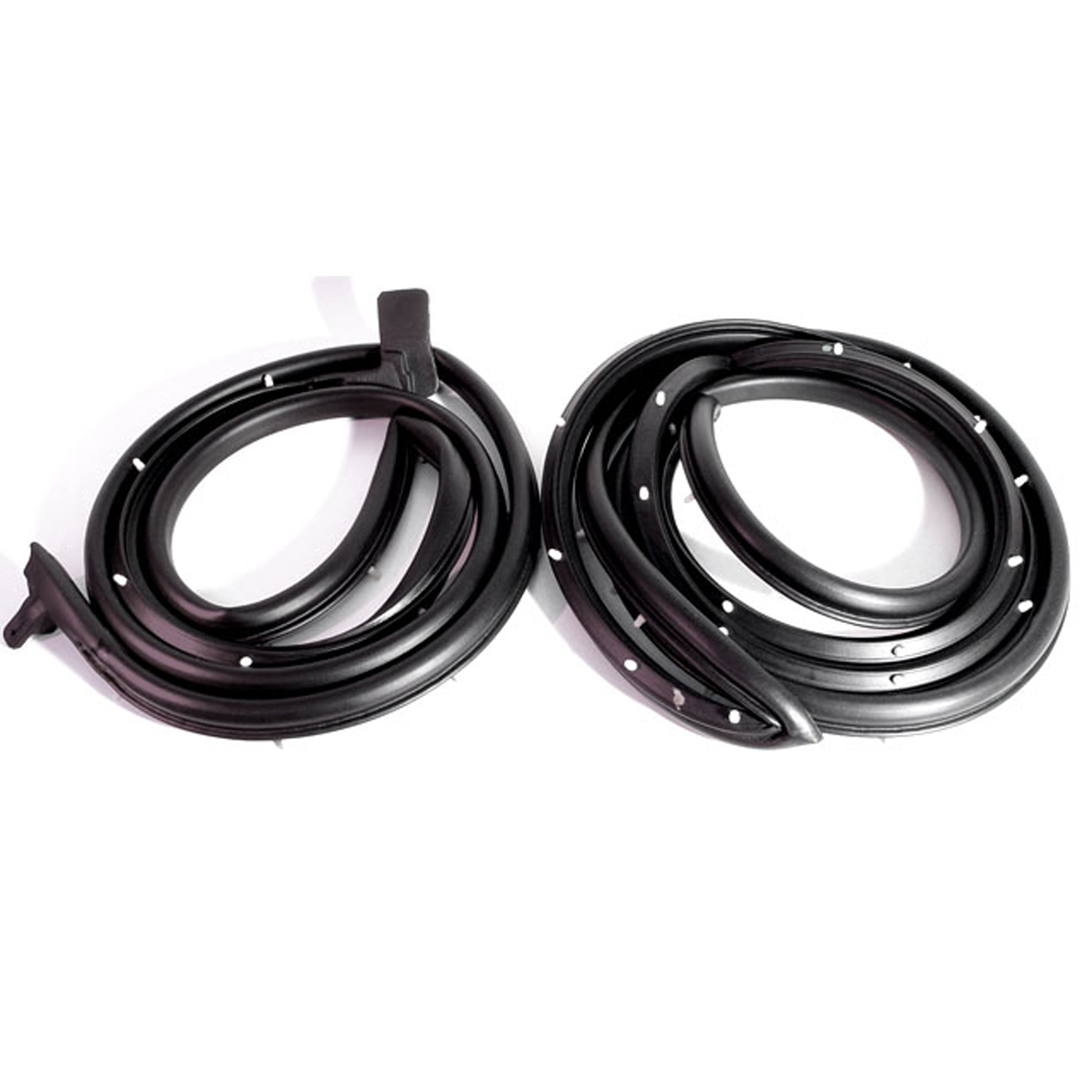 1976 Chevrolet G10 Rear Cargo Door Seals-LM 13-VRRear Cargo Door Seals. For full size models (1996 early design). Includes left and right seals. Pair
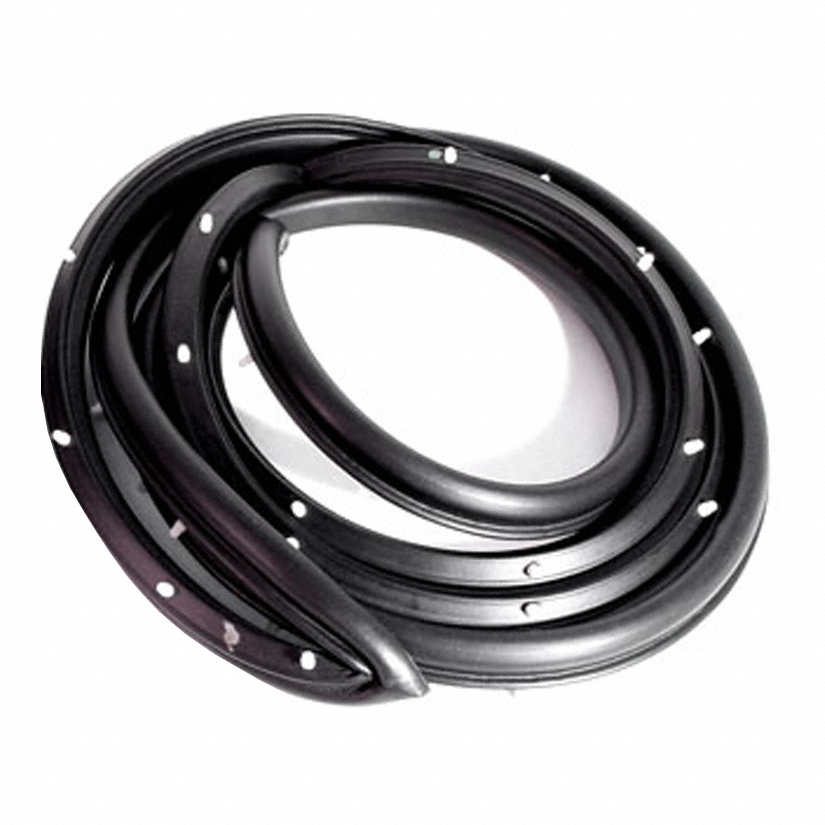 1976 Chevrolet G10 Rear Cargo Door Seal. LH portion (driver's side)-LM 13-VR/DSRear Cargo Door Seal. LH portion (driver's side). For full-size vans (1996 early design). Each.
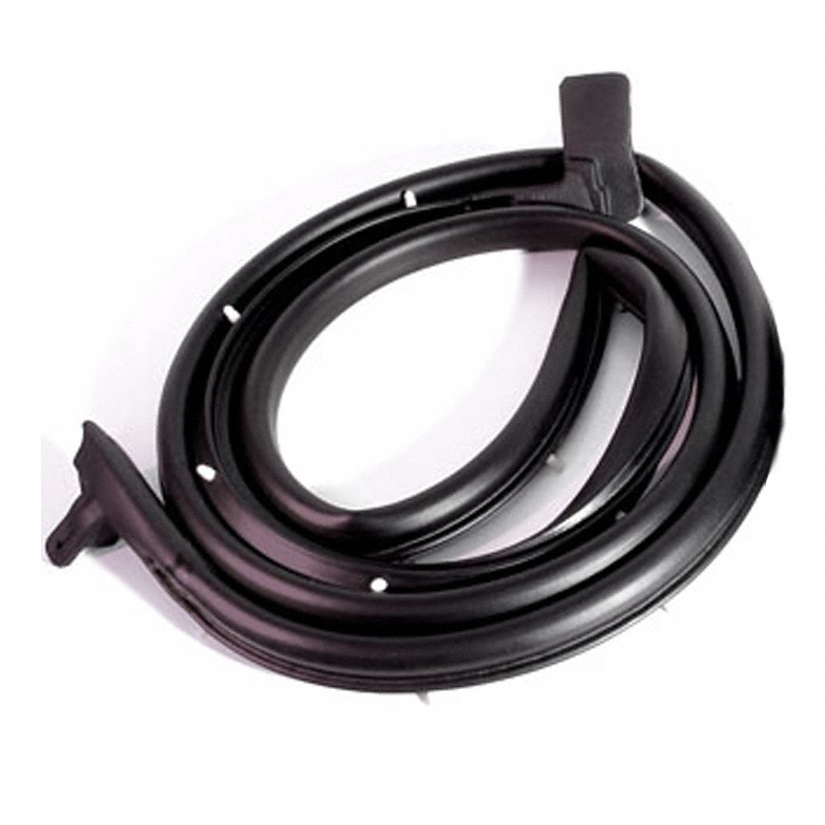 1976 Chevrolet G10 Rear Cargo Door Seal. RH (passenger's side)-LM 13-VR/PSRear Cargo Door Seal. RH (passenger's side). For full-size vans (1996 early design). Each.Rear Cargo Door Seal. RH (passenger's side). For full-size vans (1996 early design). Each.
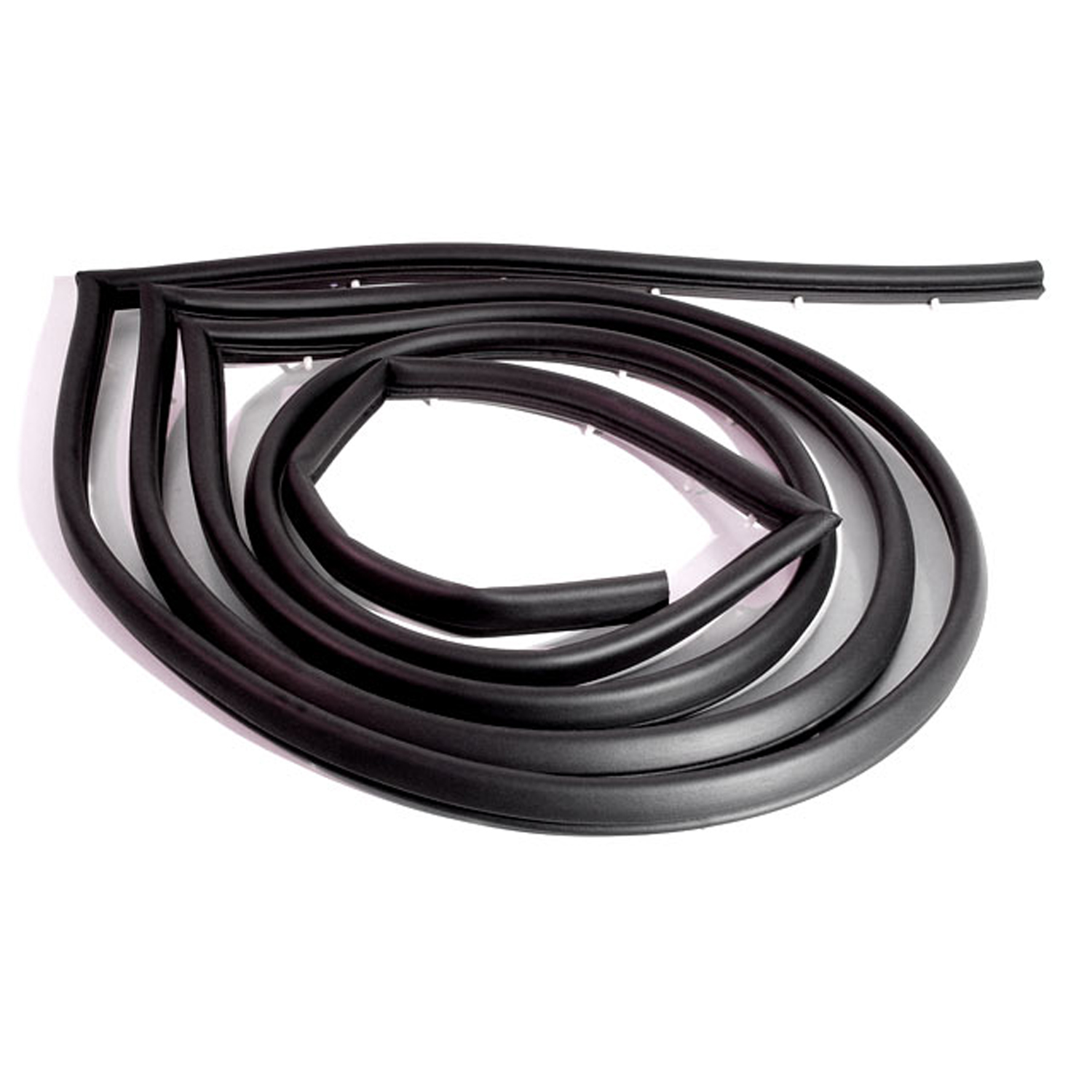 1976 Chevrolet G10 Side Sliding Door Seal-LM 13-VSSide Sliding Door Seal. For full size models (1996 early design). 213-1/4" Long. Each
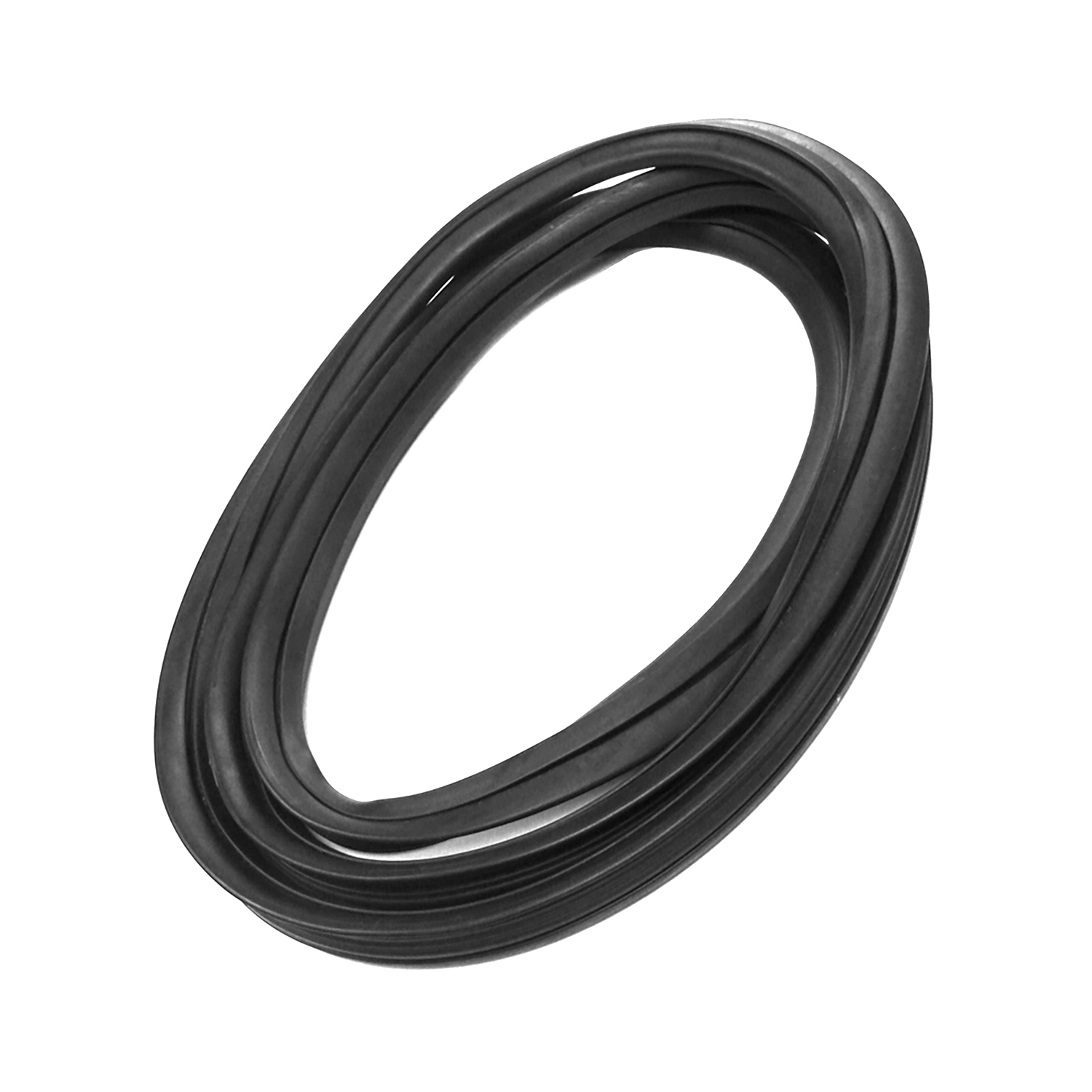 1976 Chevrolet G10 Windshield Seal, 71-80 GM Full Size Van With Trim Groove, Each-VWS 7324-AWindshield Seal, 71-80 GM Full Size Van With Trim Groove, Each. Replaces OEM # 3991513. This seal allows you to re-use your chrome trim which presses into body clips. This product is made from the original specs and with high quality ozone resistant materials for a great fit and long life. This item is designed to be installed during glass replacement.
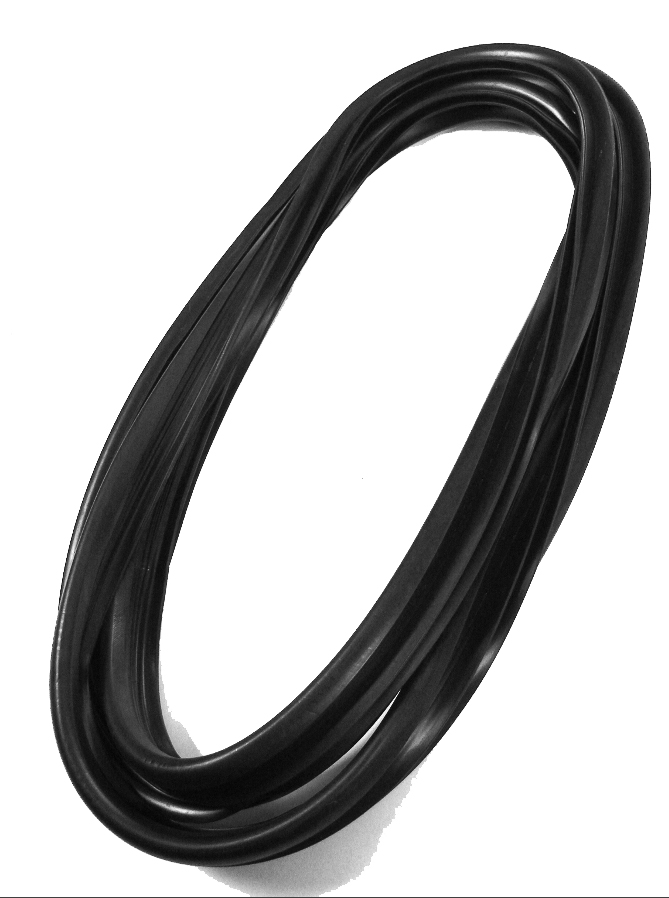 1976 Chevrolet G10 Windshield Seal, 71-80 GM Full Size Van, Without Trim Groove, Each-VWS 7324-BWindshield Seal, 71-80 GM Full Size Van, Without Trim Groove. Replaces OEM # 3062392. This seal goes first on the body then the glass is placed in the opening. Tucking in the self locking strip secures the glass in place. It is a standard black gasket without the trim groove. This product is made from the original specs and with high quality ozone resistant materials for a great fit and long life. This item is designed to be installed during glass replacement.
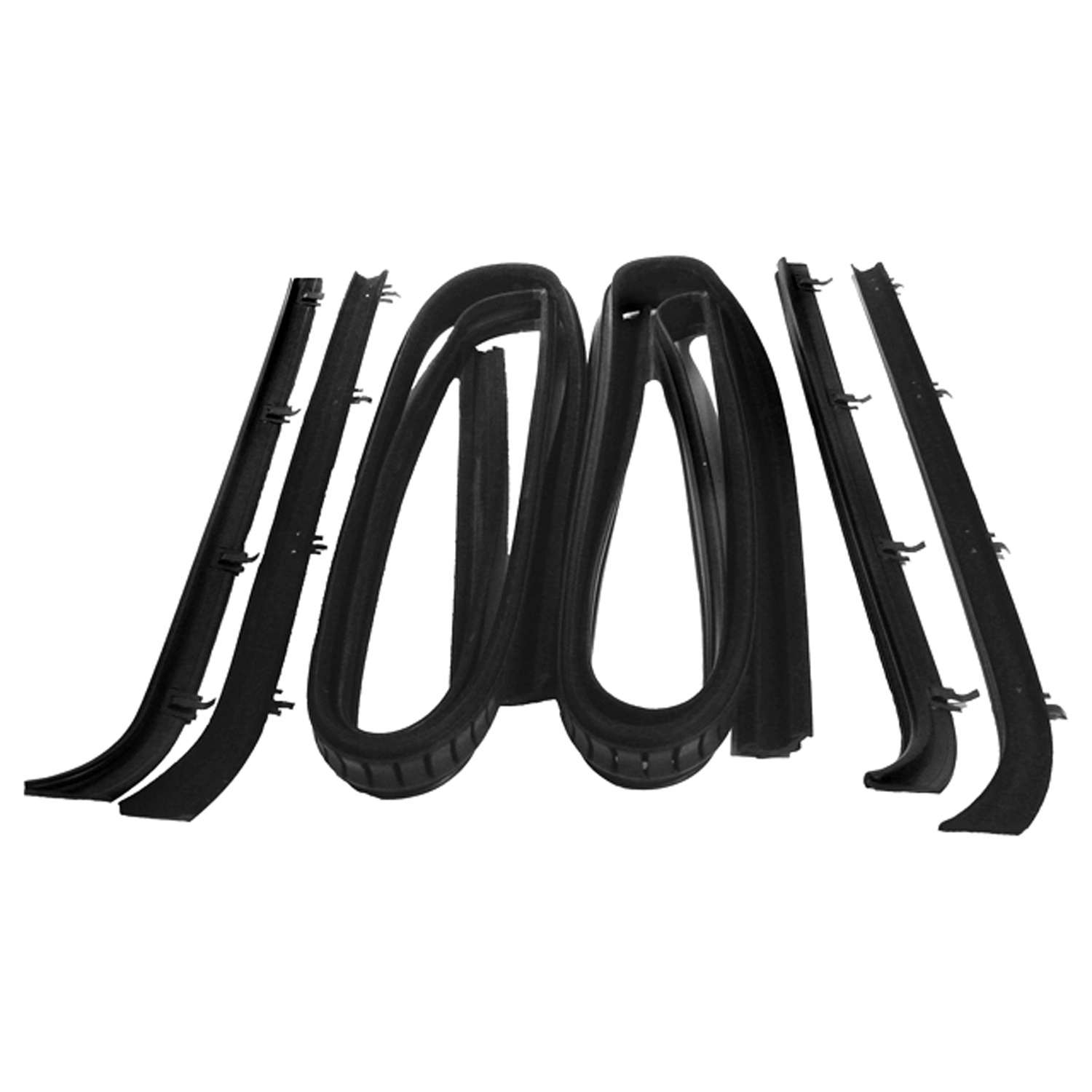 1976 Chevrolet G10 Window Channel and Sweeper Kit. 6-Piece Kit-WC 5900-20Window Channel and Sweeper Kit. 6-Piece Kit
Why Choose Metro?
For over 100 years, Metro Moulded Parts has been the pinnacle of quality in classic car restoration parts. Our commitment to precision and authenticity in every component ensures a perfect fit and an OEM-level appearance.
- Expert Craftsmanship & Quality: Each part is a testament to our dedication to reliability and perfection, crafted from original designs and thoroughly tested.
- Advanced Technology: We use cutting-edge techniques to create flawless, long-lasting parts that surpass others in performance.
- SuperSoft Sponge – The Ultimate Door Seal: Not only are our door seals 30% softer than competitors', but they're also guaranteed to never leak. They effectively reduce wind and road noise, enhancing your classic car's comfort and driving experience.
- Proudly American: Our parts are a product of American craftsmanship, made in the USA with a spirit of excellence and heritage.
- Unrivaled Warranty: We back our products with a 30-year industry-leading warranty, a testament to our confidence in their quality.
Join us in preserving the legacy of classic cars with parts that are crafted for perfection, not just made.