

Image of 1981 Chevrolet Chevette, Note: These illustrations use artistic license and may differ from actual historical models.
Performance Metrics
Fundamental Metrics
Emotional Appeal
MMP Rating
| Engine Specifications | |
|---|---|
| Engine Options: | 1.4L I4, 1.6L I4, 1.8L I4 Diesel |
| Displacement Range: | 85-111 cu in. |
| Horsepower Range: | 52-70 hp |
| Torque: | 72-88 lb-ft |
| Compression Ratio: | 8.0:1 (Gasoline), 21.5:1 (Diesel) |
| Ignition System: | Electronic |
| Cooling System: | Liquid-cooled |
| Performance Specifications | |
| 0-60 Time: | 14-20 seconds |
| 1/4 Mile Time: | 19-21 seconds |
| Top Speed: | 85-90 mph |
| Transmission and Drive | |
| Drive Type: | RWD |
| Transmission Type: | 4-speed manual, 3-speed automatic |
| Fuel and Efficiency | |
| Fuel System Type: | Carburetor |
| MPG: | 25-30 mpg city, 35-40 mpg highway |
| Dimensions and Brakes | |
| Brakes: | Front disc, rear drum |
| Wheelbase: | 94.3 in. |
| Weight: | 2000-2200 lbs |
Note: Specifications for classic cars are given to the best of our ability, considering the limited and variant data available.
1981 Chevrolet Chevette: A Small Car with a Big Job
The 1981 Chevrolet Chevette was built for a practical mission: give American drivers a straightforward, economical small car during an era of rising fuel prices and growing interest in compact imports. Its recipe was refreshingly simple: a compact hatchback body, a front-mounted four-cylinder engine, rear-wheel drive, and room for four.
Chevrolet introduced the Chevette in 1976 as its American version of General Motors’ global T-car program. Related models appeared around the world under names including Opel, Vauxhall, Isuzu, Holden, and Chevrolet. The Chevette was assembled in the United States, including at GM’s plant in Wilmington, Delaware, and became one of the most successful American subcompacts of its time.
One intriguing chapter in its story came in 1981, when Chevrolet offered a diesel-powered Chevette. In a small, relatively light hatchback, that fuel-saving option made the car an early American-market example of the economy diesel trend. It was slow, but for drivers watching every gallon, efficiency was the point.
Chevette Styling and Interior
The Chevette’s exterior was more functional than flamboyant. Its squared-off roof, upright rear hatch, modest grille, and large glass areas gave it the clean, practical proportions common to late-1970s and early-1980s economy cars. For 1981, revised front-end details helped keep the design current, but the Chevette remained unmistakably a no-nonsense hatchback rather than a fashion statement.
Inside, the cabin was compact and plainly finished. Hard-wearing vinyl and cloth upholstery, simple door trim, and straightforward controls reflected the car’s budget mission. The dashboard prioritized clear, easy-to-use instrumentation over decorative detail. Front seats offered reasonable room for a small car, while the rear bench and cargo space were best suited to short trips, children, or light loads. Fold down the rear seat and the hatchback became a useful little hauler.
Equipment depended on trim and options. Buyers could find features such as an AM radio, rear-window defogger, upgraded interior trim, and air conditioning, but the basic Chevette kept creature comforts to a minimum. Paint choices varied by trim and production batch, with period shades that included whites, silvers, tans, blues, reds, and greens. Neutral colors were common choices, though brighter colors gave the angular body a little extra personality.
The two-door and four-door hatchbacks were the main body styles. A stripped-back Scooter version was aimed at especially budget-minded buyers, with fewer standard amenities. The two-door hatchback is often the most recognizable Chevette shape, while the four-door offered easier access to the rear seats and was the more practical family choice.
Why the Chevette Mattered
The Chevette was not a revolutionary performance or luxury car. Its significance was in how it helped General Motors respond to a fast-changing market. After the fuel shocks of the 1970s, American buyers were increasingly willing to consider smaller cars, and Chevrolet needed an affordable model that could compete with imported economy cars.
Its T-car roots gave it an unusual international reach. General Motors adapted the basic platform for different markets, tailoring engines, bodies, and equipment to local needs. That global-car strategy became increasingly important across the industry. The Chevette also stood apart from many domestic small cars because it retained rear-wheel drive at a time when front-wheel-drive layouts were gaining ground in compact vehicles.
That layout gave the Chevette a familiar mechanical feel and made some repairs straightforward, but it also meant the car did not have the packaging efficiency or traction advantages of many newer front-wheel-drive rivals. Its lasting influence is less about a single groundbreaking feature and more about its role as an affordable, globally related GM car that put basic transportation within reach of millions.
1981 Chevette Performance and Handling
Most 1981 Chevettes used a 1.6-liter overhead-valve inline-four. Output varied with emissions equipment and market specification, but gasoline versions were generally in the neighborhood of 65 to 68 horsepower. A four-speed manual was common, with a three-speed automatic available. Some specifications offered a five-speed manual, depending on trim and market.
The optional 1.8-liter diesel four-cylinder traded acceleration for fuel economy. It produced considerably less power than the gasoline engine, so the diesel Chevette needed patience when merging or climbing hills. Exact performance figures vary with transmission, condition, and testing method. As a general guide, a gasoline model could take roughly 16 to 19 seconds to reach 60 mph, with a top speed around 85 to 90 mph. The diesel was slower still.
On the road, the Chevette felt light and direct rather than fast. The manual transmission made the most of the modest engine, and its rear-wheel-drive layout gave the car a traditional mechanical character. The four-cylinder produced a noticeable, unpolished buzz under acceleration, while wind and road noise were part of the experience at highway speeds.
The suspension was tuned for ordinary roads, not sporty cornering. It could feel busy over sharp bumps, and the short wheelbase made rough pavement more noticeable than in a larger sedan. On winding roads, the Chevette was easy to place and uncomplicated to steer, though its narrow tires and basic suspension limited grip. In crosswinds or at higher speeds, its light weight and boxy shape could make it feel less settled than a heavier car.
Living with a Chevette
In period, the Chevette was most often a commuter, student car, second household vehicle, or inexpensive first car. Its hatchback layout made it useful for groceries and small cargo, and its modest size was convenient in town. Today, surviving examples may serve as budget classics, project cars, local show vehicles, or nostalgic daily drivers. They are rarely serious racing machines, though their simplicity can make them appealing for grassroots motorsport projects.
Routine maintenance is generally approachable for a mechanically minded owner. The engine bay is relatively uncluttered, and many basic jobs, such as replacing belts, hoses, ignition parts, or brakes, are familiar to home mechanics. Parts availability is mixed: common service items can still be found, but trim pieces, body panels, and model-specific components may take more searching. The diesel has its own requirements, and specialist knowledge can be useful for fuel-system work.
Age is now the biggest reliability challenge. Check carefully for rust around the floor pans, rocker panels, wheel arches, hatch opening, and suspension mounting areas. Also inspect the cooling system, wiring, transmission, and rear axle. A well-maintained Chevette can be simple to keep running, but a neglected one may need more than its low purchase price suggests.
Chevette Trivia and Common Complaints
The Chevette’s greatest claim to fame was its popularity as an economy car. Chevrolet sold the model in large numbers over its long North American run, and it was promoted as a leading small-car choice during the late 1970s. The 1981 diesel stands out as one of the more unusual versions because it paired a small hatchback body with a fuel-saving diesel engine at a time when diesel passenger cars were attracting attention.
There is no widely documented celebrity ownership story or headline-grabbing speed record that defines the 1981 Chevette. Its more meaningful record is its place in everyday American life: it served as affordable transportation for a huge number of owners. Estimates for total U.S. Chevette production across the full model run are commonly around 2.8 million, though totals can vary depending on how production and market versions are counted.
Common criticisms are familiar: modest power, a basic cabin, noticeable noise, limited rear-seat space, and a ride that can feel firm over broken pavement. The diesel’s very slow acceleration is another frequent talking point. Those compromises were central to the car’s low-cost, economy-focused design, but they also explain why the Chevette was sometimes dismissed as underpowered and unsophisticated.
1981 Chevette Values and Rarity
The 1981 Chevette is not generally a high-dollar collector car, and clean examples are less common than they once were because so many were used up as inexpensive transportation. As a broad 2026 U.S. market estimate, a running driver in fair condition might sell for roughly $1,500 to $4,000. A clean, largely original example could bring around $4,000 to $8,000, while an exceptionally preserved or carefully restored car may reach $10,000 or more when the right buyer is looking.
These are estimates, not fixed price-guide figures. Rust, originality, documentation, mechanical condition, and the quality of any restoration have a major effect on value. A rare configuration, such as a well-preserved diesel or Scooter, may attract interest from marque enthusiasts, but rarity alone does not guarantee a premium. The Chevette remains far more affordable than many celebrated classics.
Exact 1981 production totals are not consistently reported in easy-to-compare sources. A reasonable estimate is roughly 180,000 to 220,000 cars for the model year, with the four-door and ordinary gasoline versions likely making up much of the total. Values have risen modestly for especially clean survivors as nostalgia grows, but ordinary cars remain inexpensive. The trend is better described as selective appreciation than a broad collector boom.
The Lasting Appeal of the 1981 Chevette
The 1981 Chevrolet Chevette was modest by design: economical, practical, and easy to understand. Its simple four-cylinder powertrain, hatchback versatility, rear-wheel-drive layout, and worldwide T-car connections make it more interesting than its plain appearance first suggests. It was not built to impress with speed or luxury. It was built to get people where they needed to go.
That everyday purpose is exactly what gives the Chevette its charm today. As a survivor from an era when fuel economy reshaped the American car market, it is a small but memorable piece of automotive history, and a reminder that an ordinary car can leave an extraordinary footprint.
1981 Chevrolet Chevette Catalog of Parts
 1981 Chevrolet Chevette Trunk Liner. Loose weave, jet black. 50" wide-M 30Trunk Liner. Loose weave, jet black. 50" wide. Sold by the foot
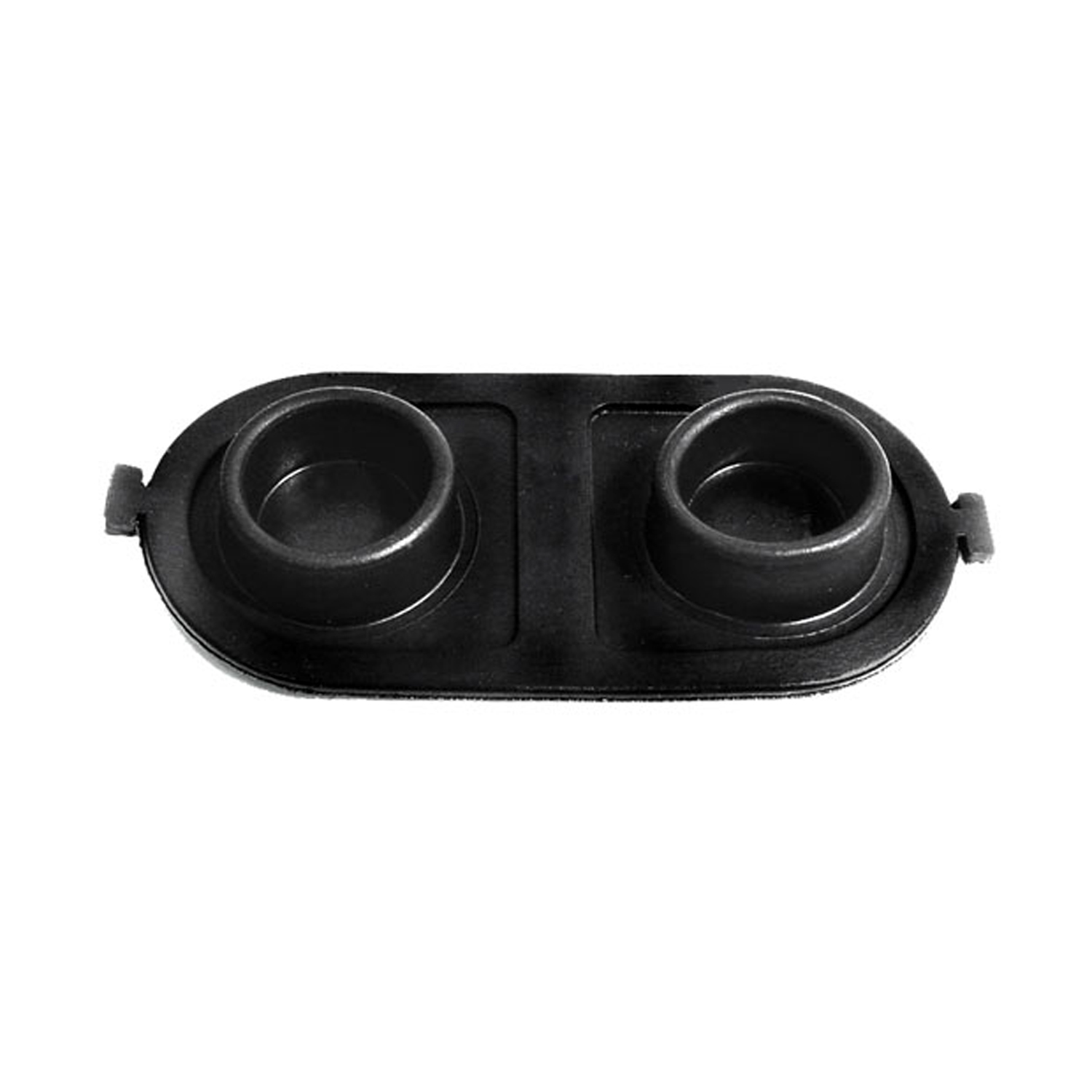 1981 Chevrolet Chevette Brake Master Cylinder Cover Seal. Replaces OEM #5470861-RP 2-EBrake Master Cylinder Cover Seal. Replaces OEM #5470861. 5" X 2-1/2". Each
 1981 Chevrolet Chevette Rear Windshield Reveal Molding Clip. Made of steel-WF 211Rear Windshield Reveal Molding Clip. Made of steel. 15/16" X 3/4". Each
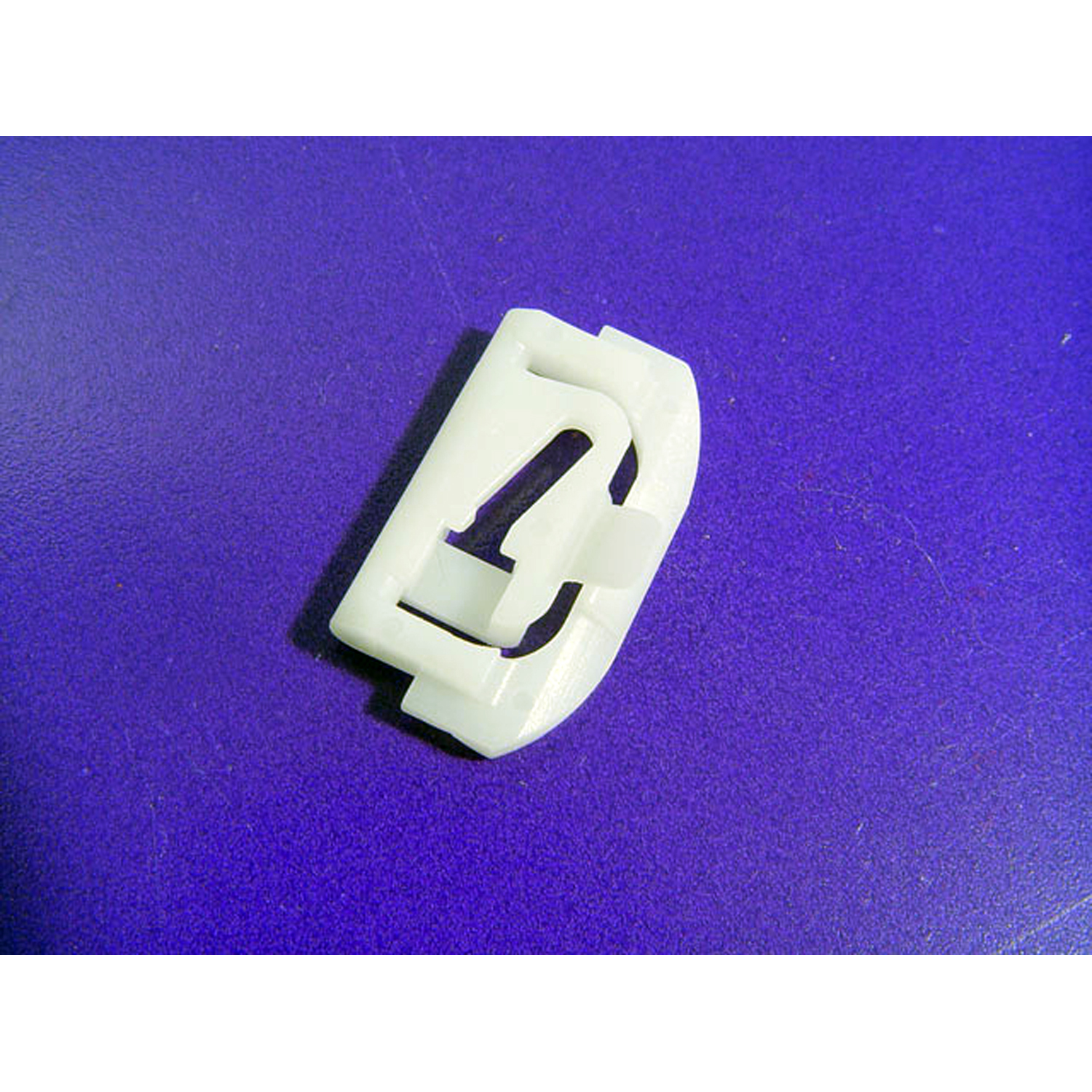 1981 Chevrolet Chevette Lower Side Window Reveal Molding Clip. Made of nylon-WF 214Lower Side Window Reveal Molding Clip. Made of nylon. 1-1/4" x 3/4". Each
Why Choose Metro?
For over 100 years, Metro Moulded Parts has been the pinnacle of quality in classic car restoration parts. Our commitment to precision and authenticity in every component ensures a perfect fit and an OEM-level appearance.
- Expert Craftsmanship & Quality: Each part is a testament to our dedication to reliability and perfection, crafted from original designs and thoroughly tested.
- Advanced Technology: We use cutting-edge techniques to create flawless, long-lasting parts that surpass others in performance.
- SuperSoft Sponge – The Ultimate Door Seal: Not only are our door seals 30% softer than competitors', but they're also guaranteed to never leak. They effectively reduce wind and road noise, enhancing your classic car's comfort and driving experience.
- Proudly American: Our parts are a product of American craftsmanship, made in the USA with a spirit of excellence and heritage.
- Unrivaled Warranty: We back our products with a 30-year industry-leading warranty, a testament to our confidence in their quality.
Join us in preserving the legacy of classic cars with parts that are crafted for perfection, not just made.