

Image of 1924 Chrysler Model B-70, Note: These illustrations use artistic license and may differ from actual historical models.
Performance Metrics
Fundamental Metrics
Emotional Appeal
MMP Rating
| Engine Specifications | |
|---|---|
| Engine: | Inline-6 |
| Displacement: | 3.3L (201 cubic inches) |
| Horsepower: | Estimated 68-70 HP |
| Torque: | Not available |
| Compression Ratio: | Not available |
| Ignition System: | Battery and coil |
| Cooling System: | Water-cooled |
| Performance Specifications | |
| 0-60 Time: | Not available |
| 1/4 Mile Time: | Not available |
| Top Speed: | 70 mph |
| Transmission and Drive | |
| Drive Type: | Rear-wheel drive |
| Transmission Type: | 3-speed manual |
| Fuel and Efficiency | |
| Fuel System Type: | Carburetor |
| MPG: | Not available |
| Dimensions and Brakes | |
| Brakes: | Mechanical drum brakes |
| Wheelbase: | 112 inches |
| Weight: | 2,890 lbs |
Note: Specifications for classic cars are given to the best of our ability, considering the limited and variant data available.
1924 Chrysler Model B-70: The Car That Launched a Name
The 1924 Chrysler Model B-70 arrived with a confident promise: a smooth six-cylinder engine, four-wheel hydraulic brakes, and the ability to reach 70 mph, all in a well-equipped car aimed at buyers who wanted more than basic transportation.
Its maker was not yet the Chrysler Corporation. The car was built by the Maxwell Motor Corporation in Highland Park, Michigan, and sold under the Chrysler name. Walter P. Chrysler had taken control of Maxwell and reshaped the company around a new automobile developed with engineers Fred Zeder, Owen Skelton, and Carl Breer, later known as Chrysler’s “Three Musketeers.” The Chrysler Six made its public debut at the New York Automobile Show in January 1924, giving the new marque an immediate identity of its own.
The B-70 was named for its advertised top speed, a striking claim in an era when many cars were slower, less refined, and equipped with less capable brakes. It was a bold opening move for a brand that would soon become one of America’s major automakers.
Art Deco Before Its Time: B-70 Design
The B-70 had the classic proportions of an early enclosed-engine automobile: a long, high hood, upright radiator, separate rounded fenders, running boards, and a tall windshield. Its silhouette was formal but purposeful. Wire wheels, a spare tire mounted at the side or rear depending on body style, and Chrysler identification on the radiator gave the car a distinctive presence without relying on excessive ornament.
Inside, the experience depended on the body ordered. Open models such as the touring car and roadster offered exposed seating and straightforward weather protection, while coupes and sedans enclosed occupants in a more sheltered cabin. Materials and trim varied with body and specification, but period examples typically feature substantial upholstery, wood or wood-finished interior details, and durable fittings. It was a more substantial environment than a bare-bones runabout, though still a product of the prewar era: upright seating, limited sound insulation, and plenty of mechanical activity came with the territory.
Factory paint choices varied by year and body, and surviving cars are found in colors such as black, dark blue, and maroon, along with other period shades. Black was a practical and familiar choice, while richer colors gave closed bodies and well-appointed touring cars extra distinction. Original paint records can be difficult to confirm on an individual car, so restoration research should rely on factory literature and evidence specific to that vehicle.
Body offerings included open touring and roadster models as well as closed coupe and sedan styles. The five-passenger touring car is among the most recognizable B-70 configurations, with its open cabin, folding top, and separate fenders showing off the car’s proportions. The range let buyers choose between an open-air family car and a more weather-protected automobile.
Engineering That Helped Define Chrysler
The B-70’s most important technical feature was its four-wheel hydraulic braking system. Hydraulic brakes were not entirely new, but their presence on a relatively attainable production car was a meaningful advantage. Compared with mechanical brakes that depended on rods and linkages, hydraulics could apply braking force more evenly at all four wheels. The system helped make the B-70 feel like a modern machine rather than simply a faster version of an older design.
Power came from a 201-cubic-inch, or approximately 3.3-liter, L-head inline-six. Its smooth-running six-cylinder layout was a selling point against the four-cylinder engines common in less expensive cars. Period specifications commonly list output at about 68 horsepower. The engine was paired with a three-speed manual transmission, and the car also benefited from engineering attention to lubrication and engine breathing that supported its performance and durability.
The B-70 did not invent the six-cylinder automobile or hydraulic braking. Its contribution was to combine useful performance and advanced braking in a marketable package under a new name. Chrysler made engineering a central part of its public identity, and that approach became a lasting feature of the brand.
On the Road: Speed, Ride, and Handling
Chrysler promoted the B-70 as a 70-mph car, an impressive figure for 1924. Actual speed depended on body style, mechanical condition, gearing, tires, load, and road surface. A healthy example could be brisk for its day, but modern traffic is not a fair comparison. There is no dependable factory 0-to-60-mph figure to quote; a reasonable modern estimate would put acceleration to 60 mph in the neighborhood of 25 to 35 seconds, with considerable variation between cars.
Behind the wheel, expect a deliberate, hands-on experience. The engine’s even six-cylinder cadence is smoother than that of many contemporary fours, but it remains audible and unmistakably mechanical. The three-speed gearbox calls for thoughtful shifts, and the driver must plan braking and cornering well ahead. The B-70’s hydraulic brakes were a significant improvement for their time, not a substitute for modern stopping distances or modern tires.
On ordinary roads, its long wheelbase and substantial chassis should provide a calmer ride than a small, lightweight car. However, period suspension and narrow tires mean potholes, sharp bumps, and rough pavement are felt directly. On winding roads, the upright body and vintage steering require measured inputs. The B-70 is best enjoyed at a relaxed pace, where its smooth engine and open-air character can do the talking.
Living With a 1924 Chrysler
Today, the B-70 is best suited to touring, local vintage-car events, museum displays, and carefully planned weekend drives. It can be driven, but it is not a sensible modern daily driver. Traffic speed, visibility, braking distance, weather protection, and the availability of compatible tires all set practical limits.
Mechanical work is approachable for an owner familiar with early cars. The engine and chassis use straightforward period technology, and many routine jobs do not require modern diagnostic equipment. Still, “simple” does not mean effortless. Parts for a 1924 model can take time to locate, and body-specific trim, glass, upholstery details, and hydraulic-brake components may require specialist knowledge or careful rebuilding. Before buying, inspect the engine, transmission, frame, wood structure where applicable, and brake system. A car that stops reliably is far more valuable than one that merely starts.
Notable B-70 Facts and Myths
The B-70 was the first car sold under the Chrysler name, making even an ordinary-looking example a landmark in the company’s history. Its 70-mph claim was also built directly into the model designation, turning a technical selling point into memorable branding.
The model is sometimes described as the first car with four-wheel hydraulic brakes. That claim needs qualification: earlier cars, including the Duesenberg Model A, had already used hydraulic brakes. Chrysler’s importance was helping bring four-wheel hydraulic braking to a broader production-car audience.
There is no widely recognized B-70 celebrity ownership or single record-setting episode that defines the model’s story. Its most significant “event” was its role in establishing Chrysler as a serious new competitor. A common criticism today is that the car’s top-speed reputation can overshadow the realities of driving it: a century-old chassis, period tires, and vintage brakes call for caution, not modern-speed expectations.
Collector Values and Availability
Exact production totals for individual early Chrysler configurations are not consistently reported, so a precise count for the B-70 is difficult to establish. A reasonable working estimate is that roughly 30,000 to 35,000 Model B-70s were built or sold during the model’s early production run, though totals can vary depending on how model years and body versions are counted. Survivors are far less common than that figure suggests, especially cars retaining their original bodywork and correct details.
As a broad 2026 collector-market estimate, a project or incomplete car might fall around $8,000 to $18,000. A running, presentable example could bring roughly $20,000 to $40,000, while a high-quality restoration or especially desirable body style may reach $45,000 to $65,000 or more. Condition, provenance, originality, and the quality of the restoration matter greatly, and actual sale prices can differ from asking prices.
Values tend to be steady rather than spectacular. The B-70’s historical importance supports its appeal, but early cars have a narrower buyer pool than more familiar postwar classics. Good examples can attract collectors who value engineering milestones and early Chrysler history; cars needing extensive restoration may be harder to sell because restoration costs can quickly exceed market value.
Why the B-70 Still Matters
The 1924 Chrysler Model B-70 combined a smooth six-cylinder engine, modern-for-its-time braking, and a serious performance claim in a car that helped launch one of America’s great automotive brands. Its styling captures the transition from early motoring to a more refined automobile age, while its engineering shows how Chrysler made technology part of its identity from the start.
A B-70 is not a vintage car to hurry. It is a car to hear, study, and drive with care. A century after its debut, it remains a rolling reminder that Chrysler entered the market not quietly, but with a clear promise of speed, refinement, and progress.
1924 Chrysler Model B-70 Catalog of Parts
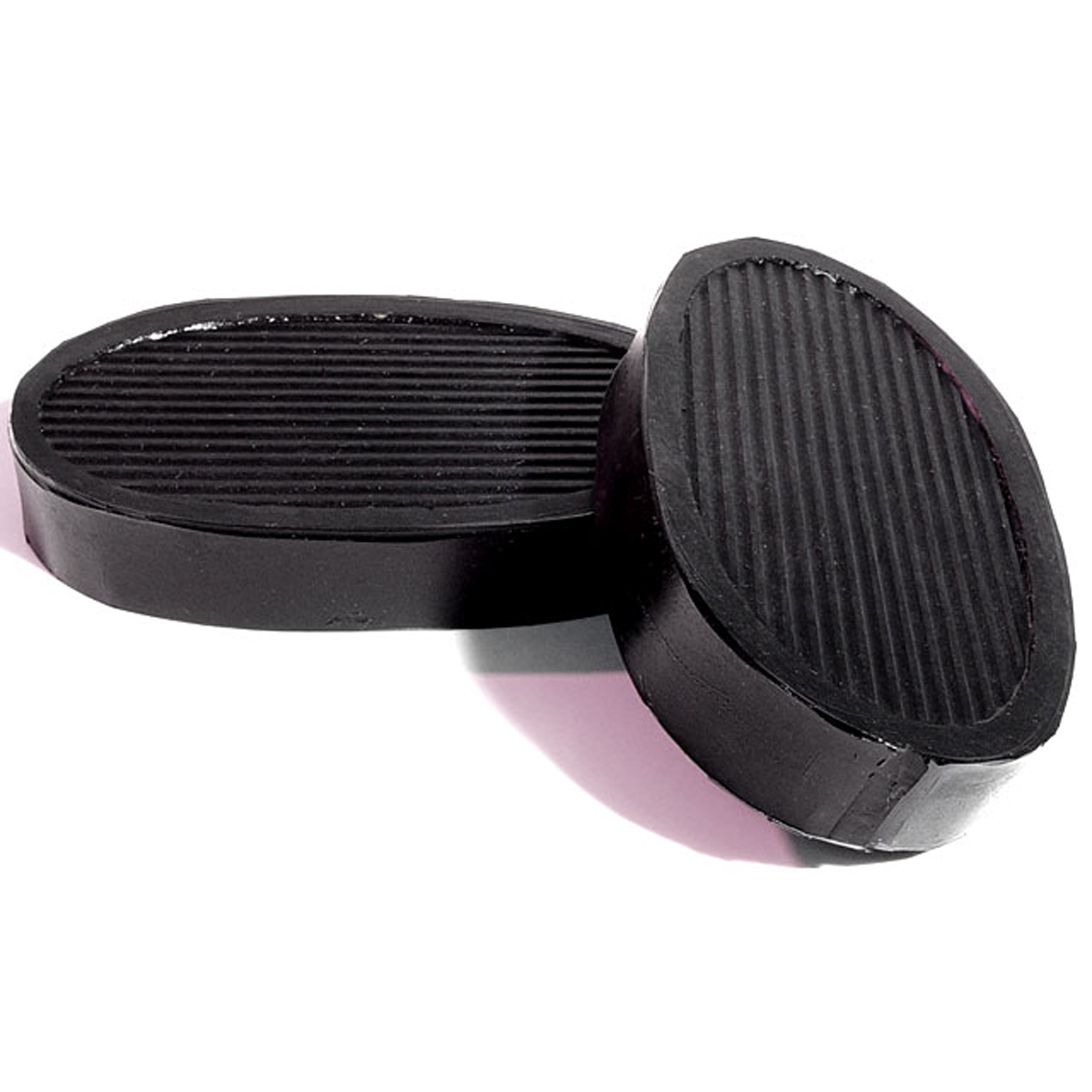 1924 Chrysler Model B-70 Clutch and Brake Pedal Pads. High-quality reproduction-CB 29Clutch and Brake Pedal Pads. High-quality reproduction. 2-3/8" wide X 4" long. Pair
Why Choose Metro?
For over 100 years, Metro Moulded Parts has been the pinnacle of quality in classic car restoration parts. Our commitment to precision and authenticity in every component ensures a perfect fit and an OEM-level appearance.
- Expert Craftsmanship & Quality: Each part is a testament to our dedication to reliability and perfection, crafted from original designs and thoroughly tested.
- Advanced Technology: We use cutting-edge techniques to create flawless, long-lasting parts that surpass others in performance.
- SuperSoft Sponge – The Ultimate Door Seal: Not only are our door seals 30% softer than competitors', but they're also guaranteed to never leak. They effectively reduce wind and road noise, enhancing your classic car's comfort and driving experience.
- Proudly American: Our parts are a product of American craftsmanship, made in the USA with a spirit of excellence and heritage.
- Unrivaled Warranty: We back our products with a 30-year industry-leading warranty, a testament to our confidence in their quality.
Join us in preserving the legacy of classic cars with parts that are crafted for perfection, not just made.