

Image of 1925 Chrysler Model B-70, Note: These illustrations use artistic license and may differ from actual historical models.
Performance Metrics
Fundamental Metrics
Emotional Appeal
MMP Rating
| Engine Specifications | |
|---|---|
| Engine: | Inline 6-cylinder engine |
| Displacement: | 3.3L |
| Horsepower: | Estimated 68-70 HP |
| Torque: | Not available |
| Compression Ratio: | Not available |
| Ignition System: | Battery and coil |
| Cooling System: | Water-cooled |
| Performance Specifications | |
| 0-60 Time: | Not available |
| 1/4 Mile Time: | Not available |
| Top Speed: | 75 mph |
| Transmission and Drive | |
| Drive Type: | Rear-wheel drive |
| Transmission Type: | 3-speed manual |
| Fuel and Efficiency | |
| Fuel System Type: | Carburetor |
| MPG: | Not available |
| Dimensions and Brakes | |
| Brakes: | Mechanical drum brakes |
| Wheelbase: | 112 inches |
| Weight: | 2,890 lbs |
Note: Specifications for classic cars are given to the best of our ability, considering the limited and variant data available.
1925 Chrysler Model B-70: The Six That Launched a New Brand
The 1925 Chrysler Model B-70 brought big-car confidence and advanced engineering to a price class where buyers rarely expected either. It was an early product of Walter P. Chrysler’s new automobile venture, a six-cylinder car designed to challenge established makes with strong performance, careful construction, and four-wheel hydraulic brakes.
The B-70 followed the first Chrysler Six, introduced in 1924 after Walter Chrysler took control of the struggling Maxwell Motor Company. Chrysler’s new cars quickly gained a reputation for being more technically ambitious than their prices suggested. In 1925, the Chrysler Corporation was formally established, making the B-70 part of the company’s earliest chapter.
One detail that catches modern readers’ attention is the model name. The “70” referred to Chrysler’s advertised top-speed capability, not its horsepower. That was a bold claim in an era when many family cars were content to cruise at considerably lower speeds.
B-70 Styling and Body Choices
The B-70 had the upright, purposeful proportions typical of the mid-1920s, but its details gave it a more modern presence than many contemporary cars. A tall radiator stood at the front, framed by sweeping front fenders and large, exposed headlamps. The long hood emphasized the six-cylinder engine, while the narrow tires and high ground clearance reflected the roads the car was expected to travel.
Open models wore their mechanical character proudly. The roadster and touring car showed off the chassis, running boards, folding top, and separate fenders. Closed models, including coupes and sedans, offered a more formal silhouette, with upright windshields and squared-off passenger compartments. Like most cars of the period, the B-70’s body styles shared a common chassis but gave buyers a choice between sporty, social, and family-oriented motoring.
Available body styles varied across the B-70 range and model year, but commonly listed types included roadster, touring, coupe, and sedan configurations. The open touring car was a particularly recognizable choice, offering room for passengers and a practical folding top. Buyers looking for privacy and weather protection gravitated toward the sedan and coupe.
Paint and trim depended on body style and production details. Black remained a familiar, practical choice, while dark blues, maroons, greens, and other period colors could give a car a more distinctive look. Open cars typically featured leather seating, while closed models used upholstery such as cloth or broadcloth. Trim materials and finishes varied, but the B-70 was intended to feel substantial rather than austere.
Engineering Ahead of Its Price Class
The B-70’s defining innovation was its four-wheel hydraulic braking system. At a time when mechanical brakes were common, hydraulic brakes could apply force more evenly and with less effort from the driver. The design was a major part of Chrysler’s identity and helped set the company apart from competitors.
Power came from a 201-cubic-inch, side-valve inline-six, generally rated at about 68 horsepower. It was paired with a three-speed manual transmission and rear-wheel drive. The engine’s smooth six-cylinder layout suited the B-70’s upmarket ambitions, delivering more flexibility and refinement than the four-cylinder engines still found in many cars.
Chrysler also emphasized features such as pressure lubrication and engine components intended to improve durability and performance. Exact equipment could vary by production date and specification, but the larger message was clear: the B-70 was engineered as a complete, modern automobile, not simply as a basic chassis with a larger engine.
Why the 1925 Chrysler Mattered
The B-70 helped establish Chrysler as an engineering-led American automaker. Its four-wheel hydraulic brakes were a particularly important distinction, offering a meaningful safety and control advantage. Hydraulic braking would become a standard feature across the industry, though the B-70 was not the only carmaker experimenting with the technology.
Its combination of a six-cylinder engine, hydraulic brakes, and relatively attainable pricing also challenged the idea that advanced equipment belonged only in expensive luxury cars. The B-70 helped build the reputation that Chrysler would carry into the decades that followed: strong performance, thoughtful engineering, and a willingness to compete on technical merit.
The car was not revolutionary in every respect. Its upright styling, open bodywork, manual controls, and separate fenders were typical of its time. Its significance lies in how it brought together established and emerging ideas in a package that helped a new manufacturer make a convincing entrance.
Performance and Road Manners
Period advertising and the B-70 name pointed to a top speed of roughly 70 mph. Actual speed depended on body style, mechanical condition, gearing, road surface, and load. A well-maintained example could make impressive progress by mid-1920s standards, but it was not designed for sustained modern freeway travel.
There is no dependable factory-style 0-to-60 mph figure comparable to a modern test. Based on its power, gearing, and weight, a rough estimate would put acceleration to 60 mph in the range of about 25 to 35 seconds, with considerable variation between cars. Treat that as an informed approximation, not a period specification.
Behind the wheel, the B-70 feels deliberate. The driver works a floor-mounted manual gear lever, manages a relatively large steering wheel, and listens for the engine’s rhythm rather than relying on modern instrumentation. The inline-six produces a steady mechanical hum that becomes more pronounced as revs rise. The brakes were advanced for the time, but they still demand anticipation compared with a modern car’s braking system.
On rough roads, the B-70’s tall tires, substantial chassis, and long-travel suspension help soften the ride, though the car still responds to ruts and uneven surfaces. On winding roads, its high stance and period tires call for measured cornering. It is best enjoyed at a relaxed pace, with smooth inputs and plenty of space to stop.
Living with a B-70
Today, a B-70 is most often used as a show car, touring car, or occasional driver. It can take part in vintage-car rallies and local events, but regular commuting is rarely practical. Its age, open body styles, period lighting, and modest braking by modern standards make careful route planning essential.
Maintenance is approachable for an owner with mechanical experience and access to specialist parts suppliers. The engine and chassis use straightforward period technology, and many routine jobs can be handled with traditional hand tools. However, parts availability is not as effortless as it is for a Model T Ford or a later mass-market classic. Hard-to-find trim, body panels, and model-specific components may require patience or specialist help.
Reliability depends heavily on restoration quality and ongoing care. A B-70 that has been stored poorly or driven infrequently may need attention to its fuel system, ignition, cooling system, brakes, and lubrication. Before driving one regularly, inspect the hydraulic brakes thoroughly and have the system serviced by someone familiar with early hydraulic designs.
Chrysler B-70 Facts and Misconceptions
The B-70 arrived just before Chrysler Corporation’s formal creation in 1925, so it belongs to both the Maxwell-to-Chrysler transition and the brand’s founding era. It also helped introduce the public to a carmaker that intended to compete through engineering as much as styling or price.
Its “70” designation is often mistaken for a 70-horsepower rating. The engine was generally rated at about 68 horsepower; the number referred to the car’s advertised speed capability. Another common misconception is that all B-70s were identical. Equipment, bodywork, trim, and details could differ by body style and production changes.
There is no widely recognized B-70 production record or single celebrity ownership story that defines the model. Its more important historical distinction is its place among Chrysler’s first cars and its use of four-wheel hydraulic brakes at a time when that technology was still unusual. The precise number built is difficult to establish from readily available model-specific production records, so any exact figure should be treated cautiously.
Common criticisms are rooted in age rather than a fundamental flaw: the B-70 is slow by current standards, requires frequent attention compared with a modern vehicle, and offers limited protection from weather and traffic. Its mechanical brakes are often discussed in period-car comparisons, but the B-70’s hydraulic system was itself one of its standout features.
Collector Values and Rarity
The B-70 is uncommon today, particularly in complete, correctly restored condition. It is not possible to give a dependable surviving-car count without a verified registry, and production totals can be difficult to separate by model year and body style. A reasonable broad estimate is that tens of thousands of early Chrysler Six cars were produced across the initial years, but that should not be mistaken for a confirmed 1925 B-70 total.
Values vary widely according to body style, originality, restoration quality, and provenance. As a broad 2026 market estimate, a project or incomplete car might fall around $10,000 to $25,000. A sound, usable example could bring roughly $25,000 to $50,000, while a high-quality restoration or particularly desirable body style may reach approximately $50,000 to $85,000 or more. These are general ranges, not a formal appraisal, and exceptional cars can fall outside them.
Over the long term, early Chryslers have benefited from greater recognition of the company’s engineering history. Prices tend to be steadier for cars with documented restorations and complete, original details. As with many prewar classics, condition and buyer interest matter more than a simple year-by-year appreciation curve. A costly restoration may also exceed the car’s eventual resale value.
A Founding-Era Chrysler Worth Remembering
The 1925 Chrysler Model B-70 combined a capable six-cylinder engine, a claimed 70-mph top speed, and four-wheel hydraulic brakes in a car that helped define a new American manufacturer. Its upright styling and hands-on driving experience belong unmistakably to the 1920s, but its engineering ambitions pointed toward the future.
For collectors, the B-70 is more than an early touring car or sedan. It is a rolling reminder of the moment Chrysler turned advanced ideas into a lasting automotive identity.
1925 Chrysler Model B-70 Catalog of Parts
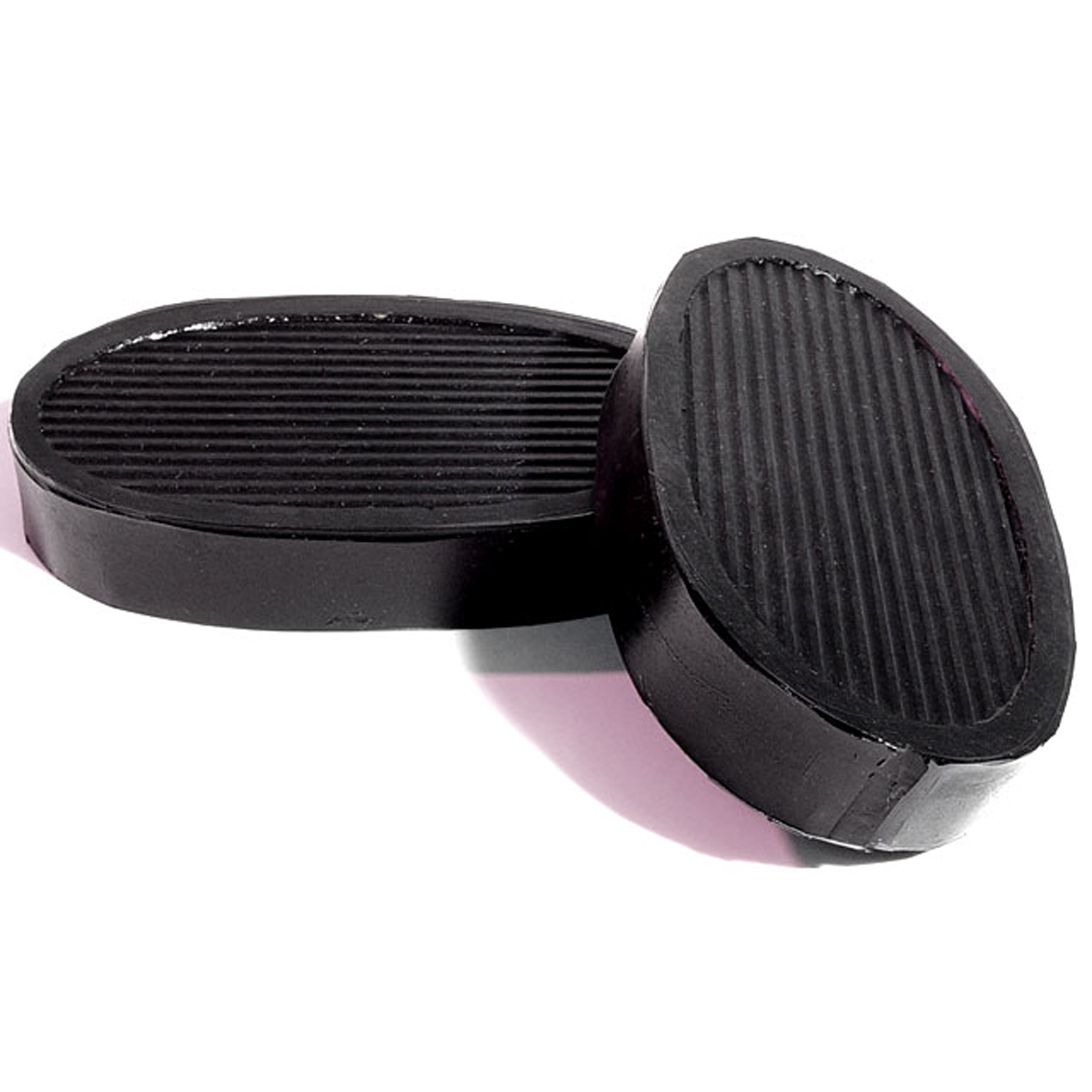 1925 Chrysler Model B-70 Clutch and Brake Pedal Pads. High-quality reproduction-CB 29Clutch and Brake Pedal Pads. High-quality reproduction. 2-3/8" wide X 4" long. Pair
Why Choose Metro?
For over 100 years, Metro Moulded Parts has been the pinnacle of quality in classic car restoration parts. Our commitment to precision and authenticity in every component ensures a perfect fit and an OEM-level appearance.
- Expert Craftsmanship & Quality: Each part is a testament to our dedication to reliability and perfection, crafted from original designs and thoroughly tested.
- Advanced Technology: We use cutting-edge techniques to create flawless, long-lasting parts that surpass others in performance.
- SuperSoft Sponge – The Ultimate Door Seal: Not only are our door seals 30% softer than competitors', but they're also guaranteed to never leak. They effectively reduce wind and road noise, enhancing your classic car's comfort and driving experience.
- Proudly American: Our parts are a product of American craftsmanship, made in the USA with a spirit of excellence and heritage.
- Unrivaled Warranty: We back our products with a 30-year industry-leading warranty, a testament to our confidence in their quality.
Join us in preserving the legacy of classic cars with parts that are crafted for perfection, not just made.