

Image of 1926 Chrysler Series 58, Note: These illustrations use artistic license and may differ from actual historical models.
Performance Metrics
Fundamental Metrics
Emotional Appeal
MMP Rating
| Engine Specifications | |
|---|---|
| Engine: | Inline 4 |
| Displacement: | 180.2 cu in (2.9 L) |
| Horsepower: | Estimated 38 HP |
| Torque: | Not available |
| Compression Ratio: | Not available |
| Ignition System: | Battery and coil |
| Cooling System: | Water-cooled |
| Performance Specifications | |
| 0-60 Time: | Not available |
| 1/4 Mile Time: | Not available |
| Top Speed: | 60 mph |
| Transmission and Drive | |
| Drive Type: | Rear-wheel drive |
| Transmission Type: | 3-speed manual |
| Fuel and Efficiency | |
| Fuel System Type: | Carburetor |
| MPG: | Not available |
| Dimensions and Brakes | |
| Brakes: | Mechanical drum brakes |
| Wheelbase: | 112 in (2,845 mm) |
| Weight: | 2,315 lb (1,050 kg) |
Note: Specifications for classic cars are given to the best of our ability, considering the limited and variant data available.
1926 Chrysler Series 58: The Four-Cylinder That Broadened Chrysler’s Reach
The 1926 Chrysler Series 58 brought the young Chrysler marque’s engineering-minded approach to a more accessible price class. Built by the Chrysler Corporation, founded by Walter P. Chrysler in 1925, it was a four-cylinder companion to the company’s better-known six-cylinder cars. Its blend of useful power, careful construction and four-wheel hydraulic brakes made it more than a basic entry-level car.
The timing mattered. American roads were improving, car ownership was spreading beyond the wealthiest households, and buyers increasingly expected closed bodies, dependable brakes and enough performance for longer trips. The Series 58 answered those expectations in a period when many affordable rivals still relied on less effective braking systems. One intriguing detail is that its name was a series designation, while the engine is commonly listed at about 58 horsepower.
Period Styling and Practical Coachwork
The Series 58 had the upright, purposeful profile typical of the mid-1920s. A tall radiator and long hood gave the front end a formal presence, while separate fenders curved around narrow tires and exposed running boards. Lamps, a slim windscreen and bright trim added detail without disguising the car’s straightforward proportions. It looked substantial, but not as imposing as a large luxury automobile.
Inside, the experience depended on the body style and trim level. Buyers could expect period upholstery, a large steering wheel, simple instruments and generous use of painted or polished metal. Closed models offered protection from weather and dust, while open cars made do with a folding top and side curtains. Materials and finish were respectable for a mainstream car of the era, though not comparable to the hand-finished interiors of high-priced luxury marques.
Body offerings varied by catalog and market, but the range included open and closed types such as roadsters, phaetons, coupes and sedans. The sedan was a particularly practical choice for families and year-round motoring. The roadster, with its lighter look and open cockpit, is among the more visually appealing versions to modern enthusiasts.
Factory colors varied with body and trim. Black was a familiar, practical choice, while dark blues, greens and maroons suited the taste for rich, restrained colors. Two-tone treatments could give some bodies extra visual contrast. Original paint details should be checked against period documentation for the specific car, since surviving examples have often been repainted.
Four-Wheel Hydraulic Brakes and Chrysler Engineering
The Series 58’s most significant technical feature was its four-wheel hydraulic braking system. Hydraulic brakes were not unique to Chrysler, but they were still unusual in affordable American cars. They applied braking force through fluid pressure rather than relying solely on a driver’s leg force and a network of mechanical rods and levers. The result was more even braking at all four wheels, an important advantage as traffic and road speeds increased.
Chrysler’s early reputation was built on engineering and value, and the Series 58 helped carry that identity into a lower-priced segment. Its four-cylinder layout was simpler and generally less costly to maintain than a larger six, while the car retained features that made it feel modern for its class. It was not a revolutionary design in every respect, but it demonstrated that improved braking and substantial construction did not have to be reserved for expensive automobiles.
Engine, Speed, and Road Manners
The Series 58 is generally listed with a four-cylinder engine of roughly 2.8 liters and approximately 58 horsepower, driving the rear wheels through a manual transmission. Exact specifications can vary among reference sources and surviving cars, so a buyer should verify the engine and equipment on an individual example.
Period performance figures are not as consistent as modern test data. A well-maintained car may reach roughly 55 to 65 mph, depending on gearing, body style and mechanical condition. A 0-to-60 mph time was not a standard factory comparison in 1926; a present-day estimate would be around 30 to 40 seconds, if the car can reach 60 mph at all. Its strength was steady, usable road speed, not rapid acceleration.
On the road, the four-cylinder engine delivers a measured, mechanical beat, accompanied by the sounds of gears, tires and wind that belong to an open or lightly insulated vintage car. The steering is manual, the controls require deliberate movement, and the driver does more work than in a modern vehicle. Leaf springs and tall tires take the edge off ordinary road irregularities, but sharp bumps can send a noticeable shudder through the body. On winding roads, the high seating position, narrow tires and period suspension call for smooth inputs and conservative cornering.
The hydraulic brakes were a welcome safety feature, but they are not a substitute for modern stopping distances or modern traffic awareness. A Series 58 feels most at home on scenic roads, at moderate speeds, where the driver can listen to the engine and enjoy the pace rather than hurry through traffic.
Living With a Series 58
Today, most Series 58s are used as show cars, museum pieces, parade vehicles or occasional touring cars. They can be driven, but using one as a daily driver is rarely practical. Parts availability, traffic conditions, limited weather protection and the need for regular inspection all favor planned outings over routine commuting.
The basic mechanical layout is comparatively approachable for an experienced vintage-car owner. The engine and chassis do not have the electronic systems found in modern vehicles, and many repairs can be handled with ordinary workshop tools. However, age changes the equation: brake hydraulics, wheel bearings, ignition components, fuel delivery and wood-framed body structures all need careful attention. A car that has been sitting for years should receive a thorough mechanical inspection before it is driven, especially of the braking system.
Reliability depends less on the badge than on the quality of restoration and ongoing care. A sound, well-sorted example can be enjoyable on local tours. A neglected one may require hard-to-source parts or specialist work, and cosmetic restoration can cost far more than a casual buyer expects.
Useful Trivia and Common Criticisms
The Series 58 is not widely associated with a famous speed record, endurance run or celebrity owner, and there is no well-established celebrity story that defines the model. Its importance is quieter: it helped bring Chrysler’s engineering-focused reputation to buyers who wanted a practical car rather than a luxury statement.
Its most frequent modern criticism is modest performance. The four-cylinder engine is no match for later cars on fast roads, and the manual steering, limited weather sealing and period brakes demand patience and attention. Some owners also find the cabin noisy by modern standards. Those drawbacks are part of the car’s character, but they matter when deciding whether to buy one for display, touring or regular use.
Collector Values and Availability
There is no dependable, widely accepted production total for the Series 58. As a working estimate rather than a factory-verified figure, production may have been in the tens of thousands, perhaps around 20,000 to 30,000 cars across the relevant run. The number of surviving examples is far smaller, and condition, body style, originality and documentation strongly affect desirability.
As a broad U.S. market estimate, a project car might sell for roughly $8,000 to $18,000. A usable, presentable example could fall around $20,000 to $40,000, while a high-quality restoration or especially attractive body style may bring approximately $40,000 to $65,000 or more. These are guide ranges, not a guaranteed appraisal: regional demand and restoration quality can move a particular car well outside them.
Values tend to be condition-led rather than driven by a dramatic collector boom. Well-documented, correctly restored cars are the safest prospects, while poorly executed restorations can be expensive to correct. The Series 58 has a smaller audience than headline-grabbing classics, so it may take time to find the right buyer. Its appeal is strongest among enthusiasts who value early Chrysler engineering and usable prewar motoring.
Why the 1926 Chrysler Series 58 Matters
The Chrysler Series 58 combined a practical four-cylinder engine with the kind of engineering feature that could make a real difference on the road: four-wheel hydraulic brakes. Its upright styling, range of body choices and straightforward mechanical design captured a moment when American motoring was becoming more accessible and more sophisticated.
It may not be the fastest or most celebrated Chrysler, but the Series 58 helped establish the company’s reputation beyond the luxury class. For collectors, it offers a direct connection to the ambitious early years of Chrysler, when sound engineering was becoming part of the everyday car’s promise.
1926 Chrysler Series 58 Catalog of Parts
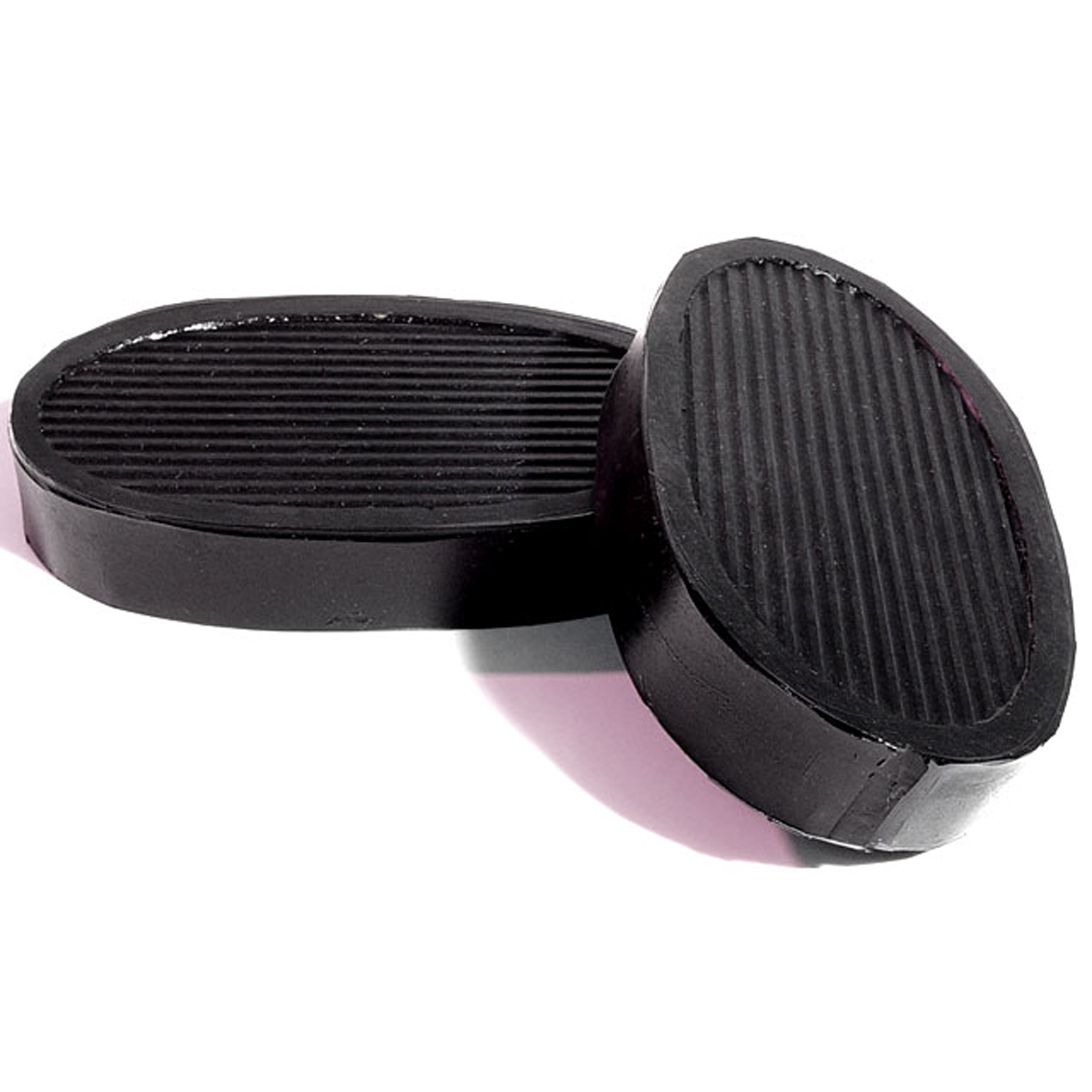 1926 Chrysler Series 58 Clutch and Brake Pedal Pads. High-quality reproduction-CB 29Clutch and Brake Pedal Pads. High-quality reproduction. 2-3/8" wide X 4" long. Pair
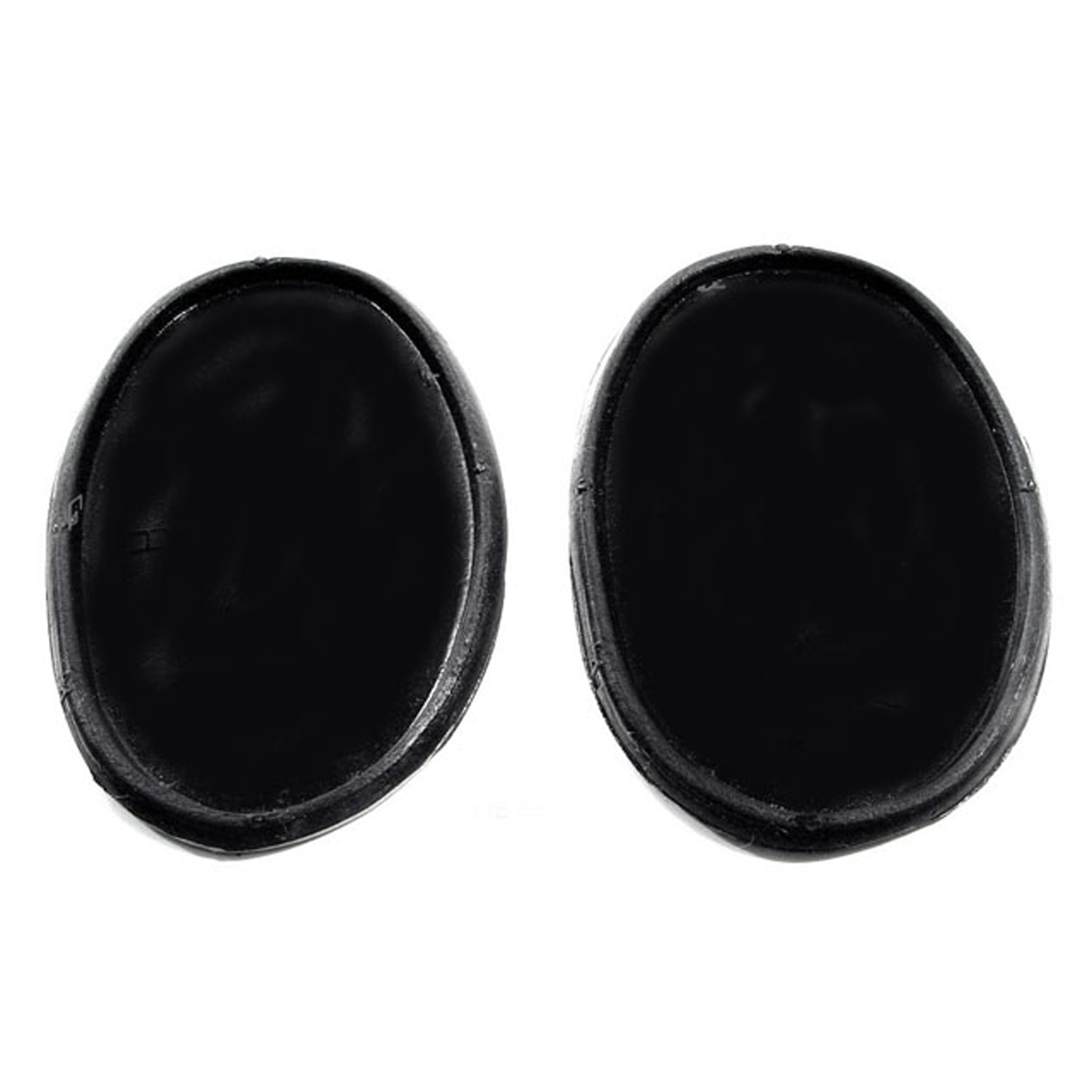 1926 Chrysler Series 58 Headlight Pads. 2-3/8" wide X 3-3/4" long. Pair-MP 550Headlight Pads. 2-3/8" wide X 3-3/4" long. Pair
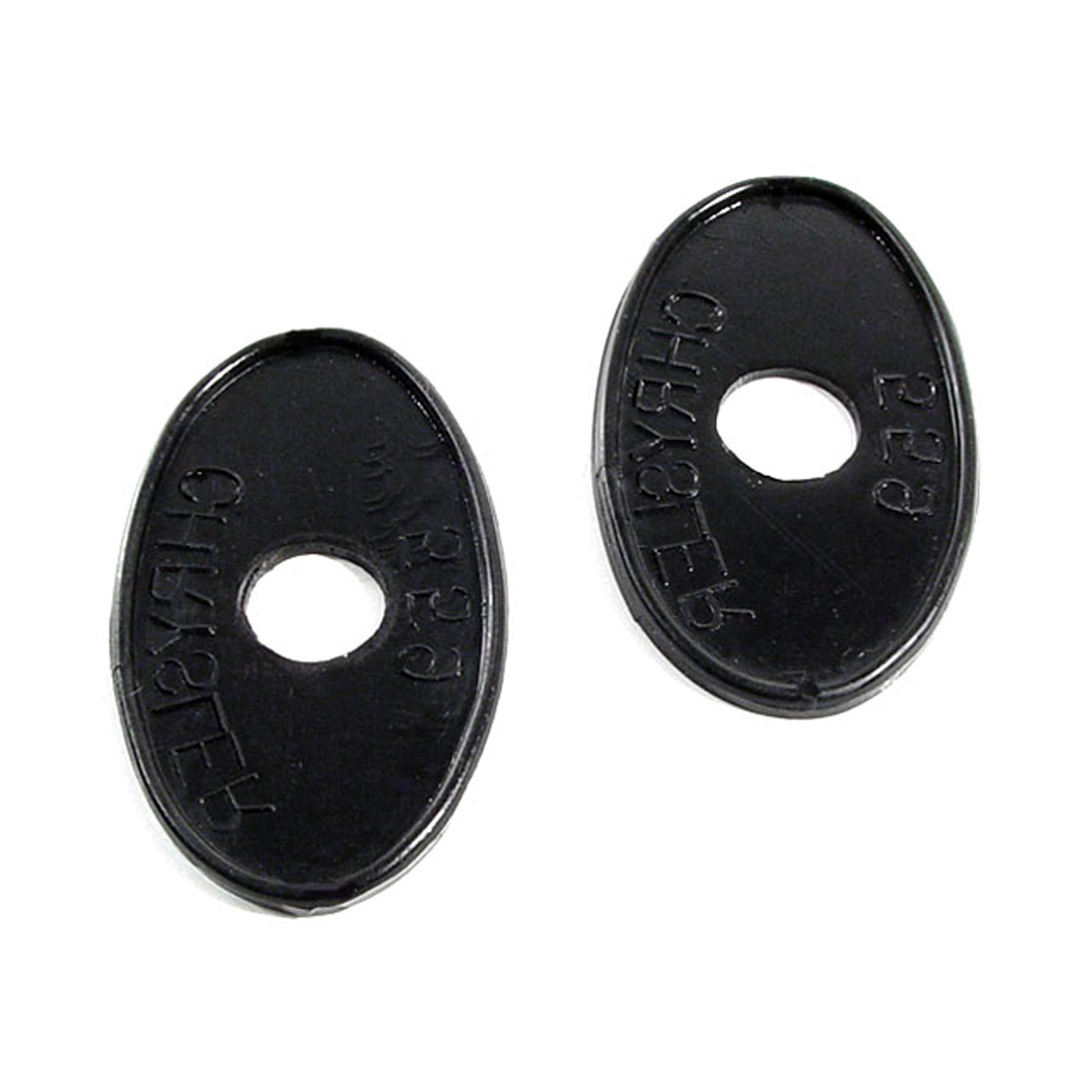 1926 Chrysler Series 58 Door Handle Pads. 1-1/4" wide X 2-1/4" long. Pair-MP 559Door Handle Pads. 1-1/4" wide X 2-1/4" long. Pair
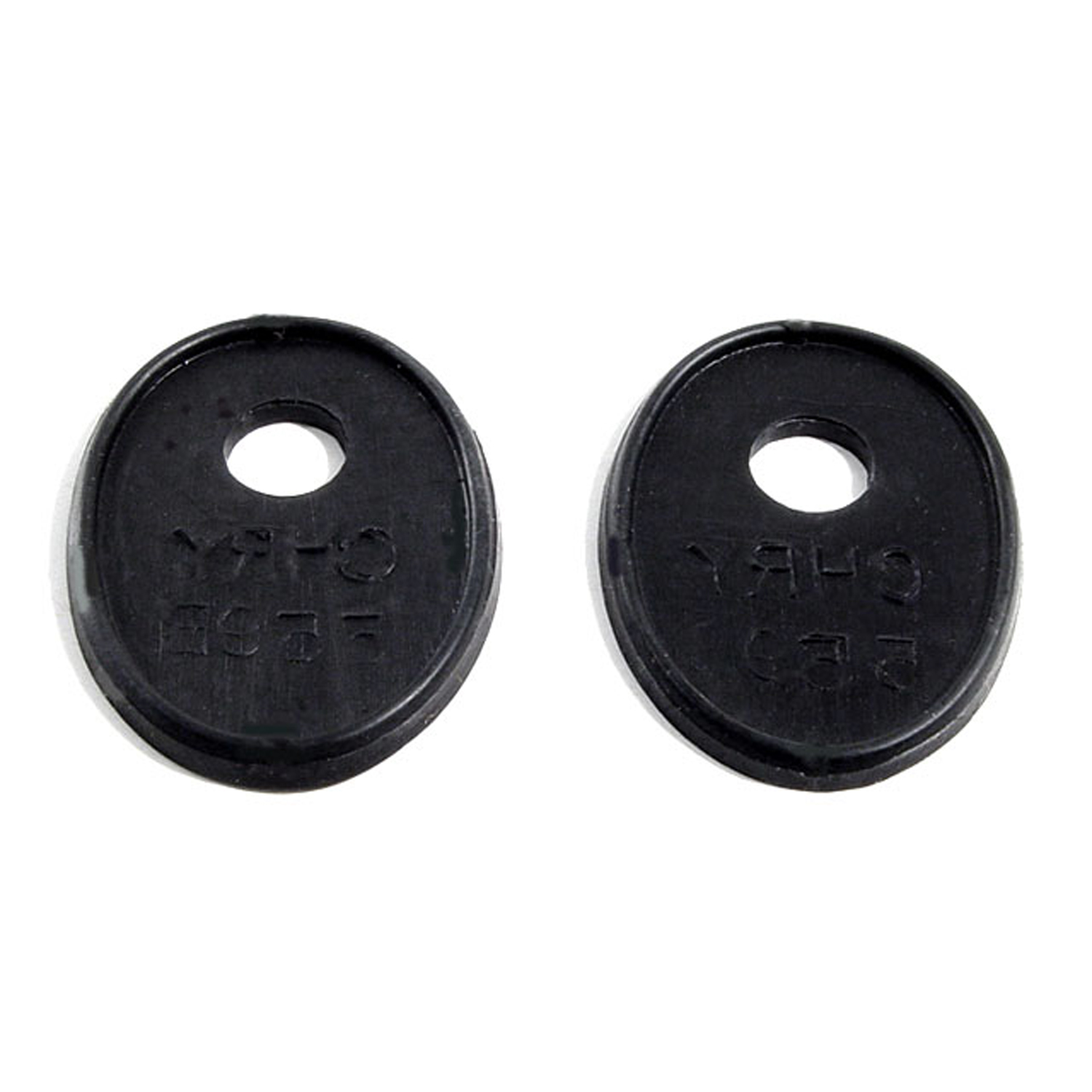 1926 Chrysler Series 58 Headlight Bar Pads. 1-3/8" wide X 1-7/8" long. Pair-MP 559-BHeadlight Bar Pads. 1-3/8" wide X 1-7/8" long. Pair
Why Choose Metro?
For over 100 years, Metro Moulded Parts has been the pinnacle of quality in classic car restoration parts. Our commitment to precision and authenticity in every component ensures a perfect fit and an OEM-level appearance.
- Expert Craftsmanship & Quality: Each part is a testament to our dedication to reliability and perfection, crafted from original designs and thoroughly tested.
- Advanced Technology: We use cutting-edge techniques to create flawless, long-lasting parts that surpass others in performance.
- SuperSoft Sponge – The Ultimate Door Seal: Not only are our door seals 30% softer than competitors', but they're also guaranteed to never leak. They effectively reduce wind and road noise, enhancing your classic car's comfort and driving experience.
- Proudly American: Our parts are a product of American craftsmanship, made in the USA with a spirit of excellence and heritage.
- Unrivaled Warranty: We back our products with a 30-year industry-leading warranty, a testament to our confidence in their quality.
Join us in preserving the legacy of classic cars with parts that are crafted for perfection, not just made.