

Image of 1928 Chrysler Series 52, Note: These illustrations use artistic license and may differ from actual historical models.
Performance Metrics
Fundamental Metrics
Emotional Appeal
MMP Rating
| Engine Specifications | |
|---|---|
| Engine: | Inline 6 |
| Displacement: | 185 cubic inches |
| Horsepower: | Estimated 38-45 HP |
| Torque: | Not available |
| Compression Ratio: | Not available |
| Ignition System: | Battery and coil |
| Cooling System: | Water-cooled |
| Performance Specifications | |
| 0-60 Time: | Not available |
| 1/4 Mile Time: | Not available |
| Top Speed: | 60 mph |
| Transmission and Drive | |
| Drive Type: | Rear-wheel drive |
| Transmission Type: | 3-speed manual |
| Fuel and Efficiency | |
| Fuel System Type: | Carburetor |
| MPG: | Not available |
| Dimensions and Brakes | |
| Brakes: | Mechanical drum brakes |
| Wheelbase: | 112.75 inches |
| Weight: | 2,890 lbs |
Note: Specifications for classic cars are given to the best of our ability, considering the limited and variant data available.
1928 Chrysler Series 52: A Classic Between Eras
The 1928 Chrysler Series 52 was a well-engineered, four-cylinder car from a company determined to make modern motoring feel more refined. Built by the Chrysler Corporation under the direction of Walter P. Chrysler, the Series 52 sat below the company’s larger six-cylinder models while retaining many of the engineering ideas that had helped establish Chrysler’s reputation.
Its arrival came during a busy year for the young automaker. Chrysler had been incorporated in 1925, and in 1928 it acquired Dodge Brothers, introduced the DeSoto marque, and launched Plymouth. The Series 52 therefore belongs to a pivotal period when Chrysler was expanding rapidly and building a multi-brand range. A notable detail is its name: the “52” referred to its approximate horsepower rating, a straightforward bit of model branding in an era when engine output was becoming a selling point.
Exact specifications and body offerings can vary by market and catalogue, but the Series 52 is generally identified as a 2.8-liter, 170-cubic-inch inline-four producing about 52 horsepower. It combined that modest engine with a sturdy chassis, a three-speed manual transmission, and four-wheel hydraulic brakes, technology that gave Chrysler an important engineering talking point.
Chrysler Series 52 Styling and Body Styles
The Series 52 has the upright, carefully tailored look associated with late-1920s cars. Its tall radiator, long hood, separate sweeping fenders, and exposed headlamps give it a formal profile, while running boards connect the front and rear fenders into one continuous visual line. Details such as the radiator shell, lamps, and bright metal trim lend the car presence without relying on excessive ornament.
Inside, the cabin is practical and substantial rather than luxurious by modern standards. Depending on body style and trim, owners encountered broad cloth-covered seats, a large steering wheel, a simple instrument panel, and polished or painted interior trim. Materials and finishes varied across the range. On a surviving car, the condition of upholstery, door panels, woodwork where fitted, and interior hardware can matter as much to collectors as the paint and chrome.
Chrysler offered the Series 52 in several open and closed configurations, commonly including coupe, sedan, roadster, and phaeton forms, with further variations depending on the market and body catalogue. The closed sedan is among the most recognizable and practical choices today, while an open roadster or phaeton tends to attract attention at shows because it makes the car’s period proportions especially easy to appreciate.
Factory colors depended on body style, trim, and market. Dark shades such as black, deep blue, maroon, and green suit the car’s formal lines, and some combinations used contrasting colors or trim details. A restored car may wear a historically inspired shade, but buyers should check whether its paint scheme is documented as a factory offering for that specific body rather than assuming every period-correct color was available on every version.
Engineering That Helped Define Chrysler
The Series 52 was not a radical styling experiment. Its significance lies more in the way it brought Chrysler engineering into a less expensive model. Four-wheel hydraulic brakes were a major advantage in the 1920s. Compared with early braking systems that relied on mechanical linkages, hydraulic operation could apply braking force more evenly and with less complicated adjustment at the wheels. Chrysler had introduced four-wheel hydraulic brakes earlier in the decade, and the Series 52 carried that approach into its four-cylinder range.
That equipment helped distinguish the car from many contemporary low-priced alternatives, which often emphasized low purchase cost above all else. The Series 52 offered buyers a more substantial alternative: a conventional front-engine, rear-wheel-drive layout, a useful four-cylinder engine, and modern braking technology. It was not the only car of its era to feature hydraulic brakes, but the feature formed part of Chrysler’s broader reputation for engineering and value.
The model also reflects a transitional moment in the market. Automakers were moving toward more dependable, standardized production while customers increasingly expected enclosed bodies, easier controls, and better road manners. The Series 52 helped Chrysler serve buyers who wanted a respected name and thoughtful engineering without stepping up to a larger, more expensive six-cylinder car.
Performance, Speed, and Road Manners
With roughly 52 horsepower available from its 2.8-liter inline-four, the Series 52 was built for steady travel rather than rapid acceleration. Period performance figures are not as consistent as modern test data. A reasonable estimate for a well-maintained example is a top speed in the neighborhood of 60 to 70 mph, with 0-to-60-mph acceleration likely taking well over 20 seconds and potentially closer to 30 seconds depending on body weight, condition, gearing, and road surface. These figures should be treated as estimates, not guaranteed factory test results.
On a level road, the engine’s torque and three-speed gearbox reward smooth, deliberate driving. Acceleration is gradual, so the driver needs to plan overtakes and hills well ahead. The engine produces the characteristic rhythmic thrum of a large-displacement four-cylinder from the period, accompanied by mechanical sounds that modern motorists rarely hear outside a vintage car event.
The ride is shaped by the car’s substantial frame and period suspension. It can feel composed on ordinary roads, but sharp bumps are transmitted more directly than they would be in a modern car. On winding roads, the driver works with a large steering wheel, relatively slow steering, and narrow tires. The experience is engaging, but it calls for anticipation and a relaxed pace, especially in crosswinds or on uneven pavement.
Owning and Maintaining a Series 52
Today, a Series 52 is best suited to touring, club events, museum displays, and show-car duties. Some owners may drive theirs regularly in suitable weather, but it is not a practical modern daily driver. It lacks contemporary safety equipment, traffic performance, and the ease of use expected from a current vehicle.
Basic mechanical work is approachable for an owner familiar with older cars. The engine, manual transmission, and rear-wheel-drive layout are relatively straightforward compared with modern powertrains. However, “simple” does not mean parts are effortless to find. Correct engine components, brake parts, trim, lamps, upholstery, and body-specific pieces may require specialist suppliers, club contacts, or careful repair of original parts. Restoring an old hydraulic brake system properly is particularly important for safe operation.
Reliability depends heavily on maintenance and restoration quality. A sound cooling system, correctly adjusted ignition and fuel systems, good tires, and carefully inspected brakes are essential. The car’s age also means that wood framing, wiring, fuel lines, and previous repairs deserve close attention. A pre-purchase inspection by someone experienced with prewar Chryslers can prevent an attractive exterior from hiding expensive structural or mechanical problems.
Series 52 Facts and Common Criticisms
The Series 52 is part of a remarkable Chrysler expansion year, but it should not be confused with the better-known Plymouth launch of 1928. Plymouth was Chrysler’s new entry-level marque; the Series 52 remained a Chrysler-badged car, offering buyers a more affordable route into the company’s own range.
There is no widely recognized Series 52 land-speed record or major competition victory that defines the model’s history. Its importance is quieter: it represents Chrysler’s effort to spread modern engineering across a broader lineup. Nor is there a well-documented celebrity ownership story that is central to the car’s reputation. Individual examples may have notable provenance, but claims of famous ownership should be supported by records.
Common criticisms are predictable for a nearly century-old car. Performance is leisurely, braking and steering require more driver involvement than modern motorists expect, and replacement parts can be challenging. The upright cabin, exposed running boards, and limited safety protection are reminders that this is a product of its time. For enthusiasts, those same traits are part of the appeal, provided the car is driven with appropriate care.
Collector Value, Rarity, and Market Outlook
Reliable, model-specific production totals for the Series 52 are difficult to establish, and surviving records may not separate every body style cleanly. As a broad estimate rather than a documented factory figure, production was likely in the tens of thousands, perhaps around 10,000 to 25,000 cars. That estimate should not be mistaken for an official total. Surviving examples are relatively uncommon, and particular body styles or cars with strong provenance can be harder to find than the general model name suggests.
Values vary substantially with condition, originality, body style, and the quality of any restoration. As a general U.S. market estimate, a project or incomplete example might fall around $5,000 to $12,000. A running, presentable car may bring roughly $15,000 to $30,000, while a high-quality restoration or especially desirable open body could reach approximately $30,000 to $50,000 or more. These are broad guide ranges, not an appraisal; a rare configuration or exceptional history can change the result considerably.
Like many prewar classics, the Series 52 market tends to reward condition and documentation more consistently than speculative rarity. Values have generally been steady to selectively appreciating for well-restored, usable examples, while rough projects can be difficult to sell because restoration costs often exceed the car’s eventual market value. Buyers should compare recent sales of the same body style and assess the car’s mechanical and structural condition before relying on asking prices.
Why the 1928 Chrysler Series 52 Matters
The Chrysler Series 52 brings together the qualities that made the young company worth watching: practical engineering, a recognizable identity, and a willingness to offer modern features beyond its most expensive models. Its four-cylinder engine delivered usable period performance, while hydraulic brakes and a sturdy, formal design gave it a distinct place in the late-1920s market.
It may not be the fastest or rarest Chrysler of its era, and it asks its driver to slow down and pay attention. That is precisely where its charm lies. The Series 52 is a rolling snapshot of Chrysler’s growth, and every careful mile offers a direct connection to a moment when the American automobile industry was changing at full throttle.
1928 Chrysler Series 52 Catalog of Parts
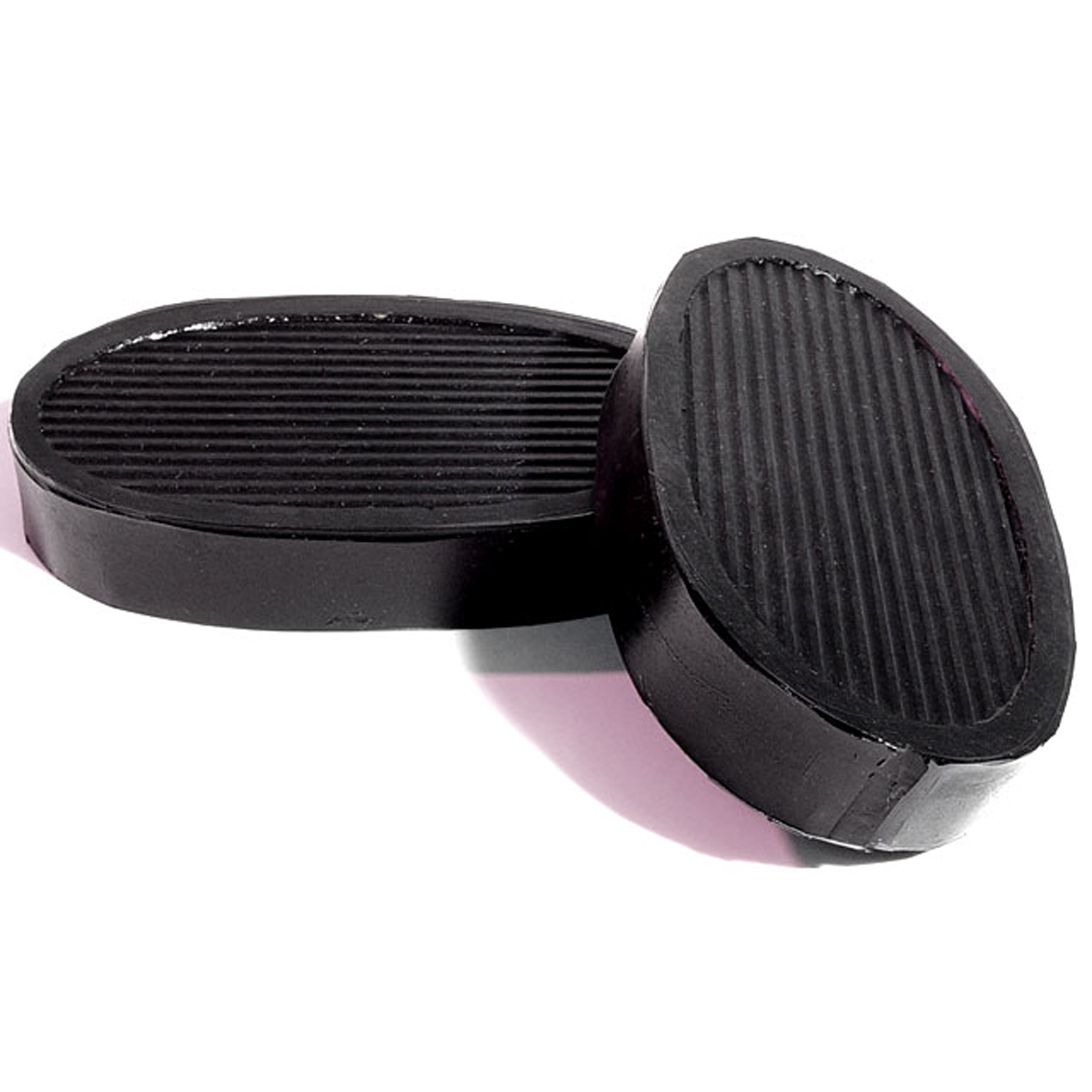 1928 Chrysler Series 52 Clutch and Brake Pedal Pads. High-quality reproduction-CB 29Clutch and Brake Pedal Pads. High-quality reproduction. 2-3/8" wide X 4" long. Pair
 1928 Chrysler Series 52 Windshield Post Bases. Pair R&L-MB 14Windshield Post Bases. Pair R&L
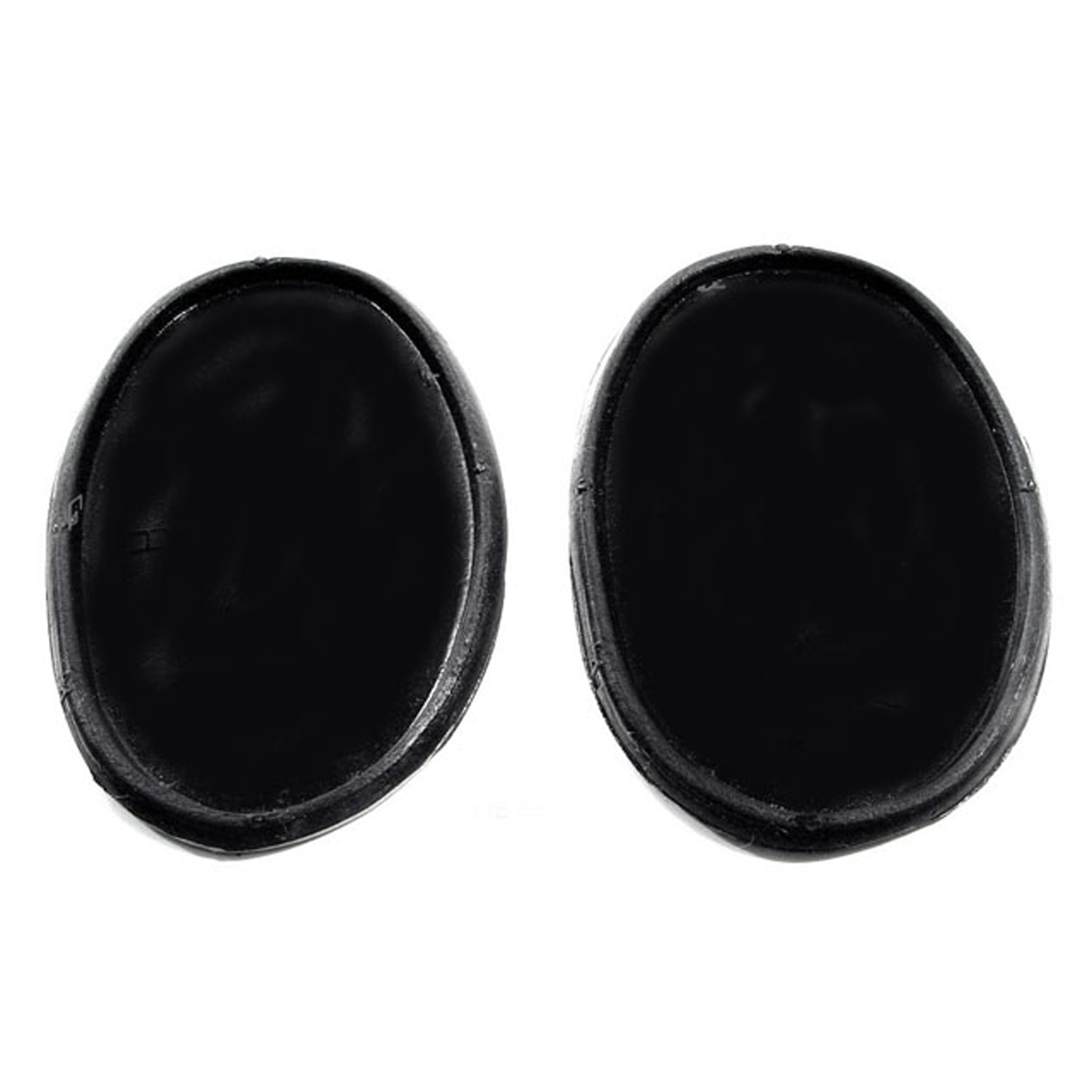 1928 Chrysler Series 52 Headlight Pads. 2-3/8" wide X 3-3/4" long. Pair-MP 550Headlight Pads. 2-3/8" wide X 3-3/4" long. Pair
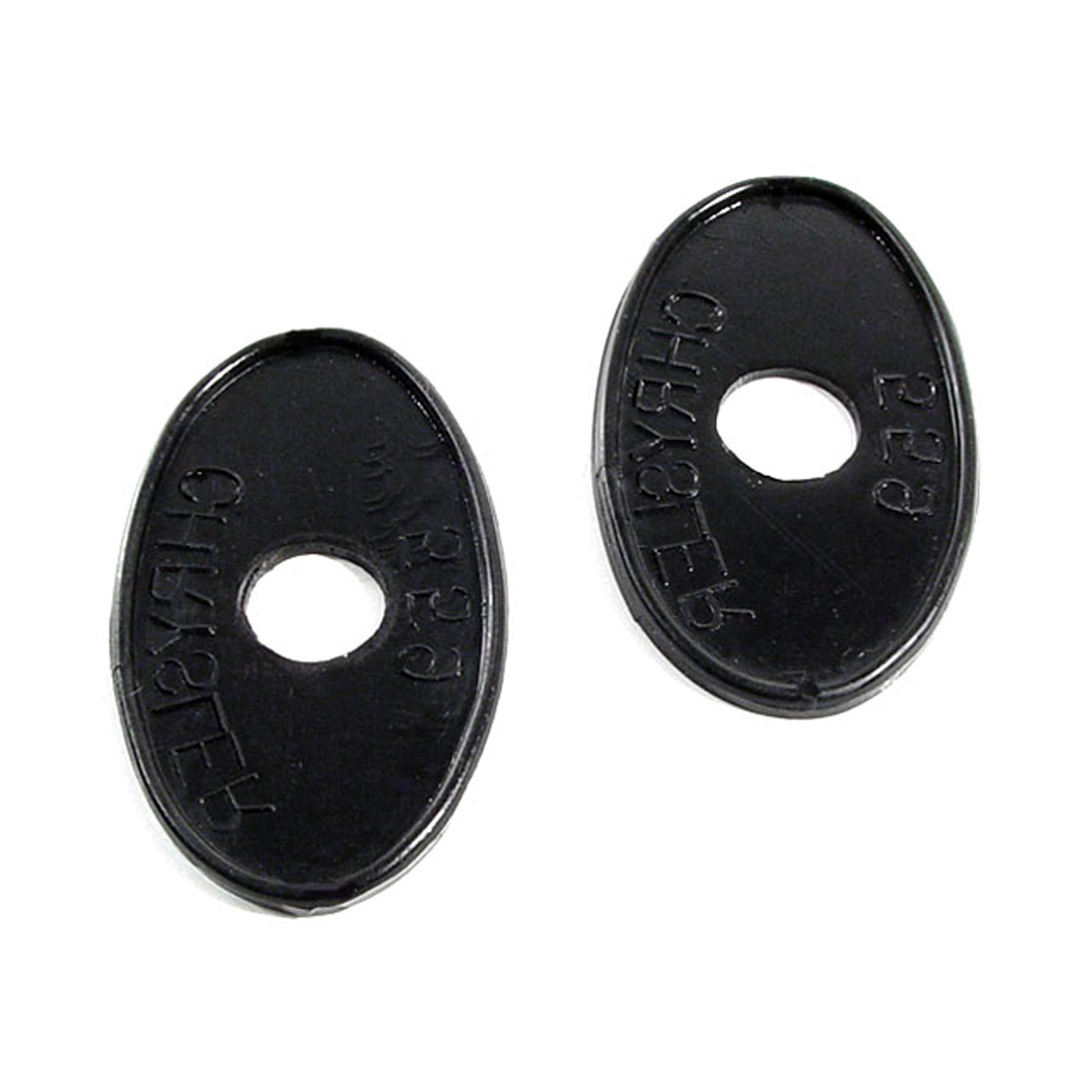 1928 Chrysler Series 52 Door Handle Pads. 1-1/4" wide X 2-1/4" long. Pair-MP 559Door Handle Pads. 1-1/4" wide X 2-1/4" long. Pair
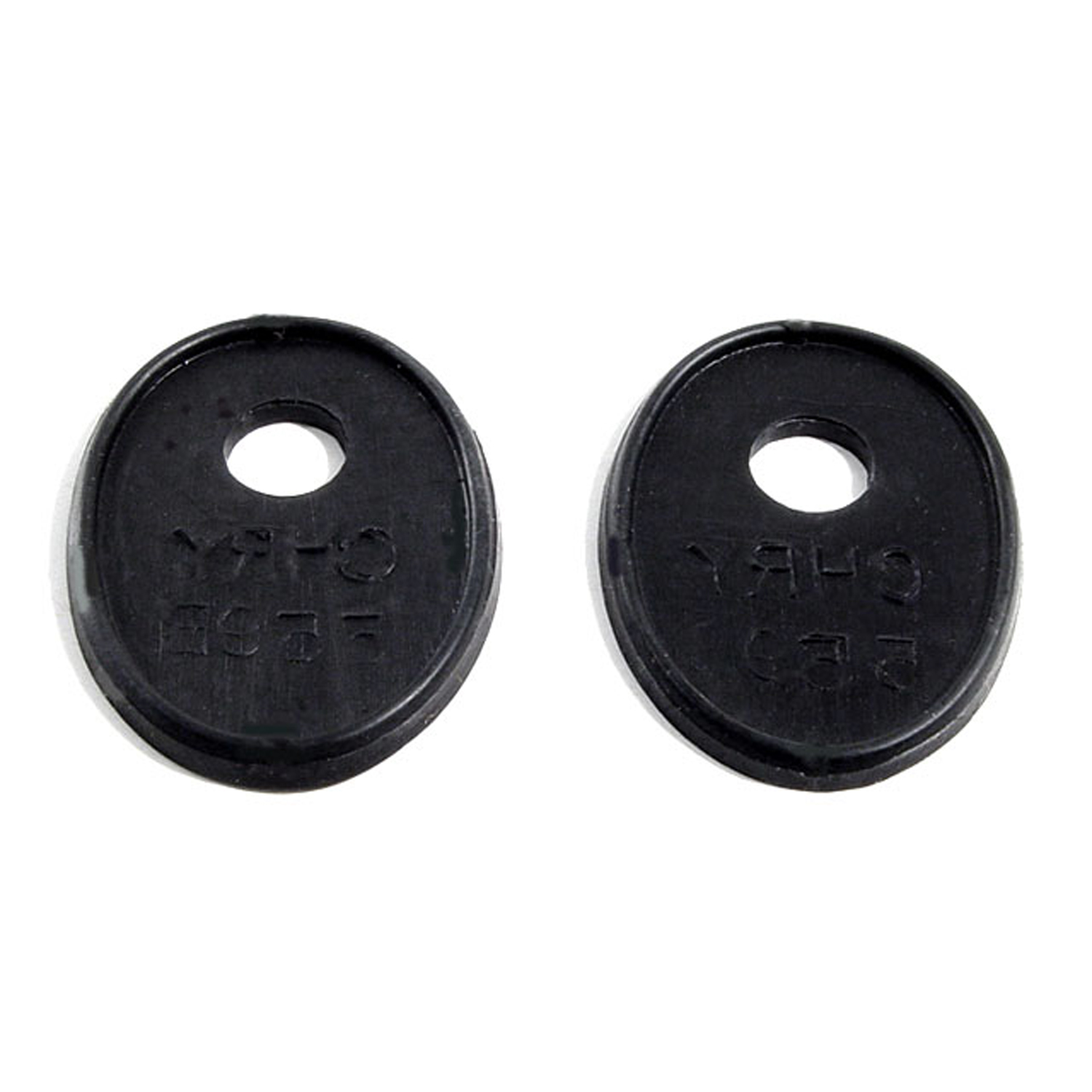 1928 Chrysler Series 52 Headlight Bar Pads. 1-3/8" wide X 1-7/8" long. Pair-MP 559-BHeadlight Bar Pads. 1-3/8" wide X 1-7/8" long. Pair
Why Choose Metro?
For over 100 years, Metro Moulded Parts has been the pinnacle of quality in classic car restoration parts. Our commitment to precision and authenticity in every component ensures a perfect fit and an OEM-level appearance.
- Expert Craftsmanship & Quality: Each part is a testament to our dedication to reliability and perfection, crafted from original designs and thoroughly tested.
- Advanced Technology: We use cutting-edge techniques to create flawless, long-lasting parts that surpass others in performance.
- SuperSoft Sponge – The Ultimate Door Seal: Not only are our door seals 30% softer than competitors', but they're also guaranteed to never leak. They effectively reduce wind and road noise, enhancing your classic car's comfort and driving experience.
- Proudly American: Our parts are a product of American craftsmanship, made in the USA with a spirit of excellence and heritage.
- Unrivaled Warranty: We back our products with a 30-year industry-leading warranty, a testament to our confidence in their quality.
Join us in preserving the legacy of classic cars with parts that are crafted for perfection, not just made.