

Image of 1928 Chrysler Series 62, Note: These illustrations use artistic license and may differ from actual historical models.
Performance Metrics
Fundamental Metrics
Emotional Appeal
MMP Rating
| Engine Specifications | |
|---|---|
| Engine Options: | Inline 6 |
| Displacement Range: | 3.2L |
| Horsepower Range: | Estimated 68-75 HP |
| Torque: | Not available |
| Compression Ratio: | Not available |
| Ignition System: | Battery and coil |
| Cooling System: | Water-cooled |
| Performance Specifications | |
| 0-60 Time: | Not available |
| 1/4 Mile Time: | Not available |
| Top Speed: | 60 mph |
| Transmission and Drive | |
| Drive Type: | Rear-wheel drive |
| Transmission Type: | 3-speed manual |
| Fuel and Efficiency | |
| Fuel System Type: | Carburetor |
| MPG: | Not available |
| Dimensions and Brakes | |
| Brakes: | Mechanical drum brakes |
| Wheelbase: | 112.75 inches |
| Weight: | 2,890 lbs |
Note: Specifications for classic cars are given to the best of our ability, considering the limited and variant data available.
1928 Chrysler Series 62: The Smart, Modern Chrysler
The 1928 Chrysler Series 62 was a modestly sized car with an ambitious job: bring Chrysler engineering to buyers who wanted something more modern than a basic economy car, without stepping up to a larger, more expensive model. Its name offered a useful clue to its character: the Series 62’s four-cylinder engine was rated at 62 horsepower.
Built by the Chrysler Corporation, the Series 62 arrived during a landmark year for the company. Chrysler was expanding rapidly, acquiring Dodge Brothers and introducing new makes that would broaden its reach. The 62 helped round out Chrysler’s own lineup, pairing a relatively compact footprint with features and engineering associated with the brand’s more expensive cars.
One detail that makes the car especially interesting is that it represented a return to four-cylinder power for Chrysler after the company had built its reputation around more powerful six-cylinder models. The Series 62 was not simply a stripped-down runabout, though. It offered buyers a chance to own a Chrysler with contemporary engineering and a choice of practical body styles.
Clean Lines and Practical Luxury
The Series 62 wore the upright, formal look typical of the late 1920s, but its proportions gave it a purposeful presence. A tall radiator, broad front fenders, exposed running boards and round headlamps defined the front end. The long hood led back to a passenger compartment with a gently curved roofline, while the separate fenders and running boards made the car’s construction easy to read at a glance.
Compared with a modern car, the Chrysler’s styling was highly detailed. Bright metal trim, wheel hardware and carefully shaped body panels provided visual interest without relying on elaborate ornament. Depending on body style, the car could look trim and jaunty as a roadster or more substantial as a closed sedan.
Inside, the Series 62 offered a straightforward but respectable cabin. Buyers could expect a broad bench seat, a large steering wheel, clear mechanical controls and durable upholstery. Material and trim details varied by body and specification, but the interior was designed for regular use rather than showy excess. Closed models gave occupants welcome shelter from weather and road dust, while open cars traded that protection for fresh air and a more sociable ride.
Factory paint choices could vary with the body and production details. Dark shades such as black, blue, maroon and green suited the formal styling and were common choices across cars of the period. Exact colors on a surviving Series 62 should be checked against its original build information or well-documented restoration records rather than assumed from a modern color chart.
Body Styles and Equipment
The Series 62 was offered in several body configurations, with availability depending on the market and the specific catalog. Buyers could find closed cars such as coupes and sedans, as well as open styles including roadsters or touring-type bodies. The sedan was a natural choice for families and year-round driving, while the roadster remains one of the most visually appealing versions for collectors.
Under the skin, the 62 combined a front-mounted inline-four engine with rear-wheel drive and a manual transmission. Chrysler also fitted four-wheel hydraulic brakes, a significant practical advantage in an era when stopping systems varied widely between manufacturers. Hydraulic brakes were not unique to the Series 62, but their presence reflected Chrysler’s emphasis on modern, usable engineering.
Equipment and trim depended on the individual car. As with many vehicles from the period, an original car’s details may differ from another Series 62 because of body style, factory options, later replacement parts or restorations. Buyers assessing one should compare its components and trim with reliable period references.
Why the Series 62 Mattered
The Series 62 occupied an important place in Chrysler’s strategy. It gave the company a lower-priced model that could reach buyers who might otherwise choose a Ford, Chevrolet or another mass-market rival, while still carrying the Chrysler name and its engineering reputation. In a crowded market, that combination helped distinguish the car from more basic transportation.
Its four-cylinder engine was a practical choice, not a technological revolution. The broader significance was how Chrysler packaged it: a comparatively accessible car with hydraulic brakes and styling that looked like a proper motorcar rather than a bare-bones utility vehicle. The Series 62 illustrates how manufacturers were working to make improved safety and comfort available across a wider range of prices.
The model also belongs to a turning point in the company’s history. Chrysler’s 1928 expansion created a broader family of brands and products, setting the stage for a much larger presence in the American industry. The Series 62 was one piece of that growth, aimed at buyers who wanted Chrysler engineering in a more manageable and affordable package.
Performance and Road Manners
The Series 62’s inline-four was rated at about 62 horsepower. That output was adequate for period traffic and ordinary touring, though it did not make the car a high-performance machine. A reasonable modern estimate places top speed in the neighborhood of 55 to 65 mph, depending on body style, gearing, mechanical condition and road conditions. A 0-to-60 mph time is not commonly documented; roughly 25 to 30 seconds is a plausible estimate, not a factory test figure.
On a smooth road, the Chrysler would feel steady and substantial, with a relaxed pace suited to touring rather than hurried driving. Its suspension and tall tires could soften many bumps, but rough roads would still send noticeable movement through the body. On winding roads, the driver would need to plan ahead. The car’s steering, brakes and tires were designed for a different speed and handling environment than modern equipment, and sharp cornering was not its natural talent.
Behind the wheel, the experience is mechanical and direct. The driver works a manual gear lever, watches the road well ahead and listens closely to the engine’s changing note. The four-cylinder produces a measured, purposeful sound rather than a deep performance-car rumble. Steering effort, gear changes and braking feel vary with condition and adjustment, but a well-maintained example rewards smooth inputs and patient driving.
Living With a 1928 Chrysler
Today, the Series 62 is best suited to touring, club events, local shows and carefully planned vintage-car outings. It can be driven on suitable roads, but it is not a sensible modern daily driver. Its speed, braking distances, visibility and lack of contemporary safety equipment call for a more cautious approach than a modern car demands.
Maintenance is manageable for an owner comfortable with older mechanical systems. Routine work may include ignition and fuel-system adjustments, lubrication, brake servicing, cooling-system care and attention to the electrical system. Many basic repairs are straightforward in principle, but parts availability, previous repairs and the car’s individual condition can make a particular job more involved. A specialist or marque club can be invaluable for locating correct components and period-correct information.
Reliability depends heavily on restoration quality and maintenance history. A sound engine and properly rebuilt brakes matter more than shiny paint. Before buying, inspect the chassis and body for corrosion or poor repairs, check the engine for oil pressure and cooling problems, and confirm that the hydraulic brakes operate evenly. Originality is appealing, but a car that has been restored carefully and maintained correctly is usually the better choice for regular touring.
Notable Details and Common Criticisms
The easiest Series 62 trivia to remember is built into its name: the number corresponded to the engine’s 62-horsepower rating. The car is also a useful snapshot of Chrysler’s rapid expansion in 1928, the year the company acquired Dodge Brothers and broadened its product family.
There is no widely recognized Series 62 speed record, endurance feat or famous celebrity ownership that defines the model. Nor is there a reliable, frequently cited production total specifically for every Series 62 body style. Its appeal is less about a headline-grabbing record and more about its place in the evolution of accessible American engineering.
Common criticisms are familiar to anyone who drives a car from the 1920s: modest acceleration, limited comfort on poor roads, frequent maintenance needs and a driving experience that requires more attention than a modern vehicle. Some collectors may also find it less prestigious than a large luxury Chrysler. For others, that relative simplicity is precisely the point.
Collector Values and Availability
Surviving Series 62s are uncommon but not impossible to find. Complete cars, project vehicles and restored examples appear through specialist dealers, auctions, marque clubs and private sales. Open body styles can be especially attractive to collectors, while a well-preserved sedan may offer a more practical and sometimes more attainable entry point.
There is no definitive model-specific production figure readily established for all Series 62 versions. As a working estimate rather than a factory-confirmed total, production may have been in the tens of thousands, perhaps around 20,000 to 30,000 cars across the series. The number of surviving examples is necessarily much smaller, and condition, body style, originality and documentation strongly influence availability.
As a broad current-market estimate, a running but older-quality example might sell for about $15,000 to $30,000. A sound, well-presented restoration could fall around $30,000 to $55,000, while an exceptional, highly original or particularly desirable open-body car may exceed that range. These are general estimates, not guaranteed sale prices; regional demand and the quality of the car make a substantial difference.
Values for prewar cars tend to move more gradually than those for newer collector vehicles. The Series 62 has a dedicated appeal, but it is not as broadly sought after as the best-known luxury or muscle-car icons. Well-documented, correctly restored examples should remain the strongest prospects, while cars requiring expensive structural or mechanical work may be difficult to sell at a premium.
A Chrysler Worth Remembering
The 1928 Chrysler Series 62 combined a useful four-cylinder engine, period-advanced hydraulic brakes and a choice of bodies in a package intended to bring Chrysler engineering to a wider audience. It was not a record-breaker or a luxury flagship, but it captured a company in the middle of a major expansion and an industry learning how to make cars more capable and accessible.
For today’s enthusiast, the Series 62 offers more than vintage styling. It is a hands-on reminder of how quickly American motoring was changing, and a rewarding classic for anyone who values mechanical character over modern speed.
1928 Chrysler Series 62 Catalog of Parts
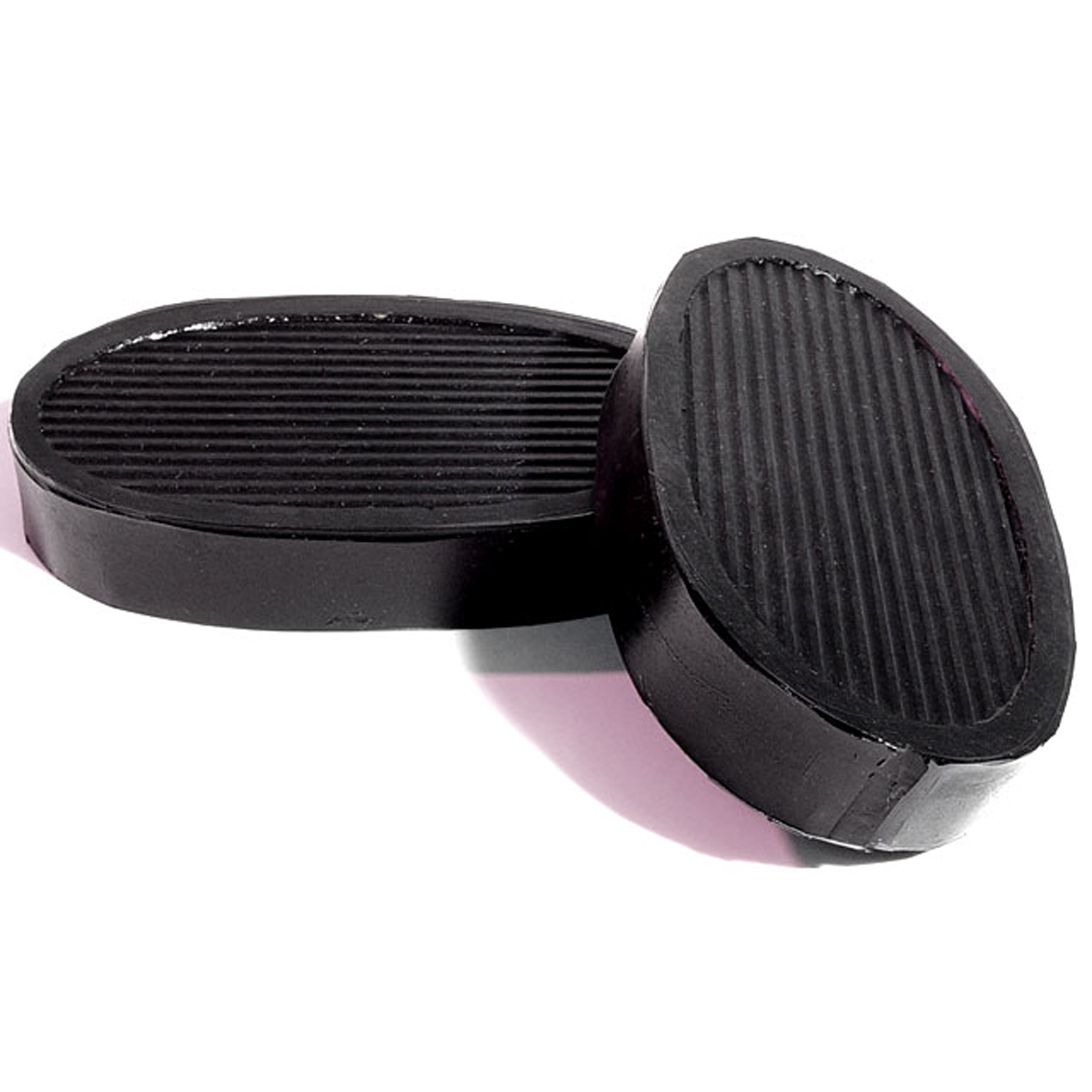 1928 Chrysler Series 62 Clutch and Brake Pedal Pads. High-quality reproduction-CB 29Clutch and Brake Pedal Pads. High-quality reproduction. 2-3/8" wide X 4" long. Pair
 1928 Chrysler Series 62 Windshield Post Bases. Pair R&L-MB 14Windshield Post Bases. Pair R&L
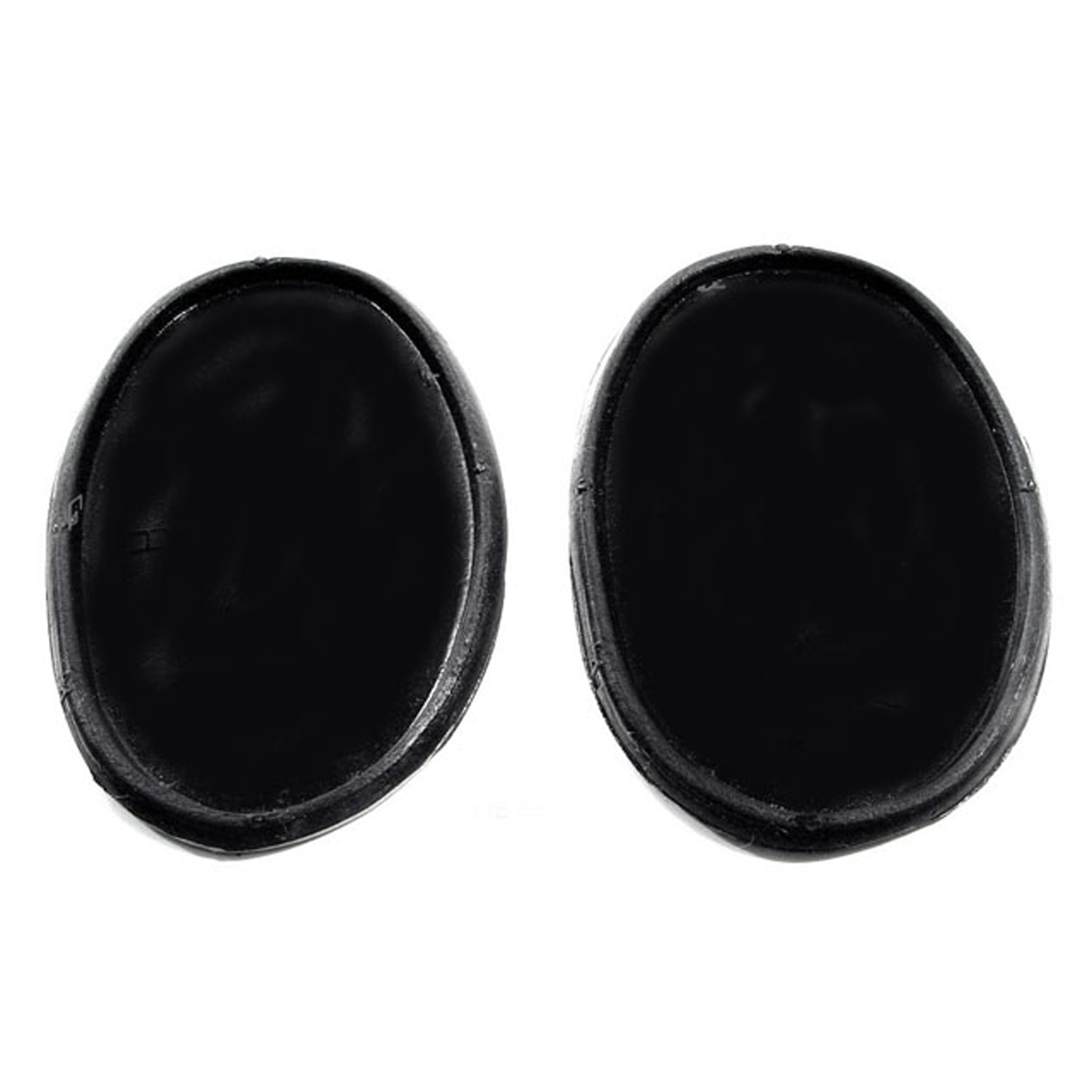 1928 Chrysler Series 62 Headlight Pads. 2-3/8" wide X 3-3/4" long. Pair-MP 550Headlight Pads. 2-3/8" wide X 3-3/4" long. Pair
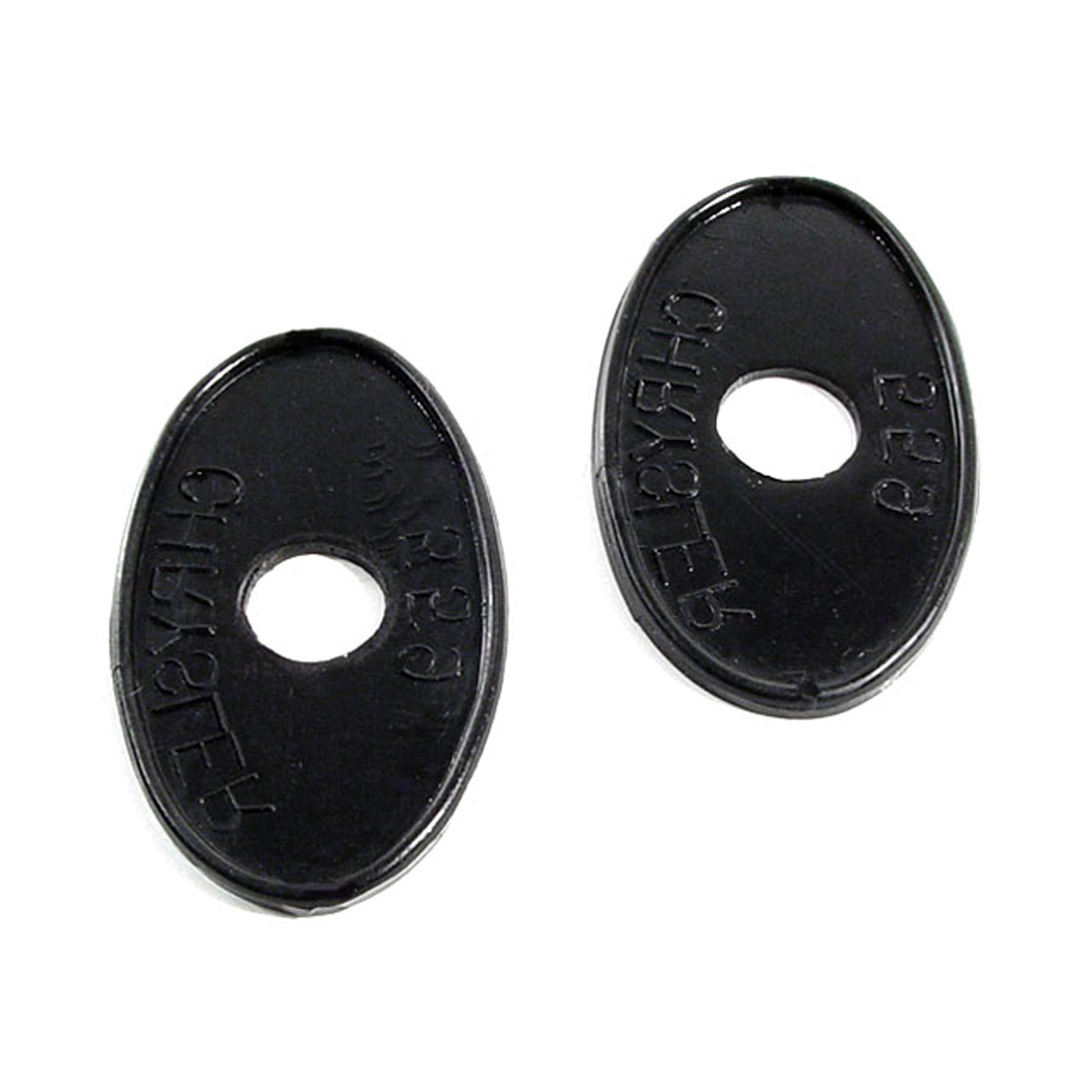 1928 Chrysler Series 62 Door Handle Pads. 1-1/4" wide X 2-1/4" long. Pair-MP 559Door Handle Pads. 1-1/4" wide X 2-1/4" long. Pair
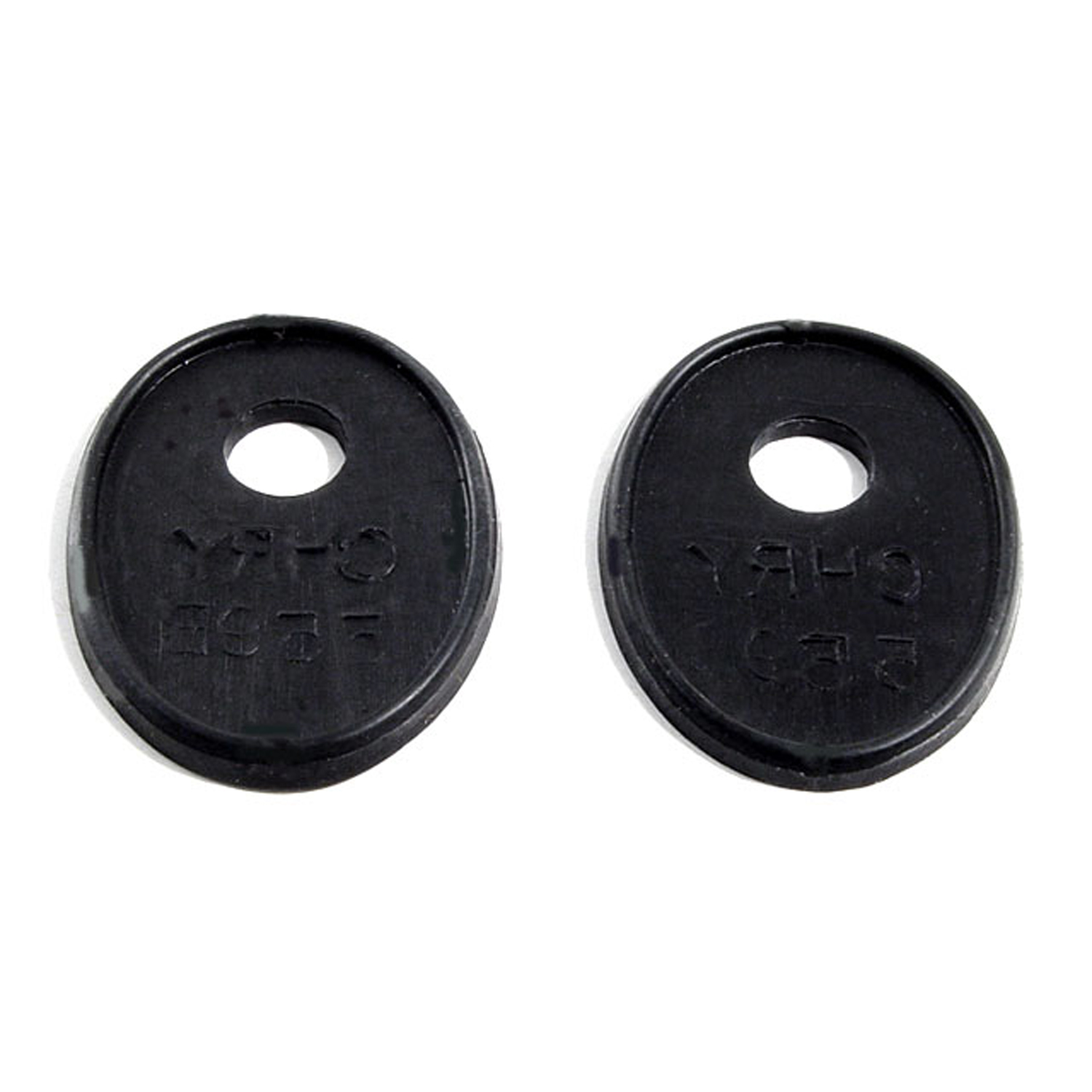 1928 Chrysler Series 62 Headlight Bar Pads. 1-3/8" wide X 1-7/8" long. Pair-MP 559-BHeadlight Bar Pads. 1-3/8" wide X 1-7/8" long. Pair
Why Choose Metro?
For over 100 years, Metro Moulded Parts has been the pinnacle of quality in classic car restoration parts. Our commitment to precision and authenticity in every component ensures a perfect fit and an OEM-level appearance.
- Expert Craftsmanship & Quality: Each part is a testament to our dedication to reliability and perfection, crafted from original designs and thoroughly tested.
- Advanced Technology: We use cutting-edge techniques to create flawless, long-lasting parts that surpass others in performance.
- SuperSoft Sponge – The Ultimate Door Seal: Not only are our door seals 30% softer than competitors', but they're also guaranteed to never leak. They effectively reduce wind and road noise, enhancing your classic car's comfort and driving experience.
- Proudly American: Our parts are a product of American craftsmanship, made in the USA with a spirit of excellence and heritage.
- Unrivaled Warranty: We back our products with a 30-year industry-leading warranty, a testament to our confidence in their quality.
Join us in preserving the legacy of classic cars with parts that are crafted for perfection, not just made.