

Image of 1928 Chrysler Series 80 L Imperial, Note: These illustrations use artistic license and may differ from actual historical models.
Performance Metrics
Fundamental Metrics
Emotional Appeal
MMP Rating
| Engine Specifications | |
|---|---|
| Engine: | Inline 6 |
| Displacement: | 309 cubic inches |
| Horsepower: | Estimated 92 horsepower |
| Torque: | Not available |
| Compression Ratio: | Not available |
| Ignition System: | Battery and coil |
| Cooling System: | Water-cooled |
| Performance Specifications | |
| 0-60 Time: | Not available |
| 1/4 Mile Time: | Not available |
| Top Speed: | 75 mph |
| Transmission and Drive | |
| Drive Type: | Rear-wheel drive |
| Transmission Type: | 4-speed manual |
| Fuel and Efficiency | |
| Fuel System Type: | Carburetor |
| MPG: | Not available |
| Dimensions and Brakes | |
| Brakes: | 4-wheel hydraulic brakes |
| Wheelbase: | 136 inches |
| Weight: | 4,485 lbs |
Note: Specifications for classic cars are given to the best of our ability, considering the limited and variant data available.
1928 Chrysler Series 80-L Imperial: Chrysler’s Early Luxury Flagship
The 1928 Chrysler Series 80-L Imperial was built to prove that a young automaker could compete with America’s established luxury marques. With a substantial inline-six, elegant coachwork, and Chrysler’s growing reputation for engineering, the Imperial brought speed and sophistication together in a car meant for buyers who wanted more than basic transportation.
Chrysler Corporation had been founded by Walter P. Chrysler in 1925, after he reorganized the Maxwell Motor Company. Just three years later, the company was expanding rapidly: 1928 was the year Chrysler introduced the DeSoto and Plymouth brands and acquired Dodge Brothers. The Imperial sat at the top of this growing lineup, serving as Chrysler’s answer to luxury cars from Cadillac, Packard, and Lincoln.
The Series 80-L is an especially intriguing name in the Imperial family. Period descriptions and later references do not always use model designations consistently, so surviving cars may be cataloged simply as Series 80 Imperial. Whatever the badge says, the car represents Chrysler’s ambitious move into the prestige market at a pivotal moment in its history.
Formal Lines and Coachbuilt Character
The Imperial’s styling has the confident, upright presence associated with late-1920s luxury cars. A tall radiator leads the front end, flanked by large headlamps and a long hood marked by rows of cooling louvers. Sweeping fenders, running boards, and wire-spoke wheels give the car a balanced, substantial stance. Many examples carried side-mounted spare tires, an elegant detail that also made practical sense on the roads of the day.
Bodywork varied, and the exact selection depended on the model year and the particular catalog or coachbuilder. Buyers could find open cars such as roadsters and phaetons, along with coupes, sedans, and more formal enclosed bodies. Limousine and town-car styles emphasized chauffeur-driven comfort. Open phaetons and roadsters have strong visual appeal today, while formal sedans and limousines show the Imperial’s role as a genuine luxury car.
Paint and trim choices were not necessarily uniform across every body style. Dark blue, green, maroon, and black are all appropriate period looks, while lighter contrasting colors could highlight the body lines. Interiors were finished to suit the body and buyer, with materials that could include leather upholstery, fine cloth, carpeting, and polished wood trim. Compared with an ordinary family car, the Imperial’s cabin was designed to feel spacious and carefully appointed, not merely functional.
Engineering for a Faster, More Comfortable Drive
Power came from a Chrysler L-head inline-six displacing about 288.6 cubic inches. Period specifications commonly list output at approximately 92 horsepower. That was substantial power for a passenger car of the time and helped the Imperial earn a reputation for being both refined and quick. A conventional manual transmission put the driver in control, while four-wheel hydraulic brakes provided stronger and more consistent stopping than the mechanical systems still used on many cars.
Hydraulic braking was one of Chrysler’s important engineering calling cards. The company had adopted four-wheel hydraulic brakes earlier in the decade, and by 1928 the technology gave the Imperial a meaningful advantage in confident, predictable braking. Its combination of a powerful six-cylinder engine and modern braking helped distinguish it from luxury cars that relied more heavily on tradition than on technical updates.
Chrysler offered a range of exterior colors and interior finishes, but exact factory combinations could differ by body, market, and coachwork. For a restoration, it is worth checking the specific car’s history and surviving paint or upholstery evidence rather than assuming that one color scheme applied to every Series 80 Imperial.
Why the Imperial Mattered
The Series 80 Imperial helped establish Chrysler as a serious maker of high-end automobiles. It was not simply a larger version of a mass-market sedan. Its long, formal proportions, generous equipment, and strong six-cylinder performance positioned it in direct competition with established American luxury brands.
Its significance also lies in the way it reflected Chrysler’s broader identity. Walter Chrysler’s company built its reputation on engineering as well as presentation. The Imperial paired an imposing appearance with useful mechanical advances, especially its hydraulic brakes and capable engine. That approach helped shape the brand’s later luxury models, including the celebrated Imperial cars that would become separate flagship offerings in subsequent decades.
The 1928 Imperial did not single-handedly transform automotive design, but it helped demonstrate that a relatively young company could produce a credible prestige car without relying only on ornamental luxury. Its blend of performance, comfort, and engineering was a defining part of Chrysler’s early character.
Road Manners, Speed, and the Driving Experience
Period figures and modern reference sources generally place the Imperial’s maximum speed in the neighborhood of 75 to 85 mph, depending on body style, gearing, mechanical condition, and how the figure was measured. Factory-era performance testing was not standardized in the way it is today. A 0-to-60-mph time should therefore be treated as an estimate, not a dependable original specification. Given the car’s weight and roughly 92 horsepower, a figure around 20 to 25 seconds is a reasonable modern estimate for a healthy example.
Behind the wheel, the Imperial feels deliberate rather than nimble. Its long chassis and period suspension help it glide over ordinary road imperfections, although sharp bumps can still send a noticeable shudder through the body. On winding roads, the driver needs to plan ahead. The steering is slower and heavier than a modern car’s, and the car’s size and high center of gravity reward smooth inputs instead of quick changes of direction.
The engine’s sound is a deep, steady six-cylinder note, with more mechanical presence under acceleration than a modern luxury car. The driver works the manual gearbox, watches the road carefully, and allows plenty of room for braking. That level of involvement is part of the attraction: the Imperial feels like a substantial machine that asks its driver to participate.
Owning and Maintaining a 1928 Imperial
Today, most Series 80 Imperials are collector cars, not daily drivers. They are seen at classic-car shows, touring events, museum displays, and occasional vintage motoring gatherings. A well-sorted example can cover distance, but regular use calls for mechanical attention and realistic expectations about speed, braking distance, visibility, and comfort compared with a modern vehicle.
Many basic service tasks are accessible to an owner familiar with prewar cars. The engine is mechanically straightforward, and routine work such as lubrication, ignition service, and carburetor adjustment does not require modern diagnostic equipment. However, parts availability can be uneven, and specialized items, body fittings, hydraulic-brake components, and correct restoration materials may take time to locate. A car that has been maintained carefully is a far better prospect than one bought cheaply with decades of deferred work.
Reliability depends heavily on condition. Age alone is not the problem; poor storage, neglected lubrication, improvised repairs, and deteriorated fuel or brake systems are greater concerns. Before a road tour, an owner should inspect the cooling system, tires, steering, wheel bearings, fuel lines, and brakes. For a car with a valuable or unusual body, preserving originality can matter as much as making it mechanically usable.
Notable Details and Common Criticisms
The Imperial’s most notable distinction is its place at the head of Chrysler’s lineup during a year of major corporate expansion. It offered buyers a large, powerful six-cylinder Chrysler just as the company was broadening its reach through new brands and the Dodge acquisition. Rather than being known for one widely documented racing record or celebrity owner, the Series 80 is best remembered as a statement of Chrysler’s early luxury ambitions.
Its strengths come with familiar period-car compromises. The car is heavy, its controls require more effort than modern drivers expect, and its braking and handling cannot match contemporary standards. Enclosed bodies can also be challenging to maneuver in tight spaces. These are not hidden flaws so much as reminders that the Imperial was designed for a different road environment and driving pace.
Rarity and Collector Values
Exact production totals for the 1928 Series 80-L Imperial are difficult to establish from commonly available model summaries, particularly when body styles and related Series 80 designations are grouped differently. As a broad estimate rather than a confirmed factory figure, total production may have been in the low thousands, perhaps roughly 2,000 to 4,000 cars across the relevant range. Surviving examples are much scarcer, and unusual or coachbuilt bodies are rarer still.
Values vary widely with body style, originality, restoration quality, and provenance. As a general current-market estimate, a project or incomplete car might fall around $15,000 to $30,000, while a sound, usable example could bring approximately $30,000 to $70,000. A high-quality restoration or particularly desirable open or custom-bodied Imperial might reach roughly $75,000 to $150,000 or more. These are broad guide figures, not a substitute for a valuation based on a specific car and recent comparable sales.
Well-preserved, correctly restored prewar luxury cars have long-term appeal, but the market is selective. The best examples tend to hold attention and can appreciate over time, especially when their history and restoration are documented. Cars needing major work may be harder to sell because restoration costs can quickly exceed the value of the finished vehicle. For collectors, condition and body style usually matter more than the model name alone.
A Chrysler That Made Its Ambitions Clear
The 1928 Chrysler Series 80-L Imperial combined formal styling, a strong six-cylinder engine, hydraulic four-wheel brakes, and the comfort expected of a flagship car. It arrived at a moment when Chrysler was growing quickly and helped establish the company as a serious contender in the American luxury market.
Nearly a century later, the Imperial remains compelling not because it pretends to drive like a modern car, but because it makes its era tangible. Its long hood, measured road manners, and purposeful engineering tell the story of a young automaker determined to build something worthy of the finest roads and the most discerning owners.
1928 Chrysler Series 80 L Imperial Catalog of Parts
 1928 Chrysler Series 80 L Imperial Clutch and Brake Pedal Pads. 3" wide X 3-7/8" long. Pair-CB 27Clutch and Brake Pedal Pads. 3" wide X 3-7/8" long. Pair
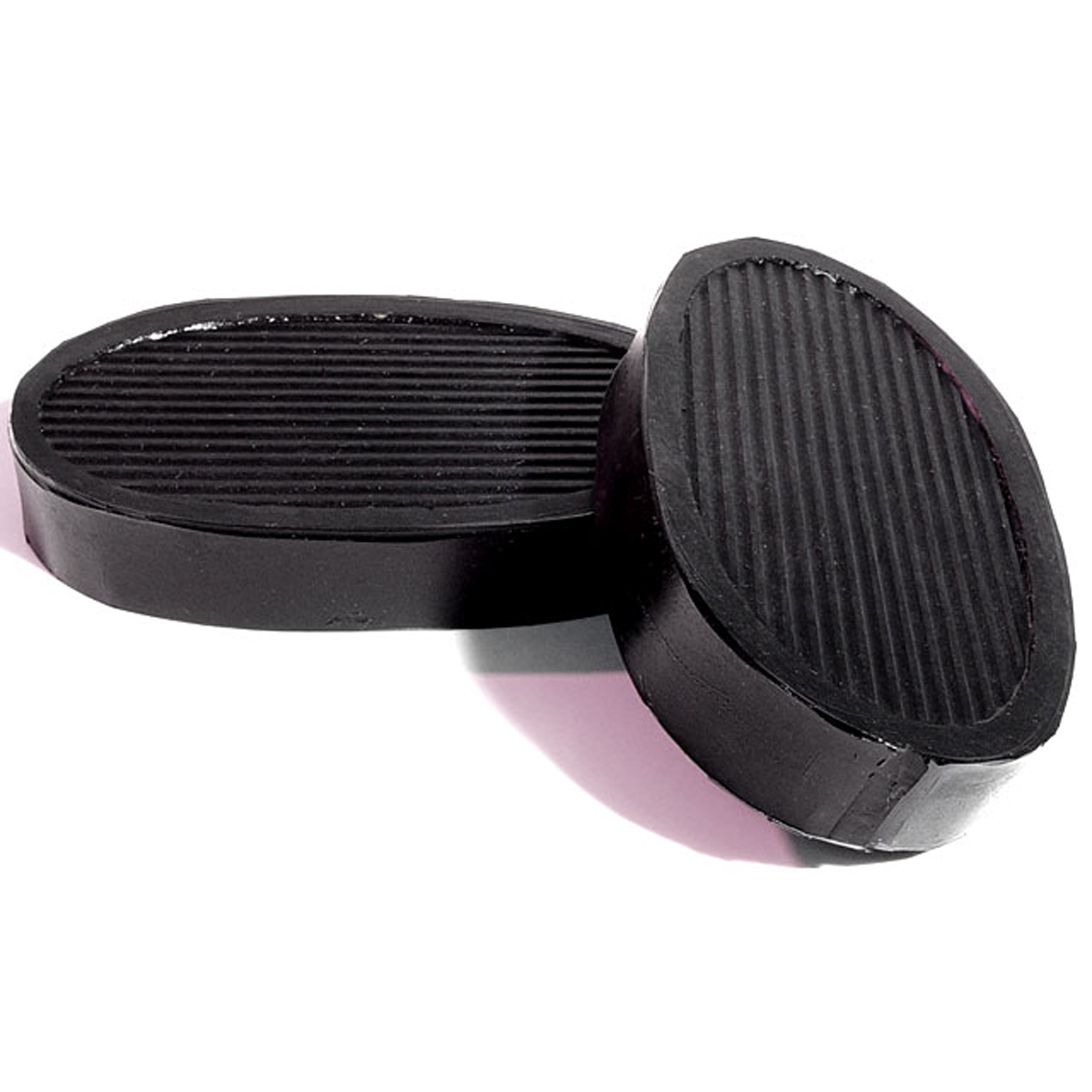 1928 Chrysler Series 80 L Imperial Clutch and Brake Pedal Pads. High-quality reproduction-CB 29Clutch and Brake Pedal Pads. High-quality reproduction. 2-3/8" wide X 4" long. Pair
 1928 Chrysler Series 80 L Imperial Windshield Post Bases. Pair R&L-MB 14Windshield Post Bases. Pair R&L
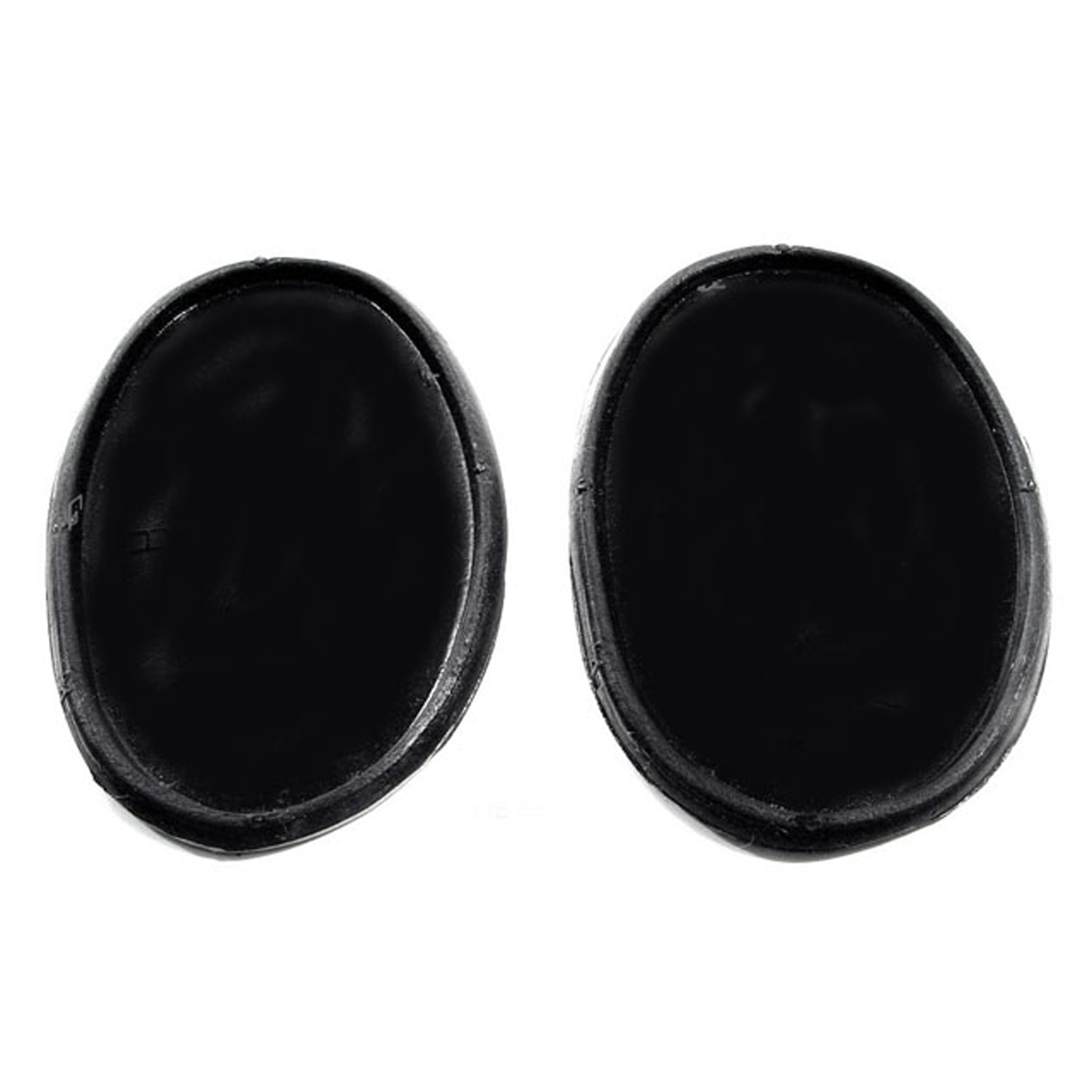 1928 Chrysler Series 80 L Imperial Headlight Pads. 2-3/8" wide X 3-3/4" long. Pair-MP 550Headlight Pads. 2-3/8" wide X 3-3/4" long. Pair
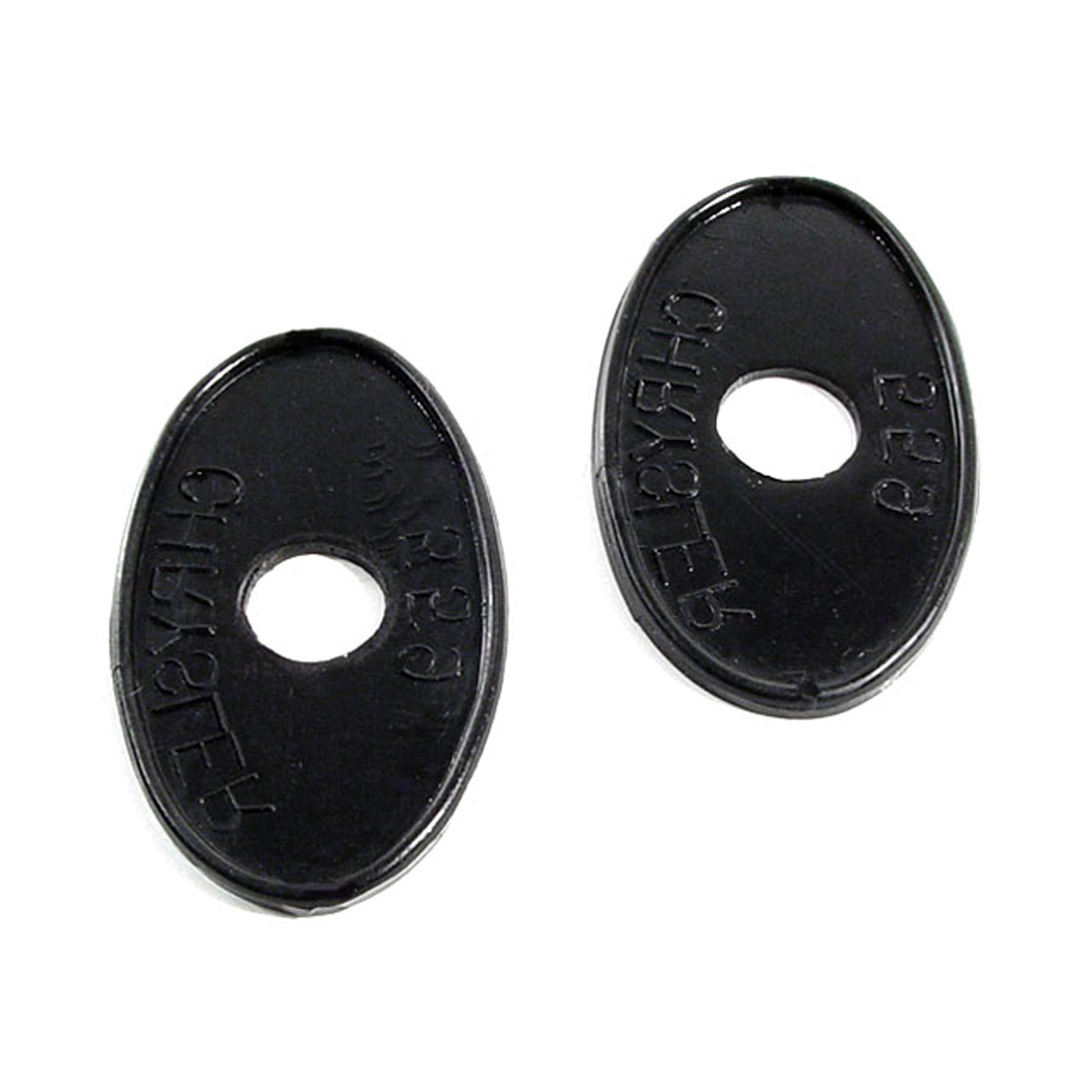 1928 Chrysler Series 80 L Imperial Door Handle Pads. 1-1/4" wide X 2-1/4" long. Pair-MP 559Door Handle Pads. 1-1/4" wide X 2-1/4" long. Pair
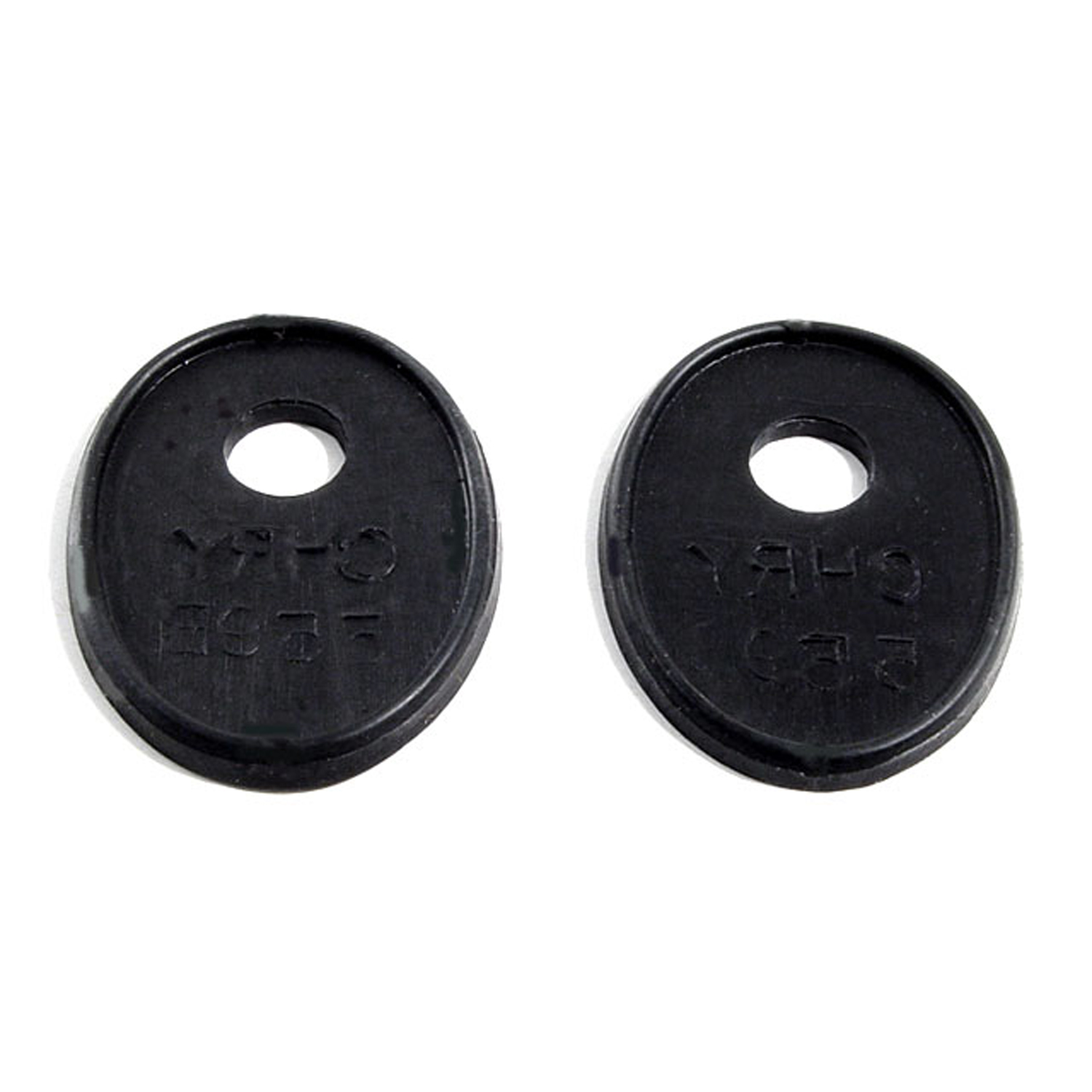 1928 Chrysler Series 80 L Imperial Headlight Bar Pads. 1-3/8" wide X 1-7/8" long. Pair-MP 559-BHeadlight Bar Pads. 1-3/8" wide X 1-7/8" long. Pair
Why Choose Metro?
For over 100 years, Metro Moulded Parts has been the pinnacle of quality in classic car restoration parts. Our commitment to precision and authenticity in every component ensures a perfect fit and an OEM-level appearance.
- Expert Craftsmanship & Quality: Each part is a testament to our dedication to reliability and perfection, crafted from original designs and thoroughly tested.
- Advanced Technology: We use cutting-edge techniques to create flawless, long-lasting parts that surpass others in performance.
- SuperSoft Sponge – The Ultimate Door Seal: Not only are our door seals 30% softer than competitors', but they're also guaranteed to never leak. They effectively reduce wind and road noise, enhancing your classic car's comfort and driving experience.
- Proudly American: Our parts are a product of American craftsmanship, made in the USA with a spirit of excellence and heritage.
- Unrivaled Warranty: We back our products with a 30-year industry-leading warranty, a testament to our confidence in their quality.
Join us in preserving the legacy of classic cars with parts that are crafted for perfection, not just made.