

Image of 1929 Chrysler Series 75, Note: These illustrations use artistic license and may differ from actual historical models.
Performance Metrics
Fundamental Metrics
Emotional Appeal
MMP Rating
| Engine Specifications | |
|---|---|
| Engine: | Inline 6 |
| Displacement: | 248.9 cu in (4.1 L) |
| Horsepower: | 75 HP |
| Torque: | Not available |
| Compression Ratio: | Not available |
| Ignition System: | Battery and coil |
| Cooling System: | Water-cooled |
| Performance Specifications | |
| 0-60 Time: | Not available |
| 1/4 Mile Time: | Not available |
| Top Speed: | 75 mph |
| Transmission and Drive | |
| Drive Type: | Rear wheel drive |
| Transmission Type: | 3-speed manual |
| Fuel and Efficiency | |
| Fuel System Type: | Carburetor |
| MPG: | Not available |
| Dimensions and Brakes | |
| Brakes: | 4-wheel hydraulic brakes |
| Wheelbase: | 112.75 in (2,864 mm) |
| Weight: | 3,300 lbs |
Note: Specifications for classic cars are given to the best of our ability, considering the limited and variant data available.
1929 Chrysler Series 75: A Big, Fast Six from the Jazz Age
The 1929 Chrysler Series 75 brought a rare combination of size, refinement, and speed to the American luxury-car market: a smooth six-cylinder engine, substantial coachwork, and performance that made it a serious highway car for its day. Built by the Chrysler Corporation, then a fast-rising young automaker, the Series 75 sat above the company’s more modest offerings and showed how quickly Chrysler had become a force in the premium-car business.
The Series 75 arrived during a decade of rapid change. Cars were becoming more dependable and comfortable, paved roads were spreading, and buyers increasingly expected a car to travel at speed as well as make a fine impression outside a hotel or theater. Chrysler’s 75 answered that demand with a large-displacement six and four-wheel hydraulic brakes, a feature that gave drivers more confident stopping power than the mechanical systems still found on many cars.
One neat detail is the model’s name: “75” referred to the engine’s approximate horsepower, not its price or cylinder count. That output also hints at the car’s character. This was no lightweight runabout. It was a substantial automobile designed to cover ground smoothly and with authority.
Elegant Lines and Handsome Coachwork
The Series 75 wore the upright, carefully balanced proportions typical of a high-end American car in the late 1920s. Its tall radiator, long hood, sweeping front fenders, and separate headlights gave it a dignified profile. Large wire wheels and substantial tires filled the arches, while bright exterior trim added polish without overwhelming the car’s formal lines. From the driver’s seat, the long hood and broad fenders made the Chrysler feel every bit as imposing as it looked.
Inside, the emphasis was on comfort and finish. Depending on body style and specification, owners could expect quality upholstery such as broadcloth, mohair, or leather, along with wood or wood-look trim and carefully finished metal fittings. The cabin was roomier and more gracious than that of an ordinary family car, particularly in the rear-seat models. It was still a product of its era, of course: there were no modern conveniences such as air conditioning, power steering, or a synchronized gearbox.
Factory color choices varied by body and production specification. Buyers could choose from sober, formal shades such as black and dark blue, as well as richer greens, reds, and other period colors. Two-tone paint was also available on some configurations. Dark, conservative finishes suited the Series 75’s stately image, while brighter combinations made its long fenders and flowing bodywork stand out at a distance.
Body Styles and Equipment
Chrysler offered the Series 75 in a range of open and closed body styles. Depending on the catalog and coachwork, the lineup included sedans, coupes, roadsters, phaetons, and more formal passenger-car configurations. Exact names and availability could vary, so surviving cars should be checked against their original build records where possible.
The four-door sedan is among the most recognizable and practical versions today, thanks to its enclosed cabin and family-friendly seating. Open cars such as roadsters and phaetons have a stronger sporting appeal, while formal bodies emphasize the Series 75’s luxury credentials. As with many cars of the period, body style could matter greatly to a buyer’s experience and to a collector’s interest.
Chrysler Engineering in 1929
The Series 75’s most important engineering feature was its large L-head, or flathead, inline-six. Displacing about 309 cubic inches, the engine produced approximately 75 horsepower. It was paired with a three-speed manual transmission and a conventional rear-wheel-drive layout. The combination favored smooth, steady power rather than high-revving performance.
Four-wheel hydraulic brakes were a significant advantage. Hydraulic actuation helped distribute braking force more evenly than the mechanical arrangements used on many contemporary cars, though stopping distances and pedal feel still depended on tire condition, adjustment, and maintenance. Chrysler had already established a reputation for bringing useful engineering improvements to production cars, and the Series 75 carried that practical, technology-minded approach into the upper end of the market.
Its broader significance lies in the way it helped define Chrysler as more than a newcomer building affordable cars. The company could offer a refined, powerful six-cylinder automobile with modern-for-the-time braking and a wide range of body styles. The Series 75 competed in a crowded luxury field, but it did so with engineering that was meant to be used, not merely admired.
Performance, Ride, and Road Manners
With roughly 75 horsepower and a 309-cubic-inch engine, the Series 75 had the kind of low-speed torque that suited a large car. Period performance figures vary, and present-day results depend heavily on mechanical condition, gearing, tires, and body style. A reasonable estimate for a well-maintained example is a top speed in the neighborhood of 70 to 75 mph. Zero to 60 mph was likely a leisurely affair, roughly in the 25-to-30-second range, rather than the sort of sprint modern drivers expect.
On a smooth road, the Chrysler feels composed and substantial. Its long wheelbase helps it settle into a relaxed cruising rhythm, while the engine delivers a deep, even six-cylinder note. The three-speed gearbox requires deliberate shifts, and the driver does much more of the work than in a modern car. Steering is unassisted, so maneuvering at low speeds takes muscle, especially with the car stationary.
Broken pavement reveals the limits of 1920s suspension design. The car can absorb ordinary road imperfections well for its age, but sharp bumps are felt through the chassis, and passengers should expect some body movement. On winding roads, the Series 75 rewards smooth inputs. Its size, narrow tires, high seating position, and period braking system make it better suited to measured touring than fast cornering. The driving pleasure is in the sensation of commanding a grand machine, hearing the engine work, and watching the landscape pass at a steady pace.
Living with a Series 75
Today, most Series 75s are used for tours, historic-car events, museum displays, and shows rather than as daily transportation. A carefully maintained car can still cover meaningful distances, but it needs a sympathetic owner who understands vintage-car limitations. Modern traffic moves faster, and the Chrysler lacks contemporary safety equipment, lighting, handling, and braking performance.
Routine service is straightforward for an experienced classic-car mechanic. The inline-six is mechanically accessible, and many basic jobs do not require specialized diagnostic equipment. The main challenge is sourcing correct parts and finding someone familiar with prewar Chrysler systems. Fuel, ignition, cooling, lubrication, brake adjustment, and tire condition deserve regular attention. Hydraulic brakes in particular should be inspected thoroughly, with hoses, cylinders, and fluid maintained rather than trusted simply because the car stops on a short test drive.
Reliability depends more on restoration quality and ongoing care than on the model’s reputation alone. A well-sorted example can be a rewarding touring car. A neglected one may need substantial work, and original trim, correct body details, and hard-to-find components can make restoration expensive.
Noteworthy Details and Common Criticisms
The Series 75’s 75-horsepower rating was a strong selling point in its name, but the car’s real appeal was the way its large six delivered power smoothly. Its hydraulic four-wheel brakes were another practical distinction in a period when braking technology was still evolving across the industry.
There is no widely established single speed or endurance record that defines the 1929 Series 75, and it is not generally remembered as a landmark competition car. Its significance is more representative: it reflects Chrysler’s push to combine comfort, useful performance, and engineering improvements in a production automobile.
Common criticisms are typical of large cars from the period. The Series 75 is heavy, slow to accelerate by modern standards, and demanding to steer and stop compared with a contemporary vehicle. Parts availability can also be a hurdle. For enthusiasts, those drawbacks are part of the experience, but they make the car a poor choice for anyone expecting modern convenience or low-effort daily use.
Collector Values and Rarity
Production figures for individual body styles can be difficult to pin down, and surviving cars are much rarer than the original production total suggests. As a broad estimate, the 1929 Series 75 may have been built in the low tens of thousands across its body styles, perhaps around 10,000 to 20,000 cars. That is a best-guess range, not a confirmed production figure. Open cars, unusual coachwork, and examples with strong documentation are generally harder to find than standard sedans.
In the current collector market, condition, originality, body style, and restoration quality have a major effect on price. A project or incomplete car might fall around $15,000 to $30,000. A sound, presentable driver could bring roughly $30,000 to $55,000, while a beautifully restored or especially desirable example may reach $60,000 to $100,000 or more. These are broad guide figures rather than guaranteed sale prices; unusual coachwork and provenance can shift the value substantially.
Values for prewar cars tend to move gradually, and the Series 75 is a specialist purchase rather than a mass-market collectible. The best examples remain appealing because of their presence and engineering, but restoration costs can exceed the value of an average car. Buyers should compare recent sales of the same body style and inspect the chassis, brakes, engine, and wood structure where applicable before making an offer.
Why the Chrysler 75 Still Matters
The 1929 Chrysler Series 75 combined a powerful-for-its-time six-cylinder engine, four-wheel hydraulic brakes, formal styling, and a broad selection of bodywork. It captured an era when American motorists wanted both refinement and the ability to travel at speed, and it helped establish Chrysler’s credentials in the premium-car market.
Nearly a century later, the Series 75 is best appreciated at an unhurried pace. Its long hood, deep engine note, and confident road presence make it more than a handsome antique. It is a reminder of Chrysler’s early ambition, and of the moment when useful engineering and genuine luxury began sharing the same road.
1929 Chrysler Series 75 Catalog of Parts
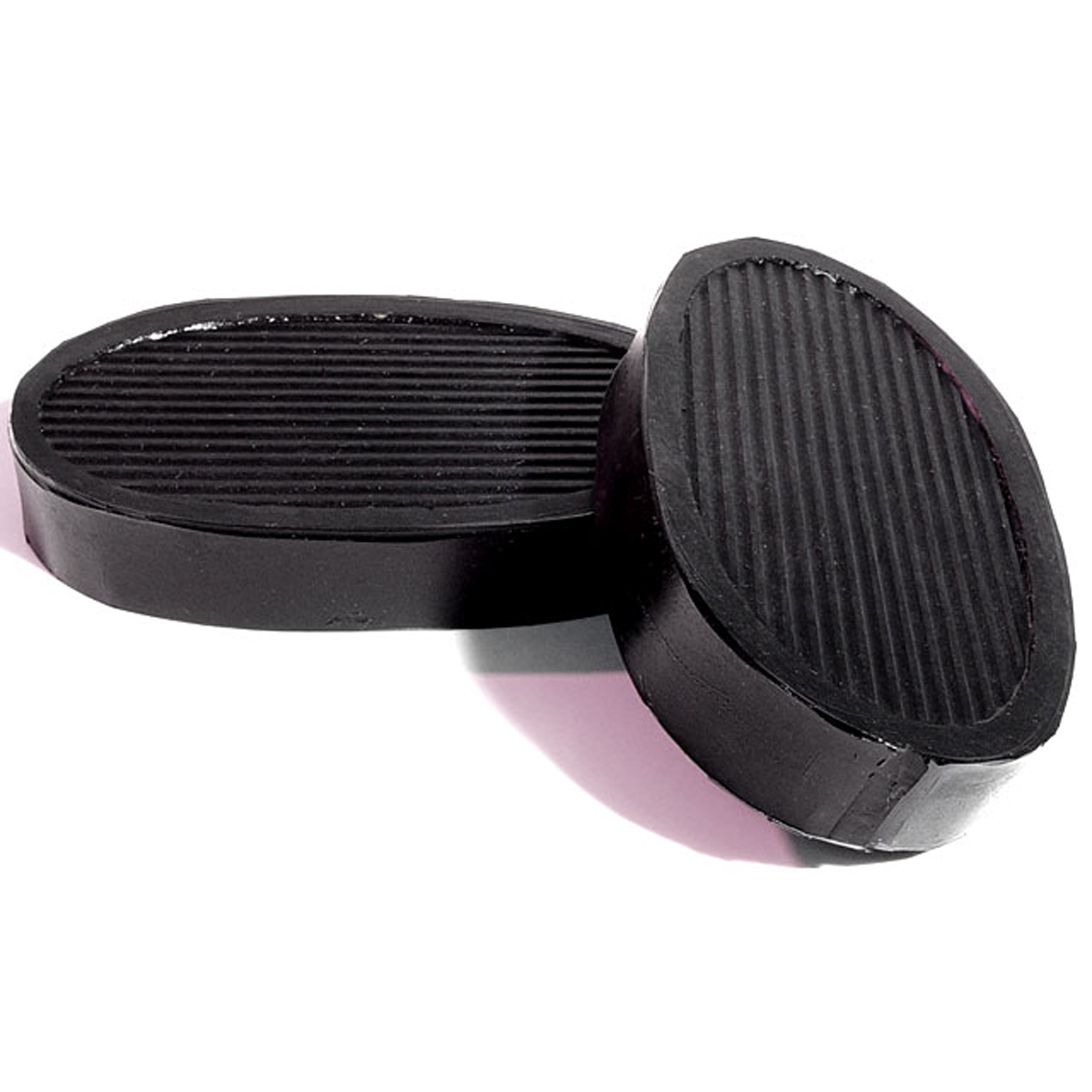 1929 Chrysler Series 75 Clutch and Brake Pedal Pads. High-quality reproduction-CB 29Clutch and Brake Pedal Pads. High-quality reproduction. 2-3/8" wide X 4" long. Pair
 1929 Chrysler Series 75 Door Bumper. 1-7/16" high X 1-9/16" wide X 9/16" thick-DB 7Door Bumper. 1-7/16" high X 1-9/16" wide X 9/16" thick. Each
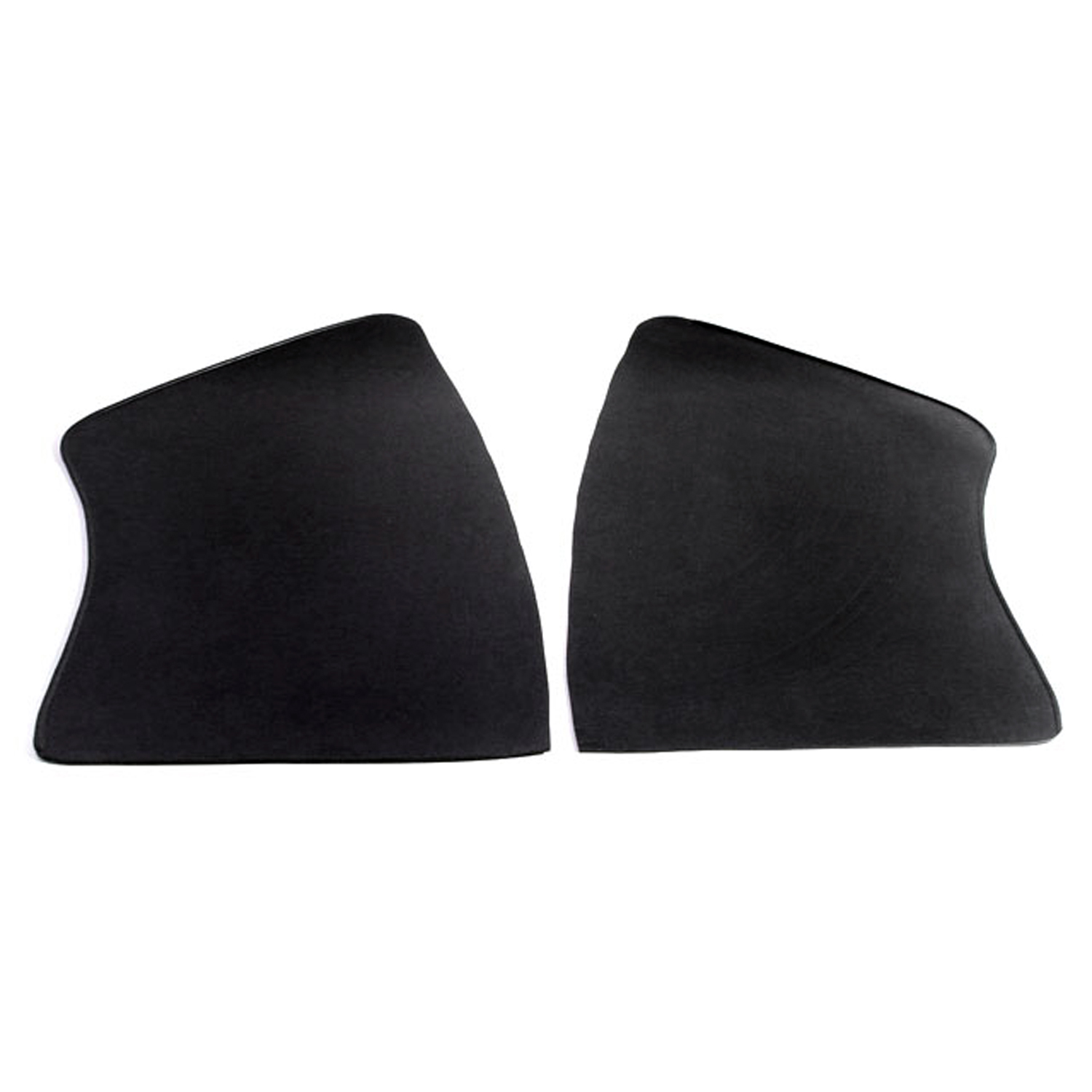 1929 Chrysler Series 75 Gravel Shields. Molded flat without metal backing plates-FS 31Gravel Shields. Molded flat without metal backing plates. Apply with contact cement. 18" long X 9-3/4" wide at bottom. Pair
 1929 Chrysler Series 75 Windshield Post Bases. Pair R&L-MB 14Windshield Post Bases. Pair R&L
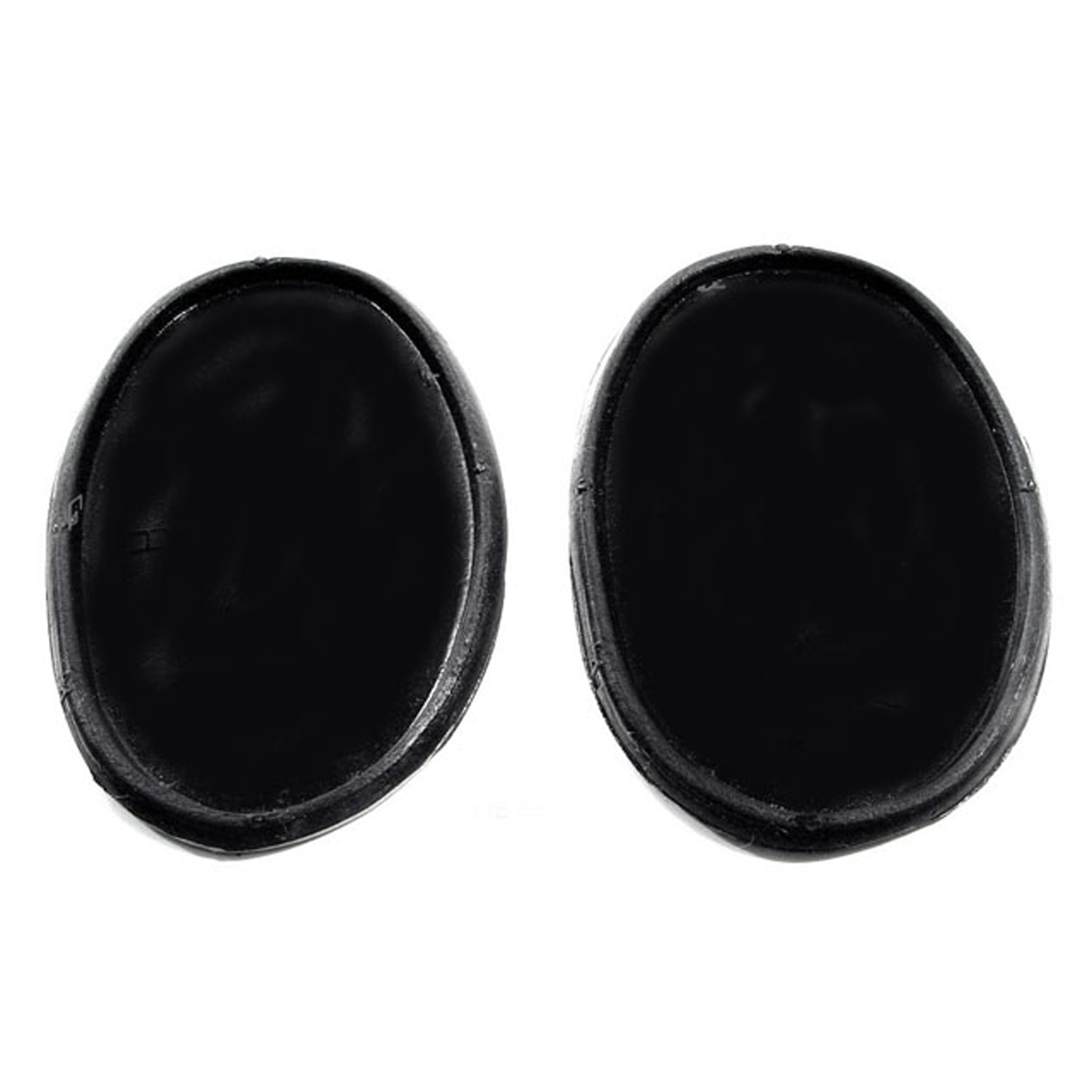 1929 Chrysler Series 75 Headlight Pads. 2-3/8" wide X 3-3/4" long. Pair-MP 550Headlight Pads. 2-3/8" wide X 3-3/4" long. Pair
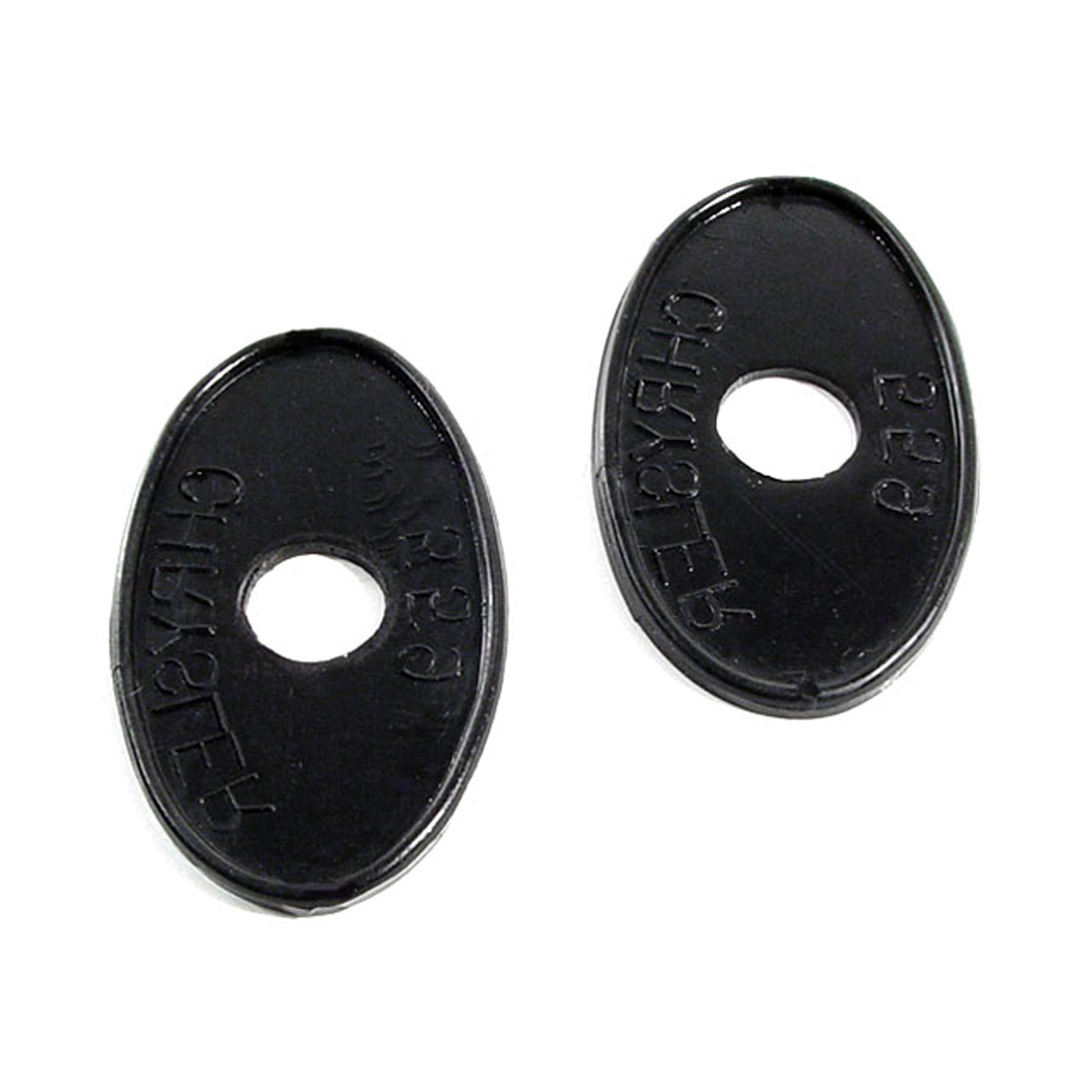 1929 Chrysler Series 75 Door Handle Pads. 1-1/4" wide X 2-1/4" long. Pair-MP 559Door Handle Pads. 1-1/4" wide X 2-1/4" long. Pair
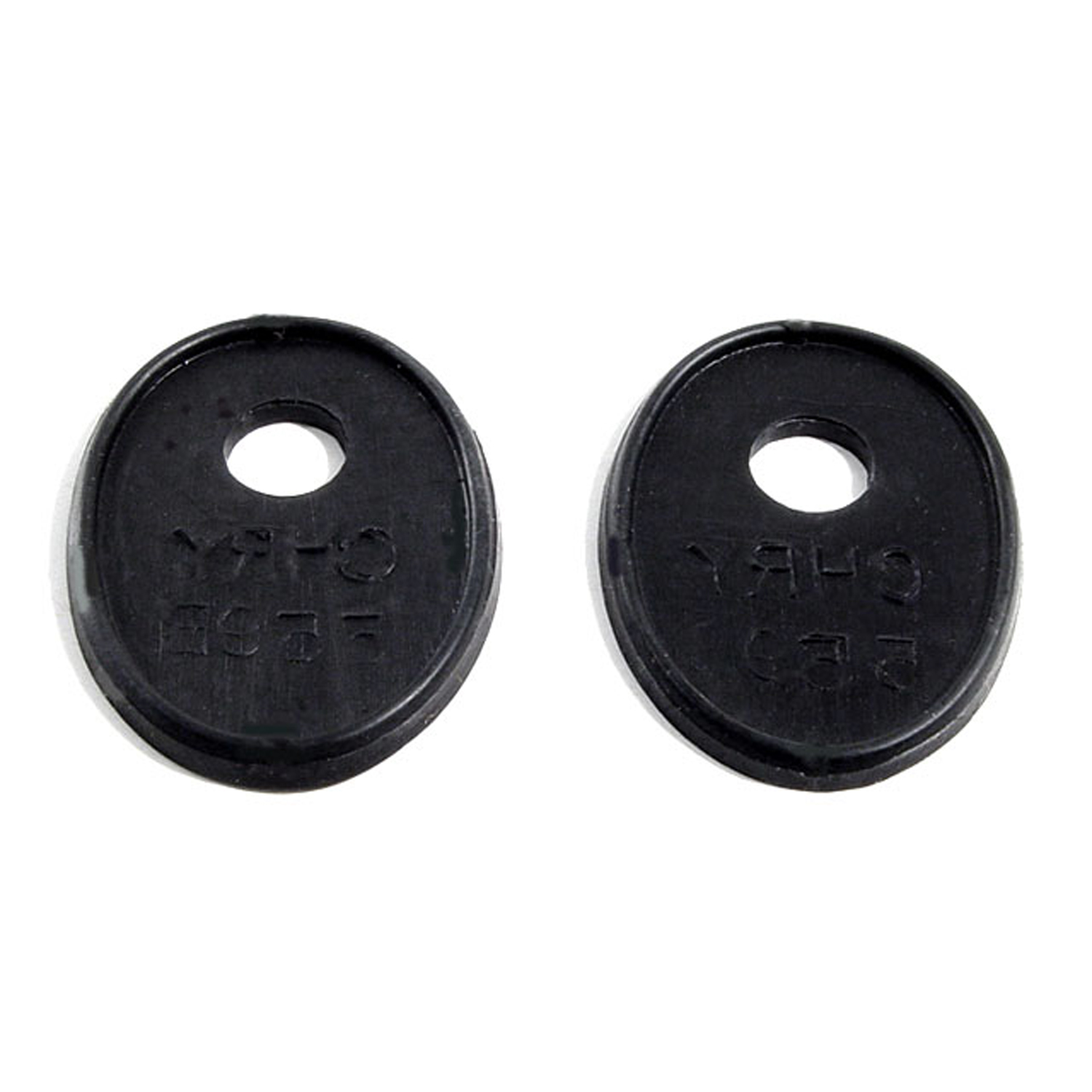 1929 Chrysler Series 75 Headlight Bar Pads. 1-3/8" wide X 1-7/8" long. Pair-MP 559-BHeadlight Bar Pads. 1-3/8" wide X 1-7/8" long. Pair
 1929 Chrysler Series 75 Step Plate Pad. Face only. 4-1/4" Diameter Each-SP 16Step Plate Pad. Face only. 4-1/4" Diameter Each
Why Choose Metro?
For over 100 years, Metro Moulded Parts has been the pinnacle of quality in classic car restoration parts. Our commitment to precision and authenticity in every component ensures a perfect fit and an OEM-level appearance.
- Expert Craftsmanship & Quality: Each part is a testament to our dedication to reliability and perfection, crafted from original designs and thoroughly tested.
- Advanced Technology: We use cutting-edge techniques to create flawless, long-lasting parts that surpass others in performance.
- SuperSoft Sponge – The Ultimate Door Seal: Not only are our door seals 30% softer than competitors', but they're also guaranteed to never leak. They effectively reduce wind and road noise, enhancing your classic car's comfort and driving experience.
- Proudly American: Our parts are a product of American craftsmanship, made in the USA with a spirit of excellence and heritage.
- Unrivaled Warranty: We back our products with a 30-year industry-leading warranty, a testament to our confidence in their quality.
Join us in preserving the legacy of classic cars with parts that are crafted for perfection, not just made.