
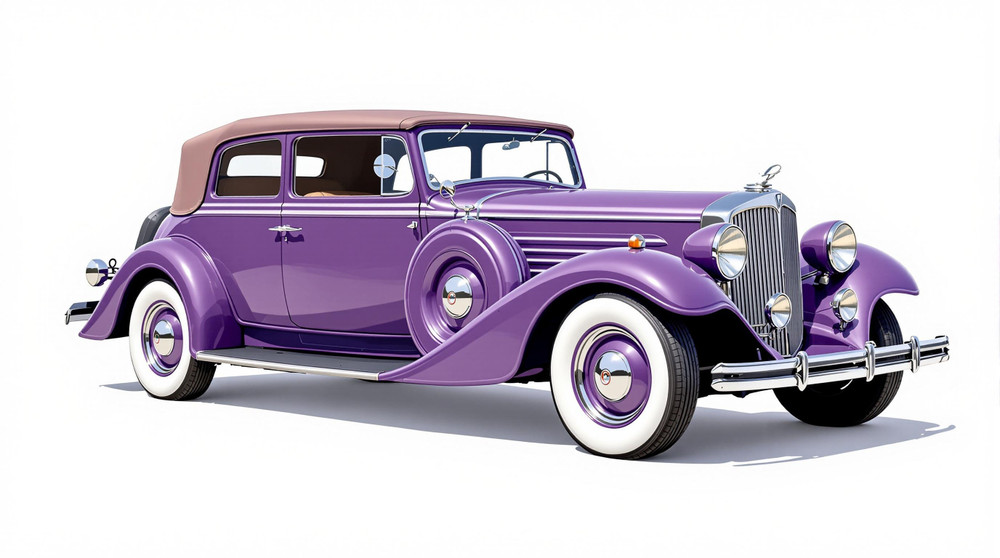
Image of 1930 Chrysler Imperial, Note: These illustrations use artistic license and may differ from actual historical models.
Performance Metrics
Fundamental Metrics
Emotional Appeal
MMP Rating
| Engine Specifications | |
|---|---|
| Engine: | Inline 8 |
| Displacement: | 4.9L |
| Horsepower: | Estimated 125 HP |
| Torque: | Information not available |
| Compression Ratio: | Information not available |
| Ignition System: | Battery and coil |
| Cooling System: | Water-cooled |
| Performance Specifications | |
| 0-60 Time: | Information not available |
| 1/4 Mile Time: | Information not available |
| Top Speed: | 96 mph |
| Transmission and Drive | |
| Drive Type: | Rear-wheel drive |
| Transmission Type: | 4-speed manual |
| Fuel and Efficiency | |
| Fuel System Type: | Carburetor |
| MPG: | Information not available |
| Dimensions and Brakes | |
| Brakes: | 4-wheel hydraulic brakes |
| Wheelbase: | 145 inches |
| Weight: | 5,000 lbs |
Note: Specifications for classic cars are given to the best of our ability, considering the limited and variant data available.
1930 Chrysler Imperial: The American Luxury Eight
The 1930 Chrysler Imperial was built to make a strong statement: Chrysler could match the established luxury marques with a car that was imposing, technically accomplished, and unmistakably American. It sat at the top of the Chrysler range, combining a large straight-eight engine with formal styling and, on selected models, custom coachwork by celebrated body builders.
Chrysler Corporation had been founded by Walter P. Chrysler in 1925, and the Imperial quickly became its flagship. The 1930 model arrived as the company expanded its reputation beyond practical, well-engineered cars and into the upper reaches of the luxury market. One especially intriguing feature of the Imperial story is that buyers could choose from a range of body styles, including highly individual coachbuilt designs. Two cars with the same basic chassis could look dramatically different.
Formal Lines and Fine Coachwork
The Imperial’s exterior had the presence expected of a prestige car in 1930. A tall radiator shell and upright grille gave the front end a formal, commanding look, while long hood panels emphasized the size of the engine beneath them. Sweeping fenders, large headlamps, wire wheels, and a generous wheelbase completed the silhouette. Depending on the body, the result could be stately and conservative or distinctly sporting.
Inside, the Imperial offered a spacious cabin finished to a standard well above an ordinary family car. Upholstery could include leather or high-quality cloth, with polished wood trim and carefully finished metal fittings adding warmth and detail. Open models had exposed cabins and often a rear compartment designed for passengers. Closed sedans and limousines provided more protection from weather and road dust, as well as a quieter, more private environment.
Equipment and trim varied by body style and coachbuilder. Buyers could select practical features such as a rear-mounted spare, luggage accommodations, and passenger comforts suited to the car’s intended use. Factory and coachbuilt paint choices also varied. Black and dark, formal shades were natural choices for sedans and limousines, while maroon, green, blue, and contrasting two-tone treatments could make open or sporting bodies stand out. Exact combinations depended on the specific body and order, so surviving cars do not all follow one standard color scheme.
Body Styles and Imperial Options
The 1930 Imperial was offered in several body configurations, with availability depending on the particular series and coachwork program. The range included closed sedans and limousine-style bodies, as well as open touring and sporting forms such as roadsters and phaetons. Some bodies were supplied through Chrysler’s production network, while specialist coachbuilders created more distinctive versions for customers seeking something less conventional.
Among the most memorable forms was the open dual-cowl phaeton, which gave rear passengers their own windshield and a more sheltered seating area. A roadster offered a sportier, more personal character, while a limousine emphasized formal rear-seat comfort. Coachwork associated with firms such as LeBaron helped make certain Imperials especially desirable to collectors today. The most iconic body depends on taste: the phaeton shows off the long chassis, while a custom limousine best captures the Imperial’s role as a luxury flagship.
Engineering That Set It Apart
At the heart of the Imperial was a large-displacement inline-eight, commonly listed at about 385 cubic inches and rated at roughly 125 horsepower. It was paired with a manual transmission, generally a three-speed unit. Four-wheel hydraulic drum brakes were a significant part of the car’s specification for its era, giving the driver braking assistance at all four wheels rather than relying on the simpler mechanical systems still found on some earlier cars.
The Imperial’s importance was not that it invented every feature it carried. Its achievement was bringing substantial power, advanced-for-the-period braking, imposing dimensions, and custom-car presentation together in a Chrysler product. It helped establish the Imperial name as the company’s high-end standard and showed that Chrysler intended to compete for customers who might otherwise look to Cadillac, Packard, or other luxury manufacturers.
Its long hood and straight-eight layout also reflected a broader design trend: prestige cars were increasingly using smooth, powerful multi-cylinder engines to deliver quiet, effortless progress. The Imperial’s influence was part of that movement toward combining engineering sophistication with carefully considered styling, rather than treating luxury as decoration alone.
Performance and Road Manners
Period performance figures are not as consistent as modern test results, and the weight of the body makes a difference. A sound 1930 Imperial might reach approximately 80 to 90 mph under favorable conditions. A rough modern estimate for 0 to 60 mph is around 20 to 25 seconds, though that should be treated as an approximation rather than a factory-certified figure. The straight-eight’s main virtue was not rapid acceleration by present-day standards; it was the steady, flexible power that helped move a large car without constant gear changes.
On the road, the Imperial feels substantial. Its long wheelbase helps it settle over ordinary bumps, and the car’s mass gives it a calm, deliberate ride on a straight highway. Narrow tires, a tall body, and period suspension geometry mean that it does not corner like a modern sports sedan. On winding roads, the driver needs to plan ahead, make smooth steering inputs, and allow for body lean. Crosswinds can also be noticeable, particularly in tall or open body styles.
The driving experience is part of the appeal. The straight-eight produces a deep, even mechanical note, and the car responds best to patient use of the throttle and gearbox. The steering is not power assisted, the controls require more physical effort than modern drivers expect, and braking distances are much longer than those of a contemporary vehicle. In return, the Imperial offers a measured, almost ceremonial pace that suits its scale and character.
Owning a 1930 Imperial
Today, most Imperials are used as show cars, touring cars, or occasional weekend drivers rather than daily transportation. A well-maintained example can take part in club events and carefully planned vintage tours, but regular modern traffic is demanding. The car’s size, modest acceleration, period lighting, and limited crash protection call for thoughtful routes and a defensive driving style.
Maintenance is manageable for an experienced vintage-car owner, but it is not a casual project. The engine, carburetor, ignition, cooling system, brakes, and lubrication need regular attention. Many mechanical tasks are straightforward in principle, yet parts for a rare Imperial may require specialist suppliers, careful searching, or fabrication. Coachwork and trim can be more challenging than routine mechanical repairs, especially when a car has distinctive custom bodywork.
Reliability depends heavily on restoration quality and ongoing care. Before buying, inspect the engine for oil pressure and cooling problems, check the chassis and wood structure where applicable, and have the hydraulic brakes examined by someone familiar with vintage systems. Originality matters to collectors, but a sound, correctly maintained car is generally more enjoyable than one preserved at the expense of safe operation.
Rare Details and Common Criticisms
Imperial production was modest beside the output of mainstream Chrysler models, and coachbuilt examples were rarer still. Exact production totals can be difficult to pin down by body style. As a broad estimate, a few thousand 1930 Imperial chassis and cars may have been built, with substantially fewer surviving today and only a small portion carrying uncommon custom bodies.
There is no need to attach an unsupported celebrity story or speed record to make the car interesting. Its strongest claim is its place in Chrysler’s early luxury history, along with the individuality of its coachwork. A surviving dual-cowl phaeton or custom-bodied Imperial can be a rolling showcase of the period’s craftsmanship, while a formal sedan provides a clear picture of how prestige motoring looked at the beginning of the 1930s.
The common criticisms are practical ones: the Imperial is large, heavy, thirsty by modern standards, and slow to accelerate compared with current traffic. Parts and specialist body repairs can also be expensive. Those limitations are part of the ownership equation, not hidden flaws. This is a car built for smooth, stately travel, not for quick commutes or tight parking spaces.
1930 Chrysler Imperial Values
Collector values vary widely with body style, originality, restoration quality, and provenance. As a broad 2026 market estimate, a usable but less exceptional sedan might fall around $40,000 to $90,000. A well-restored example with desirable coachwork could bring roughly $90,000 to $200,000, while a particularly rare, beautifully presented custom-bodied car may exceed that range and reach $250,000 or more. These are general estimates, not a substitute for comparing recent sales of the same body style.
Availability is limited. Closed cars appear more often than rare open or custom-bodied versions, and the best examples may remain in long-term collections rather than coming to market regularly. Over the long term, high-quality, well-documented Imperials have generally held collector appeal, with the strongest price potential attached to rare bodies and excellent restorations. The market can still fluctuate, and expensive restoration work does not always translate into an equal increase in sale price.
Why the Imperial Still Matters
The 1930 Chrysler Imperial brought together a powerful straight-eight, advanced braking for its time, generous proportions, and a choice of bodies ranging from dignified sedans to striking coachbuilt open cars. It helped put Chrysler in the conversation among American luxury manufacturers and gave the company a flagship with real engineering substance.
Nearly a century later, the Imperial remains compelling because it is more than a large antique automobile. It is a snapshot of Chrysler’s ambition, an example of the coachbuilder’s art, and a reminder of when luxury motoring meant quiet power, generous space, and the confidence to arrive at an unhurried pace.
1930 Chrysler Imperial Catalog of Parts
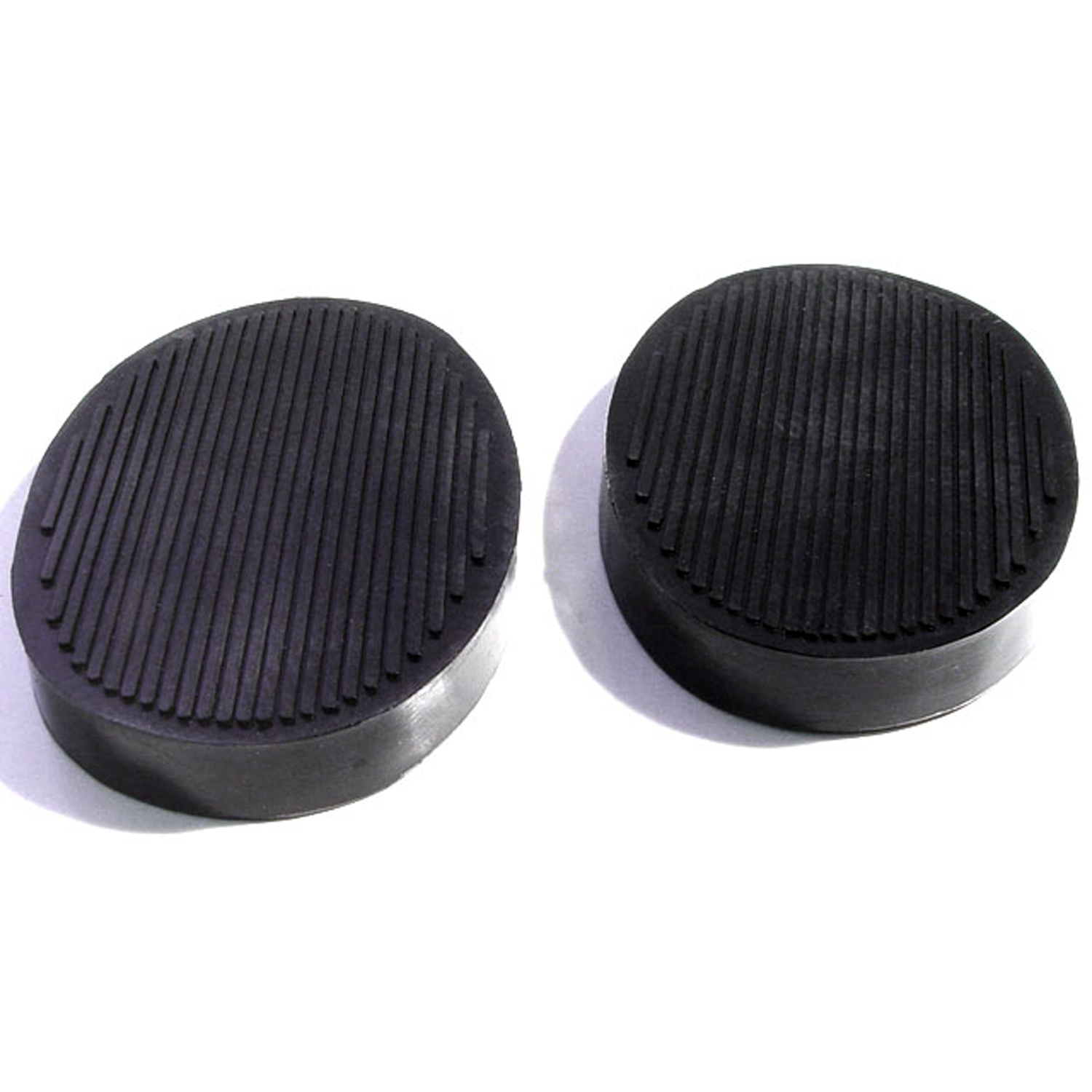 1930 Chrysler Imperial Clutch and Brake Pedal Pads. 2-5/8" wide X 3-3/4" long-CB 26Clutch and Brake Pedal Pads. 2-5/8" wide X 3-3/4" long. Pair
 1930 Chrysler Imperial Clutch and Brake Pedal Pads. 3" wide X 3-7/8" long. Pair-CB 27Clutch and Brake Pedal Pads. 3" wide X 3-7/8" long. Pair
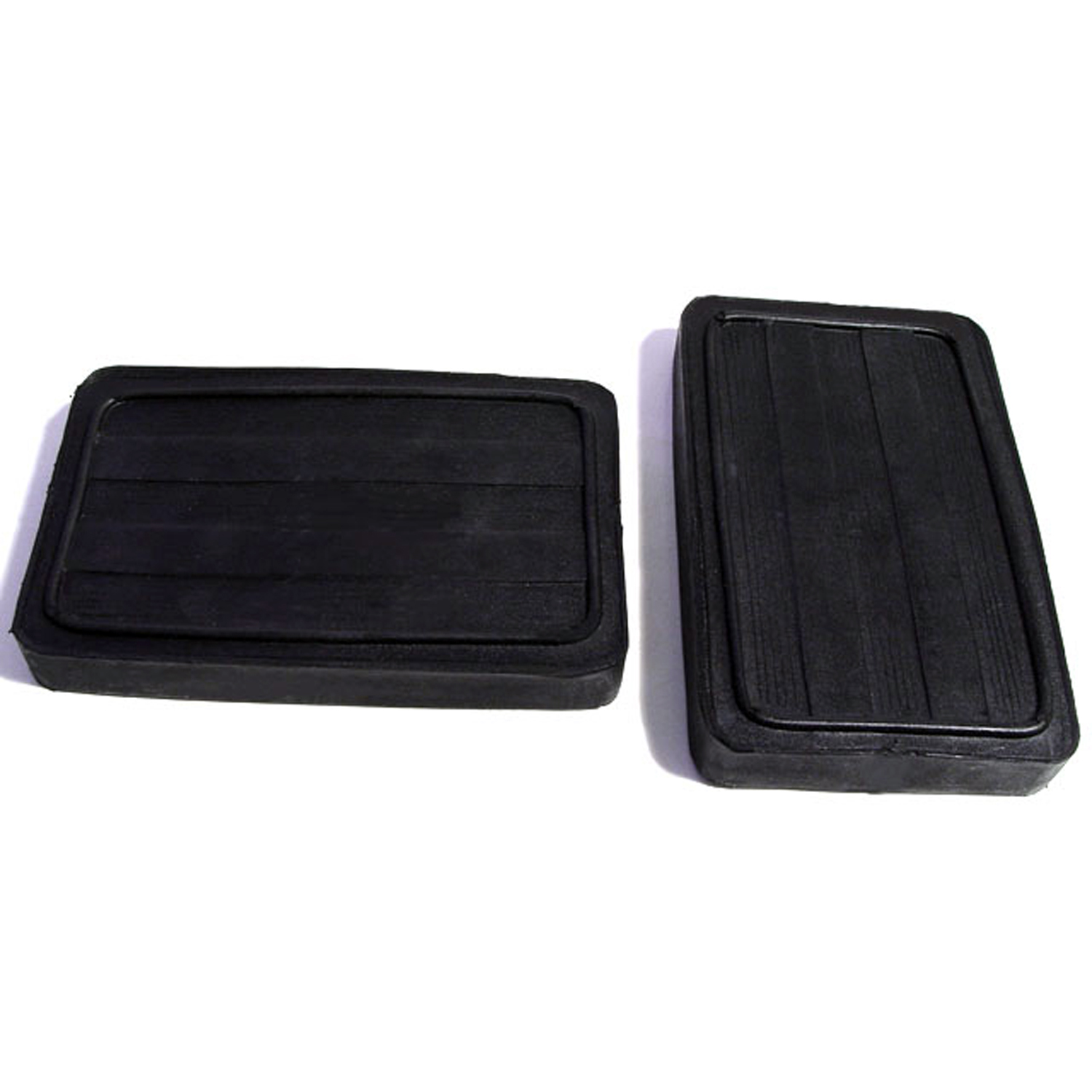 1930 Chrysler Imperial Clutch and Brake Pedal Pads, Black-CB 28-AClutch and Brake Pedal Pads, Black. 2-3/8" wide X 3-7/8" long. Pair
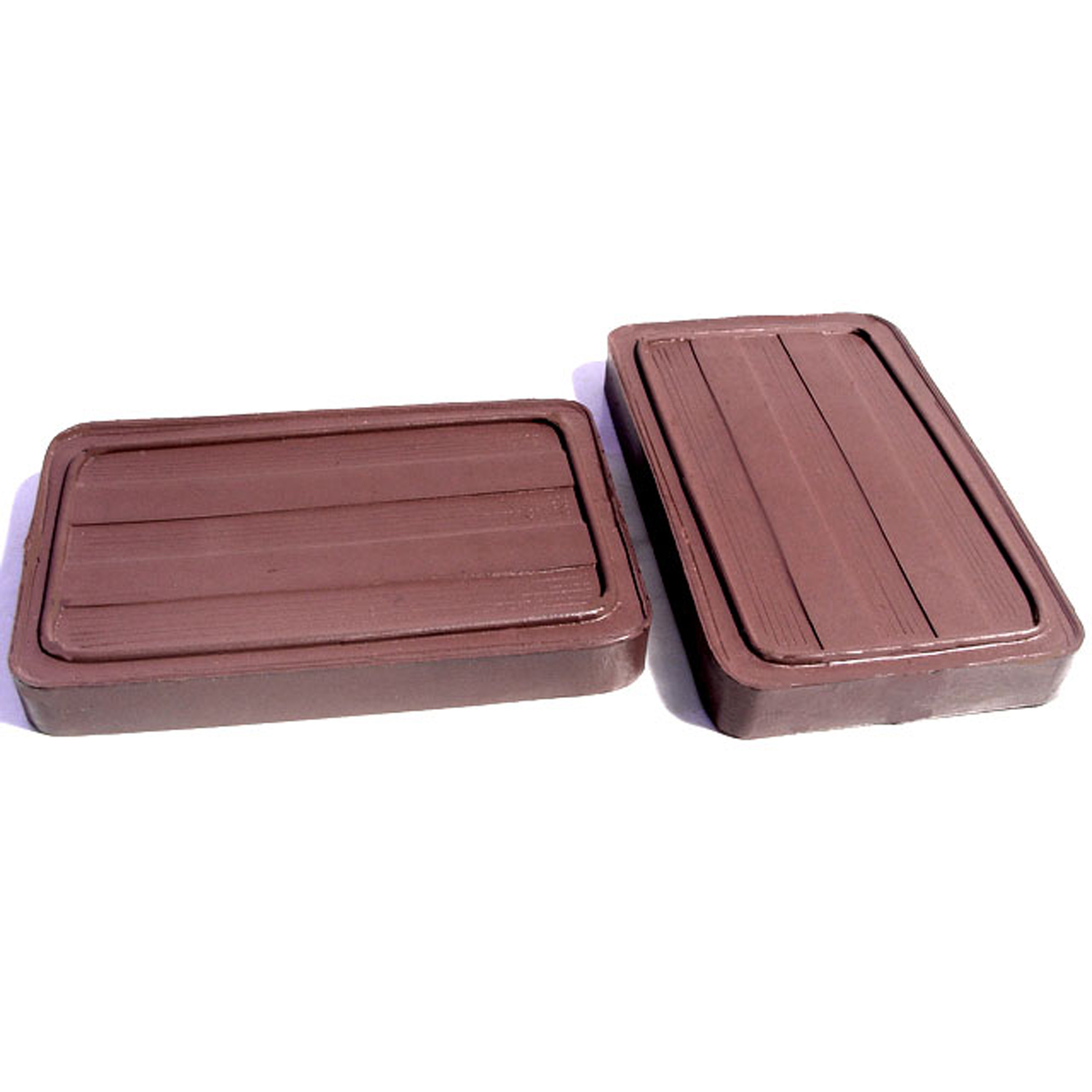 1930 Chrysler Imperial Clutch and Brake Pedal Pads, Brown-CB 28-BClutch and Brake Pedal Pads, Brown. 2-3/8" wide X 3-7/8" long. Pair
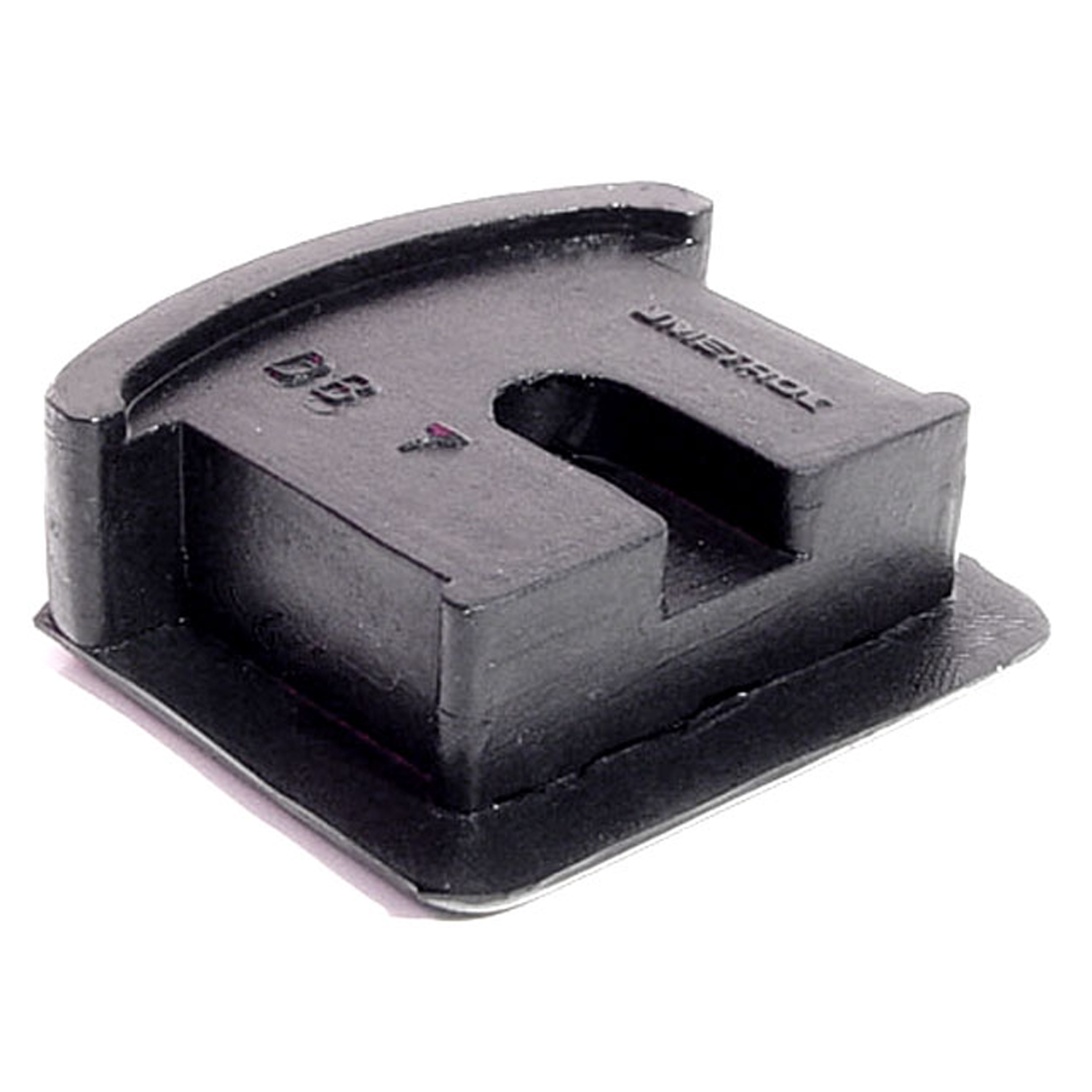 1930 Chrysler Imperial Door Bumper. 1-7/16" high X 1-9/16" wide X 9/16" thick-DB 7Door Bumper. 1-7/16" high X 1-9/16" wide X 9/16" thick. Each
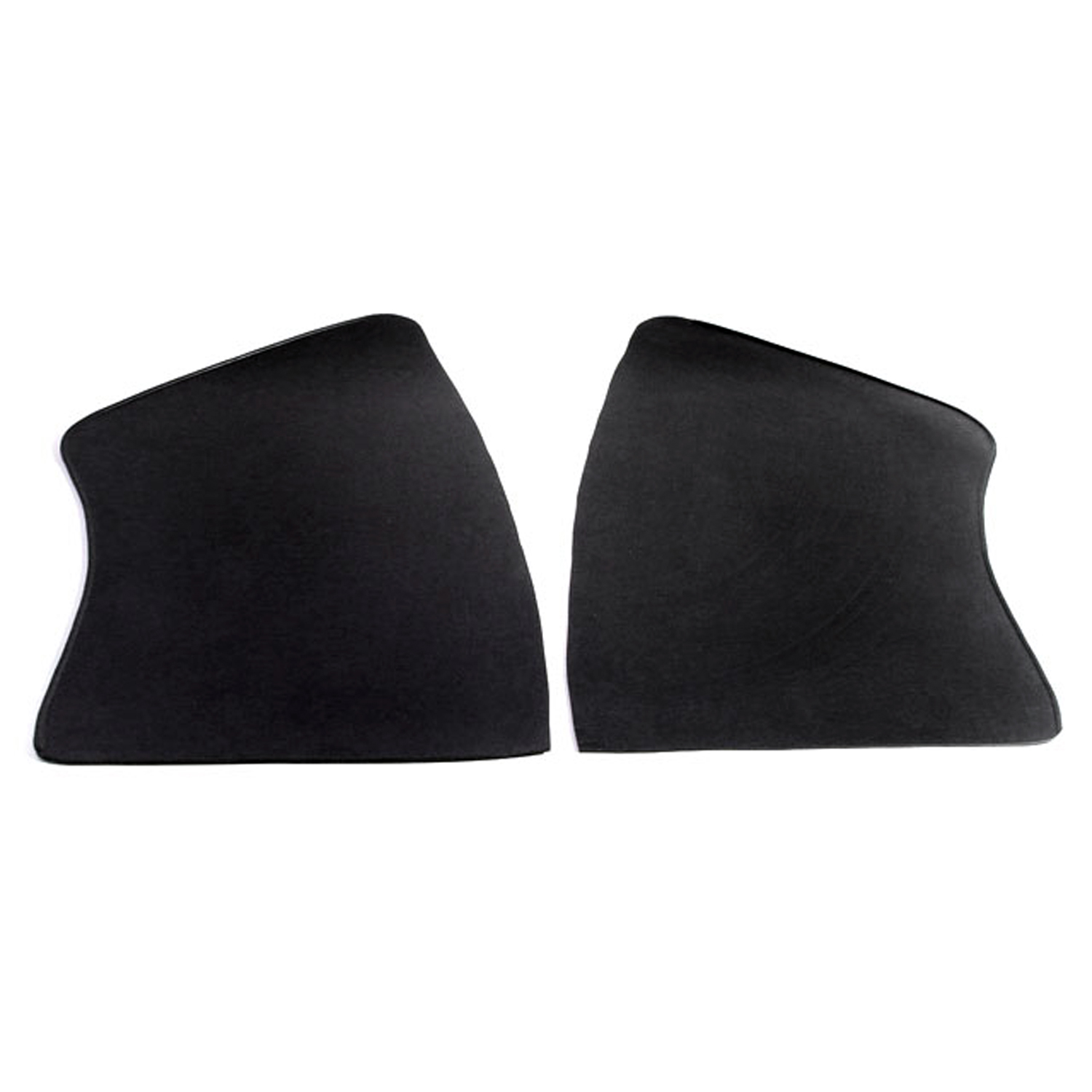 1930 Chrysler Imperial Gravel Shields. Molded flat without metal backing plates-FS 31Gravel Shields. Molded flat without metal backing plates. Apply with contact cement. 18" long X 9-3/4" wide at bottom. Pair
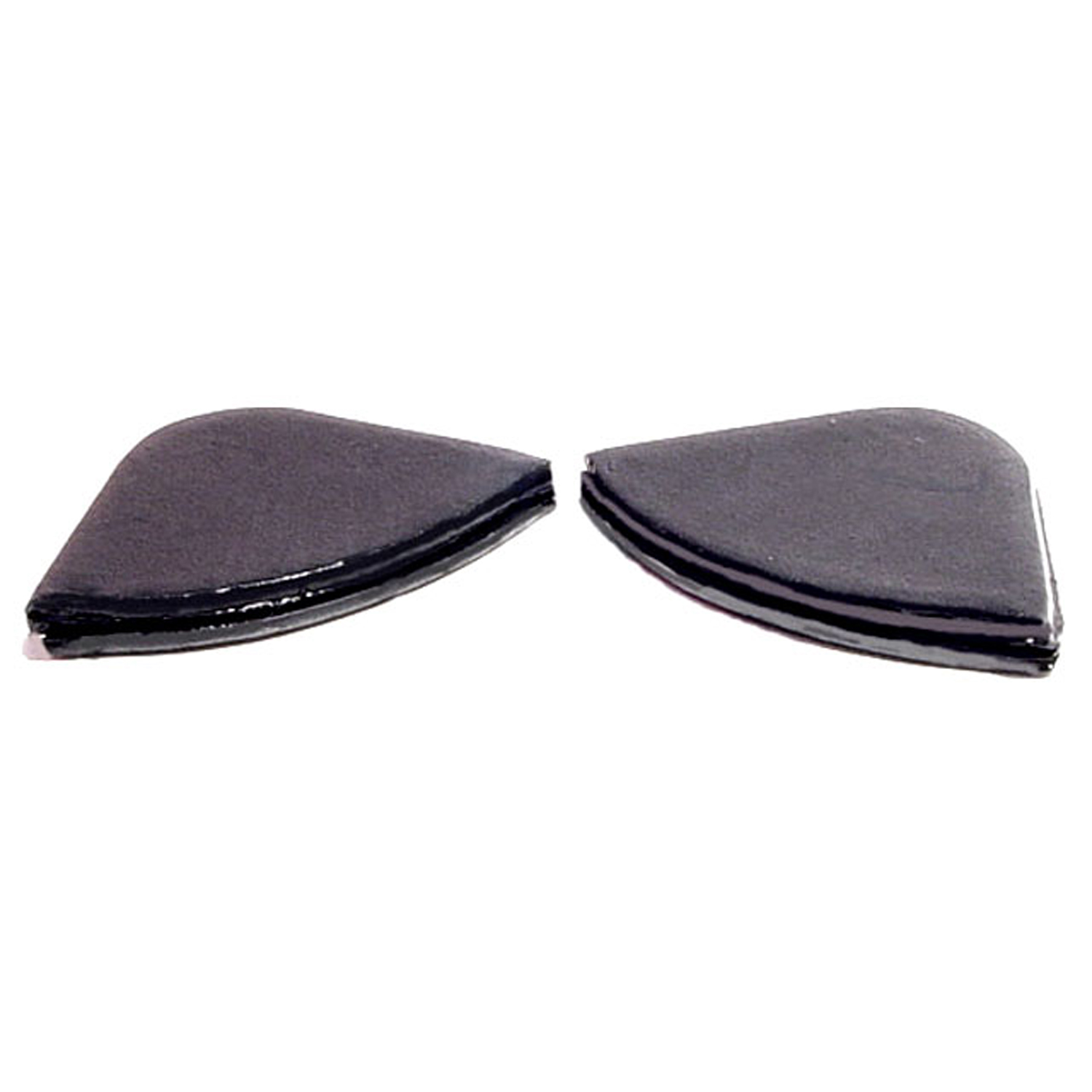 1930 Chrysler Imperial Hood Corners. Fits flat corners-HC 19Hood Corners. Fits flat corners. 80° angle, 1/4" to 3/8" corner radius. 1-3/8" wide. Pair
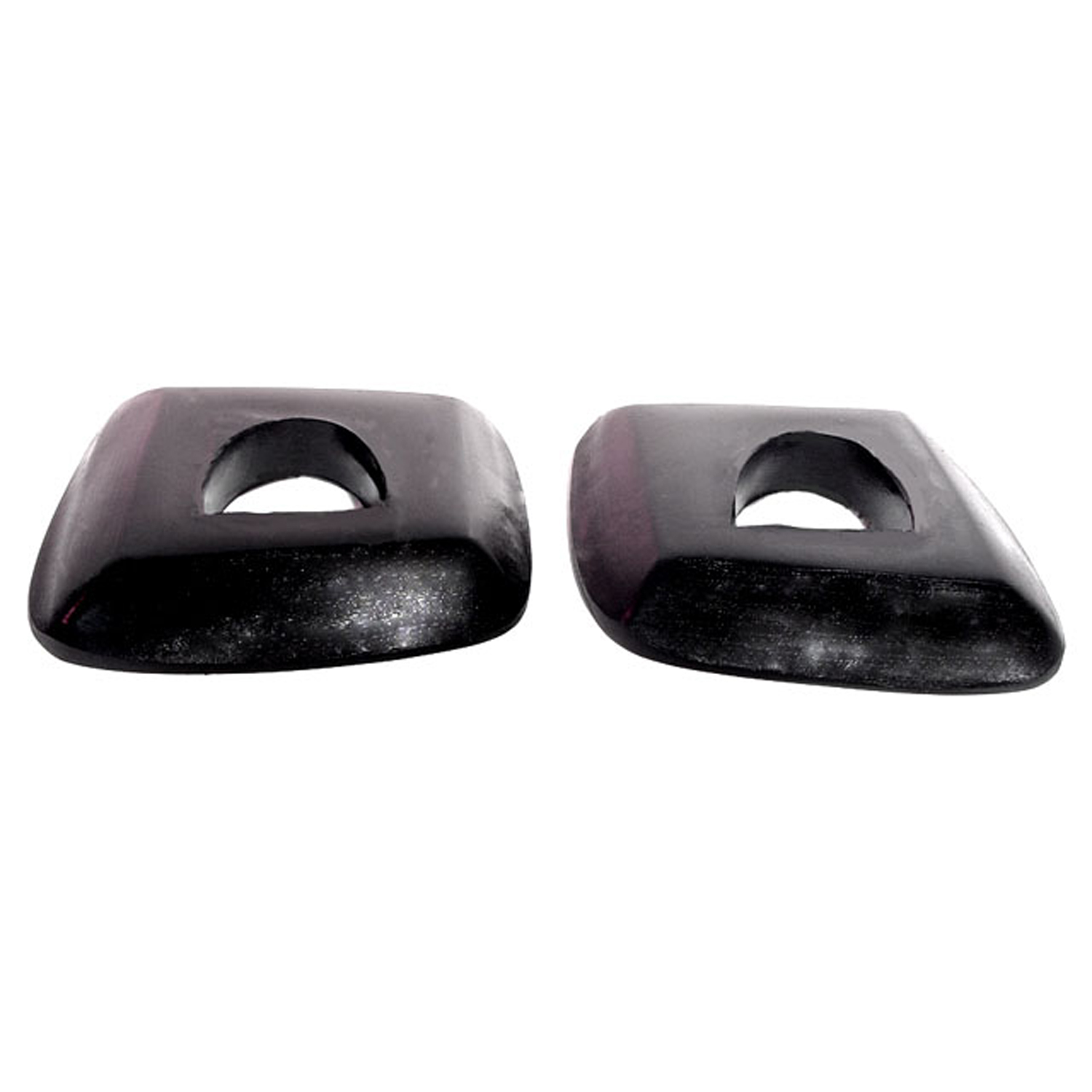 1930 Chrysler Imperial Windshield Post Bases. Pair R&L-MB 14Windshield Post Bases. Pair R&L
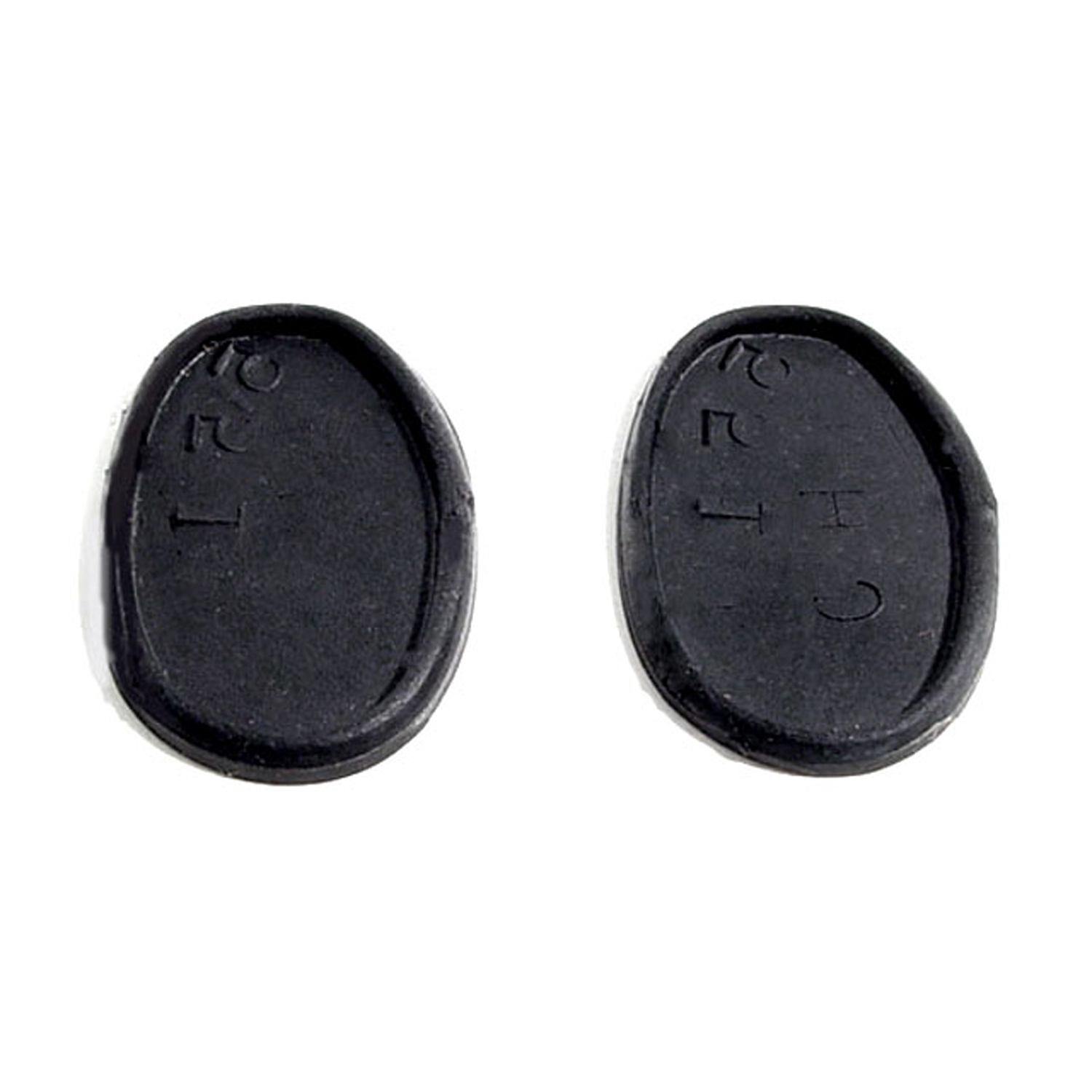 1930 Chrysler Imperial Headlight Bar Pads. 1-1/8" X 1-5/8" long. Pair-MP 551Headlight Bar Pads. 1-1/8" X 1-5/8" long. Pair
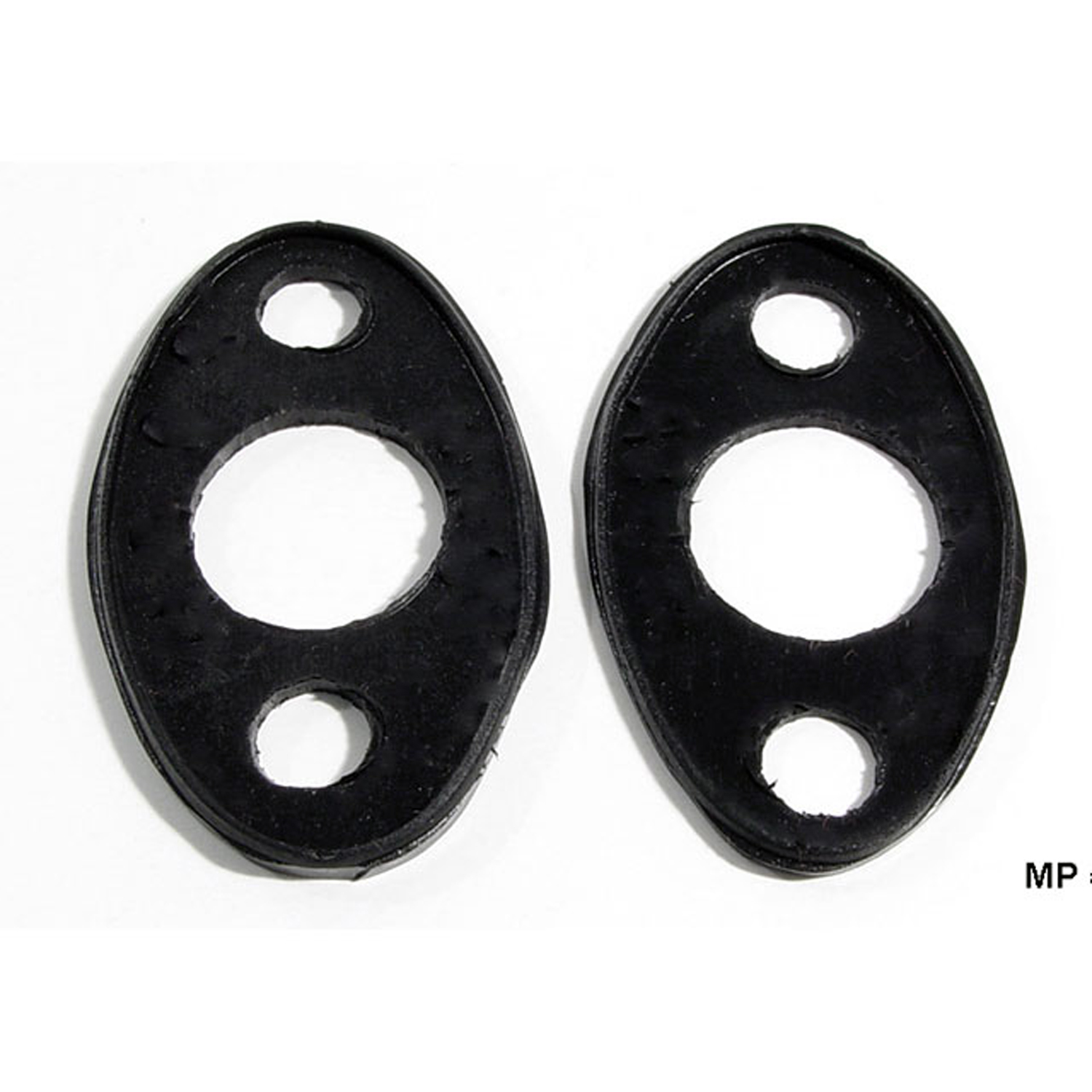 1930 Chrysler Imperial Door Handle Pads. 1-1/4" wide X 2-1/4" long. Pair-MP 559-ADoor Handle Pads. 1-1/4" wide X 2-1/4" long. Pair
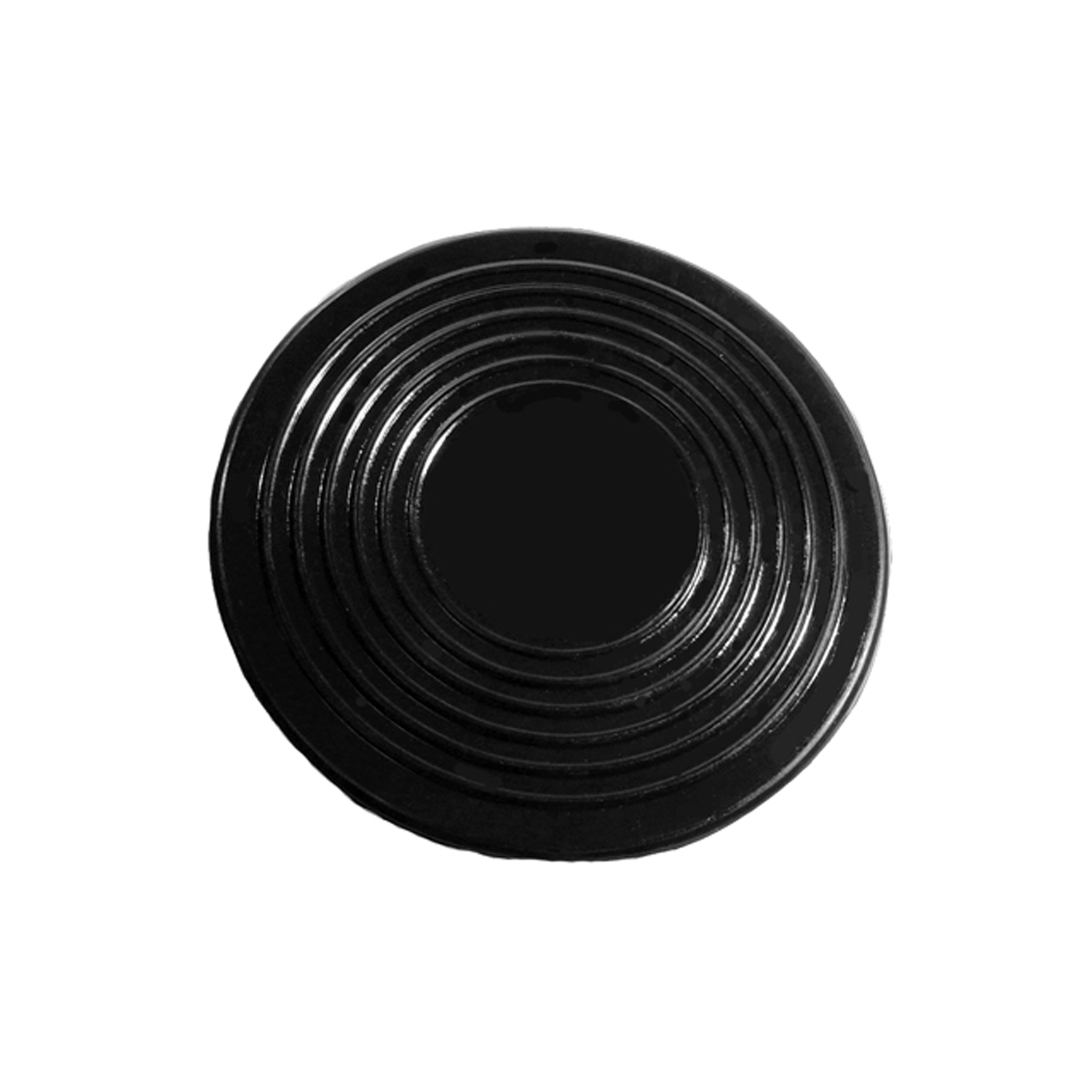 1930 Chrysler Imperial Rumble Seat Step Plate Pad. Rubber face only, no logo-SP 11Rumble Seat Step Plate Pad. Rubber face only, no logo. 4-1/4" O.D. Each
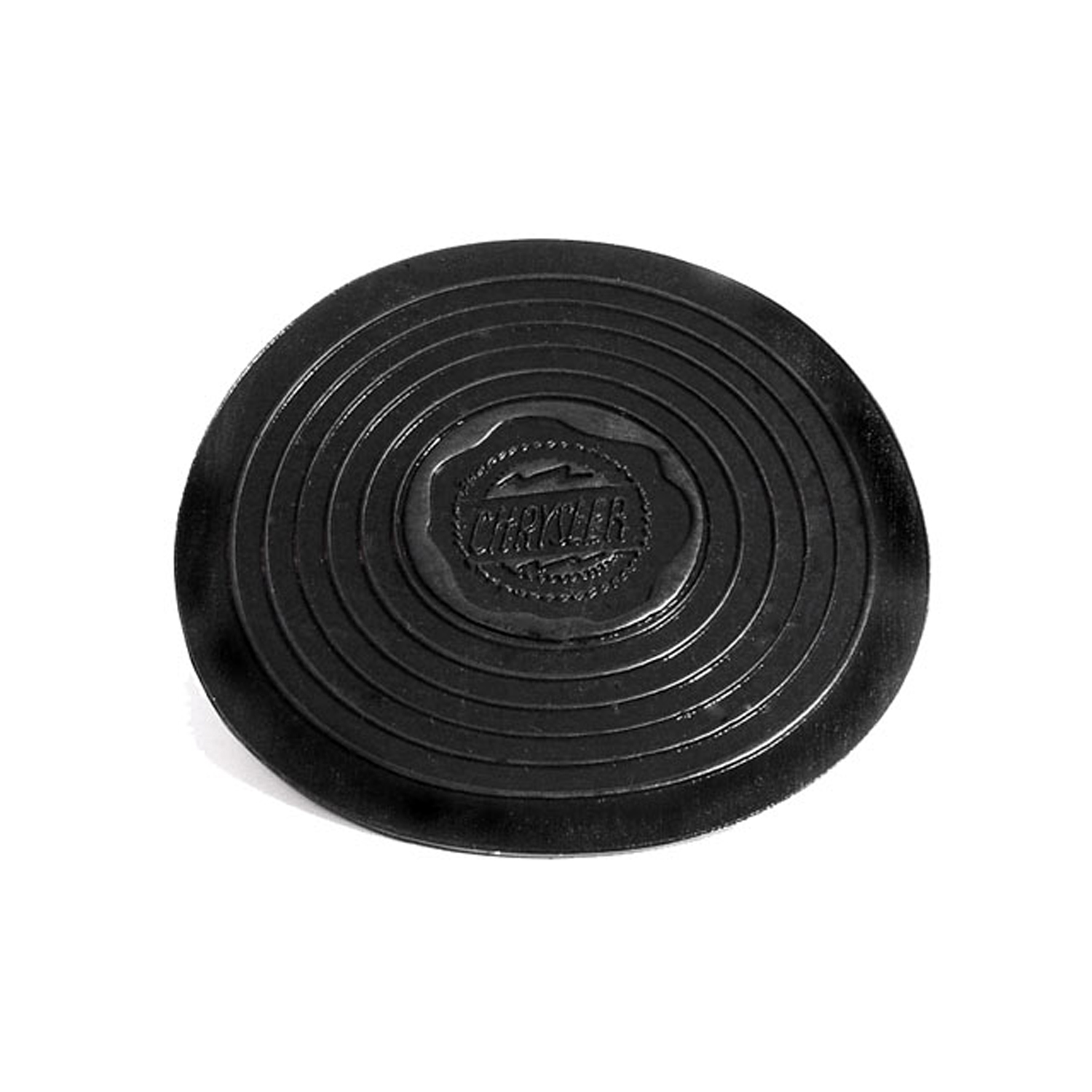 1930 Chrysler Imperial Step Plate Pad. Face only. 4-1/4" Diameter Each-SP 16Step Plate Pad. Face only. 4-1/4" Diameter Each
Why Choose Metro?
For over 100 years, Metro Moulded Parts has been the pinnacle of quality in classic car restoration parts. Our commitment to precision and authenticity in every component ensures a perfect fit and an OEM-level appearance.
- Expert Craftsmanship & Quality: Each part is a testament to our dedication to reliability and perfection, crafted from original designs and thoroughly tested.
- Advanced Technology: We use cutting-edge techniques to create flawless, long-lasting parts that surpass others in performance.
- SuperSoft Sponge – The Ultimate Door Seal: Not only are our door seals 30% softer than competitors', but they're also guaranteed to never leak. They effectively reduce wind and road noise, enhancing your classic car's comfort and driving experience.
- Proudly American: Our parts are a product of American craftsmanship, made in the USA with a spirit of excellence and heritage.
- Unrivaled Warranty: We back our products with a 30-year industry-leading warranty, a testament to our confidence in their quality.
Join us in preserving the legacy of classic cars with parts that are crafted for perfection, not just made.