
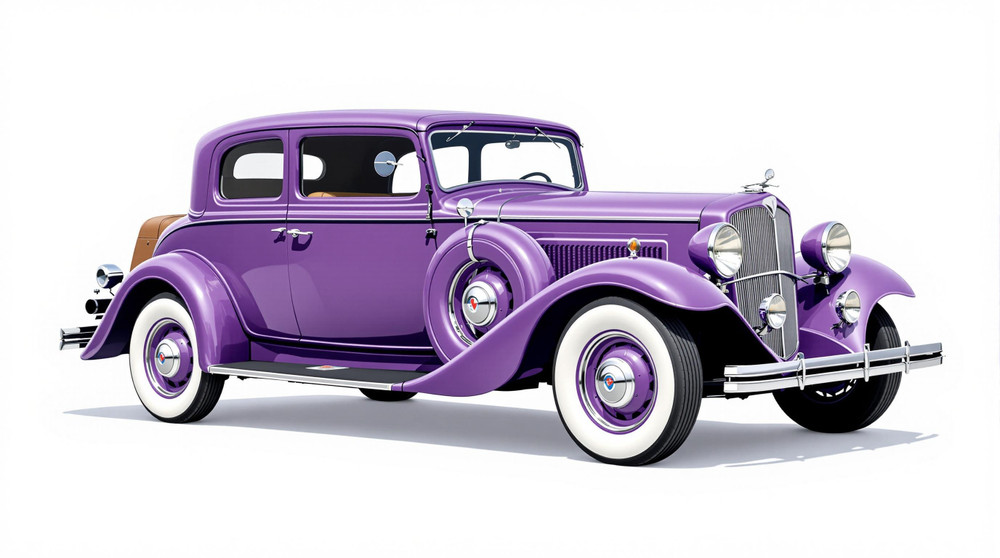
Image of 1930 Chrysler Series 66, Note: These illustrations use artistic license and may differ from actual historical models.
Performance Metrics
Fundamental Metrics
Emotional Appeal
MMP Rating
| Engine Specifications | |
|---|---|
| Engine: | Inline 6 |
| Displacement: | 218.6 cubic inches |
| Horsepower: | Estimated 68-75 hp |
| Torque: | Not available |
| Compression Ratio: | Not available |
| Ignition System: | Battery and coil |
| Cooling System: | Water-cooled |
| Performance Specifications | |
| 0-60 Time: | Not available |
| 1/4 Mile Time: | Not available |
| Top Speed: | 60-70 mph |
| Transmission and Drive | |
| Drive Type: | Rear-wheel drive |
| Transmission Type: | 3-speed manual |
| Fuel and Efficiency | |
| Fuel System Type: | Carburetor |
| MPG: | Not available |
| Dimensions and Brakes | |
| Brakes: | 4-wheel hydraulic brakes |
| Wheelbase: | 112.75 inches |
| Weight: | Estimated 2,890 lbs |
Note: Specifications for classic cars are given to the best of our ability, considering the limited and variant data available.
1930 Chrysler Series 66: An American Six in a Changing Era
The 1930 Chrysler Series 66 brought six-cylinder performance and Chrysler engineering to buyers who wanted more than basic transportation. Built by the Chrysler Corporation, founded by Walter P. Chrysler in 1925, the Series 66 sat in a rapidly expanding range that also included the newer Plymouth and DeSoto marques. Its name pointed to its advertised 66 horsepower, a straightforward bit of model identity in an age when engine output was a major selling point.
The timing gave the car a place in a pivotal chapter of American motoring. It arrived as the automobile industry was moving beyond the exuberance of the 1920s and into the economic turmoil of the Great Depression. Chrysler had built its reputation on engineering and value, and the Series 66 carried that approach into the market. One intriguing detail is that its modest-sounding horsepower figure did not tell the whole story: for its class, the car paired a smooth inline-six with modern-for-the-period braking and a substantial, road-going feel.
Chrysler 66 Design and Body Styles
The Series 66 wore the upright, purposeful proportions associated with the turn from the 1920s to the 1930s. A tall radiator shell and long hood gave the front end a formal look, while prominent headlamps, separate front fenders, and running boards emphasized its pre-streamlined shape. The result was less about aerodynamic drama than confident presence. Compared with later cars, its bodywork was visually distinct and its individual components were easy to see and service.
Inside, the car was designed for practical comfort rather than modern luxury. Buyers could expect a broad bench seat, a large steering wheel, clear instruments, and trim materials such as cloth upholstery and wood or wood-grain-finished details, depending on body style and specification. Exact finishes varied, so surviving cars may differ from one another. The cabin was roomy by the standards of many smaller cars, though it offered none of the climate control, sound insulation, or adjustability drivers now take for granted.
Chrysler offered the Series 66 in several body configurations during its brief run, with availability depending on model year and catalog. Common types included closed sedans and coupes, along with open touring or roadster-style bodies. A coupe with a rear rumble seat has particular period charm: it provided occasional seating for extra passengers, but exposed them to the weather. Sedans were the sensible choice for regular family use, while open cars and rumble-seat coupes tend to attract attention at shows today.
Factory paint choices varied by body and year. Period colors commonly associated with cars of this class included dark blues, greens, maroons, and black, often combined with contrasting trim or pinstriping. Exact Series 66 color charts are the best guide for a restoration, since a color that looks right for the era is not necessarily correct for a particular body style.
Period Engineering and Historical Importance
At the heart of the Series 66 was a side-valve, or L-head, inline-six of approximately 196 cubic inches, rated at 66 horsepower. It drove the rear wheels through a manual transmission, generally a three-speed unit. The engine’s smooth six-cylinder layout delivered more refinement than the four-cylinder powerplants common in less expensive cars, while its relatively uncomplicated construction suited the repair practices of the day.
Four-wheel hydraulic brakes were an important part of Chrysler’s engineering story. Hydraulic systems applied braking force more evenly than many earlier mechanical arrangements, helping the driver control a substantial car with less effort. Chrysler had adopted hydraulic brakes early in its history, and the Series 66 benefited from that broader engineering direction. It was not a groundbreaking design in the way a new mass-market body architecture might be, but it represented the steady transfer of useful engineering into a more accessible six-cylinder car.
The Series 66 also illustrates Chrysler’s strategy during a period of rapid corporate growth. The company was building a broad family of brands and models, each aimed at a different buyer. The 66 offered a middle ground: a conventional, well-equipped automobile with a six-cylinder engine and a reputation for solid engineering. Its lasting significance is less about a single revolutionary feature than about how it helped establish Chrysler’s identity as a maker of technically minded, value-conscious cars.
1930 Chrysler 66 Performance and Road Manners
Period performance figures are not as consistent or easy to compare as modern test results. Based on the engine output, gearing, and the car’s size, a healthy Series 66 would likely reach roughly 60 to 65 mph. A 0-to-60-mph time in the neighborhood of 25 to 35 seconds is a reasonable modern estimate, not a guaranteed factory test figure. Actual performance depends heavily on body style, mechanical condition, gearing, and how the car is driven.
The six-cylinder engine is best understood as a steady touring motor, not a high-revving powerplant. It should make a measured, even sound as it pulls through the gears, with the familiar mechanical hum and exhaust note of a prewar straight-six. The driver works a manual gear lever, manages the clutch, and steers with a large wheel. There is no power steering, so parking and tight low-speed turns require more effort than in a modern car.
On a smooth road, the Series 66’s long, traditional chassis and substantial tires provide a composed ride by the standards of its era. Over broken pavement, the suspension moves and the body can pitch or sway more than a modern driver expects. On winding roads, it rewards a measured pace and deliberate steering rather than quick direction changes. Its hydraulic brakes were a useful advantage for the period, but an owner should never assume that an old system is safe simply because the design was advanced for its time. Condition, adjustment, and correct maintenance matter enormously.
Living With a Series 66
Today, the 1930 Chrysler Series 66 is most often a show car, touring car, or weekend collector vehicle. Some owners drive their cars regularly in vintage events, but it is not a practical modern daily driver. Traffic speed, limited visibility, old lighting, and the lack of contemporary safety equipment all call for a cautious approach.
Mechanically, the car is relatively straightforward compared with later vehicles. A capable owner or vintage-car mechanic can understand its basic systems, and routine work such as ignition service, lubrication, and carburetor adjustment follows familiar prewar practices. The challenge is often finding the right parts, especially body-specific trim, interior pieces, and components that have been altered during previous repairs. Before buying, inspect the frame, wood structure if applicable, brakes, cooling system, engine condition, and the completeness of the car. A running engine does not make a car roadworthy, and a correct restoration can cost far more than expected.
Chrysler 66 Facts and Common Myths
The Series 66 is a useful reminder that early model names often advertised a performance figure directly. Its 66-horsepower rating was part of its identity, even though road speed depended on much more than horsepower alone. The car was also introduced during the year the Great Depression began, making it part of a difficult period for the entire American automobile industry.
There is no widely recognized Series 66 speed record or endurance achievement that defines the model, and celebrity ownership claims are not a dependable part of its story. Its appeal is more grounded: it represents Chrysler’s early engineering priorities and the everyday motoring world just before streamlined styling and higher speeds transformed the market. A common criticism today is that it feels slow and physically demanding beside a modern car. That is fair, but it is also the point of experiencing one: the driver is involved in every part of the journey.
1930 Chrysler Series 66 Values and Rarity
Exact production totals for individual Series 66 body styles are not consistently available in the commonly used reference material. As a broad estimate rather than a verified factory total, production may have been in the tens of thousands across the model’s short run. Surviving cars are much less common, and availability varies sharply by body style, completeness, and condition. A sound sedan may be easier to locate than a desirable open car or a well-preserved rumble-seat coupe.
As a general U.S. market estimate in 2026, a project or incomplete example might sell for roughly $5,000 to $15,000. A usable, driver-quality car could fall around $15,000 to $30,000, while a high-quality restoration or especially attractive body style might bring approximately $30,000 to $50,000 or more. These are broad ranges, not appraisals. Provenance, originality, restoration quality, and regional demand can shift a sale considerably.
Values for prewar cars tend to move more slowly than those of newer collector vehicles. A sound, correctly restored Series 66 is likely to hold interest among Chrysler and prewar-car enthusiasts, but it should be bought for its history and enjoyment rather than assumed investment growth. Restoration expenses can also exceed the eventual resale price, particularly when rare trim or body parts are missing.
Why the Chrysler Series 66 Still Matters
The 1930 Chrysler Series 66 combines a smooth six-cylinder engine, period-advanced hydraulic braking, traditional styling, and a practical range of body choices. It was not the fastest or most revolutionary car of its day, but it showed how Chrysler turned engineering into a well-rounded automobile for ordinary roads and real owners.
More than nine decades later, the Series 66 offers a direct connection to a turning point in American motoring. Its value is not just in its polished paint or vintage lines. It is in the way it asks the driver to participate, listen, and take the road at a different pace. That is what makes this Chrysler more than an old car: it is a working piece of automotive history.
1930 Chrysler Series 66 Catalog of Parts
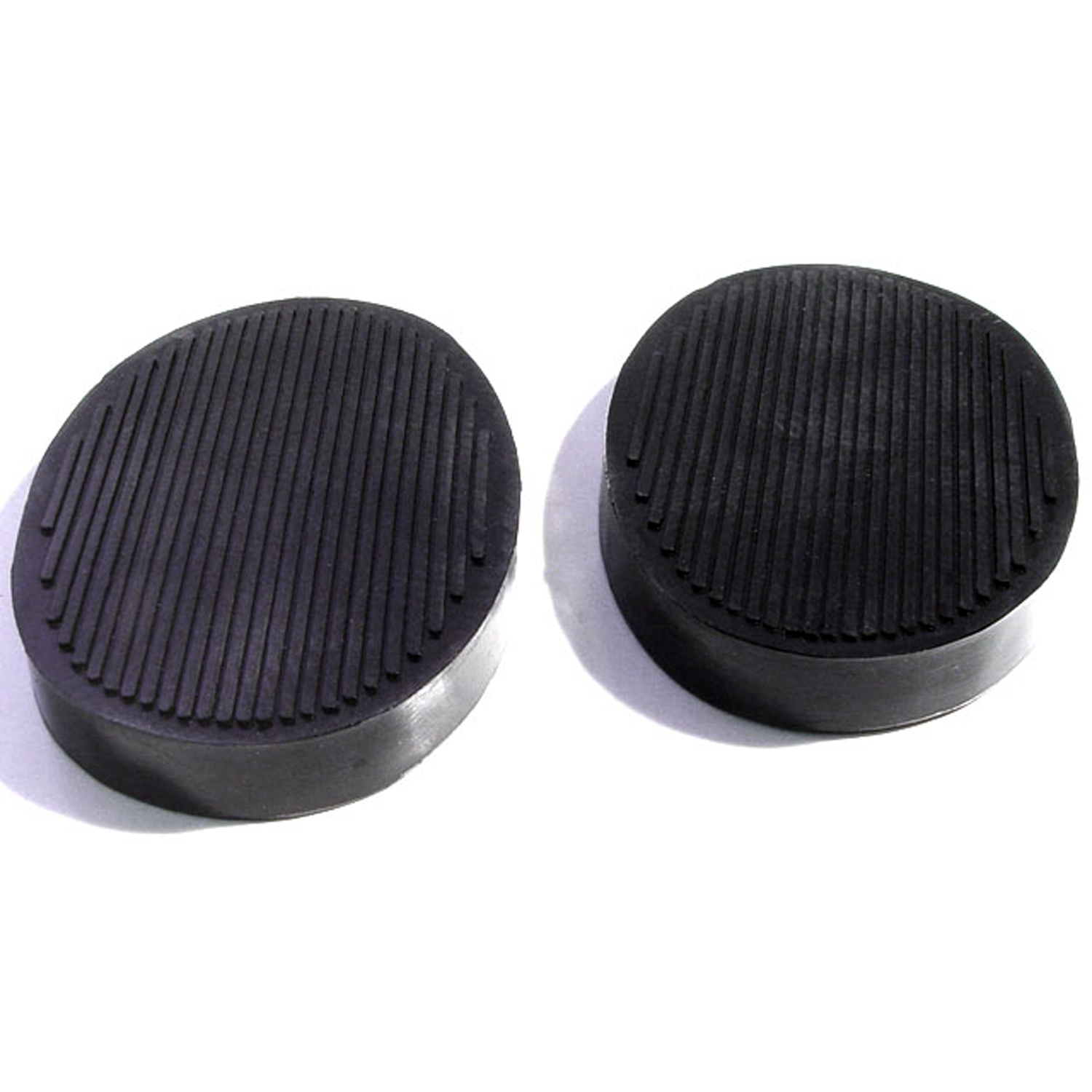 1930 Chrysler Series 66 Clutch and Brake Pedal Pads. 2-5/8" wide X 3-3/4" long-CB 26Clutch and Brake Pedal Pads. 2-5/8" wide X 3-3/4" long. Pair
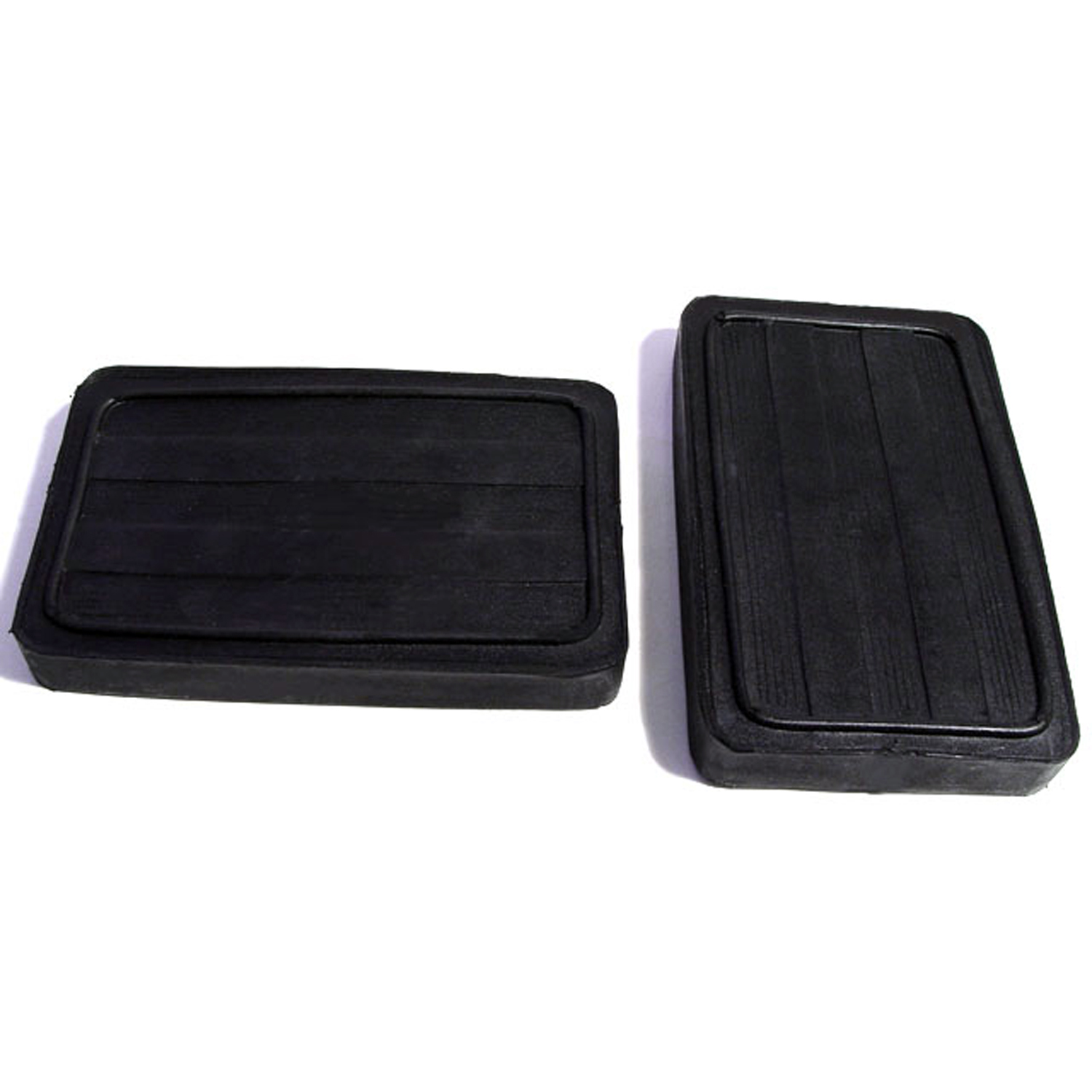 1930 Chrysler Series 66 Clutch and Brake Pedal Pads, Black-CB 28-AClutch and Brake Pedal Pads, Black. 2-3/8" wide X 3-7/8" long. Pair
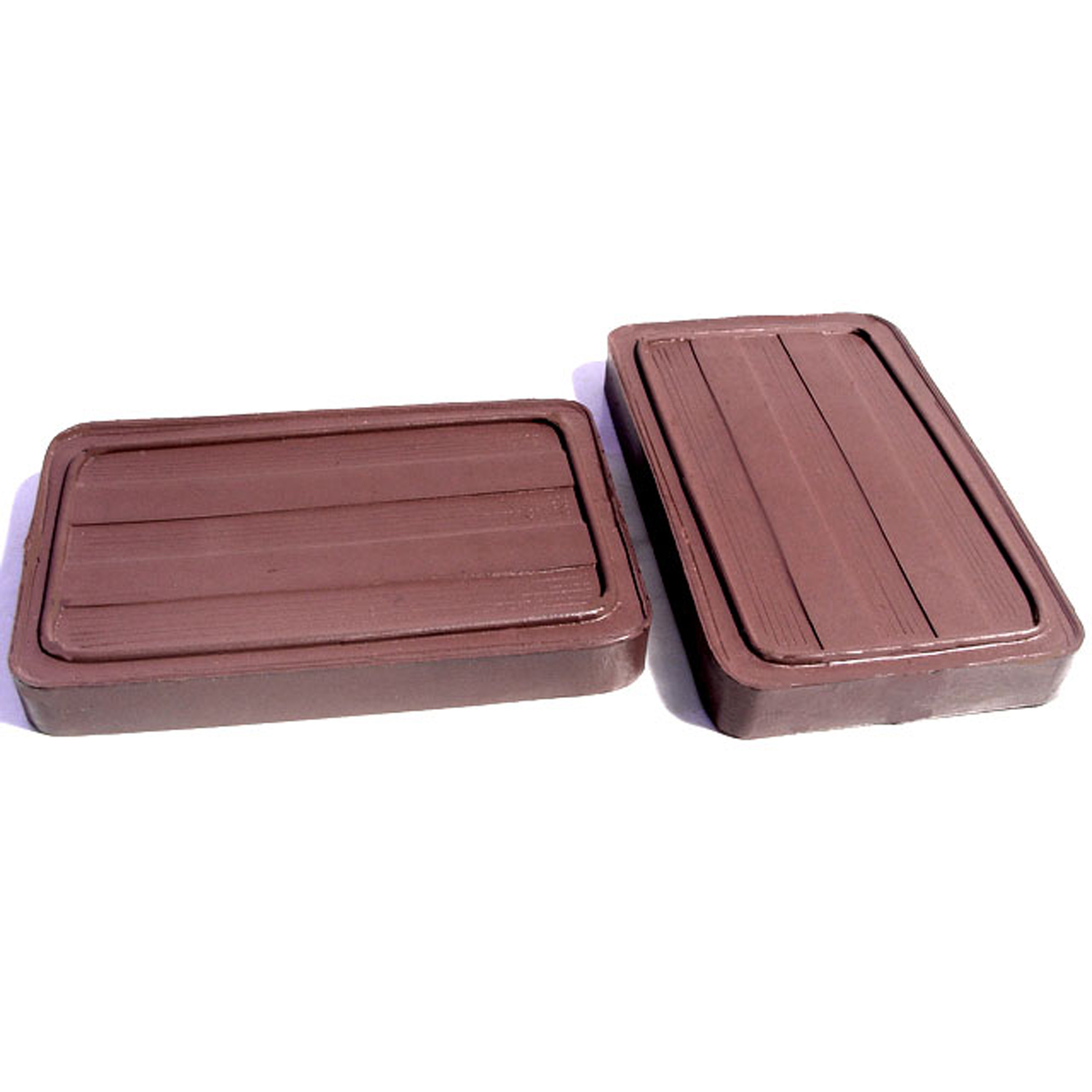 1930 Chrysler Series 66 Clutch and Brake Pedal Pads, Brown-CB 28-BClutch and Brake Pedal Pads, Brown. 2-3/8" wide X 3-7/8" long. Pair
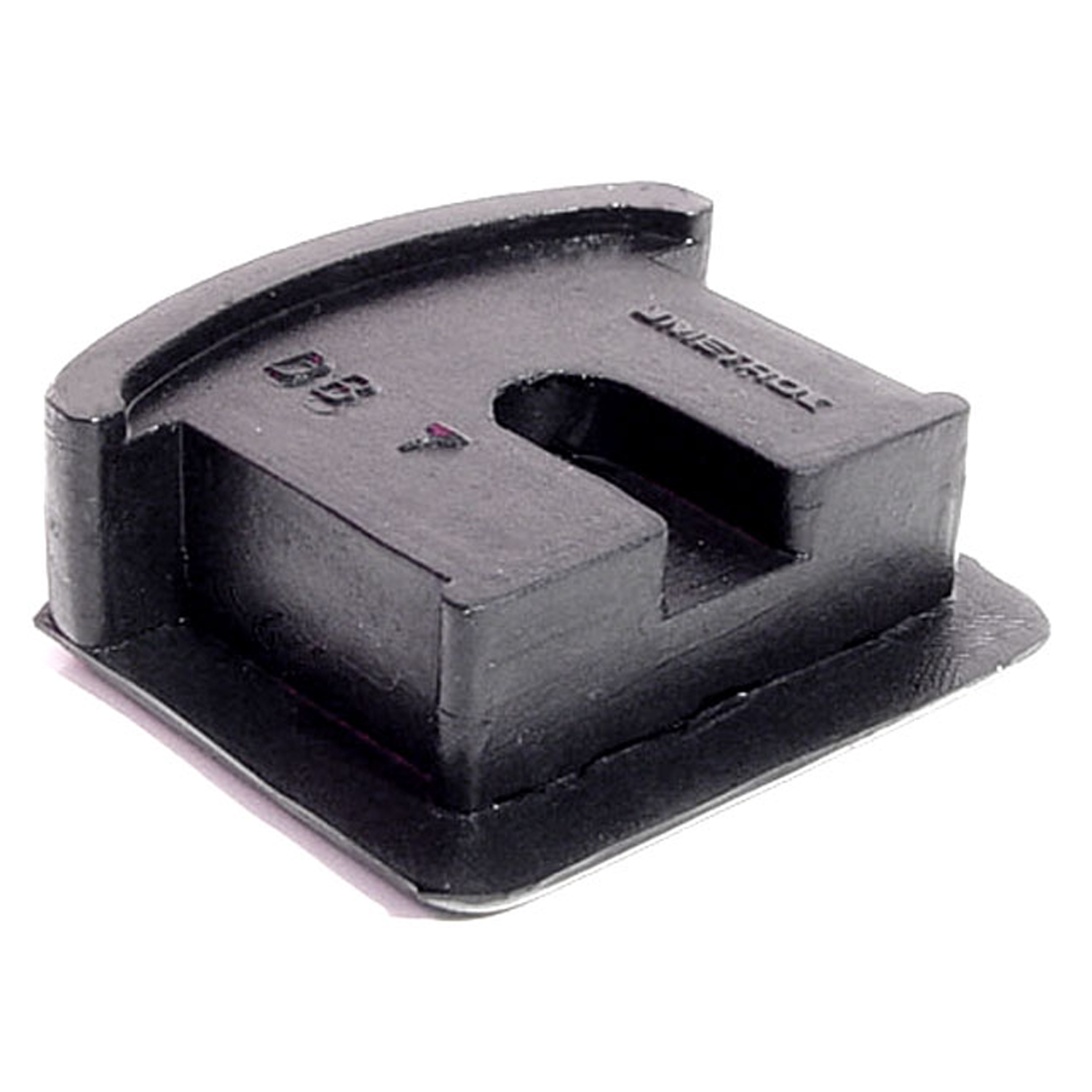 1930 Chrysler Series 66 Door Bumper. 1-7/16" high X 1-9/16" wide X 9/16" thick-DB 7Door Bumper. 1-7/16" high X 1-9/16" wide X 9/16" thick. Each
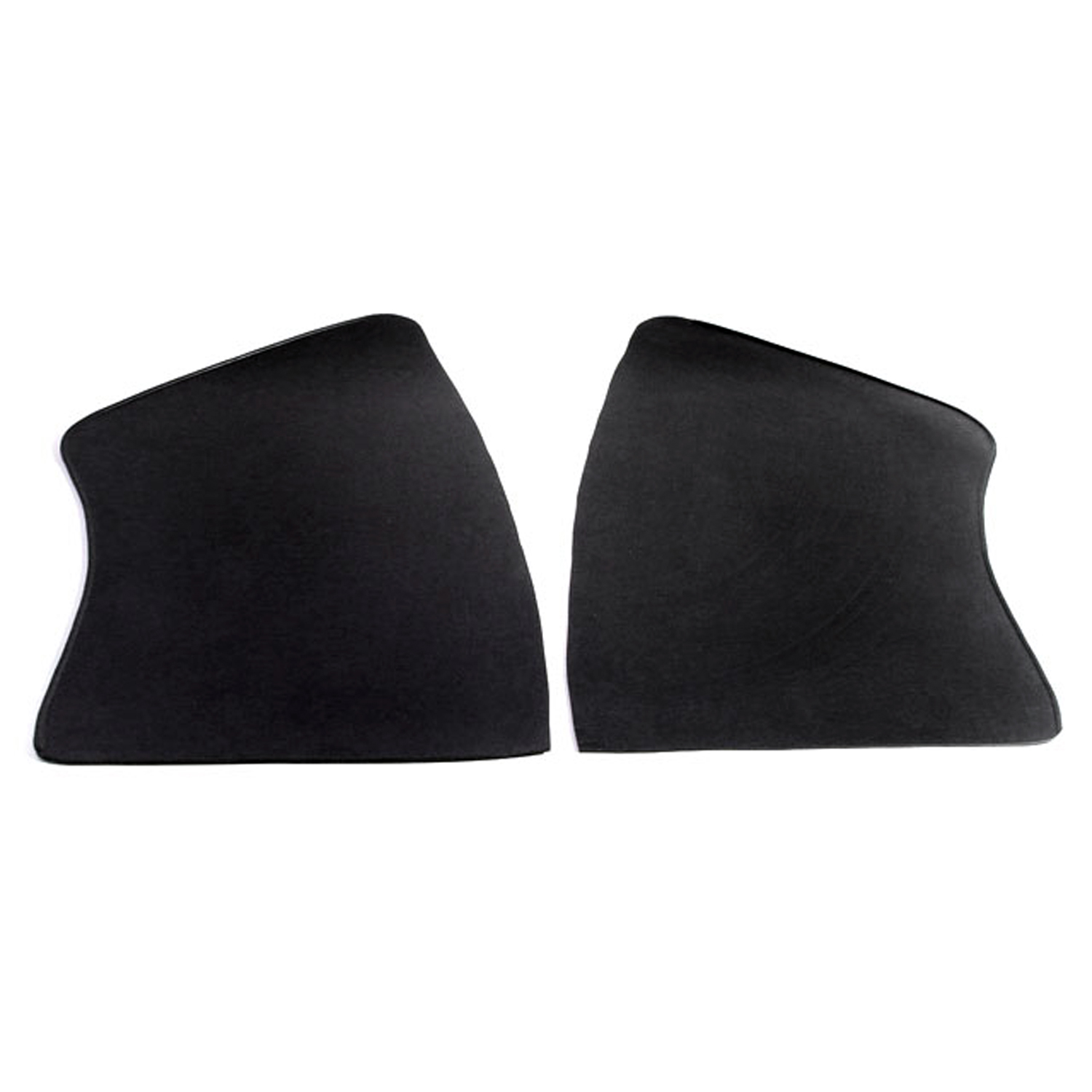 1930 Chrysler Series 66 Gravel Shields. Molded flat without metal backing plates-FS 31Gravel Shields. Molded flat without metal backing plates. Apply with contact cement. 18" long X 9-3/4" wide at bottom. Pair
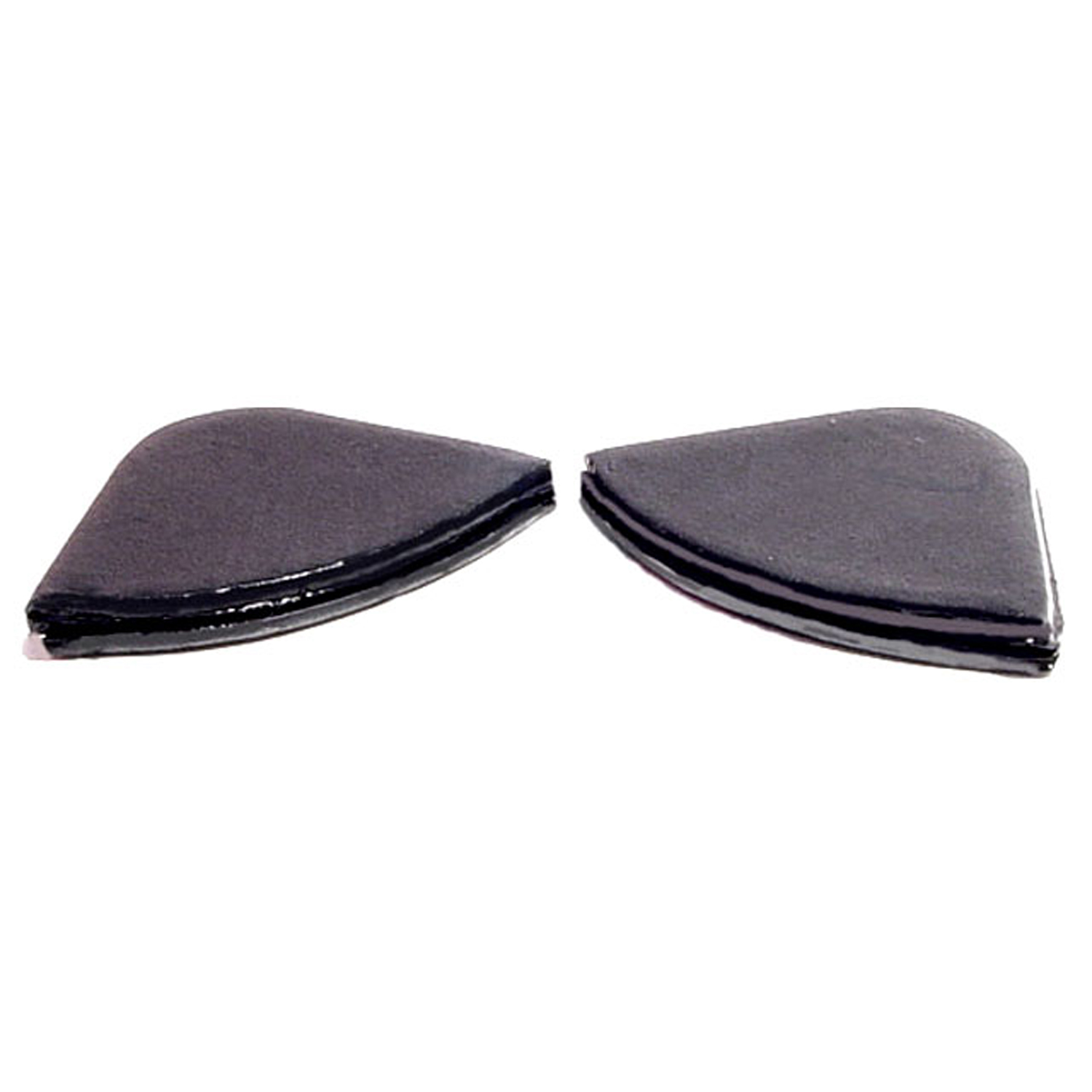 1930 Chrysler Series 66 Hood Corners. Fits flat corners-HC 19Hood Corners. Fits flat corners. 80° angle, 1/4" to 3/8" corner radius. 1-3/8" wide. Pair
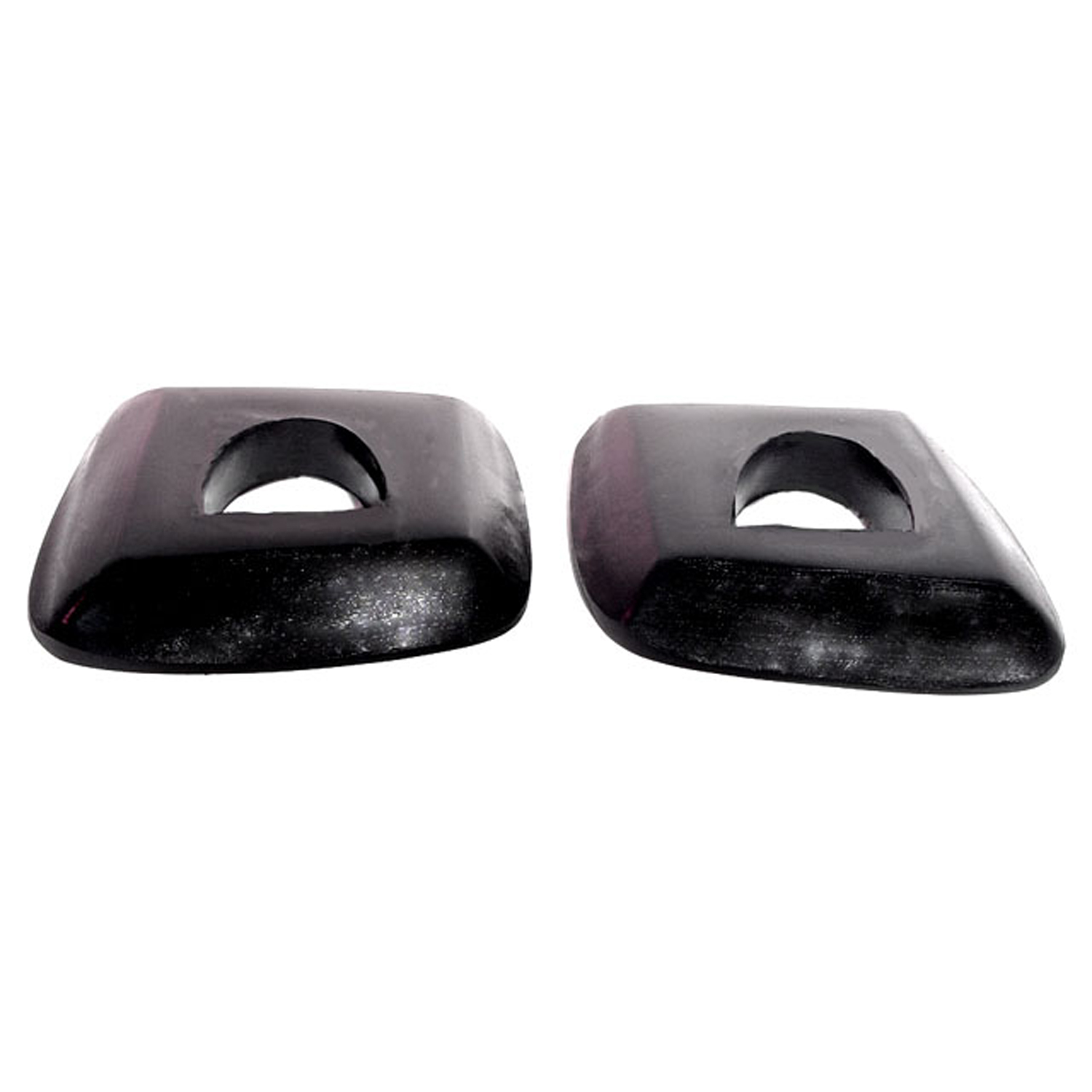 1930 Chrysler Series 66 Windshield Post Bases. Pair R&L-MB 14Windshield Post Bases. Pair R&L
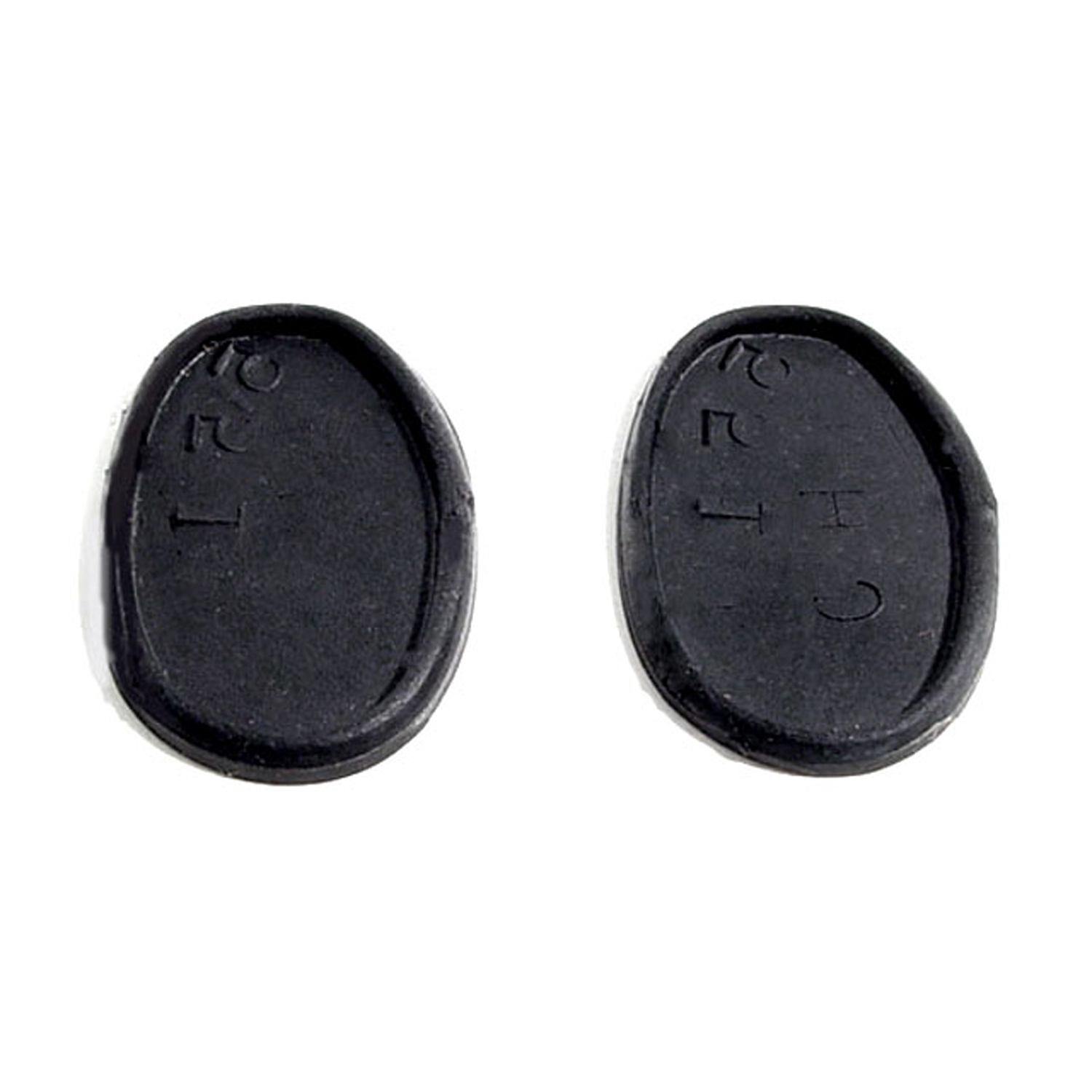 1930 Chrysler Series 66 Headlight Bar Pads. 1-1/8" X 1-5/8" long. Pair-MP 551Headlight Bar Pads. 1-1/8" X 1-5/8" long. Pair
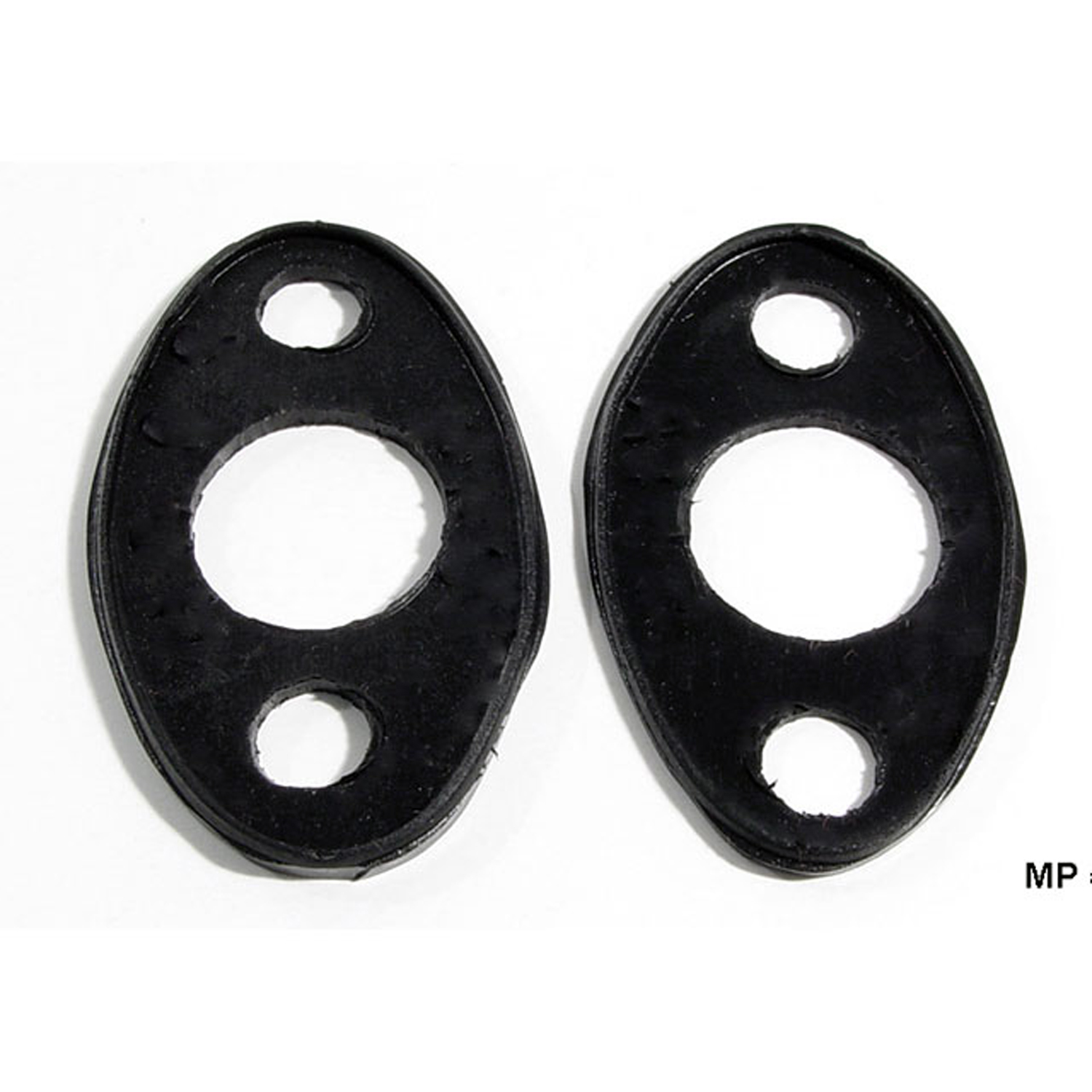 1930 Chrysler Series 66 Door Handle Pads. 1-1/4" wide X 2-1/4" long. Pair-MP 559-ADoor Handle Pads. 1-1/4" wide X 2-1/4" long. Pair
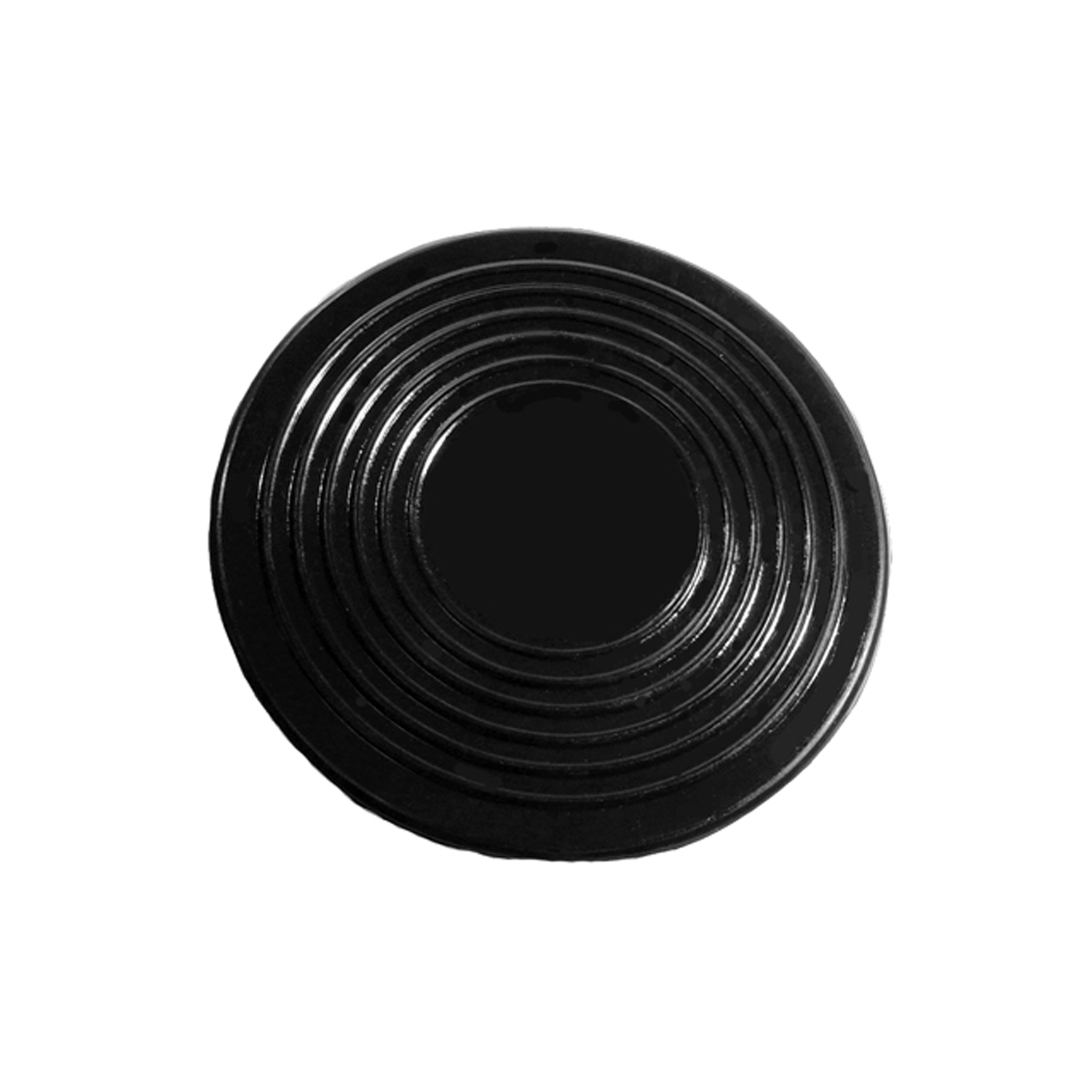 1930 Chrysler Series 66 Rumble Seat Step Plate Pad. Rubber face only, no logo-SP 11Rumble Seat Step Plate Pad. Rubber face only, no logo. 4-1/4" O.D. Each
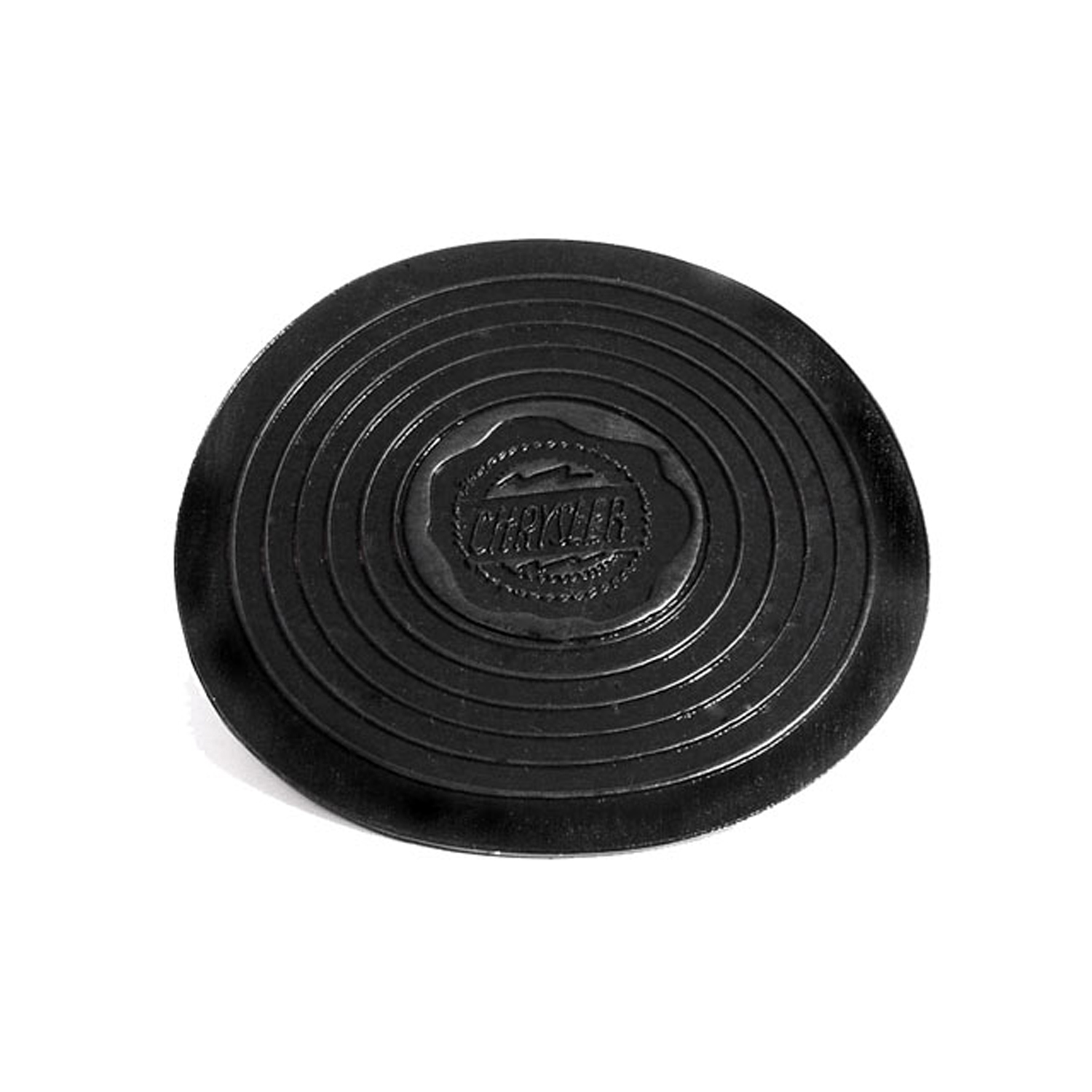 1930 Chrysler Series 66 Step Plate Pad. Face only. 4-1/4" Diameter Each-SP 16Step Plate Pad. Face only. 4-1/4" Diameter Each
Why Choose Metro?
For over 100 years, Metro Moulded Parts has been the pinnacle of quality in classic car restoration parts. Our commitment to precision and authenticity in every component ensures a perfect fit and an OEM-level appearance.
- Expert Craftsmanship & Quality: Each part is a testament to our dedication to reliability and perfection, crafted from original designs and thoroughly tested.
- Advanced Technology: We use cutting-edge techniques to create flawless, long-lasting parts that surpass others in performance.
- SuperSoft Sponge – The Ultimate Door Seal: Not only are our door seals 30% softer than competitors', but they're also guaranteed to never leak. They effectively reduce wind and road noise, enhancing your classic car's comfort and driving experience.
- Proudly American: Our parts are a product of American craftsmanship, made in the USA with a spirit of excellence and heritage.
- Unrivaled Warranty: We back our products with a 30-year industry-leading warranty, a testament to our confidence in their quality.
Join us in preserving the legacy of classic cars with parts that are crafted for perfection, not just made.