

Image of 1930 Chrysler Series Cj, Note: These illustrations use artistic license and may differ from actual historical models.
Performance Metrics
Fundamental Metrics
Emotional Appeal
MMP Rating
| Engine Specifications | |
|---|---|
| Engine: | Inline 6 |
| Displacement: | 3.3L |
| Horsepower: | Estimated 68-75 HP |
| Torque: | Information not available |
| Compression Ratio: | Information not available |
| Ignition System: | Distributor and coil |
| Cooling System: | Water-cooled |
| Performance Specifications | |
| 0-60 Time: | Information not available |
| 1/4 Mile Time: | Information not available |
| Top Speed: | 60-70 mph |
| Transmission and Drive | |
| Drive Type: | Rear-wheel drive |
| Transmission Type: | 3-speed manual |
| Fuel and Efficiency | |
| Fuel System Type: | Carburetor |
| MPG: | Information not available |
| Dimensions and Brakes | |
| Brakes: | Mechanical drum brakes |
| Wheelbase: | 112 inches |
| Weight: | 2,700 lbs |
Note: Specifications for classic cars are given to the best of our ability, considering the limited and variant data available.
1930 Chrysler Series CJ: A Modern Six for a Changing America
The 1930 Chrysler Series CJ brought lively six-cylinder performance and advanced-for-the-era engineering to a year when American motoring was changing fast. Built by the Chrysler Corporation in Detroit, the CJ belonged to the company’s more accessible six-cylinder line, below its larger and more expensive offerings. Its combination of confident road manners, smart styling, and practical engineering helped establish Chrysler as a serious force in the automobile business.
The timing was significant. The CJ arrived as the Great Depression began to reshape the car market, making buyers more attentive to value and durability. Chrysler had built its reputation on engineering rather than mere ornament, and the Series CJ carried that approach into a range of body styles suited to different budgets and tastes. One intriguing detail for today’s enthusiasts is that “CJ” is a factory series designation, not a familiar marketing name like “Imperial.” That can make the car harder to identify in period advertisements and modern listings.
Art Deco Lines and Period Comfort
The CJ has the upright, purposeful stance typical of the transition from the brass-era automobile to the streamlined 1930s. Its tall radiator shell and hood give the front end a formal presence, while sweeping front fenders, running boards, and rounded body contours soften the outline. Large headlamps sit out in the open, and the exposed wheels and narrow tires make the car’s mechanical layout part of its visual character. It is not a streamlined car by later standards, but it has a crisp, well-proportioned look that feels more modern than many earlier touring cars.
Inside, the experience depended on body style and trim level. Enclosed models generally offered cloth upholstery, a broad bench seat, painted or wood-finished interior details, and straightforward instrumentation. Open cars could be trimmed in leather, with a folding top and side curtains for weather protection. Materials were intended for regular use rather than lavish display, though the fit and finish could feel substantial for a mid-priced automobile. A surviving car’s interior may differ considerably after decades of restoration or replacement upholstery.
Chrysler’s engineering was a selling point. The Series CJ used a six-cylinder engine, a manual transmission, and rear-wheel drive, with four-wheel hydraulic brakes among the important safety features associated with the marque’s engineering approach. Hydraulic brakes gave the driver more consistent, balanced stopping than many mechanical systems of the period. The car also had the familiar controls of an early automobile: a floor-mounted gearshift, a large steering wheel, and limited driver aids by modern standards.
Factory paint choices varied with body and trim, and a complete, dependable color list for every CJ body is not easy to establish. Period cars were commonly finished in restrained colors such as dark blue, green, maroon, or black, sometimes accented with contrasting fenders or trim. Deep, glossy colors suit the car’s formal lines, but restorers should check period documentation for the specific body rather than assume a modern color combination was offered.
Body Styles and Buying Choices
The Series CJ range included several body configurations, with availability varying by catalog and production period. Buyers could find open models such as roadsters or phaetons, as well as enclosed coupes and sedans. Open cars have the strongest visual appeal at shows and touring events, while sedans were the more practical choice for year-round family motoring. Coupes offer a compact, sporting profile and are often especially attractive to collectors.
No single body style can be confidently called the universal best-seller without a reliable production breakdown. For collectors, condition and completeness usually matter more than a presumed popularity ranking. An intact example with its original body details, correct trim, and documented history is generally more compelling than a less common configuration assembled from mismatched parts.
Why the Series CJ Matters
The CJ was not a one-car revolution, but it represents Chrysler’s broader contribution to making sound engineering part of a mainstream product. Four-wheel hydraulic brakes were a major practical advantage in an era when stopping systems varied widely. Chrysler also emphasized responsive six-cylinder power and sturdy construction, helping give buyers a car that felt capable on open roads without requiring them to step up to a luxury model.
That balance distinguished the CJ from many contemporaries. It offered more than basic transportation, yet did not rely solely on expensive trim to make its case. The car belongs to an important period in American automotive design: the years when manufacturers were improving performance, braking, and comfort while still building cars with separate fenders, running boards, and upright cabins. Its lasting appeal lies in that mix of mechanical progress and unmistakable prewar character.
Six-Cylinder Performance and Road Manners
Published specifications for early cars can vary by source and by exact configuration, but the Series CJ is commonly associated with a 218.6-cubic-inch side-valve, or L-head, inline-six producing about 75 horsepower. Power went through a three-speed manual gearbox to the rear wheels. That output made the Chrysler lively for its class, particularly when compared with smaller four-cylinder cars of the period.
There is no dependable factory 0-to-60-mph figure for the CJ, and period testing was not standardized in the way modern instrumented tests are. A reasonable present-day estimate is roughly 25 to 35 seconds, depending on body weight, gearing, engine condition, and driving technique. A healthy car may reach around 65 to 75 mph under favorable conditions, though sustained high-speed running is not advisable for an unrestored example. Treat those figures as period-car estimates, not guaranteed specifications.
On a smooth road, the CJ feels steady and substantial. Its chassis and narrow tires are from another age, so bumps are felt more directly than in a modern car, and the tall body can lean noticeably through corners. On winding roads, the driver needs to plan ahead, use the gearbox, and avoid carrying modern-car expectations into a sharp bend. The hydraulic brakes help, but stopping distances and pedal feel remain very different from those of a contemporary vehicle.
Driving one is as much about rhythm as speed. The six-cylinder engine produces a steady mechanical note, while the gearshift and large steering wheel keep the driver physically involved. The ride has a gentle, traditional motion, and the view over the long hood makes even a modest country-road trip feel like an occasion. The CJ rewards smooth inputs and thoughtful driving rather than hurried acceleration.
Living with a 1930 Chrysler
Today, most Series CJs are used for collector touring, local shows, museum displays, and occasional pleasure drives. They can be driven on suitable roads, but their age makes regular modern commuting impractical. Traffic speed, limited visibility compared with present-day cars, period tires, and the absence of contemporary safety systems all call for a cautious approach.
Routine servicing is approachable for an owner with mechanical experience. Ignition, carburetion, lubrication, brakes, and cooling systems use familiar early-car principles, and many jobs do not require specialist electronics or diagnostic equipment. The challenge is often parts availability and correct identification. Wear items may be obtainable through vintage-car suppliers or specialist clubs, while model-specific trim, body panels, and interior pieces can take time to locate. A pre-purchase inspection should pay particular attention to the engine, cooling system, hydraulic brakes, frame, and wood or structural components in the body.
Reliability depends heavily on restoration quality and use. A properly maintained CJ can tour reliably at sensible speeds, but an old car that has sat unused may need extensive recommissioning before it is safe to drive. Cooling trouble, tired brakes, fuel-system issues, and aging wiring are common concerns across cars of this age, not peculiar flaws of the Chrysler alone.
Chrysler CJ Facts and Misconceptions
The Series CJ should not be confused with Chrysler’s larger and more luxurious models, or with later Chrysler series that used different engines and specifications. The “CJ” label is useful when researching parts and production details, but surviving cars may be advertised under broader names such as Chrysler Six or simply Chrysler. Checking the chassis number, engine details, and period records is the best way to confirm a car’s identity.
There is no widely documented CJ-specific speed or endurance record that defines the model’s history. Its significance is instead tied to Chrysler’s engineering reputation and to the broader rise of the six-cylinder, hydraulically braked American car. Nor is there a dependable celebrity-ownership story that can be attached to the model as a whole. Individual cars may have colorful histories, but those claims should be supported by records rather than repeated as fact.
A common criticism is that the CJ lacks the instant visual drama of a high-end Imperial or the later streamlined Chrysler Airflow. It is also less convenient to drive and maintain than a postwar classic. Those are fair observations, but they miss the appeal of the car: the Series CJ is a handsome, usable example of Chrysler’s practical engineering at a pivotal moment in automotive history.
Collector Value and Availability
Values depend strongly on body style, condition, restoration quality, and documentation. As a broad 2026 guide, a project car may fall around $5,000 to $12,000, a usable driver or older restoration around $15,000 to $30,000, and a high-quality, correctly restored example around $30,000 to $50,000 or more. Particularly appealing body styles or exceptional provenance can push a price higher, while incomplete cars may be difficult to value because missing parts can be costly and time-consuming to source.
Exact production totals for the Series CJ are not consistently reported in readily available records, so any number should be treated as an estimate. A reasonable broad guess is that production ran into the thousands and may have been in the neighborhood of 10,000 to 20,000 cars across the series and its body styles. That estimate is not a verified factory total. Survivors are much scarcer than original production suggests, especially cars retaining correct components and documented histories.
Like many prewar classics, the CJ’s market tends to reward quality and originality rather than age alone. Values for sound, well-presented examples have generally held better than those for unfinished projects, but the market is specialized and can be slow. A buyer should budget for upkeep and restoration on its own merits, not assume that every repair will be recovered at resale.
A Worthwhile Prewar Chrysler
The 1930 Chrysler Series CJ combines a strong six-cylinder engine, period-advanced hydraulic braking, and attractive prewar styling in a package that was meant to be driven, not merely admired. It may not have the fame of Chrysler’s luxury flagships, but it captures the company’s engineering-led character at a moment when American motoring was moving toward greater performance and safer, more capable cars.
For collectors, the CJ offers an engaging way into early Chrysler history and a satisfying alternative to more familiar classics. Its greatest strength is its balance: practical engineering, graceful proportions, and a driving experience that makes every journey feel connected to the road and the era.
1930 Chrysler Series Cj Catalog of Parts
 1930 Chrysler Series CJ Clutch and Brake Pedal Pads. 2-5/8" wide X 3-3/4" long-CB 26Clutch and Brake Pedal Pads. 2-5/8" wide X 3-3/4" long. Pair
 1930 Chrysler Series CJ Clutch and Brake Pedal Pads, Black-CB 28-AClutch and Brake Pedal Pads, Black. 2-3/8" wide X 3-7/8" long. Pair
 1930 Chrysler Series CJ Clutch and Brake Pedal Pads, Brown-CB 28-BClutch and Brake Pedal Pads, Brown. 2-3/8" wide X 3-7/8" long. Pair
 1930 Chrysler Series CJ Door Bumper. 1-7/16" high X 1-9/16" wide X 9/16" thick-DB 7Door Bumper. 1-7/16" high X 1-9/16" wide X 9/16" thick. Each
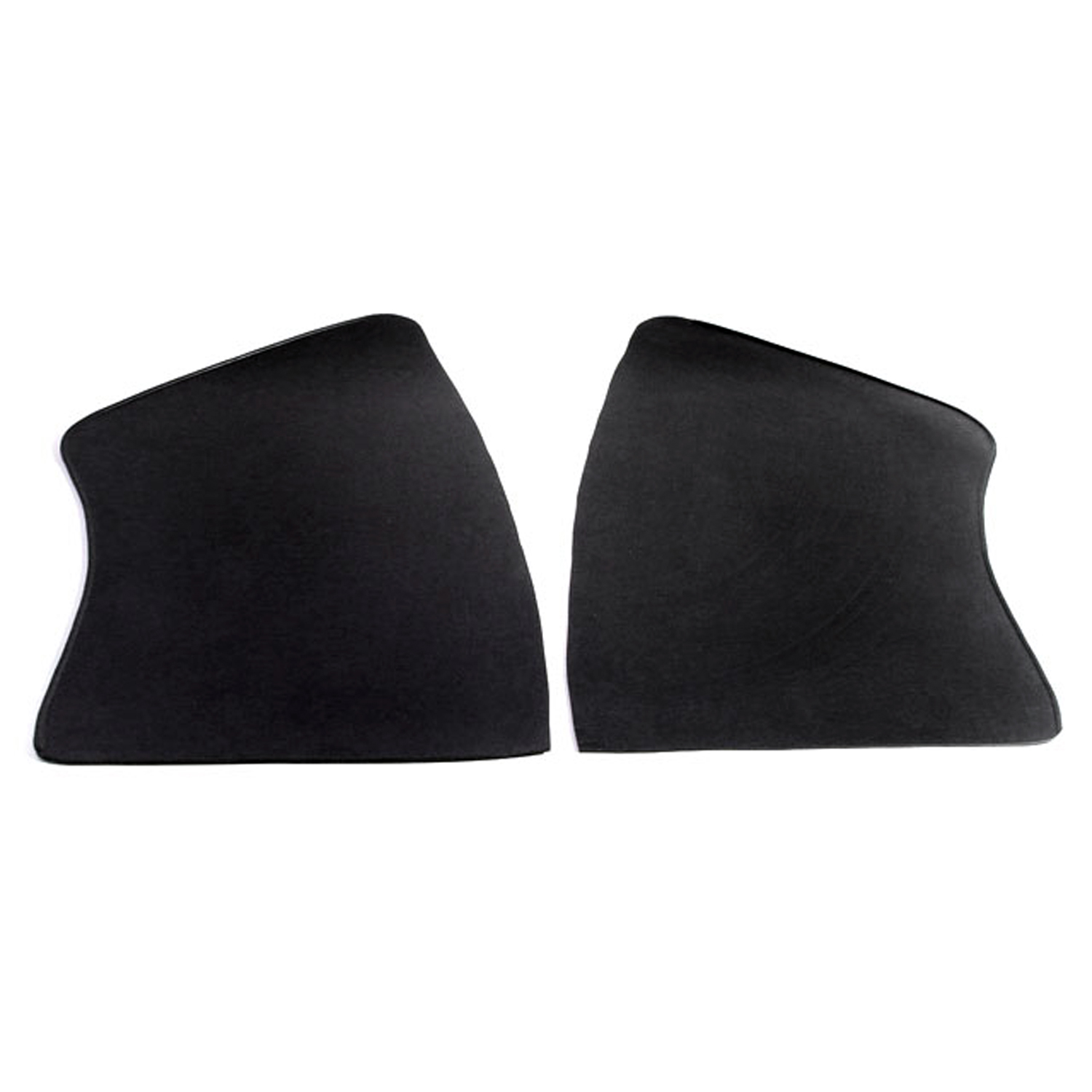 1930 Chrysler Series CJ Gravel Shields. Molded flat without metal backing plates-FS 31Gravel Shields. Molded flat without metal backing plates. Apply with contact cement. 18" long X 9-3/4" wide at bottom. Pair
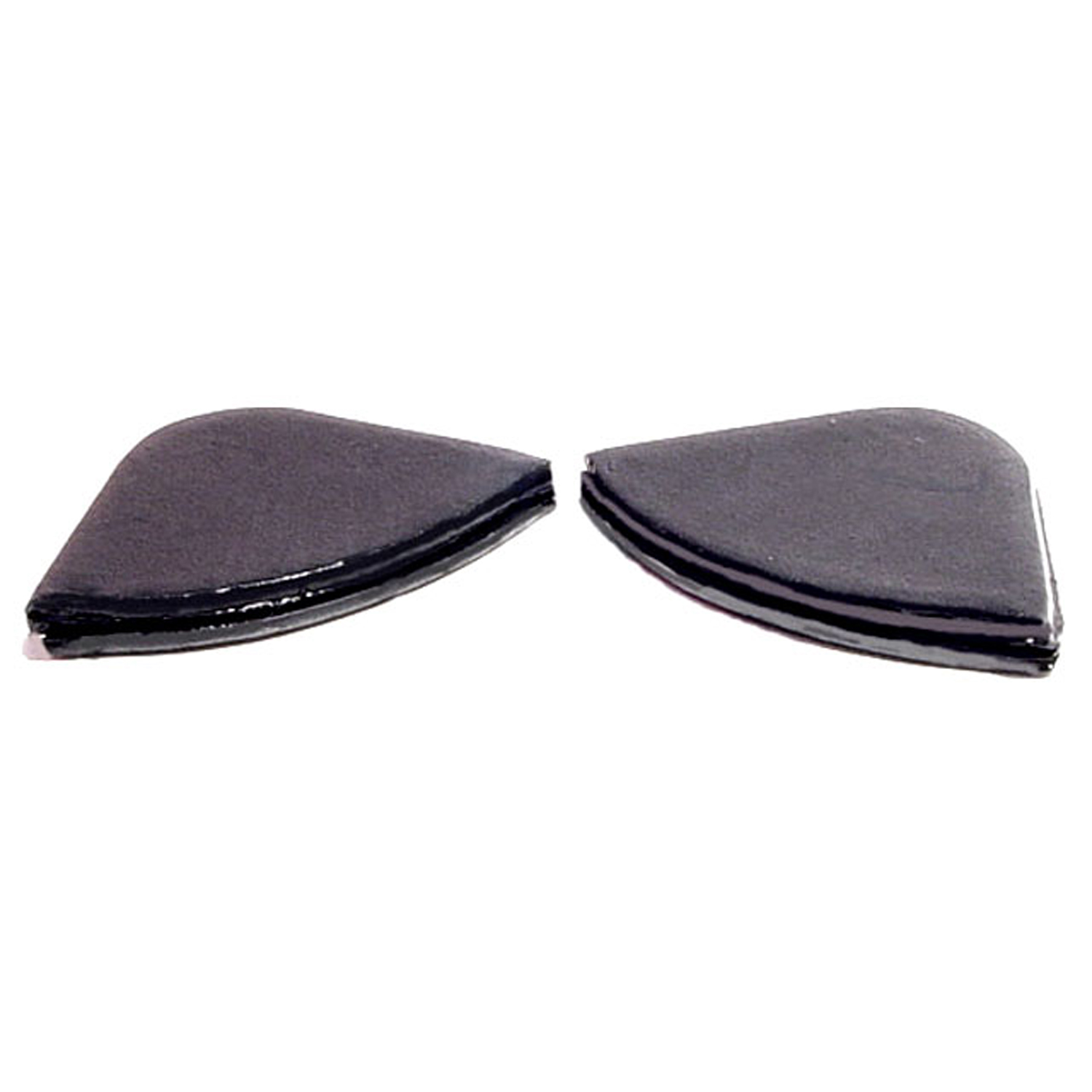 1930 Chrysler Series CJ Hood Corners. Fits flat corners-HC 19Hood Corners. Fits flat corners. 80° angle, 1/4" to 3/8" corner radius. 1-3/8" wide. Pair
 1930 Chrysler Series CJ Windshield Post Bases. Pair R&L-MB 14Windshield Post Bases. Pair R&L
 1930 Chrysler Series CJ Headlight Bar Pads. 1-1/8" X 1-5/8" long. Pair-MP 551Headlight Bar Pads. 1-1/8" X 1-5/8" long. Pair
 1930 Chrysler Series CJ Door Handle Pads. 1-1/4" wide X 2-1/4" long. Pair-MP 559-ADoor Handle Pads. 1-1/4" wide X 2-1/4" long. Pair
 1930 Chrysler Series CJ Rumble Seat Step Plate Pad. Rubber face only, no logo-SP 11Rumble Seat Step Plate Pad. Rubber face only, no logo. 4-1/4" O.D. Each
 1930 Chrysler Series CJ Step Plate Pad. Face only. 4-1/4" Diameter Each-SP 16Step Plate Pad. Face only. 4-1/4" Diameter Each
Why Choose Metro?
For over 100 years, Metro Moulded Parts has been the pinnacle of quality in classic car restoration parts. Our commitment to precision and authenticity in every component ensures a perfect fit and an OEM-level appearance.
- Expert Craftsmanship & Quality: Each part is a testament to our dedication to reliability and perfection, crafted from original designs and thoroughly tested.
- Advanced Technology: We use cutting-edge techniques to create flawless, long-lasting parts that surpass others in performance.
- SuperSoft Sponge – The Ultimate Door Seal: Not only are our door seals 30% softer than competitors', but they're also guaranteed to never leak. They effectively reduce wind and road noise, enhancing your classic car's comfort and driving experience.
- Proudly American: Our parts are a product of American craftsmanship, made in the USA with a spirit of excellence and heritage.
- Unrivaled Warranty: We back our products with a 30-year industry-leading warranty, a testament to our confidence in their quality.
Join us in preserving the legacy of classic cars with parts that are crafted for perfection, not just made.