

Image of 1931 Chrysler Imperial, Note: These illustrations use artistic license and may differ from actual historical models.
Performance Metrics
Fundamental Metrics
Emotional Appeal
MMP Rating
| Engine Specifications | |
|---|---|
| Engine: | Inline 8 |
| Displacement: | 384.8 cubic inches |
| Horsepower: | 125 HP |
| Torque: | Not available |
| Compression Ratio: | Not available |
| Ignition System: | Battery and coil |
| Cooling System: | Water |
| Performance Specifications | |
| 0-60 Time: | Not available |
| 1/4 Mile Time: | Not available |
| Top Speed: | 96 mph |
| Transmission and Drive | |
| Drive Type: | Rear wheel drive |
| Transmission Type: | 4-speed manual |
| Fuel and Efficiency | |
| Fuel System Type: | Carburetor |
| MPG: | Not available |
| Dimensions and Brakes | |
| Brakes: | 4-wheel hydraulic brakes |
| Wheelbase: | 145 inches |
| Weight: | 5,000 lbs |
Note: Specifications for classic cars are given to the best of our ability, considering the limited and variant data available.
1931 Chrysler Imperial: The American Luxury Eight
The 1931 Chrysler Imperial was a long, powerful luxury car built to make a statement before it even reached the curb. Known as the Imperial CG, it combined a large straight-eight engine with imposing proportions and, on selected models, coachwork finished to the standards of America’s finest custom-body builders.
Chrysler introduced the Imperial as its flagship in the 1920s, positioning it above the company’s more affordable models and in competition with luxury marques such as Packard and Cadillac. The 1931 CG arrived during the Great Depression, a difficult moment for the luxury-car market. Its continued ambition reflected Walter P. Chrysler’s determination to establish his young company as a serious maker of high-end automobiles, not just practical, mass-market cars.
One detail that still turns heads is the Imperial’s 145-inch wheelbase. That exceptionally long chassis gave the car a formal, commanding stance and provided room for an impressive range of body styles, from open touring cars to chauffeur-driven limousines.
Imperial CG Styling and Coachbuilt Detail
The Imperial CG’s exterior was unmistakably grand. A tall, upright radiator grille anchored the front end, while a long hood, sweeping fenders and large wheels emphasized the car’s size. Hood louvers added visual texture, and many examples carried side-mounted spare tires that reinforced the car’s formal, long-distance touring character. Depending on the body, details such as cowl lamps, running boards, luggage racks and polished brightwork added further distinction.
Not every Imperial CG looked exactly alike. Chrysler offered factory-designed bodies, while custom coachbuilders created more individual interpretations on the same basic chassis. LeBaron was among the important names associated with Imperial design, and buyers could choose finishes and appointments that made a car feel personal rather than mass-produced.
Inside, the Imperial emphasized comfort and craftsmanship. Upholstery could be leather or high-quality cloth, with wood trim and carefully finished metal fittings giving the cabin a rich, tailored feel. Instrument panels were substantial and clearly arranged, while generous seating and a long cabin made the car suitable for extended trips. Exact materials and details varied with the body style and coachbuilder.
Factory color choices depended on the body and specification, and custom orders broadened the possibilities. Dark colors such as black, deep blue, maroon and green suited the Imperial’s formal image, while two-tone combinations could highlight the sweeping body lines. There was no single signature color: buyers could select a restrained finish or a more conspicuous custom scheme.
Body Styles and Notable Imperial Models
The CG chassis supported a broad selection of body styles, including coupes, sedans, phaetons, roadsters, convertible sedans and limousines. Formal models could be configured for owners who preferred to drive themselves or for those who traveled with a chauffeur. Availability depended on the specific catalog year, factory offering and custom-body program.
The open phaeton and roadster showed off the Imperial’s long hood and sweeping fenders, while the limousine made full use of the 145-inch wheelbase. There is no single body style that defines every 1931 Imperial CG, but the formal sedan and limousine best express its luxury-car mission. Open cars, especially those with distinctive coachwork, are often among the most visually striking at shows.
Engineering That Set the CG Apart
At the heart of the Imperial was a 384.8-cubic-inch L-head straight-eight, rated at about 125 horsepower. The engine’s long, smooth power delivery suited the car’s role as a fast touring machine. A three-speed manual transmission sent power to the rear wheels, and the Imperial benefited from Chrysler’s use of hydraulic brakes, an important technology for a heavy car capable of sustained highway speeds.
Chrysler also offered synchronized shifting on its manual transmissions during this period, making gear changes smoother than in many earlier cars. Features and equipment could vary by specification, but the combination of a large eight-cylinder engine, modern braking and a well-developed touring chassis helped the Imperial stand out among its American luxury rivals.
The CG’s lasting importance lies less in one single invention than in how it brought performance and prestige together. It showed that Chrysler could build a serious luxury automobile with the presence, power and customization expected in the top tier of the market. Its long chassis also gave designers a flexible foundation for both factory bodies and special coachwork.
Performance and Road Manners
Period performance figures are not always consistent, and the body style, gearing, condition and test method all affect the results. As a practical estimate, a healthy 1931 Imperial CG could reach roughly 90 to 100 mph under favorable conditions. A 0-to-60-mph time in the neighborhood of 20 to 25 seconds is a reasonable estimate for a substantial example, though it should not be treated as a uniform factory figure for every body.
On the road, the straight-eight is best understood as a smooth, strong touring engine rather than a modern high-revving powerplant. It produces a measured mechanical rumble, building speed with a steady pull. The three-speed manual asks the driver to work deliberately, especially when setting off or climbing hills, but the engine’s torque helps the big car settle into a relaxed cruising rhythm.
The long wheelbase helps the Imperial feel composed on open roads and reduces the sharpness of ordinary bumps. Narrow period tires, a high center of gravity and the car’s considerable mass mean it does not corner like a modern sedan. On winding roads, the driver needs to plan ahead and guide it smoothly. Wind and road crowns can require attention, while low-speed steering takes effort because there is no power assistance. Its hydraulic drum brakes were advanced for their era, but they still require more distance and anticipation than modern brakes.
Living With a 1931 Imperial
Today, most Imperial CGs are treasured as show cars, collection pieces and occasional touring cars rather than everyday transportation. A well-maintained example can still take part in vintage events, but regular use requires careful preparation, suitable tires and a driver who understands prewar controls. Parts availability is generally better for common mechanical service items than for model-specific trim, body panels or coachbuilt components.
Maintenance is manageable for an experienced vintage-car owner, but the Imperial is not a simple, inexpensive runabout. Its size makes workshop access and storage more demanding, and restoration can involve specialized work on the engine, brakes, wood framing, upholstery and body fittings. The straight-eight is mechanically straightforward by modern standards, yet age, poor repairs and infrequent use can create costly problems. A pre-purchase inspection by a mechanic familiar with early Chrysler cars is a wise investment.
1931 Imperial Facts and Common Criticisms
The Imperial name was Chrysler’s badge of prestige, and the CG’s 145-inch wheelbase placed it firmly in the full-size luxury class. The broad choice of bodies also means that two surviving examples can look dramatically different, even though they share the same basic chassis and engine family.
Exact production totals for individual body styles can be difficult to establish, particularly where custom coachwork is involved. A reasonable estimate for 1931 Imperial CG production is roughly 3,000 to 4,000 cars, with around 3,500 often used as a working figure. Special-bodied examples are scarcer than more conventional factory-bodied cars, and some configurations are rarely seen on the market.
The car’s most common criticisms are practical ones: its size makes it cumbersome in tight spaces, its fuel consumption is high by modern standards, and its brakes, steering and transmission demand more driver involvement than a contemporary car. Restoration costs can also climb quickly, especially when an unusual body or missing trim must be recreated. Those drawbacks are part of the experience, but they limit how casually an owner can use the car.
Collector Values and Availability
Values vary widely with originality, mechanical condition, restoration quality, provenance and body style. As a broad current-market guide, a project or incomplete car might fall around $25,000 to $50,000. A sound, usable example may bring roughly $50,000 to $100,000, while a high-quality restoration can reach $100,000 to $200,000 or more. Exceptional, rare coachbuilt cars may exceed that range, particularly when their history and craftsmanship are well documented.
These figures are estimates rather than fixed prices. A standard sedan and a rare open car should not be valued as though they were interchangeable, and condition can matter more than a model’s headline rarity. Imperial CGs appear infrequently compared with common prewar cars, so buyers may need patience to find the right example. Over the long term, the finest and most original cars have generally held collector appeal, while the broader market remains sensitive to restoration expense and changing demand for large prewar automobiles.
Why the 1931 Chrysler Imperial Still Matters
The 1931 Chrysler Imperial CG brought together a powerful straight-eight, advanced-for-its-time hydraulic braking, a commanding 145-inch chassis and a remarkable range of bodywork. It represented Chrysler’s ambition to compete at the top of the American luxury market during one of the most challenging periods in the nation’s history.
More than a large prewar automobile, the Imperial CG is a rolling example of how engineering, design and coachbuilding could combine to create a car with real presence. Nearly a century later, its long hood and sweeping fenders still announce exactly what Chrysler intended: this was a flagship built to be remembered.
1931 Chrysler Imperial Catalog of Parts
 1931 Chrysler Imperial Clutch and Brake Pedal Pads. 2-5/8" wide X 3-3/4" long-CB 26Clutch and Brake Pedal Pads. 2-5/8" wide X 3-3/4" long. Pair
 1931 Chrysler Imperial Clutch and Brake Pedal Pads. 3" wide X 3-7/8" long. Pair-CB 27Clutch and Brake Pedal Pads. 3" wide X 3-7/8" long. Pair
 1931 Chrysler Imperial Clutch and Brake Pedal Pads, Black-CB 28-AClutch and Brake Pedal Pads, Black. 2-3/8" wide X 3-7/8" long. Pair
 1931 Chrysler Imperial Clutch and Brake Pedal Pads, Brown-CB 28-BClutch and Brake Pedal Pads, Brown. 2-3/8" wide X 3-7/8" long. Pair
 1931 Chrysler Imperial Door Jamb Bumper. Perfect reproduction-DB 36Door Jamb Bumper. Perfect reproduction. 1-1/16" high X 1-1/4" wide X 7/16" thick. Each
 1931 Chrysler Imperial Door Jamb Bumper. Fully detailed reproduction-DB 38Door Jamb Bumper. Fully detailed reproduction. 15/16" high X 1-9/16" wide X 7/16" thick. Each
 1931 Chrysler Imperial Door Bumper. 1-7/16" high X 1-9/16" wide X 9/16" thick-DB 7Door Bumper. 1-7/16" high X 1-9/16" wide X 9/16" thick. Each
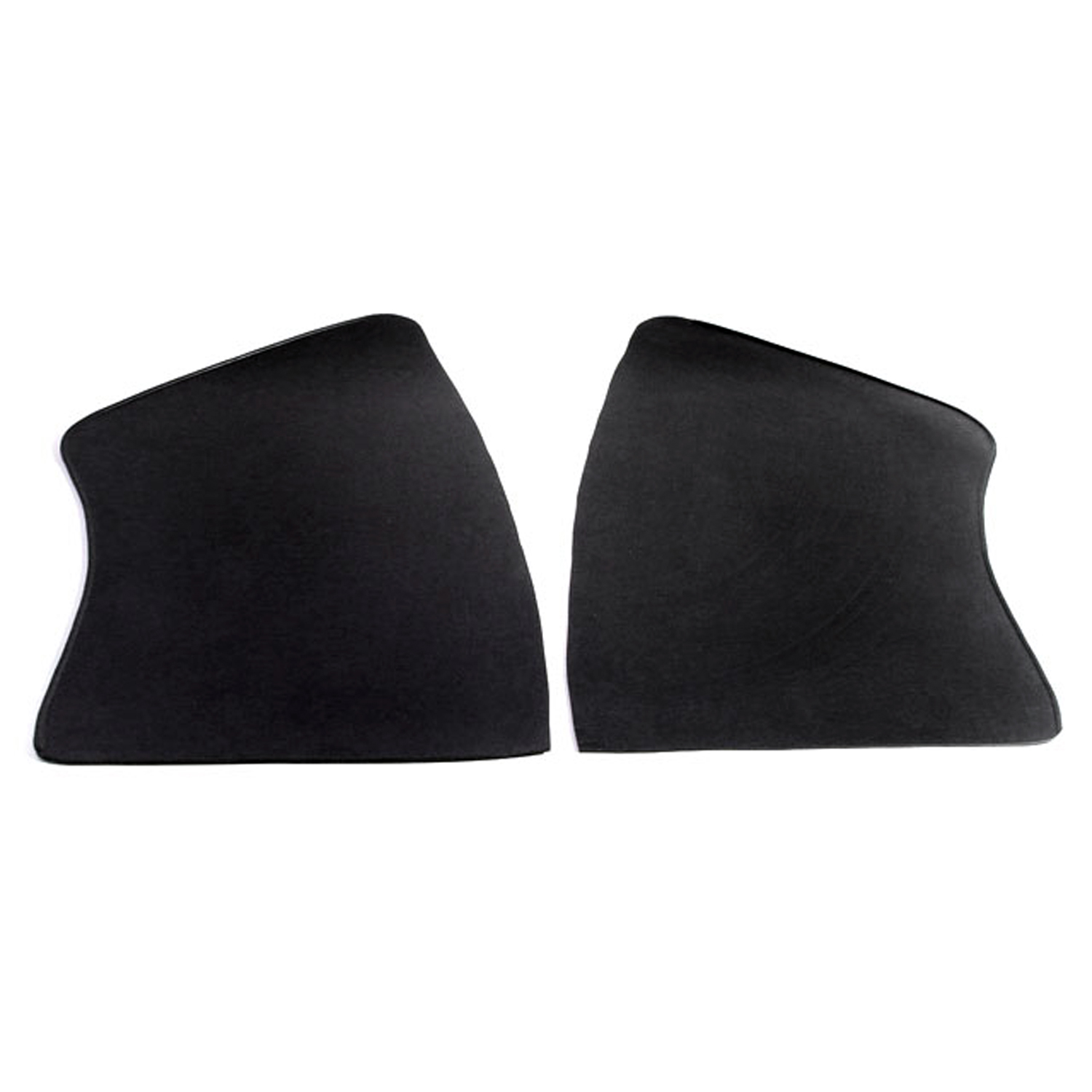 1931 Chrysler Imperial Gravel Shields. Molded flat without metal backing plates-FS 31Gravel Shields. Molded flat without metal backing plates. Apply with contact cement. 18" long X 9-3/4" wide at bottom. Pair
 1931 Chrysler Imperial Hood Corners. Fits flat corners-HC 19Hood Corners. Fits flat corners. 80° angle, 1/4" to 3/8" corner radius. 1-3/8" wide. Pair
 1931 Chrysler Imperial Swing-Out Windshield Seal-LP 97-CSwing-Out Windshield Seal. For both one- and two-piece windshields. Sold by the foot
 1931 Chrysler Imperial Windshield Post Bases. Pair R&L-MB 14Windshield Post Bases. Pair R&L
 1931 Chrysler Imperial Front Windshield Post Pads. 3-1/4" wide X 2-1/2" long-MP 552-AFront Windshield Post Pads. 3-1/4" wide X 2-1/2" long. Pair
 1931 Chrysler Imperial Windshield Post Pads. 3" wide X 2-1/2" long. Pair-MP 552-BWindshield Post Pads. 3" wide X 2-1/2" long. Pair
 1931 Chrysler Imperial Rumble Seat Step-Plate Bracket Pad. 3-1/4" X 3-1/4". Each-MP 553Rumble Seat Step-Plate Bracket Pad. 3-1/4" X 3-1/4". Each
 1931 Chrysler Imperial Tail-light Pads. 2-1/2" wide X 4-5/8" long. Pair-MP 555Tail-light Pads. 2-1/2" wide X 4-5/8" long. Pair
 1931 Chrysler Imperial Headlight Bar Pads. 1-5/8" wide X 5" long. Pair-MP 560Headlight Bar Pads. 1-5/8" wide X 5" long. Pair
 1931 Chrysler Imperial Headlight Bar Pads. 1-5/8" wide X 4-3/4" long. Pair-MP 567Headlight Bar Pads. 1-5/8" wide X 4-3/4" long. Pair
 1931 Chrysler Imperial Tail-light Pads. 2-5/8" wide X 4-5/8" long. Pair-MP 570Tail-light Pads. 2-5/8" wide X 4-5/8" long. Pair
 1931 Chrysler Imperial Door Lock Pad. 1-1/4" O.D. Each-MP 576Door Lock Pad. 1-1/4" O.D. Each
 1931 Chrysler Imperial Tail-light, Rumble Seat Bracket Pad-MP 580Tail-light, Rumble Seat Bracket Pad. 3-3/4" wide X 3-1/4" long. Each
 1931 Chrysler Imperial Door Handle Pads. 1-5/8" wide X 2-1/2" long. Pair-MP 581Door Handle Pads. 1-5/8" wide X 2-1/2" long. Pair
 1931 Chrysler Imperial Radiator to Fender Pads. 2" wide X 8-1/8" long. Pair-MP 590Radiator to Fender Pads. 2" wide X 8-1/8" long. Pair
 1931 Chrysler Imperial Tail-light Pads. 6" long. Pair-MP 590-BTail-light Pads. 6" long. Pair
 1931 Chrysler Imperial Radiator to Fender Pads. 2-1/2" wide X 12" long. Pair R&L-MP 600Radiator to Fender Pads. 2-1/2" wide X 12" long. Pair R&L
 1931 Chrysler Imperial Tail-light Bracket Pad. 2-1/4" O.D. Each-MP 603-ATail-light Bracket Pad. 2-1/4" O.D. Each
 1931 Chrysler Imperial Rumble Seat Handle Pad. 1-1/2" wide X 2-1/4" long. Each-MP 603-CRumble Seat Handle Pad. 1-1/2" wide X 2-1/4" long. Each
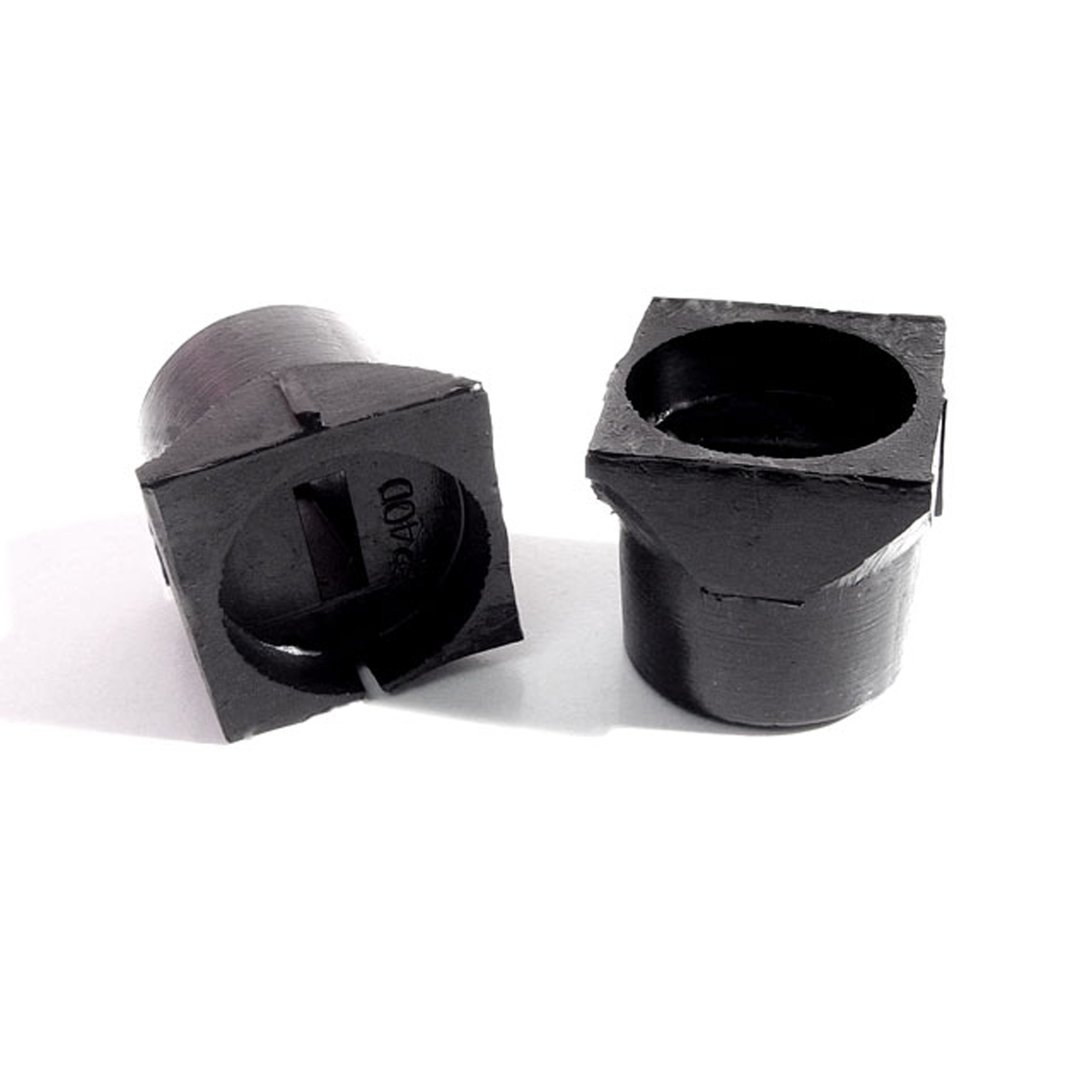 1931 Chrysler Imperial Door Check Rubber Cushion. Each-RP 40-DDoor Check Rubber Cushion. Each
 1931 Chrysler Imperial Rumble Seat Step Plate Pad. Rubber face only, no logo-SP 11Rumble Seat Step Plate Pad. Rubber face only, no logo. 4-1/4" O.D. Each
 1931 Chrysler Imperial Step Plate Pad. Face only. 4-1/4" Diameter Each-SP 16Step Plate Pad. Face only. 4-1/4" Diameter Each
Why Choose Metro?
For over 100 years, Metro Moulded Parts has been the pinnacle of quality in classic car restoration parts. Our commitment to precision and authenticity in every component ensures a perfect fit and an OEM-level appearance.
- Expert Craftsmanship & Quality: Each part is a testament to our dedication to reliability and perfection, crafted from original designs and thoroughly tested.
- Advanced Technology: We use cutting-edge techniques to create flawless, long-lasting parts that surpass others in performance.
- SuperSoft Sponge – The Ultimate Door Seal: Not only are our door seals 30% softer than competitors', but they're also guaranteed to never leak. They effectively reduce wind and road noise, enhancing your classic car's comfort and driving experience.
- Proudly American: Our parts are a product of American craftsmanship, made in the USA with a spirit of excellence and heritage.
- Unrivaled Warranty: We back our products with a 30-year industry-leading warranty, a testament to our confidence in their quality.
Join us in preserving the legacy of classic cars with parts that are crafted for perfection, not just made.