

Image of 1931 Chrysler Series 66, Note: These illustrations use artistic license and may differ from actual historical models.
Performance Metrics
Fundamental Metrics
Emotional Appeal
MMP Rating
| Engine Specifications | |
|---|---|
| Engine: | Inline 6 |
| Displacement: | 218.6 cubic inches |
| Horsepower: | Estimated 68-75 HP |
| Torque: | Not available |
| Compression Ratio: | Not available |
| Ignition System: | Battery and coil |
| Cooling System: | Water-cooled |
| Performance Specifications | |
| 0-60 Time: | Not available |
| 1/4 Mile Time: | Not available |
| Top Speed: | 70 mph |
| Transmission and Drive | |
| Drive Type: | Rear wheel drive |
| Transmission Type: | 3-speed manual |
| Fuel and Efficiency | |
| Fuel System Type: | Carburetor |
| MPG: | Not available |
| Dimensions and Brakes | |
| Brakes: | 4-wheel hydraulic brakes |
| Wheelbase: | 112 inches |
| Weight: | 2,890 lbs |
Note: Specifications for classic cars are given to the best of our ability, considering the limited and variant data available.
1931 Chrysler Series 66: A Six-Cylinder Chrysler with Quiet Confidence
The 1931 Chrysler Series 66 brought the engineering ambitions of Walter P. Chrysler’s young automotive company to buyers who wanted a capable six-cylinder car without stepping up to a costly luxury model. It combined substantial-looking coachwork with practical performance and the sort of mechanical thinking that helped Chrysler earn a reputation for building more than just stylish automobiles.
There is one important detail for anyone researching or buying one: Chrysler changed its model designations frequently, and modern records do not always agree on which years the Series 66 covered. Some references place the Series 66 in the years immediately before 1931, while surviving cars and sales listings are sometimes described as 1931 models. Check the serial-number plate, factory literature, and registration documents together rather than relying on a listing title alone. The specifications below describe the Series 66 configuration commonly associated with the name, with period-specific details best confirmed against the individual car.
Streamlined Style, Built for the Road
The Series 66 had the upright, substantial look expected of an early-1930s American car. Its tall radiator, long hood, separate front fenders, and running boards made its proportions unmistakably prewar. Sweeping fender lines softened the otherwise formal shape, while bright trim around the grille, lamps, and windshield gave the car a touch of polish. From the side, the hood and passenger compartment formed a long, balanced profile that looked more expensive than a basic utility vehicle.
Inside, the atmosphere was traditional and practical. Closed cars typically used cloth or mohair upholstery, with leather more likely in open models or as an option. A broad bench seat, simple door trim, and a clear instrument panel made the cabin comfortable by the standards of the day, though modern drivers will find it narrow and upright. Wood-grain finishes and carefully fitted trim added warmth without the elaborate decoration found in high-end Chryslers.
Period color choices varied by body style and year. Dark blues, greens, maroons, grays, and black suited the formal character of the car, often paired with contrasting wheels or pinstriping. Black remains a familiar choice on surviving examples, but a well-researched period color can make a restoration stand out. Original paint codes and factory finish schedules are the best guide, since colors offered on one body type were not necessarily available on another.
Series 66 body styles are associated with familiar period choices such as two- and four-door sedans, coupes, and open cars. Depending on the exact model year and catalog, buyers could also encounter business-oriented or rumble-seat configurations. The sedan was the sensible, popular choice for family transport, while a coupe or roadster is often the more visually striking find today. Confirm the body style against factory documentation because body offerings could change from one model year to the next.
Engineering in the Early Chrysler Mould
Chrysler’s early reputation rested on bringing thoughtful engineering to cars across several price levels. The company had established a strong identity through features such as four-wheel hydraulic brakes, introduced on its first production cars in the 1920s. By the early 1930s, hydraulic braking was becoming a serious advantage over mechanical systems, offering more even braking force at all four wheels.
The Series 66’s appeal was not a single revolutionary device. It was the combination of a six-cylinder engine, modern braking, sturdy construction, and a price positioned below Chrysler’s more expensive offerings. That mix made it a useful bridge between basic transportation and the company’s increasingly sophisticated models. It also reflected an important shift in the industry: buyers could expect respectable power and improved control without purchasing a luxury car.
Chrysler’s engineering influence continued beyond this model, especially in its commitment to practical performance and chassis development. The Series 66 was not the car that transformed automotive design on its own, but it helped carry those ideas to a broader market.
Six-Cylinder Performance and Period Handling
Series 66 specifications commonly cite a side-valve, or L-head, six-cylinder engine of about 201 cubic inches, producing roughly 66 horsepower. A three-speed manual transmission sent power to the rear wheels. These figures should be treated as representative rather than universal for every car described as a 1931 Series 66, since model-year references and surviving configurations vary.
Expect a top speed in the neighborhood of 60 to 70 mph when the car is in good condition. A modern-style 0-to-60 mph time was not generally a meaningful factory measure for cars of this period; a reasonable estimate is roughly 25 to 35 seconds, depending on body weight, gearing, engine condition, and road surface. It was built for steady touring, not quick launches or sustained high-speed driving.
On the road, the Series 66 feels mechanical and deliberate. The engine produces a steady, low-frequency six-cylinder rumble, while the manual gearbox asks the driver to make measured shifts. Steering is heavier at low speed than modern power-assisted systems, and the large steering wheel gives useful leverage. The suspension can take the edge off rough roads, but the tall body and period tires mean that sharp bumps, ruts, and crosswinds call for attention. On a winding road, a smooth pace suits the car better than abrupt cornering.
What It Is Like to Own One
A Series 66 today is best suited to touring, local events, museum displays, and vintage-car shows. Some owners may use one regularly in fair weather, but it is not an easy substitute for a modern daily driver. Braking distances, lighting, crash protection, and highway performance all reflect the car’s age.
Routine maintenance is straightforward for an owner comfortable with older machinery. The engine is relatively accessible, and many basic jobs involve familiar tasks such as ignition adjustment, lubrication, cooling-system care, and carburetor tuning. The challenge is less the design than the availability of the correct parts. Reproduction and used components can be found through specialist suppliers and marque clubs, but body, trim, and model-specific pieces may take time to locate.
Reliability depends heavily on restoration quality. A well-maintained car with a sound cooling system, properly rebuilt brakes, and a carefully serviced ignition can be dependable on local outings. A car that has sat for years may need extensive work before it is safe to drive. Have the frame, wooden or structural body components where applicable, brake hydraulics, fuel system, and tires inspected before purchase.
Little-Known Details and Common Complaints
The Series 66 is not especially famous for a single celebrity owner, headline-grabbing speed record, or major endurance victory. Its more interesting story is its place in Chrysler’s expanding lineup: a six-cylinder car aimed at ordinary motorists during a period when the Depression was putting pressure on household budgets and automakers alike.
Model-specific production totals are difficult to establish from commonly available references, particularly when year and series labels differ between sources. A cautious working estimate might place production in the low tens of thousands, perhaps around 10,000 to 20,000 cars for a comparable Series 66 model-year run. That is a broad estimate, not a verified factory figure, and it should not be confused with a confirmed count of surviving cars.
Common criticisms are typical of the era. The car is slow by modern standards, requires more driver effort than a contemporary vehicle, and can be demanding in traffic. Parts availability and inconsistent historical records can also complicate restoration. On the other hand, its straightforward mechanical layout and handsome proportions make it approachable and rewarding for enthusiasts who enjoy hands-on ownership.
Collector Values and Market Outlook
Values vary substantially with body style, originality, mechanical condition, and the quality of any restoration. As a broad current-market estimate, a project car might sell for about $8,000 to $18,000. A sound, usable example could bring roughly $20,000 to $35,000, while a high-quality restoration or especially desirable open body style may reach $40,000 to $60,000 or more. Exceptional cars can exceed those figures, but asking prices are not the same as confirmed sale prices.
The Series 66 is uncommon enough to attract interest but not so celebrated that every example commands top-tier prices. Availability is sporadic, and buyers may wait for the right body style or a car with solid documentation. Values for well-restored prewar cars have generally held better than those for rough projects, though the market remains sensitive to restoration costs and buyer interest. A carefully maintained, correctly documented car is likely to be the safer long-term proposition.
Why the Chrysler Series 66 Still Matters
The Chrysler Series 66 represents an important kind of early-1930s automobile: a practical six-cylinder car that carried modern engineering into a more attainable part of the market. Its upright styling, hydraulic-brake heritage, straightforward mechanical character, and comfortable touring manners make it a distinctive alternative to more familiar classics.
For collectors, the key is to verify the exact year and series before buying, then judge the car on condition and authenticity rather than its badge alone. Get those details right, and the Series 66 offers more than vintage looks. It delivers a tangible connection to Chrysler’s formative years, when the company was turning engineering confidence into cars ordinary motorists could aspire to own.
1931 Chrysler Series 66 Catalog of Parts
 1931 Chrysler Series 66 Clutch and Brake Pedal Pads. 2-5/8" wide X 3-3/4" long-CB 26Clutch and Brake Pedal Pads. 2-5/8" wide X 3-3/4" long. Pair
 1931 Chrysler Series 66 Clutch and Brake Pedal Pads, Black-CB 28-AClutch and Brake Pedal Pads, Black. 2-3/8" wide X 3-7/8" long. Pair
 1931 Chrysler Series 66 Clutch and Brake Pedal Pads, Brown-CB 28-BClutch and Brake Pedal Pads, Brown. 2-3/8" wide X 3-7/8" long. Pair
 1931 Chrysler Series 66 Door Jamb Bumper. Perfect reproduction-DB 36Door Jamb Bumper. Perfect reproduction. 1-1/16" high X 1-1/4" wide X 7/16" thick. Each
 1931 Chrysler Series 66 Door Jamb Bumper. Fully detailed reproduction-DB 38Door Jamb Bumper. Fully detailed reproduction. 15/16" high X 1-9/16" wide X 7/16" thick. Each
 1931 Chrysler Series 66 Door Bumper. 1-7/16" high X 1-9/16" wide X 9/16" thick-DB 7Door Bumper. 1-7/16" high X 1-9/16" wide X 9/16" thick. Each
 1931 Chrysler Series 66 Gravel Shields. Molded flat without metal backing plates-FS 31Gravel Shields. Molded flat without metal backing plates. Apply with contact cement. 18" long X 9-3/4" wide at bottom. Pair
 1931 Chrysler Series 66 Hood Corners. Fits flat corners-HC 19Hood Corners. Fits flat corners. 80° angle, 1/4" to 3/8" corner radius. 1-3/8" wide. Pair
 1931 Chrysler Series 66 Windshield Post Bases. Pair R&L-MB 14Windshield Post Bases. Pair R&L
 1931 Chrysler Series 66 Windshield Post Pads. 3" wide X 2-1/2" long. Pair-MP 552-BWindshield Post Pads. 3" wide X 2-1/2" long. Pair
 1931 Chrysler Series 66 Rumble Seat Step-Plate Bracket Pad. 3-1/4" X 3-1/4". Each-MP 553Rumble Seat Step-Plate Bracket Pad. 3-1/4" X 3-1/4". Each
 1931 Chrysler Series 66 Tail-light Pads. 2-1/2" wide X 4-5/8" long. Pair-MP 555Tail-light Pads. 2-1/2" wide X 4-5/8" long. Pair
 1931 Chrysler Series 66 Headlight Bar Pads. 1-5/8" wide X 5" long. Pair-MP 560Headlight Bar Pads. 1-5/8" wide X 5" long. Pair
 1931 Chrysler Series 66 Headlight Bar Pads. 1-5/8" wide X 4-3/4" long. Pair-MP 567Headlight Bar Pads. 1-5/8" wide X 4-3/4" long. Pair
 1931 Chrysler Series 66 Tail-light Pads. 2-5/8" wide X 4-5/8" long. Pair-MP 570Tail-light Pads. 2-5/8" wide X 4-5/8" long. Pair
 1931 Chrysler Series 66 Door Lock Pad. 1-1/4" O.D. Each-MP 576Door Lock Pad. 1-1/4" O.D. Each
 1931 Chrysler Series 66 Tail-light, Rumble Seat Bracket Pad-MP 580Tail-light, Rumble Seat Bracket Pad. 3-3/4" wide X 3-1/4" long. Each
 1931 Chrysler Series 66 Door Handle Pads. 1-5/8" wide X 2-1/2" long. Pair-MP 581Door Handle Pads. 1-5/8" wide X 2-1/2" long. Pair
 1931 Chrysler Series 66 Radiator to Fender Pads. 2" wide X 8-1/8" long. Pair-MP 590Radiator to Fender Pads. 2" wide X 8-1/8" long. Pair
 1931 Chrysler Series 66 Tail-light Pads. 6" long. Pair-MP 590-BTail-light Pads. 6" long. Pair
 1931 Chrysler Series 66 Radiator to Fender Pads. 2-1/2" wide X 12" long. Pair R&L-MP 600Radiator to Fender Pads. 2-1/2" wide X 12" long. Pair R&L
 1931 Chrysler Series 66 Tail-light Bracket Pad. 2-1/4" O.D. Each-MP 603-ATail-light Bracket Pad. 2-1/4" O.D. Each
 1931 Chrysler Series 66 Rumble Seat Handle Pad. 1-1/2" wide X 2-1/4" long. Each-MP 603-CRumble Seat Handle Pad. 1-1/2" wide X 2-1/4" long. Each
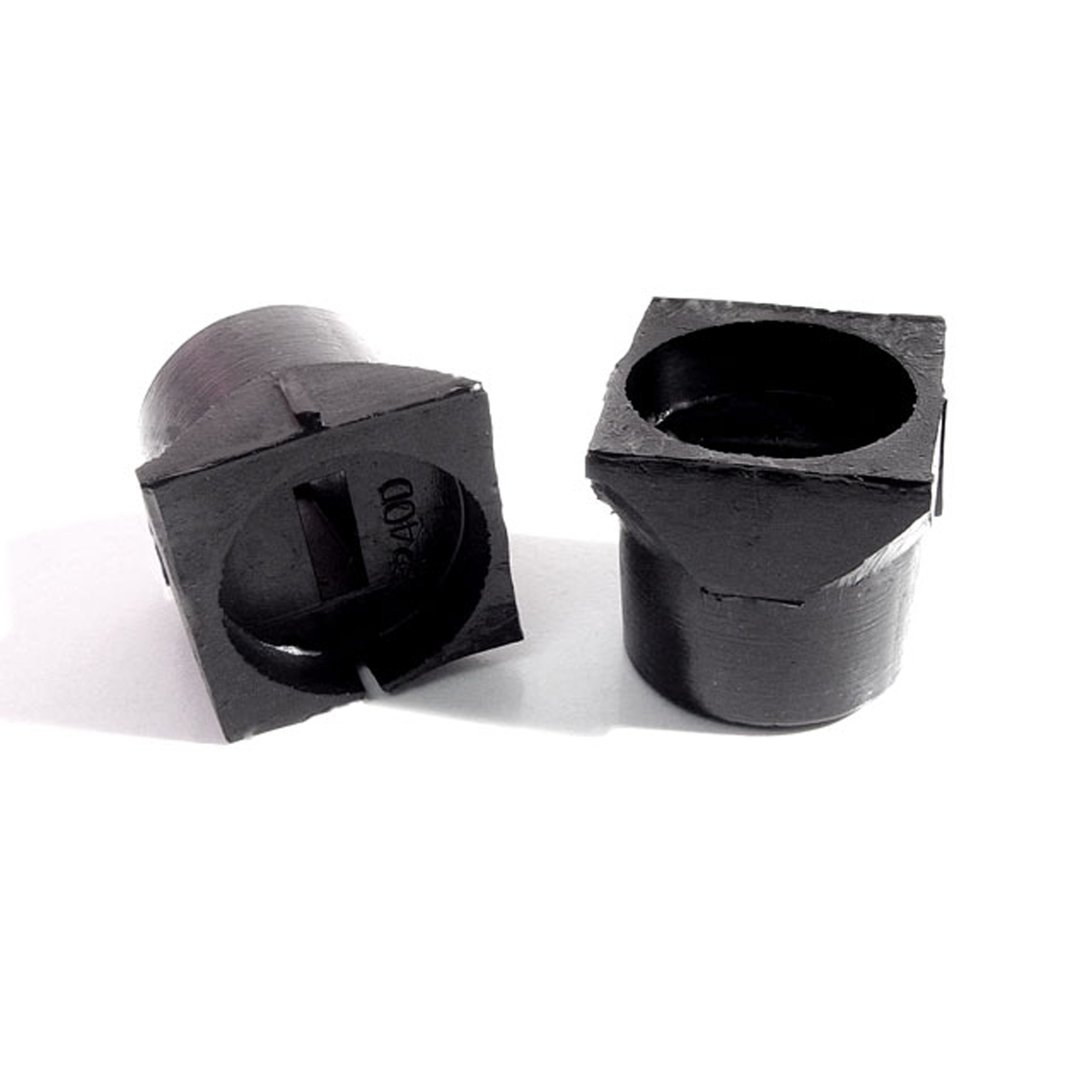 1931 Chrysler Series 66 Door Check Rubber Cushion. Each-RP 40-DDoor Check Rubber Cushion. Each
 1931 Chrysler Series 66 Rumble Seat Step Plate Pad. Rubber face only, no logo-SP 11Rumble Seat Step Plate Pad. Rubber face only, no logo. 4-1/4" O.D. Each
 1931 Chrysler Series 66 Step Plate Pad. Face only. 4-1/4" Diameter Each-SP 16Step Plate Pad. Face only. 4-1/4" Diameter Each
Why Choose Metro?
For over 100 years, Metro Moulded Parts has been the pinnacle of quality in classic car restoration parts. Our commitment to precision and authenticity in every component ensures a perfect fit and an OEM-level appearance.
- Expert Craftsmanship & Quality: Each part is a testament to our dedication to reliability and perfection, crafted from original designs and thoroughly tested.
- Advanced Technology: We use cutting-edge techniques to create flawless, long-lasting parts that surpass others in performance.
- SuperSoft Sponge – The Ultimate Door Seal: Not only are our door seals 30% softer than competitors', but they're also guaranteed to never leak. They effectively reduce wind and road noise, enhancing your classic car's comfort and driving experience.
- Proudly American: Our parts are a product of American craftsmanship, made in the USA with a spirit of excellence and heritage.
- Unrivaled Warranty: We back our products with a 30-year industry-leading warranty, a testament to our confidence in their quality.
Join us in preserving the legacy of classic cars with parts that are crafted for perfection, not just made.