

Image of 1931 Chrysler Series 70, Note: These illustrations use artistic license and may differ from actual historical models.
Performance Metrics
Fundamental Metrics
Emotional Appeal
MMP Rating
| Engine Specifications | |
|---|---|
| Engine: | Inline 6 |
| Displacement: | 224 cubic inches |
| Horsepower: | Estimated 75-85 hp |
| Torque: | Not available |
| Compression Ratio: | Not available |
| Ignition System: | Battery and coil |
| Cooling System: | Water-cooled |
| Performance Specifications | |
| 0-60 Time: | Not available |
| 1/4 Mile Time: | Not available |
| Top Speed: | 75 mph |
| Transmission and Drive | |
| Drive Type: | Rear-wheel drive |
| Transmission Type: | 3-speed manual |
| Fuel and Efficiency | |
| Fuel System Type: | Carburetor |
| MPG: | Not available |
| Dimensions and Brakes | |
| Brakes: | Mechanical drum brakes |
| Wheelbase: | 112 inches |
| Weight: | 3,200 lbs |
Note: Specifications for classic cars are given to the best of our ability, considering the limited and variant data available.
1931 Chrysler Series 70: A Six-Cylinder Built for the Open Road
The 1931 Chrysler Series 70 brought a reassuring mix of brisk six-cylinder performance, substantial engineering, and elegant early-1930s style to a market reshaped by the Great Depression. Built by the Chrysler Corporation, founded by Walter P. Chrysler in 1925, the Series 70 sat in the company’s middle-price range: more substantial than an economy car, but generally more attainable than a flagship luxury model.
Its timing makes the car especially interesting. The Depression was putting pressure on household budgets, yet Chrysler continued to promote engineering and road manners as reasons to buy. One standout part of that story was the company’s early adoption of four-wheel hydraulic brakes, a technology that offered more even, predictable stopping than the mechanical brake systems still used by many competitors.
Model names and specifications can vary across period literature and modern reference books, so surviving cars should be judged by their serial numbers, original documentation, and equipment. The Series 70 discussed here is generally identified as a six-cylinder Chrysler with an engine of about 218.6 cubic inches and roughly 70 horsepower.
Chrysler 70 Styling and Cabin Details
The Series 70 had the upright, confident proportions that define a prewar American car. A tall radiator shell and polished grille gave the nose a formal look, while large headlamps, curved front fenders, and running boards visually connected the front and rear of the car. Depending on body style, the roofline could be compact and sporty or tall and dignified. Wire or pressed-steel wheels, brightwork, and a rear-mounted spare added the finishing touches.
Inside, the emphasis was on comfort and craftsmanship rather than modern convenience. Buyers could expect a broad bench seat, a large steering wheel, clear mechanical instruments, and trim suited to the body and price level. Upholstery materials and details varied by model and specification, but cloth was common in closed cars, while open models could use durable upholstery intended to handle exposure to weather. Wood-grain finishes and polished metal hardware helped give the cabin a richer appearance.
Factory paint selections depended on the specific body and order. Period color schemes commonly included dark greens, blues, maroons, grays, black, and lighter contrasting colors. Two-tone combinations could make a coupe or open car especially striking, though color names and availability should be verified against the original sales literature for a particular car.
Series 70 body offerings could include practical sedans and coupes as well as open models such as roadsters or phaetons, with availability varying by catalog and production run. A coupe with a rumble seat is among the most memorable configurations: its small rear-facing seat made room for extra passengers and gave the car an unmistakably jaunty profile. Sedans were the sensible choice for year-round family use, while open cars and rumble-seat coupes tend to draw the most attention at shows.
Engineering Ahead of Its Era
The Series 70’s importance lies less in one radical styling breakthrough than in Chrysler’s broader effort to bring advanced engineering to a relatively broad market. Four-wheel hydraulic brakes were a major selling point. Compared with mechanical brakes, hydraulic systems could apply braking force more consistently at all four wheels, helping the driver maintain control during hard stops.
Chrysler also had a reputation for building cars with strong engines and robust chassis. The Series 70’s six-cylinder layout offered smoother power delivery than many four-cylinder alternatives, while its conventional rear-wheel-drive arrangement and three-speed manual transmission were familiar to drivers of the period. That combination made the car approachable without sacrificing the feeling of substance that helped distinguish Chrysler from some lower-priced rivals.
Its lasting influence is part of a larger story: features that once helped set Chrysler apart became standard expectations across the industry. The 1931 Series 70 is a useful example of how improvements in braking, engine refinement, and chassis design gradually reached beyond the most expensive automobiles.
Series 70 Performance and Road Manners
With approximately 70 horsepower from its inline six, the Chrysler was capable of respectable road speeds for its time. Period test figures are not consistently available, and performance varied with body style, gearing, condition, and load. As a practical guide, a healthy example may reach roughly 70 to 75 mph, while acceleration from 0 to 60 mph is likely to take around 20 to 25 seconds. Those are estimates, not guaranteed factory test results.
The engine’s character is more about steady pulling power than sharp acceleration. It produces the measured, rhythmic sound typical of a large prewar six: a low mechanical hum at cruising speed, with more audible effort as the car climbs a hill or picks up pace. The manual gearbox asks for deliberate shifts, and the driver does the work that modern power steering, automatic transmissions, and brake assists now handle.
On a smooth road, the Series 70 should feel composed and substantial. Its separate chassis and period suspension absorb ordinary road imperfections, though sharp bumps can still produce body movement and a reminder that this is an automobile from 1931. On a winding road, the tall body and narrow tires reward smooth steering and moderate speed. Hydraulic brakes help, but stopping distances and pedal feel are nothing like those of a modern car.
Owning and Maintaining a 1931 Chrysler
Today, most Series 70s are enjoyed as touring cars, show cars, and occasional-use classics rather than daily transportation. A well-sorted example can join local drives and vintage events, but regular use calls for careful attention to tires, cooling, lubrication, fuel delivery, brakes, and electrical components. Long periods of storage can be hard on any prewar car, so regular exercise and proper preservation matter.
The mechanical layout is relatively straightforward compared with a modern vehicle, and many routine jobs can be handled by an experienced home mechanic. That does not mean every repair is simple. Original parts, correct trim, and body-specific components can take time to locate, and specialist knowledge is useful for engine rebuilding, brake work, and restoration of the chassis or body. Before buying, inspect the frame, wooden or metal body structure as applicable, engine condition, cooling system, and the completeness of the interior and exterior fittings.
Chrysler 70 Trivia and Common Criticisms
The Series 70’s name invites a tempting question: did it mean the car could travel at 70 mph? Chrysler’s model names were part of a broader naming and marketing system, so the number should not be treated as a guaranteed top-speed rating. A sound car may approach that speed under favorable conditions, but age, gearing, body style, and mechanical condition all make a difference.
The car is also a snapshot of a difficult moment in American history. It was introduced during the early years of the Great Depression, when buyers increasingly weighed cost and practicality against status and performance. That context helps explain the appeal of a car that offered a substantial chassis and six-cylinder power without occupying the very top of Chrysler’s range.
There is no widely recognized speed, endurance, or sales record that belongs specifically to the 1931 Series 70. Nor is it best known for a single celebrity owner or landmark event. Its interest is quieter: it represents Chrysler’s attempt to make solid engineering and a refined driving experience available to more buyers.
Common criticisms are typical of prewar cars. The Series 70 is slow by modern standards, demands more driver involvement, and can be less comfortable in traffic than its stately appearance suggests. Parts and restoration costs can also be significant, particularly when a car is incomplete or has suffered from decades of poor storage.
1931 Chrysler Series 70 Values and Rarity
Reliable production totals for every Series 70 body style are difficult to pin down, so a precise number should be treated cautiously. As a broad estimate, total 1931 Series 70 production may have been in the tens of thousands, perhaps around 15,000 to 25,000 cars across the range. The number of surviving examples is much smaller, and rare body styles can be far harder to find than ordinary sedans or coupes.
Collector prices vary sharply with condition, originality, body style, and the quality of any restoration. In today’s U.S. market, a project car might fall around $5,000 to $12,000. A usable driver could bring roughly $18,000 to $35,000, while a well-restored example may reach $35,000 to $60,000 or more. Desirable open cars and exceptionally documented examples can exceed those guide ranges, while incomplete or poorly restored cars may sell for less.
Values have generally been steady to selective rather than uniformly rising. Strong, authentic cars with rare bodywork remain attractive, but the market for prewar automobiles is narrower than for postwar classics. Buyers should focus on condition and provenance rather than assuming every restored car will appreciate. Restoration costs can quickly exceed the value of the finished vehicle.
Why the 1931 Chrysler 70 Still Matters
The 1931 Chrysler Series 70 combines handsome prewar styling, a capable six-cylinder engine, and an important step forward in braking technology. It was built for a challenging economic era, yet it carried the confidence of a company determined to compete through engineering as well as appearance. For collectors, its appeal is not simply that it is old. It is a vivid reminder of how quickly American cars were becoming more refined, more capable, and more comfortable on the open road.
1931 Chrysler Series 70 Catalog of Parts
 1931 Chrysler Series 70 Clutch and Brake Pedal Pads. 2-5/8" wide X 3-3/4" long-CB 26Clutch and Brake Pedal Pads. 2-5/8" wide X 3-3/4" long. Pair
 1931 Chrysler Series 70 Clutch and Brake Pedal Pads, Black-CB 28-AClutch and Brake Pedal Pads, Black. 2-3/8" wide X 3-7/8" long. Pair
 1931 Chrysler Series 70 Clutch and Brake Pedal Pads, Brown-CB 28-BClutch and Brake Pedal Pads, Brown. 2-3/8" wide X 3-7/8" long. Pair
 1931 Chrysler Series 70 Door Jamb Bumper. Perfect reproduction-DB 36Door Jamb Bumper. Perfect reproduction. 1-1/16" high X 1-1/4" wide X 7/16" thick. Each
 1931 Chrysler Series 70 Door Jamb Bumper. Fully detailed reproduction-DB 38Door Jamb Bumper. Fully detailed reproduction. 15/16" high X 1-9/16" wide X 7/16" thick. Each
 1931 Chrysler Series 70 Door Bumper. 1-7/16" high X 1-9/16" wide X 9/16" thick-DB 7Door Bumper. 1-7/16" high X 1-9/16" wide X 9/16" thick. Each
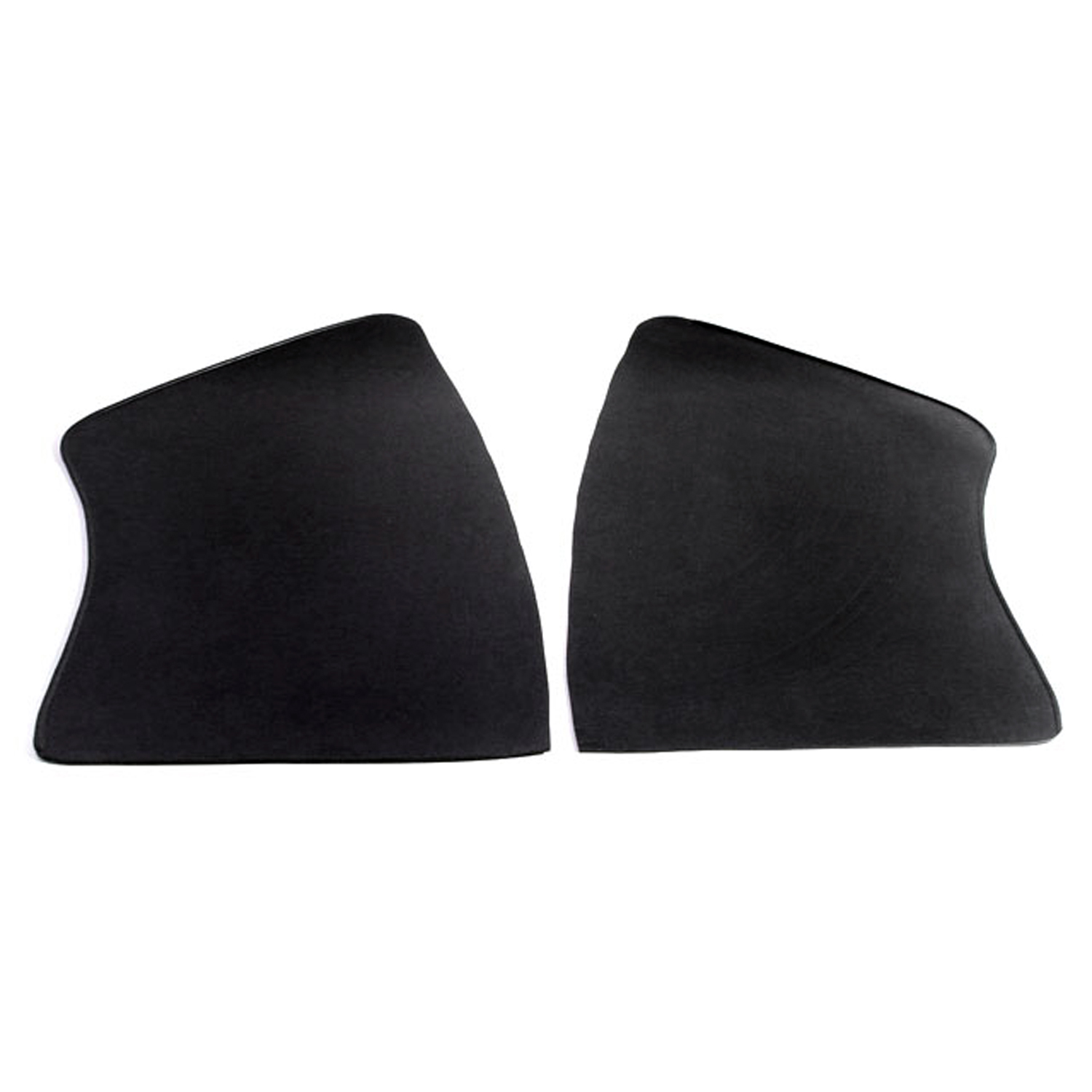 1931 Chrysler Series 70 Gravel Shields. Molded flat without metal backing plates-FS 31Gravel Shields. Molded flat without metal backing plates. Apply with contact cement. 18" long X 9-3/4" wide at bottom. Pair
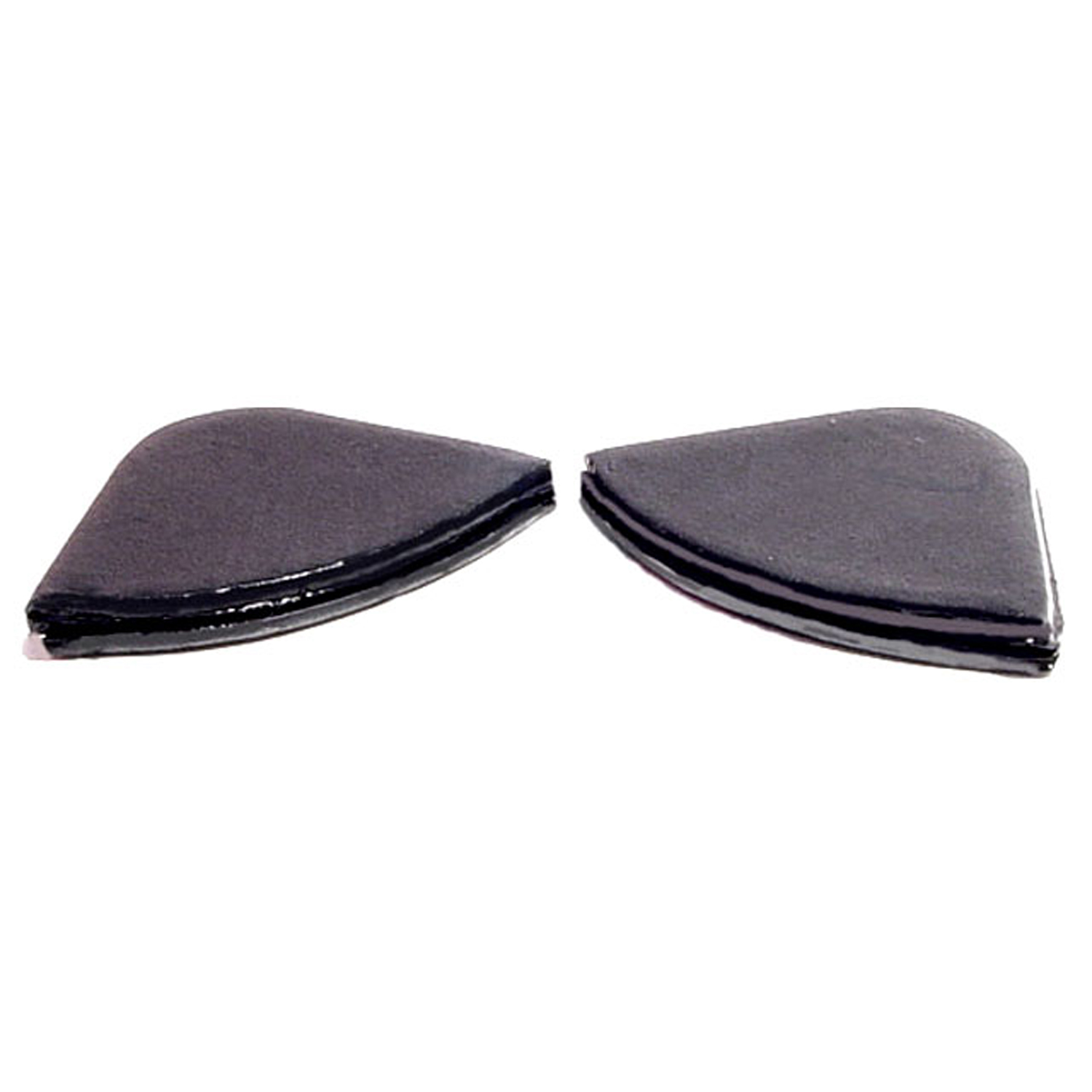 1931 Chrysler Series 70 Hood Corners. Fits flat corners-HC 19Hood Corners. Fits flat corners. 80° angle, 1/4" to 3/8" corner radius. 1-3/8" wide. Pair
 1931 Chrysler Series 70 Windshield Post Bases. Pair R&L-MB 14Windshield Post Bases. Pair R&L
 1931 Chrysler Series 70 Windshield Post Pads. 3" wide X 2-1/2" long. Pair-MP 552-BWindshield Post Pads. 3" wide X 2-1/2" long. Pair
 1931 Chrysler Series 70 Rumble Seat Step-Plate Bracket Pad. 3-1/4" X 3-1/4". Each-MP 553Rumble Seat Step-Plate Bracket Pad. 3-1/4" X 3-1/4". Each
 1931 Chrysler Series 70 Tail-light Pads. 2-1/2" wide X 4-5/8" long. Pair-MP 555Tail-light Pads. 2-1/2" wide X 4-5/8" long. Pair
 1931 Chrysler Series 70 Headlight Bar Pads. 1-5/8" wide X 5" long. Pair-MP 560Headlight Bar Pads. 1-5/8" wide X 5" long. Pair
 1931 Chrysler Series 70 Headlight Bar Pads. 1-5/8" wide X 4-3/4" long. Pair-MP 567Headlight Bar Pads. 1-5/8" wide X 4-3/4" long. Pair
 1931 Chrysler Series 70 Tail-light Pads. 2-5/8" wide X 4-5/8" long. Pair-MP 570Tail-light Pads. 2-5/8" wide X 4-5/8" long. Pair
 1931 Chrysler Series 70 Door Lock Pad. 1-1/4" O.D. Each-MP 576Door Lock Pad. 1-1/4" O.D. Each
 1931 Chrysler Series 70 Tail-light, Rumble Seat Bracket Pad-MP 580Tail-light, Rumble Seat Bracket Pad. 3-3/4" wide X 3-1/4" long. Each
 1931 Chrysler Series 70 Door Handle Pads. 1-5/8" wide X 2-1/2" long. Pair-MP 581Door Handle Pads. 1-5/8" wide X 2-1/2" long. Pair
 1931 Chrysler Series 70 Radiator to Fender Pads. 2" wide X 8-1/8" long. Pair-MP 590Radiator to Fender Pads. 2" wide X 8-1/8" long. Pair
 1931 Chrysler Series 70 Tail-light Pads. 6" long. Pair-MP 590-BTail-light Pads. 6" long. Pair
 1931 Chrysler Series 70 Radiator to Fender Pads. 2-1/2" wide X 12" long. Pair R&L-MP 600Radiator to Fender Pads. 2-1/2" wide X 12" long. Pair R&L
 1931 Chrysler Series 70 Tail-light Bracket Pad. 2-1/4" O.D. Each-MP 603-ATail-light Bracket Pad. 2-1/4" O.D. Each
 1931 Chrysler Series 70 Rumble Seat Handle Pad. 1-1/2" wide X 2-1/4" long. Each-MP 603-CRumble Seat Handle Pad. 1-1/2" wide X 2-1/4" long. Each
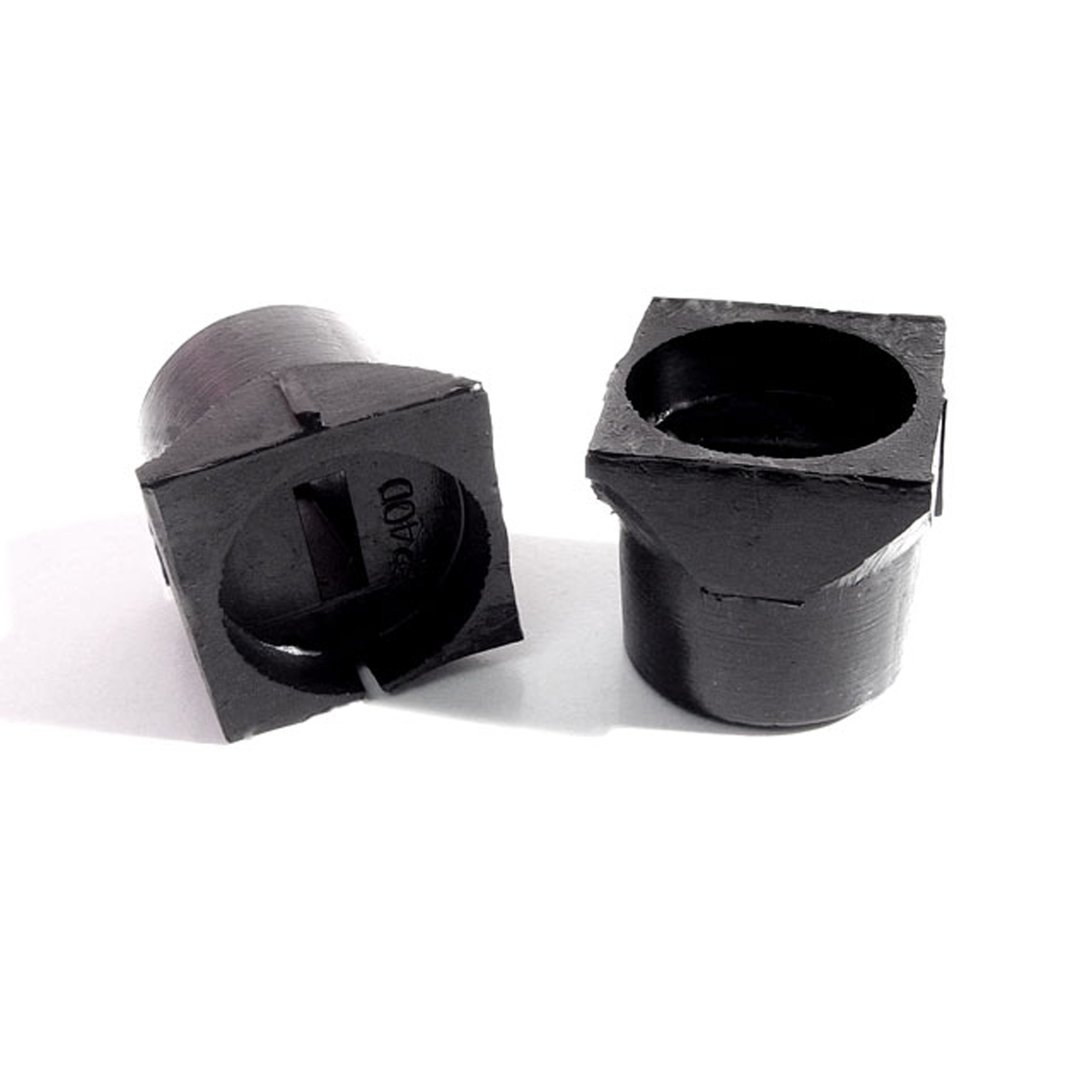 1931 Chrysler Series 70 Door Check Rubber Cushion. Each-RP 40-DDoor Check Rubber Cushion. Each
 1931 Chrysler Series 70 Rumble Seat Step Plate Pad. Rubber face only, no logo-SP 11Rumble Seat Step Plate Pad. Rubber face only, no logo. 4-1/4" O.D. Each
 1931 Chrysler Series 70 Step Plate Pad. Face only. 4-1/4" Diameter Each-SP 16Step Plate Pad. Face only. 4-1/4" Diameter Each
Why Choose Metro?
For over 100 years, Metro Moulded Parts has been the pinnacle of quality in classic car restoration parts. Our commitment to precision and authenticity in every component ensures a perfect fit and an OEM-level appearance.
- Expert Craftsmanship & Quality: Each part is a testament to our dedication to reliability and perfection, crafted from original designs and thoroughly tested.
- Advanced Technology: We use cutting-edge techniques to create flawless, long-lasting parts that surpass others in performance.
- SuperSoft Sponge – The Ultimate Door Seal: Not only are our door seals 30% softer than competitors', but they're also guaranteed to never leak. They effectively reduce wind and road noise, enhancing your classic car's comfort and driving experience.
- Proudly American: Our parts are a product of American craftsmanship, made in the USA with a spirit of excellence and heritage.
- Unrivaled Warranty: We back our products with a 30-year industry-leading warranty, a testament to our confidence in their quality.
Join us in preserving the legacy of classic cars with parts that are crafted for perfection, not just made.