

Image of 1931 Chrysler Series Cd, Note: These illustrations use artistic license and may differ from actual historical models.
Performance Metrics
Fundamental Metrics
Emotional Appeal
MMP Rating
| Engine Specifications | |
|---|---|
| Engine: | Straight-8 |
| Displacement: | 240 cubic inches |
| Horsepower: | Estimated 80-85 HP |
| Torque: | Not available |
| Compression Ratio: | Not available |
| Ignition System: | Battery and coil |
| Cooling System: | Water-cooled |
| Performance Specifications | |
| 0-60 Time: | Not available |
| 1/4 Mile Time: | Not available |
| Top Speed: | 75 mph |
| Transmission and Drive | |
| Drive Type: | Rear-wheel drive |
| Transmission Type: | 3-speed manual |
| Fuel and Efficiency | |
| Fuel System Type: | Carburetor |
| MPG: | Not available |
| Dimensions and Brakes | |
| Brakes: | 4-wheel hydraulic brakes |
| Wheelbase: | 112 inches |
| Weight: | 3,400 lbs |
Note: Specifications for classic cars are given to the best of our ability, considering the limited and variant data available.
1931 Chrysler Series CD: A Refined Eight for a Hard Year
The 1931 Chrysler Series CD brought the smoothness of an eight-cylinder engine to buyers who wanted prestige without stepping up to Chrysler’s costliest Imperial models. Built by the Chrysler Corporation in Detroit, the CD was part of a rapidly evolving American industry: cars were becoming more powerful and comfortable, even as the Great Depression made expensive purchases increasingly difficult.
Its appeal lay in that balance. The Series CD offered stately proportions, a substantial straight-eight engine, and modern-for-the-period engineering in a range of body styles. One detail that makes the car especially interesting today is its place in Chrysler’s transition toward increasingly advanced chassis and powertrain design. It was a traditional-looking automobile, but one from a company that had built its reputation on practical engineering innovation.
Classic Chrysler Styling and Craftsmanship
The CD wears the unmistakable look of an early-1930s American automobile. A tall, upright radiator grille anchors the front, while the long hood gives the engine bay an imposing presence. Separate, curving fenders frame the wheels, and running boards connect the front and rear bodywork. Depending on the body style, a rear-mounted spare wheel, exposed luggage rack, or rumble seat added to its period character.
The cabin was designed for comfort and formality rather than minimalism. Buyers could expect broad seating, a substantial steering wheel, clear instrumentation, and trim materials appropriate to the body and price. Upholstery could include cloth or leather, with higher-grade finishes available on more expensive versions. Wood trim and carefully finished interior hardware helped give the larger closed cars a more luxurious atmosphere than their practical purpose alone required.
Paint and upholstery combinations varied by body style, production choices, and market. Period Chrysler cars were offered in colors beyond basic black, with dark blues, greens, reds, and other rich shades typical of the era. Black remained a familiar and dignified choice, while darker colors suited the car’s formal lines. Original paint charts and factory records are the best guides for confirming a particular car’s correct combination.
Body Styles and Options
The Series CD was offered in several open and closed body configurations. Depending on the specific model and coachwork, the range included sedans, coupes, roadsters, phaetons, and convertible-style bodies. Closed sedans were practical choices for year-round family use, while open cars and rumble-seat coupes delivered a more sporting, social character.
The sedan is among the most recognizable versions because it makes the most of the CD’s long hood, upright cabin, and formal proportions. Roadsters and phaetons are generally more visually dramatic, but their open cabins make them less convenient in poor weather. Equipment and trim could vary, so it is worth checking a car’s original build information rather than assuming every Series CD left the factory identically equipped.
Engineering in the Early 1930s
At the heart of the Chrysler CD was a side-valve, or L-head, inline-eight. Commonly cited specifications put displacement at approximately 240 cubic inches, with output around 88 horsepower, although published figures can vary by source and specification. The straight-eight layout was a major part of the car’s appeal: its long crankshaft and evenly spaced power pulses delivered a smoother feel than many contemporary six-cylinder engines.
Chrysler had built its reputation on engineering details as well as styling. The company was associated with features such as effective four-wheel hydraulic braking, high-compression engine design, and carefully developed lubrication and filtration systems. The CD belongs to this broader engineering story, even though individual equipment and specifications should be verified against the exact model and surviving factory literature.
The Series CD should not be confused with Chrysler’s later Airflow models. The Airflow, introduced for 1934, became famous for its radical aerodynamic shape. The 1931 CD was more conventional in appearance, but its combination of a refined engine, substantial chassis, and modern conveniences represented the steady development that preceded that more dramatic experiment.
Historical Significance
The CD arrived during a difficult economic period. The Depression was already reshaping the American car market, pushing manufacturers to offer value while continuing to compete for buyers who wanted comfort and status. Chrysler’s eight-cylinder cars gave the company a strong position among customers seeking a smoother, more prestigious alternative to a basic family car.
What set the Series CD apart was not a single revolutionary feature, but the way it combined an eight-cylinder powerplant with a broad selection of bodies and a comparatively approachable place in Chrysler’s model range. It helped make the smoothness and presence of a straight-eight available beyond the most expensive luxury-car tier. That formula became increasingly important as American buyers came to expect more power and comfort from mainstream automobiles.
The CD’s importance is also part of a larger Chrysler story. The company cultivated a reputation for engineering-led design, and its cars helped establish expectations for braking, engine refinement, and long-distance comfort. The CD is a useful snapshot of that approach just before American styling and construction changed dramatically during the 1930s.
Performance and Road Manners
With roughly 88 horsepower and a substantial chassis, the Series CD was built for composed road travel rather than quick acceleration. Period gearing, vehicle weight, body style, and mechanical condition all affect performance. A healthy example is often estimated to reach roughly 70 to 80 mph, with 0-to-60-mph acceleration likely taking around 20 seconds or more. These are broad estimates, not guaranteed factory test figures for every body configuration.
On a smooth road, the straight-eight’s main contribution is its calm, even delivery. The engine has a measured, rhythmic exhaust note rather than the sharp bark of a small sporting car. Acceleration is best enjoyed as a steady build of speed, with deliberate gear changes and an appreciation for the car’s momentum.
The ride is more relaxed than nimble. Its period suspension and tall tires can soften bumps, but rough pavement still makes itself known through the chassis. On winding roads, the driver needs to plan ahead: the steering is slower than a modern car’s, the body is tall, and the brakes require a different feel and stopping distance than contemporary systems. In crosswinds, the car’s large body and upright profile call for a firm hand on the wheel.
Owning a Series CD Today
Most surviving CD cars are now used for touring, club events, museum displays, and concours or local shows. They can be driven on suitable roads, but they are not modern traffic appliances. Owners should allow extra room for braking, avoid sustained high-speed running, and make sure the cooling, ignition, fuel, and lubrication systems are in sound condition before a long trip.
Maintenance is manageable for an experienced vintage-car enthusiast, but it is not always a simple weekend project for an average modern-car owner. The engine and chassis are mechanically straightforward by today’s standards, and many repairs can be performed with conventional tools. The challenges are sourcing correct parts, finding specialists familiar with early Chrysler engineering, and dealing with decades of prior repairs or modifications.
Before buying, inspect the frame, wood or structural body components where applicable, floors, fenders, and lower body panels for rust or poor repairs. Check the engine for oil pressure, overheating, smoke, and unusual noises. Brake condition deserves particular attention, as does the availability of correct tires and hard-to-find trim. A car that appears inexpensive can become costly if restoration work is extensive.
Facts, Myths, and Common Criticisms
The CD’s straight-eight is a good reminder that eight-cylinder cars were not always enormous, chauffeur-driven limousines. Chrysler offered eight-cylinder refinement in a model range with multiple body styles, making the engine concept relevant to a wider group of buyers than the most exclusive luxury cars.
There is no widely recognized Series CD speed or endurance record that defines the model’s reputation. Its lasting interest comes instead from its engineering, body-style variety, and place in Chrysler’s pre-Airflow history. Claims about celebrity ownership or special record-setting editions should be checked carefully, since they are often repeated without reliable documentation.
Common criticisms are familiar to owners of many cars from the period: limited braking performance by modern standards, heavy controls, modest acceleration, and a demanding parts search. The cabin can also be noisy by present-day expectations, and open models offer little protection from weather. These are not defects so much as reminders that the CD belongs to a very different motoring era.
Collector Values and Availability
Exact production totals for the Series CD can be difficult to pin down across model and body-style variations. A reasonable working estimate is that production ran into the thousands, perhaps around 10,000 to 15,000 cars, but that should be treated as an informed estimate rather than a confirmed total. Surviving examples are relatively scarce, especially in complete, original condition.
Values depend heavily on body style, originality, restoration quality, and mechanical condition. As a broad current-market guide, a project or incomplete car might sell for roughly $10,000 to $20,000. A usable driver or older restoration could fall around $20,000 to $40,000, while a high-quality restoration or especially desirable open body style may reach $45,000 to $80,000 or more. Exceptional examples can exceed those ranges, while cars needing major work can sell for considerably less.
Prices for prewar classics tend to reward quality and provenance more reliably than age alone. The market for well-restored cars has generally been stronger than for projects, but values can fluctuate with collector interest and the cost of restoration. A Series CD is best viewed as a car to enjoy and preserve, rather than a guaranteed short-term investment.
Why the 1931 Chrysler CD Still Matters
The 1931 Chrysler Series CD combined the smooth character of a straight-eight with dignified styling, a choice of useful and sporting body styles, and the engineering-minded approach that helped define Chrysler. It was not as radical as the later Airflow, nor as extravagant as a top-tier Imperial, but it occupies an appealing middle ground in the history of American motoring.
For today’s enthusiast, the CD offers more than period looks. It provides a chance to experience the measured pace, mechanical character, and road manners of an era when an eight-cylinder engine signaled genuine refinement. Preserved well, it remains a handsome reminder that Chrysler’s most important innovations were often delivered in cars that looked ready for the open road.
1931 Chrysler Series Cd Catalog of Parts
 1931 Chrysler Series CD Clutch and Brake Pedal Pads. 2-5/8" wide X 3-3/4" long-CB 26Clutch and Brake Pedal Pads. 2-5/8" wide X 3-3/4" long. Pair
 1931 Chrysler Series CD Clutch and Brake Pedal Pads, Black-CB 28-AClutch and Brake Pedal Pads, Black. 2-3/8" wide X 3-7/8" long. Pair
 1931 Chrysler Series CD Clutch and Brake Pedal Pads, Brown-CB 28-BClutch and Brake Pedal Pads, Brown. 2-3/8" wide X 3-7/8" long. Pair
 1931 Chrysler Series CD Door Jamb Bumper. Perfect reproduction-DB 36Door Jamb Bumper. Perfect reproduction. 1-1/16" high X 1-1/4" wide X 7/16" thick. Each
 1931 Chrysler Series CD Door Jamb Bumper. Fully detailed reproduction-DB 38Door Jamb Bumper. Fully detailed reproduction. 15/16" high X 1-9/16" wide X 7/16" thick. Each
 1931 Chrysler Series CD Door Bumper. 1-7/16" high X 1-9/16" wide X 9/16" thick-DB 7Door Bumper. 1-7/16" high X 1-9/16" wide X 9/16" thick. Each
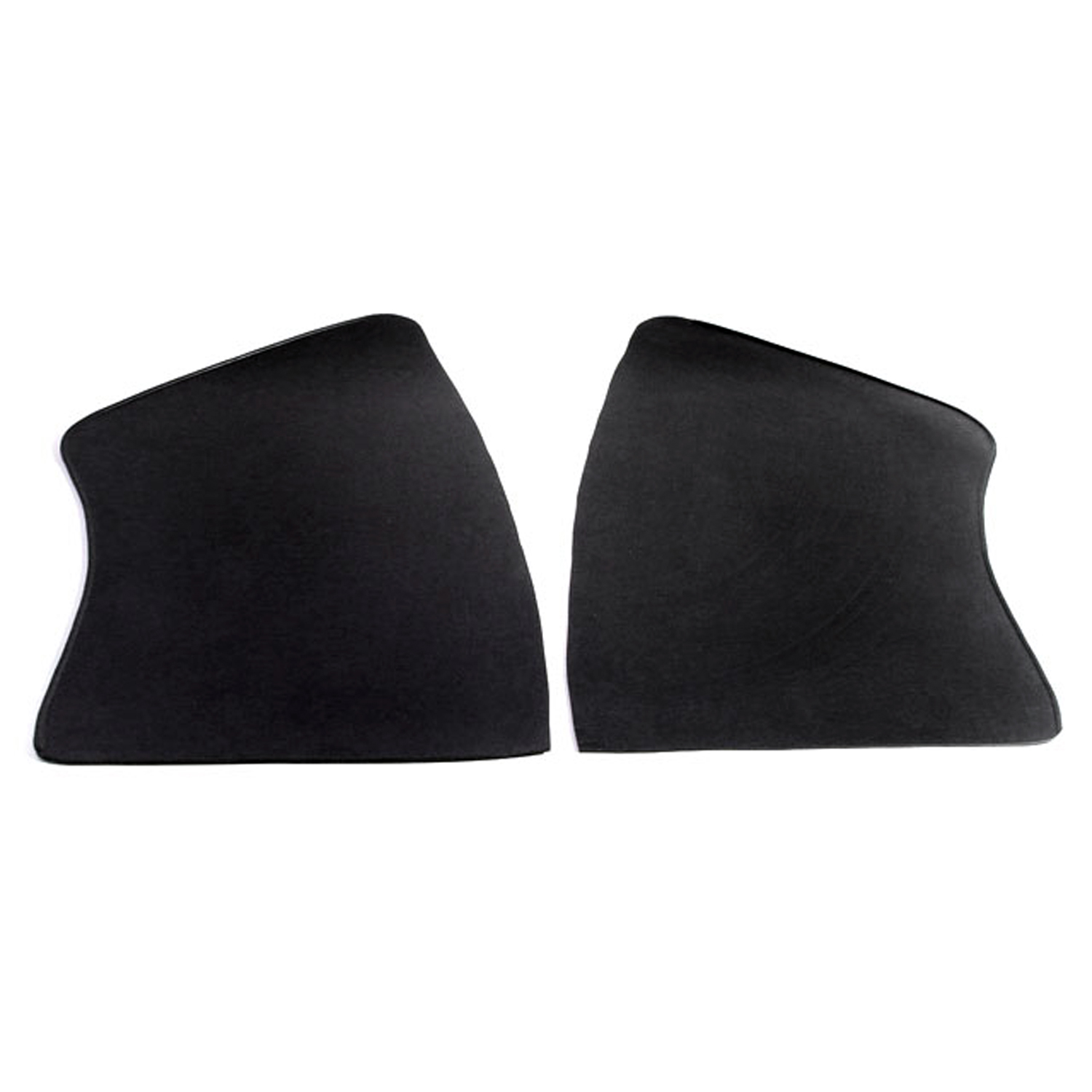 1931 Chrysler Series CD Gravel Shields. Molded flat without metal backing plates-FS 31Gravel Shields. Molded flat without metal backing plates. Apply with contact cement. 18" long X 9-3/4" wide at bottom. Pair
 1931 Chrysler Series CD Hood Corners. Fits flat corners-HC 19Hood Corners. Fits flat corners. 80° angle, 1/4" to 3/8" corner radius. 1-3/8" wide. Pair
 1931 Chrysler Series CD Windshield Post Bases. Pair R&L-MB 14Windshield Post Bases. Pair R&L
 1931 Chrysler Series CD Windshield Post Pads. 3" wide X 2-1/2" long. Pair-MP 552-BWindshield Post Pads. 3" wide X 2-1/2" long. Pair
 1931 Chrysler Series CD Rumble Seat Step-Plate Bracket Pad. 3-1/4" X 3-1/4". Each-MP 553Rumble Seat Step-Plate Bracket Pad. 3-1/4" X 3-1/4". Each
 1931 Chrysler Series CD Tail-light Pads. 2-1/2" wide X 4-5/8" long. Pair-MP 555Tail-light Pads. 2-1/2" wide X 4-5/8" long. Pair
 1931 Chrysler Series CD Headlight Bar Pads. 1-5/8" wide X 5" long. Pair-MP 560Headlight Bar Pads. 1-5/8" wide X 5" long. Pair
 1931 Chrysler Series CD Headlight Bar Pads. 1-5/8" wide X 4-3/4" long. Pair-MP 567Headlight Bar Pads. 1-5/8" wide X 4-3/4" long. Pair
 1931 Chrysler Series CD Tail-light Pads. 2-5/8" wide X 4-5/8" long. Pair-MP 570Tail-light Pads. 2-5/8" wide X 4-5/8" long. Pair
 1931 Chrysler Series CD Door Lock Pad. 1-1/4" O.D. Each-MP 576Door Lock Pad. 1-1/4" O.D. Each
 1931 Chrysler Series CD Tail-light, Rumble Seat Bracket Pad-MP 580Tail-light, Rumble Seat Bracket Pad. 3-3/4" wide X 3-1/4" long. Each
 1931 Chrysler Series CD Door Handle Pads. 1-5/8" wide X 2-1/2" long. Pair-MP 581Door Handle Pads. 1-5/8" wide X 2-1/2" long. Pair
 1931 Chrysler Series CD Radiator to Fender Pads. 2" wide X 8-1/8" long. Pair-MP 590Radiator to Fender Pads. 2" wide X 8-1/8" long. Pair
 1931 Chrysler Series CD Tail-light Pads. 6" long. Pair-MP 590-BTail-light Pads. 6" long. Pair
 1931 Chrysler Series CD Radiator to Fender Pads. 2-1/2" wide X 12" long. Pair R&L-MP 600Radiator to Fender Pads. 2-1/2" wide X 12" long. Pair R&L
 1931 Chrysler Series CD Front Bumper to Fender Bracket Pad-MP 600-BFront Bumper to Fender Bracket Pad. 4-1/4" wide X 3-1/4" long. Each
 1931 Chrysler Series CD Tail-light Bracket Pad. 2-1/4" O.D. Each-MP 603-ATail-light Bracket Pad. 2-1/4" O.D. Each
 1931 Chrysler Series CD Rumble Seat Handle Pad. 1-1/2" wide X 2-1/4" long. Each-MP 603-CRumble Seat Handle Pad. 1-1/2" wide X 2-1/4" long. Each
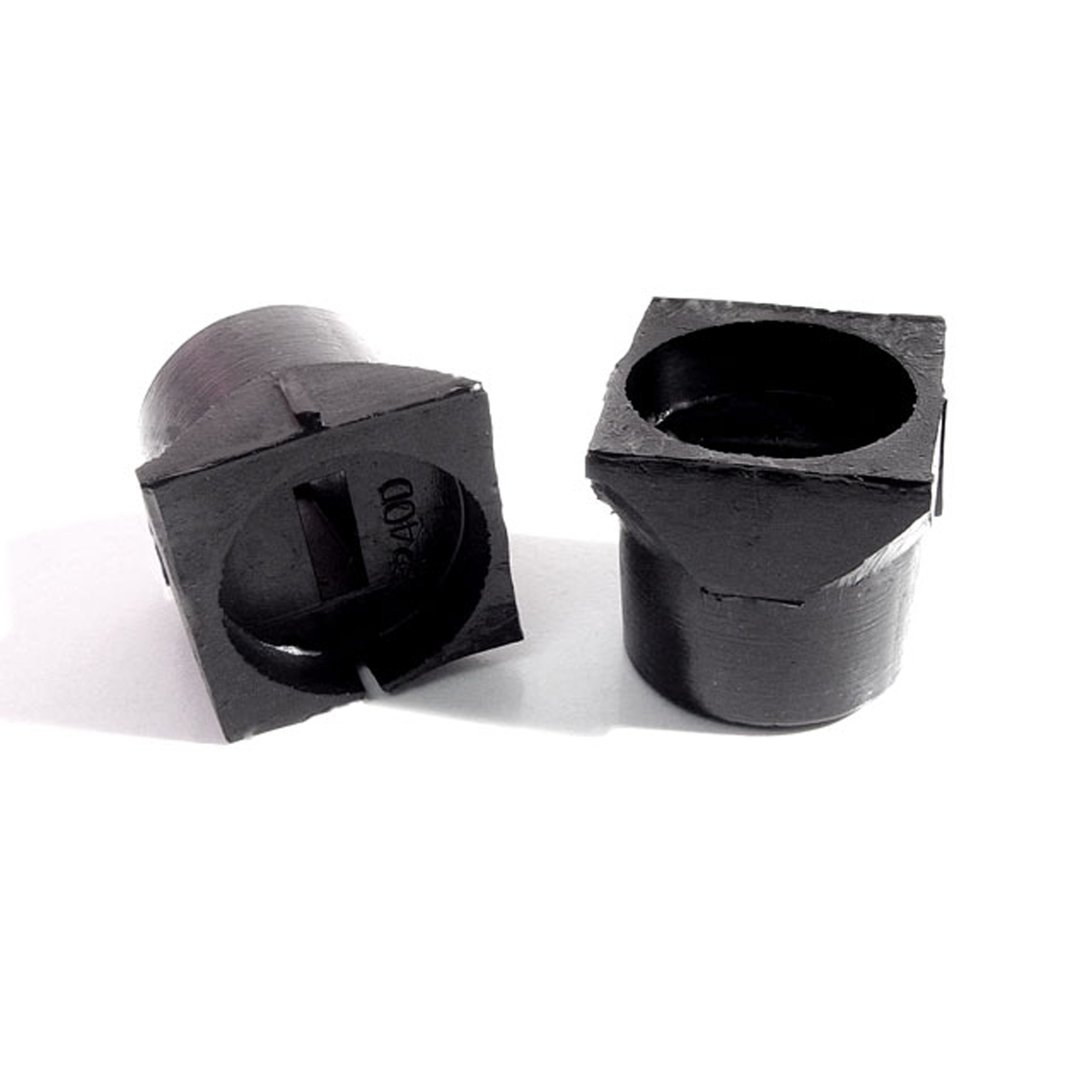 1931 Chrysler Series CD Door Check Rubber Cushion. Each-RP 40-DDoor Check Rubber Cushion. Each
 1931 Chrysler Series CD Rumble Seat Step Plate Pad. Rubber face only, no logo-SP 11Rumble Seat Step Plate Pad. Rubber face only, no logo. 4-1/4" O.D. Each
 1931 Chrysler Series CD Step Plate Pad. Face only. 4-1/4" Diameter Each-SP 16Step Plate Pad. Face only. 4-1/4" Diameter Each
Why Choose Metro?
For over 100 years, Metro Moulded Parts has been the pinnacle of quality in classic car restoration parts. Our commitment to precision and authenticity in every component ensures a perfect fit and an OEM-level appearance.
- Expert Craftsmanship & Quality: Each part is a testament to our dedication to reliability and perfection, crafted from original designs and thoroughly tested.
- Advanced Technology: We use cutting-edge techniques to create flawless, long-lasting parts that surpass others in performance.
- SuperSoft Sponge – The Ultimate Door Seal: Not only are our door seals 30% softer than competitors', but they're also guaranteed to never leak. They effectively reduce wind and road noise, enhancing your classic car's comfort and driving experience.
- Proudly American: Our parts are a product of American craftsmanship, made in the USA with a spirit of excellence and heritage.
- Unrivaled Warranty: We back our products with a 30-year industry-leading warranty, a testament to our confidence in their quality.
Join us in preserving the legacy of classic cars with parts that are crafted for perfection, not just made.