

Image of 1931 Chrysler Series Cj, Note: These illustrations use artistic license and may differ from actual historical models.
Performance Metrics
Fundamental Metrics
Emotional Appeal
MMP Rating
| Engine Specifications | |
|---|---|
| Engine: | Inline 6 |
| Displacement: | 3.2L (195 cu in) |
| Horsepower: | 66-70 HP |
| Torque: | Not available |
| Compression Ratio: | Not available |
| Ignition System: | Battery and coil |
| Cooling System: | Water-cooled |
| Performance Specifications | |
| 0-60 Time: | Not available |
| 1/4 Mile Time: | Not available |
| Top Speed: | 70 mph |
| Transmission and Drive | |
| Drive Type: | Rear-wheel drive |
| Transmission Type: | 3-speed manual |
| Fuel and Efficiency | |
| Fuel System Type: | Carburetor |
| MPG: | Not available |
| Dimensions and Brakes | |
| Brakes: | 4-wheel hydraulic brakes |
| Wheelbase: | 112.75 in |
| Weight: | 2,990 lbs |
Note: Specifications for classic cars are given to the best of our ability, considering the limited and variant data available.
1931 Chrysler Series CJ: A Six-Cylinder Built for the Open Road
The 1931 Chrysler Series CJ brought confident six-cylinder performance, substantial construction, and Chrysler engineering to drivers who wanted more than basic transportation. Built by the Chrysler Corporation under the influence of founder Walter P. Chrysler, the CJ arrived as the American auto industry faced the Great Depression. Its blend of power, comfort, and practical engineering made it a capable touring car at a time when buyers were watching every dollar.
A detail that helps explain the CJ’s appeal is its engine: a smooth-running inline six of about 218.6 cubic inches, producing roughly 72 horsepower. That was a useful amount of power for a full-size car in 1931, especially when paired with a three-speed manual transmission. The CJ was not Chrysler’s lavish flagship, but it gave buyers a taste of the company’s engineering strengths in a more accessible package.
Chrysler CJ Styling and Cabin Details
The Series CJ wore the unmistakable proportions of an early-1930s American automobile. Its tall, upright radiator grille sat between sweeping front fenders, while large round headlamps framed the nose. A long hood, running boards, and rear-mounted spare tire gave the car a formal, purposeful profile. Depending on body style, the rear could look jaunty and open or stately and enclosed.
Inside, the CJ favored durable, well-finished materials over modern convenience. Owners could expect a broad bench seat, a large thin-rimmed steering wheel, clearly arranged instruments, and a substantial dashboard. Upholstery and trim varied by body and specification, with cloth common in closed cars and more weather-resistant finishes suited to open models. The cabin was designed for upright, comfortable travel, not the low, tightly wrapped driving position familiar from later cars.
Factory paint choices varied with body style and production details. Deep blues, greens, maroons, blacks, and two-tone combinations were typical period choices, although exact colors on surviving cars should be verified against original paint evidence or factory records. A dark body with contrasting wheels or trim gives the CJ a particularly striking period-correct appearance.
Chrysler offered the CJ in several body configurations, including sedans, coupes, and open touring or roadster-style models. Closed sedans and coupes suited everyday family and business use, while open cars offered the most theatrical look and the greatest appeal to enthusiasts today. Exact names and availability could differ across the catalog and market, so a specific car’s original body should be identified by its serial and body information rather than appearance alone.
Engineering in a Changing Era
The CJ’s significance lies in how it combined established design with the engineering priorities that were shaping modern motoring. Its inline-six engine offered smoother operation than many four-cylinder cars, and its four-wheel hydraulic brakes provided controlled stopping through a system that was increasingly becoming an industry standard. Chrysler had been an early adopter of hydraulic braking, and by 1931 the technology was an important part of the company’s reputation.
In a period when many cars were still evolving rapidly, the CJ offered a comparatively mature package: a conventional front-engine, rear-wheel-drive layout, a sturdy chassis, and a straightforward manual gearbox. It was not a radical styling or technology landmark on the scale of a later unit-body or automatic-transmission car. Instead, it helped establish the kind of balanced, dependable American six-cylinder car that buyers expected through the 1930s.
Its position in the lineup also mattered. Chrysler was competing in a crowded market during an economic crisis, and the CJ gave the marque a way to offer respectable performance and comfort below its more expensive eight-cylinder models. That combination of practical value and engineering credibility remains central to the car’s character.
Performance and Driving Feel
The CJ’s 218.6-cubic-inch L-head inline six is generally rated at about 72 horsepower. Period gearing, body style, condition, and tire choice all affect real-world performance. A healthy example may reach roughly 65 to 70 mph, while a 0-to-60-mph time is best treated as an estimate, likely in the 25-to-30-second range. These are not modern test figures, and original cars are now nearly a century old, so mechanical condition matters more than a specification-sheet number.
On the road, the six should feel steady and willing rather than quick. The driver works a manual three-speed gearbox and coordinates it with the clutch, while the engine’s measured exhaust note becomes a familiar companion on longer trips. Steering is unassisted and requires more effort at parking speeds than a modern car. At cruising speed, the CJ rewards smooth inputs and a relaxed pace.
Its substantial chassis and tall tires help it absorb ordinary road imperfections, but the suspension is from another era. Large bumps can send motion through the body, and narrow tires, high seating, and a relatively tall profile make gusty crosswinds noticeable. On winding roads, the CJ is best driven with anticipation rather than hurried into corners. Its brakes were a meaningful feature for the time, but stopping distances and pedal feel will not match modern traffic expectations.
Living With a 1931 Chrysler
Today, a Series CJ is most at home as a show car, touring car, or occasional-use collector vehicle. Some owners take their cars to local events and vintage tours, while others preserve them as static displays. It can be driven, but its age, braking limits, lack of modern safety equipment, and the speed of contemporary traffic make regular commuting a poor fit.
Many mechanical systems are relatively understandable to an experienced classic-car mechanic. The engine, gearbox, and chassis use familiar prewar principles, and routine service does not require modern diagnostic equipment. The challenge is often finding correct parts, specialist knowledge, or body-specific components. Before buying, inspect the engine for wear, the cooling system for leaks or overheating, the brake hydraulics for age-related problems, and the frame and body for corrosion or old repairs. A car that has been maintained and carefully sorted is far more enjoyable than a superficially shiny project.
Chrysler CJ Facts and Common Criticisms
The Series CJ’s appeal is rooted in its engineering and period character rather than a widely documented celebrity connection or headline-grabbing speed record. No single famous event is essential to its story; its significance is as a representative Chrysler product from the difficult 1931 model year. Its six-cylinder powerplant and hydraulic brakes are among the features that make it interesting to enthusiasts studying the rapid development of American cars.
Common criticisms are the same ones that apply to many prewar automobiles: slow acceleration by modern standards, heavy steering at low speeds, limited safety protection, and a need for frequent attention compared with a contemporary car. Closed body styles can also feel warm in summer, while open cars require careful planning around weather. These drawbacks are part of the ownership equation, not defects that can be solved by a simple tune-up.
Collector Value and Rarity
Surviving Series CJs are uncommon, and availability depends heavily on body style and condition. There is no widely cited, dependable production total for every CJ body configuration. As a working estimate rather than a confirmed factory figure, total production may have been around 25,000 cars, with surviving examples representing only a small fraction of that number. A particular open body or unusually original car will generally be harder to find than a more conventional sedan.
As a broad 2026 U.S. market guide, a major project might sell for about $5,000 to $12,000, while a running but imperfect car could fall around $12,000 to $25,000. A well-restored, usable example may bring roughly $25,000 to $45,000, with especially attractive or rare body styles potentially exceeding that range. These are estimates, not guaranteed appraisals. Provenance, originality, restoration quality, and the availability of matching components can all move a price substantially.
Values for prewar cars tend to be selective rather than uniformly rising. Exceptional, documented examples can hold strong interest, but less distinctive cars may take time to sell, and restoration costs can exceed market value. Buyers should prioritize condition and authenticity over the assumption that rarity alone guarantees appreciation.
Why the 1931 Chrysler Series CJ Still Matters
The 1931 Chrysler Series CJ captures a pivotal moment in American motoring: a time when manufacturers were refining practical engineering while the Great Depression reshaped what buyers could afford. Its six-cylinder engine, hydraulic brakes, sturdy construction, and varied body styles made it a capable and appealing car in its day. Nearly a century later, the CJ remains a rewarding window into Chrysler’s early reputation for engineering, and a reminder that a great classic is not always the fastest or rarest car on the road. Sometimes its lasting charm is simply the way it makes every mile feel like a journey.
1931 Chrysler Series Cj Catalog of Parts
 1931 Chrysler Series CJ Clutch and Brake Pedal Pads. 2-5/8" wide X 3-3/4" long-CB 26Clutch and Brake Pedal Pads. 2-5/8" wide X 3-3/4" long. Pair
 1931 Chrysler Series CJ Clutch and Brake Pedal Pads, Black-CB 28-AClutch and Brake Pedal Pads, Black. 2-3/8" wide X 3-7/8" long. Pair
 1931 Chrysler Series CJ Clutch and Brake Pedal Pads, Brown-CB 28-BClutch and Brake Pedal Pads, Brown. 2-3/8" wide X 3-7/8" long. Pair
 1931 Chrysler Series CJ Door Jamb Bumper. Perfect reproduction-DB 36Door Jamb Bumper. Perfect reproduction. 1-1/16" high X 1-1/4" wide X 7/16" thick. Each
 1931 Chrysler Series CJ Door Jamb Bumper. Fully detailed reproduction-DB 38Door Jamb Bumper. Fully detailed reproduction. 15/16" high X 1-9/16" wide X 7/16" thick. Each
 1931 Chrysler Series CJ Door Bumper. 1-7/16" high X 1-9/16" wide X 9/16" thick-DB 7Door Bumper. 1-7/16" high X 1-9/16" wide X 9/16" thick. Each
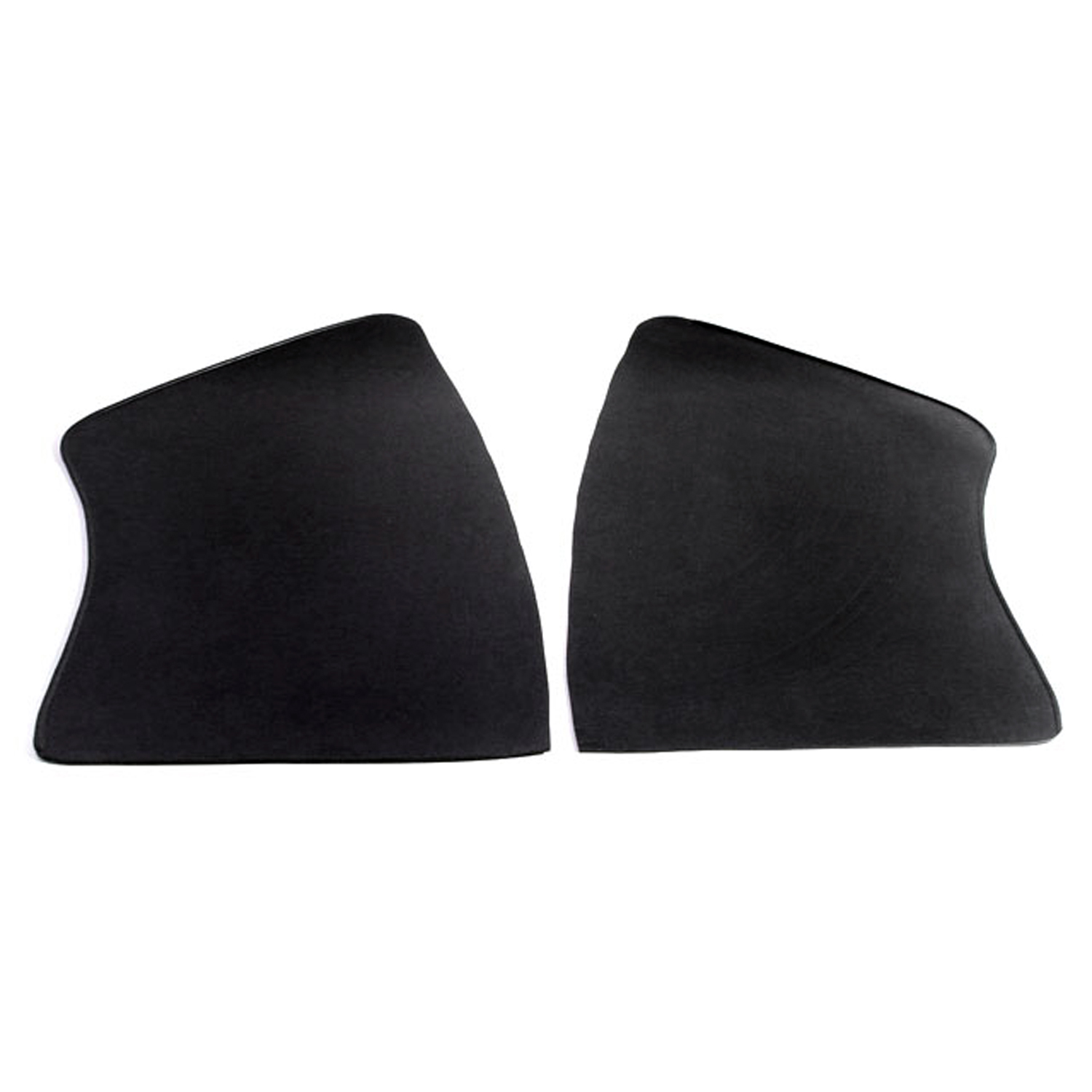 1931 Chrysler Series CJ Gravel Shields. Molded flat without metal backing plates-FS 31Gravel Shields. Molded flat without metal backing plates. Apply with contact cement. 18" long X 9-3/4" wide at bottom. Pair
 1931 Chrysler Series CJ Hood Corners. Fits flat corners-HC 19Hood Corners. Fits flat corners. 80° angle, 1/4" to 3/8" corner radius. 1-3/8" wide. Pair
 1931 Chrysler Series CJ Windshield Post Bases. Pair R&L-MB 14Windshield Post Bases. Pair R&L
 1931 Chrysler Series CJ Windshield Post Pads. 3" wide X 2-1/2" long. Pair-MP 552-BWindshield Post Pads. 3" wide X 2-1/2" long. Pair
 1931 Chrysler Series CJ Rumble Seat Step-Plate Bracket Pad. 3-1/4" X 3-1/4". Each-MP 553Rumble Seat Step-Plate Bracket Pad. 3-1/4" X 3-1/4". Each
 1931 Chrysler Series CJ Tail-light Pads. 2-1/2" wide X 4-5/8" long. Pair-MP 555Tail-light Pads. 2-1/2" wide X 4-5/8" long. Pair
 1931 Chrysler Series CJ Headlight Bar Pads. 1-5/8" wide X 5" long. Pair-MP 560Headlight Bar Pads. 1-5/8" wide X 5" long. Pair
 1931 Chrysler Series CJ Headlight Bar Pads. 1-5/8" wide X 4-3/4" long. Pair-MP 567Headlight Bar Pads. 1-5/8" wide X 4-3/4" long. Pair
 1931 Chrysler Series CJ Tail-light Pads. 2-5/8" wide X 4-5/8" long. Pair-MP 570Tail-light Pads. 2-5/8" wide X 4-5/8" long. Pair
 1931 Chrysler Series CJ Door Lock Pad. 1-1/4" O.D. Each-MP 576Door Lock Pad. 1-1/4" O.D. Each
 1931 Chrysler Series CJ Tail-light, Rumble Seat Bracket Pad-MP 580Tail-light, Rumble Seat Bracket Pad. 3-3/4" wide X 3-1/4" long. Each
 1931 Chrysler Series CJ Door Handle Pads. 1-5/8" wide X 2-1/2" long. Pair-MP 581Door Handle Pads. 1-5/8" wide X 2-1/2" long. Pair
 1931 Chrysler Series CJ Radiator to Fender Pads. 2" wide X 8-1/8" long. Pair-MP 590Radiator to Fender Pads. 2" wide X 8-1/8" long. Pair
 1931 Chrysler Series CJ Tail-light Pads. 6" long. Pair-MP 590-BTail-light Pads. 6" long. Pair
 1931 Chrysler Series CJ Radiator to Fender Pads. 2-1/2" wide X 12" long. Pair R&L-MP 600Radiator to Fender Pads. 2-1/2" wide X 12" long. Pair R&L
 1931 Chrysler Series CJ Tail-light Bracket Pad. 2-1/4" O.D. Each-MP 603-ATail-light Bracket Pad. 2-1/4" O.D. Each
 1931 Chrysler Series CJ Rumble Seat Handle Pad. 1-1/2" wide X 2-1/4" long. Each-MP 603-CRumble Seat Handle Pad. 1-1/2" wide X 2-1/4" long. Each
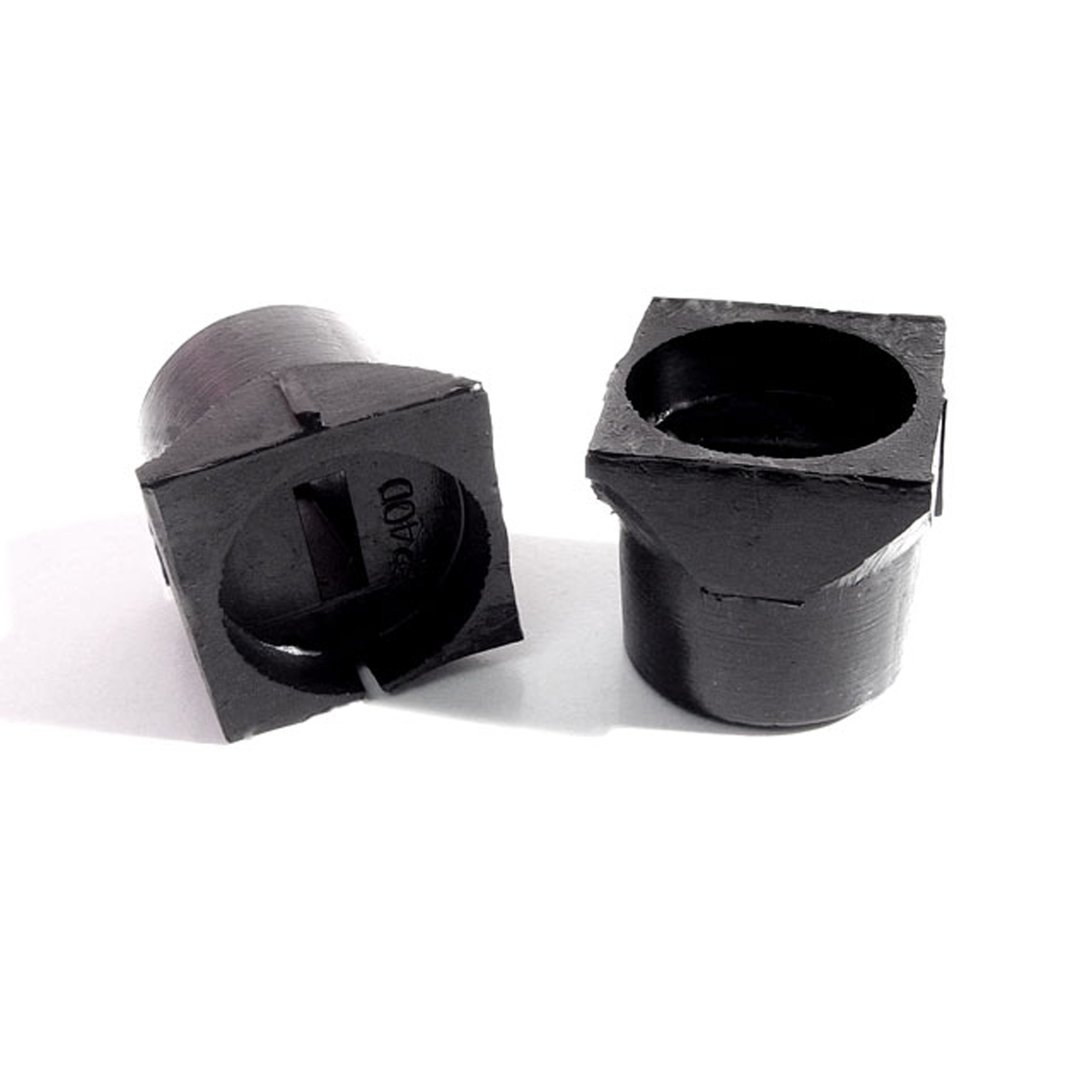 1931 Chrysler Series CJ Door Check Rubber Cushion. Each-RP 40-DDoor Check Rubber Cushion. Each
 1931 Chrysler Series CJ Rumble Seat Step Plate Pad. Rubber face only, no logo-SP 11Rumble Seat Step Plate Pad. Rubber face only, no logo. 4-1/4" O.D. Each
 1931 Chrysler Series CJ Step Plate Pad. Face only. 4-1/4" Diameter Each-SP 16Step Plate Pad. Face only. 4-1/4" Diameter Each
Why Choose Metro?
For over 100 years, Metro Moulded Parts has been the pinnacle of quality in classic car restoration parts. Our commitment to precision and authenticity in every component ensures a perfect fit and an OEM-level appearance.
- Expert Craftsmanship & Quality: Each part is a testament to our dedication to reliability and perfection, crafted from original designs and thoroughly tested.
- Advanced Technology: We use cutting-edge techniques to create flawless, long-lasting parts that surpass others in performance.
- SuperSoft Sponge – The Ultimate Door Seal: Not only are our door seals 30% softer than competitors', but they're also guaranteed to never leak. They effectively reduce wind and road noise, enhancing your classic car's comfort and driving experience.
- Proudly American: Our parts are a product of American craftsmanship, made in the USA with a spirit of excellence and heritage.
- Unrivaled Warranty: We back our products with a 30-year industry-leading warranty, a testament to our confidence in their quality.
Join us in preserving the legacy of classic cars with parts that are crafted for perfection, not just made.