

Image of 1931 Chrysler Series Six Cm, Note: These illustrations use artistic license and may differ from actual historical models.
Performance Metrics
Fundamental Metrics
Emotional Appeal
MMP Rating
| Engine Specifications | |
|---|---|
| Engine: | Inline 6 |
| Displacement: | 3.6L (218.6 cubic inches) |
| Horsepower: | 75-85 HP |
| Torque: | Estimated 130-140 lb-ft |
| Compression Ratio: | Estimated 4.5:1 |
| Ignition System: | Battery and coil |
| Cooling System: | Water-cooled |
| Performance Specifications | |
| 0-60 Time: | Information not available |
| 1/4 Mile Time: | Information not available |
| Top Speed: | 70-75 mph |
| Transmission and Drive | |
| Drive Type: | Rear-wheel drive |
| Transmission Type: | 3-speed manual |
| Fuel and Efficiency | |
| Fuel System Type: | Carburetor |
| MPG: | Information not available |
| Dimensions and Brakes | |
| Brakes: | 4-wheel hydraulic brakes |
| Wheelbase: | 112 inches |
| Weight: | 2,900 lbs |
Note: Specifications for classic cars are given to the best of our ability, considering the limited and variant data available.
1931 Chrysler Series CM: A Six-Cylinder from a Pivotal Year
The 1931 Chrysler Series CM brought a useful blend of smooth six-cylinder power, thoughtful engineering, and formal prewar style to a motor industry struggling through the Great Depression. Built by the Chrysler Corporation in Detroit, the CM sat in the company’s six-cylinder range, below its more expensive straight-eight models. Its 240-cubic-inch engine and substantial, carefully finished body made it a serious car rather than a bare-bones economy model.
Chrysler had been founded by Walter P. Chrysler in 1925, and by the early 1930s the company had built a reputation for engineering-led cars. The CM arrived as buyers were becoming cautious about spending, so it had to offer real value without sacrificing the qualities that made a Chrysler feel substantial. One detail that captures the era’s mix of practicality and polish: the CM could be ordered in body styles ranging from closed sedans to open cars, including versions with a rumble seat for extra passengers.
Art Deco Proportions and Period Craftsmanship
The CM wears the confident proportions typical of an American car at the start of the 1930s. Its tall, upright radiator grille and long hood give the front end a formal presence, while rounded fenders sweep over narrow tires. Separate headlamps, running boards, and a rear-mounted spare tire add to the unmistakably prewar silhouette. It is not as streamlined as the cars that would follow later in the decade, but its curves and carefully balanced body lines already point toward a more integrated style.
Inside, the experience depended on body style and trim level, but the CM was designed to feel well appointed for its class. Expect a broad bench seat, a large steering wheel, clear instrument dials, and substantial interior trim. Materials and finishes varied, but upholstery, carpeting, and polished or plated details helped distinguish a Chrysler from a more basic low-priced car. Today, surviving interiors may have been retrimmed, so original material patterns and hardware are worth checking during an inspection.
Factory paint choices varied by body and production specification. Period colors could include dark, restrained shades such as black, blue, green, maroon, and gray, often paired with contrasting trim or accent details. Black remains a familiar choice on restored examples, though period-appropriate color combinations can make a CM stand out at a show.
Chrysler offered the CM in several body configurations, with closed sedans appealing to families and business owners. Coupes and roadster-style bodies gave the car a sportier look, while rumble-seat versions added occasional rear seating beneath a folding lid. Exact availability and trim could vary by catalog and market, so a car’s body tag and factory documentation are the best guides to its original configuration.
Engineering in a Tough Automotive Climate
The Series CM’s importance is not that it introduced one revolutionary feature. Rather, it shows how Chrysler applied solid engineering to a mainstream six-cylinder car at a time when the company needed to make every sale count. Its relatively large L-head engine, sturdy chassis, and four-wheel hydraulic braking system gave buyers a substantial package with technology that was still not universal across the industry.
Chrysler had already established a reputation for technical innovation, including early adoption of hydraulic brakes across its cars. The CM benefited from that broader engineering culture. Its combination of a conventional, serviceable engine and modern-for-the-period braking helped make it a capable road car, while its styling and finish kept it competitive against other American makes.
The car also reflects the wider transition from the upright, individually detailed automobiles of the 1920s toward the smoother, more unified designs of the 1930s. Its separate fenders and running boards are unmistakably period, but its body lines have a degree of flow that gives it more visual grace than many earlier cars.
Six-Cylinder Performance and Road Manners
The CM used a 240.3-cubic-inch L-head inline-six, generally listed at about 77 horsepower, paired with a three-speed manual transmission. Period gearing, tire condition, body style, and mechanical state all affect performance. A healthy example is often quoted as having a top speed in the neighborhood of 70 to 75 mph, though sustained high-speed driving is not its natural role today.
There is no single dependable factory 0-to-60 mph figure for every CM body style. As a modern estimate, a sound car would likely take roughly 20 to 25 seconds to reach 60 mph, with heavier sedans toward the slower end. Those figures should be treated as approximations, not as a substitute for a period road test or a test of a particular car.
On the road, the six-cylinder engine delivers its power in a relaxed, steady way rather than with a sharp burst of acceleration. The driver works the manual gearbox and plans overtakes well ahead. The engine’s sound is a subdued mechanical hum, becoming more pronounced under load, while the long chassis and substantial body produce a measured, easygoing ride on decent pavement.
On rough roads, the CM’s period suspension can absorb ordinary bumps, but it will not feel as controlled as a modern car. Narrow tires, a high center of gravity, and vintage steering call for smooth inputs, especially on winding roads or in crosswinds. Properly adjusted brakes and tight steering components matter enormously. A well-maintained CM feels composed for its age; a worn one can wander, rattle, or demand far more effort from the driver.
Owning and Maintaining a Chrysler CM
Most surviving Series CMs are now used for touring, local events, museum displays, and collector-car shows rather than daily transportation. Their relaxed pace suits scenic drives and vintage motoring gatherings. The open body styles have strong visual appeal, while sedans can offer more weather protection and passenger space.
The side-valve six is mechanically straightforward by vintage-car standards, and experienced home mechanics can handle many routine jobs. Ignition, carburetion, cooling, lubrication, and mechanical adjustments are familiar work for a specialist in prewar cars. The bigger challenge is often finding the right parts, body hardware, interior fittings, or trim. Chrysler-specific pieces may take more searching than common parts for a mass-produced Ford, and restoration work can become expensive if a car is incomplete.
Before buying, inspect the frame and body structure for corrosion or old repairs, check the engine for oil pressure and cooling problems, and test the transmission and brakes carefully. Also look for missing identification plates and confirm that the engine and body match the car’s documentation where records are available. A car that has been stored for years may need a full recommissioning even if it appears cosmetically attractive.
CM Trivia, Reputation, and Common Complaints
“CM” is Chrysler’s series designation, not a special performance package. The car’s six-cylinder layout also made it a more approachable entry into the Chrysler range than the company’s pricier straight-eight offerings. That balance of manageable running gear and upscale presentation is part of the CM’s appeal today.
The Series CM is not generally associated with a major speed record, a famous endurance run, or a single celebrity-owned example that defines its history. Its significance is quieter: it represents the kind of capable, well-engineered American car Chrysler continued to build during a punishing economic downturn. Exact production totals for the CM are not consistently reported in commonly available references. A reasonable working estimate is in the tens of thousands, but that should be treated as an informed approximation rather than a verified factory figure.
Common criticisms are typical of cars from this period. The CM is slow by modern standards, its steering and braking require anticipation, and its age makes parts sourcing a real consideration. Buyers should also be wary of restorations that look polished but hide structural corrosion or poorly repaired mechanical systems. For many enthusiasts, however, those trade-offs are part of the appeal of driving a genuine prewar automobile.
Collector Values and Availability
Values depend heavily on body style, originality, restoration quality, and whether the car is complete and roadworthy. As a broad 2026 market estimate, a project or rough driver might fall around $8,000 to $18,000. A usable, presentable sedan could bring roughly $18,000 to $35,000, while a high-quality restoration may reach about $35,000 to $60,000. Desirable open or rumble-seat examples can exceed that range, particularly when exceptionally restored and well documented.
These are guide prices, not guaranteed sale values. Auction results, regional demand, and restoration costs can shift the numbers considerably. Like many prewar cars, a CM is not automatically a strong short-term investment. The best examples may appreciate gradually as well-preserved cars become harder to find, but maintenance and restoration expenses can easily outweigh gains. The collector who buys one for its history, appearance, and driving experience is usually better placed than someone counting on a quick profit.
Complete, original cars are increasingly scarce, even if the CM is not among the rarest prewar Chryslers. They appear on the market less often than common postwar classics, and the condition of any individual example matters more than a broad production estimate.
Why the 1931 Chrysler Series CM Still Matters
The 1931 Chrysler Series CM combines a substantial six-cylinder engine, hydraulic brakes, thoughtful engineering, and handsome prewar styling in a car built during one of the hardest periods in American automotive history. It is not a sports car, and it does not pretend to be one. Its strengths are steady performance, period craftsmanship, and the sense of occasion that comes with a carefully maintained early-1930s automobile.
For collectors, the CM offers a rewarding way into Chrysler’s engineering heritage without stepping directly into the expense and complexity of a flagship straight-eight. On the road, it asks for patience and attention, then repays both with a distinctive view of motoring from another age. That combination makes the Series CM more than a handsome survivor: it is a rolling reminder of how Chrysler kept building purposeful cars when the future looked anything but certain.
1931 Chrysler Series Six Cm Catalog of Parts
 1931 Chrysler Series Six CM Clutch and Brake Pedal Pads. 2-5/8" wide X 3-3/4" long-CB 26Clutch and Brake Pedal Pads. 2-5/8" wide X 3-3/4" long. Pair
 1931 Chrysler Series Six CM Clutch and Brake Pedal Pads, Black-CB 28-AClutch and Brake Pedal Pads, Black. 2-3/8" wide X 3-7/8" long. Pair
 1931 Chrysler Series Six CM Clutch and Brake Pedal Pads, Brown-CB 28-BClutch and Brake Pedal Pads, Brown. 2-3/8" wide X 3-7/8" long. Pair
 1931 Chrysler Series Six CM Door Jamb Bumper. Perfect reproduction-DB 36Door Jamb Bumper. Perfect reproduction. 1-1/16" high X 1-1/4" wide X 7/16" thick. Each
 1931 Chrysler Series Six CM Door Jamb Bumper. Fully detailed reproduction-DB 38Door Jamb Bumper. Fully detailed reproduction. 15/16" high X 1-9/16" wide X 7/16" thick. Each
 1931 Chrysler Series Six CM Door Bumper. 1-7/16" high X 1-9/16" wide X 9/16" thick-DB 7Door Bumper. 1-7/16" high X 1-9/16" wide X 9/16" thick. Each
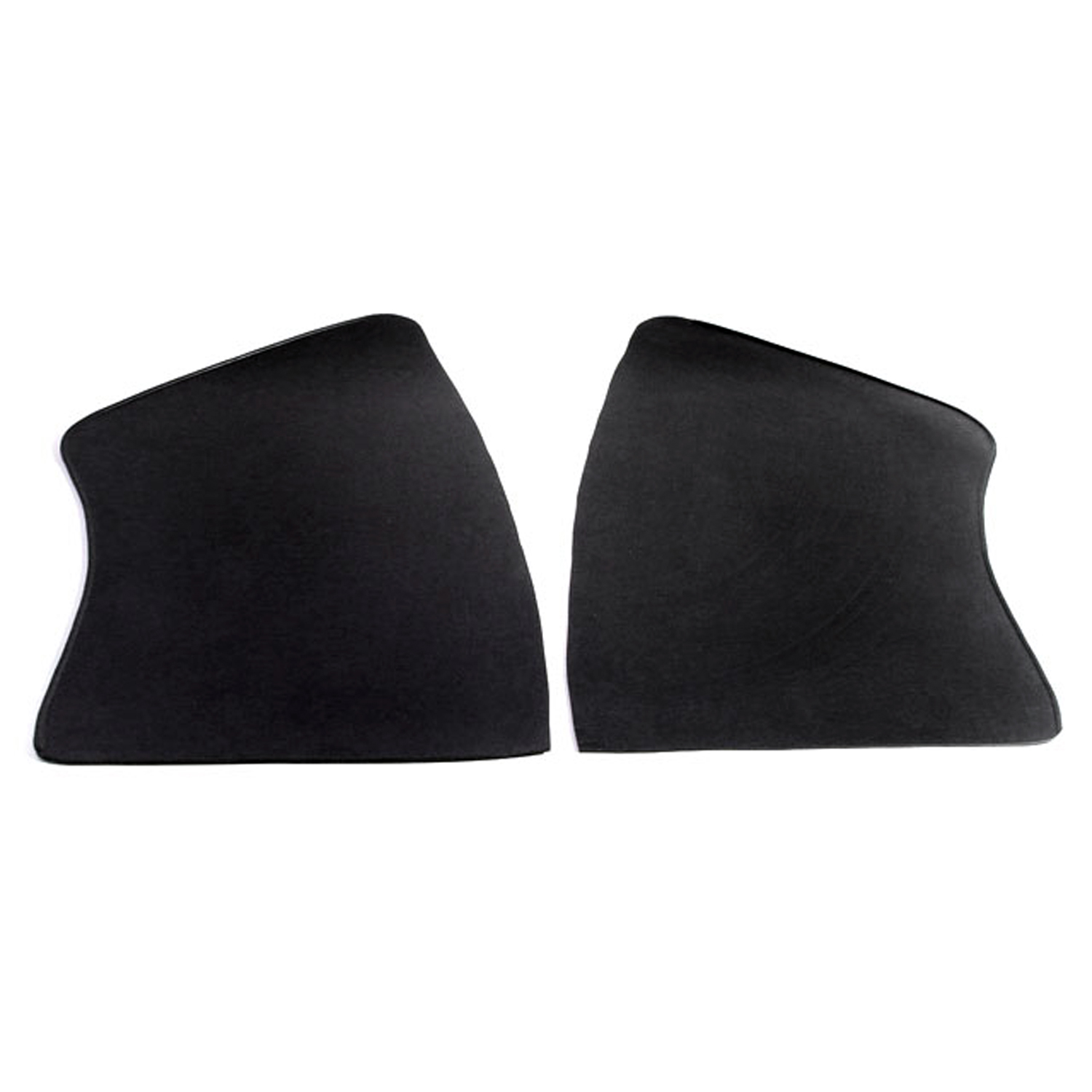 1931 Chrysler Series Six CM Gravel Shields. Molded flat without metal backing plates-FS 31Gravel Shields. Molded flat without metal backing plates. Apply with contact cement. 18" long X 9-3/4" wide at bottom. Pair
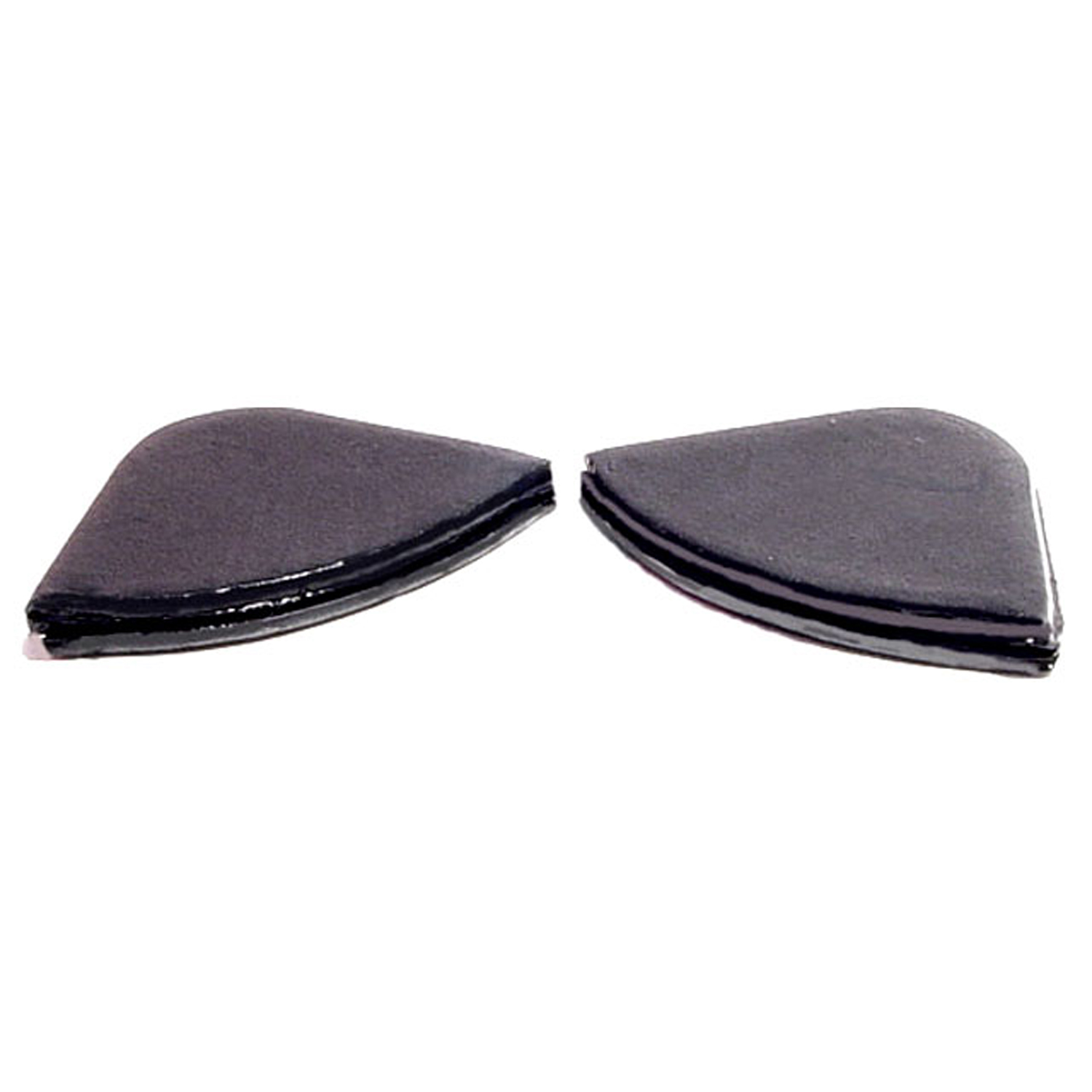 1931 Chrysler Series Six CM Hood Corners. Fits flat corners-HC 19Hood Corners. Fits flat corners. 80° angle, 1/4" to 3/8" corner radius. 1-3/8" wide. Pair
 1931 Chrysler Series Six CM Windshield Post Bases. Pair R&L-MB 14Windshield Post Bases. Pair R&L
 1931 Chrysler Series Six CM Windshield Post Pads. 3" wide X 2-1/2" long. Pair-MP 552-BWindshield Post Pads. 3" wide X 2-1/2" long. Pair
 1931 Chrysler Series Six CM Rumble Seat Step-Plate Bracket Pad. 3-1/4" X 3-1/4". Each-MP 553Rumble Seat Step-Plate Bracket Pad. 3-1/4" X 3-1/4". Each
 1931 Chrysler Series Six CM Tail-light Pads. 2-1/2" wide X 4-5/8" long. Pair-MP 555Tail-light Pads. 2-1/2" wide X 4-5/8" long. Pair
 1931 Chrysler Series Six CM Headlight Bar Pads. 1-5/8" wide X 5" long. Pair-MP 560Headlight Bar Pads. 1-5/8" wide X 5" long. Pair
 1931 Chrysler Series Six CM Headlight Bar Pads. 1-5/8" wide X 4-3/4" long. Pair-MP 567Headlight Bar Pads. 1-5/8" wide X 4-3/4" long. Pair
 1931 Chrysler Series Six CM Tail-light Pads. 2-5/8" wide X 4-5/8" long. Pair-MP 570Tail-light Pads. 2-5/8" wide X 4-5/8" long. Pair
 1931 Chrysler Series Six CM Door Lock Pad. 1-1/4" O.D. Each-MP 576Door Lock Pad. 1-1/4" O.D. Each
 1931 Chrysler Series Six CM Tail-light, Rumble Seat Bracket Pad-MP 580Tail-light, Rumble Seat Bracket Pad. 3-3/4" wide X 3-1/4" long. Each
 1931 Chrysler Series Six CM Door Handle Pads. 1-5/8" wide X 2-1/2" long. Pair-MP 581Door Handle Pads. 1-5/8" wide X 2-1/2" long. Pair
 1931 Chrysler Series Six CM Radiator to Fender Pads. 2" wide X 8-1/8" long. Pair-MP 590Radiator to Fender Pads. 2" wide X 8-1/8" long. Pair
 1931 Chrysler Series Six CM Tail-light Pads. 6" long. Pair-MP 590-BTail-light Pads. 6" long. Pair
 1931 Chrysler Series Six CM Radiator to Fender Pads. 2-1/2" wide X 12" long. Pair R&L-MP 600Radiator to Fender Pads. 2-1/2" wide X 12" long. Pair R&L
 1931 Chrysler Series Six CM Tail-light Bracket Pad. 2-1/4" O.D. Each-MP 603-ATail-light Bracket Pad. 2-1/4" O.D. Each
 1931 Chrysler Series Six CM Rumble Seat Handle Pad. 1-1/2" wide X 2-1/4" long. Each-MP 603-CRumble Seat Handle Pad. 1-1/2" wide X 2-1/4" long. Each
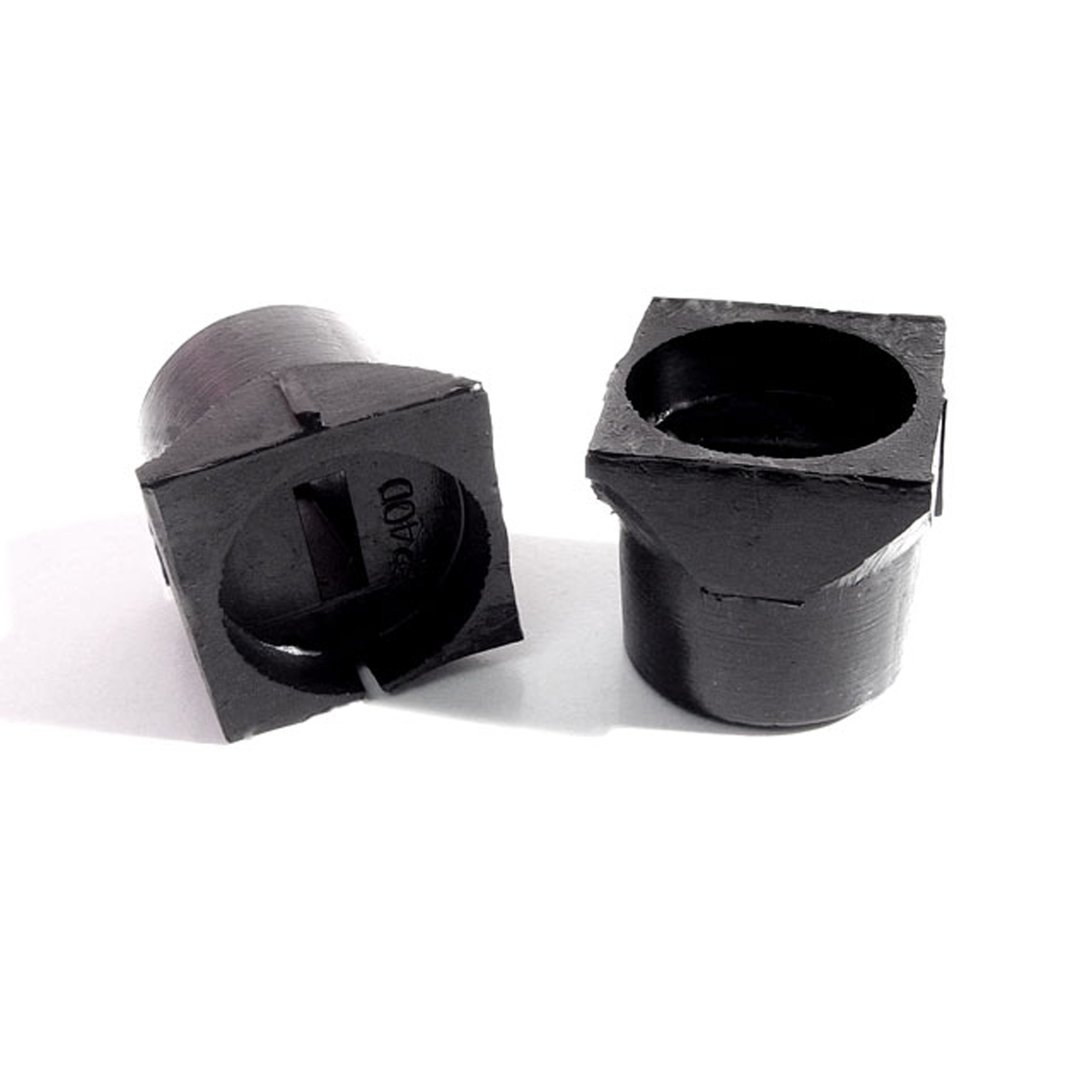 1931 Chrysler Series Six CM Door Check Rubber Cushion. Each-RP 40-DDoor Check Rubber Cushion. Each
 1931 Chrysler Series Six CM Rumble Seat Step Plate Pad. Rubber face only, no logo-SP 11Rumble Seat Step Plate Pad. Rubber face only, no logo. 4-1/4" O.D. Each
 1931 Chrysler Series Six CM Step Plate Pad. Face only. 4-1/4" Diameter Each-SP 16Step Plate Pad. Face only. 4-1/4" Diameter Each
Why Choose Metro?
For over 100 years, Metro Moulded Parts has been the pinnacle of quality in classic car restoration parts. Our commitment to precision and authenticity in every component ensures a perfect fit and an OEM-level appearance.
- Expert Craftsmanship & Quality: Each part is a testament to our dedication to reliability and perfection, crafted from original designs and thoroughly tested.
- Advanced Technology: We use cutting-edge techniques to create flawless, long-lasting parts that surpass others in performance.
- SuperSoft Sponge – The Ultimate Door Seal: Not only are our door seals 30% softer than competitors', but they're also guaranteed to never leak. They effectively reduce wind and road noise, enhancing your classic car's comfort and driving experience.
- Proudly American: Our parts are a product of American craftsmanship, made in the USA with a spirit of excellence and heritage.
- Unrivaled Warranty: We back our products with a 30-year industry-leading warranty, a testament to our confidence in their quality.
Join us in preserving the legacy of classic cars with parts that are crafted for perfection, not just made.