

Image of 1932 Chrysler Imperial Custom Series Cl, Note: These illustrations use artistic license and may differ from actual historical models.
Performance Metrics
Fundamental Metrics
Emotional Appeal
MMP Rating
| Engine Specifications | |
|---|---|
| Engine Options: | Straight-8 |
| Displacement Range: | 384.84 cubic inches (approximately 6.3 liters) |
| Horsepower Range: | 125 HP |
| Torque: | Not available |
| Compression Ratio: | Not available |
| Ignition System: | Battery and coil |
| Cooling System: | Water-cooled |
| Performance Specifications | |
| 0-60 Time: | Not available |
| 1/4 Mile Time: | Not available |
| Top Speed: | 96 mph |
| Transmission and Drive | |
| Drive Type: | Rear-wheel drive |
| Transmission Type: | 4-speed manual |
| Fuel and Efficiency | |
| Fuel System Type: | Carburetor |
| MPG: | Not available |
| Dimensions and Brakes | |
| Brakes: | 4-wheel hydraulic drum brakes |
| Wheelbase: | 146 inches |
| Weight: | 5,000 lbs |
Note: Specifications for classic cars are given to the best of our ability, considering the limited and variant data available.
1932 Chrysler Imperial Custom CL: Chrysler’s Flagship
The 1932 Chrysler Imperial Custom CL was built to make a statement before its engine was even started. Long, low for its era, and richly detailed, it was Chrysler’s top-of-the-line automobile, created for buyers who wanted the prestige of a coachbuilt luxury car with the engineering of a major American manufacturer.
Produced by the Chrysler Corporation, the CL was the most exclusive member of Chrysler’s 1932 Imperial range. Its 145-inch wheelbase gave it the proportions of a formal luxury car, while its 384.8-cubic-inch straight-eight delivered power suited to long-distance touring. Many bodies were designed and built by LeBaron, the respected coachbuilding firm that supplied elegant custom work for several leading American marques.
The CL arrived during the Great Depression, when demand for expensive cars had sharply contracted. That makes its existence remarkable: Chrysler continued to build an imposing, technically sophisticated flagship even as the market for luxury automobiles became exceptionally small. Its combination of scale, craftsmanship, and engineering helped establish the Imperial name as a serious rival to the great American luxury cars of the period.
Art Deco Lines and Coachbuilt Style
The Imperial Custom CL has the commanding proportions expected of a 1930s prestige car. Its long hood stretches ahead of a tall, carefully shaped radiator grille, while sweeping front fenders frame the large wire wheels. The upright windshield, running boards, and rear-mounted spare tires preserve the formal character of the era. Details such as brightwork, hood louvers, and the shape of the lamps vary with body style, giving each car its own personality.
Rather than relying on one universal body, Chrysler offered the CL in a range of configurations, including open phaetons and roadsters, coupes, convertibles, sedans, and limousine-style bodies. LeBaron-designed cars are especially admired for their tailored proportions and fine detailing. The dual-cowl phaeton is among the most visually striking versions: its front and rear passengers sit in separate open cockpits, with a second windshield for the rear compartment. Closed sedans and limousines, meanwhile, emphasized privacy and formal comfort.
Inside, the CL was finished as a luxury automobile, not a basic transport. Depending on the body and original specification, passengers could find carefully fitted upholstery, polished wood trim, quality carpeting, elegant instruments, and substantial seating. Open cars offered a more direct connection to the road and weather; enclosed models provided a quieter, more sheltered cabin. Materials and finish could differ from car to car, particularly where a coachbuilder’s custom work was involved.
Paint was another opportunity to personalize the car. Period buyers could choose from a range of colors and combinations, with dark, dignified tones well suited to formal sedans and brighter or contrasting schemes adding flair to open cars. Because specifications differed by body and order, it is safer to think of the CL’s colors as a palette of period choices rather than a single definitive list. Today, carefully restored two-tone examples often make the car’s sweeping fenders and long bodywork especially vivid.
Engineering Ahead of Its Time
The CL’s defining mechanical feature was its large L-head, or flathead, straight-eight engine. With 384.8 cubic inches and approximately 125 horsepower, it was a substantial powerplant for 1932. A three-speed manual transmission sent power to the rear wheels. Four-wheel hydraulic brakes were another important part of the package, giving the driver more consistent braking than the mechanical systems still found on some cars of the period.
Chrysler also used its Floating Power engine-mounting system, introduced in the early 1930s. The design isolated much of the engine’s vibration from the chassis, helping the car feel smoother at idle and on the move. These features did not make the CL modern by today’s standards, but they show that Chrysler’s flagship was more than a large body wrapped around a powerful engine. It reflected the company’s willingness to use engineering improvements to elevate comfort as well as performance.
Why the Imperial CL Mattered
The Imperial Custom CL helped demonstrate that Chrysler could compete in the American luxury-car field with far more than size and ornament. Its long wheelbase, eight-cylinder power, hydraulic braking, and coachbuilt bodies brought together comfort, presence, and serious engineering. The use of outside coachbuilding expertise also gave buyers a degree of individuality that mass-produced cars could not match.
Its influence is best understood as part of a broader shift in the luxury market. By the early 1930s, customers expected a prestigious car to deliver both refinement and technical sophistication. The CL answered that expectation with a smooth straight-eight, a carefully isolated engine, and bodies that could be tailored to different tastes and uses. It remains a notable example of Chrysler’s ambition during an especially difficult moment for the automobile industry.
Performance and Road Manners
Period performance figures vary by body style, equipment, and test conditions. A sound, correctly tuned CL is generally credited with a top speed in the neighborhood of 90 to 100 mph. Reaching 60 mph was a much more leisurely affair than it is in a modern car; a rough estimate is around 20 to 25 seconds. Treat that acceleration figure as an approximation, not a guaranteed factory specification, since the car’s substantial weight and individual condition make a meaningful difference.
On a smooth road, the Imperial’s long wheelbase and generous proportions suit relaxed, steady touring. The straight-eight delivers its power in a broad, unhurried way, and the Floating Power mounts help reduce vibration. Over broken pavement, the car’s size and period suspension mean occupants still feel sharp bumps, even if the ride is generally more composed than that of a smaller contemporary automobile.
On winding roads, the CL asks for patience. Its steering, brakes, tires, and high center of gravity belong to another era, so it is best driven with anticipation rather than hurried through corners. The experience is less about aggressive handling than about the feel of a substantial machine: the soft mechanical hum of the eight-cylinder engine, the deliberate movement of the gear lever, and the need to plan braking and turns well in advance.
Living With a 1932 Imperial
Today, the CL is primarily a collector car, show car, or special-occasion touring automobile. Its size, age, and rarity make it impractical as a daily driver. Owners may take a well-prepared example to concours events, club gatherings, historic tours, or carefully planned local drives, where the car can be enjoyed without asking it to perform like modern traffic.
Maintenance calls for specialist knowledge and a supply of period-correct parts. Routine work on the engine, ignition, and chassis is manageable for an experienced mechanic, but restoration can be demanding. The coachbuilt body, trim, hydraulic brakes, and original interior may require custom fabrication or the help of marque specialists. Reliability depends heavily on the quality of previous maintenance and restoration. A sound CL can tour, but an overlooked one can quickly turn into a major project.
For prospective owners, pre-purchase inspection is essential. Check the chassis and body structure for corrosion or old repairs, assess the engine’s condition, inspect the braking system carefully, and confirm whether important components are original or reproduced. On a car this rare, documentation and restoration records can significantly affect both confidence and value.
Rare Details and Common Criticisms
One of the CL’s most appealing facts is that two examples need not be quite alike. Body style, coachbuilding details, paint, upholstery, and equipment can create meaningful differences among cars carrying the same model designation. The dual-cowl phaeton stands out as an especially theatrical open-body design, while formal sedans and limousines show the CL’s more stately side.
There is no widely recognized speed or endurance record that defines the 1932 CL, and it is not principally remembered for racing. Its distinction is its role as a high-end Chrysler flagship during the Depression and the craftsmanship of its surviving coachbuilt examples. Exact production figures are difficult to pin down, but a reasonable estimate is around 1,000 cars, with the actual total depending on how surviving records classify body styles and production.
The same features that make the car impressive can also be drawbacks. Its sheer length makes parking and tight turns challenging, the manual transmission and period controls require practice, and parts for unique bodywork can be expensive. It is also slower and less secure in modern traffic than its imposing appearance might suggest. The CL rewards careful, unhurried driving rather than being treated as a contemporary luxury car.
Collector Value and Availability
As a rare, coachbuilt prewar automobile, the Imperial Custom CL occupies a specialized collector market. Values depend strongly on body style, originality, restoration quality, provenance, and mechanical condition. As a broad present-day estimate, a project or heavily compromised example might fall around $75,000 to $150,000, while a well-restored car could bring roughly $200,000 to $500,000. Particularly desirable open cars or exceptional examples with strong history may exceed that range, sometimes substantially.
These figures are guides rather than fixed prices. A beautiful restoration does not automatically guarantee the same value for every body style, and auction results can vary according to competition and market conditions. Because relatively few CLs were built and fewer still appear for sale in any given year, buyers may wait a long time for the right specification. That scarcity, combined with the growing appreciation for coachbuilt prewar cars, supports long-term collector interest. Values can fluctuate, but outstanding, correctly documented examples are generally better positioned than tired or poorly modified cars.
A Chrysler Built for the Grand Road
The 1932 Chrysler Imperial Custom CL brought together a powerful straight-eight, thoughtful engineering, impressive proportions, and coachbuilt craftsmanship at a time when the luxury-car market faced extraordinary pressure. It was not designed to be a practical commuter or a sports car. It was built to make long journeys feel special and to show what Chrysler could achieve at the top of its range.
Nearly a century later, the CL still has the presence of a genuine flagship. Its scale may belong to another age, but its blend of engineering ambition and hand-finished style remains unmistakable. For collectors and enthusiasts, it is a reminder that even in hard times, the grandest automobiles could still move the industry forward.
1932 Chrysler Imperial Custom Series Cl Catalog of Parts
 1932 Chrysler Imperial Custom Series CL Clutch and Brake Pedal Pads. 2-5/8" wide X 3-3/4" long-CB 26Clutch and Brake Pedal Pads. 2-5/8" wide X 3-3/4" long. Pair
 1932 Chrysler Imperial Custom Series CL Clutch and Brake Pedal Pads. 3" wide X 3-7/8" long. Pair-CB 27Clutch and Brake Pedal Pads. 3" wide X 3-7/8" long. Pair
 1932 Chrysler Imperial Custom Series CL Clutch and Brake Pedal Pads, Black-CB 28-AClutch and Brake Pedal Pads, Black. 2-3/8" wide X 3-7/8" long. Pair
 1932 Chrysler Imperial Custom Series CL Clutch and Brake Pedal Pads, Brown-CB 28-BClutch and Brake Pedal Pads, Brown. 2-3/8" wide X 3-7/8" long. Pair
 1932 Chrysler Imperial Custom Series CL Door Jamb Bumper. Perfect reproduction-DB 36Door Jamb Bumper. Perfect reproduction. 1-1/16" high X 1-1/4" wide X 7/16" thick. Each
 1932 Chrysler Imperial Custom Series CL Door Jamb Bumper. Fully detailed reproduction-DB 38Door Jamb Bumper. Fully detailed reproduction. 15/16" high X 1-9/16" wide X 7/16" thick. Each
 1932 Chrysler Imperial Custom Series CL Door Bumper. 1-7/16" high X 1-9/16" wide X 9/16" thick-DB 7Door Bumper. 1-7/16" high X 1-9/16" wide X 9/16" thick. Each
 1932 Chrysler Imperial Custom Series CL Gravel Shields. Molded flat without metal backing plates-FS 31Gravel Shields. Molded flat without metal backing plates. Apply with contact cement. 18" long X 9-3/4" wide at bottom. Pair
 1932 Chrysler Imperial Custom Series CL Hood Corners. Fits flat corners-HC 19Hood Corners. Fits flat corners. 80° angle, 1/4" to 3/8" corner radius. 1-3/8" wide. Pair
 1932 Chrysler Imperial Custom Series CL Roof Related Seal. Top insert filler & seal for closed cars-LP 110-RRoof Related Seal. Top insert filler & seal for closed cars. Fits in groove between cloth top-center panel & surrounding steel. Sold by the foot
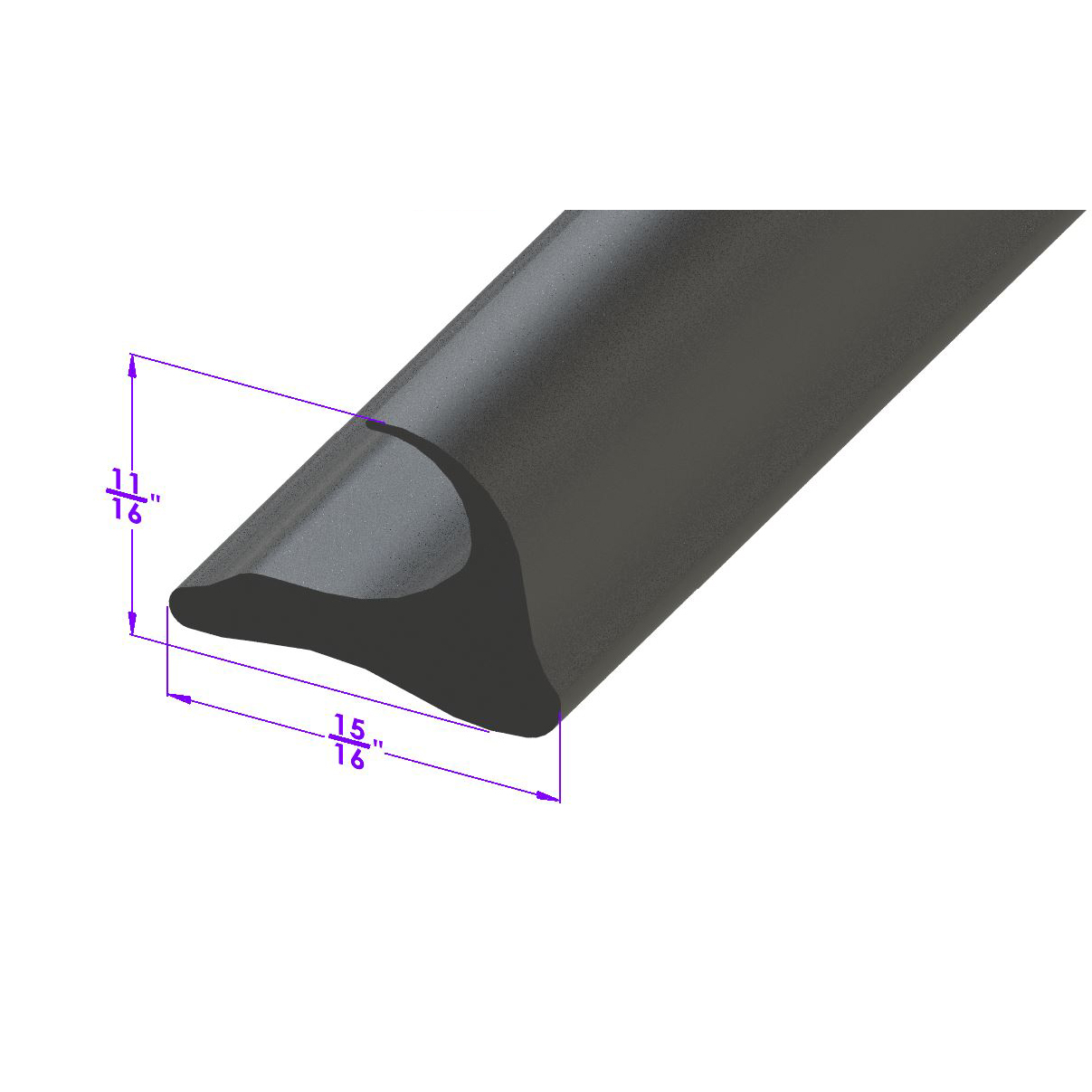 1932 Chrysler Imperial Custom Series CL Side Roof Rail Seal. Fits in metal retainer-LP 12-ASide Roof Rail Seal. Fits in metal retainer. Sold by the foot
 1932 Chrysler Imperial Custom Series CL Swing-Out Windshield Seal-LP 97-CSwing-Out Windshield Seal. For both one- and two-piece windshields. Sold by the foot
 1932 Chrysler Imperial Custom Series CL Spotlight Pad. 1" wide X 2-1/2" long. Each-MP 550-BSpotlight Pad. 1" wide X 2-1/2" long. Each
 1932 Chrysler Imperial Custom Series CL Windshield Post Pads. 3" wide X 2-1/2" long. Pair-MP 552-BWindshield Post Pads. 3" wide X 2-1/2" long. Pair
 1932 Chrysler Imperial Custom Series CL Rumble Seat Step-Plate Bracket Pad. 3-1/4" X 3-1/4". Each-MP 553Rumble Seat Step-Plate Bracket Pad. 3-1/4" X 3-1/4". Each
 1932 Chrysler Imperial Custom Series CL Tail-light Pads. 2-1/2" wide X 4-5/8" long. Pair-MP 555Tail-light Pads. 2-1/2" wide X 4-5/8" long. Pair
 1932 Chrysler Imperial Custom Series CL Door Handle Pads. 1-1/2" wide X 2-1/4" long-MP 556Door Handle Pads. 1-1/2" wide X 2-1/4" long. Pair (Buick: no locking type)
 1932 Chrysler Imperial Custom Series CL Headlight Bar Pads. 1-5/8" wide X 5" long. Pair-MP 560Headlight Bar Pads. 1-5/8" wide X 5" long. Pair
 1932 Chrysler Imperial Custom Series CL Headlight Bar Pads. 1-5/8" wide X 4-3/4" long. Pair-MP 567Headlight Bar Pads. 1-5/8" wide X 4-3/4" long. Pair
 1932 Chrysler Imperial Custom Series CL Door Lock Pad. 1-1/4" O.D. Each-MP 576Door Lock Pad. 1-1/4" O.D. Each
 1932 Chrysler Imperial Custom Series CL Tail-light, Rumble Seat Bracket Pad-MP 580Tail-light, Rumble Seat Bracket Pad. 3-3/4" wide X 3-1/4" long. Each
 1932 Chrysler Imperial Custom Series CL Radiator to Fender Pads. 2" wide X 8-1/8" long. Pair-MP 590Radiator to Fender Pads. 2" wide X 8-1/8" long. Pair
 1932 Chrysler Imperial Custom Series CL Radiator to Fender Pads. 2-1/2" wide X 12" long. Pair R&L-MP 600Radiator to Fender Pads. 2-1/2" wide X 12" long. Pair R&L
 1932 Chrysler Imperial Custom Series CL Tail-light Bracket Pad. 2-1/4" O.D. Each-MP 603-ATail-light Bracket Pad. 2-1/4" O.D. Each
 1932 Chrysler Imperial Custom Series CL Door Handle Pads. 1-1/2" wide X 2-1/2" long. Pair-MP 603-BDoor Handle Pads. 1-1/2" wide X 2-1/2" long. Pair
 1932 Chrysler Imperial Custom Series CL Rumble Seat Handle Pad. 1-1/2" wide X 2-1/4" long. Each-MP 603-CRumble Seat Handle Pad. 1-1/2" wide X 2-1/4" long. Each
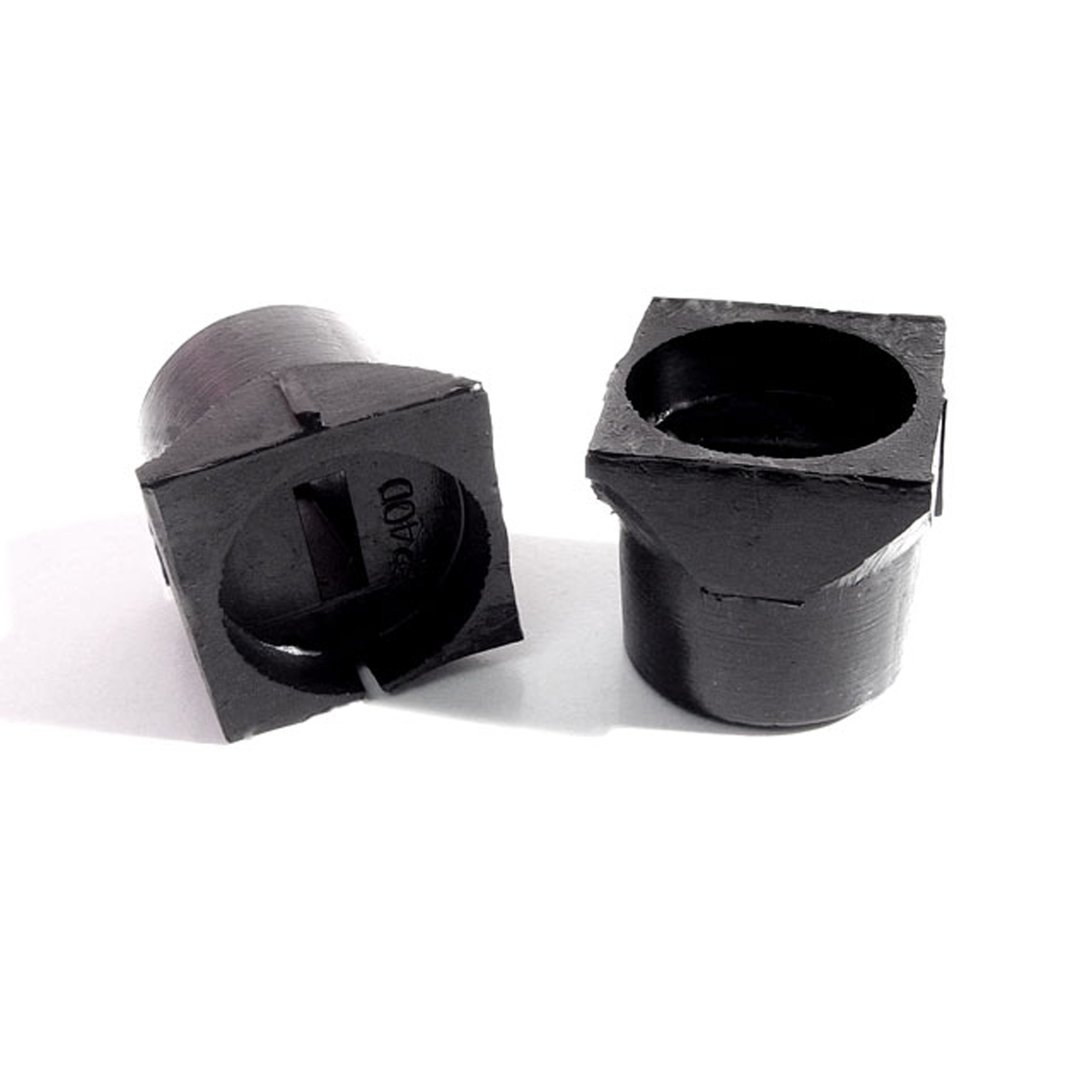 1932 Chrysler Imperial Custom Series CL Door Check Rubber Cushion. Each-RP 40-DDoor Check Rubber Cushion. Each
 1932 Chrysler Imperial Custom Series CL Side Window Anti-Rattle Pad. Six used per car-SB 73Side Window Anti-Rattle Pad. Six used per car. Fits a 3/16" X 3/4" slot in metal. Each
 1932 Chrysler Imperial Custom Series CL Rumble Seat Step Plate Pad. Rubber face only, no logo-SP 11Rumble Seat Step Plate Pad. Rubber face only, no logo. 4-1/4" O.D. Each
 1932 Chrysler Imperial Custom Series CL Step Plate Pad. Face only. 4-1/4" Diameter Each-SP 16Step Plate Pad. Face only. 4-1/4" Diameter Each
Why Choose Metro?
For over 100 years, Metro Moulded Parts has been the pinnacle of quality in classic car restoration parts. Our commitment to precision and authenticity in every component ensures a perfect fit and an OEM-level appearance.
- Expert Craftsmanship & Quality: Each part is a testament to our dedication to reliability and perfection, crafted from original designs and thoroughly tested.
- Advanced Technology: We use cutting-edge techniques to create flawless, long-lasting parts that surpass others in performance.
- SuperSoft Sponge – The Ultimate Door Seal: Not only are our door seals 30% softer than competitors', but they're also guaranteed to never leak. They effectively reduce wind and road noise, enhancing your classic car's comfort and driving experience.
- Proudly American: Our parts are a product of American craftsmanship, made in the USA with a spirit of excellence and heritage.
- Unrivaled Warranty: We back our products with a 30-year industry-leading warranty, a testament to our confidence in their quality.
Join us in preserving the legacy of classic cars with parts that are crafted for perfection, not just made.