

Image of 1932 Chrysler Series Ci, Note: These illustrations use artistic license and may differ from actual historical models.
Performance Metrics
Fundamental Metrics
Emotional Appeal
MMP Rating
| Engine Specifications | |
|---|---|
| Engine: | Inline 6 |
| Displacement: | 224 cubic inches |
| Horsepower: | Estimated 82-85 HP |
| Torque: | Not available |
| Compression Ratio: | Not available |
| Ignition System: | Battery and coil |
| Cooling System: | Water-cooled |
| Performance Specifications | |
| 0-60 Time: | Not available |
| 1/4 Mile Time: | Not available |
| Top Speed: | 75 mph |
| Transmission and Drive | |
| Drive Type: | Rear-wheel drive |
| Transmission Type: | 3-speed manual |
| Fuel and Efficiency | |
| Fuel System Type: | Carburetor |
| MPG: | Not available |
| Dimensions and Brakes | |
| Brakes: | 4-wheel hydraulic brakes |
| Wheelbase: | 112 inches |
| Weight: | 3,075 lbs |
Note: Specifications for classic cars are given to the best of our ability, considering the limited and variant data available.
1932 Chrysler Series CI: An American Six With Big-Car Ambitions
The 1932 Chrysler Series CI brought the engineering confidence of a major American automaker to buyers seeking a capable six-cylinder car during the Great Depression. Built by the Chrysler Corporation, the CI sat in the company’s six-cylinder range, below its more expensive eight-cylinder models. It aimed to deliver a comfortable, well-equipped ride without giving up the substantial look and road presence associated with Chrysler.
The timing mattered. In 1932, the country was deep in the Depression, and carmakers were working to persuade cautious buyers that a new automobile was still worth the investment. Chrysler answered with sturdy construction, practical performance, and touches of engineering sophistication. One detail that helps explain the company’s approach is its attention to reducing vibration: Chrysler’s “Floating Power” engine-mounting system, introduced shortly before the CI, isolated engine movement from the chassis to make the cabin feel smoother.
Exact equipment and specifications can differ by body style and surviving records, so figures below are best treated as period-appropriate estimates rather than universal numbers for every car.
Art Deco Lines and a Formal Cabin
The Series CI wore the upright, substantial proportions typical of early-1930s American cars. Its tall radiator, long hood, separate fenders, running boards, and rear-mounted spare gave it a dignified profile. Rounded fender crowns softened the otherwise formal shape, while brightwork around the grille, lamps, and window frames added a restrained flash of polish. It was not a streamlined modernist design, but its balanced proportions made it look purposeful rather than plain.
Inside, the CI offered a straightforward, comfortable environment. Depending on the body and trim, upholstery could include durable cloth or mohair in closed cars, with leather more likely in open or higher-trim configurations. The broad bench seats, substantial steering wheel, upright windshield, and clear instrument panel suited long-distance motoring. Wood-grain finishes and polished hardware helped the cabin feel more refined than a strictly utilitarian transport car.
Period paint choices varied with body and trim combinations. Dark shades such as black, deep blue, green, and maroon suited the car’s formal lines, while lighter or contrasting treatments could add visual distinction. Original color availability is best confirmed against factory literature for a particular body style, since surviving cars have often been repainted.
Series CI body styles included sedan and coupe configurations, with open-body versions offered in the broader range of period Chrysler coachwork. The four-door sedan was the practical choice for families and business use; coupes and convertible-style bodies are more visually striking today. Availability and naming could vary across the model range, so buyers researching a specific car should check its body plate and period documentation.
Engineering That Made the Difference
The CI’s significance is less about a single revolutionary feature than about how it combined established Chrysler engineering into an accessible package. Chrysler had built its reputation on technical features such as four-wheel hydraulic brakes, and by the early 1930s buyers could expect braking and chassis engineering that felt advanced compared with many earlier cars. The company also emphasized smoother running and solid road manners, helping make the six-cylinder car feel like a genuine long-distance automobile.
Its six-cylinder layout offered a useful middle ground. Compared with smaller, lower-priced cars, the Chrysler had a more substantial chassis and a stronger sense of refinement. Compared with costly straight-eights, it was a more attainable way into the Chrysler marque. That combination of comfort, engineering, and value was important in an era when automakers were competing hard for a shrinking pool of buyers.
Six-Cylinder Power and Road Manners
The Series CI is generally associated with a side-valve, or L-head, inline-six displacing about 218 cubic inches and producing roughly 82 horsepower. A three-speed manual transmission sent power to the rear wheels. Those figures gave the CI enough strength for ordinary highway travel and steep stretches, though it was built for steady progress rather than quick acceleration.
A well-running example might reach approximately 70 to 75 mph under favorable conditions. A 0-to-60 mph time is not consistently documented for every body and gearing combination, but a reasonable period-car estimate is around 20 to 25 seconds. Age, mechanical condition, tire choice, and passenger load can change those results considerably.
On the road, the CI feels substantial. The engine produces a low, even six-cylinder rumble, with the mechanical sounds of its era more present than they would be in a modern car. The manual gearbox asks for deliberate shifts, and the driver must plan overtakes rather than expect a burst of modern-style acceleration. Its long, soft suspension helps absorb rough pavement, although large bumps can produce body movement. On winding roads, the car rewards smooth steering and measured cornering. Its period tires, high center of gravity, and unassisted controls make it less nimble than a modern vehicle, but they are part of its character.
Living With a Series CI
Today, a 1932 Chrysler CI is best suited to touring, club events, shows, and occasional pleasure drives. It can be used on suitable roads, but it is not an ideal daily driver in modern traffic. Its performance, braking distances, lighting, and safety equipment reflect the standards of its time, not ours.
The mechanical layout is relatively accessible for an experienced hobbyist. The inline-six and rear-wheel-drive arrangement are conventional, and many routine jobs can be handled with period tools and a service manual. The harder part is often finding correct replacement parts, trim, glass, or body-specific components. A pre-purchase inspection should pay close attention to the engine, cooling system, brakes, clutch, steering, wood or structural elements in the body, and the condition of the frame. Reliable use depends on careful maintenance, especially attention to lubrication, cooling, and the braking system.
Details Collectors Enjoy
The Series CI’s appeal lies partly in its place between Chrysler’s more modest cars and its celebrated luxury models. It gives owners the look and feel of an early-1930s Chrysler without requiring an eight-cylinder flagship. Its surviving body styles also offer different personalities, from the sensible family sedan to the more eye-catching coupe or open car.
There is no widely recognized Series CI speed or endurance record, and claims of celebrity ownership should be supported by documentation rather than assumed from a car’s age or appearance. The model’s most notable historical backdrop is the difficult 1932 market itself: it represents the effort to keep a well-engineered American car relevant when many households were postponing purchases.
Common criticisms are familiar to anyone who drives a prewar automobile. The CI is slow by present-day standards, its controls require more effort, and its ride can feel soft and unsettled on rough or winding roads. Parts availability and the cost of a high-quality restoration can also be challenging. Those drawbacks are balanced by its mechanical character, handsome proportions, and relaxed touring pace.
1932 Chrysler CI Values and Rarity
Reliable production totals for the Series CI are not consistently cited in readily available references. As a cautious estimate, the model may have been built in the low tens of thousands, perhaps roughly 15,000 to 30,000 cars across its range. That is an informed estimate, not a verified factory total. The number surviving in usable condition is much smaller, and complete, well-documented examples are not regularly available in every market.
Values depend heavily on body style, originality, restoration quality, and mechanical condition. As a broad North American guide, a project or driver-quality sedan might bring about $15,000 to $30,000, while a carefully restored sedan could fall around $30,000 to $50,000. Desirable coupes or open-body examples can command more, with exceptional restorations potentially exceeding $60,000. These are approximate ranges, not a formal appraisal, and unusual body styles can change the picture substantially.
Well-restored prewar Chryslers have generally benefited from steady interest among collectors who value engineering and period design, but the market is selective. Condition and authenticity matter more than a simple assumption that every old car appreciates. Restoration costs can also exceed a car’s eventual sale price, so the CI is usually most rewarding when bought for enjoyment rather than treated as a short-term investment.
Why the Chrysler CI Still Matters
The 1932 Chrysler Series CI combined a capable six-cylinder engine, substantial styling, and thoughtful engineering at a time when buyers had to make every purchase count. It was not the fastest or most luxurious car in Chrysler’s lineup, but it delivered the company’s core strengths in a practical package. More than nine decades later, the CI remains a compelling example of how American automakers balanced comfort, technology, and value during one of the hardest periods in automotive history.
1932 Chrysler Series Ci Catalog of Parts
 1932 Chrysler Series CI Clutch and Brake Pedal Pads. 2-5/8" wide X 3-3/4" long-CB 26Clutch and Brake Pedal Pads. 2-5/8" wide X 3-3/4" long. Pair
 1932 Chrysler Series CI Clutch and Brake Pedal Pads, Black-CB 28-AClutch and Brake Pedal Pads, Black. 2-3/8" wide X 3-7/8" long. Pair
 1932 Chrysler Series CI Clutch and Brake Pedal Pads, Brown-CB 28-BClutch and Brake Pedal Pads, Brown. 2-3/8" wide X 3-7/8" long. Pair
 1932 Chrysler Series CI Door Jamb Bumper. Perfect reproduction-DB 36Door Jamb Bumper. Perfect reproduction. 1-1/16" high X 1-1/4" wide X 7/16" thick. Each
 1932 Chrysler Series CI Door Jamb Bumper. Fully detailed reproduction-DB 38Door Jamb Bumper. Fully detailed reproduction. 15/16" high X 1-9/16" wide X 7/16" thick. Each
 1932 Chrysler Series CI Door Bumper. 1-7/16" high X 1-9/16" wide X 9/16" thick-DB 7Door Bumper. 1-7/16" high X 1-9/16" wide X 9/16" thick. Each
 1932 Chrysler Series CI Gravel Shields. Molded flat without metal backing plates-FS 31Gravel Shields. Molded flat without metal backing plates. Apply with contact cement. 18" long X 9-3/4" wide at bottom. Pair
 1932 Chrysler Series CI Hood Corners. Fits flat corners-HC 19Hood Corners. Fits flat corners. 80° angle, 1/4" to 3/8" corner radius. 1-3/8" wide. Pair
 1932 Chrysler Series CI Roof Related Seal. Top insert filler & seal for closed cars-LP 110-RRoof Related Seal. Top insert filler & seal for closed cars. Fits in groove between cloth top-center panel & surrounding steel. Sold by the foot
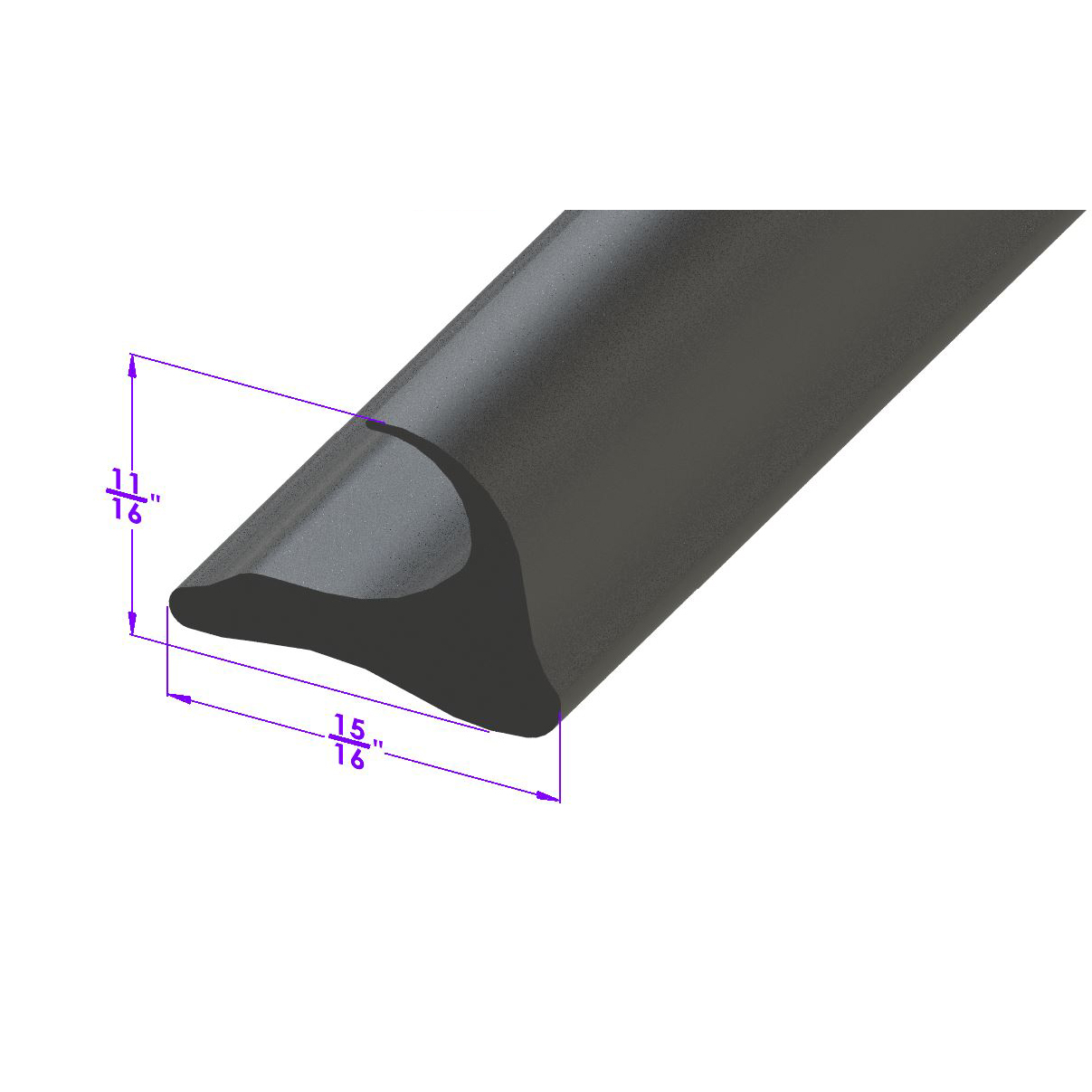 1932 Chrysler Series CI Side Roof Rail Seal. Fits in metal retainer-LP 12-ASide Roof Rail Seal. Fits in metal retainer. Sold by the foot
 1932 Chrysler Series CI Spotlight Pad. 1" wide X 2-1/2" long. Each-MP 550-BSpotlight Pad. 1" wide X 2-1/2" long. Each
 1932 Chrysler Series CI Windshield Post Pads. 3" wide X 2-1/2" long. Pair-MP 552-BWindshield Post Pads. 3" wide X 2-1/2" long. Pair
 1932 Chrysler Series CI Rumble Seat Step-Plate Bracket Pad. 3-1/4" X 3-1/4". Each-MP 553Rumble Seat Step-Plate Bracket Pad. 3-1/4" X 3-1/4". Each
 1932 Chrysler Series CI Tail-light Pads. 2-1/2" wide X 4-5/8" long. Pair-MP 555Tail-light Pads. 2-1/2" wide X 4-5/8" long. Pair
 1932 Chrysler Series CI Door Handle Pads. 1-1/2" wide X 2-1/4" long-MP 556Door Handle Pads. 1-1/2" wide X 2-1/4" long. Pair (Buick: no locking type)
 1932 Chrysler Series CI Headlight Bar Pads. 1-5/8" wide X 5" long. Pair-MP 560Headlight Bar Pads. 1-5/8" wide X 5" long. Pair
 1932 Chrysler Series CI Headlight Bar Pads. 1-5/8" wide X 4-3/4" long. Pair-MP 567Headlight Bar Pads. 1-5/8" wide X 4-3/4" long. Pair
 1932 Chrysler Series CI Door Lock Pad. 1-1/4" O.D. Each-MP 576Door Lock Pad. 1-1/4" O.D. Each
 1932 Chrysler Series CI Tail-light, Rumble Seat Bracket Pad-MP 580Tail-light, Rumble Seat Bracket Pad. 3-3/4" wide X 3-1/4" long. Each
 1932 Chrysler Series CI Radiator to Fender Pads. 2" wide X 8-1/8" long. Pair-MP 590Radiator to Fender Pads. 2" wide X 8-1/8" long. Pair
 1932 Chrysler Series CI Radiator to Fender Pads. 2-1/2" wide X 12" long. Pair R&L-MP 600Radiator to Fender Pads. 2-1/2" wide X 12" long. Pair R&L
 1932 Chrysler Series CI Tail-light Bracket Pad. 2-1/4" O.D. Each-MP 603-ATail-light Bracket Pad. 2-1/4" O.D. Each
 1932 Chrysler Series CI Door Handle Pads. 1-1/2" wide X 2-1/2" long. Pair-MP 603-BDoor Handle Pads. 1-1/2" wide X 2-1/2" long. Pair
 1932 Chrysler Series CI Rumble Seat Handle Pad. 1-1/2" wide X 2-1/4" long. Each-MP 603-CRumble Seat Handle Pad. 1-1/2" wide X 2-1/4" long. Each
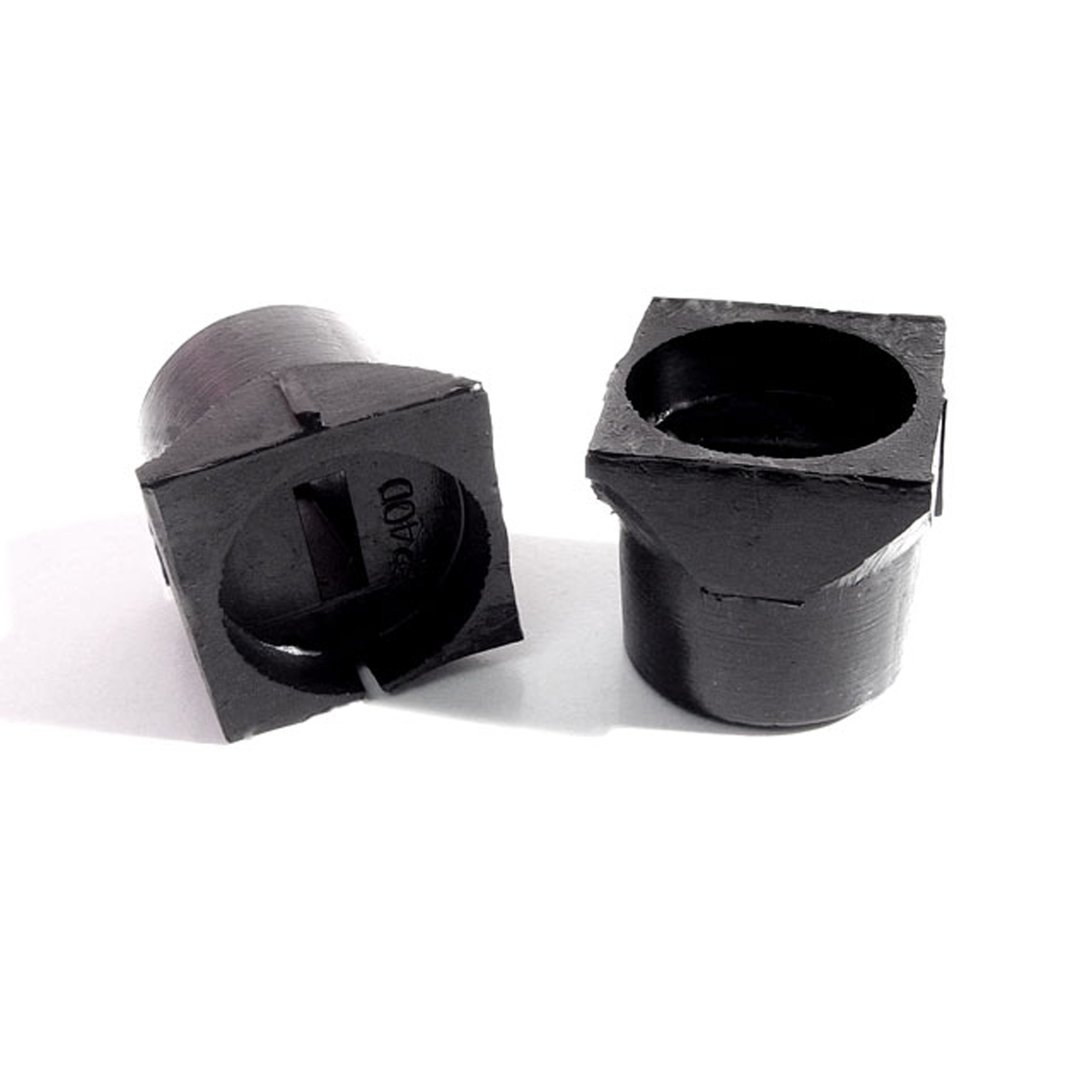 1932 Chrysler Series CI Door Check Rubber Cushion. Each-RP 40-DDoor Check Rubber Cushion. Each
 1932 Chrysler Series CI Side Window Anti-Rattle Pad. Six used per car-SB 73Side Window Anti-Rattle Pad. Six used per car. Fits a 3/16" X 3/4" slot in metal. Each
 1932 Chrysler Series CI Rumble Seat Step Plate Pad. Rubber face only, no logo-SP 11Rumble Seat Step Plate Pad. Rubber face only, no logo. 4-1/4" O.D. Each
 1932 Chrysler Series CI Step Plate Pad. Face only. 4-1/4" Diameter Each-SP 16Step Plate Pad. Face only. 4-1/4" Diameter Each
Why Choose Metro?
For over 100 years, Metro Moulded Parts has been the pinnacle of quality in classic car restoration parts. Our commitment to precision and authenticity in every component ensures a perfect fit and an OEM-level appearance.
- Expert Craftsmanship & Quality: Each part is a testament to our dedication to reliability and perfection, crafted from original designs and thoroughly tested.
- Advanced Technology: We use cutting-edge techniques to create flawless, long-lasting parts that surpass others in performance.
- SuperSoft Sponge – The Ultimate Door Seal: Not only are our door seals 30% softer than competitors', but they're also guaranteed to never leak. They effectively reduce wind and road noise, enhancing your classic car's comfort and driving experience.
- Proudly American: Our parts are a product of American craftsmanship, made in the USA with a spirit of excellence and heritage.
- Unrivaled Warranty: We back our products with a 30-year industry-leading warranty, a testament to our confidence in their quality.
Join us in preserving the legacy of classic cars with parts that are crafted for perfection, not just made.