

Image of 1932 Chrysler Series Cp, Note: These illustrations use artistic license and may differ from actual historical models.
Performance Metrics
Fundamental Metrics
Emotional Appeal
MMP Rating
| Engine Specifications | |
|---|---|
| Engine: | Straight-8 |
| Displacement: | 298.6 cu in (4.9 L) |
| Horsepower: | 100 HP |
| Torque: | Not available |
| Compression Ratio: | Not available |
| Ignition System: | Battery and coil |
| Cooling System: | Water-cooled |
| Performance Specifications | |
| 0-60 Time: | Not available |
| 1/4 Mile Time: | Not available |
| Top Speed: | 75 mph |
| Transmission and Drive | |
| Drive Type: | Rear-wheel drive |
| Transmission Type: | 3-speed manual |
| Fuel and Efficiency | |
| Fuel System Type: | Carburetor |
| MPG: | Not available |
| Dimensions and Brakes | |
| Brakes: | 4-wheel hydraulic brakes |
| Wheelbase: | 125 in (3,175 mm) |
| Weight: | 3,570 lbs |
Note: Specifications for classic cars are given to the best of our ability, considering the limited and variant data available.
Before streamlined bodies and automatic transmissions transformed the American road, the 1932 Chrysler Series CP made a persuasive case for a different kind of progress: a smooth six-cylinder engine, solid engineering, and the comfort of a well-built automobile. It was a mid-priced Chrysler for drivers who wanted more refinement than a basic car could offer, without stepping up to one of the company’s costly straight-eight models.
1932 Chrysler Series CP Overview
Built by the Chrysler Corporation in Detroit, the Series CP was part of Chrysler’s 1932 passenger-car range. It sat below the marque’s larger and more expensive eight-cylinder cars, but it was no bare-bones offering. The CP paired a substantial inline-six with a traditional rear-wheel-drive layout, a three-speed manual transmission, and the careful finish that helped Chrysler build its reputation.
The CP arrived during the Great Depression, when buyers were watching every dollar but still wanted dependable transportation and a sense of quality. Its timing also placed it just before one of Chrysler’s most dramatic design experiments: the radical Airflow, introduced for 1934. The CP represents the more familiar, upright look of early-1930s motoring, backed by engineering that was quietly modern for its class.
One especially interesting link to Chrysler innovation is the company’s “Floating Power” approach to engine mounting. Introduced shortly before the CP, the system used flexible mounts to reduce engine vibration reaching the body. It was a practical comfort improvement, and a reminder that automotive innovation did not always arrive in the form of a dramatic new shape.
Classic Chrysler Styling and Body Choices
The Series CP wore the formal proportions typical of the period. Its tall radiator grille and upright hood led the eye toward a long engine compartment, while separate, sweeping front fenders framed the wheels. Running boards connected the front and rear fenders, and the passenger cabin sat high behind the hood. Details such as bright trim, headlamps mounted beside the grille, and a spare tire on the fender or rear gave the car its unmistakable prewar presence.
Chrysler offered the CP in several closed and open configurations. Catalog and market availability could vary, but buyers could find sedan and coupe forms, including coupe variants with a rear rumble seat, as well as convertible-coupe styles. The enclosed sedan was the practical choice for families and year-round use. The rumble-seat coupe, with its snug rear perch, is often the most visually evocative version today.
Inside, the CP aimed for comfort rather than flash. Period upholstery commonly used durable cloth or broadcloth, with leather found on some open or upgraded body styles. A broad dashboard placed the main instruments within the driver’s view, and the upright seating position offered a clear perspective over the long hood. Original materials and trim varied by body style, so surviving cars can differ considerably from one another.
Factory paint choices depended on the body and the order, but period Chrysler colors often included conservative dark shades such as black, blue, maroon, or green. Black was a familiar and practical choice; richer colors helped dress up coupes and convertibles. Two-tone treatments were also in step with the era’s taste for contrasting body and trim colors. For a particular car, its original paint and trim codes are more reliable than a general color list.
Engineering Ahead of Its Time
Power came from a 218.6-cubic-inch L-head inline-six, rated at about 82 horsepower. It drove the rear wheels through a conventional three-speed manual gearbox. Four-wheel hydraulic brakes provided stopping power, a significant convenience compared with the mechanical braking systems still found on some less advanced cars of the period.
The CP was not a radical design, and that was part of its appeal. Chrysler combined familiar construction with features aimed at reducing vibration and improving control. Floating Power engine mounts helped make the six-cylinder engine feel smoother, while the hydraulic brakes gave the driver more consistent pedal operation than purely mechanical linkages could provide.
That mix of refinement and sensible engineering helped distinguish Chrysler from many lower-priced rivals. The CP did not reshape the industry on its own, but it carried forward the company’s emphasis on engineering as a selling point. Its place in the story is as a polished conventional car from the years immediately before Chrysler’s more famous Airflow experiment.
Performance and Road Manners
Period factory figures and modern road tests are not always directly comparable, and performance depends on gearing, body style, mechanical condition, and altitude. As a reasonable guide, a healthy Series CP could reach roughly 70 to 75 mph. A 0-to-60-mph run would likely take around 20 to 25 seconds, making it capable for its time but far from quick by modern standards.
The six-cylinder engine’s character was more about steady pulling power than high-revving excitement. It would have been happiest building speed smoothly through the gears, with a measured, even exhaust note rather than the sharp bark of a modern performance car. The manual transmission asks for deliberate shifts, and drivers need to plan ahead when merging or climbing hills.
On ordinary roads, the CP’s substantial chassis and compliant suspension were designed to take the edge off rough surfaces. It would still lean more than a modern car over a winding road, and its height and period tires call for a relaxed pace through corners. The steering and braking also require more anticipation than today’s power-assisted systems. In return, the driver gets an engaging sense of the machinery at work: the engine’s soft six-cylinder rhythm, the movement of the body over bumps, and the satisfaction of making smooth gear changes.
Living With a Series CP
In 1932, a CP could serve as everyday family transportation, a business car, or a comfortable tourer. Today, most surviving examples are used for weekend drives, regional classic-car events, and shows rather than daily commuting. Their age, traffic speeds, and lack of modern safety equipment make regular high-speed use less practical.
Maintenance is approachable for an owner familiar with older cars. The inline-six is mechanically straightforward, and many service tasks involve conventional parts such as ignition components, filters, hoses, and brake hardware. The bigger challenge is locating correct parts and preserving the car’s original details. A specialist familiar with prewar Chryslers can be valuable, particularly for transmission, brake, and body restoration work.
Reliability depends heavily on the quality of prior repairs. A well-maintained CP can be a satisfying touring car, but a neglected example may need attention to its cooling system, fuel delivery, electrical wiring, tires, and hydraulic brakes before it is safe to drive. Buyers should also inspect the frame and body for corrosion, check that the engine has good oil pressure, and confirm that the brakes operate evenly. Originality matters, but a sound mechanical restoration is usually more useful than a shiny finish hiding deferred repairs.
Chrysler CP Facts and Myths
The Series CP is sometimes overshadowed by Chrysler’s more famous cars, particularly the Airflow and the Imperial models. That makes it a less obvious choice for collectors, but also part of its charm. It offers prewar styling and Chrysler engineering without the size and cost of the company’s top-of-the-line cars.
There is no widely recognized speed or endurance record associated specifically with the CP, and it is not best known as a competition model. Its significance is more everyday: it reflects what a well-equipped American six-cylinder car could offer during the Depression. Claims of celebrity ownership or a single defining historical appearance should be checked against documentation for the individual car rather than treated as a general Series CP fact.
A common criticism is that the CP can feel slow and heavy by modern standards. That is fair, especially on today’s faster roads. Its upright body, unassisted controls, and period braking distances also demand a different driving style. The reward is an authentic early-1930s experience, not modern performance disguised in vintage sheet metal.
Rarity and Collector Values
Exact production totals for the Series CP are not consistently reported in commonly available model references. A reasonable working estimate is approximately 20,000 to 25,000 cars across the series, though that should be treated as an informed estimate rather than a verified factory figure. The number of survivors is much smaller, and availability depends on body style, location, and condition.
As a broad U.S. market guide, a project car might bring about $5,000 to $12,000. A running, presentable example could fall around $15,000 to $30,000, while a carefully restored car or a particularly desirable body style may reach roughly $35,000 to $50,000 or more. These are approximate ranges, not appraisals. Documentation, originality, restoration quality, and local demand can shift a sale substantially.
Values have generally benefited from the wider interest in prewar cars, but the market is selective. Exceptional restorations tend to attract the strongest attention, while projects can be difficult to sell because restoration costs quickly exceed the value of the finished car. For a Series CP, buying the best documented and most complete example that fits the budget is often wiser than starting with the cheapest car available.
Why the 1932 Chrysler CP Still Matters
The 1932 Chrysler Series CP brought together a smooth 82-horsepower six, hydraulic brakes, thoughtful vibration control, and dignified prewar styling in a car aimed at buyers who valued comfort as well as dependability. It was not a record-breaker or a design revolution, but it showed how engineering improvements could make an ordinary journey more pleasant.
Today, the CP offers collectors a distinctive way into Chrysler’s early-1930s story. Its long hood, upright cabin, and measured six-cylinder character belong to a brief but fascinating moment in American motoring. Drive one at its own pace, and the Series CP stops being a forgotten model code and becomes what it was built to be: a confident, carefully engineered Chrysler made for the open road.
1932 Chrysler Series Cp Catalog of Parts
 1932 Chrysler Series CP Clutch and Brake Pedal Pads. 2-5/8" wide X 3-3/4" long-CB 26Clutch and Brake Pedal Pads. 2-5/8" wide X 3-3/4" long. Pair
 1932 Chrysler Series CP Clutch and Brake Pedal Pads, Black-CB 28-AClutch and Brake Pedal Pads, Black. 2-3/8" wide X 3-7/8" long. Pair
 1932 Chrysler Series CP Clutch and Brake Pedal Pads, Brown-CB 28-BClutch and Brake Pedal Pads, Brown. 2-3/8" wide X 3-7/8" long. Pair
 1932 Chrysler Series CP Door Jamb Bumper. Perfect reproduction-DB 36Door Jamb Bumper. Perfect reproduction. 1-1/16" high X 1-1/4" wide X 7/16" thick. Each
 1932 Chrysler Series CP Door Jamb Bumper. Fully detailed reproduction-DB 38Door Jamb Bumper. Fully detailed reproduction. 15/16" high X 1-9/16" wide X 7/16" thick. Each
 1932 Chrysler Series CP Door Bumper. 1-7/16" high X 1-9/16" wide X 9/16" thick-DB 7Door Bumper. 1-7/16" high X 1-9/16" wide X 9/16" thick. Each
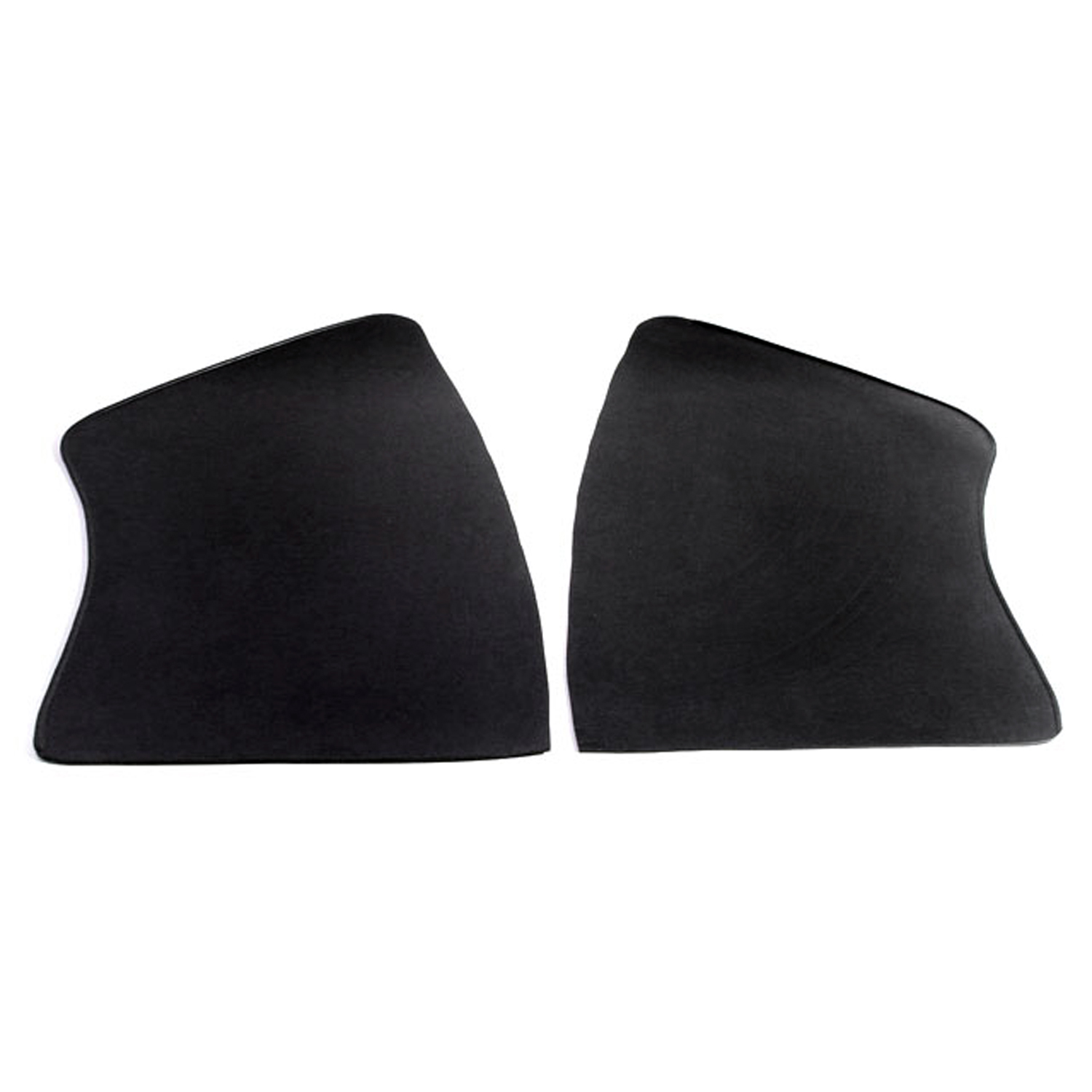 1932 Chrysler Series CP Gravel Shields. Molded flat without metal backing plates-FS 31Gravel Shields. Molded flat without metal backing plates. Apply with contact cement. 18" long X 9-3/4" wide at bottom. Pair
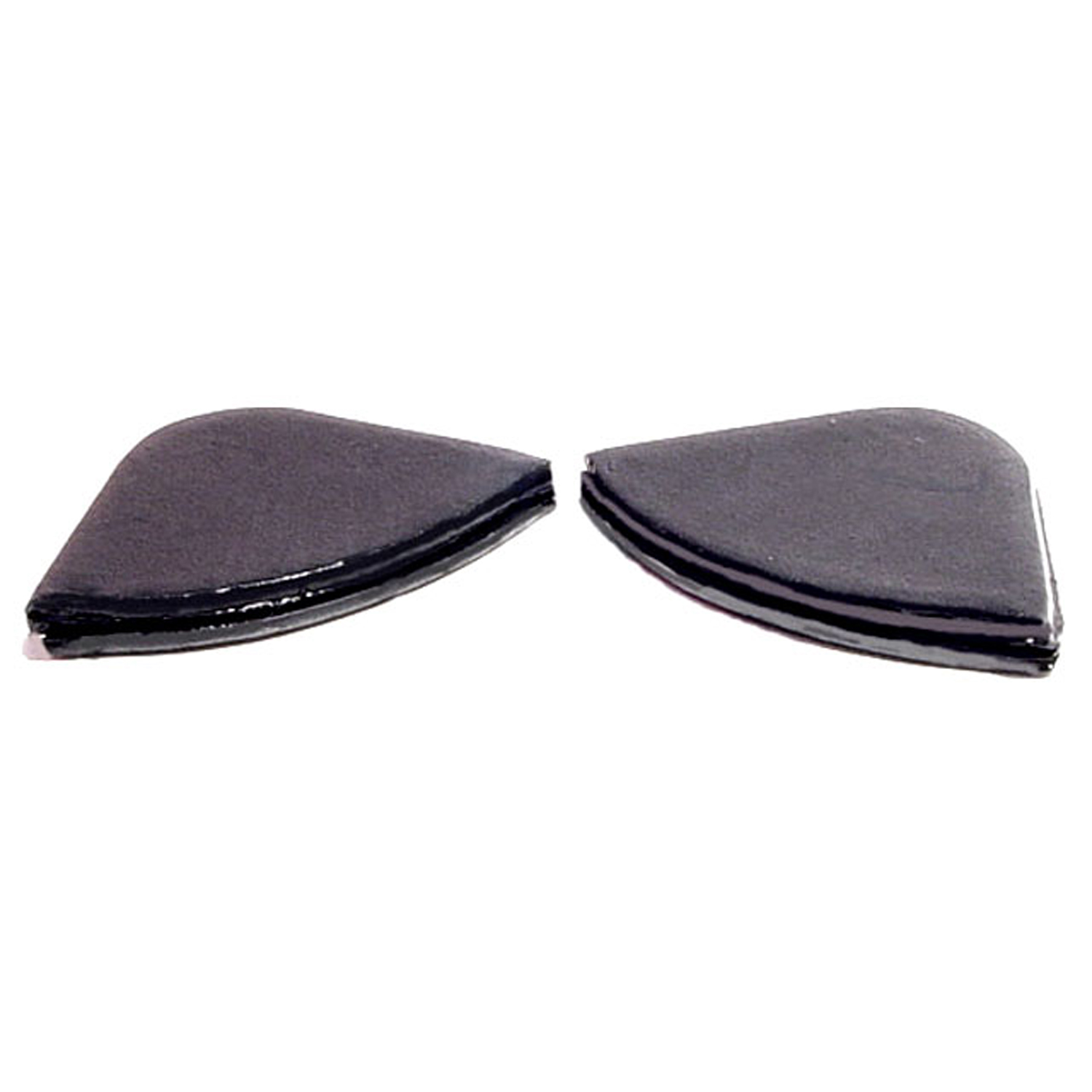 1932 Chrysler Series CP Hood Corners. Fits flat corners-HC 19Hood Corners. Fits flat corners. 80° angle, 1/4" to 3/8" corner radius. 1-3/8" wide. Pair
 1932 Chrysler Series CP Roof Related Seal. Top insert filler & seal for closed cars-LP 110-RRoof Related Seal. Top insert filler & seal for closed cars. Fits in groove between cloth top-center panel & surrounding steel. Sold by the foot
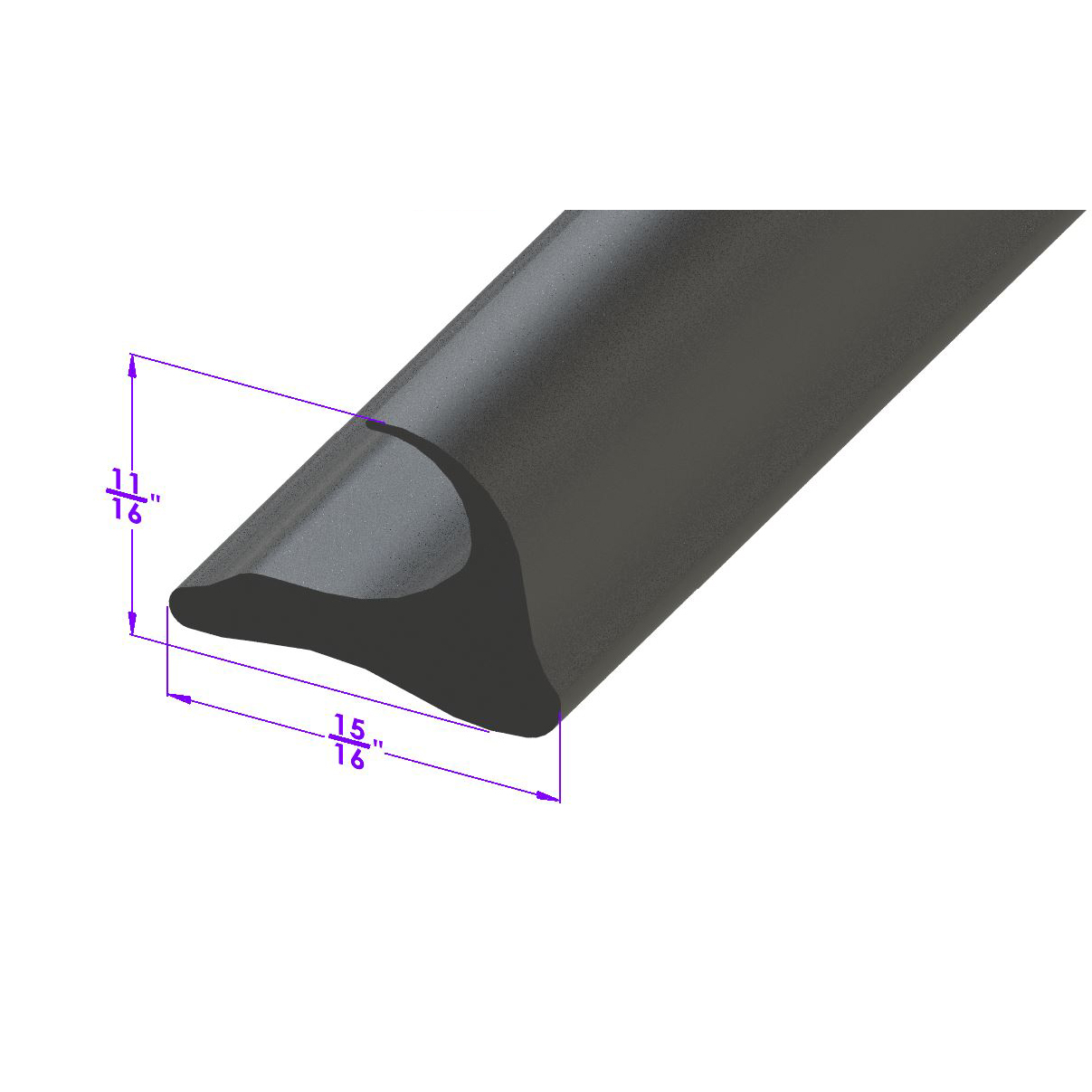 1932 Chrysler Series CP Side Roof Rail Seal. Fits in metal retainer-LP 12-ASide Roof Rail Seal. Fits in metal retainer. Sold by the foot
 1932 Chrysler Series CP Spotlight Pad. 1" wide X 2-1/2" long. Each-MP 550-BSpotlight Pad. 1" wide X 2-1/2" long. Each
 1932 Chrysler Series CP Windshield Post Pads. 3" wide X 2-1/2" long. Pair-MP 552-BWindshield Post Pads. 3" wide X 2-1/2" long. Pair
 1932 Chrysler Series CP Rumble Seat Step-Plate Bracket Pad. 3-1/4" X 3-1/4". Each-MP 553Rumble Seat Step-Plate Bracket Pad. 3-1/4" X 3-1/4". Each
 1932 Chrysler Series CP Tail-light Pads. 2-1/2" wide X 4-5/8" long. Pair-MP 555Tail-light Pads. 2-1/2" wide X 4-5/8" long. Pair
 1932 Chrysler Series CP Door Handle Pads. 1-1/2" wide X 2-1/4" long-MP 556Door Handle Pads. 1-1/2" wide X 2-1/4" long. Pair (Buick: no locking type)
 1932 Chrysler Series CP Headlight Bar Pads. 1-5/8" wide X 5" long. Pair-MP 560Headlight Bar Pads. 1-5/8" wide X 5" long. Pair
 1932 Chrysler Series CP Headlight Bar Pads. 1-5/8" wide X 4-3/4" long. Pair-MP 567Headlight Bar Pads. 1-5/8" wide X 4-3/4" long. Pair
 1932 Chrysler Series CP Door Lock Pad. 1-1/4" O.D. Each-MP 576Door Lock Pad. 1-1/4" O.D. Each
 1932 Chrysler Series CP Tail-light, Rumble Seat Bracket Pad-MP 580Tail-light, Rumble Seat Bracket Pad. 3-3/4" wide X 3-1/4" long. Each
 1932 Chrysler Series CP Radiator to Fender Pads. 2" wide X 8-1/8" long. Pair-MP 590Radiator to Fender Pads. 2" wide X 8-1/8" long. Pair
 1932 Chrysler Series CP Radiator to Fender Pads. 2-1/2" wide X 12" long. Pair R&L-MP 600Radiator to Fender Pads. 2-1/2" wide X 12" long. Pair R&L
 1932 Chrysler Series CP Tail-light Bracket Pad. 2-1/4" O.D. Each-MP 603-ATail-light Bracket Pad. 2-1/4" O.D. Each
 1932 Chrysler Series CP Door Handle Pads. 1-1/2" wide X 2-1/2" long. Pair-MP 603-BDoor Handle Pads. 1-1/2" wide X 2-1/2" long. Pair
 1932 Chrysler Series CP Rumble Seat Handle Pad. 1-1/2" wide X 2-1/4" long. Each-MP 603-CRumble Seat Handle Pad. 1-1/2" wide X 2-1/4" long. Each
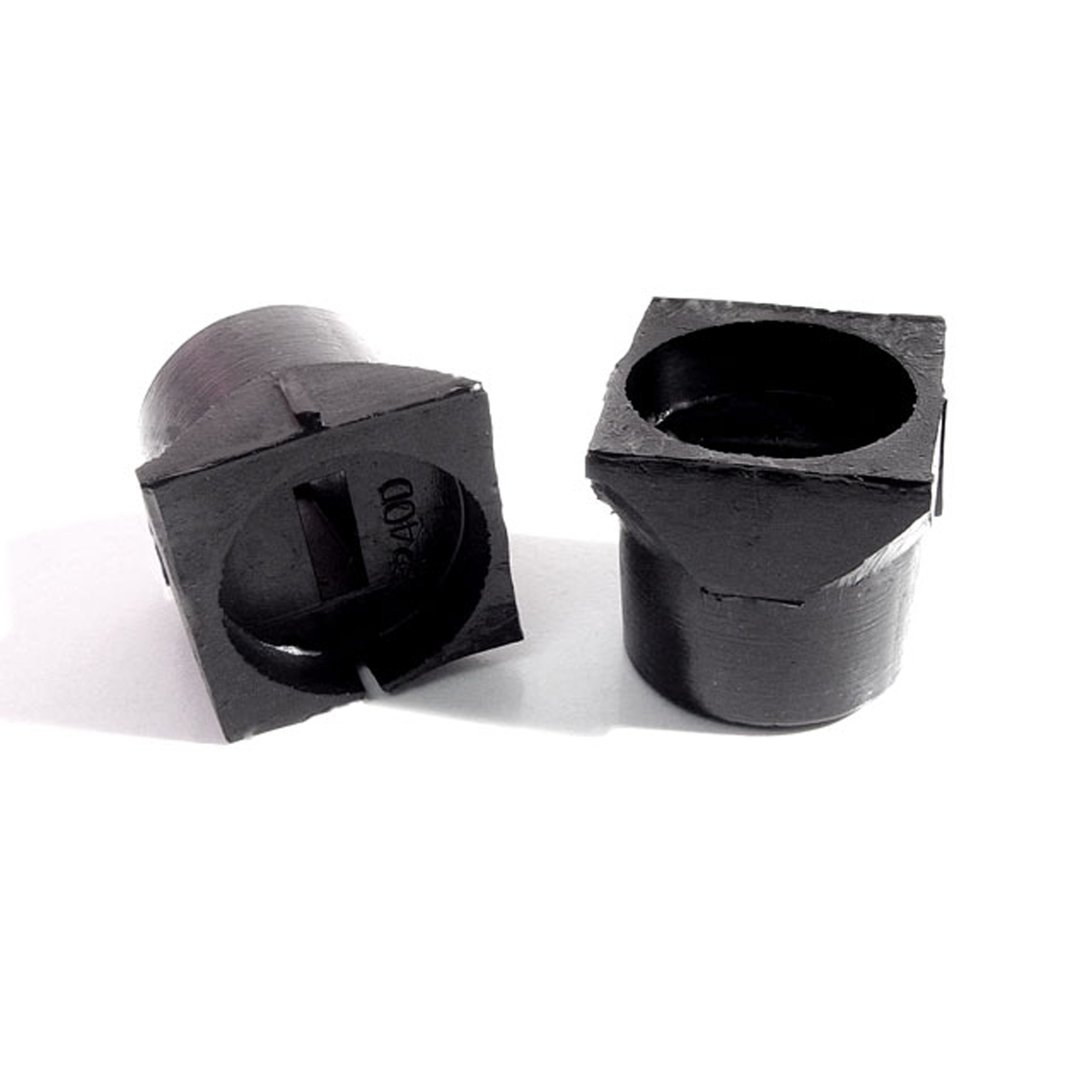 1932 Chrysler Series CP Door Check Rubber Cushion. Each-RP 40-DDoor Check Rubber Cushion. Each
 1932 Chrysler Series CP Side Window Anti-Rattle Pad. Six used per car-SB 73Side Window Anti-Rattle Pad. Six used per car. Fits a 3/16" X 3/4" slot in metal. Each
 1932 Chrysler Series CP Rumble Seat Step Plate Pad. Rubber face only, no logo-SP 11Rumble Seat Step Plate Pad. Rubber face only, no logo. 4-1/4" O.D. Each
 1932 Chrysler Series CP Step Plate Pad. Face only. 4-1/4" Diameter Each-SP 16Step Plate Pad. Face only. 4-1/4" Diameter Each
Why Choose Metro?
For over 100 years, Metro Moulded Parts has been the pinnacle of quality in classic car restoration parts. Our commitment to precision and authenticity in every component ensures a perfect fit and an OEM-level appearance.
- Expert Craftsmanship & Quality: Each part is a testament to our dedication to reliability and perfection, crafted from original designs and thoroughly tested.
- Advanced Technology: We use cutting-edge techniques to create flawless, long-lasting parts that surpass others in performance.
- SuperSoft Sponge – The Ultimate Door Seal: Not only are our door seals 30% softer than competitors', but they're also guaranteed to never leak. They effectively reduce wind and road noise, enhancing your classic car's comfort and driving experience.
- Proudly American: Our parts are a product of American craftsmanship, made in the USA with a spirit of excellence and heritage.
- Unrivaled Warranty: We back our products with a 30-year industry-leading warranty, a testament to our confidence in their quality.
Join us in preserving the legacy of classic cars with parts that are crafted for perfection, not just made.