

Image of 1933 Chrysler Imperial Custom Series Cl, Note: These illustrations use artistic license and may differ from actual historical models.
Performance Metrics
Fundamental Metrics
Emotional Appeal
MMP Rating
| Engine Specifications | |
|---|---|
| Engine: | Straight-8 |
| Displacement: | 384.84 cubic inches (approximately 6.3 liters) |
| Horsepower: | 135 HP |
| Torque: | Not available |
| Compression Ratio: | Not available |
| Ignition System: | Battery and coil |
| Cooling System: | Water-cooled |
| Performance Specifications | |
| 0-60 Time: | Not available |
| 1/4 Mile Time: | Not available |
| Top Speed: | 90 mph |
| Transmission and Drive | |
| Drive Type: | Rear-wheel drive |
| Transmission Type: | 3-speed manual |
| Fuel and Efficiency | |
| Fuel System Type: | Carburetor |
| MPG: | Not available |
| Dimensions and Brakes | |
| Brakes: | 4-wheel hydraulic drum brakes |
| Wheelbase: | 146 inches |
| Weight: | 5,000 lbs |
Note: Specifications for classic cars are given to the best of our ability, considering the limited and variant data available.
1933 Chrysler Imperial Custom Series CL: Chrysler’s Grand Classic
The 1933 Chrysler Imperial Custom Series CL was built to make distance feel effortless and arrival feel important. At the top of Chrysler’s range, the CL combined a powerful straight-eight engine with a long, imposing chassis and coachwork that could be tailored from formal limousine to open touring car. It came from the Chrysler Corporation, founded by Walter P. Chrysler in 1925, at a time when American makers were competing to create ever more luxurious and capable automobiles.
The CL belongs to the last years of the classic-car era, just before Chrysler introduced its radical Airflow models for 1934. Its styling remained rooted in tradition, but its engineering reflected Chrysler’s reputation for practical innovation. One memorable distinction: a Chrysler Imperial served as the pace car for the 1933 Indianapolis 500, placing the marque’s flagship in front of one of motor racing’s biggest stages.
Long Hood, Formal Presence
The Imperial Custom’s proportions do much of the talking. Its exceptionally long hood leads to a tall, upright grille, while sweeping front fenders, running boards and a carefully tapered rear give the car a poised, purposeful profile. Bright trim highlights the grille and lamps without overwhelming the bodywork. Many examples carried dual side-mounted spare tires, a striking period detail that also made sense on long-distance journeys when tire trouble was a real concern.
Inside, the CL was designed for comfort and occasion. Upholstery varied with body style and specification, with leather common in open cars and rich cloth or broadcloth used in many enclosed models. Polished wood trim, substantial door panels and generous seating helped create a cabin that felt more like a private sitting room than a modern car interior. The precise materials and finish depended on the chosen body and individual order, especially on custom-built examples.
Period paint choices included deep, formal shades such as black, maroon, blue, green and gray, though exact colors varied by body and specification. Dark colors suited the car’s dignified character, while brighter combinations could make an open phaeton or convertible stand out at a concours. Custom coachwork also meant that a particular car’s finish might reflect an owner’s preferences rather than a single standard palette.
Coachbuilt Choices and CL Equipment
The CL was offered in a range of substantial body styles, including sedans, limousines, coupes, convertible sedans and open touring or phaeton-style cars. Formal enclosed bodies appealed to owners who wanted chauffeur-driven comfort, while the open models offered a more theatrical way to travel. Coachbuilding and body availability could vary, so surviving cars are best identified by their individual chassis and body records.
At roughly 146 inches of wheelbase, the CL provided the foundation for these large bodies and roomy passenger compartments. Its engineering included a large-capacity inline engine, rear-wheel drive, a manual transmission and four-wheel hydraulic brakes. Chrysler had been an early adopter of hydraulic braking, and the system offered a more consistent, powerful stop than the mechanical brakes still found on many cars of the era. A synchronized manual gearbox made shifting easier than in earlier unsynchronized designs, though it still called for a deliberate hand.
Why the Imperial CL Mattered
The Imperial Custom was Chrysler’s statement that the company could compete in the prestige-car market, not just build dependable, well-engineered transportation. Its combination of a strong engine, long wheelbase, refined bodywork and comfort-oriented equipment put it alongside the grand American automobiles of its day. The CL also reflected the growing importance of engineering as a luxury feature: buyers were offered not just decorative trim, but substantial power and braking suited to a heavy car capable of sustained highway travel.
Its traditional styling makes an interesting contrast with the Chrysler Airflow that followed. The CL presented luxury through familiar proportions and coachbuilt elegance. The Airflow would challenge those conventions with a more aerodynamic, integrated shape. Together, the two models show Chrysler at a turning point, moving from the classic long-hood formula toward a more modern approach to automotive design.
Straight-Eight Power and Road Manners
The CL’s approximately 384.8-cubic-inch straight-eight produced about 135 horsepower, an impressive figure for a luxury car of 1933. Power flowed through a three-speed manual transmission to the rear wheels. Contemporary performance testing was not as standardized as it is today, and results vary with body style, gearing, condition and load. A healthy example is generally estimated to reach roughly 90 to 100 mph, with a 0-to-60-mph time in the neighborhood of 20 to 25 seconds.
Those figures are best understood in context. The Imperial was a large, heavy automobile built to cover ground smoothly, not a sports car meant to leap away from a stop. Its straight-eight delivers a measured, even surge, accompanied by a deep mechanical hum that becomes part of the experience. The long wheelbase helps it settle over broad road undulations, while its size and period suspension mean sharp bumps are still felt through the chassis.
On a winding road, the CL asks its driver to plan ahead. Steering takes more effort at low speeds than in a modern car, and the car’s mass and narrow tires reward smooth inputs rather than sudden changes of direction. Once underway, it feels composed and stately. Driving one is a hands-on experience: the driver listens to the engine, works the manual gearbox and leaves plenty of room for the brakes and road conditions.
Living With a 1933 Imperial
Today, the CL is primarily a show car, touring car and collection centerpiece rather than a daily driver. Well-maintained examples can participate in vintage events and carefully planned tours, but regular use requires attention to the realities of a nearly century-old automobile. Cooling systems, ignition components, fuel delivery, brakes, tires and lubrication all need inspection, even when a car appears freshly restored.
The basic mechanical layout is understandable to an experienced classic-car mechanic, and many routine jobs do not require modern diagnostic equipment. However, the car’s size, specialized parts and coachbuilt details can make restoration expensive. Body repairs, trim, upholstery and correct fittings often demand specialist skills. Parts availability is not comparable to that of a common postwar American car, so preserving original components and keeping a good parts network matters.
Common criticisms are practical ones: the CL is large, thirsty, difficult to park by modern standards and slower to stop than a contemporary car. Its age also means that reliability depends heavily on the quality of maintenance and restoration. For collectors, those drawbacks are balanced by the car’s presence, craftsmanship and unmistakable prewar character.
1933 CL Trivia and Rarity
The Imperial pace car connection at the 1933 Indianapolis 500 is a notable chapter in the model’s story, linking Chrysler’s luxury flagship with a major American racing tradition. The CL was not a mass-market model, and its varied bodies mean that some configurations are far less often seen than others. Open cars and distinctive coachbuilt examples tend to draw particular attention at major shows.
Production figures for individual body styles can be difficult to pin down, and surviving references do not always agree. A reasonable working estimate is that roughly 1,000 Series CL cars were built for 1933, with only a fraction surviving today. That figure should be treated as an estimate for the series, not a confirmed count for any one body style.
Collector Values and Market Outlook
Values depend strongly on body style, originality, restoration quality, provenance and whether the car retains its correct engine and coachwork. As a broad present-day guide, a project or incomplete example might fall around $50,000 to $100,000. A sound, usable car may bring approximately $125,000 to $250,000, while a high-quality restoration can reach roughly $250,000 to $500,000 or more. Exceptional coachbuilt cars with strong documentation may exceed that range, while less desirable configurations or cars needing major work can sell for less.
These estimates are not guaranteed prices. Auction results for rare prewar cars can vary widely, and a specialist appraisal is important before buying or insuring one. Over the long term, well-documented, correctly restored examples have generally benefited from the continued appeal of significant prewar automobiles. The market is selective, however: condition and provenance matter more than simple age, and expensive restorations do not always return their full cost.
A Chrysler Flagship Worth Remembering
The 1933 Chrysler Imperial Custom Series CL brought together a formidable straight-eight, imposing classic-era proportions, substantial engineering and a choice of elegant body styles. It was a luxury car built for confident long-distance travel, yet its Indianapolis 500 pace-car role gave it a connection to the excitement of American motorsport.
Nearly a century later, the CL remains a vivid expression of Chrysler’s ambition. It does not hide its size or ask to be mistaken for a modern car. Instead, it offers something rarer: the sound, craftsmanship and commanding presence of a great prewar automobile.
1933 Chrysler Imperial Custom Series Cl Catalog of Parts
 1933 Chrysler Imperial Custom Series CL Clutch and Brake Pedal Pads. 2-5/8" wide X 3-3/4" long-CB 26Clutch and Brake Pedal Pads. 2-5/8" wide X 3-3/4" long. Pair
 1933 Chrysler Imperial Custom Series CL Clutch and Brake Pedal Pads. 3" wide X 3-7/8" long. Pair-CB 27Clutch and Brake Pedal Pads. 3" wide X 3-7/8" long. Pair
 1933 Chrysler Imperial Custom Series CL Clutch and Brake Pedal Pads, Black-CB 28-AClutch and Brake Pedal Pads, Black. 2-3/8" wide X 3-7/8" long. Pair
 1933 Chrysler Imperial Custom Series CL Clutch and Brake Pedal Pads, Brown-CB 28-BClutch and Brake Pedal Pads, Brown. 2-3/8" wide X 3-7/8" long. Pair
 1933 Chrysler Imperial Custom Series CL Door Jamb Bumper. Perfect reproduction-DB 36Door Jamb Bumper. Perfect reproduction. 1-1/16" high X 1-1/4" wide X 7/16" thick. Each
 1933 Chrysler Imperial Custom Series CL Door Jamb Bumper. Exact reproduction-DB 37Door Jamb Bumper. Exact reproduction. 1" high X 1-1/4" wide X 1/2" thick. Each
 1933 Chrysler Imperial Custom Series CL Door Jamb Bumper. Fully detailed reproduction-DB 38Door Jamb Bumper. Fully detailed reproduction. 15/16" high X 1-9/16" wide X 7/16" thick. Each
 1933 Chrysler Imperial Custom Series CL Door Bumper. 1-7/16" high X 1-9/16" wide X 9/16" thick-DB 7Door Bumper. 1-7/16" high X 1-9/16" wide X 9/16" thick. Each
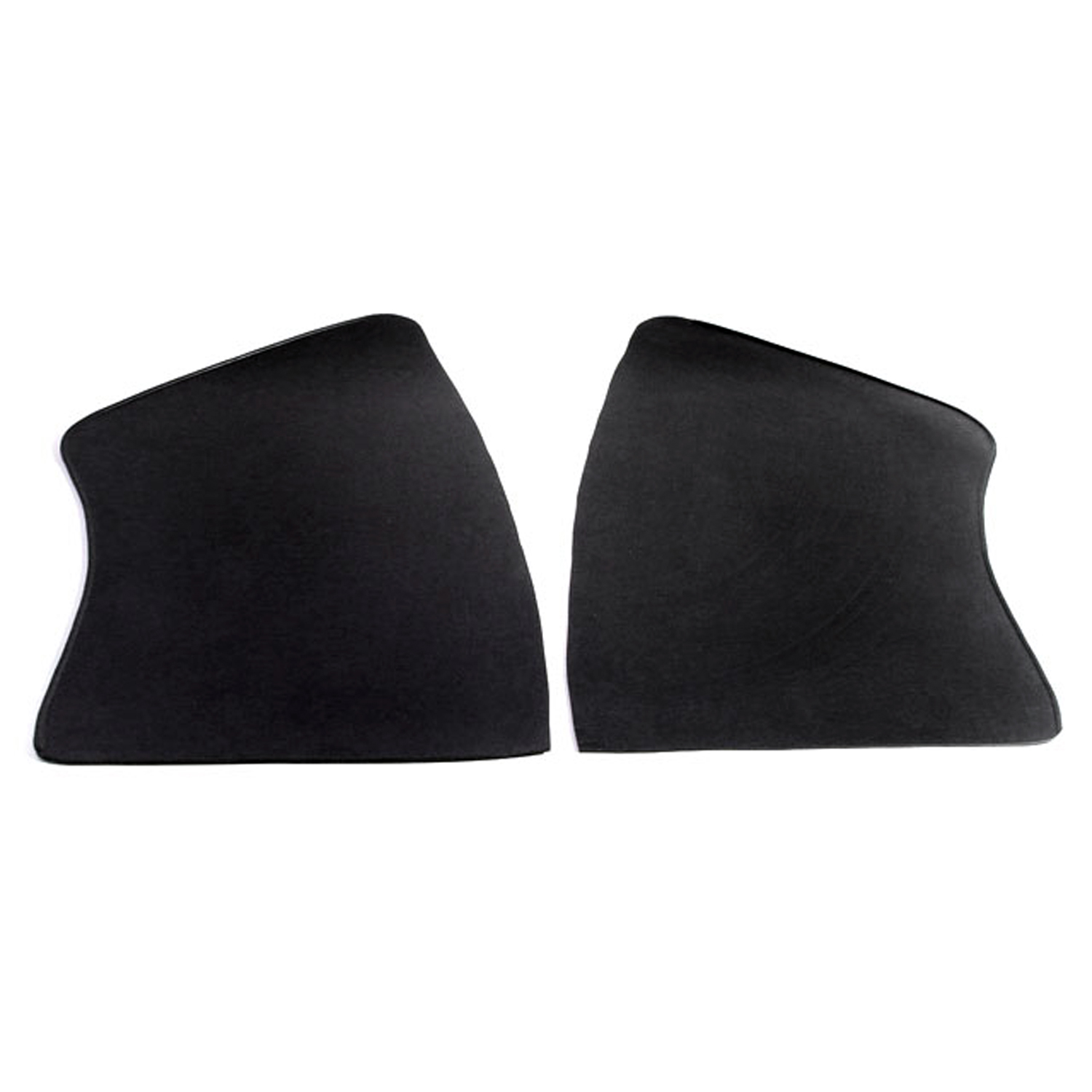 1933 Chrysler Imperial Custom Series CL Gravel Shields. Molded flat without metal backing plates-FS 31Gravel Shields. Molded flat without metal backing plates. Apply with contact cement. 18" long X 9-3/4" wide at bottom. Pair
 1933 Chrysler Imperial Custom Series CL Hood Corners. Fits flat corners-HC 19Hood Corners. Fits flat corners. 80° angle, 1/4" to 3/8" corner radius. 1-3/8" wide. Pair
 1933 Chrysler Imperial Custom Series CL Roof Related Seal. Top insert filler & seal for closed cars-LP 110-RRoof Related Seal. Top insert filler & seal for closed cars. Fits in groove between cloth top-center panel & surrounding steel. Sold by the foot
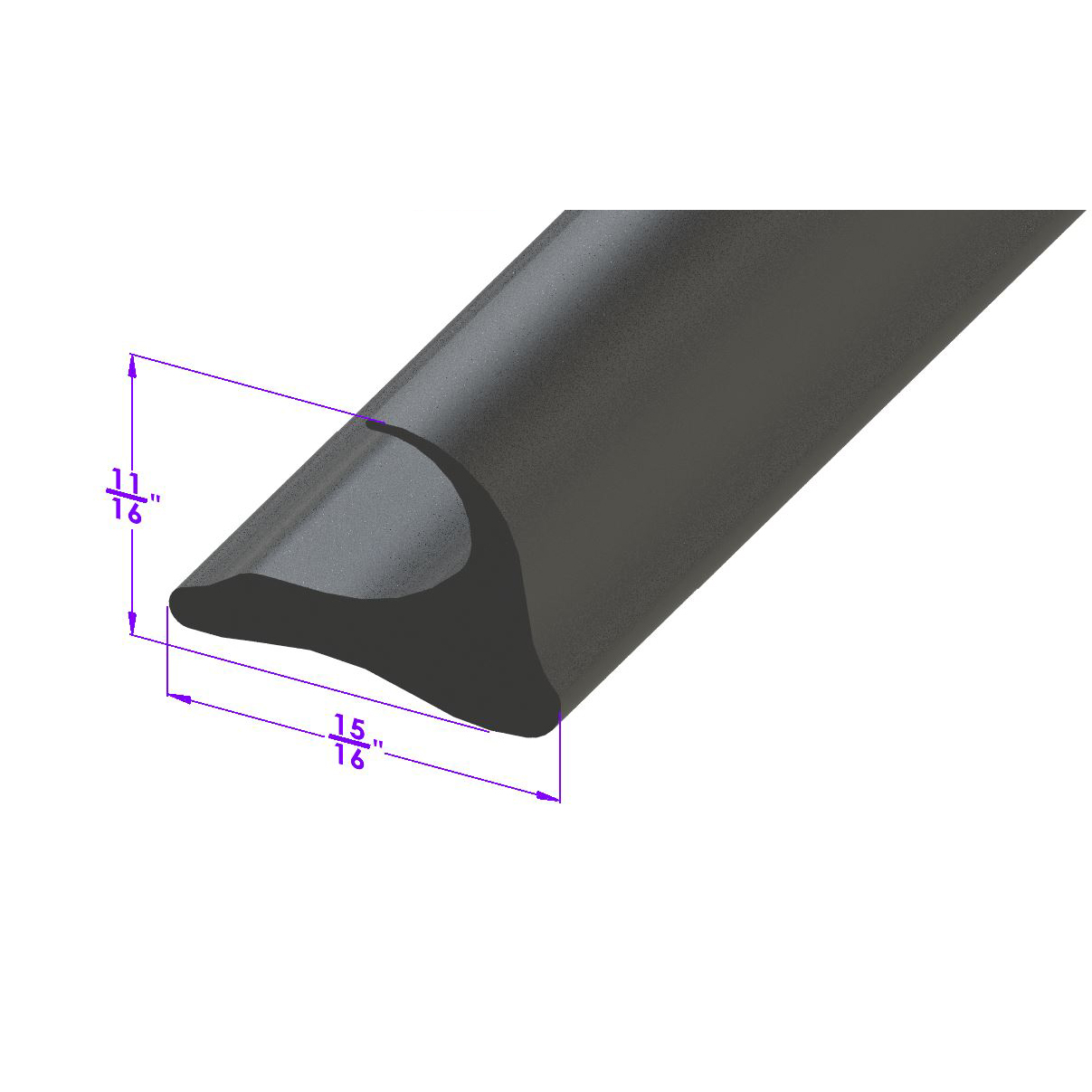 1933 Chrysler Imperial Custom Series CL Side Roof Rail Seal. Fits in metal retainer-LP 12-ASide Roof Rail Seal. Fits in metal retainer. Sold by the foot
 1933 Chrysler Imperial Custom Series CL Swing-Out Windshield Seal. 3/4" High. Sold by the foot-LP 97-ASwing-Out Windshield Seal. 3/4" High. Sold by the foot
 1933 Chrysler Imperial Custom Series CL Swing-Out Windshield Seal-LP 97-CSwing-Out Windshield Seal. For both one- and two-piece windshields. Sold by the foot
 1933 Chrysler Imperial Custom Series CL Headlight Pads. 2-1/4" wide X 4-1/4" long. Pair-MP 554Headlight Pads. 2-1/4" wide X 4-1/4" long. Pair
 1933 Chrysler Imperial Custom Series CL Tail-light Pads. 2-1/2" wide X 4-5/8" long. Pair-MP 555Tail-light Pads. 2-1/2" wide X 4-5/8" long. Pair
 1933 Chrysler Imperial Custom Series CL Door Handle Pads. 1-1/2" wide X 2-1/4" long-MP 556Door Handle Pads. 1-1/2" wide X 2-1/4" long. Pair (Buick: no locking type)
 1933 Chrysler Imperial Custom Series CL Door Handle Pads. 1-5/8" wide X 3-1/2" long. Pair-MP 556-BDoor Handle Pads. 1-5/8" wide X 3-1/2" long. Pair
 1933 Chrysler Imperial Custom Series CL Headlight Pads. 1-3/4" wide X 4-3/8" long. Pair-MP 556-CHeadlight Pads. 1-3/4" wide X 4-3/8" long. Pair
 1933 Chrysler Imperial Custom Series CL Trunk Rack Pad. 1-3/4" X 5-1/2". Each-MP 557Trunk Rack Pad. 1-3/4" X 5-1/2". Each
 1933 Chrysler Imperial Custom Series CL Trunk Hinge Pads. 1-7/8" wide X 8" long. 4-Piece Set-MP 568Trunk Hinge Pads. 1-7/8" wide X 8" long. 4-Piece Set
 1933 Chrysler Imperial Custom Series CL Headlight Pads. 2-1/4" wide X 5-1/4" long. Pair-MP 603Headlight Pads. 2-1/4" wide X 5-1/4" long. Pair
 1933 Chrysler Imperial Custom Series CL Cowl Vent Seal (fits some models). Made of open cell sponge-RP 100Cowl Vent Seal (fits some models). Made of open cell sponge. 2-1/2" X 16-1/4" O.D., 2" x 15-1/2" I.D. Each
 1933 Chrysler Imperial Custom Series CL Spare Tire Mount Grommet. 2-7/8" wide X 3-3/4" long. Each-RP 200-ASpare Tire Mount Grommet. 2-7/8" wide X 3-3/4" long. Each
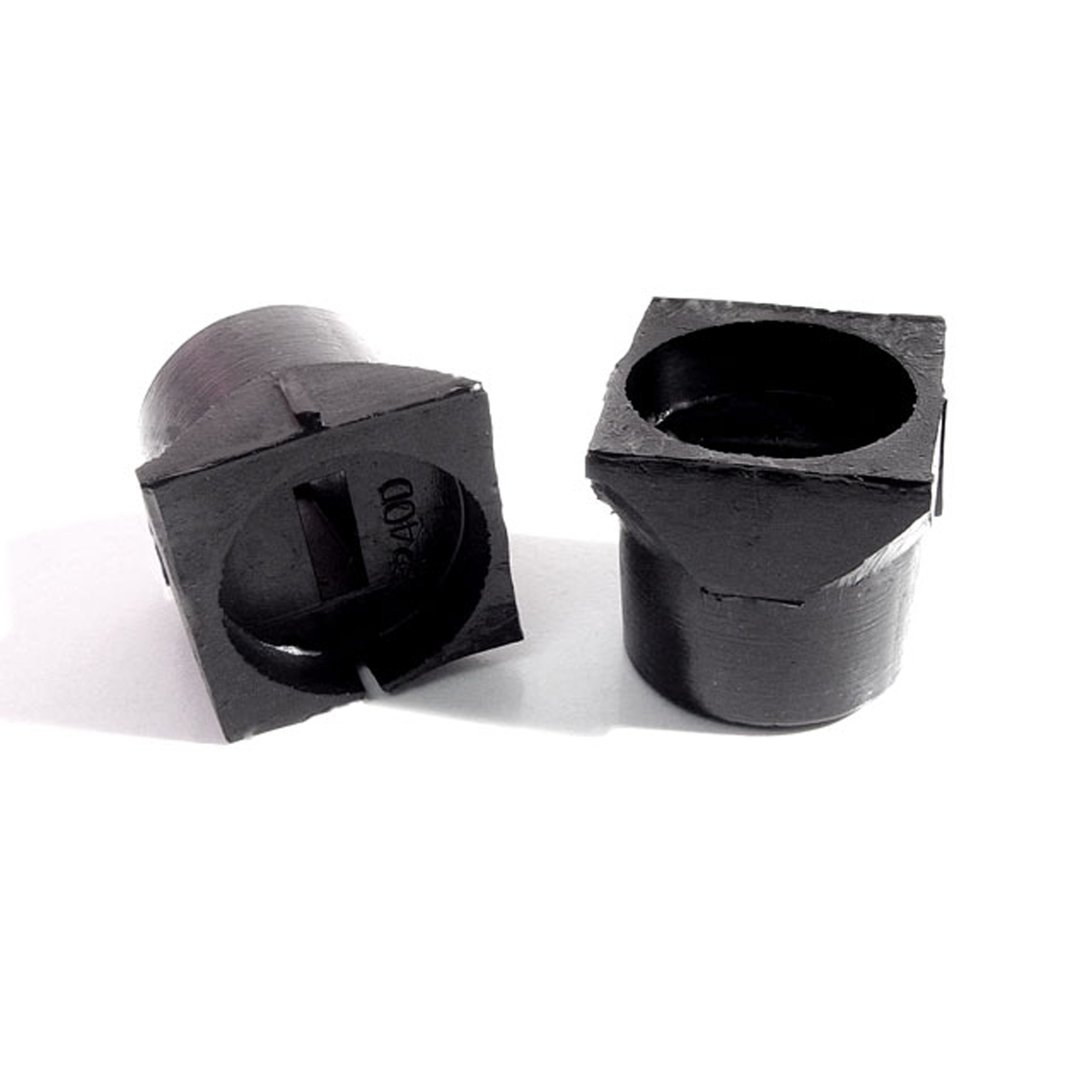 1933 Chrysler Imperial Custom Series CL Door Check Rubber Cushion. Each-RP 40-DDoor Check Rubber Cushion. Each
 1933 Chrysler Imperial Custom Series CL Door Bumper. 1" diameter X 1/4" thick Each-SB 60Door Bumper. 1" diameter X 1/4" thick Each
 1933 Chrysler Imperial Custom Series CL Side Window Anti-Rattle Pad. Six used per car-SB 73Side Window Anti-Rattle Pad. Six used per car. Fits a 3/16" X 3/4" slot in metal. Each
 1933 Chrysler Imperial Custom Series CL Rumble Seat Step Plate Pad. Rubber face only, no logo-SP 11Rumble Seat Step Plate Pad. Rubber face only, no logo. 4-1/4" O.D. Each
 1933 Chrysler Imperial Custom Series CL Step Plate Pad. Face only. 4-1/4" Diameter Each-SP 16Step Plate Pad. Face only. 4-1/4" Diameter Each
Why Choose Metro?
For over 100 years, Metro Moulded Parts has been the pinnacle of quality in classic car restoration parts. Our commitment to precision and authenticity in every component ensures a perfect fit and an OEM-level appearance.
- Expert Craftsmanship & Quality: Each part is a testament to our dedication to reliability and perfection, crafted from original designs and thoroughly tested.
- Advanced Technology: We use cutting-edge techniques to create flawless, long-lasting parts that surpass others in performance.
- SuperSoft Sponge – The Ultimate Door Seal: Not only are our door seals 30% softer than competitors', but they're also guaranteed to never leak. They effectively reduce wind and road noise, enhancing your classic car's comfort and driving experience.
- Proudly American: Our parts are a product of American craftsmanship, made in the USA with a spirit of excellence and heritage.
- Unrivaled Warranty: We back our products with a 30-year industry-leading warranty, a testament to our confidence in their quality.
Join us in preserving the legacy of classic cars with parts that are crafted for perfection, not just made.