

Image of 1933 Chrysler Royal Series Ct, Note: These illustrations use artistic license and may differ from actual historical models.
Performance Metrics
Fundamental Metrics
Emotional Appeal
MMP Rating
| Engine Specifications | |
|---|---|
| Engine Options: | Straight-8 |
| Displacement Range: | 298.7 cu in (4.9 L) |
| Horsepower Range: | Estimated 100-120 hp |
| Torque: | Not available |
| Compression Ratio: | Not available |
| Ignition System: | Battery and coil |
| Cooling System: | Liquid-cooled |
| Performance Specifications | |
| 0-60 Time: | Not available |
| 1/4 Mile Time: | Not available |
| Top Speed: | Estimated 75-85 mph |
| Transmission and Drive | |
| Drive Type: | Rear-wheel drive |
| Transmission Type: | 3-speed manual |
| Fuel and Efficiency | |
| Fuel System Type: | Carburetor |
| MPG: | Not available |
| Dimensions and Brakes | |
| Brakes: | 4-wheel hydraulic drum brakes |
| Wheelbase: | 112 in (2,845 mm) |
| Weight: | Estimated 3,200-3,500 lbs |
Note: Specifications for classic cars are given to the best of our ability, considering the limited and variant data available.
1933 Chrysler Royal CT: An American Six With Quiet Confidence
The 1933 Chrysler Royal CT brought a smooth, substantial six-cylinder car to buyers who wanted Chrysler engineering without stepping up to the company’s more expensive models. Built by the Chrysler Corporation in Detroit, the Royal sat in the middle of the marque’s range, combining conservative styling, a roomy cabin, and useful performance during one of the hardest years of the Great Depression.
The Royal’s “CT” designation identifies its 1933 series. Its six-cylinder engine and traditional body-on-frame construction made it a practical alternative to smaller, less powerful cars, while features such as hydraulic brakes reflected Chrysler’s attention to modern engineering. One especially interesting detail is its place just before a major styling shift: the Royal remained conventionally proportioned, arriving a year before Chrysler introduced the striking, aerodynamic Airflow models for 1934.
Traditional Lines, Modern Details
The Royal CT has the handsome, upright look many people picture when they think of an early-1930s American car. A tall radiator grille anchors the front end, flanked by rounded front fenders and prominent headlamps. The long hood leads into a passenger compartment set well back from the front axle, while running boards connect the front and rear fenders in one flowing line. At the back, the body tapers neatly toward a spare tire or rear luggage arrangement, depending on the model and equipment.
Inside, the Royal offered a more substantial environment than a basic economy car. Expect broad bench seating, a large steering wheel, a clearly laid-out instrument panel, and generous use of painted metal, wood-grain finishes, and durable upholstery. Materials and trim could vary with body style and equipment, but the overall character was practical and well-finished rather than lavish. Compared with a modern car, the cabin is open and simple, with little insulation and plenty of visible hardware.
Chrysler’s engineering helped give the Royal a contemporary feel. Its six-cylinder engine used overhead valves, and the car had a three-speed manual transmission and four-wheel hydraulic brakes. Hydraulic braking was an important convenience compared with older mechanical systems, providing more consistent braking force at each wheel. Chrysler’s “Floating Power” engine-mounting approach, introduced earlier in the decade, also helped reduce vibration transmitted into the passenger compartment.
Period color choices depended on body and trim, and surviving cars are often found in dark, dignified shades such as black, maroon, blue, or green. Exact paint names and combinations varied, so a restoration-minded owner should consult factory literature or paint records for the specific body. Two-door models have a particularly jaunty profile, while the four-door sedan presents the Royal’s more formal, family-car side.
Body Styles and Buyer Choices
The Royal was offered in several closed and open body configurations, including sedan and coupe forms, with convertible-style models available in the range. Exact offerings and naming could differ by catalog and body configuration. The four-door sedan was the natural choice for families and everyday use, while coupes appealed to buyers who wanted a more personal-looking car. Convertible coupes, where encountered, are especially eye-catching today because they combine the Royal’s upright prewar shape with open-air motoring.
For collectors, the body style matters almost as much as condition. A sound sedan is generally the practical entry point, while an open car or a less commonly seen coupe can attract greater interest. Original bodywork, correct trim, and a complete interior can make a major difference to both desirability and restoration cost.
Why the Royal CT Matters
The 1933 Royal is significant less for a single revolutionary feature than for how it brought useful engineering to a broad slice of Chrysler’s market. It delivered a six-cylinder engine, hydraulic brakes, and a comfortable full-size layout in a period when buyers were watching every dollar. Chrysler had built its reputation around engineering-led value, and the Royal carried that approach into a difficult economic climate.
It also represents a turning point in Chrysler design. The Royal’s upright grille, separate fenders, and running boards followed familiar conventions, but the company was already exploring ways to improve efficiency, comfort, and aerodynamics. The more radical 1934 Airflow would make that experimentation impossible to ignore. The Royal CT is therefore a useful snapshot of the transition from traditional American styling toward more integrated, streamlined design.
Unlike some cars that became famous through racing or a headline-grabbing record, the Royal’s appeal is rooted in its everyday credentials. It was a well-equipped, usable car for its time, not a specialized competition machine. Its lasting interest comes from the combination of solid engineering and unmistakable early-1930s character.
Six-Cylinder Performance on the Road
The Royal CT’s L-head inline-six displaced about 226 cubic inches and produced roughly 82 horsepower, depending on the published specification. Power went to the rear wheels through a three-speed manual transmission. Period gearing and engine condition matter, but a healthy example could reach an estimated top speed in the neighborhood of 70 to 75 mph. A 0-to-60-mph time is not commonly documented with modern test precision; a reasonable estimate is around 20 to 25 seconds.
Those figures describe a relaxed touring car, not a quick modern traffic companion. The engine is best enjoyed by letting it build speed steadily and making deliberate shifts. On a quiet road, the six-cylinder produces a measured mechanical rumble, with induction and exhaust sounds more noticeable than the subdued engine note of a newer car.
The Royal’s long chassis and substantial body help it settle into a comfortable rhythm over ordinary road imperfections. It is not immune to bumps: the suspension, tires, and seat condition all influence ride quality, and rough roads can remind the driver that the car is nearly a century old. On winding roads, expect a slower, more deliberate experience than in a modern sedan. Steering is likely to feel heavier at low speeds, and cornering requires respect for the car’s height, weight, and period tires.
Driving one involves active participation. The driver works a manual gearbox, plans braking well in advance, and keeps a wider margin around the car than they would in a contemporary vehicle. When everything is adjusted correctly, the Royal feels composed and substantial, rewarding smooth inputs rather than hurried driving.
Living With a Chrysler Royal
Today, a Royal CT is most often used as a show car, a weekend tourer, or a vintage-car event participant. It can cover local roads comfortably when properly maintained, but its age makes it a poor choice for routine modern commuting. Braking distances, traffic speed, visibility, and the availability of specialist parts all deserve consideration before regular use.
The basic mechanical layout is straightforward by modern standards. An experienced owner or vintage-car mechanic can service the engine, ignition, carburetor, clutch, and brakes without specialized electronic equipment. That does not mean every repair is easy. Rebuilding a period carburetor, sourcing correct trim, repairing wood or body structure where applicable, and finding model-specific parts can take time. A complete, running car is usually a better purchase than an inexpensive project missing major components.
Reliability depends heavily on restoration quality and maintenance. Before driving, inspect the hydraulic brake system, tires, steering components, cooling system, fuel lines, and electrical wiring. Old rubber hoses and aged brake components deserve particular attention. A car that stops, steers, and stays cool is more enjoyable, and safer, than one made cosmetically perfect but mechanically neglected.
Royal CT Facts and Myths
The Royal CT is sometimes overshadowed by the dramatic 1934 Chrysler Airflow, but that contrast is part of its appeal. The 1933 Royal represents Chrysler’s established formula just before the company took a conspicuous styling risk. It is a reminder that the move toward aerodynamic design happened alongside, not instead of, conventional cars that buyers already understood.
No widely recognized speed, endurance, or sales record is associated specifically with the Royal CT, and it is better understood as a capable production car than a record-setter. Nor is there a single celebrity-owner story that defines the model. Its most notable historical context is its arrival during the Depression, when an American manufacturer had to balance engineering ambition with the need to offer practical value.
A common criticism is that the Royal lacks the dramatic styling or sporting reputation of some more famous classics. Its upright shape can look conservative beside later streamlined cars, and its performance is modest by modern standards. Those are fair observations, but they also explain its charm: the Royal is an honest, well-proportioned example of Chrysler’s mainstream engineering before the visual revolution of the mid-1930s.
Collector Value and Availability
Exact production figures for the 1933 Royal CT are not consistently reported in readily available model references. As a practical estimate, production was likely in the several-thousand range rather than the tens of thousands for this specific series, though the total depends on which body styles and factory records are counted. Surviving examples are uncommon, and open cars or especially original cars are harder to find than sedans.
As a broad 2026 market guide, a project car may fall around $8,000 to $18,000, while a usable driver could bring roughly $18,000 to $35,000. A well-restored, highly presentable example might sell for approximately $35,000 to $60,000 or more, with rare body styles, documented provenance, and exceptional originality potentially pushing values higher. These are estimates, not guaranteed sale prices. Condition, completeness, restoration quality, and local demand can move a valuation substantially.
Values for prewar cars tend to be selective rather than uniformly rising. Top-quality, correctly restored examples remain desirable, but restoration costs can exceed the finished car’s market value. The Royal’s appeal is strongest among buyers who value Chrysler history, usable prewar engineering, and understated styling. For many owners, the return is as much about the experience and preservation as it is about price appreciation.
A Classic Built for the Long View
The 1933 Chrysler Royal CT combines a substantial six-cylinder engine, hydraulic brakes, practical body styles, and the conservative elegance of a prewar American car. It was not designed to be the fastest or most radical car of its day. Instead, it offered solid engineering and comfortable transportation at a moment when those qualities mattered enormously.
Nearly a century later, the Royal remains a rewarding classic for enthusiasts who appreciate mechanical simplicity and historical context. Its place on the road tells a story of Chrysler before the Airflow era, and every careful mile keeps that story moving.
1933 Chrysler Royal Series Ct Catalog of Parts
 1933 Chrysler Royal Series CT Clutch and Brake Pedal Pads. 2-5/8" wide X 3-3/4" long-CB 26Clutch and Brake Pedal Pads. 2-5/8" wide X 3-3/4" long. Pair
 1933 Chrysler Royal Series CT Clutch and Brake Pedal Pads, Black-CB 28-AClutch and Brake Pedal Pads, Black. 2-3/8" wide X 3-7/8" long. Pair
 1933 Chrysler Royal Series CT Clutch and Brake Pedal Pads, Brown-CB 28-BClutch and Brake Pedal Pads, Brown. 2-3/8" wide X 3-7/8" long. Pair
 1933 Chrysler Royal Series CT Door Jamb Bumper. Perfect reproduction-DB 36Door Jamb Bumper. Perfect reproduction. 1-1/16" high X 1-1/4" wide X 7/16" thick. Each
 1933 Chrysler Royal Series CT Door Jamb Bumper. Exact reproduction-DB 37Door Jamb Bumper. Exact reproduction. 1" high X 1-1/4" wide X 1/2" thick. Each
 1933 Chrysler Royal Series CT Door Jamb Bumper. Fully detailed reproduction-DB 38Door Jamb Bumper. Fully detailed reproduction. 15/16" high X 1-9/16" wide X 7/16" thick. Each
 1933 Chrysler Royal Series CT Door Bumper. 1-7/16" high X 1-9/16" wide X 9/16" thick-DB 7Door Bumper. 1-7/16" high X 1-9/16" wide X 9/16" thick. Each
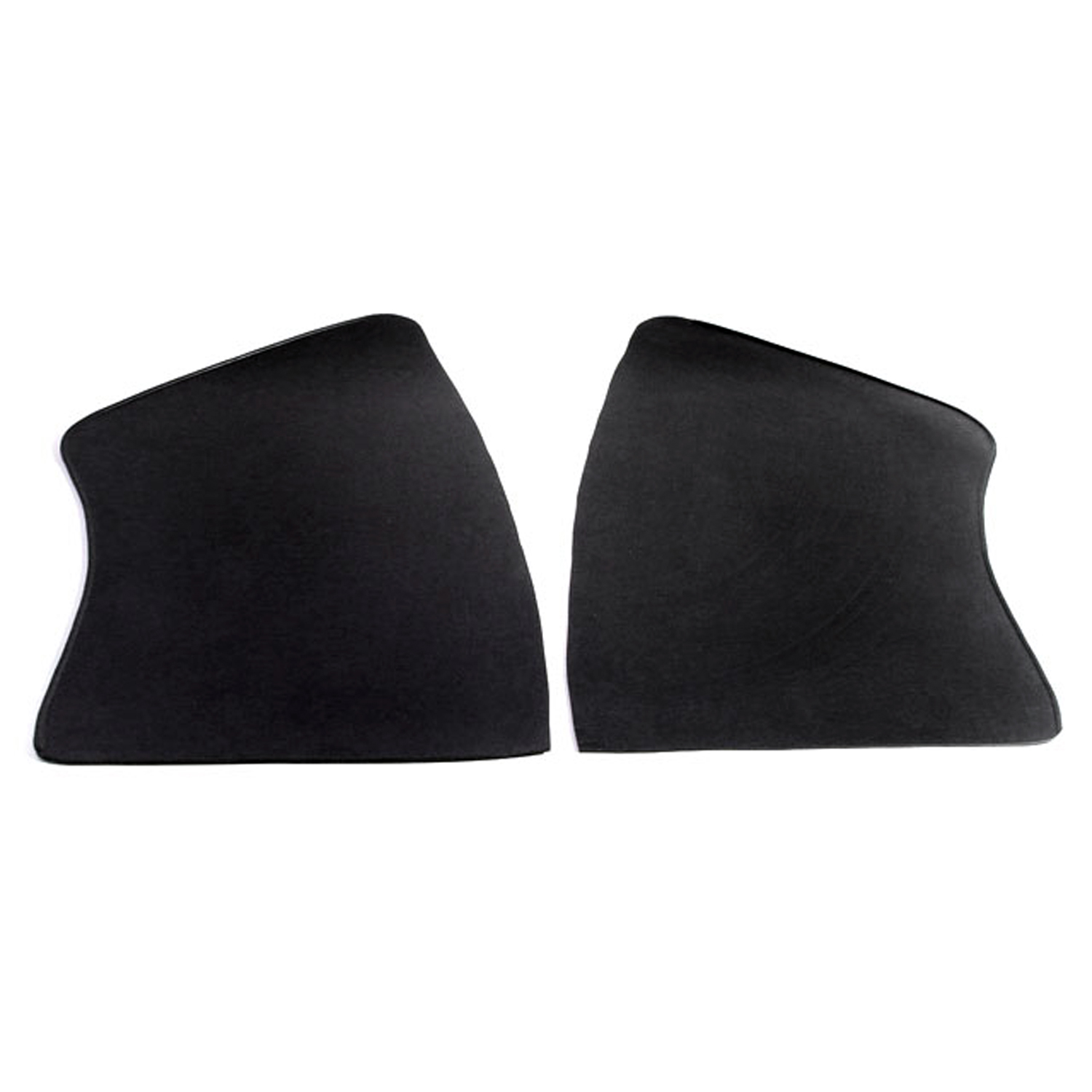 1933 Chrysler Royal Series CT Gravel Shields. Molded flat without metal backing plates-FS 31Gravel Shields. Molded flat without metal backing plates. Apply with contact cement. 18" long X 9-3/4" wide at bottom. Pair
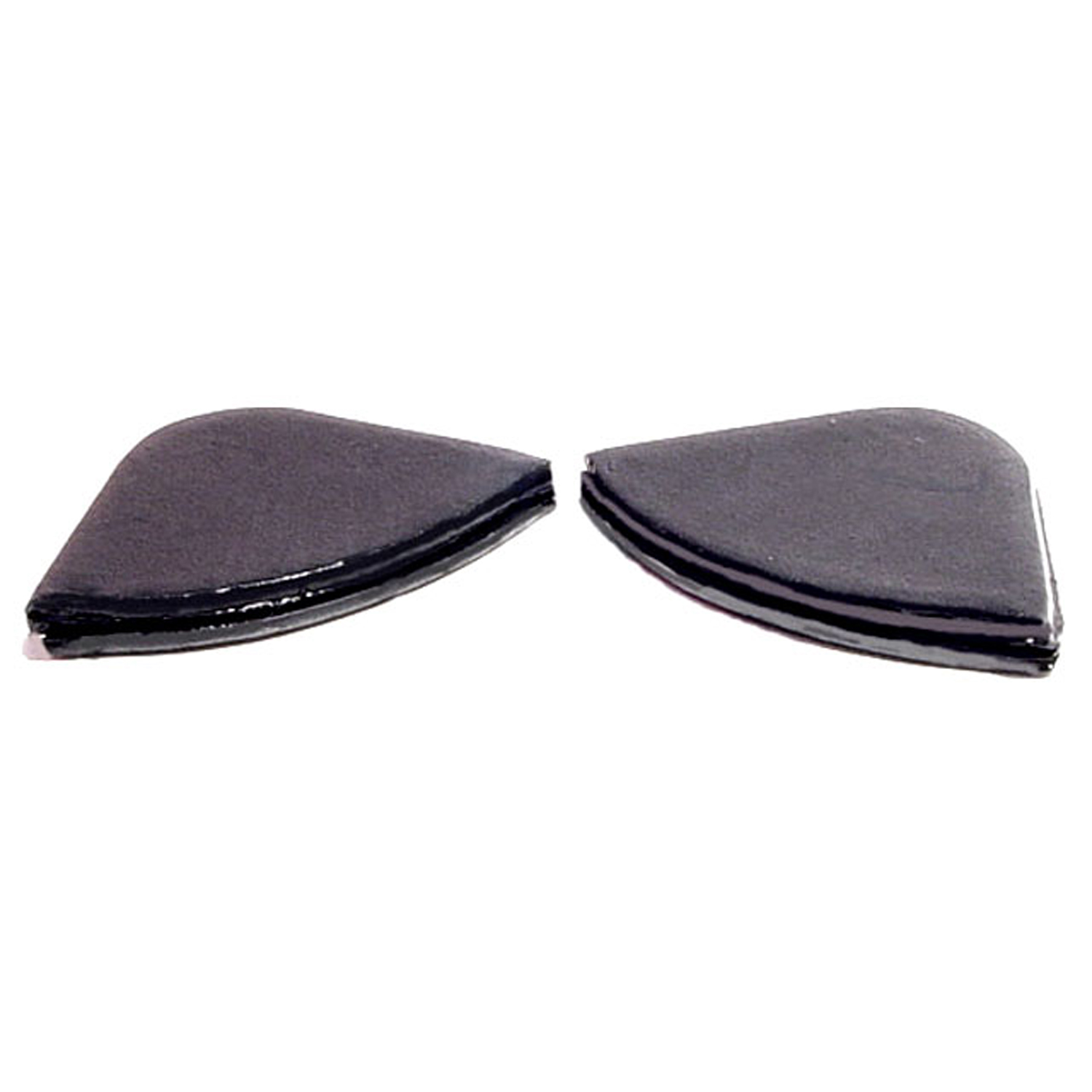 1933 Chrysler Royal Series CT Hood Corners. Fits flat corners-HC 19Hood Corners. Fits flat corners. 80° angle, 1/4" to 3/8" corner radius. 1-3/8" wide. Pair
 1933 Chrysler Royal Series CT Roof Related Seal. Top insert filler & seal for closed cars-LP 110-RRoof Related Seal. Top insert filler & seal for closed cars. Fits in groove between cloth top-center panel & surrounding steel. Sold by the foot
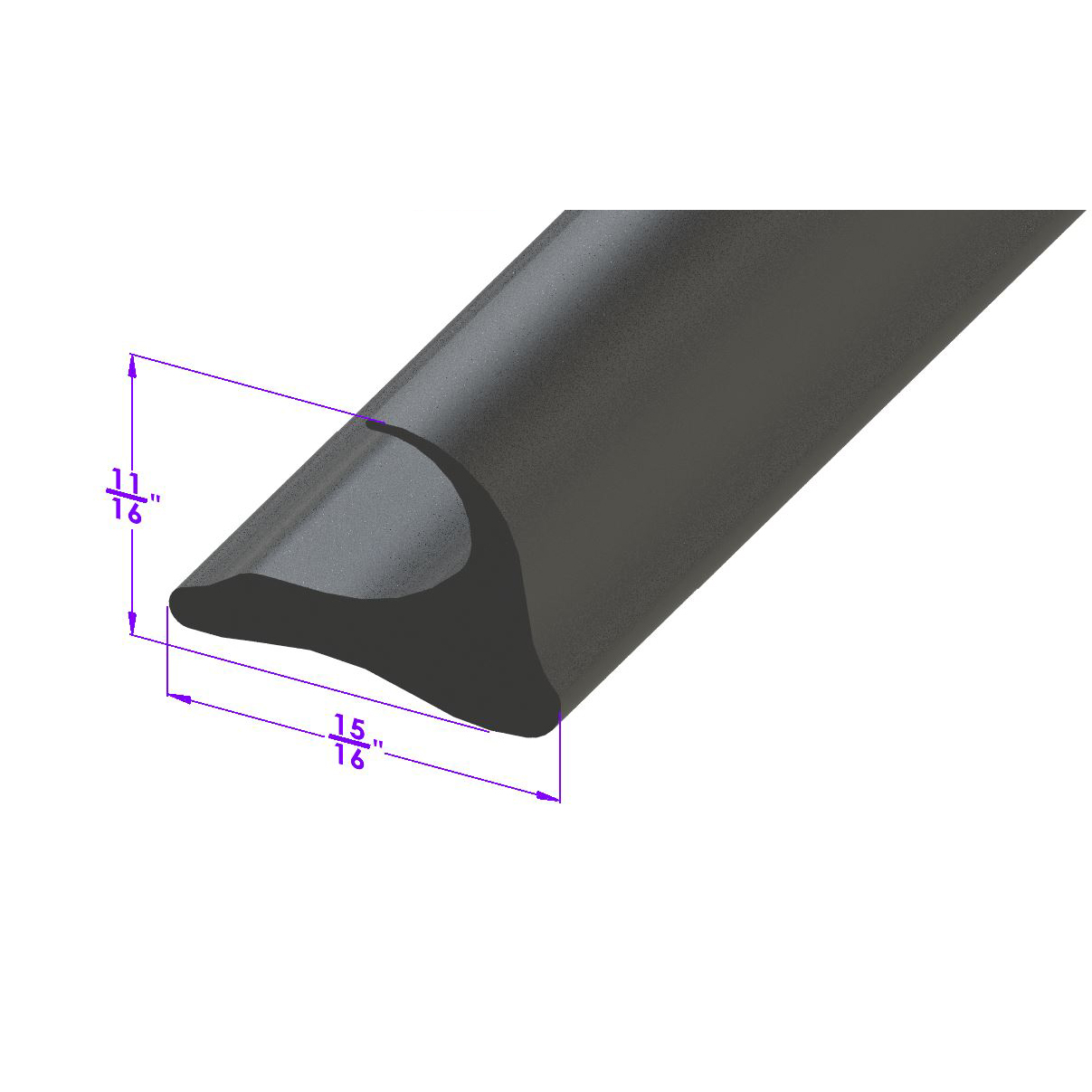 1933 Chrysler Royal Series CT Side Roof Rail Seal. Fits in metal retainer-LP 12-ASide Roof Rail Seal. Fits in metal retainer. Sold by the foot
 1933 Chrysler Royal Series CT Swing-Out Windshield Seal. 3/4" High. Sold by the foot-LP 97-ASwing-Out Windshield Seal. 3/4" High. Sold by the foot
 1933 Chrysler Royal Series CT Headlight Pads. 2-1/4" wide X 4-1/4" long. Pair-MP 554Headlight Pads. 2-1/4" wide X 4-1/4" long. Pair
 1933 Chrysler Royal Series CT Tail-light Pads. 2-1/2" wide X 4-5/8" long. Pair-MP 555Tail-light Pads. 2-1/2" wide X 4-5/8" long. Pair
 1933 Chrysler Royal Series CT Door Handle Pads. 1-1/2" wide X 2-1/4" long-MP 556Door Handle Pads. 1-1/2" wide X 2-1/4" long. Pair (Buick: no locking type)
 1933 Chrysler Royal Series CT Door Handle Pads. 1-5/8" wide X 3-1/2" long. Pair-MP 556-BDoor Handle Pads. 1-5/8" wide X 3-1/2" long. Pair
 1933 Chrysler Royal Series CT Headlight Pads. 1-3/4" wide X 4-3/8" long. Pair-MP 556-CHeadlight Pads. 1-3/4" wide X 4-3/8" long. Pair
 1933 Chrysler Royal Series CT Trunk Rack Pad. 1-3/4" X 5-1/2". Each-MP 557Trunk Rack Pad. 1-3/4" X 5-1/2". Each
 1933 Chrysler Royal Series CT Trunk Hinge Pads. 1-7/8" wide X 8" long. 4-Piece Set-MP 568Trunk Hinge Pads. 1-7/8" wide X 8" long. 4-Piece Set
 1933 Chrysler Royal Series CT Cowl Vent Seal (fits some models). Made of open cell sponge-RP 100Cowl Vent Seal (fits some models). Made of open cell sponge. 2-1/2" X 16-1/4" O.D., 2" x 15-1/2" I.D. Each
 1933 Chrysler Royal Series CT Spare Tire Mount Grommet. 2-7/8" wide X 3-3/4" long. Each-RP 200-ASpare Tire Mount Grommet. 2-7/8" wide X 3-3/4" long. Each
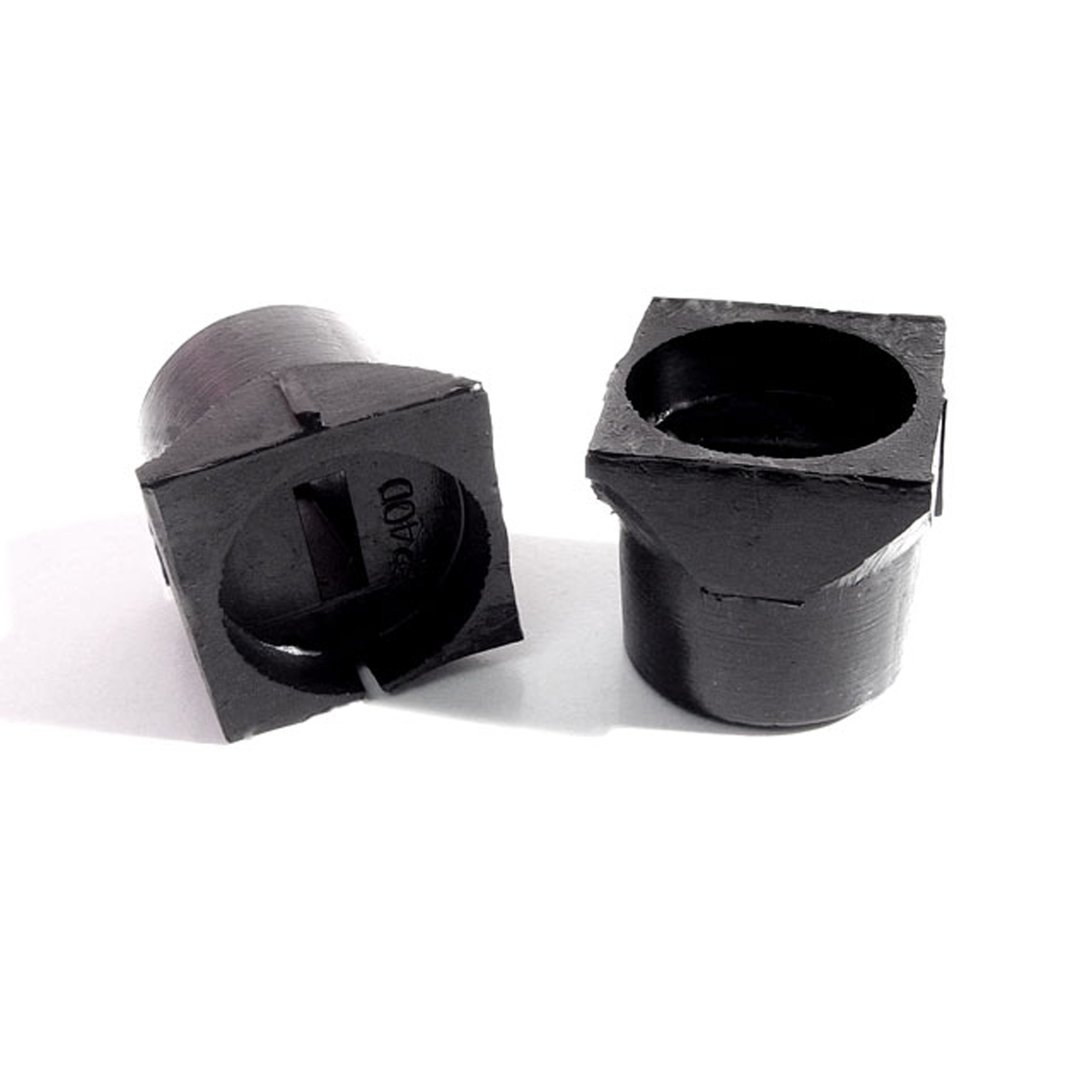 1933 Chrysler Royal Series CT Door Check Rubber Cushion. Each-RP 40-DDoor Check Rubber Cushion. Each
 1933 Chrysler Royal Series CT Door Bumper. 1" diameter X 1/4" thick Each-SB 60Door Bumper. 1" diameter X 1/4" thick Each
 1933 Chrysler Royal Series CT Side Window Anti-Rattle Pad. Six used per car-SB 73Side Window Anti-Rattle Pad. Six used per car. Fits a 3/16" X 3/4" slot in metal. Each
 1933 Chrysler Royal Series CT Rumble Seat Step Plate Pad. Rubber face only, no logo-SP 11Rumble Seat Step Plate Pad. Rubber face only, no logo. 4-1/4" O.D. Each
 1933 Chrysler Royal Series CT Step Plate Pad. Face only. 4-1/4" Diameter Each-SP 16Step Plate Pad. Face only. 4-1/4" Diameter Each
Why Choose Metro?
For over 100 years, Metro Moulded Parts has been the pinnacle of quality in classic car restoration parts. Our commitment to precision and authenticity in every component ensures a perfect fit and an OEM-level appearance.
- Expert Craftsmanship & Quality: Each part is a testament to our dedication to reliability and perfection, crafted from original designs and thoroughly tested.
- Advanced Technology: We use cutting-edge techniques to create flawless, long-lasting parts that surpass others in performance.
- SuperSoft Sponge – The Ultimate Door Seal: Not only are our door seals 30% softer than competitors', but they're also guaranteed to never leak. They effectively reduce wind and road noise, enhancing your classic car's comfort and driving experience.
- Proudly American: Our parts are a product of American craftsmanship, made in the USA with a spirit of excellence and heritage.
- Unrivaled Warranty: We back our products with a 30-year industry-leading warranty, a testament to our confidence in their quality.
Join us in preserving the legacy of classic cars with parts that are crafted for perfection, not just made.