

Image of 1933 Chrysler Series Co, Note: These illustrations use artistic license and may differ from actual historical models.
Performance Metrics
Fundamental Metrics
Emotional Appeal
MMP Rating
| Engine Specifications | |
|---|---|
| Engine: | Straight-6 |
| Displacement: | 223.9 cu in (3.7 L) |
| Horsepower: | 75-85 HP |
| Torque: | Not available |
| Compression Ratio: | Not available |
| Ignition System: | Battery and coil |
| Cooling System: | Water-cooled |
| Performance Specifications | |
| 0-60 Time: | Not available |
| 1/4 Mile Time: | Not available |
| Top Speed: | 75-85 mph |
| Transmission and Drive | |
| Drive Type: | Rear-wheel drive |
| Transmission Type: | 3-speed manual |
| Fuel and Efficiency | |
| Fuel System Type: | Carburetor |
| MPG: | Not available |
| Dimensions and Brakes | |
| Brakes: | 4-wheel hydraulic brakes |
| Wheelbase: | 112 in (2,845 mm) |
| Weight: | 2,900-3,200 lbs |
Note: Specifications for classic cars are given to the best of our ability, considering the limited and variant data available.
The 1933 Chrysler Series CO was a sturdy, well-equipped six-cylinder car from a company already earning a reputation for engineering beyond the ordinary. It arrived during the Great Depression, when buyers wanted dependable transportation and automakers had to make every feature count. The CO was not the radical Chrysler Airflow that would soon grab headlines, but it represents the more familiar, carefully engineered side of Chrysler in a pivotal decade.
1933 Chrysler Series CO: A Six for Its Time
Built by the Chrysler Corporation in Detroit, the Series CO was part of Chrysler’s 1933 passenger-car range. It sat among the company’s conventional models, offering a practical alternative to more expensive cars while retaining Chrysler touches such as a smooth-running engine and substantial chassis engineering. The model’s exact specifications can vary by body style and reference source, so figures below should be treated as representative rather than universal.
The CO’s historical setting is part of its appeal. The Depression had sharply reduced car sales, and manufacturers were competing to offer value without making their products feel cheap. At the same time, Chrysler was preparing for a major design leap: the streamlined Airflow, introduced for 1934. The Series CO gives us a useful snapshot of the traditional American automobile just before that experiment changed the conversation.
There is an appealing contrast in its timing. In 1933, Chrysler buyers could choose a conventional, upright car with familiar proportions, while the company’s engineers were developing a much more aerodynamic approach for the next model year. The CO was the dependable present; the Airflow was the bold future.
Exterior Design and Cabin Details
The Series CO has the balanced, formal stance associated with early-1930s American cars. Its tall, upright radiator grille leads into a long hood, with sweeping front fenders that frame the wheels and running boards connecting the front and rear. The windshield is nearly vertical, the roofline is high, and the rear body has the rounded, carefully tailored look of a coachbuilt car. Details such as bright trim, headlamp shells, and a rear-mounted spare give the car its period character without overwhelming its restrained shape.
Inside, the CO is more about comfort and useful space than modern convenience. Depending on the body and trim, upholstery could include cloth or mohair in closed cars and leather in some open or higher-trim configurations. The dashboard is a broad, upright panel with clearly arranged gauges and traditional controls. Wood-grain finishes and polished metal accents could give the cabin a richer appearance, though the exact materials varied with body style and specification.
Factory paint choices depended on the body and ordering options. Dark shades such as black, maroon, deep blue, and green suited the car’s formal lines, while two-tone combinations could add contrast to the body and fenders. A black or dark-colored sedan is especially familiar to collectors, but period-correct colors can make a restored CO stand out. Original paint documentation is uncommon, so color claims are best checked against build records or surviving layers on the car itself.
Series CO body offerings included practical closed cars such as sedans and more sporting coupe-style forms, with availability varying across the model range. Coupes with a rumble seat are among the most evocative configurations, offering a compact two-door cabin and an exposed rear perch for occasional passengers. Four-door sedans are generally the most straightforward choices for regular use, while rarer open or special-body examples can attract greater collector interest.
Engineering Before the Airflow
The CO’s importance lies less in a single headline-grabbing invention than in how Chrysler combined established engineering features in a usable car. Chrysler had built a reputation for innovations such as hydraulic four-wheel brakes and its “Floating Power” engine mounting system, designed to reduce vibration reaching the cabin. Such engineering helped distinguish the company’s cars from competitors that leaned more heavily on styling or price alone.
The Series CO itself followed a conventional front-engine, rear-wheel-drive layout. That made it easy for buyers and mechanics to understand, while Chrysler’s attention to driveline and chassis refinement helped deliver a more composed experience than the car’s upright appearance might suggest. It was not an aerodynamic breakthrough, but it belongs to the engineering tradition that made Chrysler’s later design experiments possible.
What set the CO apart from many contemporaries was this balance of sensible packaging and technical ambition. It offered familiar proportions and straightforward operation, yet came from a manufacturer willing to rethink how cars were mounted, braked, and eventually shaped. Its lasting influence is therefore part of the larger Chrysler story rather than a claim that the CO alone transformed automotive design.
Engine, Speed, and Road Manners
Series CO specifications are commonly associated with a Chrysler inline six of roughly 218.6 cubic inches, or 3.6 litres, producing about 82 horsepower. A three-speed manual transmission sent power to the rear wheels. Exact output and equipment can differ by source and configuration, so a car’s original literature or engine markings are the best guide to a particular example.
Period performance was respectable for a full-size car of the early 1930s. A healthy, correctly tuned CO may reach roughly 70 to 75 mph, while a 0-to-60-mph run could take around 25 to 30 seconds. Those are modern estimates, not guaranteed factory test figures. Tire condition, gearing, body style, engine health, and road surface all make a significant difference.
On the road, the six-cylinder engine is better understood as a steady, relaxed powerplant than a high-revving performer. Acceleration builds gradually, and the driver works the manual gearbox to keep the engine in its useful range. At cruising speed, a sound example should feel purposeful rather than hurried, with the engine’s low mechanical hum accompanied by the soft whir of the transmission and tire noise.
The CO’s long, substantial chassis helps it settle over ordinary road imperfections, though its suspension and narrow tires are very different from a modern car’s. Rough surfaces bring more body movement, and the driver should expect a slower, more deliberate response on winding roads. Steering and braking demand attention, especially at speed. In crosswinds, the tall body and upright windshield can be affected more than a modern, low-profile vehicle. A well-maintained car feels stable for its era, but it rewards anticipation rather than abrupt inputs.
Living with a Series CO
Today, most Series COs are show cars, touring cars, or occasional-use classics rather than daily transportation. They are well suited to local meets, vintage motoring events, and relaxed drives on quieter roads. A sedan can be a practical choice for touring with passengers, while a coupe offers a more sporting look and a rumble-seat version adds period charm.
Maintenance is manageable for an owner familiar with prewar cars, but it is not the same as maintaining a modern vehicle. The engine needs regular attention to ignition, carburetion, lubrication, cooling, and valve adjustment. The braking system, tires, steering components, and fuel lines deserve particular scrutiny before road use. Parts are available through specialist suppliers and the broader vintage-Chrysler community, although rare trim and body-specific pieces may take patience to locate.
Many repairs are mechanically straightforward, and the car’s conventional layout is an advantage. Still, restoration work can become expensive when the body, wood structure, interior, or hard-to-find brightwork needs attention. A well-preserved car is often a better buy than a tired project, especially for someone who wants to drive rather than spend years sourcing parts.
Little-Known CO Details
The Series CO is often overshadowed by the Chrysler Airflow, but that association is part of its story. The CO shows what most buyers still recognized as a proper automobile in 1933: a long hood, separate fenders, running boards, and an upright cabin. Just one model year later, Chrysler would present a radically different vision with the Airflow’s integrated, aerodynamic body.
There is no widely cited speed or endurance record uniquely associated with the Series CO. Its significance is more everyday than record-breaking: it was part of Chrysler’s effort to keep selling substantial, technically credible cars during difficult economic times. As with many Depression-era models, surviving cars are far less common than the original production numbers suggest, since decades of use, scrapping, and restoration have taken their toll.
Common criticisms are familiar to anyone considering a prewar car. The CO is slow by modern standards, braking distances are long, and the cabin lacks present-day safety equipment. Some body styles can also be difficult to restore because complete trim and interior components are scarce. Those drawbacks are part of the ownership equation, not flaws that can be fixed with a tune-up.
Collector Value and Availability
There is no single dependable production figure for every Series CO body style, and surviving records can be difficult to compare. A reasonable broad estimate is that production ran into the tens of thousands, perhaps roughly 15,000 to 25,000 cars across the series. That is a best estimate, not a confirmed factory total. The number of complete, roadworthy examples available today is much smaller.
As a broad 2026 market guide, a project car may fall around $8,000 to $18,000, depending heavily on completeness and rust. A sound driver or older restoration might bring approximately $20,000 to $40,000. High-quality restorations, particularly attractive or less common body styles, could reach $40,000 to $65,000 or more. These are estimated ranges rather than fixed values; condition, originality, documentation, body style, and location can move a car well beyond them.
Prices for prewar American classics have generally been selective rather than uniformly rising. Exceptional, documented cars can remain desirable, while ordinary examples may take longer to sell and may not keep pace with restoration costs. The CO’s value is supported by its engineering story and period styling, but buyers should judge the individual car carefully. A complete, correctly restored example is usually more appealing than a cheap project missing rare trim.
Why the 1933 Chrysler CO Still Matters
The 1933 Chrysler Series CO combines substantial prewar styling with practical six-cylinder engineering. It offers an upright, elegant exterior, a roomy traditional cabin, and a driving experience shaped by the roads and expectations of its time. Its place beside the coming Airflow makes it especially interesting: the CO represents the familiar Chrysler just before the company challenged convention.
For collectors, it is a rewarding choice for touring and preservation, provided they embrace its slower pace and hands-on upkeep. The Series CO may not have rewritten automotive design on its own, but it captures a moment when Chrysler was balancing dependable tradition with ambitious innovation. That makes this handsome six more than a survivor from 1933. It is a rolling link between the classic American car and the modern ideas that were just beginning to take shape.
1933 Chrysler Series Co Catalog of Parts
 1933 Chrysler Series CO Clutch and Brake Pedal Pads. 2-5/8" wide X 3-3/4" long-CB 26Clutch and Brake Pedal Pads. 2-5/8" wide X 3-3/4" long. Pair
 1933 Chrysler Series CO Clutch and Brake Pedal Pads, Black-CB 28-AClutch and Brake Pedal Pads, Black. 2-3/8" wide X 3-7/8" long. Pair
 1933 Chrysler Series CO Clutch and Brake Pedal Pads, Brown-CB 28-BClutch and Brake Pedal Pads, Brown. 2-3/8" wide X 3-7/8" long. Pair
 1933 Chrysler Series CO Door Jamb Bumper. Perfect reproduction-DB 36Door Jamb Bumper. Perfect reproduction. 1-1/16" high X 1-1/4" wide X 7/16" thick. Each
 1933 Chrysler Series CO Door Jamb Bumper. Exact reproduction-DB 37Door Jamb Bumper. Exact reproduction. 1" high X 1-1/4" wide X 1/2" thick. Each
 1933 Chrysler Series CO Door Jamb Bumper. Fully detailed reproduction-DB 38Door Jamb Bumper. Fully detailed reproduction. 15/16" high X 1-9/16" wide X 7/16" thick. Each
 1933 Chrysler Series CO Door Bumper. 1-7/16" high X 1-9/16" wide X 9/16" thick-DB 7Door Bumper. 1-7/16" high X 1-9/16" wide X 9/16" thick. Each
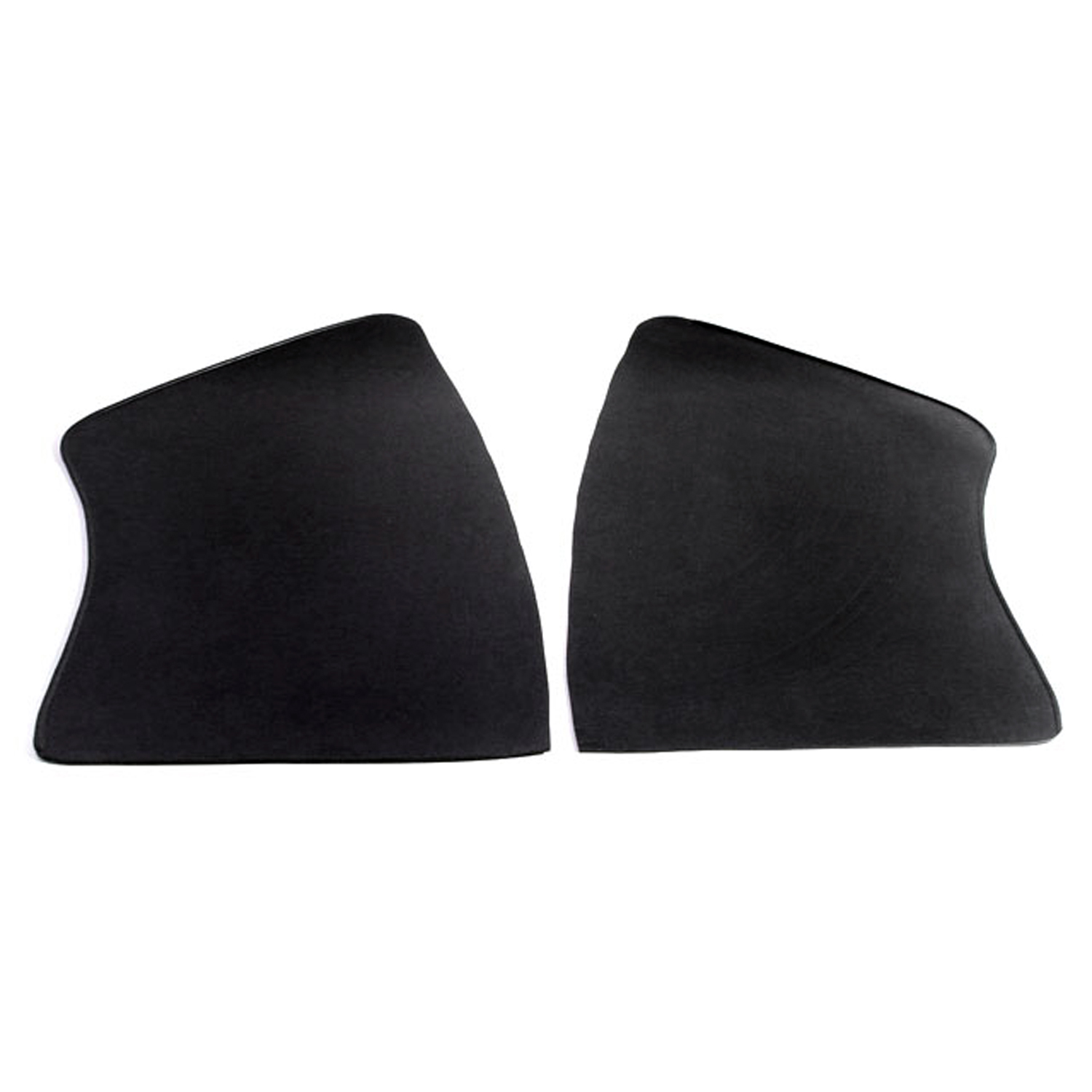 1933 Chrysler Series CO Gravel Shields. Molded flat without metal backing plates-FS 31Gravel Shields. Molded flat without metal backing plates. Apply with contact cement. 18" long X 9-3/4" wide at bottom. Pair
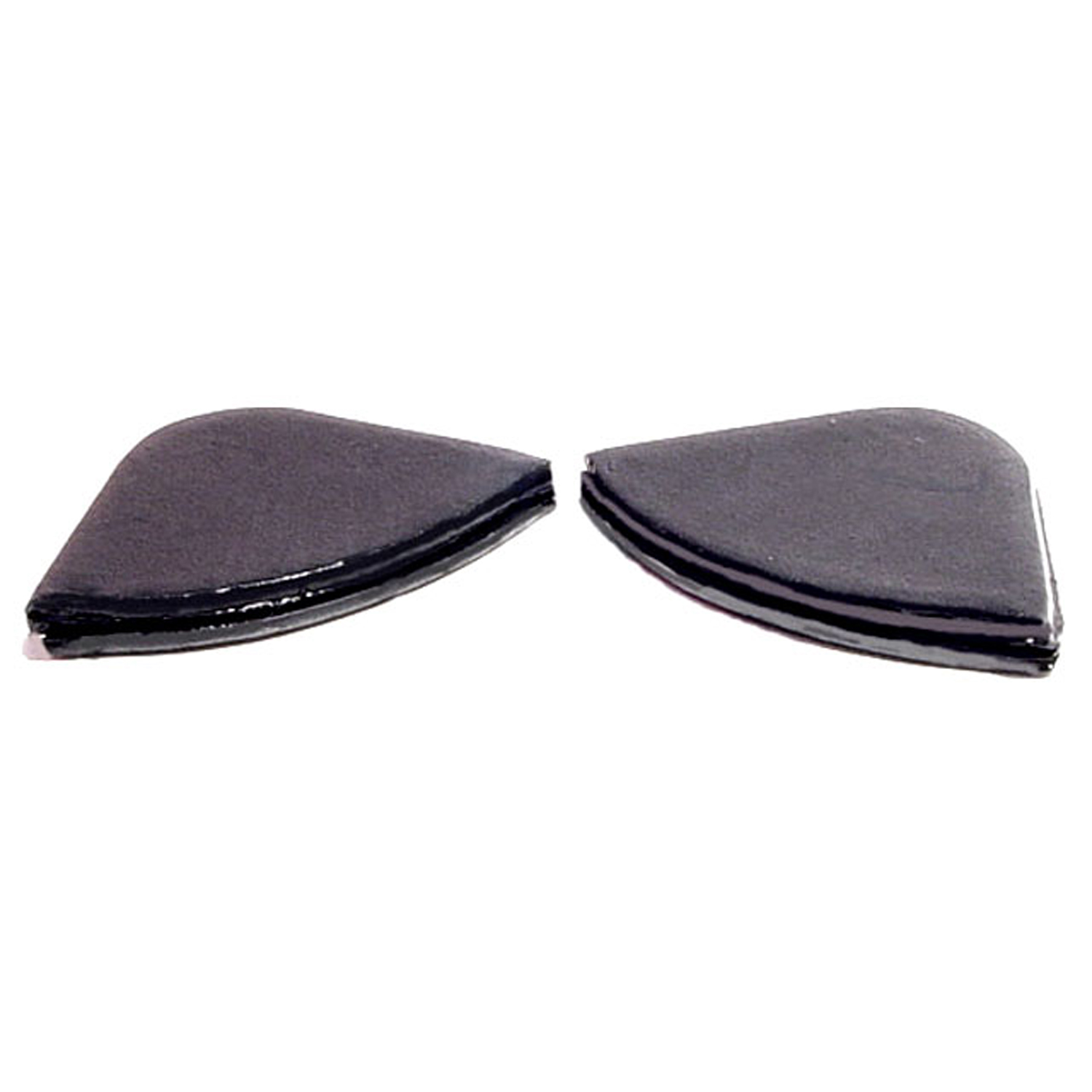 1933 Chrysler Series CO Hood Corners. Fits flat corners-HC 19Hood Corners. Fits flat corners. 80° angle, 1/4" to 3/8" corner radius. 1-3/8" wide. Pair
 1933 Chrysler Series CO Roof Related Seal. Top insert filler & seal for closed cars-LP 110-RRoof Related Seal. Top insert filler & seal for closed cars. Fits in groove between cloth top-center panel & surrounding steel. Sold by the foot
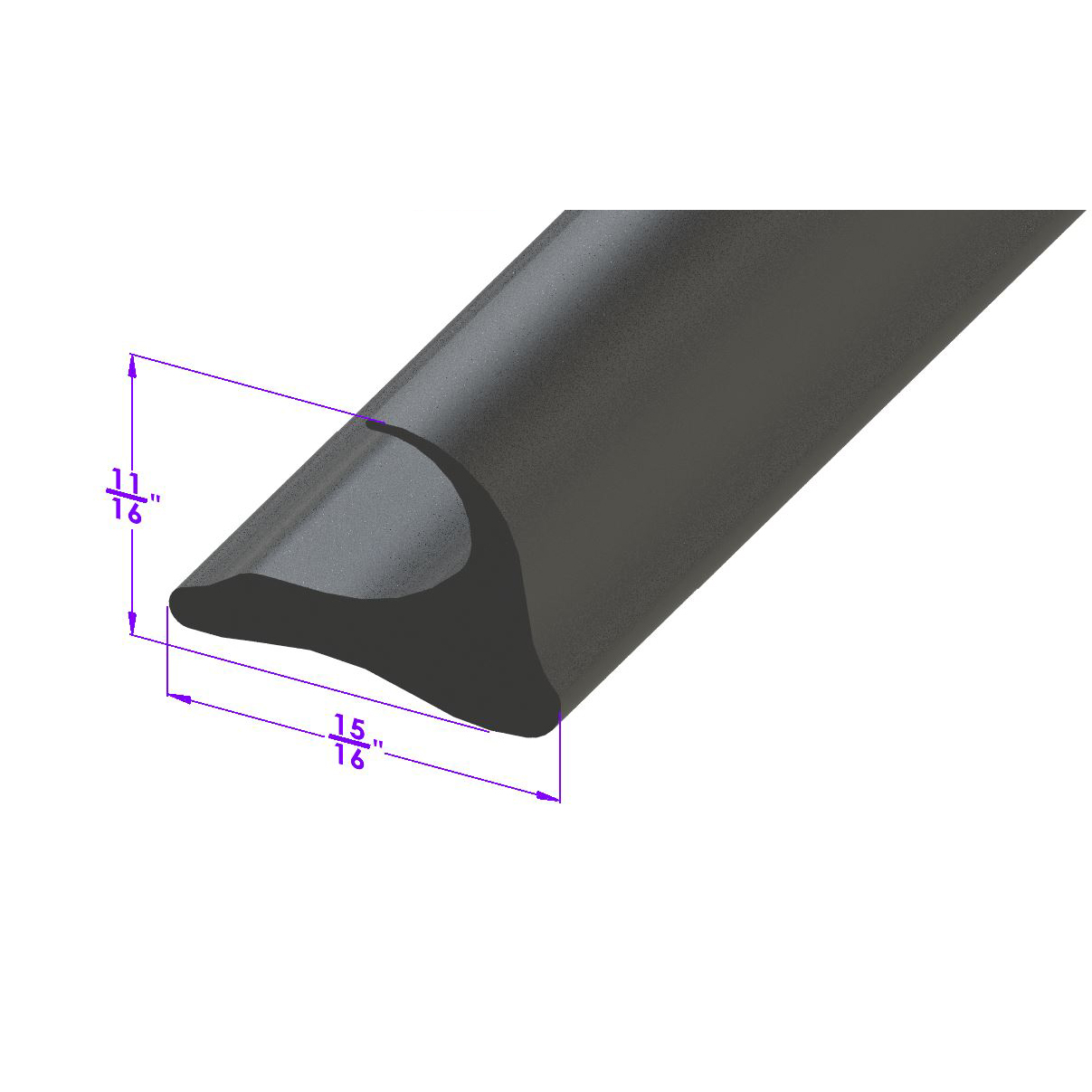 1933 Chrysler Series CO Side Roof Rail Seal. Fits in metal retainer-LP 12-ASide Roof Rail Seal. Fits in metal retainer. Sold by the foot
 1933 Chrysler Series CO Swing-Out Windshield Seal. 3/4" High. Sold by the foot-LP 97-ASwing-Out Windshield Seal. 3/4" High. Sold by the foot
 1933 Chrysler Series CO Headlight Pads. 2-1/4" wide X 4-1/4" long. Pair-MP 554Headlight Pads. 2-1/4" wide X 4-1/4" long. Pair
 1933 Chrysler Series CO Tail-light Pads. 2-1/2" wide X 4-5/8" long. Pair-MP 555Tail-light Pads. 2-1/2" wide X 4-5/8" long. Pair
 1933 Chrysler Series CO Door Handle Pads. 1-1/2" wide X 2-1/4" long-MP 556Door Handle Pads. 1-1/2" wide X 2-1/4" long. Pair (Buick: no locking type)
 1933 Chrysler Series CO Door Handle Pads. 1-5/8" wide X 3-1/2" long. Pair-MP 556-BDoor Handle Pads. 1-5/8" wide X 3-1/2" long. Pair
 1933 Chrysler Series CO Headlight Pads. 1-3/4" wide X 4-3/8" long. Pair-MP 556-CHeadlight Pads. 1-3/4" wide X 4-3/8" long. Pair
 1933 Chrysler Series CO Trunk Rack Pad. 1-3/4" X 5-1/2". Each-MP 557Trunk Rack Pad. 1-3/4" X 5-1/2". Each
 1933 Chrysler Series CO Trunk Hinge Pads. 1-7/8" wide X 8" long. 4-Piece Set-MP 568Trunk Hinge Pads. 1-7/8" wide X 8" long. 4-Piece Set
 1933 Chrysler Series CO Cowl Vent Seal (fits some models). Made of open cell sponge-RP 100Cowl Vent Seal (fits some models). Made of open cell sponge. 2-1/2" X 16-1/4" O.D., 2" x 15-1/2" I.D. Each
 1933 Chrysler Series CO Spare Tire Mount Grommet. 2-7/8" wide X 3-3/4" long. Each-RP 200-ASpare Tire Mount Grommet. 2-7/8" wide X 3-3/4" long. Each
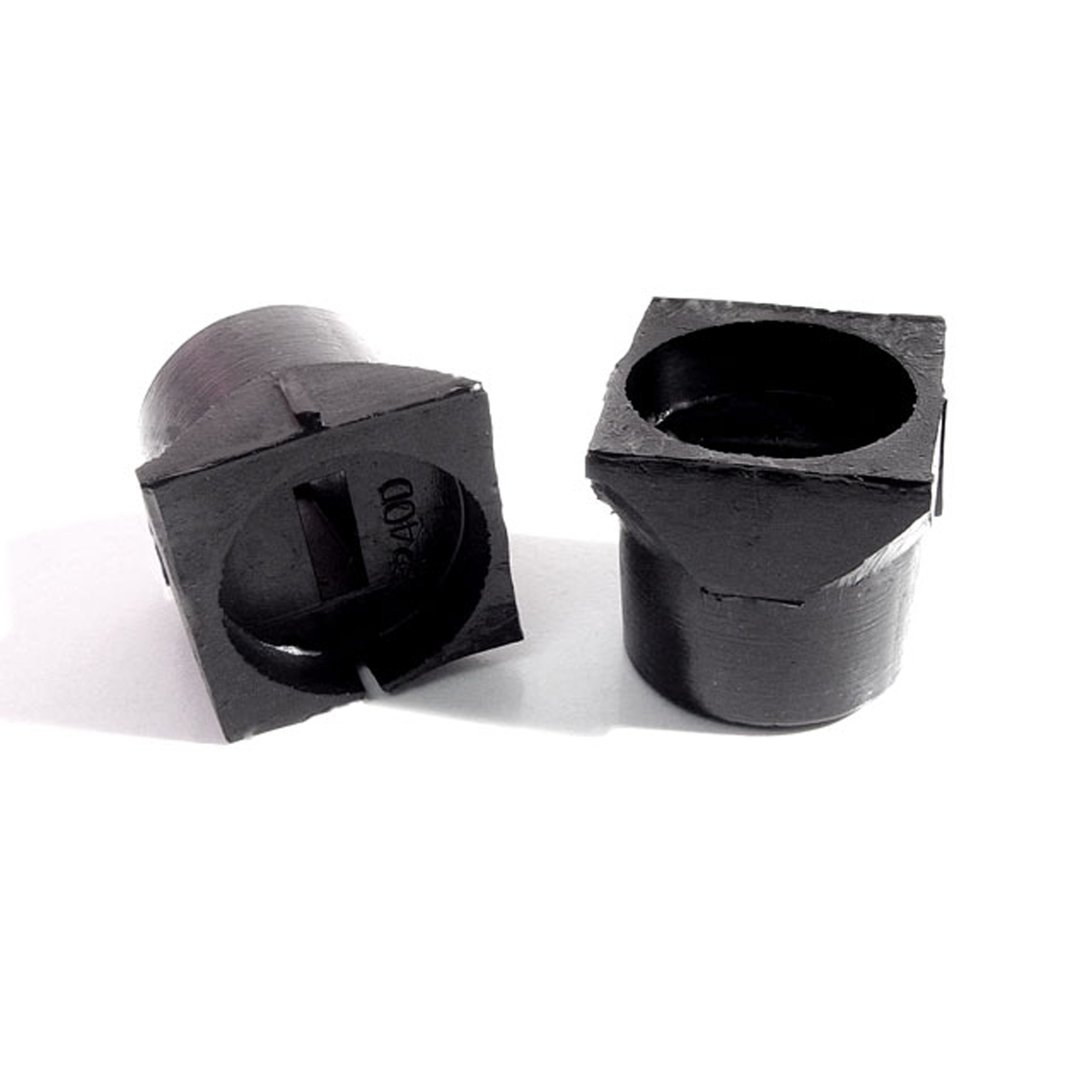 1933 Chrysler Series CO Door Check Rubber Cushion. Each-RP 40-DDoor Check Rubber Cushion. Each
 1933 Chrysler Series CO Door Bumper. 1" diameter X 1/4" thick Each-SB 60Door Bumper. 1" diameter X 1/4" thick Each
 1933 Chrysler Series CO Side Window Anti-Rattle Pad. Six used per car-SB 73Side Window Anti-Rattle Pad. Six used per car. Fits a 3/16" X 3/4" slot in metal. Each
 1933 Chrysler Series CO Rumble Seat Step Plate Pad. Rubber face only, no logo-SP 11Rumble Seat Step Plate Pad. Rubber face only, no logo. 4-1/4" O.D. Each
 1933 Chrysler Series CO Step Plate Pad. Face only. 4-1/4" Diameter Each-SP 16Step Plate Pad. Face only. 4-1/4" Diameter Each
Why Choose Metro?
For over 100 years, Metro Moulded Parts has been the pinnacle of quality in classic car restoration parts. Our commitment to precision and authenticity in every component ensures a perfect fit and an OEM-level appearance.
- Expert Craftsmanship & Quality: Each part is a testament to our dedication to reliability and perfection, crafted from original designs and thoroughly tested.
- Advanced Technology: We use cutting-edge techniques to create flawless, long-lasting parts that surpass others in performance.
- SuperSoft Sponge – The Ultimate Door Seal: Not only are our door seals 30% softer than competitors', but they're also guaranteed to never leak. They effectively reduce wind and road noise, enhancing your classic car's comfort and driving experience.
- Proudly American: Our parts are a product of American craftsmanship, made in the USA with a spirit of excellence and heritage.
- Unrivaled Warranty: We back our products with a 30-year industry-leading warranty, a testament to our confidence in their quality.
Join us in preserving the legacy of classic cars with parts that are crafted for perfection, not just made.