

Image of 1934 Chrysler Imperial Custom Airflow Series Cw, Note: These illustrations use artistic license and may differ from actual historical models.
Performance Metrics
Fundamental Metrics
Emotional Appeal
MMP Rating
| Engine Specifications | |
|---|---|
| Engine: | Straight-8 |
| Displacement: | 324.1 cu in (5.3 L) |
| Horsepower: | 130 hp |
| Torque: | Not available |
| Compression Ratio: | Not available |
| Ignition System: | Battery and coil |
| Cooling System: | Liquid-cooled |
| Performance Specifications | |
| 0-60 Time: | Not available |
| 1/4 Mile Time: | Not available |
| Top Speed: | 95 mph |
| Transmission and Drive | |
| Drive Type: | Rear-wheel drive |
| Transmission Type: | 3-speed manual |
| Fuel and Efficiency | |
| Fuel System Type: | Carburetor |
| MPG: | Not available |
| Dimensions and Brakes | |
| Brakes: | 4-wheel hydraulic drum brakes |
| Wheelbase: | 146.5 in (3721 mm) |
| Weight: | 4,900 lbs |
Note: Specifications for classic cars are given to the best of our ability, considering the limited and variant data available.
1934 Chrysler Imperial Custom Airflow CW: A Streamliner Ahead of Its Time
The 1934 Chrysler Imperial Custom Airflow CW looked less like a conventional luxury car and more like a machine from the future. Built by the Chrysler Corporation at the height of the Art Deco era, it paired imposing size and coachbuilt elegance with aerodynamic thinking that challenged nearly every styling rule of its day.
The CW sat at the top of Chrysler’s Airflow range. Its long 146-inch wheelbase, powerful straight-eight engine, and bespoke bodywork made it a flagship for buyers who wanted something more distinctive than a traditional formal sedan. The Airflow was developed under Chrysler’s engineering leadership, with the company’s “Three Musketeers,” Carl Breer, Fred Zeder, and Owen Skelton, central to its design. Their goal was not merely to make a streamlined-looking car, but to rethink how a car’s shape and structure could work together.
One of the most memorable episodes in Airflow history was a Chrysler publicity demonstration in which an Airflow was sent down a steep embankment and shown surviving the tumble with its passenger compartment largely intact. It was a dramatic promotion rather than a modern safety test, but it helped draw attention to the strength of the car’s structure.
Streamlined Styling and Coachbuilt Luxury
The CW’s long, rounded body was a dramatic break from the upright, box-shaped cars common in the early 1930s. Its nose flowed into a curved grille, while the front fenders wrapped around the wheels and incorporated the headlamps. The roofline swept backward into a tapered tail, and rear-wheel covers helped give the car a smooth, almost uninterrupted profile. Details such as bright trim and elegant window surrounds added polish without disguising its unusual proportions.
Inside, the Imperial Custom Airflow balanced advanced engineering with formal luxury. Depending on body style and specification, cabins could feature rich leather or high-quality cloth upholstery, carefully finished trim, and broad seating designed for long-distance comfort. Buyers could order chauffeur-friendly arrangements, including rear seating suited to formal use. Materials and appointments varied, so surviving cars may differ in upholstery, trim, and equipment.
Factory paint choices varied by year and body configuration. Period colors included dark, dignified shades such as black, blue, green, and maroon, with two-tone treatments available on some cars. Dark finishes suited the CW’s formal character, while contrasting colors made its flowing bodywork especially noticeable.
The CW was offered in exclusive, low-volume body configurations that included sedan, coupe, and limousine-style coachwork, with availability depending on the precise catalog offering and customer order. The four-door sedan best expressed the car’s dual role as a luxury owner-driven car and a formal conveyance. The limousine configuration, with its emphasis on rear-seat accommodation, was especially fitting for chauffeur use. Custom coachwork is one reason surviving CWs can differ substantially from one another.
Why the Airflow Mattered
The Airflow’s significance goes well beyond its striking appearance. Chrysler used wind-tunnel research and road testing to shape the car, treating aerodynamics as an engineering concern rather than a styling flourish. The result was a body designed to move through the air more efficiently than the upright designs then dominating American roads.
Its construction was equally ambitious. The body and frame were integrated more closely than in many traditional cars, with a strong steel structure intended to improve rigidity and occupant protection. Chrysler also moved the engine forward relative to the passenger compartment, allowing the cabin to sit more centrally between the axles. This layout helped create a roomier interior and contributed to the Airflow’s distinctive balance of mass.
These ideas made the Airflow a landmark, but they did not guarantee commercial success. Many buyers found its rounded shape too radical, and early production and quality-control difficulties damaged confidence. Chrysler revised the design and improved the cars, but the Airflow never became the sales sensation its engineering team had hoped for. Its influence was more gradual: later manufacturers increasingly adopted streamlined bodies, stronger structures, and layouts that made better use of interior space.
Straight-Eight Power and Road Manners
The 1934 Imperial Custom Airflow CW was powered by a 323.5-cubic-inch (5.3-liter) side-valve straight-eight engine. Period specifications commonly list output at about 130 horsepower, routed through a three-speed manual transmission. That was serious power for a luxury car of its size, although the CW’s substantial weight meant it was built for confident touring rather than sports-car acceleration.
Exact performance figures vary with body style, condition, gearing, and test method. A sound example is generally estimated to reach about 80 to 90 mph, with a 0-to-60-mph time in the neighborhood of 20 seconds. Those figures should be treated as modern estimates, not guaranteed factory-test numbers. In the 1930s, the CW’s real achievement was its ability to carry passengers in quiet, spacious comfort at sustained road speeds.
On smooth roads, the long wheelbase and substantial chassis give the car a composed, stately ride. It can soften the impact of ordinary road imperfections, though worn suspension components or rough pavement quickly remind the driver that this is a nearly century-old automobile. On winding roads, its size and period steering demand patience. It responds best to deliberate inputs and generous space, rather than quick direction changes.
The straight-eight delivers a deep, even mechanical note, and the three-speed gearbox calls for thoughtful shifts. Driving a CW is an involved experience: the driver manages a large steering wheel, long gearing, and brakes that require more anticipation than modern systems. That sense of occasion is part of the appeal. It feels less like a car to hurry and more like a machine to guide smoothly down the road.
Living With an Imperial Custom Airflow
Today, a CW is primarily a collector car, show car, or occasional touring vehicle. Its size, age, rarity, and specialist parts make it impractical as a daily driver. A well-sorted example can participate in vintage tours and club events, but owners need to plan routes, allow extra braking distance, and carry the tools and spares appropriate to an early postwar-era style of motoring.
Routine work is familiar to a mechanic experienced with prewar American cars: the engine is straightforward in principle, and its mechanical systems can be serviced without modern diagnostic equipment. The challenge is often not complexity but access to correct parts, accurate reference material, and specialist knowledge. Unique body panels, trim, interior fittings, and coachwork details can be expensive to repair or reproduce. Before buying, inspect the frame and body structure carefully, check for corrosion and poor repairs, and confirm the condition of the cooling, fuel, electrical, braking, and steering systems.
Rare Details and Common Criticisms
The CW’s rarity is part of its appeal. Production figures for individual body styles are not always reported consistently, but a reasonable estimate is that only several hundred 1934 CW chassis were built, with perhaps roughly 400 to 600 across the series. The number of surviving cars is smaller, and the total varies depending on how historians classify rebodied or extensively altered examples. Each coachbuilt configuration can be rarer still.
The Airflow’s famous cliff demonstration remains its most colorful piece of publicity. It also illustrates the car’s central marketing message: Chrysler wanted customers to see the Airflow as strong and modern, not merely odd-looking. Its most common criticism was that very thing. The styling was so far ahead of prevailing taste that some buyers rejected it before considering its engineering. Early production problems provided another reason for hesitation, although later cars benefited from continued development.
The CW was not a dominant sales success, and it did not set a lasting production-car speed record. Its achievement was to make aerodynamic design and structural engineering part of a serious luxury-car conversation. The Airflow also gave Chrysler an unmistakable identity during a competitive period when many high-end cars still followed familiar, upright conventions.
Collector Values and Market Outlook
Values depend heavily on body style, originality, restoration quality, documentation, and completeness. As a broad current-market estimate, a project or incomplete CW might fall around $30,000 to $75,000, while a solid, presentable car could bring roughly $75,000 to $150,000. A high-quality restoration or especially desirable, well-documented coachbuilt example may reach approximately $150,000 to $250,000 or more. Exceptional cars can exceed those ranges, but such sales are uncommon and depend on the specific car and auction audience.
The market for important prewar automobiles tends to reward authenticity and quality, while restoration costs can be substantial. The CW’s rarity and historical importance support long-term collector interest, but values do not rise evenly, and a rare car is not automatically an easy car to sell. The strongest examples are likely to remain the most desirable, especially when original coachwork, period features, and a clear ownership history are present.
A Chrysler That Changed the Conversation
The 1934 Chrysler Imperial Custom Airflow CW combined a 130-horsepower straight-eight, imposing coachbuilt proportions, and genuinely forward-looking aerodynamic and structural ideas. Its styling divided buyers, and its commercial results fell short of Chrysler’s ambitions, but its influence reached beyond its sales figures.
Nearly a century later, the CW still makes a bold argument for engineering-led design. It is not simply a rare luxury car from the 1930s. It is a rolling reminder that sometimes the most important automotive ideas arrive before the public is ready for them.
1934 Chrysler Imperial Custom Airflow Series Cw Catalog of Parts
 1934 Chrysler Imperial Custom Airflow Series CW Fender Skirt Lower Latch Bumper. Steel core. Pair-BC 49Fender Skirt Lower Latch Bumper. Steel core. Pair
 1934 Chrysler Imperial Custom Airflow Series CW Fender Skirt Upper Latch Bumper. Steel core. Pair-BC 50Fender Skirt Upper Latch Bumper. Steel core. Pair
 1934 Chrysler Imperial Custom Airflow Series CW Clutch and Brake Pedal Pads. 2-5/8" wide X 3-3/4" long-CB 26Clutch and Brake Pedal Pads. 2-5/8" wide X 3-3/4" long. Pair
 1934 Chrysler Imperial Custom Airflow Series CW Clutch and Brake Pedal Pads. 3" wide X 3-7/8" long. Pair-CB 27Clutch and Brake Pedal Pads. 3" wide X 3-7/8" long. Pair
 1934 Chrysler Imperial Custom Airflow Series CW Clutch and Brake Pedal Pads, Black-CB 28-AClutch and Brake Pedal Pads, Black. 2-3/8" wide X 3-7/8" long. Pair
 1934 Chrysler Imperial Custom Airflow Series CW Clutch and Brake Pedal Pads, Brown-CB 28-BClutch and Brake Pedal Pads, Brown. 2-3/8" wide X 3-7/8" long. Pair
 1934 Chrysler Imperial Custom Airflow Series CW Door Jamb Bumper. Perfect reproduction-DB 36Door Jamb Bumper. Perfect reproduction. 1-1/16" high X 1-1/4" wide X 7/16" thick. Each
 1934 Chrysler Imperial Custom Airflow Series CW Door Jamb Bumper. Exact reproduction-DB 37Door Jamb Bumper. Exact reproduction. 1" high X 1-1/4" wide X 1/2" thick. Each
 1934 Chrysler Imperial Custom Airflow Series CW Door Jamb Bumper. Fully detailed reproduction-DB 38Door Jamb Bumper. Fully detailed reproduction. 15/16" high X 1-9/16" wide X 7/16" thick. Each
 1934 Chrysler Imperial Custom Airflow Series CW Gravel Shields. Molded flat without metal backing plates-FS 31Gravel Shields. Molded flat without metal backing plates. Apply with contact cement. 18" long X 9-3/4" wide at bottom. Pair
 1934 Chrysler Imperial Custom Airflow Series CW Hood Corners. Fits flat corners-HC 19Hood Corners. Fits flat corners. 80° angle, 1/4" to 3/8" corner radius. 1-3/8" wide. Pair
 1934 Chrysler Imperial Custom Airflow Series CW Roof Related Seal. Top insert filler & seal for closed cars-LP 110-RRoof Related Seal. Top insert filler & seal for closed cars. Fits in groove between cloth top-center panel & surrounding steel. Sold by the foot
 1934 Chrysler Imperial Custom Airflow Series CW Swing-Out Windshield Seal. 3/4" High. Sold by the foot-LP 97-ASwing-Out Windshield Seal. 3/4" High. Sold by the foot
 1934 Chrysler Imperial Custom Airflow Series CW Headlight Pads. 2-1/4" wide X 4-1/4" long. Pair-MP 554Headlight Pads. 2-1/4" wide X 4-1/4" long. Pair
 1934 Chrysler Imperial Custom Airflow Series CW Door Handle Pads. 1-1/2" wide X 2-1/4" long-MP 556Door Handle Pads. 1-1/2" wide X 2-1/4" long. Pair (Buick: no locking type)
 1934 Chrysler Imperial Custom Airflow Series CW Door Handle Pads. 1-5/8" wide X 3-1/2" long. Pair-MP 556-BDoor Handle Pads. 1-5/8" wide X 3-1/2" long. Pair
 1934 Chrysler Imperial Custom Airflow Series CW Headlight Pads. 1-3/4" wide X 4-3/8" long. Pair-MP 556-CHeadlight Pads. 1-3/4" wide X 4-3/8" long. Pair
 1934 Chrysler Imperial Custom Airflow Series CW Trunk Rack Pad. 1-3/4" X 5-1/2". Each-MP 557Trunk Rack Pad. 1-3/4" X 5-1/2". Each
 1934 Chrysler Imperial Custom Airflow Series CW Tail-light Pads. 1-3/8" wide X 3-1/2" long. Pair-MP 557-ATail-light Pads. 1-3/8" wide X 3-1/2" long. Pair
 1934 Chrysler Imperial Custom Airflow Series CW Trunk Hinge Pads. 1-7/8" wide X 8" long. 4-Piece Set-MP 568Trunk Hinge Pads. 1-7/8" wide X 8" long. 4-Piece Set
 1934 Chrysler Imperial Custom Airflow Series CW Headlight Pads. 2-1/4" wide X 5-1/4" long. Pair-MP 603Headlight Pads. 2-1/4" wide X 5-1/4" long. Pair
 1934 Chrysler Imperial Custom Airflow Series CW Molded Heel Pad. For drivers side. Correct rib pattern-RM 23Molded Heel Pad. For drivers side. Correct rib pattern. Black. 11-1/2" X 15". Each
 1934 Chrysler Imperial Custom Airflow Series CW Molded Heel Pad. For drivers side. Correct rib pattern-RM 23-QMolded Heel Pad. For drivers side. Correct rib pattern. Brown. 11-1/2" X 15". Each
 1934 Chrysler Imperial Custom Airflow Series CW Cowl Vent Seal. Made of molded sponge-RP 100-LCowl Vent Seal. Made of molded sponge. 3-3/4" wide at side X 15-1/3" long X 3/8" thick. Each
 1934 Chrysler Imperial Custom Airflow Series CW Cowl Vent Seals. Molded in soft rubber. Two needed per car-RP 101-BCowl Vent Seals. Molded in soft rubber. Two needed per car. 4" wide X 15-1/4" long. Replaces OEM #4688744-5. Pair
 1934 Chrysler Imperial Custom Airflow Series CW Spare Tire Mount Grommet. 2-7/8" wide X 3-3/4" long. Each-RP 200-ASpare Tire Mount Grommet. 2-7/8" wide X 3-3/4" long. Each
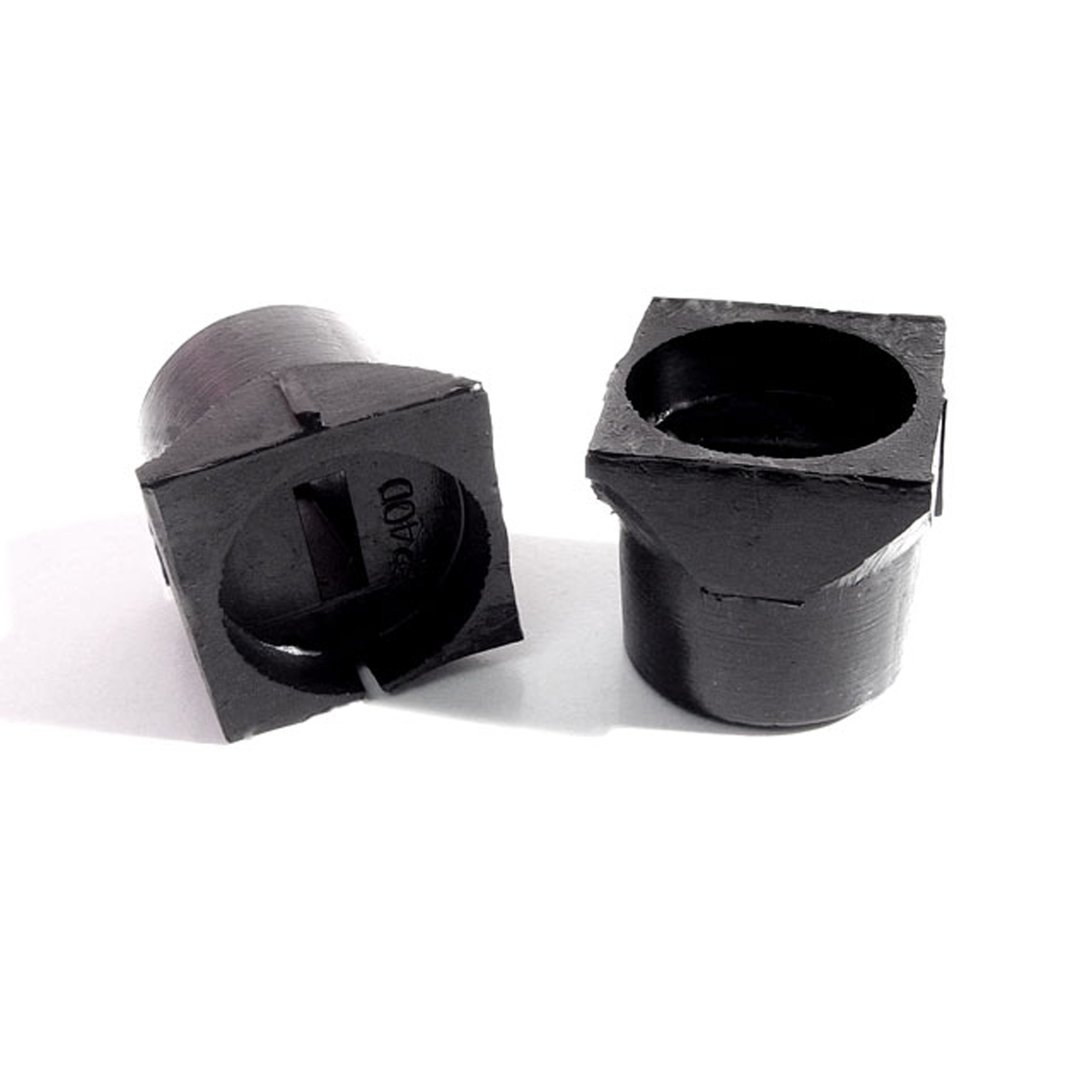 1934 Chrysler Imperial Custom Airflow Series CW Door Check Rubber Cushion. Each-RP 40-DDoor Check Rubber Cushion. Each
 1934 Chrysler Imperial Custom Airflow Series CW Door Bumper. 1" diameter X 1/4" thick Each-SB 60Door Bumper. 1" diameter X 1/4" thick Each
 1934 Chrysler Imperial Custom Airflow Series CW Side Window Anti-Rattle Pad. Six used per car-SB 73Side Window Anti-Rattle Pad. Six used per car. Fits a 3/16" X 3/4" slot in metal. Each 1934 Chrysler Imperial Custom Airflow Series CW Rear Vent Window Seals. For 4-door sedan. Pair R&L-WR 2304-RRear Vent Window Seals. For 4-door sedan. Pair R&L
Why Choose Metro?
For over 100 years, Metro Moulded Parts has been the pinnacle of quality in classic car restoration parts. Our commitment to precision and authenticity in every component ensures a perfect fit and an OEM-level appearance.
- Expert Craftsmanship & Quality: Each part is a testament to our dedication to reliability and perfection, crafted from original designs and thoroughly tested.
- Advanced Technology: We use cutting-edge techniques to create flawless, long-lasting parts that surpass others in performance.
- SuperSoft Sponge – The Ultimate Door Seal: Not only are our door seals 30% softer than competitors', but they're also guaranteed to never leak. They effectively reduce wind and road noise, enhancing your classic car's comfort and driving experience.
- Proudly American: Our parts are a product of American craftsmanship, made in the USA with a spirit of excellence and heritage.
- Unrivaled Warranty: We back our products with a 30-year industry-leading warranty, a testament to our confidence in their quality.
Join us in preserving the legacy of classic cars with parts that are crafted for perfection, not just made.