

Image of 1934 Chrysler Imperial Custom Airflow Series Cx, Note: These illustrations use artistic license and may differ from actual historical models.
Performance Metrics
Fundamental Metrics
Emotional Appeal
MMP Rating
| Engine Specifications | |
|---|---|
| Engine: | Straight-8 |
| Displacement: | 323.5 cu in (5.3 L) |
| Horsepower: | 130 hp |
| Torque: | Not available |
| Compression Ratio: | Not available |
| Ignition System: | Battery and coil |
| Cooling System: | Liquid cooled |
| Performance Specifications | |
| 0-60 Time: | Not available |
| 1/4 Mile Time: | Not available |
| Top Speed: | 95 mph |
| Transmission and Drive | |
| Drive Type: | Rear wheel drive |
| Transmission Type: | 3-speed manual |
| Fuel and Efficiency | |
| Fuel System Type: | Carburetor |
| MPG: | Not available |
| Dimensions and Brakes | |
| Brakes: | 4-wheel hydraulic drum brakes |
| Wheelbase: | 146.5 in (3721 mm) |
| Weight: | 4,485 lbs |
Note: Specifications for classic cars are given to the best of our ability, considering the limited and variant data available.
1934 Chrysler Imperial Airflow CX: The Streamliner That Looked to the Future
The 1934 Chrysler Imperial Airflow CX looked less like a reshaped carriage and more like a machine from the next decade. Built by the Chrysler Corporation in Detroit, it brought wind-tunnel thinking, an unusually spacious cabin, and bold streamlined styling to a luxury car at a time when many rivals still wore upright grilles and separate-looking bodywork.
The Airflow arrived in the depths of the Great Depression, when an ambitious new design was a gamble. Its most intriguing moment came before many customers had even seen one: Chrysler publicized dramatic strength tests, including demonstrations in which Airflow bodies were subjected to severe impacts and rollovers. The stunts helped sell the car’s rigid construction, though they could not persuade every buyer to embrace its radical appearance.
A naming note for shoppers and researchers: the CX was the Imperial Airflow, while Chrysler’s longer-wheelbase, more exclusive Imperial Custom Airflow was generally designated CW. Listings sometimes blur the labels. The CX is the subject here, and its specifications should not be confused with those of the larger CW.
Streamlined Style and a Spacious Cabin
The Airflow’s shape was its headline feature. Its nose flowed into a rounded, waterfall-style grille, with the front fenders and headlamps integrated into a continuous visual sweep. The roof curved toward the rear instead of ending in a near-vertical trunk, while the fenders blended into the body rather than appearing like separate appendages. From the side, the CX looked smooth and substantial, with a long hood and a cabin set farther forward than was typical for the period.
That forward cabin placement was practical as well as stylistic. Chrysler arranged the passengers between the axles, creating a roomier interior and a more balanced distribution of weight. The result was a luxury car that felt generous inside without relying solely on an exceptionally long hood to announce its status.
Inside, buyers found the sort of finishes expected in an upper-market Imperial: quality upholstery, carefully finished trim, and a broad, comfortable seating area. Depending on body style and specification, upholstery could include materials such as wool broadcloth or mohair, with leather available in some configurations. The dashboard was more conventional than the exterior, but the driving position and cabin layout benefited from the Airflow’s forward-set passenger compartment.
Factory paint choices varied with body and trim. Period colors included restrained dark shades such as black, blue, green, and maroon, as well as lighter combinations and two-tone treatments. A conservative dark finish suited the car’s formal luxury character, while contrasting colors made its flowing fenders and roofline stand out. Exact combinations are best checked against the car’s build records, since surviving cars may also have been repainted.
The CX range included closed body styles such as sedans and coupes, with seating and body configurations varying by catalog offering. The four-door sedan is the most recognizable family-luxury version, while the coupe gives the Airflow’s long hood and sloping rear a particularly sleek profile. For buyers seeking the ultimate chauffeur-driven Chrysler, the larger Imperial Custom CW was the more exclusive, long-wheelbase alternative.
Engineering Ahead of Its Time
Chrysler did not simply add curves to a conventional car. Engineers studied airflow in wind tunnels and worked to reduce drag through the overall shape of the body. The CX also used a rigid, largely steel structure with the body and frame designed to work together. It is often described as a unit-body pioneer, although its construction should not be confused with the fully integrated unibody designs common in modern cars.
Under the hood, the CX used a 323.5-cubic-inch L-head straight-eight engine, rated at approximately 130 horsepower. It drove through a three-speed manual transmission. Hydraulic brakes, a relatively low center of gravity, and Chrysler’s attention to structural strength added to the car’s modern character. The Airflow was not the first aerodynamic automobile, but it was one of the most ambitious attempts by a major American manufacturer to make streamlined design central to a full production range.
The car’s layout also challenged conventional weight distribution. By moving the passenger compartment forward and placing occupants between the axles, Chrysler aimed for better balance and a more comfortable ride. The broad cabin, smooth roofline, and integrated bodywork made the Airflow feel like a unified design rather than a collection of separately styled components.
Road Manners and Straight-Eight Performance
With about 130 horsepower moving a substantial luxury car, the Imperial Airflow CX was built for smooth, confident progress rather than rapid acceleration. Period gearing and vehicle weight mean a modern estimate for 0-to-60 mph is roughly 20 to 23 seconds, depending on body style, condition, and test method. A sound example could approach an estimated top speed in the neighborhood of 80 to 85 mph, but those figures are best treated as period-car estimates, not guaranteed performance specifications.
The straight-eight delivers its power in a relaxed, even fashion. Instead of a sharp burst of acceleration, the driver gets a steady pull accompanied by a subdued mechanical hum and the muted sounds of a large prewar engine. A well-maintained example should feel composed at touring speeds, with the long wheelbase helping it absorb ordinary road imperfections. Large bumps, broken pavement, and modern potholes still demand care, especially in a car whose springs, dampers, and tires may be decades old.
On winding roads, the CX rewards a measured driving style. Its steering and braking are from another era, and its size and mass make quick changes of direction less natural than in a modern car. The driver works the manual gearbox, anticipates stops, and looks well ahead. In return, the Airflow offers a distinctive, high-seated view of the road and a calm, substantial ride that suits open-road touring.
Why the Airflow Mattered
The Airflow’s influence is larger than its sales numbers suggest. It demonstrated that aerodynamic thinking could shape the whole automobile, not just a racing car or experimental prototype. Its integrated fenders, rounded nose, sloping roof, and forward cabin anticipated design themes that became more common across the industry in later years.
It also showed how difficult it can be to sell advanced engineering when the styling is unfamiliar. Some buyers loved the Airflow’s clean, futuristic lines; others preferred the upright proportions and familiar details of competing cars. Sales were disappointing relative to Chrysler’s hopes, and the company revised the styling for later model years. The CX remains important because it captured the boldest expression of Chrysler’s original Airflow idea, not because it instantly converted the market.
Ownership, Maintenance, and Common Concerns
Today, the CX is primarily a show car, museum car, or carefully used touring car. It can cover scenic roads and attend classic-car events, but it is not a sensible everyday driver for most owners. Its age, limited modern safety equipment, and specialist parts needs make regular commuting a challenge.
Mechanical work is manageable for an experienced vintage-car mechanic, but the Airflow is not an ideal first restoration project. The straight-eight is a conventional prewar design, yet engine rebuilding, brake work, transmission repairs, and electrical troubleshooting require period-car knowledge. Body and trim restoration can be more demanding: correct glass, moldings, upholstery details, and model-specific parts may take time to locate or reproduce.
Before buying, inspect the body structure carefully for corrosion, previous repairs, and evidence of poor restoration. Check that the engine, transmission, brakes, and cooling system have been properly sorted, and confirm that the car is actually a CX rather than a longer-wheelbase CW or a car assembled from mixed parts. A detailed inspection by a specialist can prevent an attractive but incomplete project from becoming an expensive surprise.
Airflow Facts and Criticisms
Chrysler promoted the Airflow’s strength with dramatic proving-ground demonstrations. Stories about cars surviving steep drops or rollovers became part of the model’s legend, though versions of these accounts vary. The underlying point was real: the company wanted customers to see the Airflow as a rigid, protective structure, not simply a strange-looking body.
The CX’s most persistent criticism was its appearance. Its rounded front and integrated bodywork were so different from the upright styling buyers knew that some shoppers considered it awkward. Others found the car heavy-looking, and the model’s commercial performance fell short of Chrysler’s ambitions. Those reactions are part of its appeal to collectors today: the Airflow was a genuine design risk, not a cautious imitation of the competition.
There is no universally reliable production tally for every CX body configuration, and figures can vary between references. A reasonable working estimate is roughly 1,500 to 2,000 CX cars for 1934, making it uncommon today. That estimate should not be confused with production of the entire Airflow line or the separate Imperial Custom CW.
Collector Values and Market Outlook
Values depend heavily on body style, originality, restoration quality, and documentation. As a broad 2026 guide, a project-quality or incomplete CX might fall around $25,000 to $50,000. A sound driver or older restoration could bring approximately $50,000 to $100,000, while a high-quality, correctly restored example may reach roughly $100,000 to $175,000 or more. Especially desirable coupes, exceptional provenance, and top-tier restorations can exceed that range. These are estimates, not appraisals, and the larger Imperial Custom CW belongs in a different value comparison.
The market for the CX is specialized. Finding one for sale can take patience, and the right car may appear through a marque club, auction, estate sale, or specialist dealer rather than a regular classified listing. Prices have generally benefited from the Airflow’s historical importance and rarity, but condition and restoration costs matter more than simple age. Expect a selective market with gradual appreciation for exceptional examples, not a guaranteed short-term rise.
A Chrysler That Dared to Change the Shape of the Car
The 1934 Chrysler Imperial Airflow CX combined a smooth straight-eight, a spacious and forward-set cabin, and construction and styling that challenged the conventions of its day. It was not a sales triumph, and its performance is modest by modern standards, but its engineering ambition left a lasting mark on automotive design.
More than nine decades later, the CX still looks like a declaration of intent: Chrysler believed the automobile could be shaped around airflow, balance, and passenger comfort rather than tradition alone. That bold idea is what makes the Imperial Airflow more than a rare classic. It makes it one of the most fascinating turning points in American car design.
1934 Chrysler Imperial Custom Airflow Series Cx Catalog of Parts
 1934 Chrysler Imperial Custom Airflow Series CX Fender Skirt Lower Latch Bumper. Steel core. Pair-BC 49Fender Skirt Lower Latch Bumper. Steel core. Pair
 1934 Chrysler Imperial Custom Airflow Series CX Fender Skirt Upper Latch Bumper. Steel core. Pair-BC 50Fender Skirt Upper Latch Bumper. Steel core. Pair
 1934 Chrysler Imperial Custom Airflow Series CX Clutch and Brake Pedal Pads. 2-5/8" wide X 3-3/4" long-CB 26Clutch and Brake Pedal Pads. 2-5/8" wide X 3-3/4" long. Pair
 1934 Chrysler Imperial Custom Airflow Series CX Clutch and Brake Pedal Pads, Black-CB 28-AClutch and Brake Pedal Pads, Black. 2-3/8" wide X 3-7/8" long. Pair
 1934 Chrysler Imperial Custom Airflow Series CX Clutch and Brake Pedal Pads, Brown-CB 28-BClutch and Brake Pedal Pads, Brown. 2-3/8" wide X 3-7/8" long. Pair
 1934 Chrysler Imperial Custom Airflow Series CX Door Jamb Bumper. Perfect reproduction-DB 36Door Jamb Bumper. Perfect reproduction. 1-1/16" high X 1-1/4" wide X 7/16" thick. Each
 1934 Chrysler Imperial Custom Airflow Series CX Door Jamb Bumper. Exact reproduction-DB 37Door Jamb Bumper. Exact reproduction. 1" high X 1-1/4" wide X 1/2" thick. Each
 1934 Chrysler Imperial Custom Airflow Series CX Door Jamb Bumper. Fully detailed reproduction-DB 38Door Jamb Bumper. Fully detailed reproduction. 15/16" high X 1-9/16" wide X 7/16" thick. Each
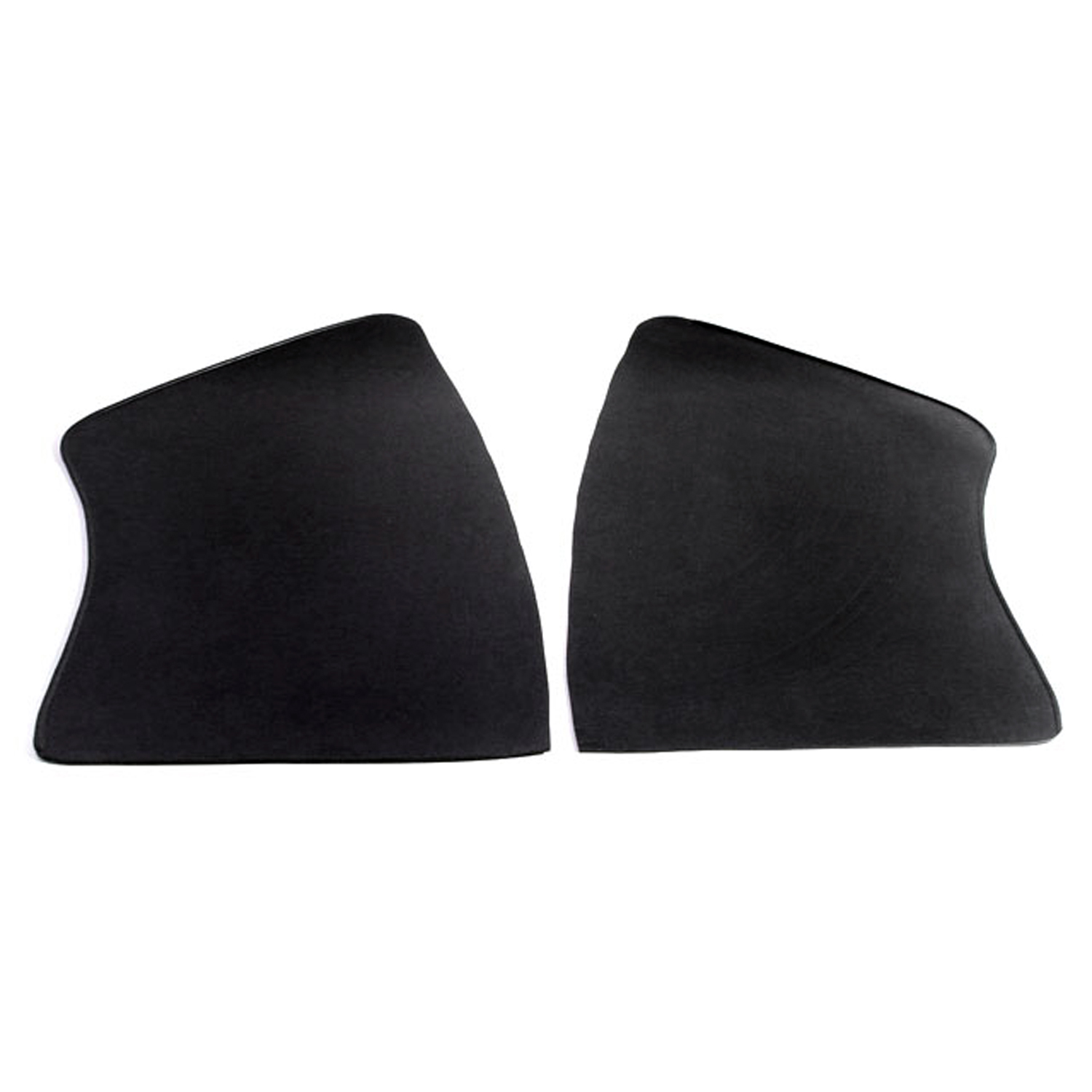 1934 Chrysler Imperial Custom Airflow Series CX Gravel Shields. Molded flat without metal backing plates-FS 31Gravel Shields. Molded flat without metal backing plates. Apply with contact cement. 18" long X 9-3/4" wide at bottom. Pair
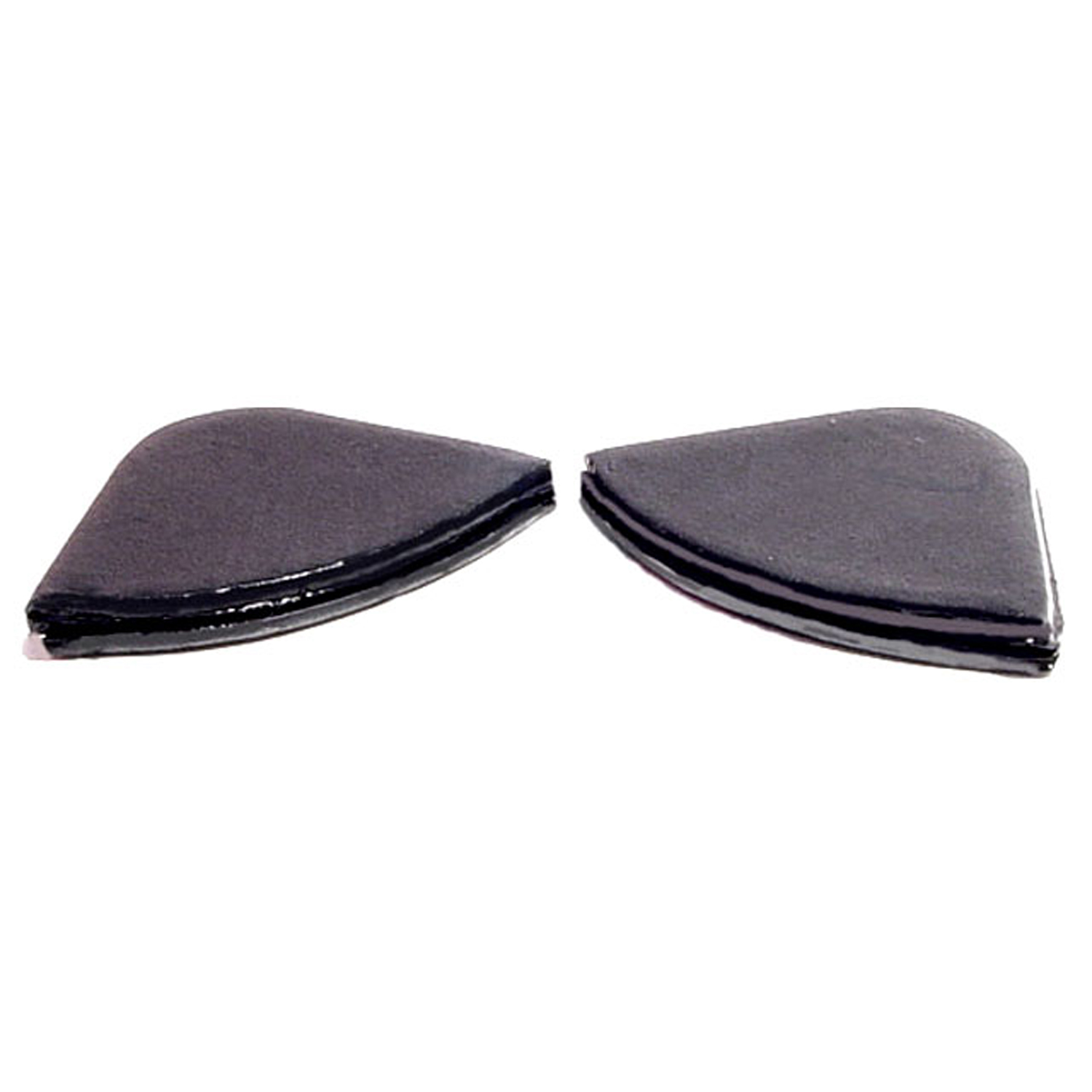 1934 Chrysler Imperial Custom Airflow Series CX Hood Corners. Fits flat corners-HC 19Hood Corners. Fits flat corners. 80° angle, 1/4" to 3/8" corner radius. 1-3/8" wide. Pair
 1934 Chrysler Imperial Custom Airflow Series CX Roof Related Seal. Top insert filler & seal for closed cars-LP 110-RRoof Related Seal. Top insert filler & seal for closed cars. Fits in groove between cloth top-center panel & surrounding steel. Sold by the foot
 1934 Chrysler Imperial Custom Airflow Series CX Swing-Out Windshield Seal. 3/4" High. Sold by the foot-LP 97-ASwing-Out Windshield Seal. 3/4" High. Sold by the foot
 1934 Chrysler Imperial Custom Airflow Series CX Headlight Pads. 2-1/4" wide X 4-1/4" long. Pair-MP 554Headlight Pads. 2-1/4" wide X 4-1/4" long. Pair
 1934 Chrysler Imperial Custom Airflow Series CX Door Handle Pads. 1-1/2" wide X 2-1/4" long-MP 556Door Handle Pads. 1-1/2" wide X 2-1/4" long. Pair (Buick: no locking type)
 1934 Chrysler Imperial Custom Airflow Series CX Door Handle Pads. 1-5/8" wide X 3-1/2" long. Pair-MP 556-BDoor Handle Pads. 1-5/8" wide X 3-1/2" long. Pair
 1934 Chrysler Imperial Custom Airflow Series CX Headlight Pads. 1-3/4" wide X 4-3/8" long. Pair-MP 556-CHeadlight Pads. 1-3/4" wide X 4-3/8" long. Pair
 1934 Chrysler Imperial Custom Airflow Series CX Trunk Rack Pad. 1-3/4" X 5-1/2". Each-MP 557Trunk Rack Pad. 1-3/4" X 5-1/2". Each
 1934 Chrysler Imperial Custom Airflow Series CX Tail-light Pads. 1-3/8" wide X 3-1/2" long. Pair-MP 557-ATail-light Pads. 1-3/8" wide X 3-1/2" long. Pair
 1934 Chrysler Imperial Custom Airflow Series CX Trunk Hinge Pads. 1-7/8" wide X 8" long. 4-Piece Set-MP 568Trunk Hinge Pads. 1-7/8" wide X 8" long. 4-Piece Set
 1934 Chrysler Imperial Custom Airflow Series CX Molded Heel Pad. For drivers side. Correct rib pattern-RM 23Molded Heel Pad. For drivers side. Correct rib pattern. Black. 11-1/2" X 15". Each
 1934 Chrysler Imperial Custom Airflow Series CX Molded Heel Pad. For drivers side. Correct rib pattern-RM 23-QMolded Heel Pad. For drivers side. Correct rib pattern. Brown. 11-1/2" X 15". Each
 1934 Chrysler Imperial Custom Airflow Series CX Cowl Vent Seal. Made of molded sponge-RP 100-LCowl Vent Seal. Made of molded sponge. 3-3/4" wide at side X 15-1/3" long X 3/8" thick. Each
 1934 Chrysler Imperial Custom Airflow Series CX Cowl Vent Seals. Molded in soft rubber. Two needed per car-RP 101-BCowl Vent Seals. Molded in soft rubber. Two needed per car. 4" wide X 15-1/4" long. Replaces OEM #4688744-5. Pair
 1934 Chrysler Imperial Custom Airflow Series CX Spare Tire Mount Grommet. 2-7/8" wide X 3-3/4" long. Each-RP 200-ASpare Tire Mount Grommet. 2-7/8" wide X 3-3/4" long. Each
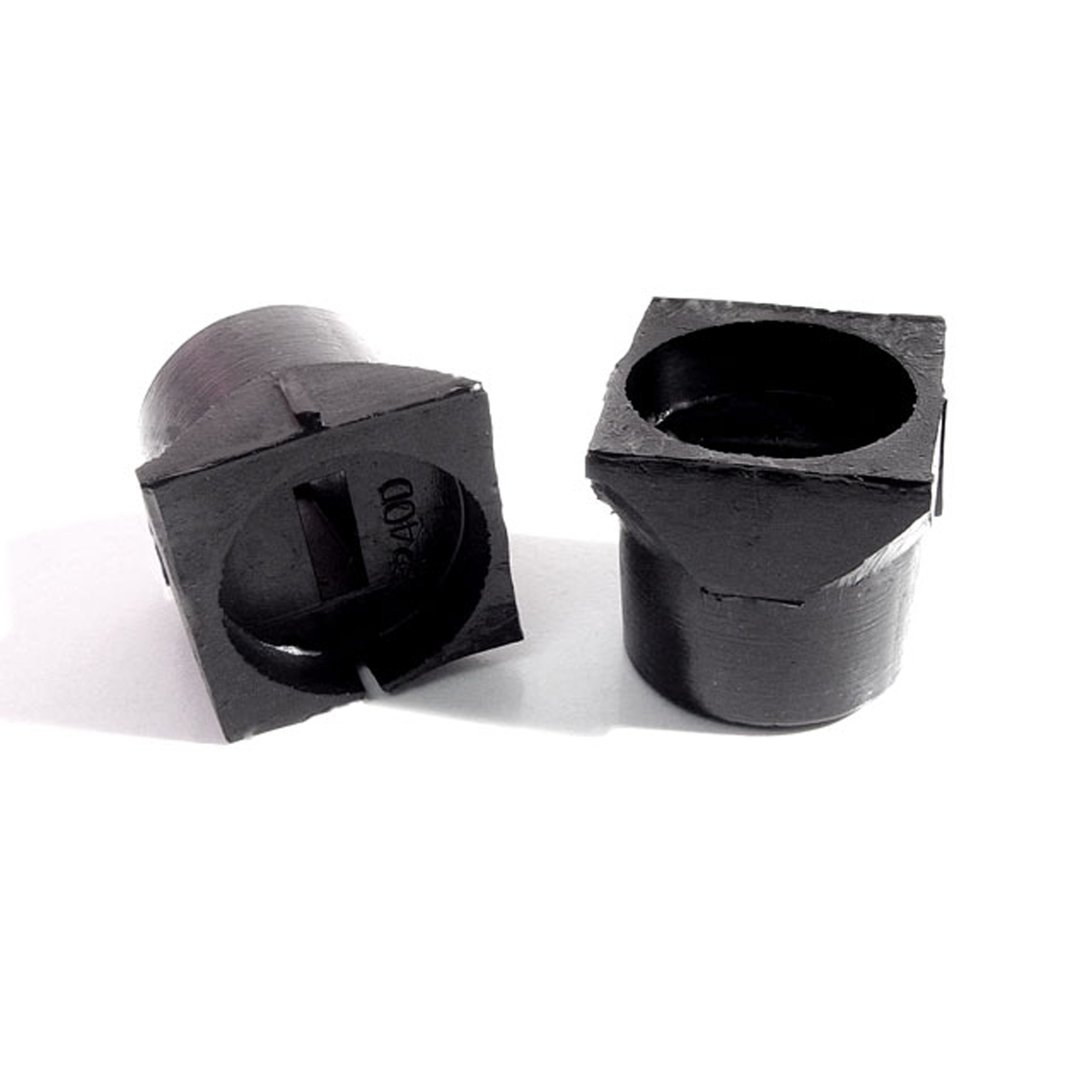 1934 Chrysler Imperial Custom Airflow Series CX Door Check Rubber Cushion. Each-RP 40-DDoor Check Rubber Cushion. Each
 1934 Chrysler Imperial Custom Airflow Series CX Door Bumper. 1" diameter X 1/4" thick Each-SB 60Door Bumper. 1" diameter X 1/4" thick Each
 1934 Chrysler Imperial Custom Airflow Series CX Side Window Anti-Rattle Pad. Six used per car-SB 73Side Window Anti-Rattle Pad. Six used per car. Fits a 3/16" X 3/4" slot in metal. Each 1934 Chrysler Imperial Custom Airflow Series CX Rear Vent Window Seals. For 4-door sedan. Pair R&L-WR 2304-RRear Vent Window Seals. For 4-door sedan. Pair R&L
Why Choose Metro?
For over 100 years, Metro Moulded Parts has been the pinnacle of quality in classic car restoration parts. Our commitment to precision and authenticity in every component ensures a perfect fit and an OEM-level appearance.
- Expert Craftsmanship & Quality: Each part is a testament to our dedication to reliability and perfection, crafted from original designs and thoroughly tested.
- Advanced Technology: We use cutting-edge techniques to create flawless, long-lasting parts that surpass others in performance.
- SuperSoft Sponge – The Ultimate Door Seal: Not only are our door seals 30% softer than competitors', but they're also guaranteed to never leak. They effectively reduce wind and road noise, enhancing your classic car's comfort and driving experience.
- Proudly American: Our parts are a product of American craftsmanship, made in the USA with a spirit of excellence and heritage.
- Unrivaled Warranty: We back our products with a 30-year industry-leading warranty, a testament to our confidence in their quality.
Join us in preserving the legacy of classic cars with parts that are crafted for perfection, not just made.